
Reviewed · ANIME & MANGA TOURS
Ramen Making from Scratch +Akihabara Tour –Cooking Class
Akihabara is usually associated with electronics, anime, and maid cafés. This experience adds a tastier layer: you walk through the district, inspect ramen ingredients in a local supermarket, then make Jiro-style ramen from flour to bowl. I like the grocery stop because it gives you a glimpse of everyday Japanese food shopping, and I like the small group size, capped at six people. The main drawback is that this is not a quick class near the station. You will take a train to the kitchen, pay that fare with your own IC card, and finish away from Akihabara.
The $120 price makes the most sense if you value instruction, a guided neighborhood walk, and a full meal rather than only a short cooking lesson. The class is in English, and the guide and chef are praised for being friendly and helpful. Plan carefully, though: arrive before the 11 a.m. meeting time, since the group leaves if you are more than 10 minutes late.
Key points to know before booking
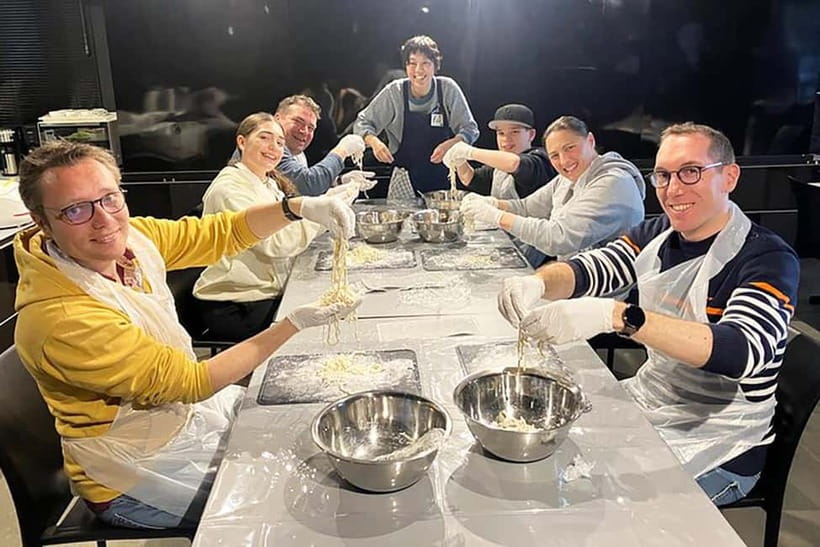
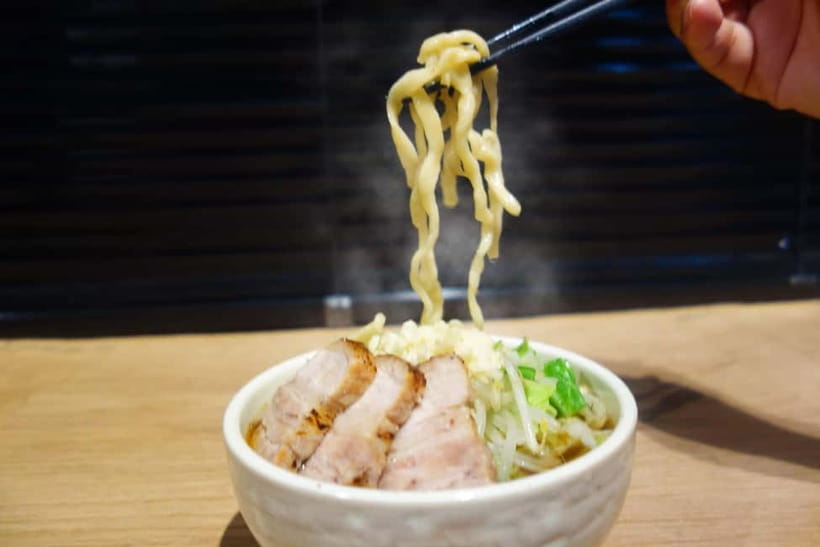
- Make noodles by hand: You prepare fresh ramen noodles from flour instead of simply assembling a pre-made bowl.
- See Akihabara beyond electronics: The opening walk links the electric town with a local supermarket and Japanese cooking ingredients.
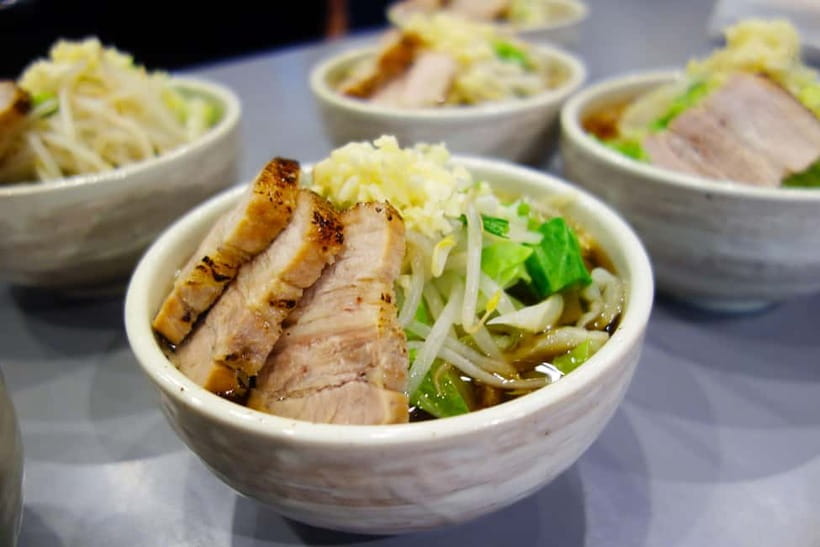
- Learn Jiro-style ramen: The class covers broth, toppings, and the thick, substantial style of ramen featured here.
- Small English-speaking group: A maximum of six participants gives the guide and instructor room to help.
- Plan for a separate ending point: The class finishes at the Patia Kitchen Studio, not back at JR Akihabara Station.
- Dietary limits matter: Vegan and vegetarian options are not available, but pork chashu can be changed to chicken with more than 48 hours notice.
Akihabara before the cooking begins
The experience starts at 11 a.m. outside the central ticket gate of JR Akihabara Station. This is a busy meeting area, so give yourself extra time to find the correct exit and locate the guide. The group leaves after 10 minutes, and late arrivals must make their own way to the kitchen studio. There is no refund for missing the departure.
Your first walk lasts about 20 minutes. It is not a full historical tour of Akihabara, and that is useful to know. The focus is the modern district, with its electronics, anime, gadgets, and pop culture. The walk gives you context before the cooking begins and helps connect the famous public face of Akihabara with ordinary food shopping.
I like this opening because it does not treat the neighborhood as a mere meeting point. You get a quick look at the area before moving on to the practical part of the experience. If you have already spent days exploring Akihabara, the walk may feel brief. If this is your first visit, it is a handy introduction without taking over the morning.
Other anime and game stops in Tokyo:
- Official Street Go-Kart Tour – Akihabara
★ 5.0 · 1,578 reviews - Tokyo Go Kart: Asakusa, Skytree, and Akihabara **IDP MUST**
★ 5.0 · 988 reviews - Tokyo Studio Ghibli Museum and Ghibli Film Appreciation Tour
★ 4.5 · 421 reviews
What the supermarket visit adds
The next stop is a supermarket in Akihabara, where you spend about 20 minutes looking at ingredients used in the day’s ramen. Your guide explains what goes into the recipe and how the ingredients are used. This is a small part of the schedule, but it may be the most useful section for anyone interested in Japanese home cooking.
A restaurant menu tells you what you can order. A supermarket shows you what people buy, compare, and use in daily life. You will see the food from a practical angle, with the guide explaining the products selected for the class. Since the ingredients can vary by day, the exact items are not fixed in advance.
Do not expect to shop for a full meal or spend an hour browsing every aisle. The stop is short and tied to the ramen lesson. Its value is in learning why the cooking uses certain ingredients before you handle them yourself. That link makes the later class easier to follow.
The train ride to the Patia Kitchen Studio
After the supermarket, you take a train to the cooking studio. The journey lasts about 15 to 30 minutes, depending on the route and conditions. Transportation from Suehirocho Station to the studio is not included, so bring a Suica card or another Japanese IC card. If you do not have one, the guide will help you buy a ticket.
This is a practical detail that can affect your comfort. The advertised three hours includes the walk, supermarket visit, train transfer, and cooking session. You are not getting three full hours at the stove. The ride is part of the route, but you need to budget time and a small extra transport cost.
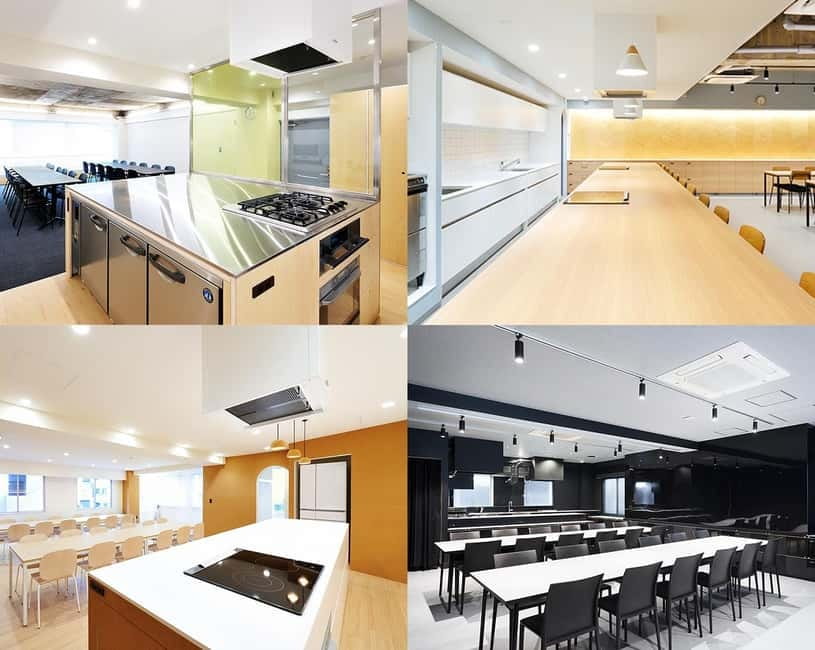
The class takes place at a Patia Kitchen Studio, a modern cooking venue in central Tokyo. The studios are described as spacious and relaxing, with a station nearby, and they have been used for Japanese television programs. The setting should feel more comfortable than trying to work around a crowded restaurant counter.
The tour ends at the studio. You will need to arrange your onward travel from there, so avoid booking a tight appointment back in Akihabara or at another station. The guide can assist with the train portion, but the final return is your responsibility.
Making ramen from flour to bowl
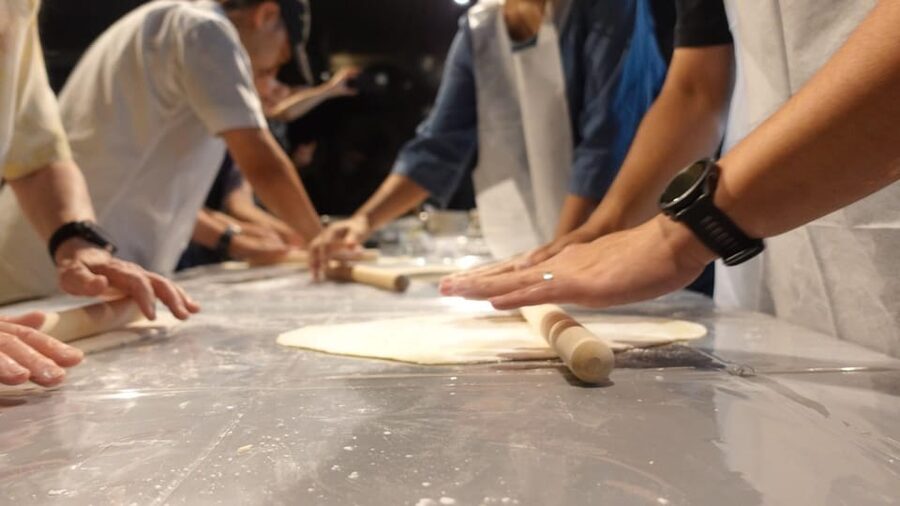
The cooking session lasts about 90 minutes. You learn to prepare fresh noodles, broth, and toppings, then bring them together into Jiro-style ramen. The key appeal is the complete process. You are not simply adding toppings to a prepared soup or watching an instructor cook.
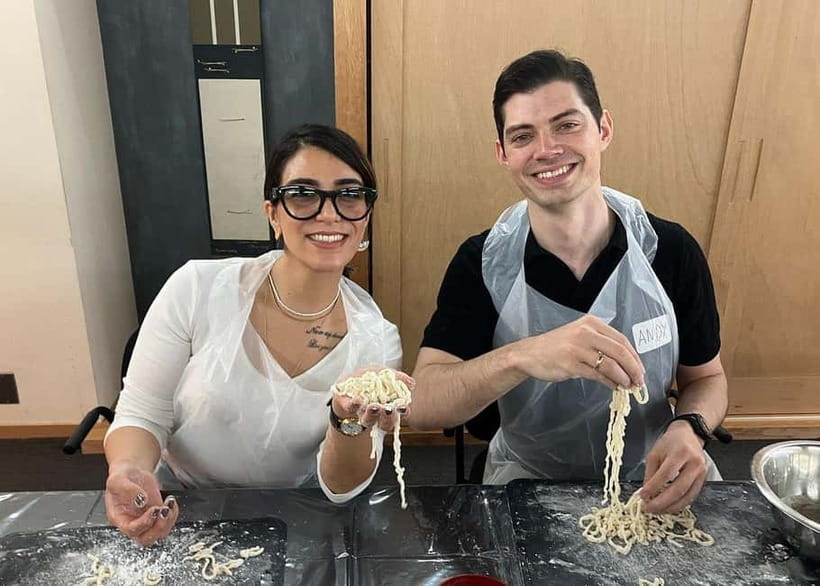
The noodle work is the hands-on centerpiece. You begin with flour and learn how it becomes the noodles for your bowl. That gives you a better sense of ramen as a crafted dish, not just a fast meal. The class is also a good fit if you enjoy practical activities where the final food is your reward.
The broth and toppings are prepared as part of the session. The available information does not give a fixed recipe or list every ingredient, since the ingredients can change according to the day. You should expect the instructor to guide you through the version being made during your class.
Jiro-style ramen is known for a substantial presentation, and this class focuses on that particular style rather than a generic bowl of ramen. The description calls it a special Jiro-style recipe, with fresh noodles, flavorful broth, and toppings prepared from scratch. If your main goal is to learn a famous ramen style in English, this is the strongest reason to book.
You should also keep your expectations realistic. A 90-minute class cannot cover every regional ramen tradition or turn you into a professional noodle maker. What you get is a focused introduction to one style, led by an English-speaking instructor, with enough participation to make the finished bowl feel like your own work.
Other bowls worth queuing for in Tokyo:
- Eat and Drink Like a Local: Tokyo Ueno Food Tour-Taverns&Ramen
★ 5.0 · 957 reviews - Ramen & Gyoza Cooking Class in Tokyo with Local Supermarket Visit
★ 5.0 · 823 reviews - Tokyo: Ramen Tasting Tour with 6 Mini Bowls of Ramen
★ 4.9 · 432 reviews - Tokyo: Easy Ramen Cooking Experience in Kabukicho, Shinjuku
★ 4.6 · 321 reviews
The value of an English-speaking instructor
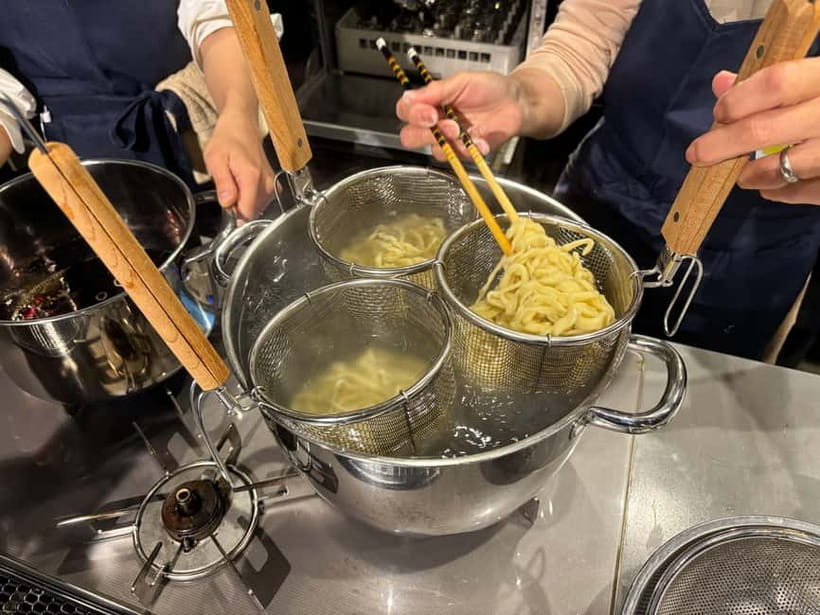
The class is conducted in English, which matters for a lesson involving texture, timing, and technique. You need to understand what to do with the dough, how to prepare the broth, and how the toppings come together. A language barrier would be more troublesome here than on a simple food tasting.
The guide handles the Akihabara walk and supermarket explanations, while the cooking instructor leads the kitchen session. The people who have taken the class describe both the guide and chef as friendly, helpful, and clear. One particularly useful point is that the lesson explains the secrets of Japanese ingredients, not just the mechanical steps of a recipe.
The group is limited to six people. That is small enough for personal assistance and large enough to keep the activity social. If you are booking alone, note that at least two people are required per reservation. This is not a solo lesson designed for one participant.
Is $120 a fair price?

At $120 per person, this is not the cheapest way to eat ramen in Tokyo. You can find a bowl of ramen for far less. The price needs to be judged against the full package: an Akihabara walk, supermarket visit, train transfer, English instruction, hands-on noodle making, a cooked meal, and downloadable photographs.
I think the price is reasonable for someone who wants an activity rather than only lunch. You are paying for access to a kitchen studio, an instructor, ingredients, and guidance through a dish that takes real preparation. The small group limit also adds value because you are not lost in a large demonstration.
The value is weaker if you only want to eat Jiro-style ramen or already know how to make noodles. In that case, a restaurant visit will cost less and take less time. This experience earns its price through participation and explanation, not through the raw cost of the food.
The included photographs are a nice extra. They let you keep a record of the cooking session without having to stop and take pictures at every stage. Food and beverages are included, so you finish with the ramen you made rather than needing to find lunch afterward.
Dietary needs and physical comfort
This is not a vegetarian or vegan activity. Vegan and vegetarian options are unavailable, so you should not book it if you follow either diet. The standard recipe includes pork chashu, but the pork can be changed to chicken if you make the request more than 48 hours ahead.
That chicken option is useful, but it is not a broad dietary customization policy. If you have allergies or other restrictions, the supplied information does not confirm alternatives. Ask before booking rather than assuming the chef can adjust the recipe.
The activity is not suitable for children under five, wheelchair users, or people with back problems. You will walk through Akihabara, visit a supermarket, use a train, and work in a kitchen studio. The listing does not provide detailed accessibility information, so anyone with mobility concerns should contact the provider before reserving.
Baby strollers are not allowed, and smoking is prohibited. These rules are easy to overlook when planning a family day in Tokyo. The age restriction and small kitchen setting make this better suited to adults and older children who can follow instructions.
Timing, cancellation, and what to bring
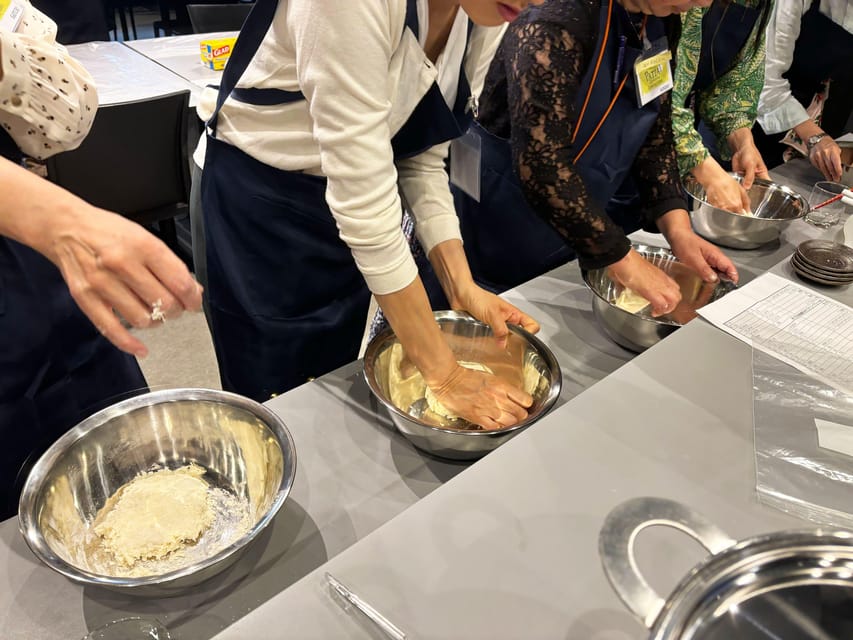
The total duration is about three hours, with the meeting at 11 a.m. Check the available date and starting time when booking, since the schedule may vary. Wear something comfortable for walking and cooking, though no special clothing requirement is given.
Bring a Suica card or another IC card for the train. The fare is separate from the $120 activity price. If you have no card, the guide can help you buy a ticket, but arriving prepared will keep the group moving.
The tour offers free cancellation up to 24 hours before the start time for a full refund. You can also reserve and pay later, which helps if your Tokyo plans are still shifting. These policies are useful, but they do not protect you from arriving late, so the meeting point deserves your closest attention.
Who will enjoy this ramen class most?
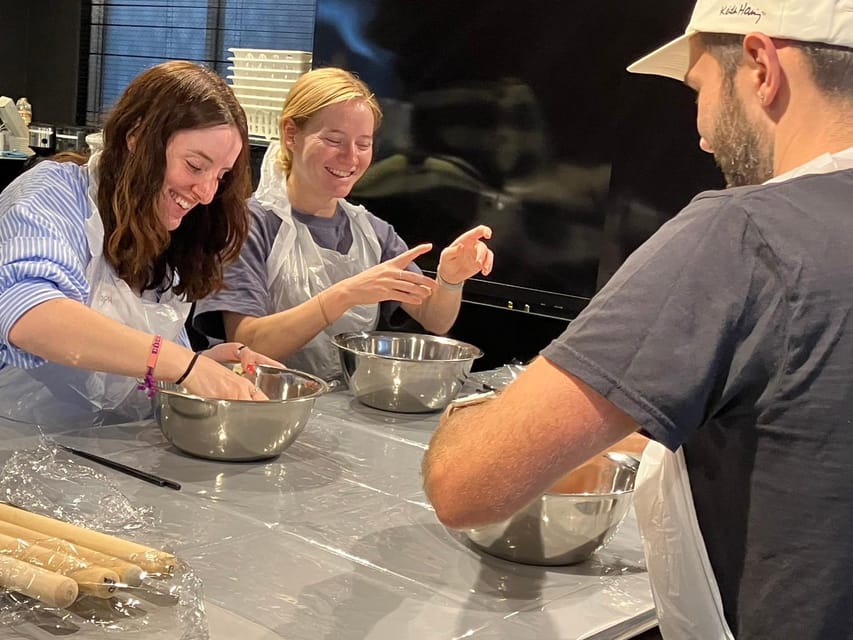
I would choose this for a food-focused visitor who wants to do something active in Tokyo. It suits you if you enjoy learning by making, want an English-language lesson, and like the idea of pairing a neighborhood walk with a meal.
It is especially appealing if you are curious about Japanese ingredients but do not want a formal lecture. The supermarket stop gives you a quick look at the food culture around the dish, and the kitchen session turns that information into dinner.
The class is also a good choice for couples and small groups. A minimum of two people is required, and the maximum of six keeps the activity personal. The cheerful feedback from participants points to the guide and chef as a major part of the experience, so the human side of the class matters as much as the noodles.
I would skip it if your schedule is tight, you need to finish near Akihabara, or you want a completely flexible menu. It is also the wrong pick for vegans, vegetarians, young children, wheelchair users, and anyone who cannot manage the walking and train transfer.
Should you book it?
Book this ramen class if you want more than a restaurant meal. You will see a slice of Akihabara, learn about ingredients in a supermarket, make noodles from flour, and eat a Jiro-style bowl prepared with your own hands. The English instruction and six-person limit give the experience a clear advantage.
Skip it if you are judging value only by the price of lunch, need to stay near the station, or have dietary and mobility needs the class cannot support. For the right visitor, the best part is not simply eating the ramen. It is understanding how the ingredients and techniques come together before you take that first bite.
FAQ
Where does the ramen class meet?
Meet at 11 a.m. outside the central ticket gate of JR Akihabara Station.
How long does the experience last?
The experience lasts about three hours, including the Akihabara walk, supermarket visit, train ride, and cooking class.
Where does the activity finish?
The activity finishes at the Patia Kitchen Studio, which is different from the meeting point at Akihabara Station.
Is transportation included?
Transportation from Suehirocho Station to the kitchen studio is not included. Use your own Suica card or another IC card, or ask the guide for help buying a ticket.
Is the class taught in English?
Yes. The guide and cooking instructor provide the experience in English.
Can the pork chashu be changed?
Yes. You can request chicken instead of pork if you provide notice more than 48 hours in advance.
Are vegetarian or vegan options available?
No. Vegetarian and vegan options are not available.
More cooking classes elsewhere in Japan
- Ramen and Sushi Cooking Class with Sake Pairing Set in Tokyo
★ 5.0 · 291 reviews - Tokyo: Wagyu and 7 Japanese Dishes Cooking Class
★ 4.9 · 273 reviews - Tokyo Washoku 4-hour Cooking Class: From Market to Table
★ 5.0 · 253 reviews - Professional Ramen & Gyoza with Ramen Chef in a restaurant!
★ 5.0 · 223 reviews
Just added in Tokyo
- The 10 Tastings of Tokyo With Locals: Private Street Food Tour★ 5.0 · 48 reviews
- Small Town in the Big City: Tasting Tokyo’s Kichijoji★ 5.0 · 195 reviews
- Small Town in the Big City: Tasting Tokyo’s Kichijoji★ 5.0 · 16 reviews
- EXCLUSIVE Tokyo Secret: Kichijoji Small-Group Food & Bar Hopping★ 5.0 · 29 reviews
- Explore Kichijoji: Walk Through One of Tokyo’s Beloved Districts★ 5.0 · 21 reviews
- :Tokyo,Shibuya/ Pro Photography in Kimono / English-Friendly★ 5.0 · 26 reviews
- 【R34】Tokyo:Private Daikoku tour in Modified R34★ 4.9 · 92 reviews
- Tokyo:Calligraphy &Make your original folding fan in Asakusa★ 5.0 · 62 reviews
Anime & Manga Tours, compared.


Tokyo Go Kart: Asakusa, Skytree, and Akihabara **IDP MUST**
Read our review →
Tokyo Studio Ghibli Museum and Ghibli Film Appreciation Tour
Read our review →
Akihabara Anime & Game Adventure Walking Tour (Group or Private)
Read our review →



Manga Drawing Workshop Guided by Pro Manga Artist
Read our review →Browse the lists this tour appears in