
Reviewed · CALLIGRAPHY & CRAFT WORKSHOPS
Tokyo: Name Seal & Pouch or Tote Bag Making Experience
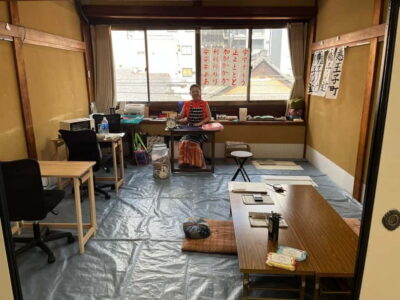
A Japanese name seal is a small souvenir with real cultural weight. At Shodocafe7557 in Roppongi, you work with an English-speaking host to turn your name into Kanji or Hiragana, then take home a stamp made for you rather than pulled from a shop shelf. The host also explains the meaning behind the selected characters.
I like the chance to practice calligraphy while the seal is produced, and I like that you leave with both a useful stamp and a personalized pouch or tote. The main thing to consider is timing: the advertised session lasts 30 to 40 minutes, but production can take longer when several people are booked.
Key points to know before you book
- Your name becomes the centerpiece: Choose a square 24-millimeter Kanji seal or a round 12-millimeter Hiragana seal.
- Four Kanji bag designs: Pick Mt. Fuji, pine tree, floral leaf, or maiko girl when selecting the Kanji option.
- Calligraphy fills the waiting time: You can practice writing your name and design a postcard while your custom seal is made.
- Two souvenir choices: Select a gold or silver pouch, or a tote decorated with your name and up to three cherry blossoms or stars.
- Small and personal setting: The group is limited to five people, with an English-speaking guide.
- Roppongi location: The studio is on the second floor of Crest Roppongi, near the National Art Center, Tokyo.
Turning your name into Japanese characters
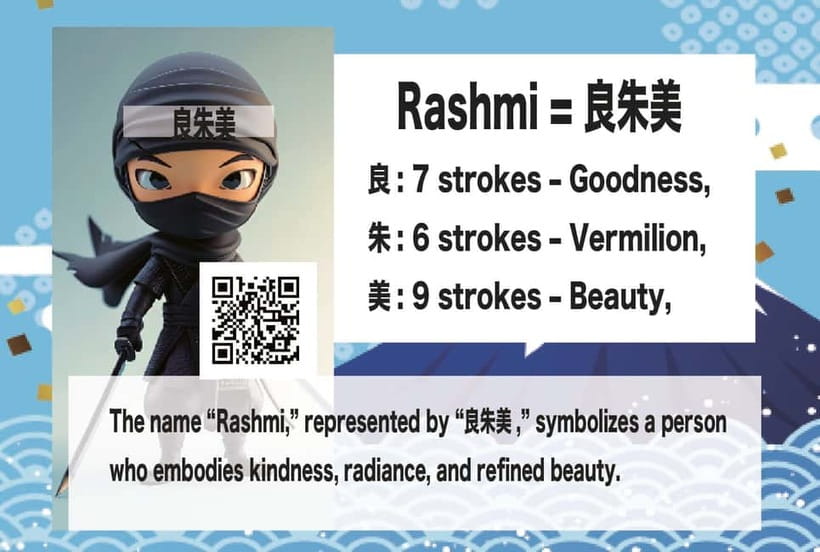
The most interesting part of this activity happens before the stamp is carved. Your name is translated into Japanese writing, and the staff help select Kanji characters based on both sound and meaning. That gives you more than a simple phonetic spelling. You receive characters chosen to suit your name and carry a favorable meaning.
If you choose the Kanji version, your seal is square and measures 24 millimeters. This is the larger, more decorative option, and it comes with a choice of four designs for the matching bag or pouch: Mt. Fuji, pine tree, floral leaf, or maiko girl.
You can also choose a round 12-millimeter seal written in Hiragana. This is the smaller and simpler option. Hiragana is Japanese phonetic writing, so it does not carry the same character-by-character meaning as a Kanji name, but it gives you a clear connection to Japanese writing.
Be ready to provide everyone’s names before the appointment. For a Kanji seal, you also need to give your preferred design in advance. The name translation and custom production require preparation, so this is not a good activity to approach with no decisions made.
Other things to make with your hands in Tokyo:
- Chopstick Making Workshop in Ginza
★ 4.8 · 1,366 reviews - Tokyo Chopstick Making Workshop with Artisan
★ 5.0 · 466 reviews - Tokyo: Matcha Making Experience with Mochi Sweets in Asakusa
★ 4.9 · 388 reviews
What happens during the 30 to 40 minutes
You begin and end at RoppongiHanko, the Shodocafe7557 studio in Roppongi. The appointment is compact, which makes it easy to fit into a day near the National Art Center, Tokyo, or between other plans in central Tokyo.
The order of the work can vary depending on how many people are in the studio, but the main parts are straightforward:
- You confirm the names and select the seal style.
- The staff explain the Japanese characters and help with the design choice.
- Your custom seal is produced.
- You practice calligraphy and work on a personalized postcard while you wait.
- Your name is added to a pouch or tote bag.
- You leave with your finished souvenirs.
The activity is listed as 30 to 40 minutes, but the practical warning is important. Production takes about 40 minutes per person when the studio is busy. A small group limit of five keeps the setting manageable, but it does not guarantee that every participant will finish at exactly the same time.
I would avoid scheduling a train departure or timed museum entry immediately afterward. Give yourself breathing room, especially if your party includes several people who each want a custom seal.
Choosing between Kanji and Hiragana
The Kanji option is the better pick if you want the most personal explanation. The host helps connect your name with characters that have meaning, and you can choose one of the four matching designs. It feels like a small lesson in how names and symbols work in Japan.
The Hiragana option is more direct. You receive a round 12-millimeter stamp with your name written phonetically. It may suit you if you prefer a cleaner design or want the stamp itself to be smaller and easier to carry.
The supplied details do not specify a different price for the two styles, so your choice is about appearance and meaning rather than a stated price difference. If you are booking for children, letting each person choose their own writing system can make the activity feel more personal.
The four Kanji designs also give the finished item a distinct character:
- Mt. Fuji: A familiar Japanese symbol with a strong travel connection.
- Pine tree: A traditional plant image associated with Japan.
- Floral leaf, or kiri-mon: A formal decorative pattern.
- Maiko girl: A design linked with traditional Japanese performance and dress.
The designs are fixed choices, not a blank canvas. That keeps the process simple, but it also means you should choose from the listed options rather than expecting a completely custom illustration.
Picking a pouch or tote bag
You can take your name on a pouch or a tote bag. The pouch is available in gold or silver, which gives you a clear choice between two metallic finishes. It is a compact keepsake and likely the easier option to pack safely in your luggage.
The tote includes your name and up to three decorations. Cherry blossoms and stars are listed as examples. If you want more than three decorations, extra charges apply, so decide how busy you want the design before asking for additions.
The tote may be the better choice if you want to use the souvenir after returning home. It also gives children more room to make design choices. The pouch is better suited to someone who wants a smaller gift or prefers the polished gold or silver finish.
You do not have to treat the bag as separate from the seal. With the Kanji option, the selected Mt. Fuji, pine tree, floral leaf, or maiko girl design helps tie the two items together. That makes the set feel planned rather than like two unrelated souvenirs.
Same base, a different sort of day:
- Mt Fuji and Hakone 1-Day Bus Tour Return by Bullet Train
★ 5.0 · 26,383 reviews - 1-Day Tokyo Bus Tour
★ 5.0 · 14,250 reviews - Tokyo: TOKYO SKYTREE® Admission ticket
★ 4.5 · 11,192 reviews - Tokyo: teamLab Planets TOKYO Digital Art Museum Entry Ticket
★ 4.6 · 9,779 reviews
Calligraphy and the personalized postcard
The waiting period is turned into part of the activity. While the custom seal is being made, you can practice calligraphy and write your name. The host provides encouragement and explains the writing, so you are not left sitting idle while production takes place.
A personalized postcard is also created for you during the wait. The postcard adds another small item to the package and gives you a place to see the name or calligraphy work in a different format.
This portion is especially useful for families. Younger participants can focus on writing and decoration, while adults learn why the selected characters were chosen. Several families have found that children enjoyed learning the meaning of their names as much as receiving the finished stamp.
The calligraphy work is practice, not a formal certification or long lesson. If you want an extensive calligraphy class, this is too short. If you want a friendly introduction that adds context to a custom souvenir, the timing works well.
Why the $29 price can make sense
At $29 per person, this is not the cheapest souvenir stop in Tokyo. You are paying for the custom translation, a made-to-order seal, a named pouch or tote, guided calligraphy, and a postcard. The value comes from the personal work involved, not from the amount of time alone.
A ready-made souvenir costs less, but it will not explain your name or give you a stamp made specifically for you. The seal is also more lasting than a snack or novelty item, and the pouch or tote gives you a second object to keep or use.
The value is strongest if you want a personal gift. A name seal for a parent, child, partner, or friend can carry more meaning than a generic Tokyo magnet. It is also a good choice if you enjoy small craft activities and want a break from temples, shopping, and major sights.
The price is less compelling if you only want a quick photograph or a cheap souvenir. Because the seal requires production time, you need to give the activity a proper place in your schedule. The tote can also cost more if you request more than three decorations.
Finding Shodocafe7557 in Roppongi
The studio is at 7-9-3 Roppongi, Minato-ku, on the second floor of the Crest Roppongi Building. The meeting point is near the National Art Center, Tokyo.
By train, take the Toei Oedo Line to Roppongi Station and use Exit 7. After leaving the station, cross toward FamilyMart and keep to the right. Walk toward the National Art Center along the museum street. The building has a large crane sign on the left.
You can search for Shodocafe7557 in Google Maps. The supplied meeting information also identifies the location as RoppongiHanko, so check the map pin before setting out. Roppongi has several major buildings and busy streets, and finding the correct entrance matters more than the short walking distance suggests.
If you use a taxi, show the driver the studio name and the Crest Roppongi Building location near the National Art Center. The studio is wheelchair accessible, which is useful for visitors who need step-free access, though the information provided does not describe the building entrance or restroom setup in further detail.
Who will enjoy this activity most
I would recommend this to you if you want a souvenir connected to Japanese culture rather than a standard retail purchase. It works particularly well for families, couples, and small groups of friends because everyone can make a different choice.
It is also a good fit for first-time visitors who want an easy introduction to Kanji, Hiragana, and calligraphy. You do not need previous writing experience. The English-speaking host guides the process and explains the selected characters.
Children seem likely to enjoy the hands-on side, especially the calligraphy, decorations, and choice of bag. The activity has enough structure to keep things moving, but it still allows each person to make a personal decision.
You might skip it if your schedule is packed or if you dislike small craft activities. The session is short, but custom production can take longer. It also requires advance decisions for Kanji names, designs, and pouch colors.
Practical choices to make before arrival
For a smooth visit, prepare the following before you book:
- Everyone’s name, spelled correctly.
- Kanji or Hiragana preference.
- One of the four Kanji designs if you choose the Kanji seal.
- Gold or silver pouch color if selecting a pouch.
- Pouch or tote preference.
- Up to three tote decorations.
The name translation and design need to be supplied in advance for Kanji seals. This is one of the few activities where a little preparation directly improves the visit. You will spend less time deciding on the spot, and the studio can begin the custom work sooner.
Smoking is not allowed. The activity is offered in English, is limited to five participants, and allows free cancellation up to 24 hours before the start time. You can also reserve now and pay later, which helps if your Tokyo schedule is still changing.
My call: book it for a personal Tokyo souvenir
Book this experience if you want a small, thoughtful item that connects your name with Japanese writing. The best reasons are the character explanation, the calligraphy practice, and the choice between a pouch or a usable tote.
I especially like that the waiting time has a purpose. You are not simply handing over your name and collecting a finished product. You learn a little, practice a little, and leave with several personalized pieces.
The main caution is timing. Allow more than the advertised 30 to 40 minutes if your party is large or the studio is busy. If you make those allowances and prepare your design choices ahead of time, the $29 price is fair for a custom seal, named bag, and guided activity in central Tokyo.
FAQ
How long does the name seal and bag activity take?
The scheduled duration is about 30 to 40 minutes. Production can take longer when several people are booked, with the activity noting that it may take about 40 minutes per person.
Where does the activity take place?
It takes place at Shodocafe7557, also identified as RoppongiHanko, on the second floor of the Crest Roppongi Building at 7-9-3 Roppongi, Minato-ku, Tokyo.
How do I reach the studio by train?
Take the Toei Oedo Line to Roppongi Station and use Exit 7. Cross toward FamilyMart, keep to the right, and walk toward the National Art Center, Tokyo along the museum street. The building has a large crane sign on the left.
Can I choose Kanji or Hiragana for the seal?
Yes. The square seal uses Kanji and measures 24 millimeters. The round seal uses Hiragana and measures 12 millimeters.
What designs are available for the Kanji option?
You can choose Mt. Fuji, pine tree, floral leaf, or maiko girl. The preferred design must be provided in advance for a Kanji seal.
Can I choose between a pouch and a tote bag?
Yes. The pouch is available in gold or silver. The tote includes your name and up to three decorations, such as cherry blossoms or stars. More than three decorations cost extra.
Is the activity suitable for wheelchair users?
The activity is listed as wheelchair accessible. The provided information does not give further details about the entrance or facilities, so you may wish to confirm those points before arrival.
Just added in Tokyo
- The 10 Tastings of Tokyo With Locals: Private Street Food Tour★ 5.0 · 48 reviews
- Small Town in the Big City: Tasting Tokyo’s Kichijoji★ 5.0 · 195 reviews
- Small Town in the Big City: Tasting Tokyo’s Kichijoji★ 5.0 · 16 reviews
- EXCLUSIVE Tokyo Secret: Kichijoji Small-Group Food & Bar Hopping★ 5.0 · 29 reviews
- Explore Kichijoji: Walk Through One of Tokyo’s Beloved Districts★ 5.0 · 21 reviews
- :Tokyo,Shibuya/ Pro Photography in Kimono / English-Friendly★ 5.0 · 26 reviews
- 【R34】Tokyo:Private Daikoku tour in Modified R34★ 4.9 · 92 reviews
- Tokyo:Calligraphy &Make your original folding fan in Asakusa★ 5.0 · 62 reviews
Calligraphy & Craft Workshops, compared.
Chopsticks Making Workshop in Gion with Engraving Option
Read our review →
Matcha Making Experience with Mochi Sweets in Asakusa
Read our review →
Authentic knife making experience at a blacksmith in Kyoto
Read our review →
Calligraphy class at Buddhist temple in city center
Read our review →Browse the lists this tour appears in