
Reviewed · SUMO EXPERIENCES
Tokyo: Not a show- a professional sumo practice with experts
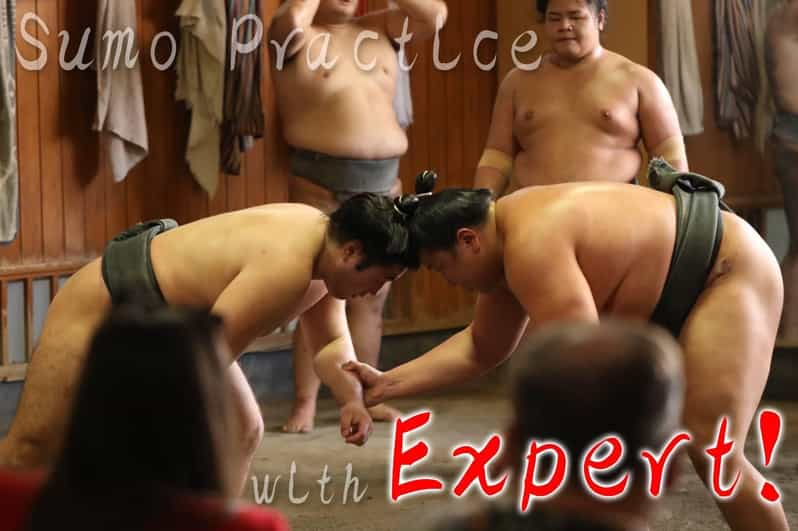
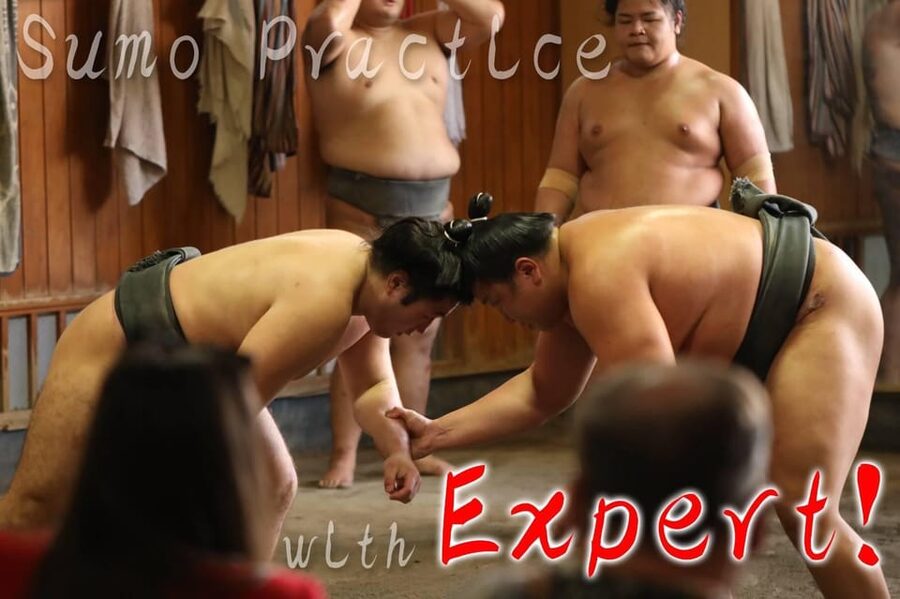
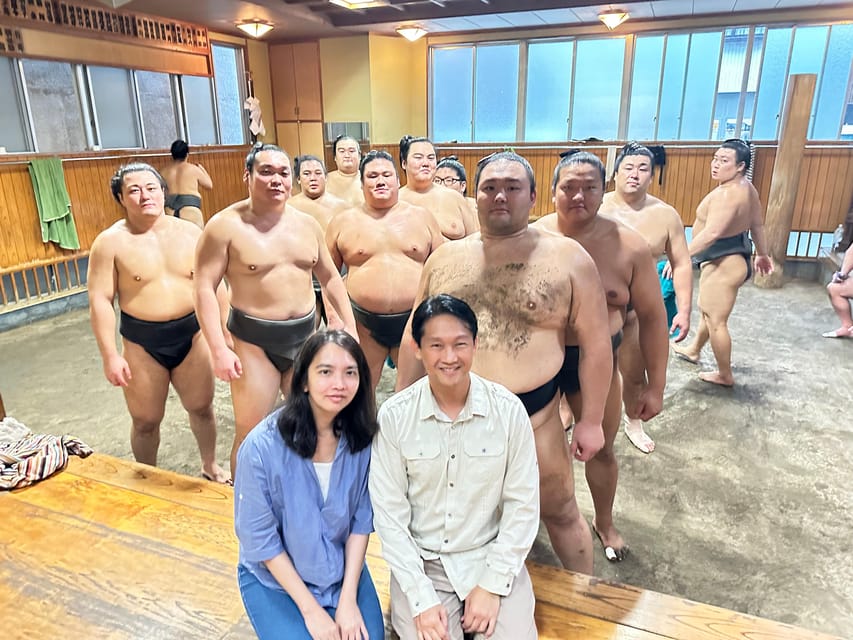
At this Tokyo experience, you sit close to a real sumo practice inside Takasago-beya, where wrestlers train under the stable’s normal routine. There are no theatrical bouts or tourist stunts. You watch the warm-ups, drills, sparring, and cooldowns, with the heavy impacts happening only a few feet away.
I like the small group of up to 10 people, which keeps the visit focused, and I like having Shinya, a sumo specialist and national newspaper sports journalist, to explain what you are seeing. The main consideration is comfort: you sit on the floor, sometimes for more than 90 minutes, and the small stools or cushions may be hard on stiff knees, hips, or backs.
Key points at a glance
- Watch real morning training: See warm-ups, repeated drills, sparring, and cooldowns inside an active professional stable.
- Meet the wrestlers: A photo with a sumo wrestler is included, subject to the stable’s rules and timing.
- Ask serious questions: Guide Shinya brings experience from reporting on professional sumo and tournaments.
- Explore Ryogoku’s sumo landmarks: The route includes the Kokugikan area and Ryogoku Edo NOREN.
- Expect quiet, respectful viewing: This is a practice session, not a performance designed for tourists.
- Plan for floor seating: Cushions are available, but the arrangement may not suit everyone.
Why this feels different from a sumo show
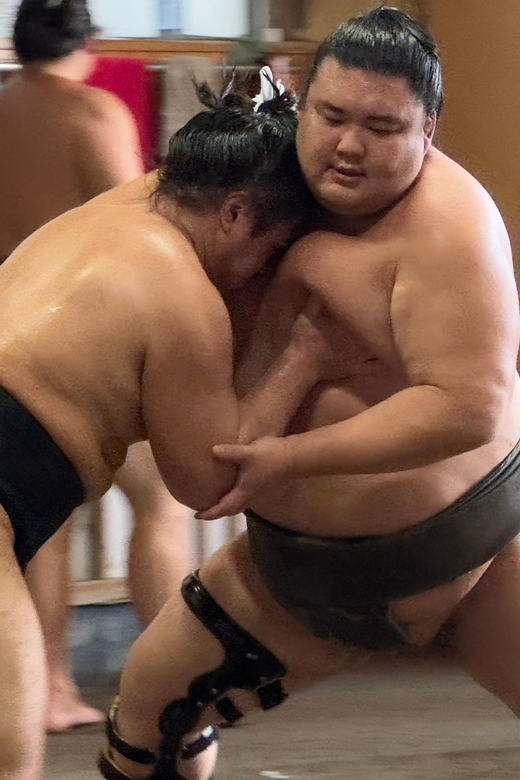
Tokyo offers several sumo-themed activities, but they are not all alike. Some are built around demonstrations, comic bits, or a meal. This one takes you into a working sumo stable, known in Japanese as a heya, with special permission from the stable.
That difference matters. You are not watching a polished program with a host explaining every move as it happens. You are watching athletes follow their normal training routine. The room can be quiet, intense, and a little difficult to interpret at first. That is part of the appeal.
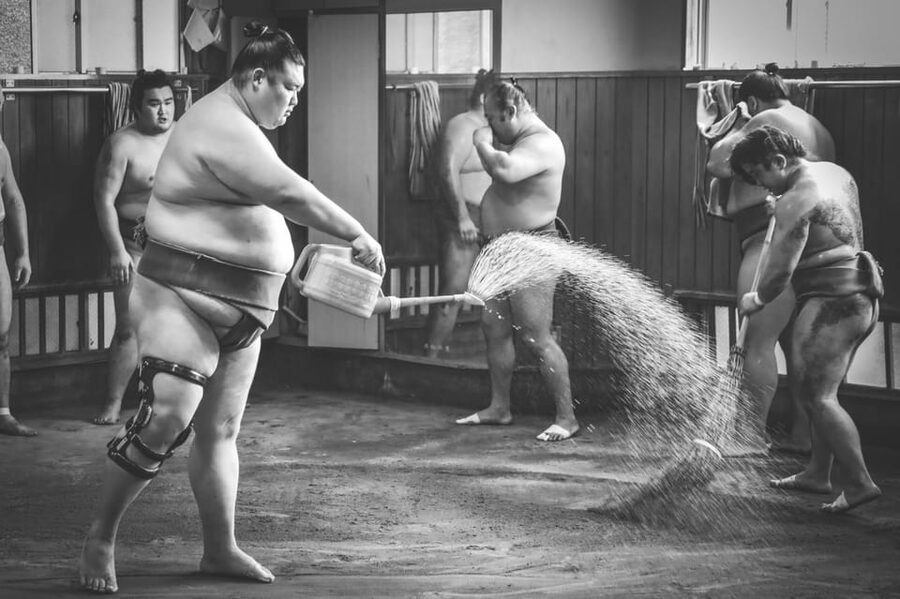
The wrestlers may work through warm-ups, strength exercises, practice bouts, and cooldowns. At close range, you notice the force of each collision and the discipline behind the sport. One particularly striking detail is the relationship between older and younger wrestlers, with senior athletes helping guide those still developing their skills.
You need to treat the room as a place of training, not entertainment. Keep quiet, turn off your phone, and follow the guide’s instructions. The lack of constant commentary protects the practice and helps you see the stable on its own terms.
Other ways to see sumo in Tokyo:
- Tokyo: Sumo Show Experience with Chicken Hot Pot and a Photo
★ 4.8 · 6,678 reviews - Tokyo: Sumo Show and Dining Experience
★ 4.8 · 2,742 reviews - the SUMO show
★ 5.0 · 1,960 reviews
Meeting Shinya before the stable visit
The meeting point is near Exit A2 of Ryogoku Station on the Toei Oedo Line. It is also about a five-minute walk from the east exit of JR Ryogoku Station. The operator sends more precise meeting details before the visit, so check your messages rather than relying only on a map pin.
Guide Shinya is one of the strongest parts of the experience. He has worked as a sports reporter covering sumo and has spent time around professional wrestlers and tournaments. That background gives him more to offer than basic explanations of rikishi, belts, and tournament schedules.
You can ask about rituals, stable life, training methods, rankings, tournament customs, and the personalities behind the sport. His knowledge is useful even if you already follow sumo. One participant with a strong background in the sport found that Shinya could answer more complicated questions that were difficult to resolve elsewhere.
His English is clear enough for the tour, though some visitors found the delivery less polished than that of a native English-speaking guide. His enthusiasm and first-hand experience help make up for any small language gaps. If you enjoy sports stories, ask him about tournaments, wrestlers, and his work in journalism.
Inside Takasago-beya: the main two-hour visit
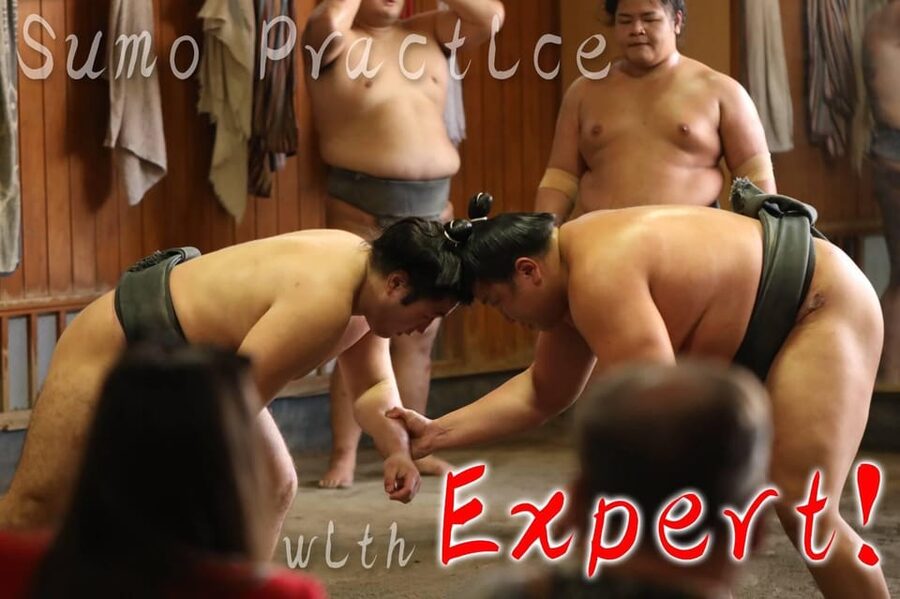
The stable visit takes about two hours and is the heart of the morning. You sit on the floor with a cushion available, then watch the wrestlers train from close range. Some people have described being only a few inches from the athletes, which gives you a much stronger sense of their size and power than a seat high in a tournament arena.
The practice is not a short photo opportunity. Sessions can last about an hour or more, and the pace may surprise you. Repeated exercises and bouts demand concentration, balance, timing, and physical toughness. You may find yourself watching closely even if you expected a slower or more basic demonstration.
The stable does not appear to pause its routine for the group. That is good for authenticity, but it also means the guide may not explain every movement at the exact moment it happens. One useful improvement would be more commentary during the practice itself. Some explanations take place before or after the session, so keep a few questions ready for the discussion.
Photography rules matter. You get a photo with a sumo wrestler as part of the experience, but the timing and manner depend on what the stable allows that morning. Do not assume you can photograph freely throughout the training. Follow the instructions, keep your phone silent, and remember that you have been invited into a private working environment.
The atmosphere is serious rather than showy. That makes this a strong choice if you want to understand the sport as a discipline, not simply pose beside a large athlete. It may feel less satisfying if you want constant action, a set script, or a family-style performance.
Ryogoku Kokugikan and the town of sumo
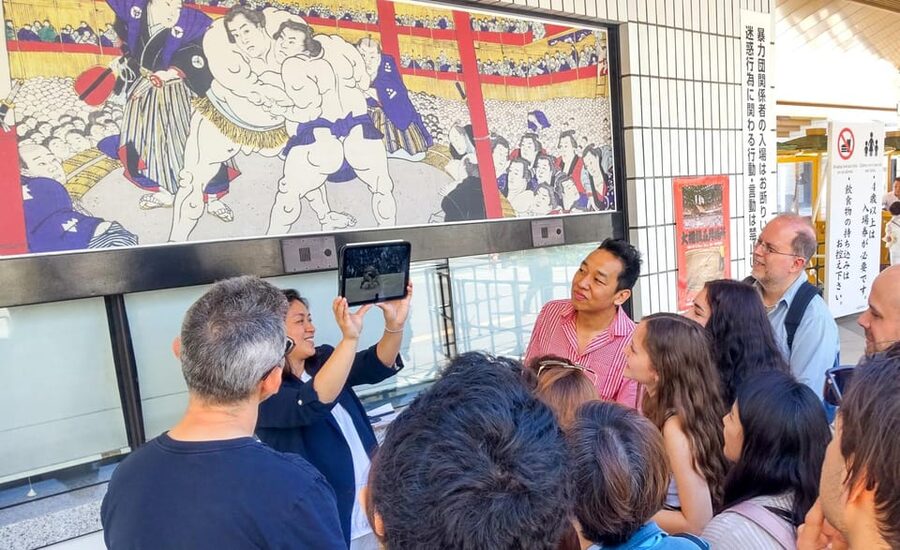
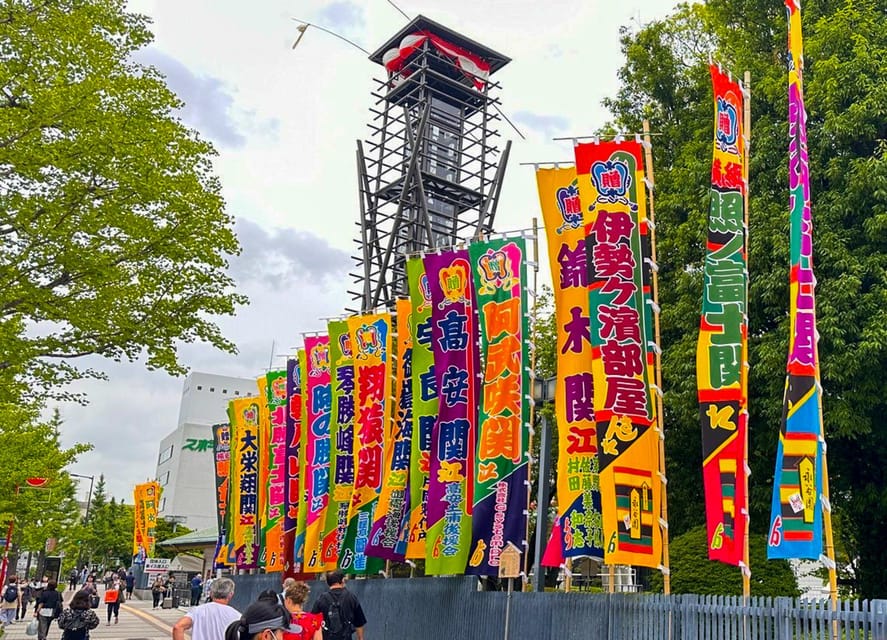
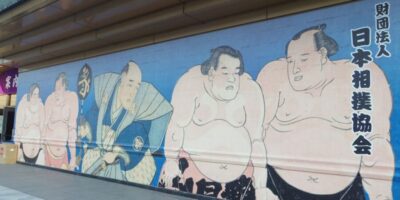
After the stable, the group makes its way through Ryogoku, Tokyo’s best-known sumo district. The route includes a guided visit around Ryogoku Kokugikan, the city’s major sumo arena, for about 15 minutes.
The Kokugikan stop gives the morning a useful sense of place. You have just watched wrestlers practice, and now you see the district that hosts major tournaments and supports the public side of the sport. The stop is brief, so think of it as an orientation rather than a full museum visit.
The short walk also helps connect the stable’s private world with Ryogoku’s public identity. Sumo is not just an event held inside an arena. The neighborhood has restaurants, shops, displays, and institutions linked to the sport. If you are interested in Japanese culture, this context adds value to the stable visit.
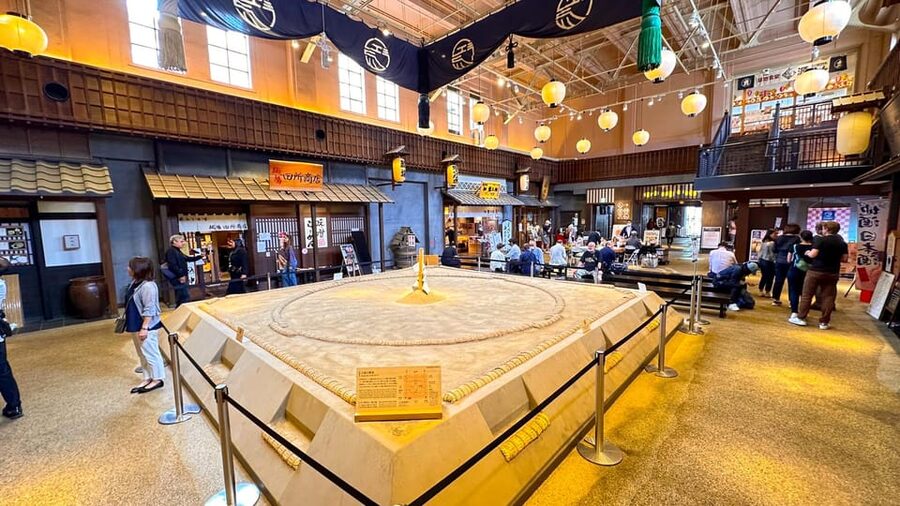
The tour then continues to Ryogoku Edo NOREN. The guided portion takes about 15 minutes, followed by roughly 30 minutes for shopping and sightseeing. This gives you a little breathing room after the concentrated stable visit.
The stop is practical as well as cultural. You can look around, pick up a small souvenir, or simply take in more of the neighborhood before the tour ends at Ryogoku Station. Do not expect another major attraction on the scale of the stable. The point is to finish with time in the sumo district rather than send you straight back to the train.
Same base, a different sort of day:
- Mt Fuji and Hakone 1-Day Bus Tour Return by Bullet Train
★ 5.0 · 26,383 reviews - 1-Day Tokyo Bus Tour
★ 5.0 · 14,250 reviews - Tokyo: TOKYO SKYTREE® Admission ticket
★ 4.5 · 11,192 reviews - Tokyo: teamLab Planets TOKYO Digital Art Museum Entry Ticket
★ 4.6 · 9,779 reviews
What the $103 price buys you
At $103 per person, this is not a cheap way to fill three hours in Tokyo. You are paying for access that is difficult to arrange independently, a small group, an English-speaking guide, a photo with a wrestler, and a specialist who can answer detailed questions.
The value depends on what you want. If you simply want to see a sumo wrestler or learn a few basic facts, a lower-cost cultural activity may be enough. If you tried to attend a professional tournament, tickets could be limited, dates may not match your schedule, and the view would not give you the same close look at training.
The main value is the stable access. Even people living in Japan may never enter a professional sumo stable, so this is a rare opportunity rather than a standard sightseeing stop. You are also paying for the guide’s contact with the sport, not just transport between landmarks.
I would consider the price fair for a sumo fan, a sports-minded visitor, or anyone who values access over a polished show. It feels less worthwhile if you dislike floor seating, have little interest in sports, or want a highly choreographed cultural performance.
Seating, timing, and physical comfort
This experience requires floor seating. A cushion is available, but you may still spend a long stretch with bent knees or limited room to shift position. One participant found the small stools and floor arrangement difficult after more than 90 minutes, especially without much flexibility.
If your knees, hips, or back are sensitive, think carefully before booking. The activity is not listed as suitable for children under five, and younger children may also struggle with the quiet rules and long viewing period. Families with older children can find it rewarding, but the stable is not a place for restless movement or loud reactions.
Wear clothes that let you sit comfortably. The information provided does not specify a dress code, but practical clothing is more useful than anything restrictive. Smoking indoors is not allowed.
The tour lasts three hours, with around two hours at the stable and shorter stops afterward. Starting times vary, so check availability when booking. Morning timing is central to the experience because you are observing a practice session rather than attending a general sumo attraction later in the day.
Who will get the most from this visit
This tour suits you best if you:
- Follow sumo or want more than a basic introduction
- Prefer real working places to staged entertainment
- Enjoy asking detailed questions
- Can sit quietly on the floor for an extended period
- Want a small group rather than a large bus-style outing
- Have limited time but want both stable access and a look around Ryogoku
It is also useful if tournament tickets are unavailable. You will not see a formal match with a crowd, but you will see the training that supports the competition. For some people, that is the more revealing part of the sport.
You may want another activity if you need full accessibility, dislike quiet observation, or want a running explanation during every minute of the session. The practice is compelling, but the guide cannot turn it into a narrated show without changing its character.
How to make the most of the morning
Read a little about basic sumo terms before you arrive. Even a simple understanding of ranks, stable life, and tournament structure will help you follow the guide’s explanations. You do not need expert knowledge, but a few foundations make the Q&A more rewarding.
Prepare questions in advance. Good topics include the purpose of different exercises, how wrestlers progress, what stable routines are like, how tournament decisions work, and how traditions are maintained. Shinya’s reporting background means you can ask beyond the usual introductory points.
Arrive at the correct station exit and allow time for the walk to the meeting point. The tour operator provides details before the date, and you should read them closely. One person arrived late after taking the wrong train, so a little planning can prevent a stressful start.
During practice, watch the details rather than waiting for a dramatic bout. Notice the repeated movements, the quiet concentration, how wrestlers respond to one another, and the difference between training and performance. Turn your phone off and keep your voice low.
Afterward, use the Kokugikan and Edo NOREN stops to place what you saw in a wider setting. If you still have questions, ask them before the group leaves the sumo district. The post-practice conversation is an important part of what you are paying for.
Should you book this sumo experience?
Book it if you want authentic access to professional sumo, close viewing, and a guide who can discuss the sport from a journalist’s point of view. The strongest feature is the chance to watch a real stable at work, not a staged imitation. The small group and included wrestler photo add useful personal contact without taking over the visit.
Think twice if floor seating is likely to cause pain, or if you need an activity with constant narration and easy movement. The practice may also feel quiet and slow at first, especially if you expect a show.
For the right visitor, this can be one of the most memorable ways to understand sumo in Tokyo. You see the discipline behind the spectacle, hear context from Shinya, and finish in Ryogoku, the city’s sumo center. At $103, it is a considered purchase, but the access makes it worthwhile for serious sumo fans and curious visitors who want the real thing.
FAQ
How long does the sumo experience last?
The full activity lasts three hours. About two hours are spent at Takasago-beya, followed by short guided visits to Ryogoku Kokugikan and Ryogoku Edo NOREN, plus time for shopping and sightseeing.
Where does the tour meet?
It meets at the Ryogoku HANAWARE Building area, near Exit A2 of Ryogoku Station on the Toei Oedo Line. The meeting point is about a five-minute walk from the east exit of JR Ryogoku Station. Exact details are sent before the tour date.
Is this a staged sumo show?
No. You watch a professional morning practice at a real sumo stable. The session follows the wrestlers’ training routine and is not presented as a theatrical performance.
Can I take a photo with a sumo wrestler?
Yes. A photo with a sumo wrestler is included. The timing and conditions depend on the stable’s rules and the practice schedule.
Do I sit on the floor?
Yes. You sit on the floor to watch the practice, and a floor cushion is available. The seating can become uncomfortable after a long period, especially if you have limited flexibility.
Is the activity suitable for young children?
The experience is not suitable for children under five. All visitors also need to follow quiet and respectful behavior inside the stable.
Just added in Tokyo
- The 10 Tastings of Tokyo With Locals: Private Street Food Tour★ 5.0 · 48 reviews
- Small Town in the Big City: Tasting Tokyo’s Kichijoji★ 5.0 · 195 reviews
- Small Town in the Big City: Tasting Tokyo’s Kichijoji★ 5.0 · 16 reviews
- EXCLUSIVE Tokyo Secret: Kichijoji Small-Group Food & Bar Hopping★ 5.0 · 29 reviews
- Explore Kichijoji: Walk Through One of Tokyo’s Beloved Districts★ 5.0 · 21 reviews
- :Tokyo,Shibuya/ Pro Photography in Kimono / English-Friendly★ 5.0 · 26 reviews
- 【R34】Tokyo:Private Daikoku tour in Modified R34★ 4.9 · 92 reviews
- Tokyo:Calligraphy &Make your original folding fan in Asakusa★ 5.0 · 62 reviews
Sumo Experiences, compared.
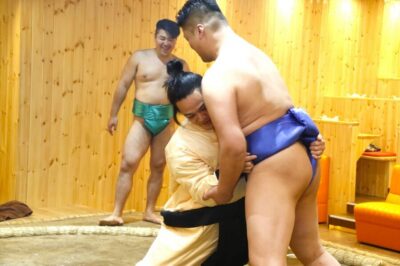
Sumo Show Experience with Chicken Hot Pot and a Photo
Read our review →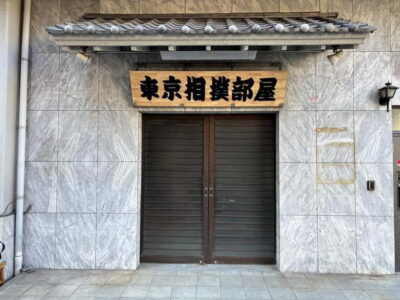
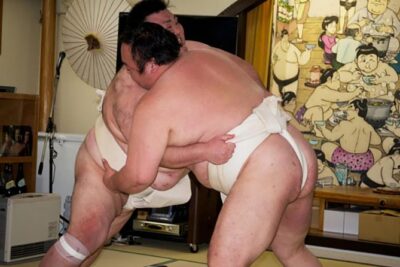
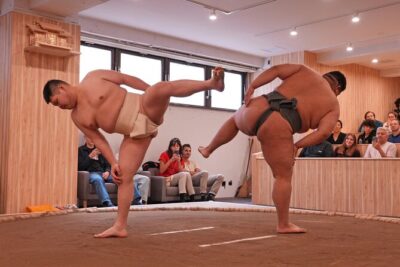
Tokyo Shinjuku Sumo Show & Experience with Photo
Read our review →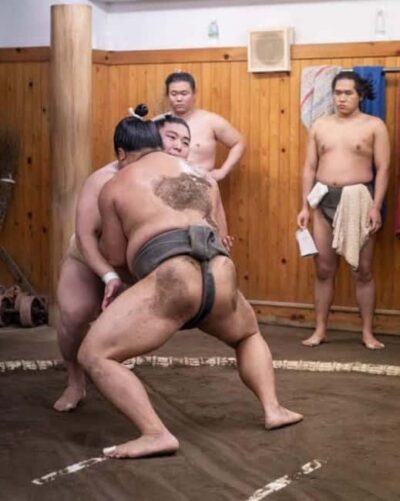
Sumo Show & Experience w/ Optional Kimono & Hot Pot
Read our review →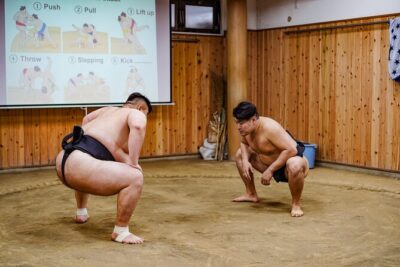
Authentic Sumo Experience in Tokyo: Enter the Sanctuary
Read our review →Browse the lists this tour appears in