
Reviewed · SUMO EXPERIENCES
Tokyo: Sumo Experience and Chanko Nabe Lunch
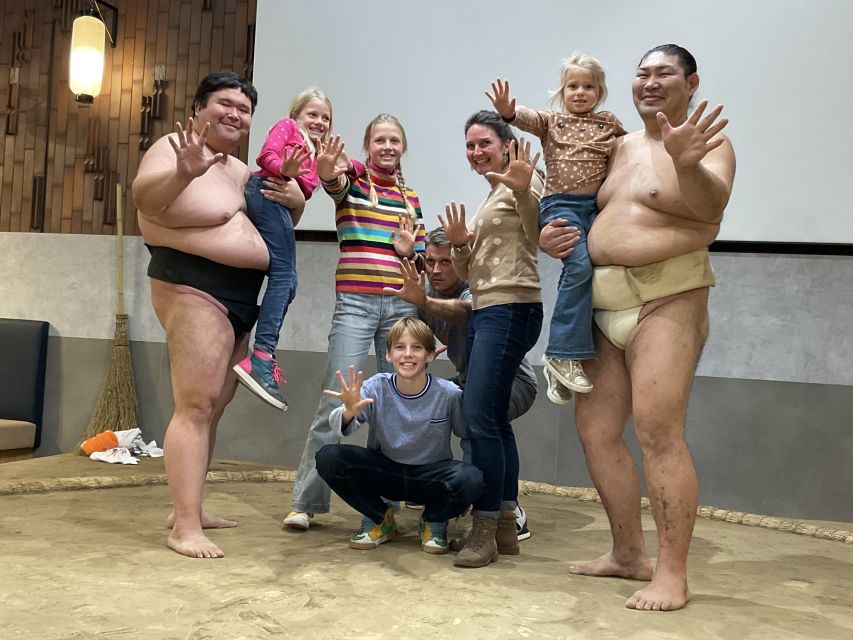
Sumo is much more than two large men pushing each other out of a ring. In this two-hour Tokyo experience, retired professional wrestlers explain the rituals, rules, training, and force behind Japan’s national sport, then invite participants into the ring for a playful match. I like the clear English explanations and the chance to meet the wrestlers at close range.
I also like the lunch: chanko nabe, the hearty hot pot traditionally linked with sumo strength, is prepared by the wrestlers and served after the demonstration. The main consideration is timing. This starts promptly at 1 PM, and the exact meeting place arrives with your voucher, so you need to plan ahead rather than turn up casually.
Key points to know before booking
- Retired wrestlers teach the session: You get direct explanations of sumo rules, rituals, training, and competition in English.
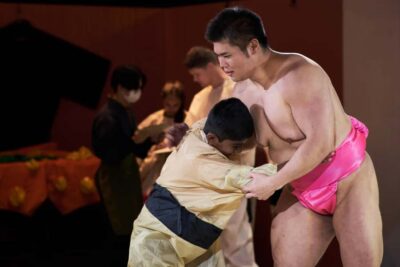
- The ring is part of the fun: You may be invited to wear a sumo costume, join a demonstration, or try a playful bout with a former professional.
- Chanko nabe comes with the experience: The wrestlers prepare the Japanese hot pot, making lunch part of the cultural lesson.
- The setting changes by day: Mondays are in Asakusa, while Thursdays are in Ryogoku, Tokyo’s best-known sumo district.
- The group is limited to six: This is designed as a small-group activity, although the room may contain additional tables or participants at some sessions.
- Plan for a firm schedule: Doors open at 12:40 and the activity begins at 1 PM. You receive a voucher with a map to the exact meeting point.
Why a sumo lesson works better than simply watching a bout
Sumo can be hard to read when you first encounter it. A match may last only seconds, yet the wrestlers spend much longer preparing, stamping, bowing, and performing formal movements. Without context, those actions can seem like decoration around the real contest.
This experience puts the pieces together. You learn why the rituals matter, how a match is decided, and what the wrestlers are trying to do before the final push. The teaching comes from former professional wrestlers, so the explanations connect the public spectacle with the physical demands of the sport.
I like that the session is built for people who know little about sumo. You do not need to study the sport before arriving, and you do not need to understand Japanese. The instruction is in English, with demonstrations that make the rules easier to follow than a lecture alone.
The tone is light. The wrestlers explain serious parts of sumo, but they also use humor and showmanship to keep the room involved. That balance matters, especially for families and mixed-age groups. You can learn about Japanese tradition without feeling as though you have enrolled in a formal class.
Other ways to see sumo in Tokyo:
- Tokyo: Sumo Show Experience with Chicken Hot Pot and a Photo
★ 4.8 · 6,678 reviews - Tokyo: Sumo Show and Dining Experience
★ 4.8 · 2,742 reviews - the SUMO show
★ 5.0 · 1,960 reviews
Meeting former professionals in a close setting
The best part of the experience is the distance between you and the wrestlers. This is not a performance viewed from the far side of a large arena. You sit close to the action, hear explanations directly, and have time for photographs afterward.
The wrestlers used in this experience have included performers introduced as Audrey and Jumbo. Their role is not only to demonstrate technique. They answer questions, joke with the audience, and make the sport feel approachable.
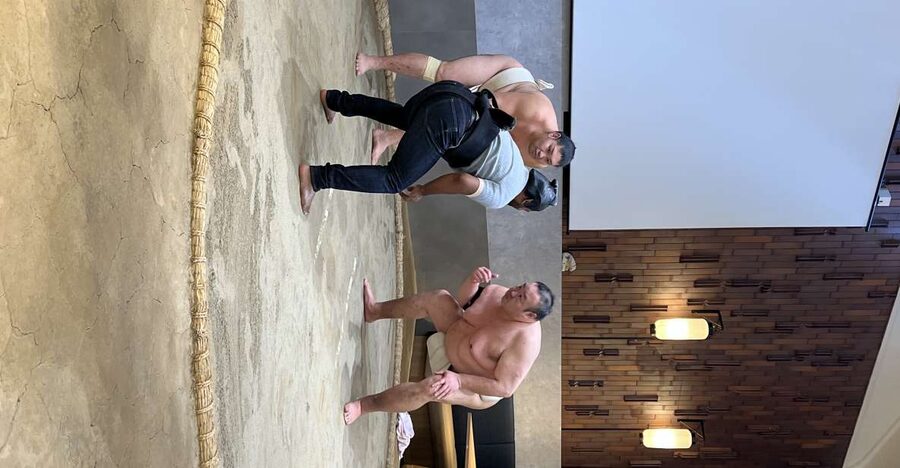
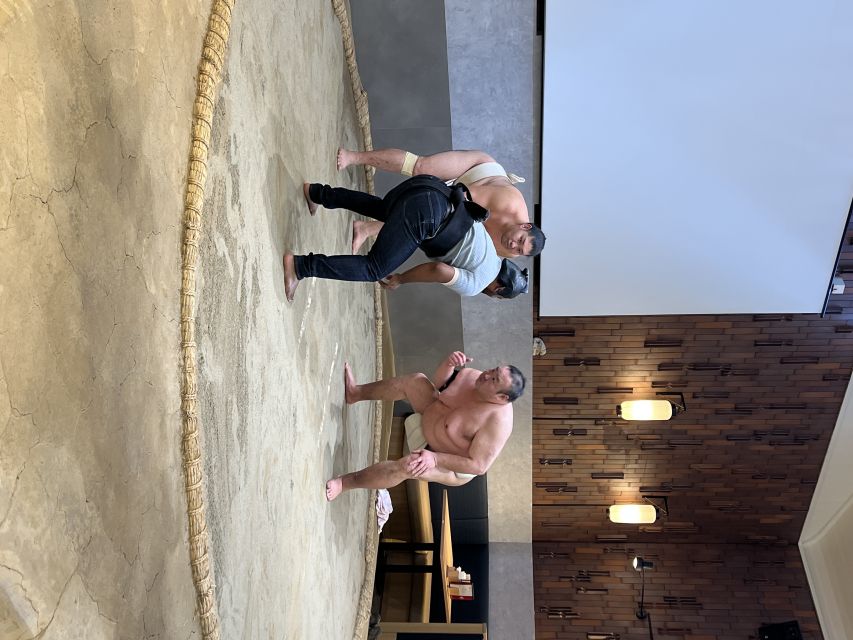
You may see a demonstration of basic sumo movements and match technique. The exact order can vary, but the session generally moves from explanation to demonstration and then to audience participation. I would pay attention during the early teaching, because the demonstrations make more sense once you understand what the wrestlers are showing.
One useful detail is the chance to see the contrast between appearance and technique. A former professional can make a playful push look simple, then show how much control and strength sit behind it. Even a larger participant can feel unexpectedly light when facing a trained wrestler.
Your turn in the ring
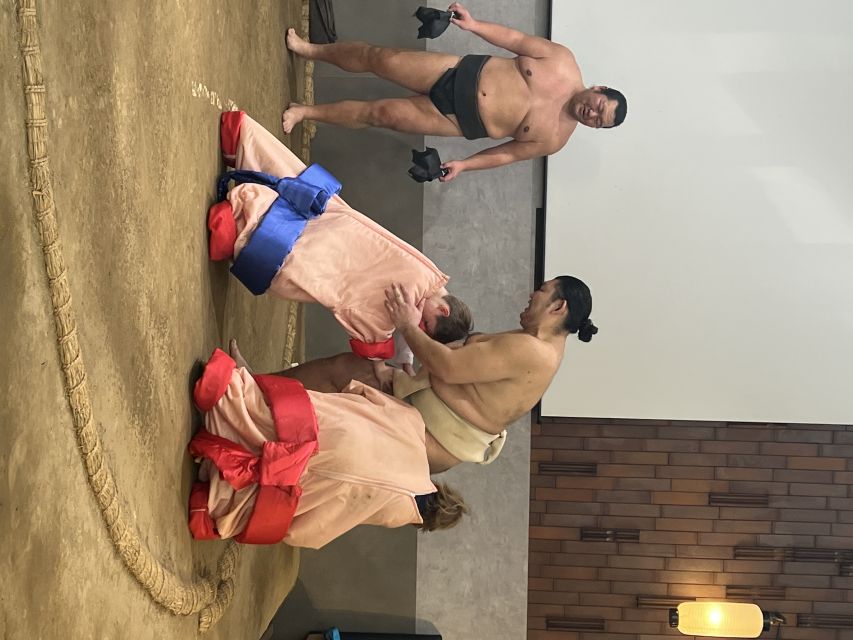
Audience participation is central to the experience, but you should understand the wording carefully. Some people may be selected to put on a sumo wrestler costume and assist with the demonstration. Not everyone can be chosen for every part.
If you are invited, the bout is playful rather than a serious contest. The purpose is to let you feel the position, balance, and force involved in sumo while giving the audience a laugh. You might push against a retired wrestler, help with a demonstration, or step into the ring for a photograph.
You do not need to be athletic to enjoy this part. The wrestlers control the pace and keep the activity friendly. Families especially benefit because children can see that sumo is not simply about size. Position, balance, timing, and technique matter too.
If you prefer not to participate, you can still watch the demonstrations and enjoy the explanations. The activity does not require every person to wrestle. Still, if you hope for a turn, tell the staff when appropriate and remain open to joining in. The audience participation is one of the most memorable parts of the session.
Wear clothes that allow comfortable movement. The supplied information does not set a specific dress code, but a tight skirt, stiff clothing, or shoes that are difficult to remove could make participation less convenient. You can also choose to watch if you would rather avoid physical activity.
Chanko nabe turns lunch into part of the lesson
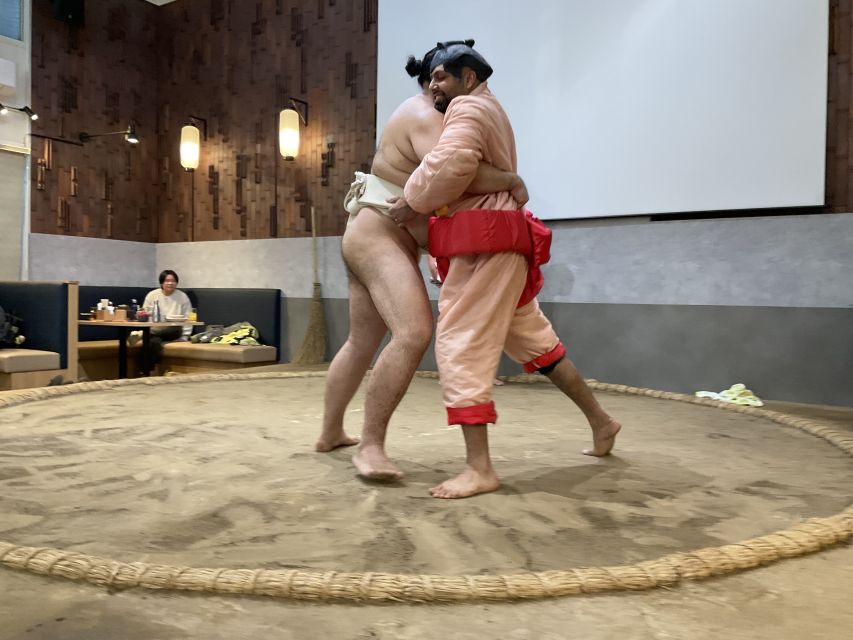
After the sumo segment, you sit down for chanko nabe, the hot pot associated with wrestlers’ meals and stamina. The wrestlers prepare it themselves, which gives the meal a direct link to the subject of the activity.
Chanko nabe is not a single fixed recipe. It is a generous Japanese-style hot pot, and the appeal here is as much the setting as the food. You eat the meal in the same room where you have just watched the demonstrations, so the lunch feels like part of the event rather than an unrelated restaurant stop.
Several details make this a useful choice for a short Tokyo schedule. Lunch is included, you do not need to find another restaurant afterward, and the meal gives you time to talk with your party about what you have just learned. The food is served hot and efficiently, according to the experience details available for this activity.
Some sessions have included a fuller meal with drink and dessert. The confirmed inclusion is lunch, so I would treat those extras as part of the particular service provided on the day rather than the main reason to book.
Vegetarian and Halal meals may be requested, but you need to note this in your reservation or contact the provider by email at least two days before the date. Do not wait until you sit down. Dietary requests need advance notice.
Same base, a different sort of day:
- Mt Fuji and Hakone 1-Day Bus Tour Return by Bullet Train
★ 5.0 · 26,383 reviews - 1-Day Tokyo Bus Tour
★ 5.0 · 14,250 reviews - Tokyo: TOKYO SKYTREE® Admission ticket
★ 4.5 · 11,192 reviews - Tokyo: teamLab Planets TOKYO Digital Art Museum Entry Ticket
★ 4.6 · 9,779 reviews
Asakusa on Monday, Ryogoku on Thursday
The activity operates in two Tokyo areas. Monday sessions take place in Asakusa, while Thursday sessions take place in Ryogoku.
That difference can help you fit the experience into your sightseeing plan. Asakusa is a useful pairing with traditional sights and old Tokyo streets. Ryogoku is the natural match for sumo, since the district is closely associated with the sport. If you are especially interested in sumo, Thursday in Ryogoku may feel like the more fitting choice.
The exact meeting point is not included in the general activity details. You receive a voucher with a map showing the location. Read that map before the day of the activity and allow time to find the entrance.
The schedule is firm. Doors open at 12:40, and the activity starts at 1 PM. The instructions stress arriving before the start time, so do not build a tight connection with another booking immediately beforehand. A late arrival could mean missing the opening explanation, and that introduction helps make the rest of the session clear.
The activity ends back at the meeting point. There is no pickup or drop-off, so you handle your own route to and from the venue. That is normal for a central Tokyo activity, but it matters if you are traveling with children, using a wheelchair, or crossing the city from another neighborhood.
What the two-hour schedule gives you
Two hours is a sensible length for this format. You get enough time for instruction, demonstrations, audience interaction, photographs, and lunch without giving up half a day of sightseeing.
The opening explanation gives you the basic framework. You learn about the sport’s long tradition, the rituals around a bout, and the practical rules that determine a winner. The former wrestlers then show how the theory looks in the ring.
The middle portion is the most active. Demonstrations bring humor and energy, and selected audience members may put on a costume or try a bout. This is also when you get the best photographs, especially if the wrestlers invite participants into the ring.
Lunch follows the entertainment and teaching. It provides a calmer finish and gives you a chance to enjoy the hot pot while the experience is still fresh.
The only drawback is that two hours leaves little room for a slow, unstructured visit. This is a timed presentation, not a sumo stable visit or a full tournament day. If you want to watch official professional matches, see morning training, or spend hours around sumo venues, this activity is only one part of that plan.
Value at $95 per person
At $95 per person, this is not a cheap lunch. You are paying for access to retired professionals, English instruction, a live demonstration, participation, and the included meal. The value depends on how much you want direct contact rather than a simple sightseeing stop.
I think the price is easier to justify for first-time visitors to Japan and for families who want one organized activity that works for several ages. You receive a cultural explanation, entertainment, photographs, and food in one booking. There is also less guesswork than trying to understand a sumo match on your own.
The small-group format is another factor. The activity is limited to six participants, which should allow more personal attention than a large bus tour. At the same time, the room may include more tables or people than you expect from the small-group description. If a very private lesson is important to you, ask for current group details before booking.
The value is less clear if you already know sumo well or have attended a tournament with good seats and expert commentary. In that case, the playful bout and lunch may still appeal, but the introductory explanations may cover familiar ground.
Who will enjoy this experience most
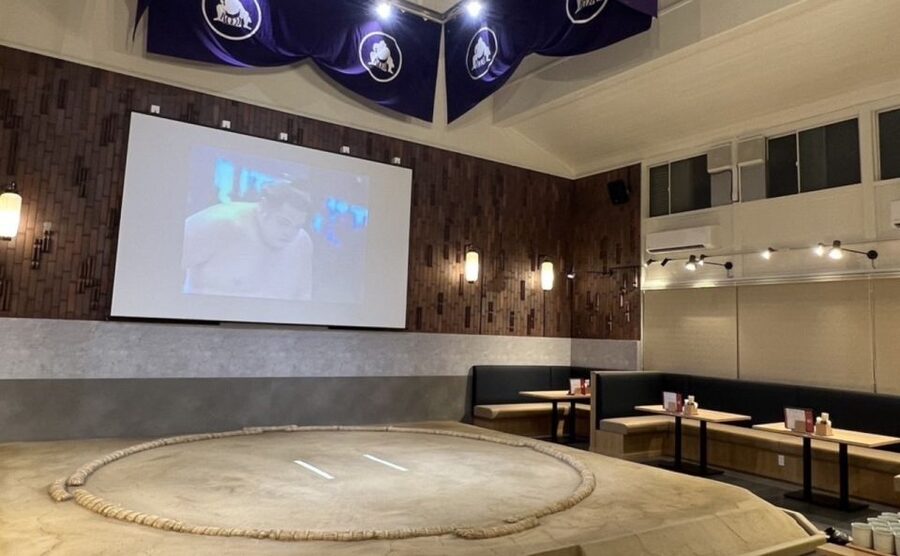
I would recommend it to you if you want an easy introduction to sumo with plenty of personality. It suits first-time visitors, families, curious food lovers, and anyone who prefers meeting people over simply looking at monuments.
Children can enjoy the physical demonstrations and funny moments, while adults get the cultural background. The activity has been described as suitable for a wide range of ages, and the friendly style makes it less intimidating than a formal sporting event.
It also works well for a birthday surprise or a special family outing. The combination of food, photos, and audience participation gives the experience a clear beginning and end.
You may want to skip it if you dislike audience participation, do not want to eat hot pot, or prefer quiet cultural visits. You can watch instead of wrestling, but the room is designed to be lively. It is also not the right choice if you need hotel pickup or a flexible arrival window.
The activity is wheelchair accessible, which makes it easier for more people to consider. Still, I would mention any mobility needs when booking so the operator can give you current venue guidance.
Practical booking advice for your Tokyo day
Choose the day that fits your route, not just the day with the better timetable. Monday puts you in Asakusa, while Thursday puts you in Ryogoku, and both areas can support other sightseeing before or after lunch.
Arrive early. The doors open at 12:40 and the session begins at 1 PM. Because the meeting place is supplied with your voucher, check the map in advance and avoid arriving at the last minute.
Tell the operator about vegetarian or Halal requirements at least two days ahead. The meal is an important part of the booking, so dietary planning deserves the same attention as transport.
The cancellation policy allows a full refund when you cancel at least 10 days in advance. That is helpful if your Tokyo plans are still changing, but the deadline is not especially close to the activity date. Check the terms before you commit.
Should you book the sumo experience?
Book it if you want sumo explained in clear English, a chance to meet retired professionals, and a playful activity that ends with chanko nabe. The strongest reasons are the close setting, the humor of the demonstrations, and the chance to test the wrestlers’ strength for yourself.
Skip it if your main goal is to attend an official tournament or see authentic stable training. This is an educational and entertaining introduction, not a replacement for a tournament ticket.
For most first-time visitors, the $95 price is reasonable because it combines instruction, interaction, photographs, and lunch in two well-organized hours. Pick Asakusa on Monday or Ryogoku on Thursday, arrive before 1 PM, and give the staff advance notice about dietary needs. That is the formula for getting the most from the experience.
FAQ
Where does the sumo experience take place?
The Monday session takes place in Asakusa, and the Thursday session takes place in Ryogoku. Your voucher includes a map showing the exact meeting place.
How long does the activity last?
The experience lasts two hours. It begins at 1 PM and ends back at the meeting point.
What time should I arrive?
Doors open at 12:40, and you should arrive before the 1 PM start. The activity begins on time.
Is the instruction in English?
Yes. The instructors provide the explanations in English.
Is lunch included?
Yes. Lunch is included, and the meal is chanko nabe hot pot prepared by the wrestlers.
Can I request a vegetarian or Halal meal?
Yes, but you need to note the request in your reservation or contact the provider by email at least two days before the activity.
Is the activity wheelchair accessible?
Yes, the activity is listed as wheelchair accessible. There is no pickup or drop-off, so you arrange your own transport to and from the meeting point.
Just added in Tokyo
- Luxury Tokyo Sake, Cocktail, Whisky and Pairing Tour★ 5.0 · 18 reviews
- Wagyu & Sake Pairing in Shinjuku – Steak, Shabu-Shabu & More★ 5.0 · 112 reviews
- Small-Group Wagyu Beef and 7 Japanese Dishes Tokyo Cooking Class★ 5.0 · 190 reviews
- Nikko: Edo Wonderland Edomura Cultural Theme Park Ticket★ 4.3 · 205 reviews
- 《MEMBERS-ONLY-BAR-HOPPING》Discover Your Special Whiskey in Tokyo!★ 5.0 · 29 reviews
- Japanese Whisky Hunting《HIGH-QUALITY-ONLY》Rare Tasting Class★ 5.0 · 20 reviews
- From Tokyo: Private Tour to Fuji/Hakone – Onsen, Art, Nature★ 5.0 · 116 reviews
- Tokyo: KABUKI Show at Kabukiza Theatre Admission Ticket★ 4.8 · 152 reviews
Sumo Experiences, compared.
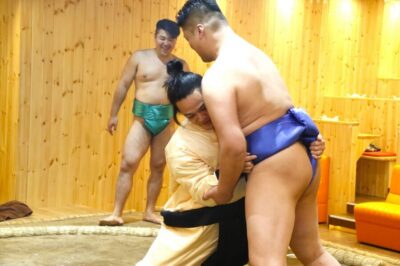
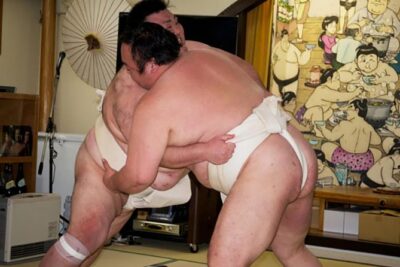
Sumo Show Experience with Chicken Hot Pot and a Photo
Read our review →
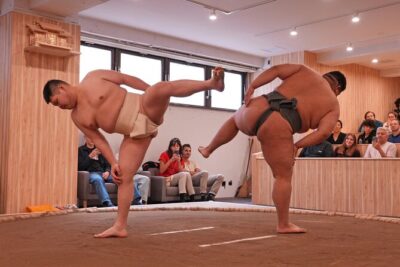
Tokyo Shinjuku Sumo Show & Experience with Photo
Read our review →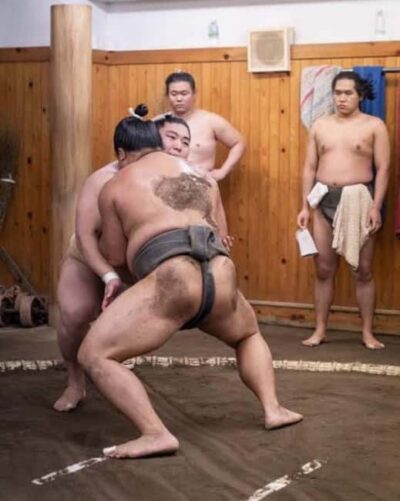
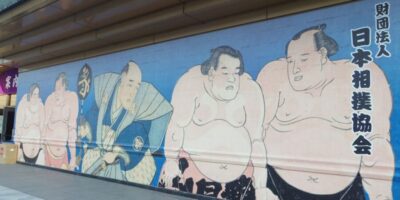
Sumo Show & Experience w/ Optional Kimono & Hot Pot
Read our review →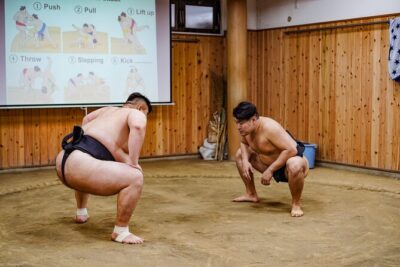
Authentic Sumo Experience in Tokyo: Enter the Sanctuary
Read our review →Browse the lists this tour appears in