
Reviewed · SUMO EXPERIENCES
Tokyo: Sumo Morning Practice with journalists. Not fake show
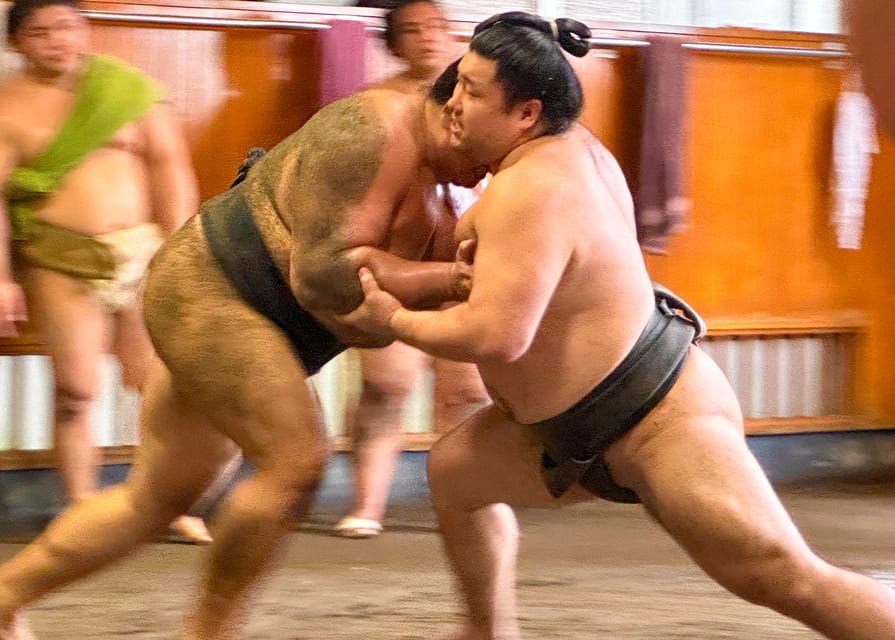
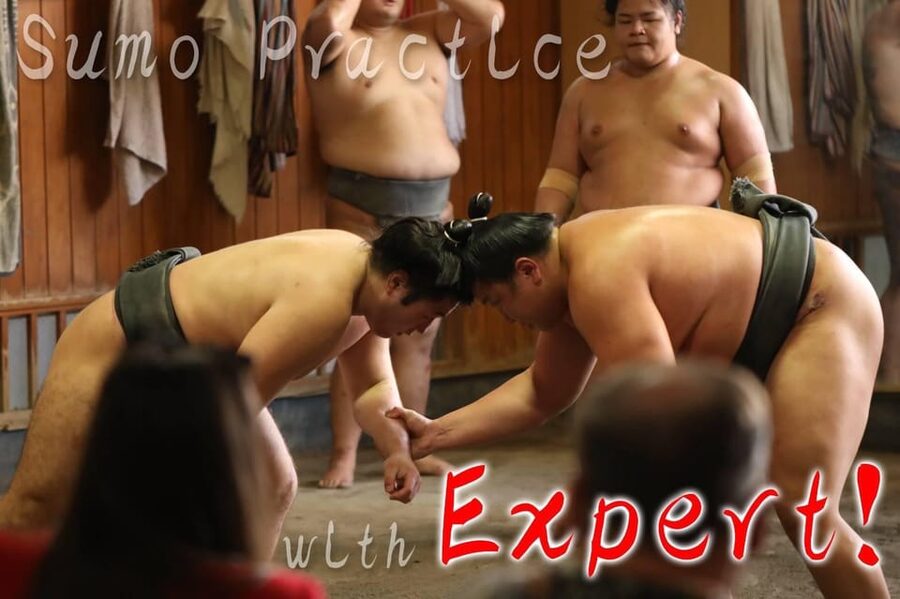
Tokyo sumo is at its best when it is not dressed up for tourists. This three-hour visit takes you into Takasago-beya, a working sumo stable, where you sit quietly and watch wrestlers train. It is practice, not a staged show, so the mood depends on the stable’s routine that morning.
I like the chance to see the sport at close range, and I like having a national newspaper journalist explain what you are watching. Guides such as Shinya Setsu, Shin, Karen, and Ray have answered questions about training, rank, daily life, and sumo customs with humor and plenty of insider detail.
The main drawback is the traditional setup. You sit on the floor, cannot use flash photography, and need to stay quiet during practice. At $103 per person, this is not a cheap morning, but access to a stable is unusual and the price is in line with similar sumo visits.
Key points before you book
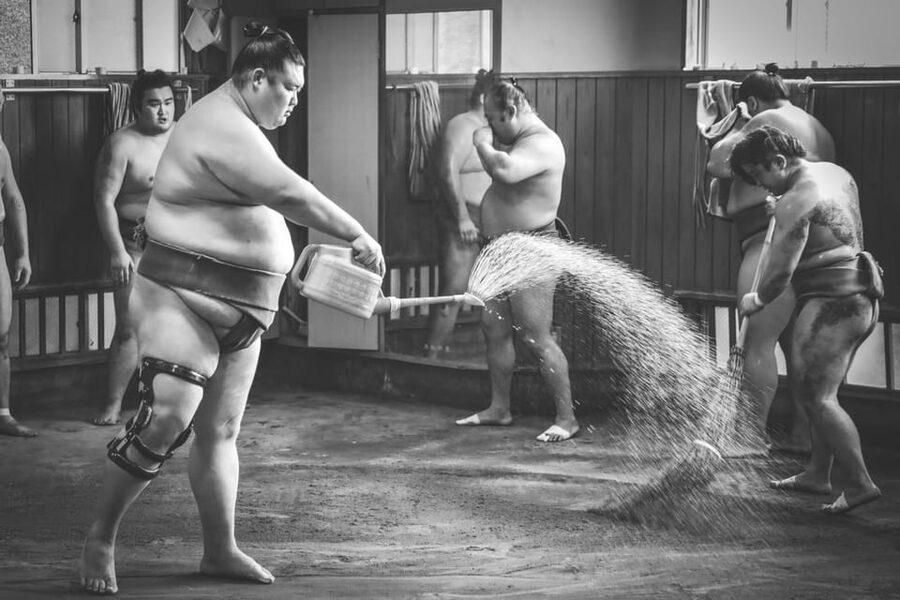
- A real morning practice: You watch wrestlers train at Takasago-beya rather than attend a choreographed cultural performance.
- A reporter’s viewpoint: Your English-speaking guide brings years of experience covering sumo and can explain the action as it unfolds.
- A close look at daily discipline: Practice reveals the repetition, hierarchy, strength, and silence behind the bouts seen on television.
- Photos after training: The tour includes commemorative photos, with opportunities to take pictures with wrestlers after practice.
- A Ryogoku finish: The walk ends near Ryogoku Station, with time at Ryogoku Edo Noren and explanations about the area’s sumo connections.
- Prepare to sit low: Comfortable clothes matter because you sit on the floor, and the stable is not suitable for wheelchair users despite general accessibility information for the activity.
Why a practice session can beat a tournament
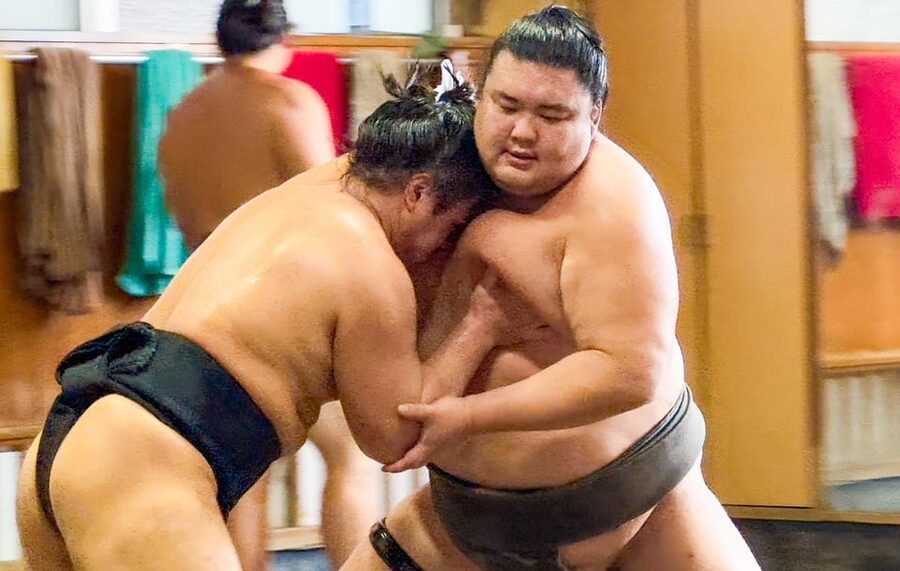
A sumo tournament gives you the spectacle: drums, formal entrances, packed seats, and bouts that last only seconds. A morning practice gives you something different. You see the work behind those seconds.
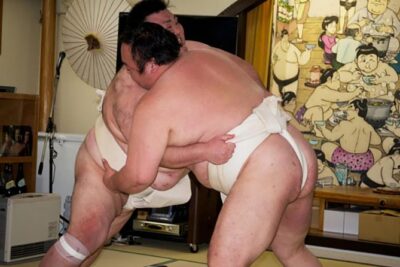
The wrestlers repeat basic movements, stretch, push, and grapple. The point is not entertainment. It is training. That makes the room quieter and more focused, and it also means you must watch with respect. You do not wander around, call out, or use a flash.
I find this especially useful if you know sumo mainly from television. On screen, the match begins when two wrestlers face each other. At the stable, you see the preparation, the hierarchy, and the long physical effort that comes before a bout.
The practice may include newer wrestlers as well as more experienced rikishi. One account described the interest of seeing rookies train alongside established professionals, while another noted the chance to see a former ozeki, Asamoyamo, up close. The exact lineup will depend on the stable’s schedule, but the setting itself is the prize.
Other ways to see sumo in Tokyo:
- Tokyo: Sumo Show Experience with Chicken Hot Pot and a Photo
★ 4.8 · 6,678 reviews - Tokyo: Sumo Show and Dining Experience
★ 4.8 · 2,742 reviews - the SUMO show
★ 5.0 · 1,960 reviews
Meeting in Ryogoku and entering Takasago-beya
The meeting point is at the Ryogoku Hanawa Building near Toei Oedo Line Ryogoku Station, Exit A2, at ground level. From the east exit of JR Ryogoku Station, allow about five minutes on foot.
Be early. The group leaves the meeting point on time, and you do not want to arrive after the walk to the stable has begun. The operator sends meeting details before the date, and clear pre-tour messages have been a useful part of the arrangement. Some visitors also receive documents, videos, and links explaining sumo terms and practice routines in advance.
The transfer to Takasago-beya takes about five minutes. Do not expect a grand public entrance or a museum-style reception. A stable is a working place for wrestlers, and the special permission arranged by Japan Shine Tour is what makes the visit possible.
That permission matters. Many people in Japan cannot simply call a stable and arrange a practice visit. Access is often connected with sponsors or personal relationships, so an organized tour is a practical way to see this side of sumo without trying to negotiate it yourself in Japanese.
Two hours inside a working sumo stable
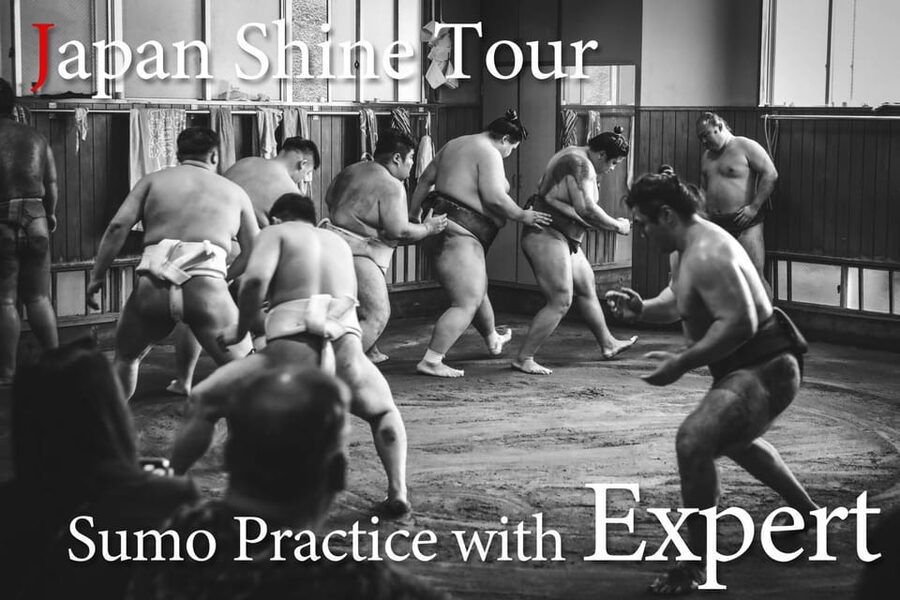
The main portion lasts about two hours, though the actual practice time described by some participants was around ninety minutes, followed by photos and explanations. Your guide will help you understand what is happening, but the first rule is simple: watch and listen.
The stable’s traditional arrangement shapes the whole visit. You sit on the floor, so wear trousers or other comfortable clothing. If sitting low is difficult, this may not be the right activity even if the booking page describes the general tour as wheelchair accessible. The specific stable setup is not suitable for wheelchair users, and electric wheelchairs and baby carriages are not allowed.
The atmosphere is the opposite of a staged show. The wrestlers are there to train, not to perform a set routine for your group. That gives the morning its value, but it also means the experience can feel less predictable than a ticketed event.
You will want to photograph the action, but flash is forbidden. Food, drinks, alcohol, and drugs are also not allowed inside, and you remove your shoes indoors. Bring a camera, but use it quietly and follow the guide’s instructions.
The physical side of practice can be startling. Sumo is often reduced to the collision at the start of a bout, yet the training shows how much effort goes into balance, footwork, pushing strength, flexibility, and endurance. You may find that the quiet sections are as revealing as the louder ones. Respect for seniority and concentration are part of what you are seeing.
What the journalist guide adds
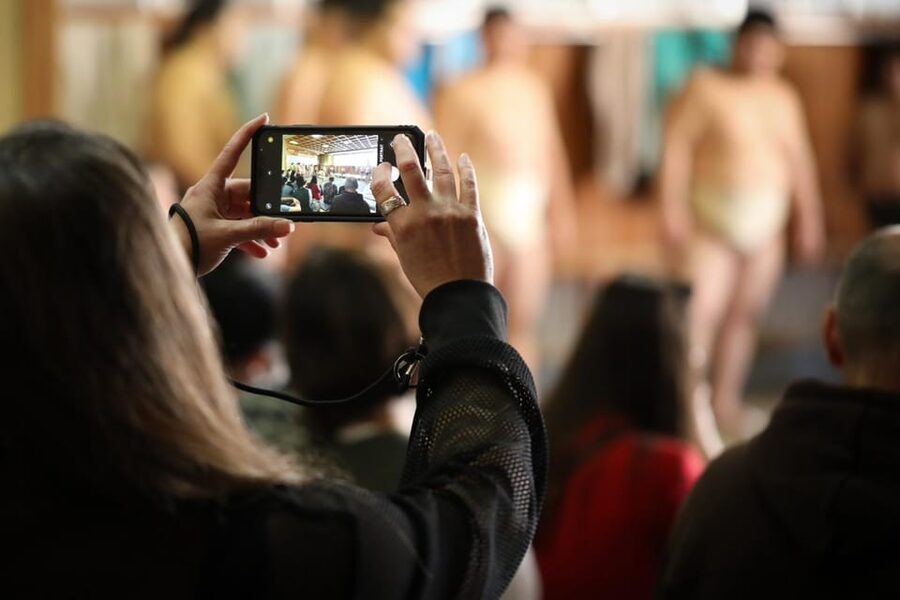
The strongest part of this tour is not simply getting through the door. It is understanding what you are looking at once you are inside.
The guide is a sumo specialist who has worked as a national newspaper journalist or reporter covering the sport. Shinya Setsu has been praised for explaining the culture in clear English, adding funny stories, and answering questions long after the practice ends. Other sessions have been led by Shin, Karen, and Ray, who have also been described as warm, entertaining, and well prepared.
That background gives the commentary a useful edge. You can ask about the rules, rankings, stable life, the daily routine, the role of the coach, and the customs that may seem mysterious from the outside. You can also ask about famous matches or wrestlers if you follow sumo on NHK.
The guide can point out what matters in a training exchange, but you should not expect a running sports broadcast every second. The practice requires silence, so some of the teaching happens before or after the session. That is why the advance videos and post-practice conversation are helpful.
If you know little about sumo, do not worry. The tour is designed to explain the basics, not just to reward serious fans. Several people with different levels of interest enjoyed it, including a couple in which one person followed sumo closely and the other did not.
Same base, a different sort of day:
- Mt Fuji and Hakone 1-Day Bus Tour Return by Bullet Train
★ 5.0 · 26,383 reviews - 1-Day Tokyo Bus Tour
★ 5.0 · 14,250 reviews - Tokyo: TOKYO SKYTREE® Admission ticket
★ 4.5 · 11,192 reviews - Tokyo: teamLab Planets TOKYO Digital Art Museum Entry Ticket
★ 4.6 · 9,779 reviews
Photos, questions, and the walk through Ryogoku
After practice, the tour includes commemorative photos. This is a memorable contrast with the quiet viewing period, but keep your expectations sensible. The wrestlers are still living and working in their own environment, so follow the guide’s directions about when and where photos are appropriate.
You then transfer back toward Ryogoku, with the itinerary allowing about five minutes for the move. The final guided portion lasts about thirty minutes and finishes at Ryogoku Edo Noren, near Ryogoku Station.
This part is more than filler. The neighborhood is closely tied to sumo, and the guide can connect what you have just seen with the public side of the sport. The nearby Kokugikan area, sumo shops, museum displays, and stadium surroundings help you place the stable within Ryogoku’s wider sumo culture.
There is one small point to keep in mind. One person felt the sumo shop stop was unnecessary, and another expected a visit to the actual ring inside the stadium but instead saw a nearby replica. Do not book this tour expecting stadium access or a behind-the-scenes look at every part of the Kokugikan. The stable practice is the central event.
The tour ends at Ryogoku Station, which makes it easy to continue sightseeing or find lunch. Meals and drinks are not included, so plan to eat afterward rather than expecting refreshments during the morning.
Is $103 a fair price?
At $103, this is expensive compared with a casual museum visit or a walk around Ryogoku. You are paying for more than three hours of guiding, though. The price reflects the special stable permission, the small window of access, the English explanations, and the specialist’s time.
You can visit the outside of the Kokugikan for free. You can also watch sumo on television at no cost. Neither option gives you a seat on the floor of a working stable while wrestlers train a few steps away.
Tournament tickets can also be difficult to obtain, especially if your Tokyo dates do not match a tournament. This practice is not a substitute for a tournament, but it solves a different problem. You get a close look at preparation rather than a formal day of competition.
I would call the price fair for someone who is genuinely interested in sumo or Japanese traditional culture. It is less convincing if you are only mildly curious and have a tight activity budget. The best value comes from asking questions and using the guide’s expertise, not from treating the visit as a quick photo opportunity.
The tour also offers free cancellation up to 24 hours before the start and a reserve-now, pay-later option. Those terms help if your Tokyo plans are still shifting, but the more important booking advice is to choose a morning when you can arrive early and sit comfortably.
Who will enjoy this most?
I would recommend it first to people who already watch sumo and want to understand the sport beyond the televised bout. The guide’s reporting background, explanations of hierarchy, and stories about famous wrestlers can add a lot for an informed fan.
It also suits first-time visitors who want a traditional Japanese experience that is not built around a performance for tourists. You do not need technical knowledge. The guide explains the history, rituals, rules, and daily life in accessible terms.
It is a good choice if there is no tournament during your visit, or if tournament tickets are sold out. Several people found the practice more intimate than expected, and some felt it was as interesting as, or even more interesting than, watching a match.
I would hesitate if you dislike sitting on the floor, need a wheelchair, want constant narration, or prefer a polished show with a fixed schedule. The stable’s routine comes first. You are observing real work, and that requires patience.
Children under one are not permitted. Babies, baby carriages, food, drinks, flash photography, alcohol, drugs, fireworks, and indoor shoes are also specifically excluded. Comfortable clothes and a camera are the useful items to bring.
My verdict on the sumo morning practice
Book this if you want access rather than spectacle. The morning at Takasago-beya gives you a rare view of sumo as a daily discipline, and the journalist guide helps you understand the customs that a casual visit would miss.
The strongest reasons to choose it are the real practice, the close viewing position, the chance for photos, and the guide’s stories after the wrestlers finish. The main limits are the price, the floor seating, the ban on flash, and the fact that you cannot control exactly what the stable does that morning.
For a sumo fan, I would make room for it. For someone comparing it with a tournament, I would choose based on your interest: pick the tournament for ceremony and competition, pick this tour for training, access, and context. If you want a respectful look at a part of Tokyo that most people cannot arrange alone, this is a strong choice.
FAQ
How long does the Tokyo sumo morning practice tour last?
The experience lasts about three hours. It includes roughly two hours at Takasago-beya, short transfers, and about thirty minutes of guided touring near Ryogoku.
Where does the tour meet?
The meeting point is at the Ryogoku Hanawa Building near Toei Oedo Line Ryogoku Station, Exit A2, at ground level. It is about a five-minute walk from the east exit of JR Ryogoku Station.
Can I take photos during the practice?
You may bring a camera, but flash photography is not allowed during practice. The tour includes commemorative photos, including an opportunity to take photos with wrestlers after training.
Do I need to know about sumo before booking?
No. The English-speaking guide explains sumo’s history, rituals, rules, hierarchy, and daily life. You can also ask questions throughout the experience, though you must remain quiet during practice.
Is the tour suitable for wheelchair users?
The traditional stable setup is not suitable for wheelchair users. You sit on the floor during practice, and electric wheelchairs and baby carriages are not allowed.
What is included in the $103 price?
The price includes live morning practice viewing, commemorative photos, guidance from a sumo specialist and national newspaper journalist, and special permission to enter the stable. Meals, drinks, and transportation to and from the stable are not included.
Just added in Tokyo
- The 10 Tastings of Tokyo With Locals: Private Street Food Tour★ 5.0 · 48 reviews
- Small Town in the Big City: Tasting Tokyo’s Kichijoji★ 5.0 · 195 reviews
- Small Town in the Big City: Tasting Tokyo’s Kichijoji★ 5.0 · 16 reviews
- EXCLUSIVE Tokyo Secret: Kichijoji Small-Group Food & Bar Hopping★ 5.0 · 29 reviews
- Explore Kichijoji: Walk Through One of Tokyo’s Beloved Districts★ 5.0 · 21 reviews
- :Tokyo,Shibuya/ Pro Photography in Kimono / English-Friendly★ 5.0 · 26 reviews
- 【R34】Tokyo:Private Daikoku tour in Modified R34★ 4.9 · 92 reviews
- Tokyo:Calligraphy &Make your original folding fan in Asakusa★ 5.0 · 62 reviews
Sumo Experiences, compared.
Sumo Show Experience with Chicken Hot Pot and a Photo
Read our review →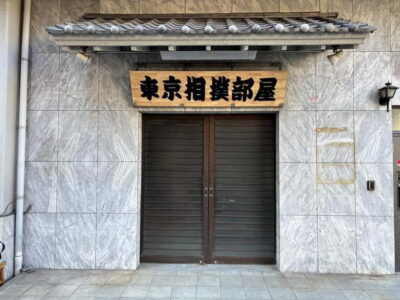
Tokyo Shinjuku Sumo Show & Experience with Photo
Read our review →
Sumo Show & Experience w/ Optional Kimono & Hot Pot
Read our review →
Authentic Sumo Experience in Tokyo: Enter the Sanctuary
Read our review →Browse the lists this tour appears in