
Reviewed · SUMO EXPERIENCES
Tokyo: Sumo Morning Practice with Photo Banzuke and Guide
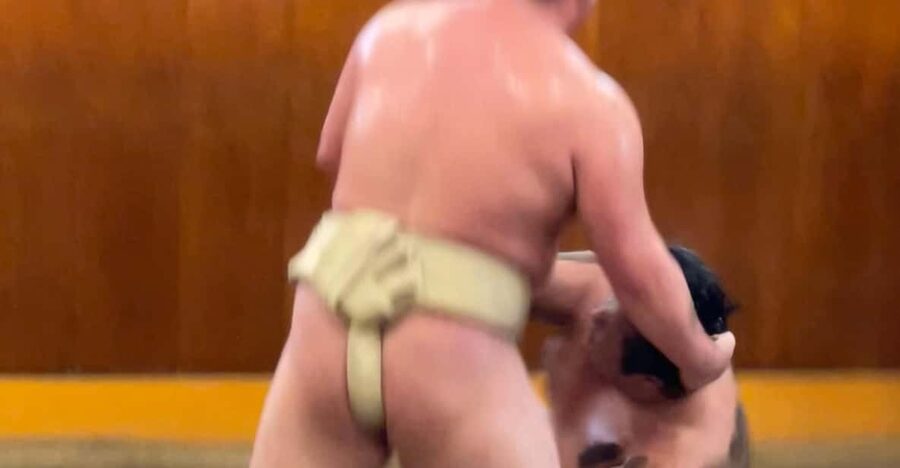
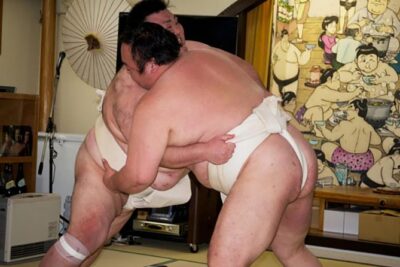
Sumo practice gives you something a tournament ticket cannot: a close look at the daily work behind the spectacle. You sit in chairs inside a traditional stable and watch wrestlers of very different sizes train, push, grapple, and repeat the same moves with serious focus. I especially like the small group of no more than nine and the chance to see sumo outside the tournament calendar.
I also like the English presentation after practice, since watching powerful bodies collide is only half the story. You learn the basic rules and traditions instead of leaving with a few dramatic photos. The main drawback is the length. It is sold as a seven-hour experience, and one afternoon report found the day a little long, especially for visitors trying to fit in more of Tokyo.
Key points to know before booking
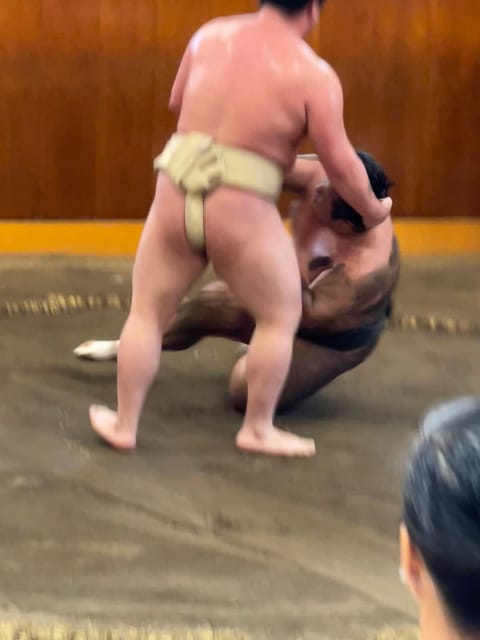
- Morning practice inside a real sumo stable: You watch wrestlers train rather than simply see a staged demonstration.
- Chairs are provided: You can sit while observing the session, a useful detail during a long morning.
- A rare chance outside tournament dates: Official tournaments take place only 90 days each year.
- Small English-speaking group: The group is capped at nine people, giving the guide room to explain what you are seeing.
- Exact meeting point matters: Meet at Exit B1 of Kiyosumi-Shirakawa Station, near a FamilyMart convenience store.
- Seven hours requires planning: Comfortable shoes, a camera, and a full block of your Tokyo day are sensible choices.
Why morning practice feels different from a tournament
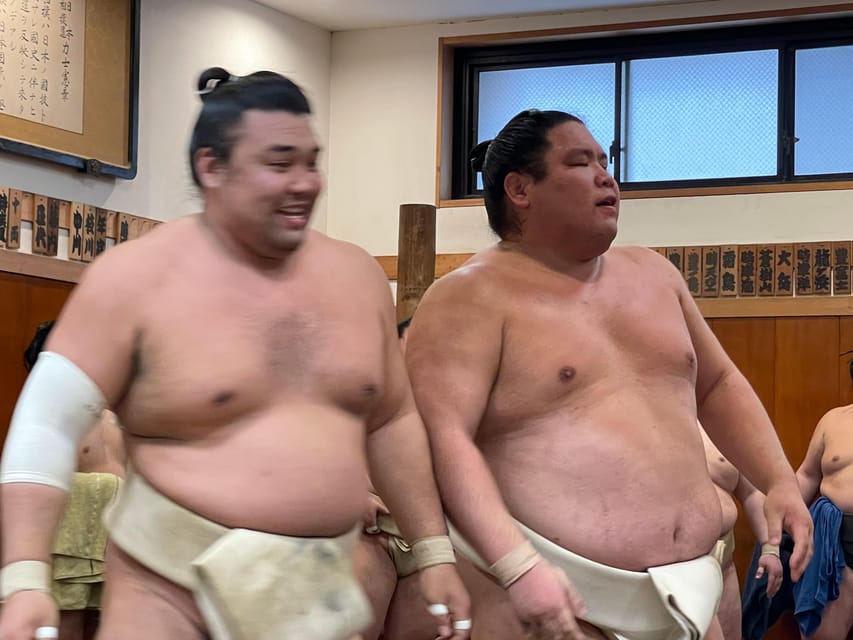
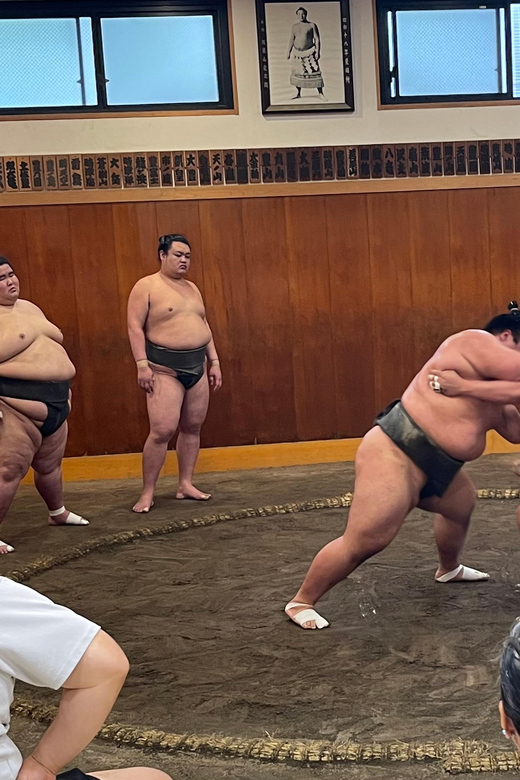
Sumo is often presented through the noise and ceremony of a tournament. This visit gives you the quieter working side of the sport. You see wrestlers preparing for their next major match, not just stepping into a ring under bright lights with a crowd watching.
That difference matters. A tournament shows the finished contest. Practice lets you watch repetition, physical preparation, and the concentration that comes before the public event. You may see the wrestlers train and compete with one another during the session, but the focus is on practice rather than a formal tournament bout.
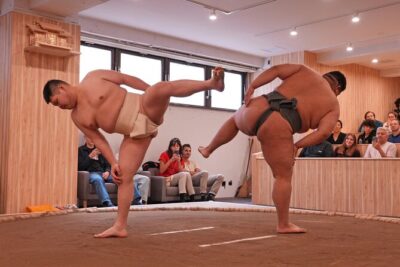
Sumo has no weight classes. That single fact helps explain why the training is so striking. You see large bodies using balance, timing, force, and technique rather than relying on size alone. Your guide helps place those movements in context, so you are not left guessing why a particular push or clash matters.
The access is also unusual. Japan has 44 operating sumo stables, but only a select few permit people from outside the stable to observe morning practice. This is not the same as visiting a museum or watching a recorded match. You are entering a working place where the training itself is the subject.
Other ways to see sumo in Tokyo:
- Tokyo: Sumo Show Experience with Chicken Hot Pot and a Photo
★ 4.8 · 6,678 reviews - Tokyo: Sumo Show and Dining Experience
★ 4.8 · 2,742 reviews - the SUMO show
★ 5.0 · 1,960 reviews
Meeting at Kiyosumi-Shirakawa Station
The day begins at Kiyosumi-Shirakawa Station. Look for Exit B1, which is near a FamilyMart convenience store. The meeting point is designed to be easy to find whether you arrive by train or taxi, but you should still allow extra time to get there.
This is one of those Tokyo outings where punctuality matters more than usual. The stable visit follows a group schedule, and a late arrival can affect everyone. If you are running late, contact the operator immediately. The guide may try to accommodate you, but the group takes priority.
The directions have caused some avoidable confusion for at least one person, so I would make the meeting point more precise in your own plans: Exit B1, then look around the front of the FamilyMart rather than waiting somewhere inside the station. Save the station name in Japanese or keep the address available on your phone.
The station is not the main attraction, but it is a practical starting point. The stable is described as only 14 minutes from Otemachi or Tokyo Station, although your total outing includes the practice, presentation, photo stop, and walking time. Do not mistake that short distance for a short tour.
Inside the stable: what you will actually watch
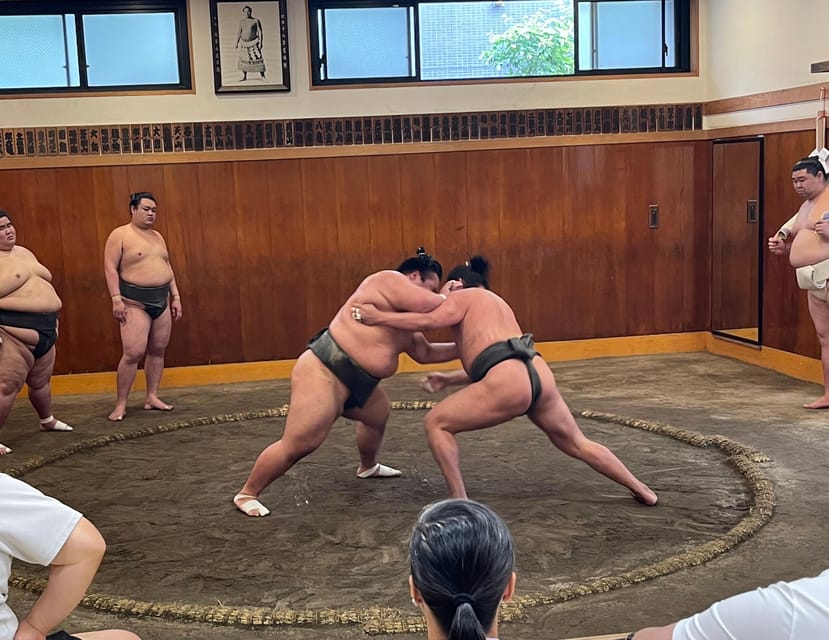
Once the group reaches the stable, you take a seat in a chair and observe the morning practice. That seating arrangement is worth noting. You are not expected to stand for the entire session, and sitting lets you concentrate on the wrestlers rather than on finding a comfortable place to wait.
The setting is close enough for you to feel the force of the training. You see wrestlers working through their moves and preparing for their next big match. The attraction is not polished entertainment. It is the chance to watch a demanding routine in the place where it happens.
The experience information does not promise a particular stable, wrestler, or practice sequence. That is useful to remember when setting expectations. Sumo training is a real working session, not a show built around a fixed script. What you see can depend on the stable’s routine on that morning.
Your role is mainly to observe quietly. The best approach is to watch the details your guide points out: how the wrestlers position themselves, how they use force, and how the group trains within a sport that places everyone together without weight divisions.
The closeness can be powerful, but it also calls for respect. You are entering a place used for serious training. Follow the guide’s instructions about where to sit, when to take photos, and how to behave inside the stable. The experience includes a camera as a suggested item, but the visit is more than a photo opportunity.
The guide turns spectacle into sport
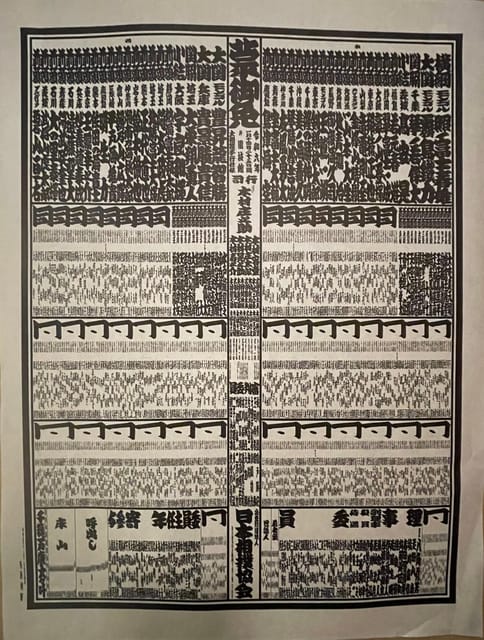
After practice, the local English-speaking guide gives a short presentation on the basics of sumo. This is an important part of the day. Without explanation, sumo can look like two enormous people pushing until one loses balance. With some basic instruction, you can start to see the decisions behind each movement.
You learn about the basic structure and traditions of the sport, then carry that understanding into the rest of your Japan trip. The guide is also there to answer the natural questions that come up when you watch a practice session close up.
The strongest praise for this experience has focused on the guide’s friendly manner and clear explanations. One person described the guide as perfect, and another called the guide friendly and well informed. Those comments match what you should want from this format: not a lecture packed with dates, but a clear bridge between what you see and what it means.
No guide name is supplied, so I would not book this expecting a particular person. The language offered is English, and the presentation is included as part of the visit.
Same base, a different sort of day:
- Mt Fuji and Hakone 1-Day Bus Tour Return by Bullet Train
★ 5.0 · 26,383 reviews - 1-Day Tokyo Bus Tour
★ 5.0 · 14,250 reviews - Tokyo: TOKYO SKYTREE® Admission ticket
★ 4.5 · 11,192 reviews - Tokyo: teamLab Planets TOKYO Digital Art Museum Entry Ticket
★ 4.6 · 9,779 reviews
The photo stop and the Photo Banzuke detail
The schedule includes a 15-minute photo stop, followed by two 10-minute walks. The experience title also refers to a Photo Banzuke. The supplied details do not explain exactly how the Photo Banzuke is used or what is photographed, so you should treat this as a photo-focused part of the outing rather than expect a specific portrait session or souvenir.
That said, the photo stop gives you a useful pause after the close concentration of the practice. Bring a camera or make sure your phone is charged. You may find that the most valuable images are not posed ones, but the sense of the stable, the training space, and the wrestlers at work.
The walking portions are short, but comfortable shoes still matter. The full activity is listed as seven hours, so even brief walks add up. Do not wear shoes chosen only for appearance, especially if you plan to spend the rest of the day exploring Tokyo afterward.
How the seven-hour schedule affects your day
The listed route starts at Kiyosumi-Shirakawa Station, includes a 15-minute guided segment, a 2.5-hour guided segment, the photo stop, and two 10-minute walks before returning to the station. The experience is advertised as lasting seven hours, so allow the full block rather than planning a tight afternoon appointment.
The exact time spent at the stable may vary with the practice routine and group movement. One person found the outing longer than expected and left early to make better use of a sunny day in Tokyo. That is a fair warning for anyone with a packed schedule.
If you know you may need to leave before the end, tell the guide at the start. Leaving early can be possible, but it may be awkward if the group is moving between locations. I would schedule this on a day with few fixed bookings.
The length will suit you if sumo is a main reason for visiting Tokyo or if you prefer one substantial cultural activity over several quick stops. It may not suit you if you want to combine it with many attractions around Tokyo Station, Asakusa, or another district on the same morning.
Is $115 a fair price?
At $115 per person, this is not a cheap way to fill an hour. The price pays for a rare type of access, a small group limited to nine, a local English-speaking guide, the observation session, and the presentation afterward. You are paying for context and entry to a restricted working environment, not simply for a seat in a public arena.
The value is strongest if you care about seeing sumo in its daily setting. Tournament tickets are available only during 90 days of the year, and even then, a stadium seat gives you a different view of the sport. This visit fills the gap for a visitor whose dates do not match the tournament calendar.
The value is weaker if you mainly want a quick photo with a wrestler or a formal competition. Nothing in the information promises a tournament match, a particular wrestler, or a meet-and-greet. The core product is observation and explanation.
The small group helps justify the cost. With no more than nine people, the guide has a better chance of keeping everyone together and answering questions. You also avoid the feel of a large bus excursion. Just remember that the price does not buy flexibility once the group has begun. The schedule is shared, and late arrivals can disrupt it.
Free cancellation up to 24 hours before the start and the option to reserve now and pay later make the booking less risky. Those terms are useful if your Tokyo schedule is still changing, but they do not remove the need to arrive on time.
Who will enjoy this most
I would recommend this to adults and older children who have a real interest in Japanese sport, ritual, or everyday cultural life. Children under nine are not permitted, so families with younger children should choose another activity.
It is a good match for you if:
- You want to see sumo outside a tournament setting.
- You value explanation as much as photos.
- You can give up most of a day in Tokyo.
- You are comfortable following quiet observation rules in a working place.
- You prefer a small group to a large city tour.
- You can manage the meeting point and arrive early.
It may not be the right pick if your main goal is a formal match. It also may frustrate you if you expect a fast, tightly timed attraction. The practice is the heart of the visit, and real training does not always move at the pace of a stage show.
The activity is wheelchair accessible, which is helpful, though the route includes walking between points. If you use a wheelchair, confirm the practical arrangements with the provider before departure, since the supplied information does not explain the exact stable layout.
Practical tips for a smoother morning
Arrive before the meeting time and wait at Exit B1 near the FamilyMart. Do not rely on finding the group after the tour has started.
Wear comfortable shoes and bring a camera. You may also want a phone battery pack because the outing lasts several hours and includes photos, navigation, and communication with the guide.
Keep your questions for the presentation unless the guide invites discussion during practice. The wrestlers are training, and quiet attention helps preserve the character of the visit.
Leave space in your itinerary afterward. The advertised duration is seven hours, and one person felt the experience ran long. A flexible afternoon will make the schedule feel relaxed rather than restrictive.
Finally, remember that the experience is about seeing sumo as work. The most rewarding moments may be subtle: a repeated movement, the force of a practice clash, or the guide explaining why a technique matters. Go in ready to watch carefully, not just wait for a dramatic photo.
Should you book this sumo practice visit?
Book it if you want a close look at sumo before the public tournament stage and you value a guide who can explain what you are seeing. The access is unusual, the group is small, and sitting in chairs makes the long observation more manageable.
Skip it if you have only a few hours in Tokyo or need a guaranteed formal match. The seven-hour schedule is the key decision point. For a sumo fan, $115 buys a rare and focused cultural experience. For a visitor simply curious about the sport, the cost and time commitment deserve more thought.
FAQ
Where does the sumo practice experience start?
It starts at Exit B1 of Kiyosumi-Shirakawa Station, near a FamilyMart convenience store.
How long does the activity last?
The activity is listed as lasting seven hours.
How large is the group?
The group is limited to nine participants.
Is the tour conducted in English?
Yes. The live guide and presentation are in English.
Will I sit during the practice?
Yes. Chairs are provided so you can sit while watching the wrestlers train.
Is this a formal sumo tournament?
No. You observe a morning practice session at a sumo stable rather than attending a formal tournament.
What is included in the booking?
It includes observation of the sumo practice, a short presentation on the basics of sumo, and a local guide.
What should I bring?
Comfortable shoes and a camera are recommended.
Can children join the activity?
Children under nine years old are not permitted to join.
Just added in Tokyo
- The 10 Tastings of Tokyo With Locals: Private Street Food Tour★ 5.0 · 48 reviews
- Small Town in the Big City: Tasting Tokyo’s Kichijoji★ 5.0 · 195 reviews
- Small Town in the Big City: Tasting Tokyo’s Kichijoji★ 5.0 · 16 reviews
- EXCLUSIVE Tokyo Secret: Kichijoji Small-Group Food & Bar Hopping★ 5.0 · 29 reviews
- Explore Kichijoji: Walk Through One of Tokyo’s Beloved Districts★ 5.0 · 21 reviews
- :Tokyo,Shibuya/ Pro Photography in Kimono / English-Friendly★ 5.0 · 26 reviews
- 【R34】Tokyo:Private Daikoku tour in Modified R34★ 4.9 · 92 reviews
- Tokyo:Calligraphy &Make your original folding fan in Asakusa★ 5.0 · 62 reviews
Sumo Experiences, compared.
Sumo Show Experience with Chicken Hot Pot and a Photo
Read our review →
Tokyo Shinjuku Sumo Show & Experience with Photo
Read our review →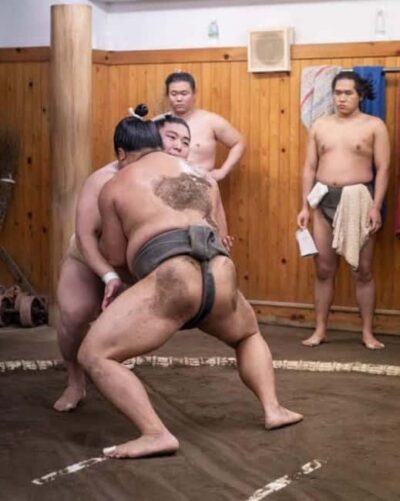
Sumo Show & Experience w/ Optional Kimono & Hot Pot
Read our review →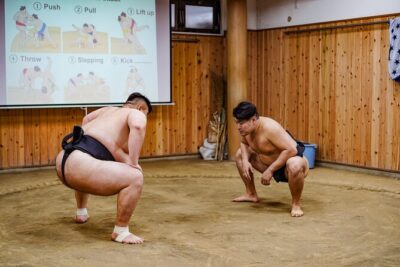
Authentic Sumo Experience in Tokyo: Enter the Sanctuary
Read our review →Browse the lists this tour appears in