
Reviewed · SUMO EXPERIENCES
Tokyo: Sumo Tournament with Guide & Assigned Reserved Seat
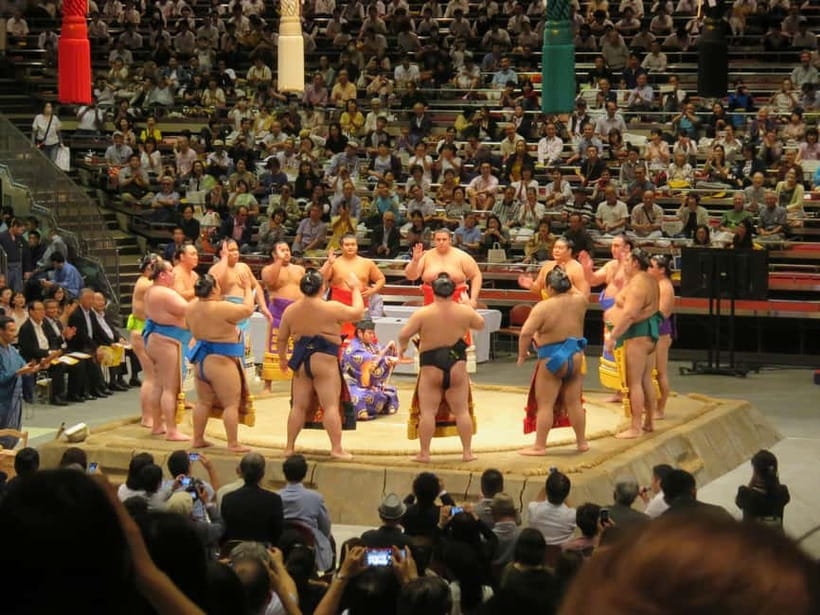
The most memorable part of this Tokyo experience is not simply watching two enormous wrestlers collide. It is seeing the ceremony around each bout: the entrance, the careful preparation, the ritual movements, and the charged silence before the fight begins. A guide helps you understand what your eyes are seeing instead of leaving you to guess.
I like the reserved B or C class seat, especially during a sold-out tournament when finding a ticket independently can be difficult. I also like the expert explanation, with guides such as George, Lily, Cesar, Miki, and Jorge helping first-time spectators follow the rankings, rules, and customs. The main drawback is price. At $209 per person, this is a costly way to attend an event whose basic ticket value may be far lower.
Key points to know before booking
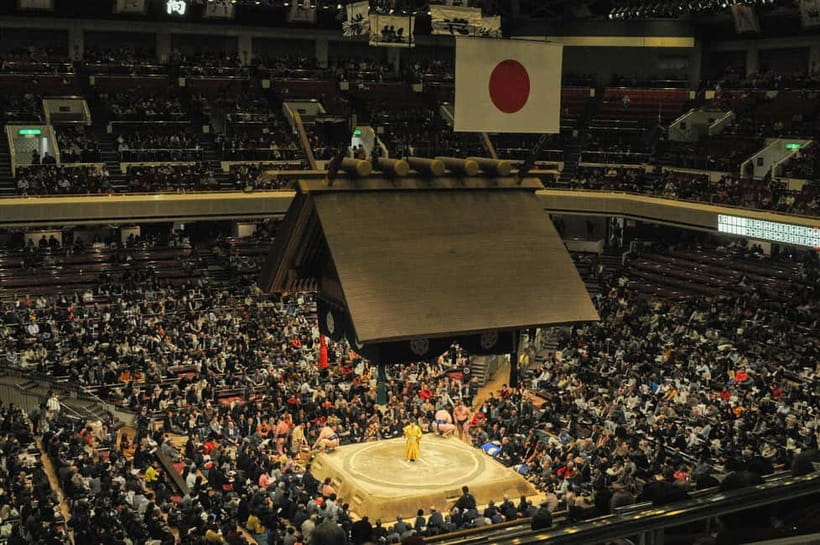
- You watch an official tournament at Ryogoku Kokugikan, Tokyo’s best-known sumo venue.
- Your second-floor B or C class seat is reserved, but you do not choose the exact location.
- An English-speaking guide explains the rituals, rankings, rules, and techniques before and during the tournament.
- The total outing lasts about four to five hours, including a short guided visit and roughly four hours at the arena.
- The sumo district adds useful context, with possible stops near a temple, cemetery, or garden depending on the meeting arrangement.
- The price buys access and simplicity, but the markup is substantial compared with the face value of a standard seat.
Why live sumo is worth your afternoon
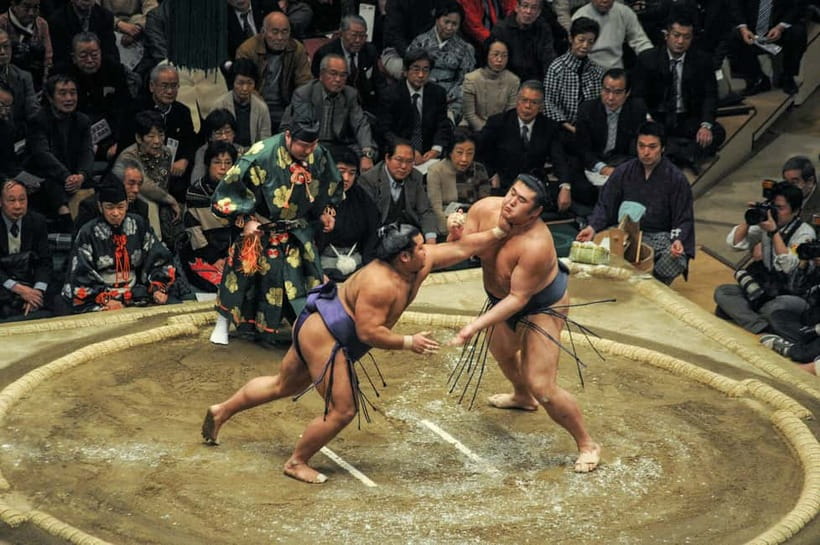
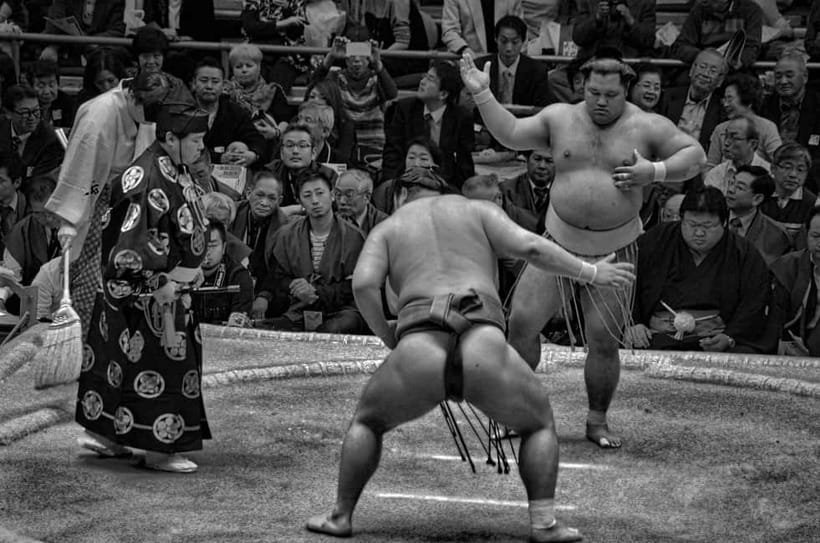
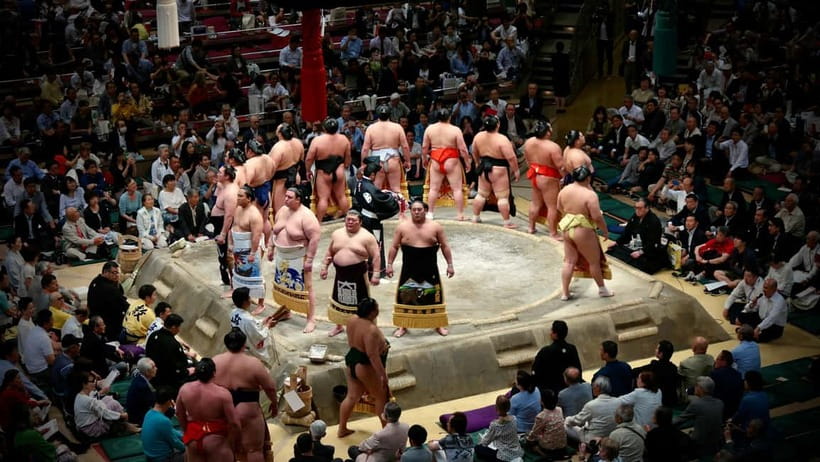
Sumo is easy to misunderstand if you see only a short clip online. The actual bout may last seconds, but the ceremony around it gives the sport its weight. Wrestlers enter, prepare, perform formal gestures, and wait for the right moment. The slow build makes the final clash feel much more dramatic.
You also get a glimpse of a strict ranking system and a professional world shaped by discipline, ritual, and reputation. The guide explains why wrestlers are introduced in a particular order, how advancement works, and what the gestures mean. That extra context is especially useful if you know little about sumo.
I would not treat this as a casual stadium visit. It is a cultural outing as much as a sporting one. You are not only watching who wins. You are learning how an old Japanese tradition presents itself in a modern arena.
Other ways to see sumo in Tokyo:
- Tokyo: Sumo Show Experience with Chicken Hot Pot and a Photo
★ 4.8 · 6,678 reviews - Tokyo: Sumo Show and Dining Experience
★ 4.8 · 2,742 reviews - the SUMO show
★ 5.0 · 1,960 reviews
Meeting in Tokyo’s sumo district
There are two listed starting options connected with the Matsuura-Bungo Mansion Site, and your exact meeting point can depend on the option you choose. Read the meeting instructions carefully. A well-organized start matters here because the group needs to reach the arena together and the booking does not function like a simple self-guided ticket.
Several guides begin with an explanation of the local sumo area before walking to Ryogoku Kokugikan. This is a useful way to get your bearings. You may also visit nearby points such as Ekoin Temple, a cemetery, or a garden, depending on the day’s arrangement and the guide’s route.
These short stops are not the main event, and I would not book the experience for them alone. They can still help you understand why Ryogoku is linked so closely with sumo. One practical warning: outdoor explanations can be affected by street noise. If the group is large, you may need to stand close to the guide to hear every detail.
The 30-minute introduction at Ryogoku Kokugikan
The guided portion at the arena lasts about 30 minutes. This is where the experience either earns its keep or feels too brief, depending on your guide and your own interest.
The strongest guides give you a framework for the whole afternoon. George and Jorge have been praised for explaining the tournament clearly and answering questions with humor. Lily is noted for her energy and clear English, while Cesar is often described as approachable and very well informed about the wrestlers, traditions, and ranking system. Miki has also been praised for attentive care and useful explanations from the start of the outing to the finish.
You should expect information about:
- The basic rules of a bout
- The ranking system and promotion
- Rituals before the match
- Sumo customs and cultural meaning
- Wrestlers and the structure of the tournament
- Techniques used during the fight
The amount of detail can vary. Some guides focus more on the history of the buildings and local area, while others spend more time on rules, rituals, and techniques. If you want a technical explanation, ask early. A direct question may lead to a much better conversation than waiting for a standard speech to cover everything.
The 30-minute introduction is particularly valuable for first-time viewers. Without it, you might see the same movements but miss their significance. With it, you can watch for the buildup, the timing, and the small decisions that make a short bout exciting.
Four hours inside the Kokugikan
The main visit lasts about four hours, so you have time to settle into the atmosphere rather than rushing in for a single match. Your reserved seat is in B or C class on the second floor. Exact seats are assigned, and you cannot select a specific location from a seat map.
That arrangement has two sides. You get guaranteed seating without having to compete for a ticket, but you give up control over your precise view. Several people have found the assigned seats very good, with a clear view of the fights. Still, anyone particular about being near the ring should understand that this is not a choose-your-own-seat purchase.
The second-floor position gives you a broad view of the dohyo and the surrounding arena. You may not have the close-up feel of a premium lower-level seat, but the higher angle can help you follow the movement and ceremony. For a first visit, a clear overall view is often more useful than sitting close but missing the wider action.
The guide may speak with different parts of the group during the tournament. If the party is large, you might not hear every explanation at every moment. Sit where you can keep an eye on the guide and ask questions during quieter periods. The guide’s presence is most useful before a match and during pauses, since the actual bout can be over almost instantly.
Food and drinks are not included, and the activity information says they are not allowed. Plan accordingly rather than expecting a meal break inside the experience. The long arena portion means you should check the timing and practical instructions before you set out.
Same base, a different sort of day:
- Mt Fuji and Hakone 1-Day Bus Tour Return by Bullet Train
★ 5.0 · 26,383 reviews - 1-Day Tokyo Bus Tour
★ 5.0 · 14,250 reviews - Tokyo: TOKYO SKYTREE® Admission ticket
★ 4.5 · 11,192 reviews - Tokyo: teamLab Planets TOKYO Digital Art Museum Entry Ticket
★ 4.6 · 9,779 reviews
What you will learn from the guide
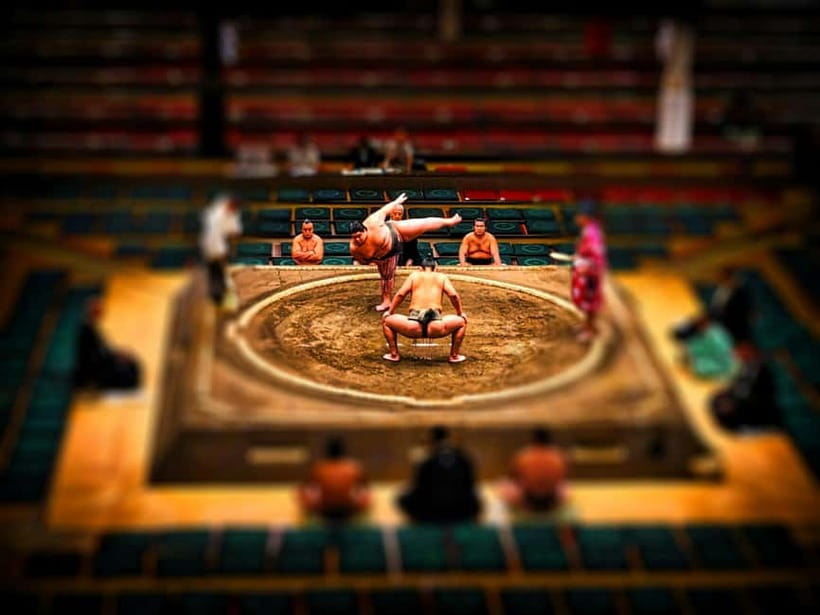
A good guide changes the experience from a strange spectacle into something you can read. You begin to notice the difference between a ritual gesture and a competitive move. You understand why rankings matter and why the result of one bout can affect a wrestler’s standing.
The best guide reports are consistent on one point: personal explanation is the strongest reason to book this package rather than simply buying an arena ticket. George, Mili, Lily, Cesar, Erik, Francesco, and Jorge are among the guides praised for friendly, clear instruction. Names and spellings may vary by assignment, so you should not book on the promise of one particular guide unless that is confirmed for your date.
The quality of the outing also depends on group size and the guide’s speaking position. One person found a larger group made explanations hard to hear. Another wished for more detail about techniques and the origins of rituals. Those are fair cautions. The guide can answer questions, but the experience is not a private lesson.
My advice is to prepare a little before arriving. Learn the basic aim of a bout and the broad idea of the ranking system. Then use the guide for the details you cannot easily pick up alone. Even a small amount of preparation makes the afternoon more rewarding.
Is $209 a fair price?
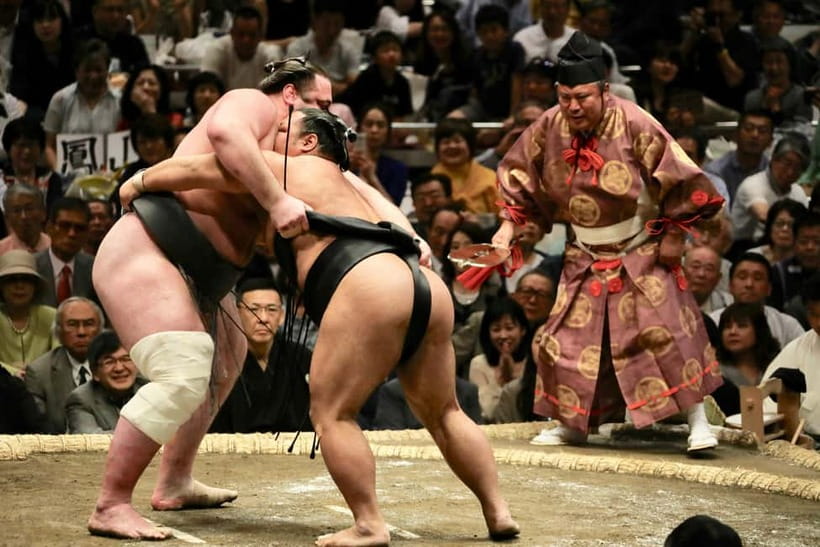
At $209 per person, this is expensive. That is the plain fact. The cost includes a sumo tournament ticket, a reserved second-floor B or C class seat, and an English-speaking guide. It also saves you the trouble of finding a ticket during a tournament that may be difficult to book through the official website.
The value depends on what you are buying. If you place a high value on guaranteed entry and clear guidance, the package may be worth paying for. If you are comfortable navigating the venue alone and can obtain an official ticket, the extra cost is hard to justify.
Some pricing feedback is especially sharp because standard B or C class seats may cost around ¥5,000 to ¥6,000 according to the booking experiences described. That means a large part of the $209 price goes toward access, ticket availability, organization, and the guide. You should go in with open eyes: this is a convenience package, not a low-cost ticket.
The guide may be the most valuable part for a visitor who knows nothing about sumo. Still, the guide leads a group rather than providing a private four-hour service. If you are traveling on a tight budget, compare the price with the value of the rest of your Tokyo plans before committing.
Book early if this event is a priority. The more popular tournament dates can be difficult to secure, and waiting may leave you with fewer choices and a higher price. The booking process is generally described as straightforward, with confirmation and seat details arriving quickly, though some people would prefer a seat map and a reminder closer to the date.
Comfort, access, and practical limits
The experience lasts four to five hours and involves meeting up, walking to the arena, and spending a long period at the venue. It is not suitable for people with mobility impairments, according to the activity information. If walking, standing during transitions, stairs, or long periods in a stadium could be difficult for you, ask for precise access details before paying.
The cancellation policy is non-refundable. That matters more than usual because tournament dates are fixed and the price is high. Confirm your date, starting location, and party size before booking.
The meeting point may vary by booking option. Keep the instructions available on the day, and allow enough time to find the group. The English tour is live and guide-led, not an audio tour or an independent ticket pickup.
Who should book this sumo experience?
I would recommend it most strongly to a first-time visitor who wants to attend a grand sumo tournament but cannot secure an official ticket. The guide gives you a way into a sport that can seem mysterious at first, and the reserved seat removes one major worry.
It also suits people who care about Japanese customs, ceremonies, and cultural context. The outing is less suitable for someone who only wants the cheapest possible ticket or who insists on choosing an exact seat.
Families and mixed-interest groups may find the explanations useful, but the non-refundable terms and high cost deserve careful thought. If everyone in your party is genuinely interested in sumo, the afternoon can become one of the defining experiences of a Tokyo visit. If only one person is enthusiastic, the price may feel out of balance.
Should you book it?
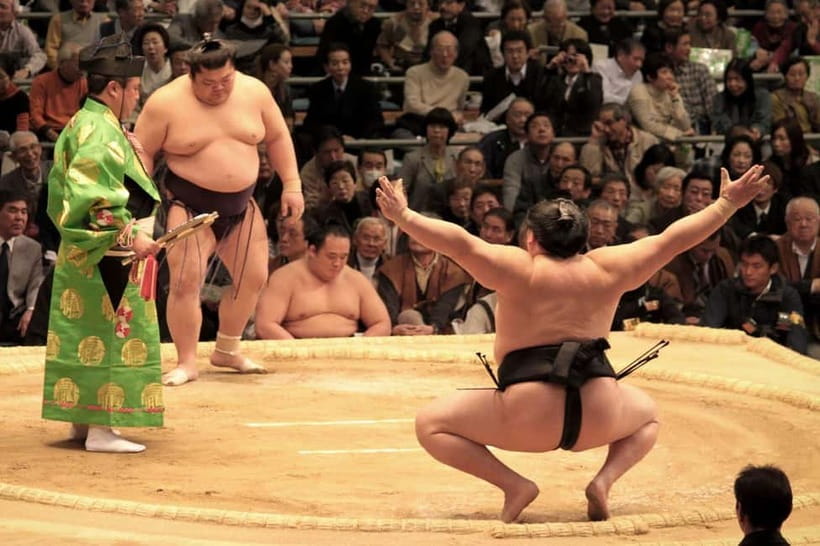
Book this experience if seeing live sumo is a top priority, official tickets are unavailable, and you want an English explanation of what is happening. The guides are repeatedly praised for their warmth, clear English, and ability to explain rankings and rituals. That support can turn a confusing first match into an event you understand and remember.
Skip it if you can buy a similar seat directly, if you need to control the exact seat location, or if $209 feels too high for a group tour. The tournament itself is the prize. The guide adds real value, but the large markup means this is best viewed as a guaranteed-access and interpretation package, not a bargain.
FAQ
Where does the sumo tour begin?
There are two listed starting options connected with the Matsuura-Bungo Mansion Site. The exact meeting point may vary according to the option booked, so check your confirmation carefully.
How long does the experience last?
The total duration is about four to five hours. This includes a 30-minute guided portion and approximately four hours at Ryogoku Kokugikan.
Where will I sit?
You receive a reserved B or C class seat on the second floor. The seat is assigned, so you cannot choose the exact location.
Is the tour conducted in English?
Yes. The experience includes a live English-speaking guide.
Does the price include food or drinks?
No. Food and drinks are not included, and the activity information says they are not allowed.
Is the activity suitable for people with mobility impairments?
No. The experience is listed as unsuitable for people with mobility impairments.
Just added in Tokyo
- The 10 Tastings of Tokyo With Locals: Private Street Food Tour★ 5.0 · 48 reviews
- Small Town in the Big City: Tasting Tokyo’s Kichijoji★ 5.0 · 195 reviews
- Small Town in the Big City: Tasting Tokyo’s Kichijoji★ 5.0 · 16 reviews
- EXCLUSIVE Tokyo Secret: Kichijoji Small-Group Food & Bar Hopping★ 5.0 · 29 reviews
- Explore Kichijoji: Walk Through One of Tokyo’s Beloved Districts★ 5.0 · 21 reviews
- :Tokyo,Shibuya/ Pro Photography in Kimono / English-Friendly★ 5.0 · 26 reviews
- 【R34】Tokyo:Private Daikoku tour in Modified R34★ 4.9 · 92 reviews
- Tokyo:Calligraphy &Make your original folding fan in Asakusa★ 5.0 · 62 reviews
Sumo Experiences, compared.
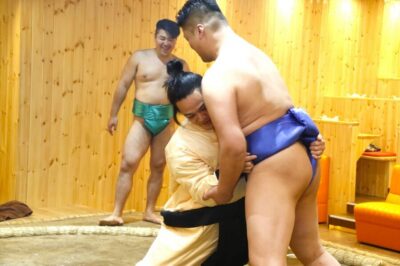
Sumo Show Experience with Chicken Hot Pot and a Photo
Read our review →
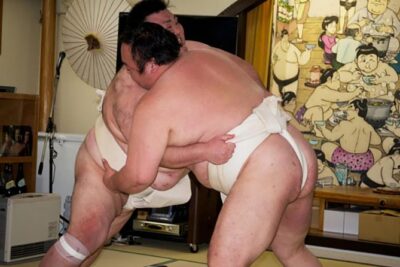
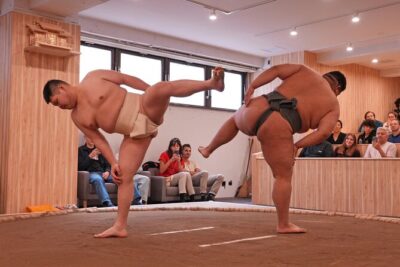
Tokyo Shinjuku Sumo Show & Experience with Photo
Read our review →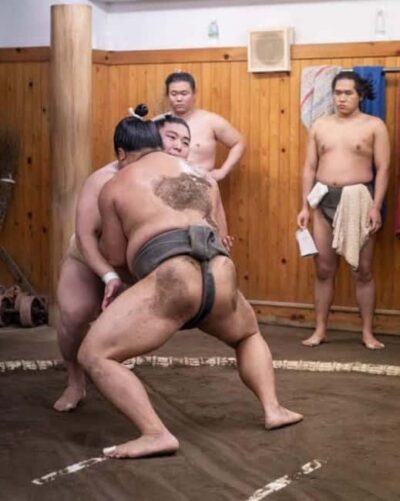
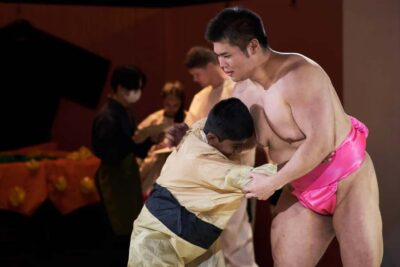
Sumo Show & Experience w/ Optional Kimono & Hot Pot
Read our review →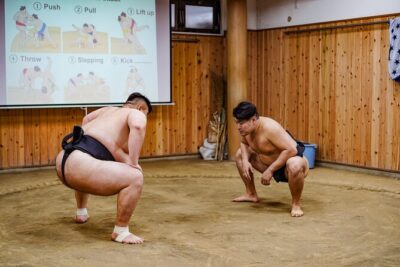
Authentic Sumo Experience in Tokyo: Enter the Sanctuary
Read our review →Browse the lists this tour appears in