
Reviewed · WALKING TOURS
True Kanazawa: Private Walking tour with a Local guide
Kanazawa is easiest to understand on foot, and this private tour lets you choose the three places that matter most to you. You might spend the morning among geisha houses, samurai lanes, and market stalls, or pair Kenrokuen Garden with Kanazawa Castle and a local museum.
I like the personal format, especially the chance to work with a guide such as Yasushi, who can show you around rather than simply point out landmarks. I also like the freedom to ask for a guide-selected route if you do not know Kanazawa well enough to choose.
The main catch is the price: $183 is for your private group, but admission fees, food, and any bus or train fares are extra. You also need to walk for the full 3 to 4 hours, and the tour ends at the last stop without a return transfer.
Key points to know before booking
- Choose three sights: Build your own route from gardens, temples, markets, museums, castle grounds, and historic districts.
- Private English-speaking guide: Your group gets the guide’s full attention, with Yasushi named among the guides connected with this experience.
- Hotel pickup on foot: You can request pickup from your hotel and select a start time between 8:30 a.m. and 2 p.m.
- Kanazawa’s best neighborhoods: Higashi Chaya, Nagamachi, Omicho Market, and Kazuemachi each show a different side of the city.
- Walking is the whole point: Public transportation is optional, but you pay the fares for both yourself and your guide.
- Lunch changes the plan: If you eat with the guide, you will have time for only two other stops.
Why a private walk works well in Kanazawa
Kanazawa rewards travelers who slow down. Its sights are spread across several districts, and each area has a different feel. A private walking guide can help you connect them without spending your limited time figuring out which streets lead where.
The tour lasts about 3 to 4 hours and includes three selected places. That sounds generous, but it is not enough time for a full visit to every major sight. The five-minute time blocks shown for each stop should not be read as actual sightseeing times. They appear to mark the stops in the route, while your real time at each place depends on the walking distance, admissions, and your choices.
I would treat this as a focused introduction rather than a full-day tour. Pick three areas that fit together, then return later to the one you liked best. The private format is especially useful if you are traveling with family, have a short stay, or want to ask plenty of questions without holding up a large group.
You can request a hotel pickup on foot. The stated pickup window runs from 8:30 a.m. to 2 p.m., while the meeting information also lists a 9 a.m. start. Confirm your preferred time in the special requirements section when booking. Do not arrive late, since joining partway through is not feasible.
Other guided walks in Kanazawa:
- Kanazawa: Private Walking Tour with a Local
★ 4.8 · 141 reviews - Kanazawa Private/Group Walking Tour: Local & Major Highlight
★ 4.8 · 113 reviews - Kanazawa: City Highlights & Hidden Gems Private Walking Tour
★ 4.8 · 42 reviews
Kenrokuen Garden and Kanazawa Castle
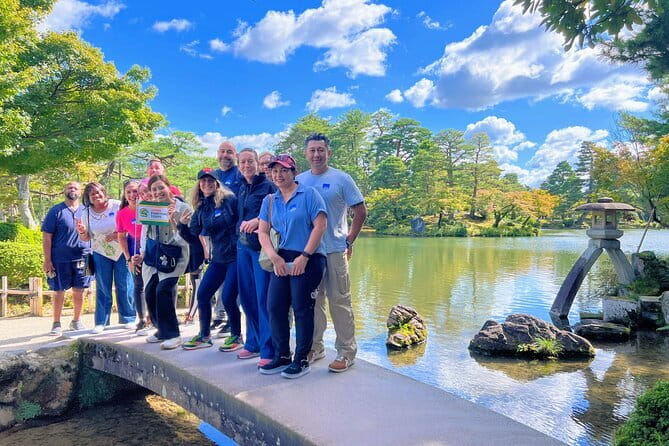
Kenrokuen is one of Japan’s Three Great Gardens, and it is the natural choice if you want scenery and a calm start to the day. Its appeal comes from seasonal changes and carefully balanced design. The garden is not just a collection of plants. It is a place to notice how water, paths, trees, open views, and small details work together.
You should choose Kenrokuen if gardens are high on your list or if you want a quieter contrast to the market and shopping streets. Admission is not included, so budget for that separately. The exact amount is not provided here, and it may depend on the current ticket rules.
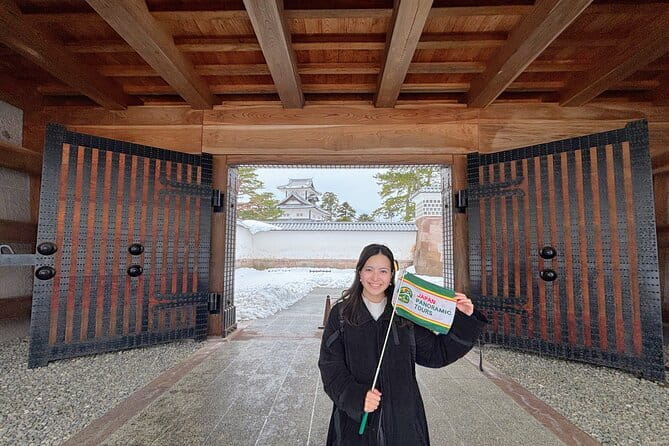
Next door, Kanazawa Castle gives you a look at the power of the Maeda clan, the family that shaped much of the city. The grounds are important for understanding why Kanazawa developed into such a major cultural center. Even if you are not a castle enthusiast, the open grounds make a useful partner for Kenrokuen.
These two stops fit together well, but they may use much of your available time. If you choose both, your third stop should be nearby or relatively simple, rather than a distant museum or outlying district. Entry to the castle is also extra.
Geisha quarters along the Asano River
Higashi Chaya District is one of the clearest places to see Kanazawa’s traditional teahouse culture. Its preserved wooden buildings give the area a strong sense of place, and a guide can explain how the district fits into Kanazawa’s entertainment and craft traditions.
This is a good choice if you want memorable streets rather than a formal indoor attraction. The district is free to walk through, though any particular building or activity with an admission charge is not covered by the tour price. Your guide can help you focus on the details that are easy to miss when you are simply taking photographs.
Kazuemachi Chayagai offers a quieter version of the same old-town atmosphere. It runs beside the Asano River, with elegant wooden buildings and a more subdued mood. Pairing Kazuemachi with Higashi Chaya makes sense if you want traditional streets and river views, although the two areas may feel similar if you prefer variety.
You can also choose Nishi Chaya District, another historic geisha quarter. It is described as quieter, with preserved Edo-period architecture and traditional teahouses. The three districts are not interchangeable in every detail, but they all serve the same broad purpose: showing you Kanazawa’s old urban character.
Nagamachi and the samurai past
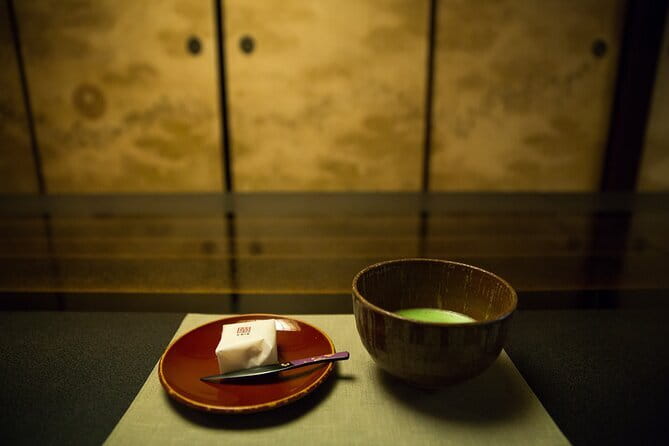
Nagamachi Samurai District is the strongest choice for anyone interested in old residential streets and the lives of samurai families. Its earthen walls and traditional homes offer a different view of Kanazawa from the polished teahouse districts.
I like this stop because it is about the shape of the neighborhood, not just one famous building. Walking the lanes helps you picture how status and privacy were built into the city. A local guide can add context as you move through the area, which is more useful here than racing through with a map.
The district is free to walk through, while any individual historic house or museum admission would be separate. If your group wants to see three districts, the combination of Nagamachi, Higashi Chaya, and Omicho Market is particularly practical. It gives you samurai streets, geisha architecture, and food culture in one morning.
That combination was also the basis of a highly praised tour experience, with the guide taking the group through the fish market, geisha district, and samurai district. Guide Yasushi was specifically named in connection with a personalized morning route, so you may be able to request him, though the information does not promise a particular guide.
Same base, a different sort of day:
- World Heritage Shirakawa-go and Experience Tours from Kanazawa
★ 5.0 · 4,049 reviews - Kanazawa: Kenrokuen Tea Ceremony Experience
★ 4.8 · 1,139 reviews - Kanazawa Half Day Tour (Private Guide)
★ 5.0 · 361 reviews - Kanazawa Full Day Tour (Private Guide)
★ 5.0 · 323 reviews
Omicho Market, Kanazawa’s food center
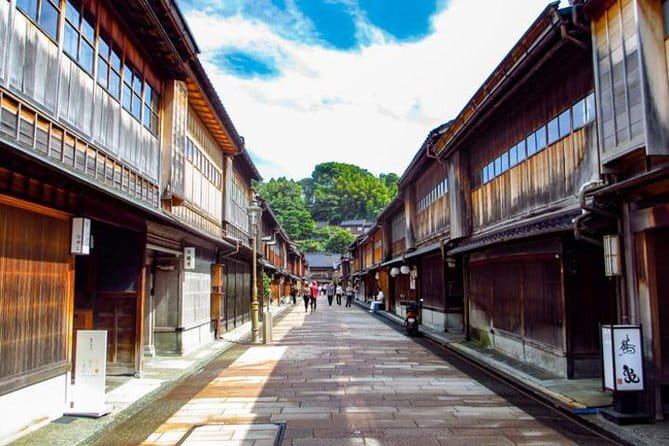
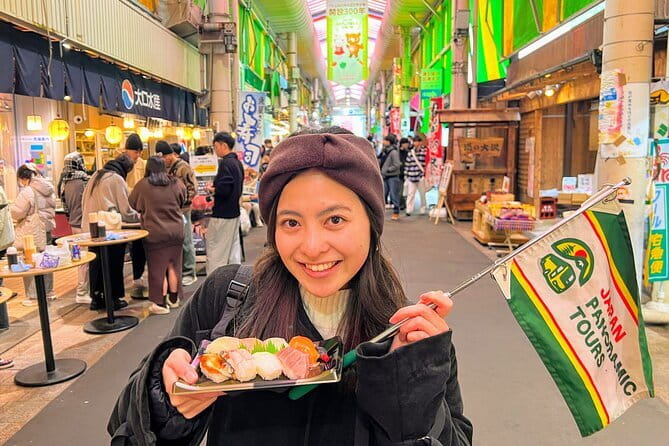
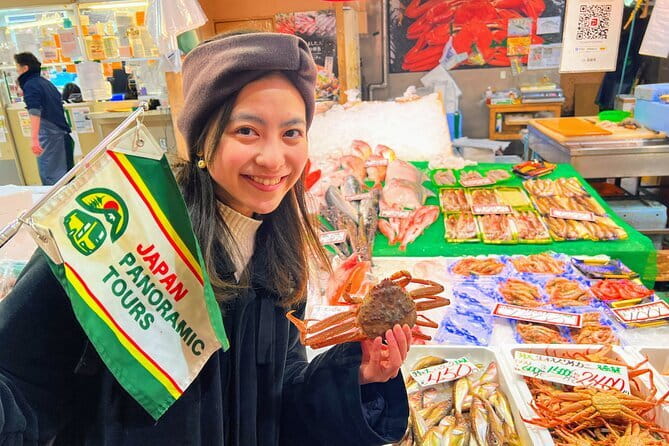
Omicho Market is known as Kanazawa’s kitchen. It is the place to choose if you want to see the city through seafood, produce, and regional foods rather than monuments.
The market works well as a guided stop because you can ask what is local, what is seasonal, and what is worth trying. Food and drinks are not included, so any snacks or meal purchases come out of your pocket. That is not a flaw, but you should allow for it if you want to taste your way through the market.
Omicho is also a practical third stop because it adds a different kind of experience to a morning spent in historic districts. The downside is that markets can take longer than expected. A quick walk can turn into a snack stop, shopping stop, and photo stop, so tell your guide if you need to finish by a firm time.
You can also choose to have lunch with your guide at a recommended local restaurant. This is a pleasant option if conversation and local food matter more to you than seeing another sight. The tradeoff is clear: lunch leaves time for only two other stops.
Museums, shrines, and the Ninja Temple
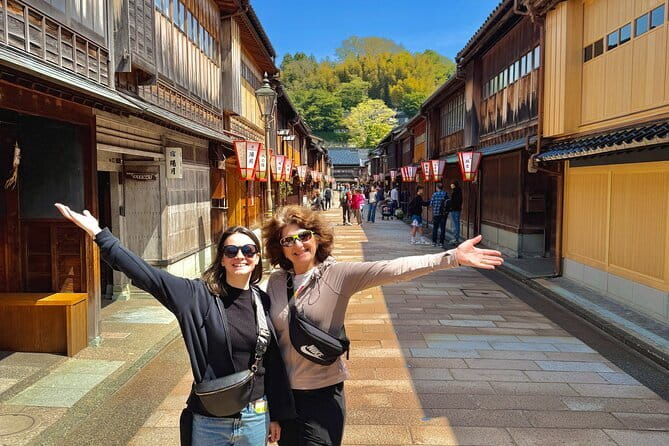
The D. T. Suzuki Museum honors Zen philosopher Daisetz Suzuki. Its design combines architecture, nature, and quiet spaces, making it a thoughtful choice if you want a slower, more reflective stop. Admission is extra.
The 21st Century Museum of Contemporary Art offers a very different experience, with Japanese and international contemporary works in a circular building. Choose it if modern art interests you. Do not select it simply because it is famous if your real priority is old Kanazawa, since it may not match the rest of your route.
Oyama Shrine is free and known for its unusual mix of Japanese, Chinese, and Western design. It represents Kanazawa’s openness to outside influences and can work as a shorter cultural stop. The tour may end there if it is your final choice, so plan your next activity from that location rather than expecting a hotel return.
Myouryuji, commonly called the Ninja Temple, is the most specialized option. The temple includes hidden rooms, secret tunnels, and defensive features built to confuse intruders. You must request this stop in advance so the operator can call and arrange the visit. Admission is included for this stop, unlike most of the other paid attractions.
Because the Ninja Temple requires advance arrangements, do not leave the decision until the morning of the tour. It also may not suit anyone who wants a completely open-ended walk. If you like unusual architecture and puzzles, it could be the most distinctive choice on the menu.
The Ishikawa Local Products Center
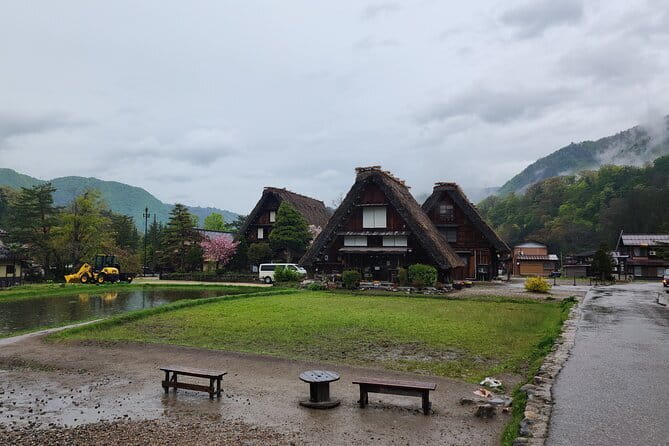
The Ishikawa Local Products Center focuses on Kanazawa’s craft traditions and hands-on experiences. You can use this stop to learn more about the work of local artisans rather than only looking at finished objects in shops.
The description does not specify which activity you will take part in or how much it costs, so ask for the current details before committing. Admission and activity fees are not included. This stop is best for you if craft, souvenirs, and making something yourself appeal more than gardens or historic neighborhoods.
It may also be a useful choice on a rainy day, but the tour remains primarily on foot, and the itinerary can change because of weather, traffic, or operating conditions. The guide can help adjust the order, but you should not expect every listed stop to fit into one morning.
What $183 really buys you
At $183, this is not a low-cost sightseeing walk. Its value depends on how many people are in your private group and how much you want personal planning. You are paying for a professional English-speaking guide, hotel pickup on foot, a private route, and the ability to choose three places.
The price does not include admission fees, lunch, snacks, or public transportation. If you decide to ride a bus or train, you pay for your own ticket and your guide’s ticket. The tour is therefore best value when you stay within a walkable group of sights and use the guide for local context rather than transportation.
For a couple or small group, the cost can make sense if you value flexibility and direct attention. For a solo visitor, it is a much larger spend. I would compare it with the cost of separate admissions and the convenience of having someone arrange the route, then decide how much uncertainty you want to remove from your day.
Walking, timing, and practical limits
You need moderate physical fitness for this experience. The tour is conducted completely on foot unless you choose to add public transportation, and the tour does not include a drop-off at your hotel. It ends at the final stop.
That arrangement is convenient if you want to continue sightseeing from a central district. It is less convenient if you have luggage, mobility concerns, or a train to catch immediately afterward. The provided information says the tour is not recommended for people who have difficulty walking.
Start times are flexible within the stated pickup window, but punctuality matters. Late arrivals are not accepted, and joining midway is not possible. Request your preferred pickup time and your three main interests before the tour, especially if you want the Ninja Temple or lunch.
Free cancellation is available up to 24 hours before the start time. Cancellations or changes made within 24 hours are not refunded or accepted.
Who should book this Kanazawa walk?
I would choose this experience if you want a private, flexible introduction and prefer neighborhoods, food, gardens, and local explanation over a rigid sightseeing bus. It is particularly well suited to first-time visitors who have only one day in Kanazawa and need help choosing between many good options.
It also suits families and small groups that want to set their own pace. A group interested in samurai streets, the fish market, and geisha districts can create a balanced route without spending the day inside museums.
I would think twice if you want long visits at every attraction, dislike walking, or need a guaranteed hotel return. I would also skip the lunch option if seeing three places matters more than sharing a meal with the guide.
My favorite plan would be Omicho Market, Higashi Chaya District, and Nagamachi Samurai District. It gives you food, traditional architecture, and old residential streets, with less concern about paying several admission fees. Choose Kenrokuen and Kanazawa Castle instead if gardens and feudal-era sites are your top priorities.
FAQ
How long does the private Kanazawa walking tour last?
The tour lasts approximately 3 to 4 hours.
How many places can I visit?
The tour includes a customized choice of three places from the listed attractions. If you choose lunch with the guide, you will have time for only two other stops.
Can I be picked up at my hotel?
Yes. Pickup is offered from hotels on foot. You should provide your preferred pickup time in the special requirements section.
What pickup times are available?
You can request a pickup time between 8:30 a.m. and 2 p.m. The meeting information also lists a 9 a.m. start, so confirm your chosen time when booking.
Are admission fees included?
Most admission fees are not included. The Ninja Temple is listed with admission included, while Kenrokuen Garden, Kanazawa Castle, the D. T. Suzuki Museum, the 21st Century Museum, and the Ishikawa Local Products Center have separate fees.
Can I use public transportation during the tour?
Yes, but the tour is primarily conducted on foot. If you use public transportation, you must pay the transportation costs for both yourself and your guide.
What happens if I need to cancel?
You can receive a full refund if you cancel at least 24 hours before the experience start time. Cancellations or changes made less than 24 hours before the start time are not accepted and are not refunded.
Just added in Kanazawa
- Kanazawa: Sushi & Japanese Cooking Class at a Historic School★ 5.0 · 66 reviews
- Taste of Kanazawa (Food tasting in Omicho Market & Higashi Chaya)★ 5.0 · 58 reviews
- Takayama and Shirakawago/Photoshoot by professional photographer★ 5.0 · 67 reviews
- Kanazawa private 1 day/Photoshoot by professional photographer★ 5.0 · 33 reviews
- Photoshoot session by professional photographer in Kanazawa★ 5.0 · 42 reviews
- Private Tour of Shirakawago and Gokayama from Kanazawa★ 5.0 · 50 reviews
- Shirakawago & Kanazawa from Kanazawa★ 5.0 · 51 reviews
- Private Ring Craft Experience in Kanazawa★ 5.0 · 22 reviews
Walking Tours, compared.

Kyoto Geisha Walking Tour: Gion District & Hidden Gems
Read our review →
Tokyo Tsukiji Fish Market Food and Culture Walking Tour
Read our review →
Imperial Palace and Shogun Historical Walking Tour
Read our review →
Gion Geisha District Walking Tour – Stories of Geisha
Read our review →
Shinjuku Local Bar and Izakaya Guided Walking Tour
Read our review →
Asakusa Walking Tour with Sensoji Temple Visit
Read our review →

Nishiki Market Brunch Walking Tour (7 Tastings + Brunch)
Read our review →Browse the lists this tour appears in