
Reviewed · SUMO EXPERIENCES
Ultimate Sumo Tournament: Tokyo, Osaka, Nagoya, Fukuoka
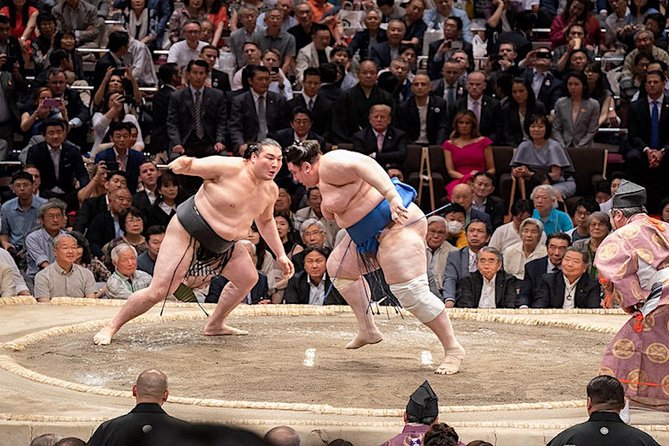
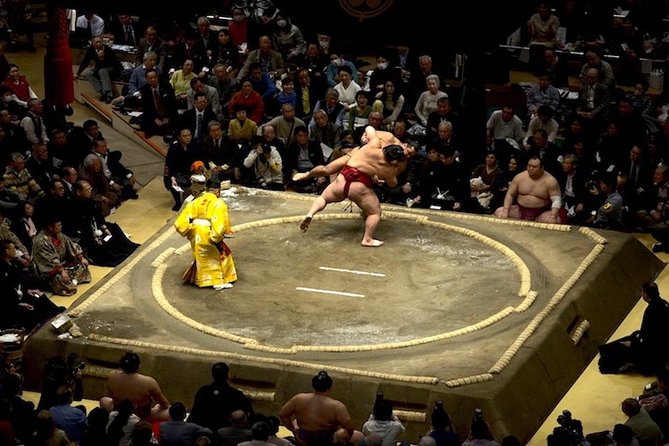
Sumo makes a noisy arena go quiet in an instant. Two wrestlers stamp, glare, and explode into a bout that can last only a few seconds. This experience places you in an official tournament with a reserved seat and an English-speaking guide who explains the rituals, rankings, and techniques as the action unfolds. I like the audio headset, which helps you hear commentary over the crowd, and I like the banzuke ranking sheet, a small but useful key to the tournament.
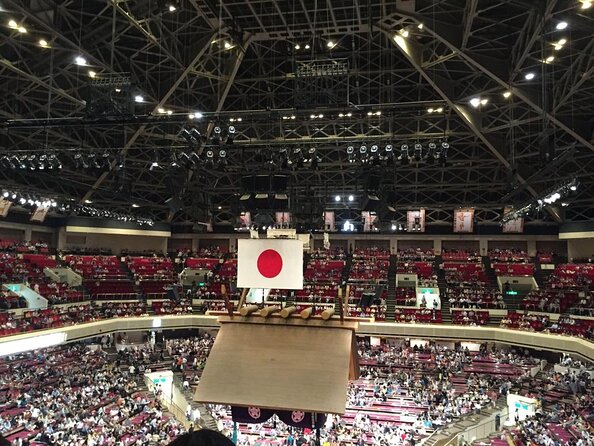
The main catch is timing. Official tournaments happen only six times a year, each lasting 15 days, and seats can be hard to secure. The standard seats are on the second floor, and group tours can include up to 20 people. If you want a closer view or a quieter, more personal outing, pay attention to the private-tour option and its better seat category.
Key points before you book
- Official basho access: Attend a real tournament in Tokyo, Osaka, Nagoya, or Fukuoka, not a staged demonstration.
- Four hours with a guide: Learn what the wrestlers, referees, attendants, and rituals are doing while the matches continue.
- Audio headsets included: You can follow the guide without trying to hear over the arena crowd.
- Seats depend on tour type: Standard tours use second-floor B or C seats; private tours use S or A seats closer to the ring.
- Chanko dinner is optional: Add a sumo-style hot pot meal after the tournament, with a vegetarian request available.
- Off-season alternative: On dates without a tournament, visit a sumo stable near Warabi Station for morning practice and chanko lunch.
Why a guided sumo tournament helps
Sumo looks simple until you try to follow it. Two men face each other, but the sport is wrapped in rankings, ritual, stable affiliations, refereeing signals, ring etiquette, and techniques that pass in a blink. A guide turns the event from a loud spectacle into something you can read.
The guide begins with background on the arena and the sport, then explains the history, spiritual customs, and key moves. During the bouts, you can hear short commentary through the supplied headset. That matters because sumo does not pause for translation. If you look away to check your program, a match may already be over.
Guides assigned to this experience include Hiro, Myoko, Taku, Izumi, Yumi, Shunsuke, and Seizo. The exact guide varies by date, but the strongest guiding style is clear and active. Hiro, for example, is praised for explaining a wrestler’s age, form, rank, and style before a bout. Myoko is known for bringing historical context and enthusiasm, while Shunsuke has explained the sport’s cultural and spiritual meaning in detail.
The arrangement is not a nonstop lecture. You have time to visit the restroom, buy food or drinks, look around, and watch the earlier bouts at your own pace. That balance works well. You get help when the sport is confusing, but you are not forced to listen to a running speech through every second of the day.
Other ways to see sumo in Tokyo:
- Tokyo: Sumo Show Experience with Chicken Hot Pot and a Photo
★ 4.8 · 6,678 reviews - Tokyo: Sumo Show and Dining Experience
★ 4.8 · 2,742 reviews - the SUMO show
★ 5.0 · 1,960 reviews
The Tokyo tournament at Ryogoku Kokugikan
Tokyo’s tournament takes place at Ryogoku Kokugikan, the country’s best-known sumo venue. Tokyo hosts the January, May, and September tournaments, each running for 15 days. The start and finish fall on Sundays, while the exact dates change from year to year.
The meeting time is listed as 2:00 pm. Your final meeting point is sent by email at least one week before the date, so do not plan your afternoon around a station exit until those instructions arrive. The venue is near public transportation, but hotel pickup and transportation are not included.
Once inside, your guide may give you a short orientation of the arena and help you understand the layout. The Sumo Museum can be part of the visit, although congestion may mean your guide asks you to look around on your own. That is a practical point, not a flaw: a museum is difficult to navigate as one large group when the building is crowded.
The later part of the day brings the most famous wrestlers and the strongest local support. You may see all of the top-division Makuuchi bouts and roughly half of the Juryo division, depending on the day and the tour’s timing. The arena can run warm, so light clothing is a sensible choice. Food and drinks are sold inside, but outside food and drinks are not permitted.
Osaka, Nagoya, and Fukuoka give you other chances
The same basic format travels with the tournament calendar.
Osaka hosts the March basho at EDION Arena Osaka. This is the useful choice if your Japan route includes Kansai in spring. You receive a reserved tournament seat and about four hours with a guide, though the standard option lists admission as free because the seat arrangement is handled within the tour package.
Nagoya hosts the July tournament at IG Arena. The July date gives you another chance to see the official competition if Tokyo or Osaka does not fit your plans. As with the other locations, the experience is built around live bouts, guide commentary, and an English explanation of the setting.
Fukuoka hosts the November tournament at Fukuoka Kokusai Center. This is the year-end basho, and it can fit well into a Kyushu itinerary. The venue and city change, but the practical details stay much the same: arrange your own transportation, wait for the meeting-point email, and allow time for the four-hour visit.
The important point is that these are not four separate styles of performance. They are seasonal chances to attend the official sumo circuit. Choose the city that fits your route, then check the date carefully.
What you actually see during the four-hour visit
The tour begins with an introduction to sumo’s structure and customs. You receive a pamphlet and a banzuke, the official ranking table. Keep the ranking sheet beside you. It helps explain why certain matches matter and gives you a way to identify wrestlers you might otherwise confuse.
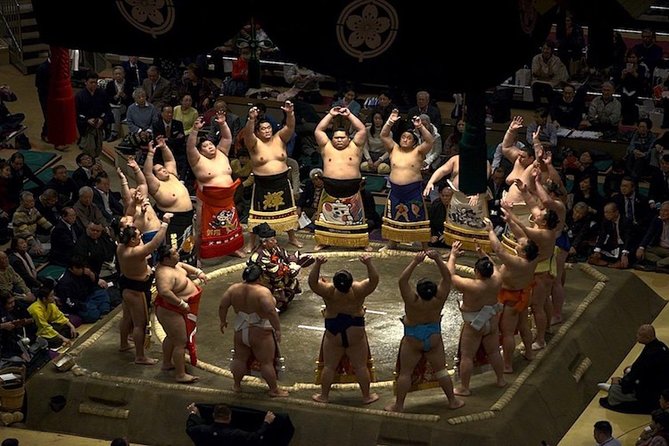
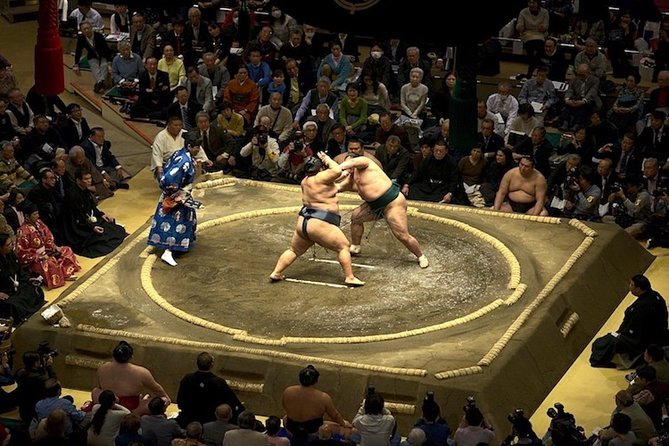
Your guide then explains the ring ceremonies, the salt throwing, foot stamping, bow twirling, referee’s clothing, and other details that can seem mysterious at first. The ceremony is not filler before the real event. In sumo, it is part of the event.
During the bouts, watch the opening charge closely. A wrestler may win through a shove, a grip, a leg trip, a belt throw, or a push that sends his opponent beyond the ring. The guide can point out styles and likely tactics before or after a match. Since bouts move quickly, the audio commentary is especially helpful for first-time viewers.
There is also free time. You can buy refreshments inside the arena and watch the action without constant instruction. One useful tip from the experience is to set the headset volume low at first. At least one guide’s audio was found to be loud even at the lowest setting, so an earplug or loop may help if you are sensitive to sound.
Same base, a different sort of day:
- Mt Fuji and Hakone 1-Day Bus Tour Return by Bullet Train
★ 5.0 · 26,383 reviews - 1-Day Tokyo Bus Tour
★ 5.0 · 14,250 reviews - Tokyo: TOKYO SKYTREE® Admission ticket
★ 4.5 · 11,192 reviews - Tokyo: teamLab Planets TOKYO Digital Art Museum Entry Ticket
★ 4.6 · 9,779 reviews
Choosing between standard and private seats
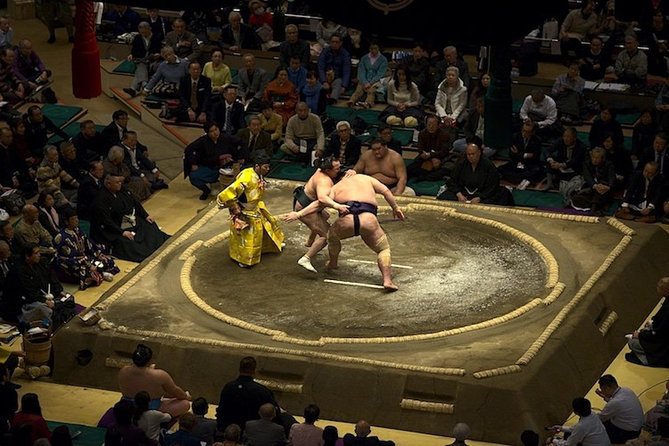
The standard join-in tour uses B-class or C-class chair seats on the second floor. B seats are generally in rows 7 to 11, and the group may include as many as 20 people sitting in the same general area as the guide.
These seats are not ringside, but they offer a broad view of the dohyo and the surrounding ceremony. For a first visit, that wider perspective can be useful. You see the wrestlers’ full movement and the arena’s reactions instead of only the ring in front of you.
The private tour includes S-class or A-class seats closer to the ring. It is the better match for a special occasion, serious sumo fans, or anyone who dislikes sitting in a larger group. The higher price buys more than a label: distance from the ring changes how clearly you see the wrestlers’ footwork, expressions, and force.
The advertised price is $184.38 per person, but check the exact option before paying because private seating and the dinner add-on can change the total. At the standard level, the value comes from securing a difficult ticket and adding a guide who explains what you are seeing. If you only want to enter the arena and sit quietly, the guide service may feel less essential.
Chanko dinner after the tournament
You can add dinner at a local chanko restaurant. Chanko nabe is a hot pot associated with sumo stables. It usually combines a chicken-based broth with vegetables and other ingredients, and it is practical food for feeding hungry wrestlers in large numbers.
The dinner gives the day a clear cultural finish. Instead of seeing sumo as a two-hour sporting event, you connect it with the food and communal routine surrounding stable life. The meal does not include drinks, and it is an add-on rather than part of the basic price.
Tell the operator about vegetarian or other dietary needs in the special requirements field when booking. A traditional broth often contains chicken or pork, but the restaurant may substitute the broth for a vegetarian request. Once the dinner request is accepted, changes cannot be made within one week of the tour date.
This is worth adding if you enjoy food traditions and want more time with your guide. Skip it if you need to leave the arena quickly or have a tight evening plan.
The off-season morning stable visit
No official tournament takes place every day. On off-season dates, the alternative is a morning practice visit at a sumo stable near Warabi Station, about 30 minutes from Tokyo Station.
The stable visit runs from 8:00 am to noon and lasts about three hours. You watch wrestlers train in an authentic stable while the guide explains what is happening through an audio headset. Chanko lunch follows the practice session.
This is a different product, not a substitute ticket for a tournament. You do not attend a basho on this option, and you do not receive a tournament seat. The appeal is closeness and routine: training is less polished for an audience and more focused on repetition, discipline, and preparation.
The join-in group is listed at 8 to 16 people. Meet at the specified point near Warabi Station, with directions sent about one week before the date. If you want live competition, book a tournament date. If you want to see how wrestlers prepare, the stable option may be the more revealing choice.
Timing, ticket supply, and the fine print
Book early. Three months before your date is recommended, with one month as the minimum suggested lead time. Group tickets are released by the Sumo Association about four to seven weeks before the tournament. If tickets cannot be obtained, you may be offered another date or a full refund.
The experience is non-refundable and cannot normally be changed after booking. A cancellation caused by poor weather or failure to reach the minimum number of participants can lead to another date or a full refund, but you should not count on changing the booking for your own schedule.
The tour is near public transportation and most people can participate. You arrange your own route to the meeting point. Confirmation arrives at booking, while the exact meeting details come later, at least one week before the date.
Group discounts are available. If you are traveling with family or friends, compare the group rate with the private option. A larger party may appreciate having the same seats and guide, while a small couple may prefer the closer private seats.
Who will get the most from this experience
I would choose this for a first-time sumo spectator, especially if you cannot read Japanese rankings or have no idea why the opening rituals matter. The guide and headset remove the guesswork without taking away the drama.
Families can also do well here, provided everyone can manage a several-hour sporting event. The bouts are short, but the full tournament day includes ceremony, waiting, conversation, food, and breaks. Children who need constant action may find the slower portions less engaging.
This is less suitable if you want complete independence. The group may wait before seating, and the guide’s schedule controls some of the orientation. Also, the standard tour’s second-floor seats may disappoint you if the listing photos lead you to expect ringside views. Check the seat class before booking.
Should you book it?
Book this experience if you want an official tournament and need help getting oriented. The strongest value is the combination of a reserved seat, an English-speaking sumo guide, an audio headset, and a ranking sheet. That package turns a bewildering sport into a cultural event you can actually follow.
Choose the private option for closer seats and a more personal setting. Add chanko dinner if food is part of your interest. If your trip misses the six annual basho, choose the stable visit only if you understand that it replaces the tournament with morning practice.
At $184.38 per person, it is not a cheap afternoon. Yet official sumo tickets can sell out quickly, and the access problem is part of the price. For a once-per-trip Japan experience, I would book it early, confirm the city and seat category, and keep the afternoon free.
FAQ
How long does the tournament experience last?
The guided tournament visit lasts about four hours. The overall booking is described as a one-day experience, but the listed activity itself is approximately four hours.
Where does the tournament take place?
The experience is available at Ryogoku Kokugikan in Tokyo, EDION Arena Osaka, IG Arena in Nagoya, or Fukuoka Kokusai Center, depending on the tournament season.
When are the official sumo tournaments held?
The six official basho take place in January in Tokyo, March in Osaka, May in Tokyo, July in Nagoya, September in Tokyo, and November in Fukuoka. Each tournament lasts 15 days.
What type of seat is included?
The standard tour includes a second-floor B-class or C-class chair seat. B seats are generally in rows 7 to 11. The private tour includes an S-class or A-class seat closer to the ring.
Is a guide included?
Yes. An English-speaking local sumo guide is included, along with an information pamphlet, a banzuke ranking table, and an audio headset.
Is food included?
Food and drinks are not included in the standard tournament price. You can buy food inside the arena, but outside food and drinks are not allowed. A chanko hot pot dinner can be added at checkout.
Can I request a vegetarian chanko dinner?
Yes. You should state your vegetarian or other dietary requirements in the special requirements field when booking. The traditional broth often uses chicken or pork, but the restaurant may provide a substitute broth.
What happens if I visit during the off-season?
The off-season option is a morning practice visit at a sumo stable near Warabi Station. It runs from 8:00 am to noon and includes a guide, audio headset, and chanko lunch, but it does not include a tournament ticket.
Just added in Tokyo
- Japanese Whisky Hunting《HIGH-QUALITY-ONLY》Rare Tasting Class★ 5.0 · 20 reviews
- Luxury Tokyo Sake, Cocktail, Whisky and Pairing Tour★ 5.0 · 18 reviews
- Wagyu & Sake Pairing in Shinjuku – Steak, Shabu-Shabu & More★ 5.0 · 112 reviews
- Small-Group Wagyu Beef and 7 Japanese Dishes Tokyo Cooking Class★ 5.0 · 190 reviews
- Nikko: Edo Wonderland Edomura Cultural Theme Park Ticket★ 4.3 · 205 reviews
- 《MEMBERS-ONLY-BAR-HOPPING》Discover Your Special Whiskey in Tokyo!★ 5.0 · 29 reviews
- From Tokyo: Private Tour to Fuji/Hakone – Onsen, Art, Nature★ 5.0 · 116 reviews
- Tokyo: KABUKI Show at Kabukiza Theatre Admission Ticket★ 4.8 · 152 reviews
Sumo Experiences, compared.
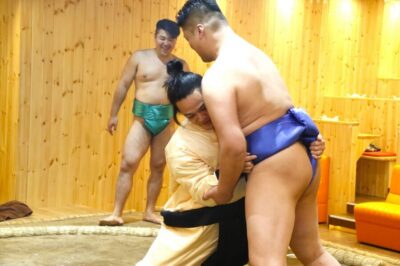
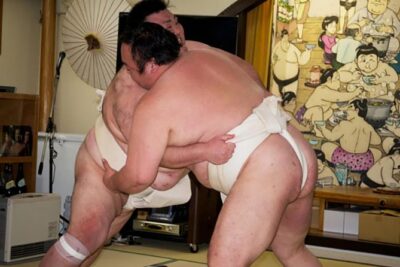
Sumo Show Experience with Chicken Hot Pot and a Photo
Read our review →
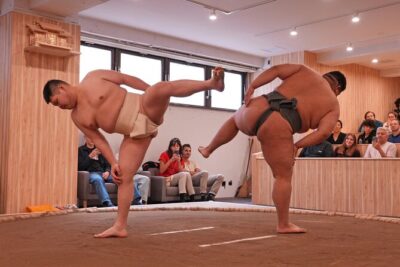
Tokyo Shinjuku Sumo Show & Experience with Photo
Read our review →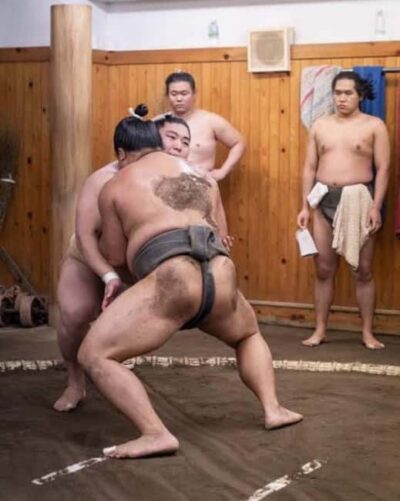
Sumo Show & Experience w/ Optional Kimono & Hot Pot
Read our review →
Authentic Sumo Experience in Tokyo: Enter the Sanctuary
Read our review →Browse the lists this tour appears in