
Reviewed · RAMEN TOURS & WORKSHOPS
Osaka: Gluten-Free Ramen and Gyoza Cooking Class
Osaka’s best food lesson may be the one you can repeat at home. In Yuki’s cozy Japanese-style home, you make rice-flour ramen noodles and gyoza wrappers from scratch, then sit down to eat two kinds of ramen and your own crisp-bottomed dumplings. It is a rare chance to tackle dishes that are usually off-limits to anyone avoiding wheat.
I like the tiny group, limited to four people, and I like that Yuki teaches the practical details instead of simply demonstrating them. The class is also unusually useful for cooks with gluten-free needs, since the recipes and techniques are built around rice flour from the start. The main consideration is price: at $103 per person, this is not a cheap meal. You are paying for three hours of instruction, a personal setting, and recipes you can use later, not just a bowl of ramen.
Key points before you book
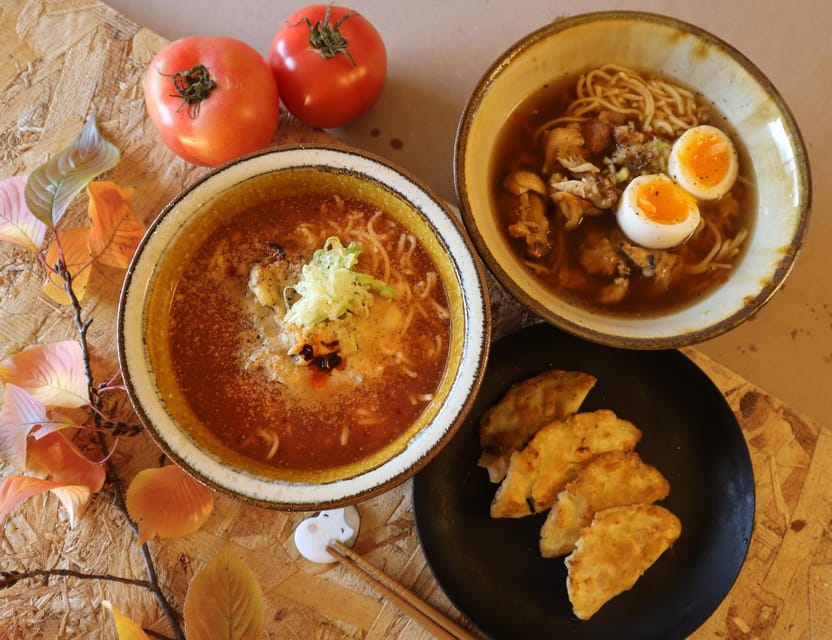
- Make two ramen styles: Learn a savory soy-based ramen and a less common tomato ramen, both paired with your handmade noodles.
- Work with rice flour: Create gluten-free noodles and gyoza wrappers without relying on ready-made substitutes.
- Practice the tricky part: Yuki guides you through folding dumplings and pan-frying them until the bottoms turn crisp.
- Stay in a very small group: A maximum of four participants gives you plenty of hands-on time with the instructor.
- Eat everything you make: The class ends with a full meal of ramen and gyoza, rather than a few sample bites.
- Add sake if you wish: Three 45-milliliter servings include chilled Junmai, chilled Junmai Ginjo, and warm Junmai.
Why this Osaka cooking class is different
Many Japanese cooking classes focus on familiar dishes such as sushi, tempura, or standard gyoza. This one takes a more specific route. It addresses a real challenge: Japanese food often contains wheat in noodles, wrappers, soy sauce, and other seasonings, so finding a fully gluten-free cooking lesson can be difficult.
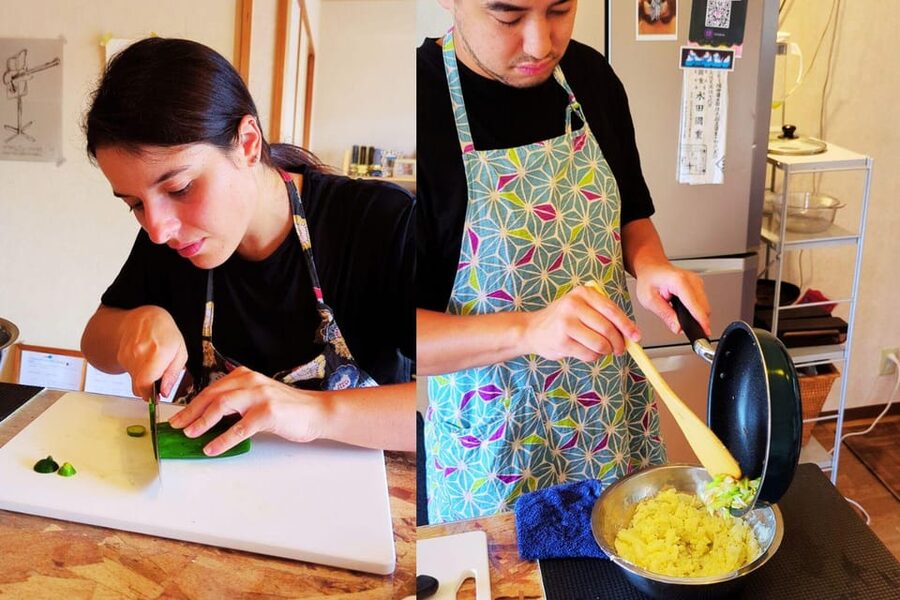
Yuki has more than ten years of professional cooking experience and has spent more than a year teaching international participants. She leads the class herself, which keeps the tone personal and relaxed. You are not passing between several stations or watching a large demonstration from the back of a room. With only four places available, you should expect close guidance as you mix, shape, fold, and cook.
The class is held at 4-19 Nukata-cho, in a quiet residential part of Osaka. It is about a five-minute walk from Nukata Station. The building has a welcoming sign at the entrance and a clean, residential feel. That setting matters. You are not just taking a standard cooking lesson in a commercial kitchen. You are stepping into a local home and learning dishes in the kind of intimate setting that makes conversation easy.
Yuki teaches in English. The class information also notes support in English and Japanese, so you can ask questions as you work. No cooking background is needed, and comfortable clothes are the only stated item to bring. Still, wear something you do not mind cooking in. You will be handling flour, fillings, broth, and hot pans.
Other cooking classes in Osaka people book:
- Osaka: Ramen and Gyoza Cooking Class in Dotonbori
★ 5.0 · 378 reviews - Osaka: Sumo Stage Show with Bento or Snack + Fight & Photo
★ 4.3 · 364 reviews - Osaka Cooking Class: Okonomiyaki &Japanese cuisines experience
★ 5.0 · 261 reviews
Starting with gluten-free ramen noodles
The class begins with an introduction to the ingredients, tools, and basic Japanese cooking methods. This opening is useful because gluten-free cooking is not simply a matter of swapping wheat flour for rice flour. Texture, moisture, and handling all change.
You then make ramen noodles with rice flour. The goal is a noodle with some chew, which is one of the harder qualities to reproduce without wheat. Yuki takes you through the process step by step, explaining how to work toward the right texture rather than handing you a finished dough and asking you to shape it.
This is one of the strongest parts of the experience for anyone who wants to cook at home. A bowl of ramen can look simple once it reaches the table, but the noodles carry much of its character. Learning how the dough behaves gives you a better chance of repeating the dish later.
The class does not require you to arrive with advanced kitchen skills. Yuki’s teaching style is patient and clear, making this a sensible choice for beginners. At the same time, experienced home cooks should find enough detail to make the session worthwhile, especially if gluten-free noodles are new territory.
One practical point: the class covers a lot in three hours. You make noodles, prepare two broths, create wrappers, fill and fold gyoza, cook the food, and eat it. That makes the pace active. You will not spend the afternoon slowly preparing one dish, but the changing tasks help keep the session moving.
Soy sauce ramen and a less common tomato version
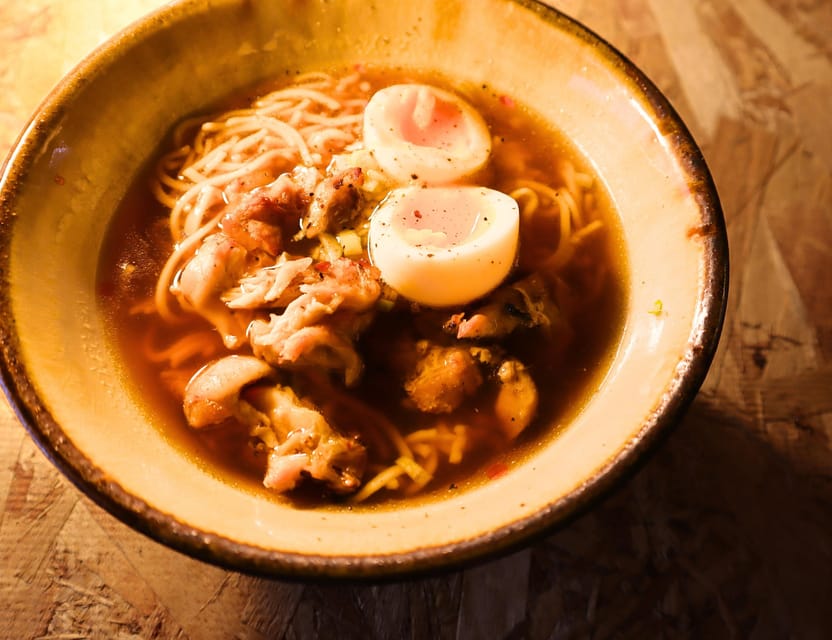
Once the noodles are underway, you prepare a soy sauce ramen broth. This is the classic portion of the meal, built around a savory soy-based flavor that fits the familiar Japanese ramen profile.
The value here is not only the finished bowl. Yuki explains the flavor choices and how the broth works with the noodles. Since the class is designed for gluten-free cooking, the lesson also gives you a clearer idea of how to approach Japanese seasonings when standard products may contain wheat. If you have strict dietary requirements, you should still discuss them with Yuki before booking, since the provided information describes the class as gluten-free but does not list every ingredient or allergy protocol.
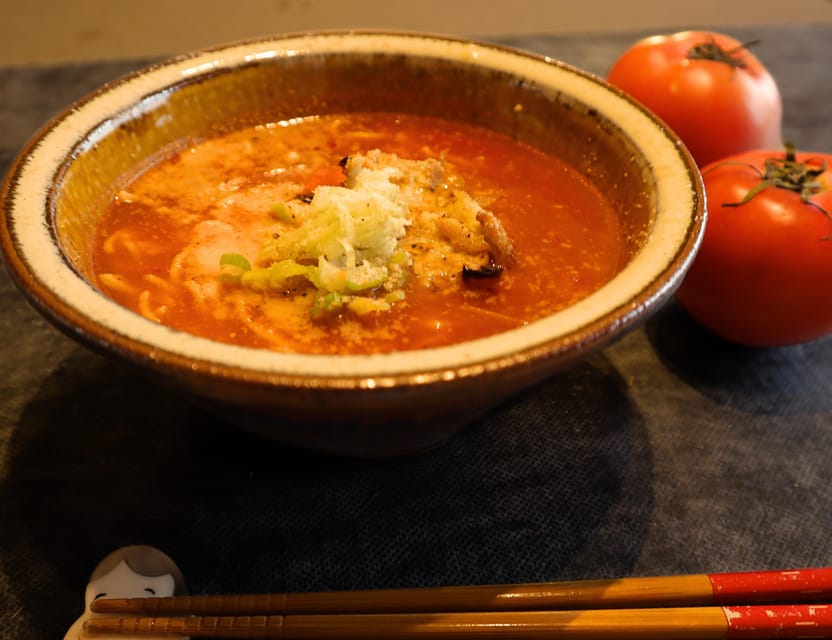
The second bowl is tomato ramen. This is a more modern variation and is still unusual in Japan. Its tangy, fresher character gives the meal contrast, rather than serving two versions of the same broth.
I like this pairing because it shows two sides of Japanese cooking. The soy ramen connects you with a familiar classic, while the tomato ramen shows that Japanese food is not frozen in place. It also gives you more to compare at the table: the same handmade noodle skills can work with broths that taste quite different.
You should expect to prepare both kinds of ramen during the class, then enjoy them as part of the meal. The two-bowl format is generous, so arriving hungry is sensible. The experience is built around eating what you make, not taking a small taste and moving on.
Rolling rice-flour gyoza wrappers
The gyoza section adds another useful skill. You make the wrappers yourself with rice flour, then prepare the filling and form the dumplings.
Gyoza wrappers can be more demanding than they look. Wheat wrappers are flexible and forgiving, while gluten-free dough needs careful handling. That is why a small group helps here. Yuki can watch how you roll and shape the wrappers, then offer corrections before you fill them.
The filling brings another layer of work. You combine the ingredients, place the mixture into the wrappers, and begin folding. Yuki teaches the familiar pleated shape and helps you build confidence with the technique. You do not need to produce identical dumplings on your first try. The point is to understand how much filling to use, how to seal the edge, and how to keep the wrapper from splitting.
This is also the most social part of the class. Folding gyoza gives everyone a task, and it is easy to compare shapes and laugh at the first few uneven attempts. The mood is informal, but the lesson remains practical. You leave with a method you can try again, not just a pleasant memory of watching a professional do it.
Other bowls worth queuing for in Osaka:
- Osaka: Five Must-See Highlights Walking Tour & Ramen Lunch
★ 4.7 · 411 reviews - Ramen and Gyoza Cooking Class in Osaka
★ 5.0 · 202 reviews - Osaka: Cooking Class Ramen & Gyoza Course in Nanba
★ 4.9 · 86 reviews - Ramen Cooking Class at Ramen Factory in Kyoto
★ 5.0 · 1,937 reviews
Getting the gyoza crisp without drying them out
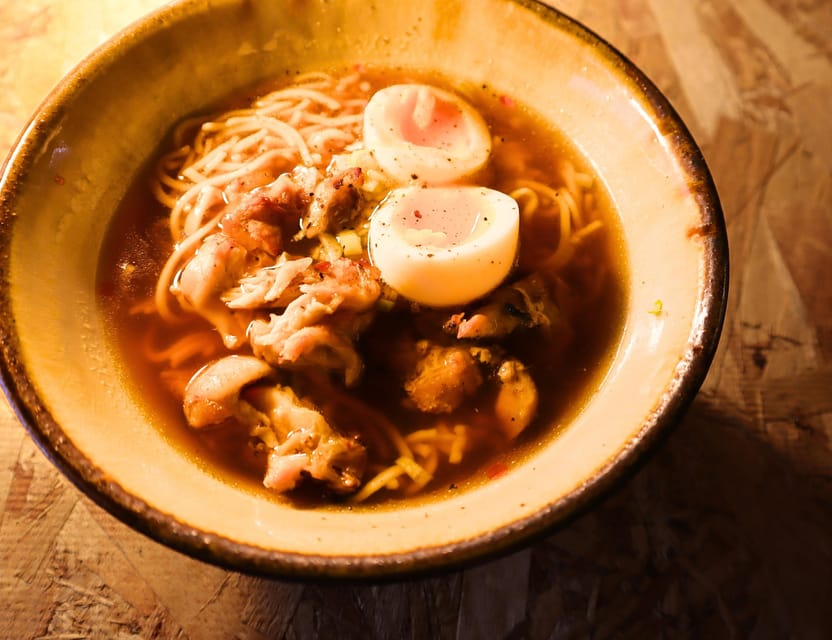
The final cooking step is pan-frying the gyoza. The target is a golden, crispy base with a tender interior. That sounds basic, but getting the balance right takes timing.
Yuki guides you through the process so you can see how the dumplings change in the pan. The class description emphasizes the contrast between a crisp outside and soft filling, which is exactly what you want from good gyoza. With a maximum of four participants, you should have a real role in cooking rather than standing back while an instructor handles the pan.
This part has clear value for home cooks. Folding is only half the job. You also need to know how to cook the dumplings after they are shaped, and how to judge when they are ready. The same technique can be used with future fillings, so the skill extends beyond this one meal.
The finished gyoza join the two ramen dishes at the table. That creates a full, satisfying meal with several textures: chewy noodles, savory broth, crisp dumpling bottoms, and tender filling.
A home meal with optional sake
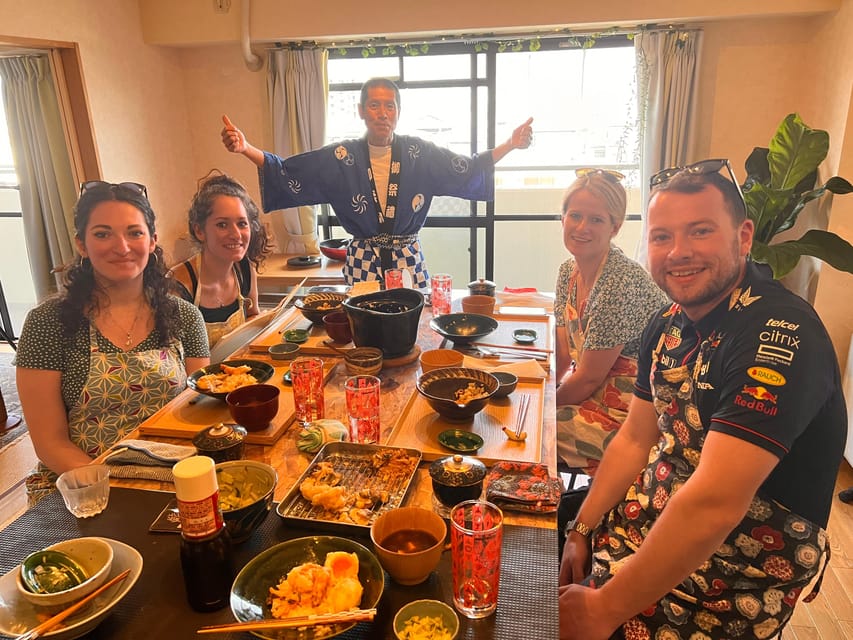
After the cooking is finished, you eat in a cozy dining area. Yuki talks you through the flavors and explains how the sake pairing works with the dishes.
The optional pairing includes three 45-milliliter servings: a chilled Junmai, a chilled Junmai Ginjo, and a warm Junmai. This is a tasting-sized amount rather than a full drinking session, which suits a cooking class where the food remains the focus.
The pairing adds a small cultural layer to the meal. You can compare the sakes with the soy ramen, tomato ramen, and gyoza, and notice how temperature and style affect the combination. If you do not drink alcohol, the core class still includes the cooking lesson and full meal. The supplied information does not state a nonalcoholic replacement, so ask ahead if that matters to you.
The meal is also a chance to ask final questions. Yuki provides recipes and tips, and the structure of the class is aimed at helping you recreate the food at home. That take-home element is important. A cooking activity is better value when it gives you a practical result you can use after your trip.
What $103 gets you in Osaka
At $103 per person, this class costs more than simply buying ramen and gyoza in Osaka. That comparison, however, misses the point. You are paying for three hours, a personal instructor, hands-on preparation, a full meal, recipes, and a setting limited to four people.
The price makes the most sense if you care about one of three things: gluten-free Japanese food, learning techniques you can repeat, or a small cultural experience in a local home. If you only want a quick meal, it is poor value. Osaka has plenty of cheaper places to eat.
For someone with gluten-free needs, the value is stronger. You get to take part in making dishes that can be difficult to find in suitable form, rather than watching other people eat standard ramen. The class also avoids the usual compromise of receiving a separate, simplified meal while everyone else cooks something different.
Couples, solo cooks, and small groups of friends are the best match. A couple can share the activity without being lost in a crowd, while solo participants have a good chance to meet a few other people. Families should check the age details directly if needed. The supplied information says the experience is not suitable for people over 95, but it does not give a minimum age.
Getting to the home in Nukata-cho
The meeting point is 4-19 Nukata-cho, about five minutes on foot from Nukata Station. Detailed directions are provided after booking, and the entrance has a welcoming sign.
Allow enough time to reach the neighborhood without rushing. The venue is in a quiet residential area rather than a large tourist attraction, so the arrival may feel less obvious than walking into a restaurant with a big sign. The directions supplied after booking should help you find the correct building.
Transportation is not included. You make your own way to the venue, so check the starting time and local route before setting out. The activity lasts three hours, but the available starting times depend on the date you choose.
Cancellation is flexible up to 24 hours before the class for a full refund, and you can reserve now and pay later. Those terms help if your Osaka schedule is still shifting, though you should confirm the exact availability for your date.
Who should book this class
I would recommend it first to anyone who has struggled to find gluten-free ramen or gyoza in Japan. The class puts you in control of the ingredients and teaches techniques rather than offering a token substitute.
It also suits anyone who enjoys a hands-on activity more than a formal sightseeing stop. You will be busy for most of the three hours. There is mixing, shaping, folding, cooking, tasting, and conversation, with little time spent simply watching.
Beginners are welcome, and Yuki’s patient teaching style is a major part of the experience. Experienced cooks may appreciate the challenge of rice-flour dough and the chance to learn a tomato ramen variation that is not a common Japanese standard.
I would hesitate if you are looking for a quick, low-cost lunch, dislike cooking, or need a very specific allergy guarantee that has not been confirmed in advance. The class is designed as gluten-free, but dietary details should be discussed directly before booking if cross-contact or particular ingredients are a serious concern.
Should you book Yuki’s gluten-free ramen class?
Book it if you want more than a meal. The combination of two ramen broths, handmade noodles, rice-flour gyoza, a small home setting, and recipes to take away gives the $103 price a clear purpose.
The strongest reasons to go are the rare gluten-free focus, Yuki’s close instruction, and the chance to make every major part of the meal yourself. Skip it if your priority is simply eating inexpensive Osaka food or fitting in a short activity between sightseeing stops. For curious cooks and anyone needing gluten-free options, this is one of the more useful food experiences you can add to an Osaka visit.
FAQ
How long does the cooking class last?
The class lasts three hours, including the cooking lesson and the meal of your homemade ramen and gyoza.
How many people can join?
The class is limited to four participants, creating a small and personal setting with the instructor.
Is the food gluten-free?
The class is designed around gluten-free ramen noodles and gyoza, using rice flour for both the noodles and wrappers. If you have a serious allergy or need to avoid specific ingredients, contact Yuki before booking to discuss your requirements.
Who teaches the class?
Yuki, a professional chef with more than ten years of culinary experience, leads the class. Instruction is provided in English, with English and Japanese noted in the class information.
What dishes will I make?
You will make gluten-free ramen noodles, soy sauce ramen, tomato ramen, gyoza wrappers, gyoza filling, and pan-fried dumplings.
Where does the class take place?
The class takes place at 4-19 Nukata-cho in Osaka, around a five-minute walk from Nukata Station. The venue is a Japanese-style residential home.
Is sake included?
Sake is an optional pairing rather than a required part of the class. The pairing includes three 45-milliliter servings: chilled Junmai, chilled Junmai Ginjo, and warm Junmai.
What should I bring?
Wear comfortable clothes suitable for cooking. No previous cooking experience is required, and transportation to the venue is not included.
More cooking classes elsewhere in Japan
- Osaka Sake Tasting with Takoyaki Cooking
★ 5.0 · 156 reviews - Osaka: Cooking Class & Sake Tasting with Local Market Visit
★ 4.8 · 31 reviews - Ramen & Gyoza Cooking Class in Tokyo with Local Supermarket Visit
★ 5.0 · 823 reviews - Kyoto: Ramen Cooking Class at a Ramen Factory with Souvenir
★ 4.9 · 532 reviews
Just added in Osaka
- Private arrival transfer from Kansai International airport to Kyoto City★ 5.0 · 32 reviews
- (Ticket Included) Explore Osaka Castle & Museum of History★ 4.8 · 21 reviews
- Hidden Osaka – Yukaku Red Light Tour & Culinary Adventure★ 4.8 · 96 reviews
- Osaka: Walking Tour and Top Highlights★ 4.8 · 104 reviews
- Pickleball in Osaka, Kobe & Kyoto with Locals!★ 4.7 · 80 reviews
- Osaka: Private Ceramic Painting Workshop★ 5.0 · 13 reviews
- Osaka:SUMO BEATS SHOWCASE: Taiko Drum and Wagyu burger!★ 4.2 · 37 reviews
- Eat Like a Local in Osaka – Private Custom Street Food Tour★ 4.3 · 33 reviews
Ramen Tours & Workshops, compared.
Ramen Cooking Class at Ramen Factory in Kyoto
Read our review →
Eat and Drink Like a Local: Tokyo Ueno Food Tour-Taverns&Ramen
Read our review →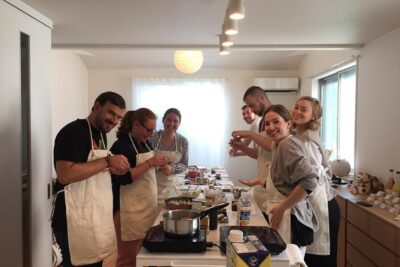
Ramen & Gyoza Cooking Class in Tokyo with Local Supermarket Visit
Read our review →
Ramen Cooking Class at a Ramen Factory with Souvenir
Read our review →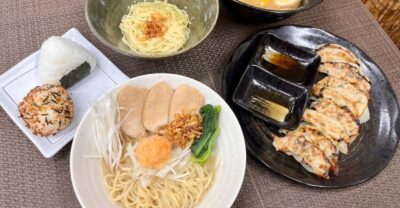
Five Must-See Highlights Walking Tour & Ramen Lunch
Read our review →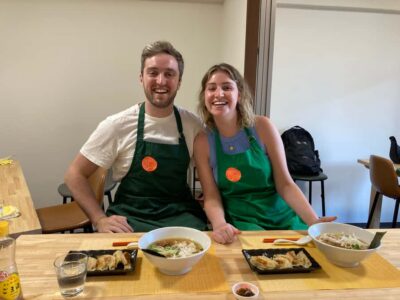
Browse the lists this tour appears in