

Reviewed · WALKING TOURS
Kyoto : Private Custom Walking Tour With A Local Guide
Kyoto is easier to understand when someone helps you connect the dots between a shrine, a temple, a garden, and the street outside. This private tour lets you set the pace and choose the focus, from Gion and Kiyomizu-dera to quieter lanes, local cafés, museums, or a walk along the Philosopher’s Path. Your guide makes Kyoto personal, rather than handing you a fixed route.
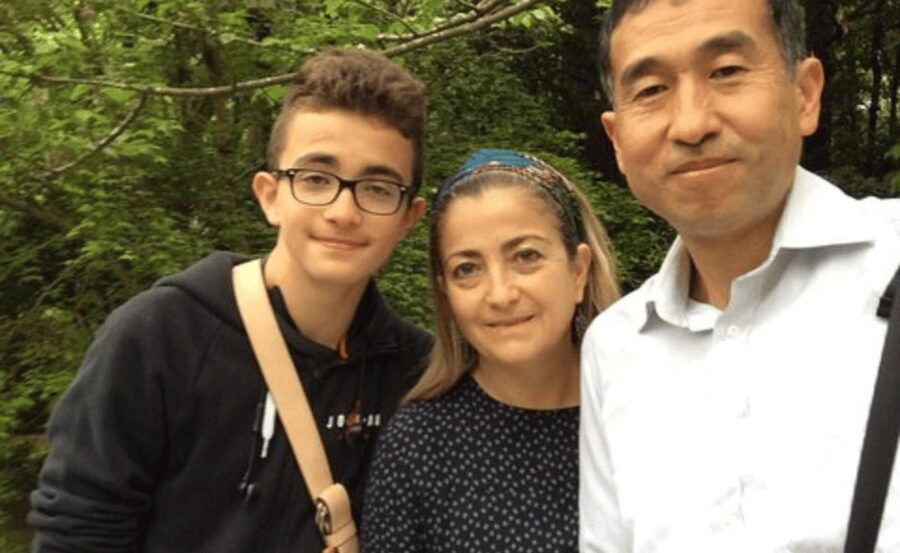
I like the chance to shape the outing around your own interests, and I like the practical advice you receive for the rest of your stay. Guides such as Kevin, Jerome, Terry, and Kenta have helped visitors find food, avoid tiring routes in hot weather, and understand the difference between temples and shrines. The private format is especially useful for families or anyone who wants to stop often.
The main catch is that the price covers guiding, not attraction tickets, food, or drinks. At $62 per person, the value depends on your group size and how well you use the guide’s local knowledge. Also, confirm the transportation details before booking, since this is chiefly a walking tour and local transport around Kyoto is not generally included.
Key points to know before booking
- Choose 2 to 8 hours: A short outing can orient you to Kyoto, while a full day allows several districts and breaks.
- Build your own route: Ask for temples, shrines, Gion, museums, quieter streets, food advice, or a family-friendly pace.
- Meet in the city: Hotel pickup is available when your accommodation is within Kyoto city.
- Expect a private group: You are not sharing the guide with strangers, so the pace can change as you go.
- Use the guide for the rest of your trip: Food suggestions, transport tips, and neighborhood advice are part of the practical value.
- Budget for extras: Entrance fees, meals, drinks, and local transportation may cost more than the tour price.
Why a private Kyoto walk can make sense
Kyoto presents a problem on day one: too many famous places, spread across a city that rewards some planning. Fushimi Inari is in the south, Arashiyama is west, Gion and Kiyomizu-dera are in the eastern part of town, and the Philosopher’s Path leads toward northern temples. You can visit these places alone, but deciding what fits together can be harder than it looks.
This tour gives you a local person to help make those choices. Before meeting, tell the provider what interests you. You might want architecture, temple customs, family-friendly stops, photography, food, or a broad introduction to Kyoto. A museum visit can also be added if you arrange it ahead of time.
I see the greatest value here in the conversation. A guide can explain what you are looking at, point out cultural details you might pass without noticing, and help you avoid spending half the day crossing the city. The tour is less about checking off every famous site and more about making Kyoto readable.
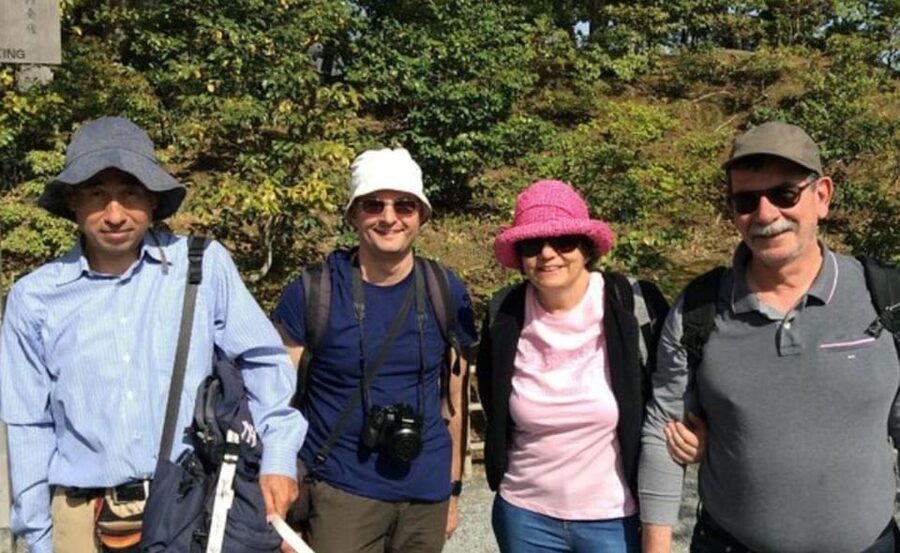
The guides have different backgrounds and personalities. Maria has worked in Japan for more than 25 years and is a licensed guide. Kevin has led walks that included Daimonji, the Philosopher’s Path, and Ginkakuji, with café stops along the way. Jerome has offered both history and restaurant advice, while Kenta has been praised for making a full day of Kyoto feel easy to manage.
Because the group is private, you can ask questions without holding up a larger party. That matters in Kyoto, where temple customs and religious terms can be confusing at first. You can also request fewer stops, more explanation, or time for photographs.
Other walking tours in Kyoto people book:
- Kyoto Geisha Walking Tour: Gion District & Hidden Gems
★ 4.7 · 3,273 reviews - Kyoto: Gion Magical Night Walking Tour with Geisha Trivia
★ 4.9 · 2,393 reviews - Kyoto: Gion Geisha District Walking Tour – Stories of Geisha
★ 4.7 · 2,187 reviews
Starting in Kyoto with a route that fits you
The meeting point is Kyoto, with hotel pickup available if your accommodation is in the city. The exact starting time depends on availability, and you can choose a duration from two to eight hours.
A two-hour tour works best as an introduction. Use it to learn how Kyoto is arranged, visit one main area, and ask for advice about the next few days. Nicola, for example, wished for more time after booking only two hours. That is a useful warning: once you add several temples, photographs, and explanations, the clock moves quickly.
A longer tour gives your guide room to adjust. You might begin in Gion, walk toward Maruyama Park, continue through the old streets near Kiyomizu-dera, and finish with a meal suggestion. Another route could pair the Philosopher’s Path with Ginkakuji and a café stop. These combinations are examples drawn from the kinds of routes guides have created, not fixed promises.
You should share your priorities before the day. If you have young children, tell the guide. If the weather is hot, say so. One guide adjusted the route for children in summer, and another selected less popular places to reduce the strain of the heat. Those small changes can make a private walk far better than a rigid sightseeing schedule.
Gion and Kyoto’s old streets
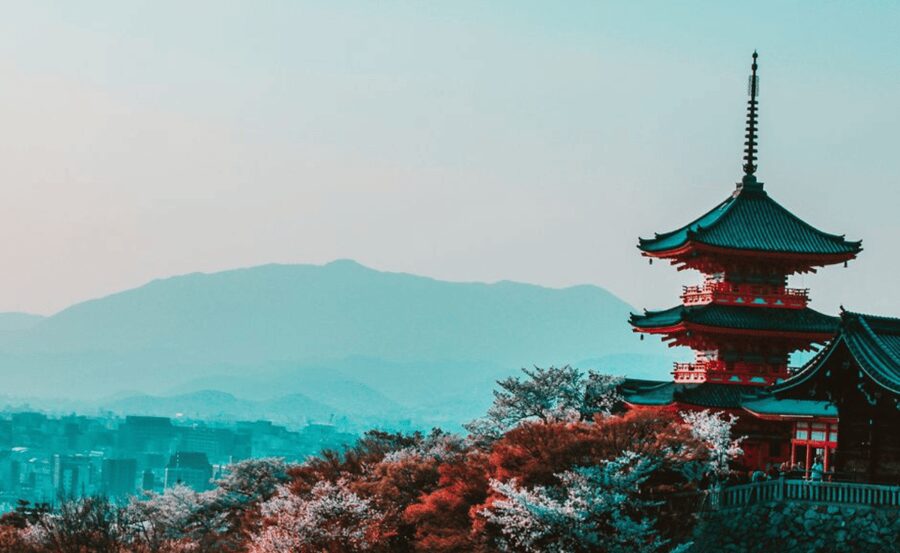
Gion is a strong choice if you want atmosphere and cultural context without spending the entire day on transport. The district is associated with traditional wooden buildings and geisha culture, and a guide can explain what you are seeing as you walk.
The advantage of including Gion is that the area works well for different interests. You can focus on architecture, customs, photography, or the changing role of the district in modern Kyoto. A guide may also point out details along the way that are easy to miss when you are looking only for the next famous landmark.
Gion can be busy, especially around its best-known lanes. A private guide cannot remove the crowds, but can change the pace or shift the route when needed. For a first visit, I would use this part of the tour to ask practical questions about respectful behavior and where to return later when you have more time.
Maruyama Park can fit naturally into an eastern Kyoto route. One full-day outing ended there after visits to Fushimi Inari, Sanjusangendo, Kiyomizu-dera, Sannenzaka, and Ninenzaka. The guide added explanations about geisha culture and even pointed out a Pokémon manhole, a small modern detail that can give a long sightseeing day some humor.
Fushimi Inari and the eastern temple district
Fushimi Inari is one of Kyoto’s best-known sights, with its long corridors of orange torii gates. It is also a place where a guide’s timing and local judgment can help. You can walk beneath the gates alone, but the meaning of the shrine and the way it differs from a Buddhist temple may not be clear without explanation.
The route can then move toward Sanjusangendo, known for its 1,001 Buddha statues, and Kiyomizu-dera, a UNESCO World Heritage site. These are not quick photo stops if you want to understand what you are seeing. A guide can explain the religious setting and give the buildings a place in Kyoto’s wider story.
The nearby Sannenzaka and Ninenzaka streets add a different layer. Their traditional appearance makes them popular, but they also offer shops, snacks, and good photo angles. The drawback is that this area can become tiring and crowded, especially when combined with several large temple compounds. Ask your guide to keep the route realistic rather than trying to collect every major site in one afternoon.
For families, this eastern route needs careful pacing. There are slopes and plenty of walking. A private guide can pause, shorten the route, or replace a stop when children lose interest. That flexibility is one of the clearest reasons to choose a private experience instead of a fixed group tour.
Other guided walks in Kyoto:
- Kyoto Gion Geisha District Walking Tour – The Stories of Geisha
★ 5.0 · 1,441 reviews - Nishiki Market Brunch Walking Tour (7 Tastings + Brunch)
★ 5.0 · 1,355 reviews - Kyoto Arashiyama Walking Tour: Bamboo, Monkeys, Gardens & Secrets
★ 5.0 · 1,216 reviews - Kyoto Gion: 2-Hour Geisha Culture & History Walking Tour
★ 5.0 · 1,186 reviews
The Philosopher’s Path, Ginkakuji, and Daimonji
Northern Higashiyama offers a calmer style of Kyoto sightseeing. The Philosopher’s Path connects a series of temples and neighborhoods, and it can be paired with Ginkakuji, also called the Silver Pavilion. This area gives you a chance to slow down after the heavier traffic around the most famous landmarks.
One guided route began with coffee in Sakyo, continued up Daimonji, and then followed part of the Philosopher’s Path to Ginkakuji. That combination shows how flexible the tour can be. You might want a gentle neighborhood walk, or you might prefer a more active outing with a hill.
Daimonji is not the right choice for every group. A climb adds effort, and summer heat can make it much harder. Tell the guide about fitness levels and weather concerns before setting off. If you want an easy day, the Philosopher’s Path and nearby temple area may be a better fit.
I like this section for visitors who already know they want more than postcard views. Your guide can explain the differences between shrines and temples, discuss architecture, and decide when to talk and when to let you simply walk. The strongest guiding style is not constant lecturing. It is giving you useful information at the right moment.
Local food advice, cafés, and useful stops
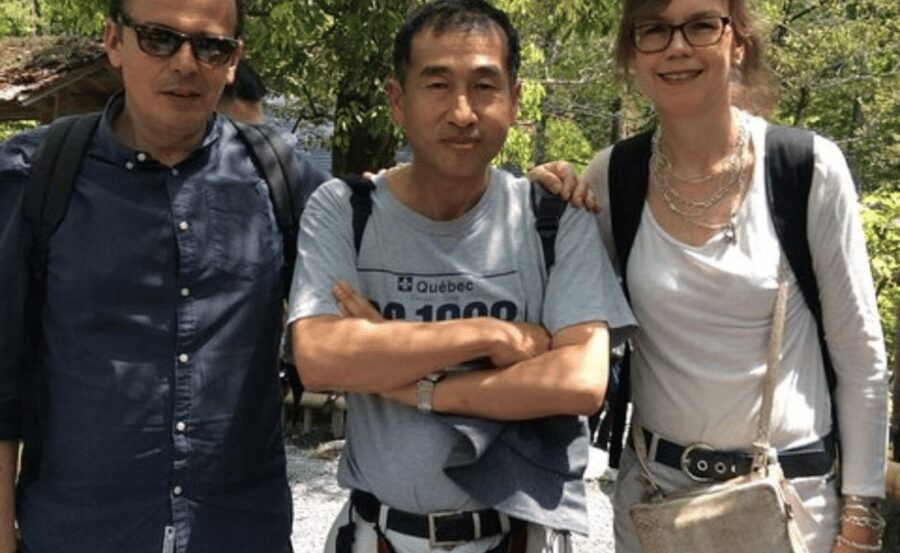
Food is not included, but food advice can be one of the tour’s best extras. Jerome has suggested restaurants, and one guide ended a walk at an udon restaurant. Another full-day route included sake tasting, pizza, and ramen recommended through local connections.
You should treat these as possibilities, not guaranteed stops. Tell your guide if you want a meal, snack, café, or drink break included in the route, and ask whether you will pay directly for it. A café stop can also help on a hot day. One group met at AG Coffee before walking toward Daimonji, then stopped later for frozen apple pie.
The practical benefit is not simply finding something to eat. A local recommendation can help you decide what to try after the tour, when you are on your own. Ask for several suggestions in different neighborhoods and at different price levels.
If you want a museum, tell the provider in advance. The guide can help arrange tickets for desired visits, but admission itself is not included. That distinction matters if you are planning a day around a particular collection or indoor attraction.
What $62 per person really buys
The advertised price is $62 per person, with a private walking tour lasting two to eight hours. That can be good value for a couple or family that wants a custom route and a guide’s attention. It is less of a bargain if you are mainly looking for transportation or entrance to several sights.
The price covers the private guide and customization. Hotel pickup is available within Kyoto city, and the tour includes walking and, according to the inclusions, public transport in the tour plan. At the same time, local transportation around the city is listed as excluded, so I would confirm exactly which fares are covered before you set a route that crosses several districts.
You also pay separately for attraction tickets, food, and drinks. Kyoto’s major temples and museums can add noticeably to the day’s cost. The guide can help book tickets for desired visits, which is useful, but booking help does not mean free admission.
For a group of several people, the cost per person can buy a useful half-day orientation. For a solo visitor, the price is higher per head, though the private format gives you a great deal of control. Think of it as paying for time saved, context, and a better plan for the rest of your Kyoto stay.
Timing, language, and comfort
You can book for two to eight hours, with starting times subject to availability. A shorter tour suits a first afternoon or a quick orientation. A full day suits visitors who want a mix of temples, shrines, neighborhoods, food advice, and quieter stops.
Guiding is available in English, Spanish, French, and Italian. Specific guides vary, so if language comfort is important, confirm it when booking.
The activity is wheelchair accessible, but the exact route still matters. Kyoto’s historic districts, temple approaches, hills, and uneven paths can differ greatly from one another. Tell the provider what you need so the route can be adjusted.
Free cancellation is available up to 24 hours before the tour for a full refund. You can also reserve now and pay later, which helps if your Kyoto plans are still shifting.
Who will get the most from this tour?
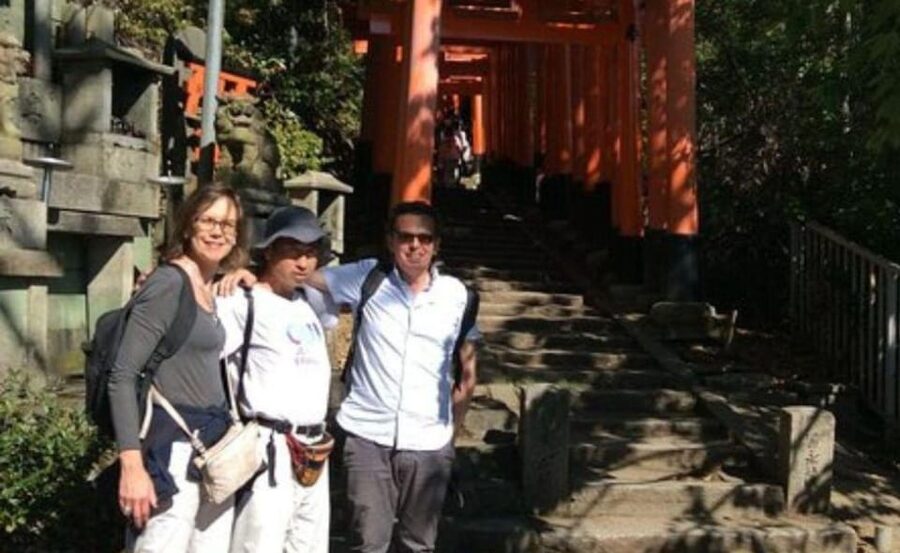
I would recommend it most to first-time Kyoto visitors who feel unsure about where to begin. It is also a strong fit for families, couples, solo visitors, and anyone who wants to explore a particular subject rather than follow a standard sightseeing route.
History and architecture fans should ask for a guide such as Maria’s level of background, while families should request a flexible pace. If you have already visited the major temples, use the time for quieter neighborhoods, local food suggestions, cafés, or a museum.
This is not the best choice if you want a coach, private car, or a package with all admission fees included. It is also not ideal if you dislike walking. Even a short route can involve slopes, temple grounds, and plenty of standing.
Should you book the Kyoto private walking tour?
Book it if you want Kyoto explained as you see it, not just photographed. The best use of the tour is to set clear priorities before meeting, then let the guide adjust the route when weather, crowds, children, or your energy level change.
For a first visit, I would choose at least four hours if your budget allows. Two hours can orient you, but a longer booking gives you time for a major area, a quieter stop, food advice, and questions about the rest of your trip. Keep extra money aside for tickets, transport, and meals.
The 4.6 rating from 144 bookings reflects a strong overall experience, with repeated praise for flexibility, practical advice, historical explanations, and guides who make Kyoto easier to navigate. The tour will not remove every crowd or cover every entrance fee, but it can save you from wandering through Kyoto without knowing what you are seeing.
FAQ
Where does the tour take place?
The tour takes place in Kyoto on Honshu, Japan. The route is customized around the interests you share with your guide.
How long does the walking tour last?
You can choose a duration from two to eight hours. Starting times depend on availability.
Is the tour private?
Yes. The activity is for a private group, so you do not share the guide with other groups.
Can the tour include a museum?
Yes. Your guide can adapt the tour to include a museum if you request it ahead of time. Museum admission is not included.
Can I be picked up at my hotel?
Hotel pickup is available when your accommodation is located within Kyoto city. Confirm the meeting arrangement when booking.
Are attraction tickets included?
No. Tickets to attractions are not included. The tour provider can help your group book tickets for desired visits.
Is food or drink included?
No. Food and drinks are not included. You can ask your guide for restaurant, café, or food suggestions.
Is local transportation included?
The tour is mainly a walking experience. The inclusions refer to walking and public transport, while local transportation around the city is listed as excluded, so confirm the exact arrangement for your chosen route.
Which languages are available?
Live guiding is available in English, Spanish, French, and Italian.
Just added in Kyoto
- Kyoto: Zen Meditation at a Private Temple with a Monk★ 5.0 · 25 reviews
- Private Cooking Class Udon in Kyoto Japan★ 5.0 · 23 reviews
- Your Private Vacation Photography Session In Kyoto★ 5.0 · 110 reviews
- Private Pewter Sake Cup Experience with a Kyoto Artisan★ 5.0 · 31 reviews
- Kyoto Wagashi(Japanese sweets) Cooking Class near Fushimiinari★ 5.0 · 60 reviews
- Kyoto:Family-Friendly Kimono & Yukata Experience at WARGO★ 5.0 · 147 reviews
- Private Guided Traditional Buddhist Cooking in Japan★ 5.0 · 16 reviews
- Kyoto: Gion Geisha District & Sake-in-Hand Walking Tour★ 5.0 · 37 reviews
Walking Tours, compared.

Kyoto Geisha Walking Tour: Gion District & Hidden Gems
Read our review →
Tokyo Tsukiji Fish Market Food and Culture Walking Tour
Read our review →
Imperial Palace and Shogun Historical Walking Tour
Read our review →
Gion Geisha District Walking Tour – Stories of Geisha
Read our review →
Shinjuku Local Bar and Izakaya Guided Walking Tour
Read our review →
Asakusa Walking Tour with Sensoji Temple Visit
Read our review →
Nishiki Market Brunch Walking Tour (7 Tastings + Brunch)
Read our review →Browse the lists this tour appears in