
Reviewed · JAPANESE GARDEN TOURS
From Asakusa: Old Tokyo, Temples, Gardens and Pop Culture
East Tokyo tells its story in sharp contrasts: Senso-ji’s incense and red gates, Ueno’s market stalls, Akihabara’s anime signs, and a quiet Edo garden all fit into four hours. That makes this a useful first look at how Tokyo’s past still shapes its present.
I like the way the tour links neighborhoods rather than treating each sight as an isolated stop. I also like that admissions and local train rides are covered, while the group stays small at eight people. The main drawback is pace: you cover a lot of ground, so this is better for getting a clear overview than for lingering at every temple, shop, or museum.
Key points to know before booking
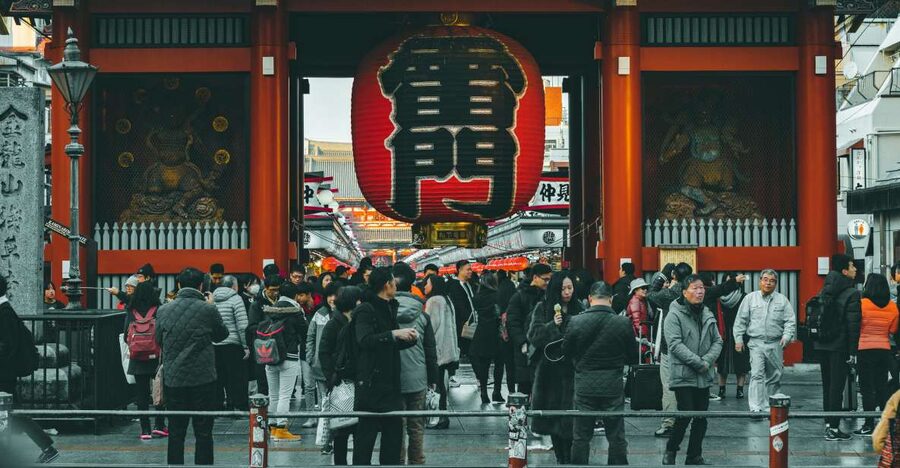
- Senso-ji opens the story with Tokyo’s oldest-feeling atmosphere, including the temple grounds and Nakamise-dori.
- Ueno and Okachimachi show everyday commercial Tokyo, with market stalls and food shops instead of polished department stores.
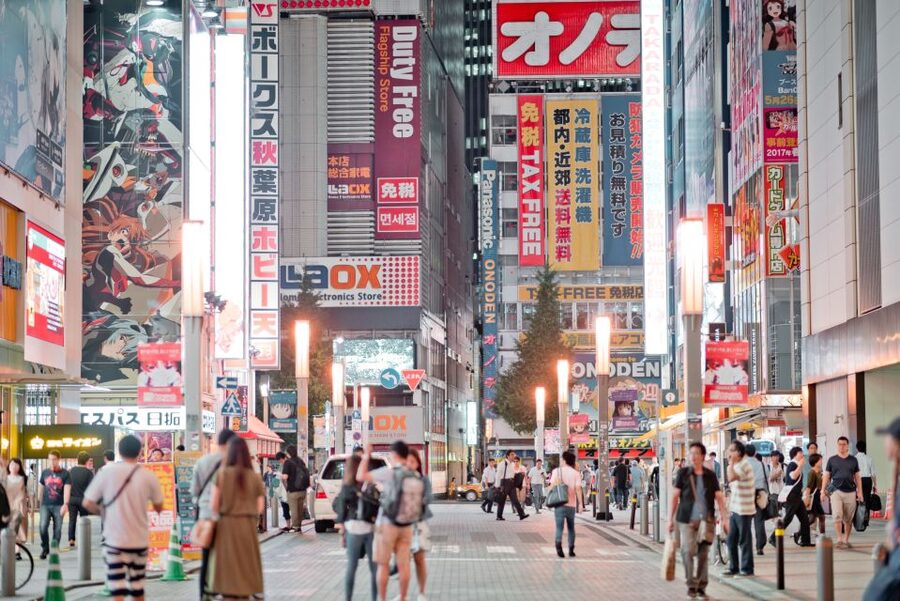
- Akihabara adds modern pop culture, from electronics to anime, manga, gaming, and cosplay.
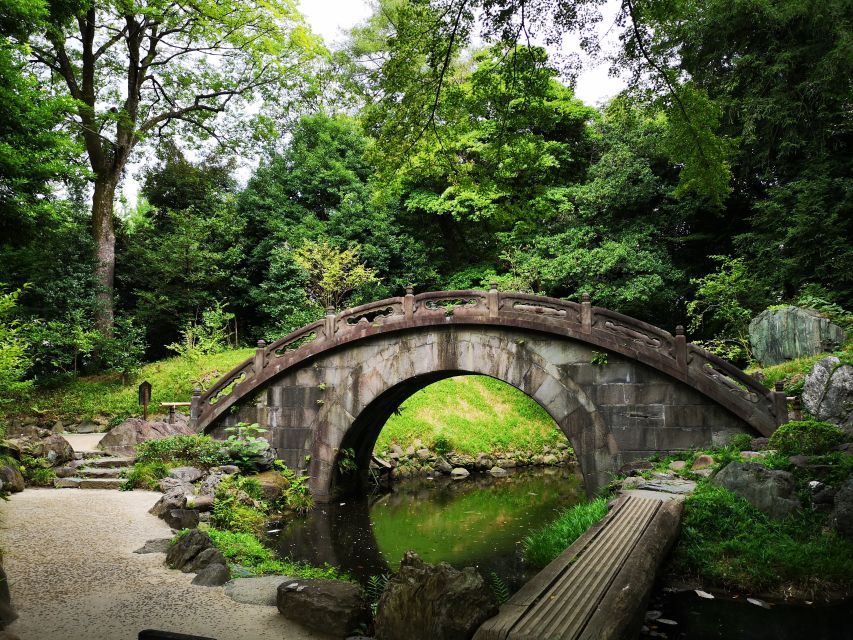
- Koishikawa Korakuen provides a quiet Edo-era pause, with seasonal scenery and traditional garden paths.
- The $68 price includes guide costs, admissions, and local train rides, though food and Tokyo National Museum admission cost extra.
- Small groups and strong guide feedback are major advantages, with past guides including Taka, Toru, Takee, and Michelle.
Why this East Tokyo route works
Many Tokyo tours stay inside one theme. You may get temples, food, shopping, or pop culture, but not much sense of how those parts connect. This route takes you through several east-side districts and asks a useful question: how did an old city become modern Tokyo without losing all of its earlier layers?
You begin in Asakusa, once a major entertainment and religious center. You then move through Ueno and Okachimachi, areas shaped by transport, street commerce, and generations of small sellers. Akihabara brings the postwar electronics boom and present-day anime culture. The final garden, Koishikawa Korakuen, brings you back to an older idea of beauty, order, and quiet.
That range is the tour’s strongest feature. You are not simply ticking off famous places. You are comparing different kinds of city life within a compact part of Tokyo.
The tour costs $68 per person and lasts four hours. For that price, you receive the guide, standard admissions, and local train rides while on the tour. That is fair value if you want context and navigation rather than only a walking route. You will still pay for food and drinks, and admission to Tokyo National Museum is not included if you choose to visit it.
Other temples and shrines in Tokyo people book:
- Tokyo: Meiji Shrine, Asakusa, Skytree Bus Tour and Cruise
★ 4.7 · 1,986 reviews - Tokyo: Asakusa Walking Tour with Sensoji Temple Visit
★ 4.8 · 1,583 reviews - Nikko: Kegon Falls, Lake Chuzenji & Toshogu Temple
★ 4.6 · 1,577 reviews
Starting in Asakusa, where old Tokyo still feels close
The meeting point is Kamiya Bar in Asakusa, at 1-chōme-1-1 Asakusa. This is a practical place to begin because Asakusa gives you an immediate visual sense of older Tokyo. The district is famous, but it does not feel like a single monument surrounded by empty space. Shops, food, temple buildings, and crowds all press into the same area.
You have about 45 minutes for the guided Asakusa portion. Your guide can help you read the district rather than simply walk through it. Look for the contrast between the formal temple approach and the commercial activity around it. The area has long mixed worship, entertainment, shopping, and food.
Nakamise-dori leads toward Senso-ji with rows of shops selling snacks, souvenirs, and traditional items. It can be crowded, so keep your walking pace steady and stay alert around other people. You may want to return later for shopping, but the tour’s purpose is broader. It uses the street to explain how a temple district can also function as a marketplace.
One useful historical detail is the connection between Asakusa and Ueno. Asia’s first subway route began operating between these two areas. That makes the next part of the tour more than a simple change of neighborhood. You are following an old urban link that helped people move between entertainment, markets, temples, and commerce.
Senso-ji in a focused 15-minute visit
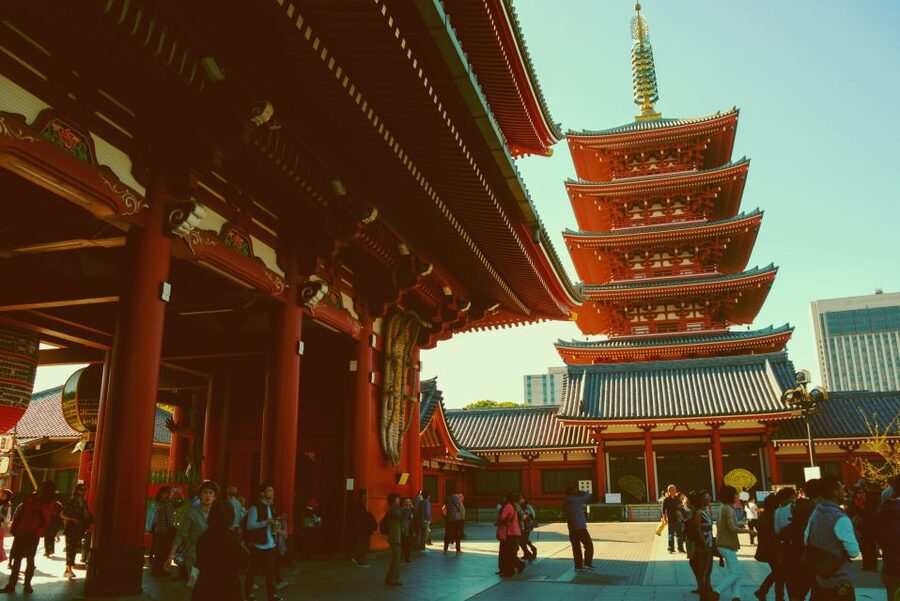
The Senso-ji segment lasts about 15 minutes, so expect a concise introduction rather than a full religious study. Your guide will explain the temple’s place in Japanese Buddhist history and point out what you are seeing in the grounds.
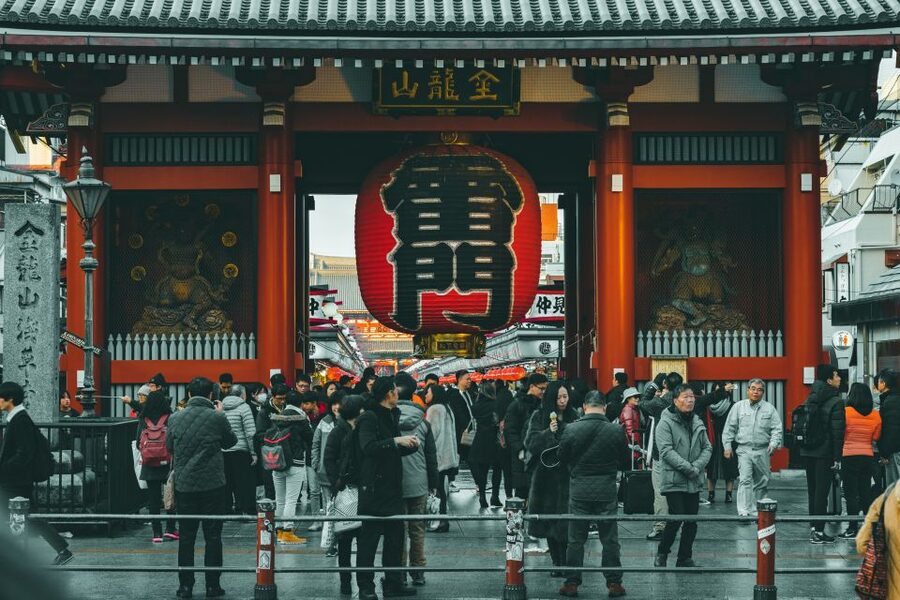
Senso-ji is one of the places where a guide adds real value. Without context, it is easy to focus only on the large gate, the lantern, or the main hall. With an explanation, you get a clearer sense of why the site matters and how religious practice fits into the surrounding district.
The short timing also creates a choice. If you want detailed photography, shopping, or a slow look at the temple buildings, you may find the visit too brief. If you want a solid introduction before seeing more of Tokyo, the 15 minutes keeps the overall route moving.
Wear comfortable shoes from the start. This is a walking tour with several neighborhood changes, not a coach-based sightseeing loop.
Ueno and Okachimachi, Tokyo without the polish
The tour gives Ueno about 25 minutes and Okachimachi another 25 minutes. These stops show a less formal side of East Tokyo. Ueno is known for museums and cherry blossoms, while nearby Okachimachi has long been linked to shops, street sellers, and food.
The atmosphere here is different from Asakusa’s temple approach. Instead of one grand religious complex organizing the view, you get a working commercial district. Shop fronts, market activity, and food stalls give the area its character. It feels more practical and local than carefully staged.
The route presents Ueno and Okachimachi as places where ordinary buying and selling shaped city life across generations. That is valuable because Tokyo can sometimes seem defined only by giant stations, department stores, and glossy technology districts. Here, you see a city built from smaller transactions and narrow streets.
If you are interested in museums, take note of what is and is not included. The tour passes through an area with museums, but Tokyo National Museum admission is separate if you decide to enter. With only 25 minutes assigned to Ueno, this is not a museum tour. You will need a separate visit for the collections.
Ameya-Yokocho is one of the main points of interest around Okachimachi. The market is known for its many kinds of shops and food sellers. It is a good place to notice the difference between a market with a strong street presence and a tightly controlled retail center. You may also find this the most tempting place to buy a snack, but food is not included in the tour price.
Other places of worship worth the walk in Tokyo:
- Tokyo: Nikko Toshogu Shrine and Kegon Waterfall Tour
★ 4.5 · 1,266 reviews - Tokyo Panoramic 1 Day: Meiji Shrine, Asakusa, Odaiba and SKYTREE®
★ 4.5 · 1,222 reviews - Tokyo: Zen Meditation at a Private Temple with a Monk
★ 5.0 · 510 reviews - Mt. Fuji Heritage Tour: Traditional Villages, Lakes & Shrine
★ 4.5 · 509 reviews
Akihabara and the shift from electronics to anime
Akihabara receives about 45 minutes, enough to get a clear introduction but not enough to explore every store. The district was known as Electric Town because of its electronics trade, a role that reaches back to the prewar era. Over time, it also became a center for otaku culture, including anime, manga, gaming, and related pop culture.
This stop gives the tour its sharpest modern contrast. Asakusa presents religious tradition and long-running commerce. Akihabara presents neon signs, electronic goods, game culture, and characters from fictional worlds. The point is not to decide which version of Tokyo is more authentic. Both are part of the city’s identity.
Your guide can help explain how Akihabara changed rather than leaving you with a collection of bright signs. The district’s appeal is partly visual, but it also reflects how technology and popular entertainment became central to modern urban life.
You may see cosplayers and shops aimed at dedicated fans. If anime and manga are important to you, 45 minutes may feel short. If you are new to the culture, that limit can be useful because the area can seem overwhelming. You get an orientation without spending the whole day inside one specialist district.
Families may appreciate this stop, especially if children enjoy games or animated characters. One past guide, Takee, was praised for keeping children involved and even sharing origami and taking the group to a pub. The pub visit was an individual touch, not a stated part of the standard route, so do not book this tour expecting it. It does show the kind of friendly, flexible guiding that can make a small group feel personal.
Koishikawa Korakuen, a quiet turn after the city noise
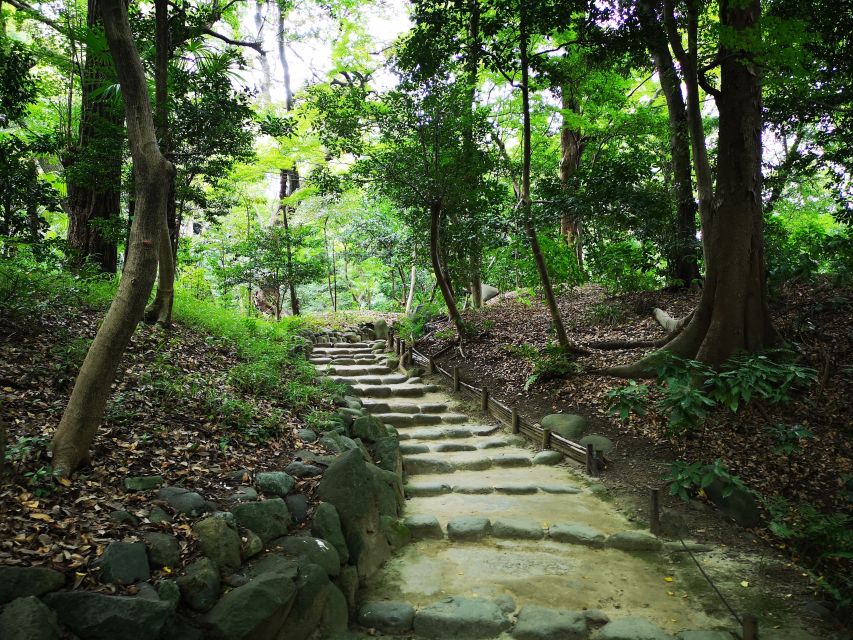
Koishikawa Korakuen receives about 45 minutes, with scenic views along the way. This garden changes the mood completely. After markets, trains, temple crowds, and electronic signs, you walk through a traditional Japanese garden connected to the Edo period.
The garden is especially useful as a final comparison. It shows that Tokyo’s older culture is not limited to temples. Garden design also reflects earlier ideas about space, balance, borrowed scenery, and seasonal change. The paths and views offer a slower way to experience the city.
The garden changes with the calendar. Cherry blossoms shape spring, while autumn brings strong red and gold color. Other seasons will offer a quieter look at the paths and plantings. Since the tour spends 45 minutes here, you should have time to appreciate the setting, though not necessarily to explore every corner at a relaxed pace.
There is a slight oddity in the stated stop order: the descriptive route presents the garden as the final peaceful stop, while the timed itinerary places Koishikawa Korakuen before Akihabara. Treat the exact sequence as something to confirm when booking or meeting your guide. The important point is that both places are included, giving you a contrast between traditional calm and modern pop culture.
The guides are a big part of the value
A four-hour city tour succeeds or fails on its guide. This route covers history, religion, transport, markets, pop culture, and garden design, so clear explanations matter.
Past guide names connected with this experience include Taka, Toru, Takee, and Michelle. Taka was noted for giving detailed information around Asakusa. Toru was described as kind and highly available to the group. Michelle was praised for professional guiding, strong subject knowledge, and fluent Italian. The tour is advertised in English, but Michelle’s Italian ability may be useful if she is assigned to your departure.
The strongest pattern is personal attention. A small group capped at eight people gives you a better chance to ask questions than a large walking group. It also makes it easier for the guide to adjust explanations for families, first-time visitors, or people already familiar with Japanese culture.
The tour’s rating is 4.6 from 15 ratings, which is a good sign but not a reason to expect every departure to feel identical. Guide assignment can shape the experience. If language needs matter to you, confirm them before booking rather than assuming a particular guide will lead your group.
What the $68 price really covers
At $68, the tour is not the cheapest way to walk through these districts. You could visit the neighborhoods independently for less, especially if you skip paid admissions and already understand Tokyo’s train system.
The value comes from the structure. Your guide connects places that many visitors see separately, and standard admissions and local train rides are included. You also avoid spending time working out how to move from Asakusa to Ueno, Okachimachi, Akihabara, and Koishikawa Korakuen.
I think the price makes the most sense during a first Tokyo visit, when context and orientation are worth paying for. It also suits anyone who prefers a small group and wants a guide to explain what sits behind the visible details.
The value is weaker if you want long museum visits, extensive shopping time, or a slow photography walk. Four hours and six main stops require discipline. Bring water and budget for your own food, since meals and drinks are not included.
Who should book this tour
You should consider it if you want:
- A first-day introduction to East Tokyo
- A small group capped at eight people
- A mix of temples, markets, pop culture, and gardens
- Help using local trains between districts
- Historical explanation rather than a self-guided route
- A family-friendly format with a guide who can keep younger visitors engaged
It is also a good fit if you are curious about how Tokyo changed over time. The route does not present the city as an old quarter versus a modern quarter. It shows several eras operating close together.
You may prefer another format if you need step-free detail for every section, since the tour is wheelchair accessible but the supplied information does not describe the exact surfaces, station facilities, or garden route. You may also want a different tour if your main goal is entering museums or spending hours in Akihabara shops.
Free cancellation is available up to 24 hours before the tour, and you can reserve now and pay later. Those terms help if your Tokyo schedule is still shifting.
Final call: a strong overview with a quick pace
I would book this tour if I wanted a guided introduction to East Tokyo and did not want to spend my first day decoding train connections and neighborhood history. The best feature is the range: Senso-ji, market streets, Akihabara, and Koishikawa Korakuen show four very different faces of one city.
Book it with realistic expectations. You will not become an expert on every stop in four hours, and the short visits may leave you wanting to return independently. That is actually one of the tour’s strengths. It gives you a useful map of East Tokyo, then helps you decide where to spend more time later.
FAQ
How long does the tour last?
The tour lasts four hours.
Where does the tour meet?
The meeting point is Kamiya Bar in Asakusa, at 1-chōme-1-1 Asakusa.
What language is the tour offered in?
The tour is offered in English with a live guide.
How many people are in the group?
The group is limited to eight participants.
Is the tour wheelchair accessible?
Yes, the activity is listed as wheelchair accessible.
What admissions are included?
All standard costs while on the tour are included, including stated admissions and local train rides.
Is Tokyo National Museum admission included?
No. Tokyo National Museum admission is separate if you choose to visit.
Are food and drinks included?
No. You pay separately for food and drinks.
What should I bring?
Bring comfortable shoes because the experience includes substantial walking between several East Tokyo districts.
Can I cancel for a full refund?
Yes. You can cancel up to 24 hours in advance for a full refund.
More gardens in Tokyo
- Imperial Palace East Garden and Edo Castle Walking Tour in Tokyo
★ 5.0 · 510 reviews - Tokyo: Imperial Palace East Gardens Walking Tour
★ 4.8 · 353 reviews - Tokyo Castle, Imperial Palace, Shogun & Garden Walking Tour
★ 5.0 · 211 reviews - Tokyo: Edo Castle & East Garden of the Imperial Palace Tour
★ 4.7 · 112 reviews
Just added in Tokyo
- The 10 Tastings of Tokyo With Locals: Private Street Food Tour★ 5.0 · 48 reviews
- Small Town in the Big City: Tasting Tokyo’s Kichijoji★ 5.0 · 195 reviews
- Small Town in the Big City: Tasting Tokyo’s Kichijoji★ 5.0 · 16 reviews
- EXCLUSIVE Tokyo Secret: Kichijoji Small-Group Food & Bar Hopping★ 5.0 · 29 reviews
- Explore Kichijoji: Walk Through One of Tokyo’s Beloved Districts★ 5.0 · 21 reviews
- :Tokyo,Shibuya/ Pro Photography in Kimono / English-Friendly★ 5.0 · 26 reviews
- 【R34】Tokyo:Private Daikoku tour in Modified R34★ 4.9 · 92 reviews
- Tokyo:Calligraphy &Make your original folding fan in Asakusa★ 5.0 · 62 reviews
Japanese Garden Tours, compared.
Kyoto Arashiyama Walking Tour: Bamboo, Monkeys, Gardens & Secrets
Read our review →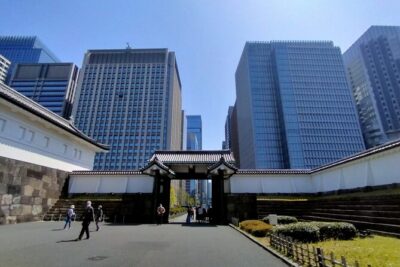
Imperial Palace East Garden and Edo Castle Walking Tour in Tokyo
Read our review →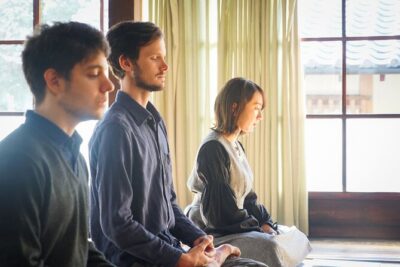
Kyoto Zen Meditation & Garden Tour at a Zen Temple with Lunch
Read our review →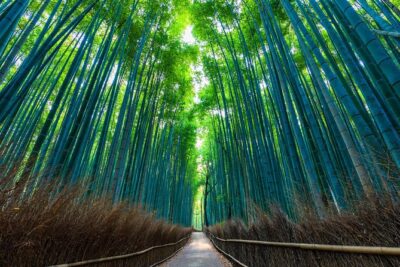
Kyoto Arashiyama Bamboo forest & Garden Half-Day Walking Tour
Read our review →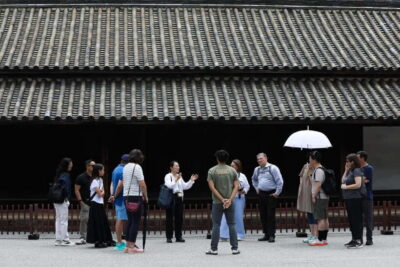

Tokyo Castle, Imperial Palace, Shogun & Garden Walking Tour
Read our review →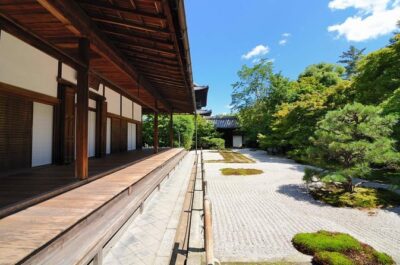
Browse the lists this tour appears in