
Reviewed · CALLIGRAPHY & CRAFT WORKSHOPS
Tokyo: Calligraphy on Kanji Fan & Scroll with Drink
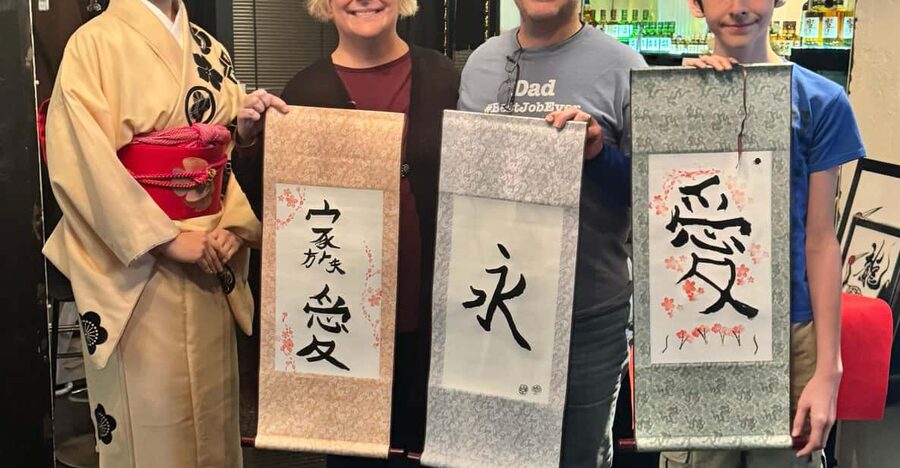
Japanese calligraphy here is not a quick brush-and-leave souvenir stop. You slow down, learn why each stroke matters, and turn your name or favorite word into kanji artwork on a fan and hanging scroll. A matcha latte or another included drink helps set the calm mood.
I like the patient, personal teaching and the generous bundle of take-home items. I also like that you can ask for repeated practice before committing ink to the final pieces. The main consideration is timing: the session is advertised at 80 minutes, but the hands-on activity can last from 60 minutes to two hours.
- Three minutes from Roppongi Station: Use Toei Oedo Line Exit 7 and walk toward the National Art Center.
- Practice before the final pieces: Learn basic brush strokes before working on your fan and kakejiku scroll.
- Personalized kanji: Write your name or another meaningful word, with help choosing suitable characters.
- Included drink: Pick matcha latte, green tea, coffee, soda, or beer.
- Many souvenirs: Take home your artwork, hanko stamp, tote bag, pouch, coaster, and keychain.
- English instruction: Kana, Kanako, Tomi, and the other instructors guide beginners with patience and clear demonstrations.
A Quiet Brushwork Break in Central Roppongi
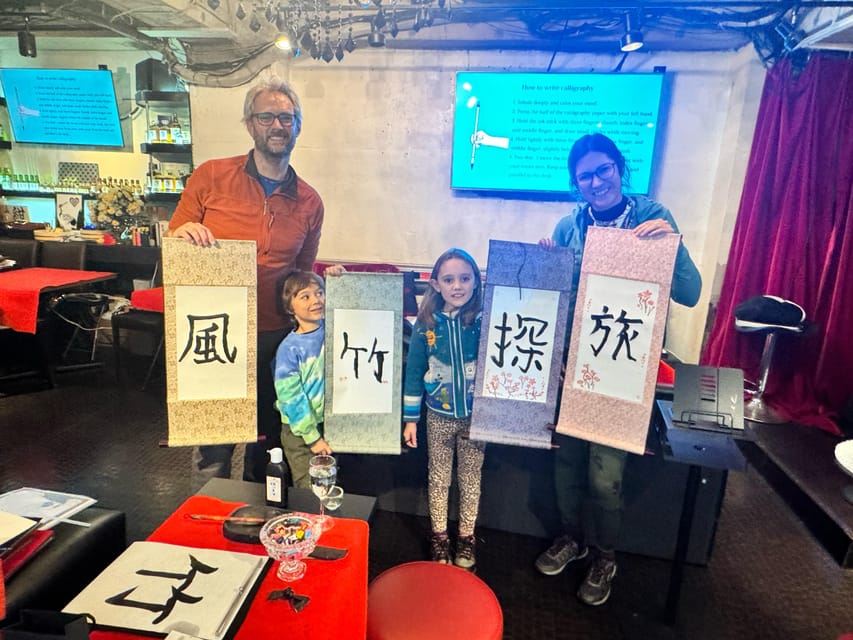
Shodo Cafe 7557 occupies the second floor of the Crest Roppongi Building, close to the National Art Center Tokyo. Roppongi is known for museums, restaurants, and nightlife, so this workshop gives you a useful change of pace from the city outside.
The studio is easy to reach once you follow the right landmarks. From Roppongi Station on the Toei Oedo Line, take Exit 7, cross toward Family Mart, and turn right toward the National Art Center. Walk along Bijutsukan Dori, the museum street. A large crane sign marks the building on your left.
I would allow a few extra minutes for finding the entrance. The studio is not presented as a major street attraction, and you need to go upstairs to the second floor. If you use a taxi, show the driver the studio name and the address: 7-9-3 Roppongi, Minato-ku, Tokyo, Crest Roppongi Building 2F.
The activity is conducted in English, which matters here. Calligraphy has many small rules, and a clear explanation helps you understand that the brush is not simply a Japanese version of a pen. You learn how pressure, direction, speed, and the order of strokes shape the finished character.
What Happens During the 80-Minute Session
The workshop begins with an introduction to shodo, the Japanese art of calligraphy. You learn about the tools, the role of the brush, and the meaning behind the characters you may use. The instructors then show basic brush movements and guide you through practice.
The practice stage is important. Your first attempt may look uneven, and that is normal. You get time to repeat strokes on practice paper before working on the fan or scroll. The instructors are described as patient and encouraging, and the activity allows additional paper and ink when you need more tries.
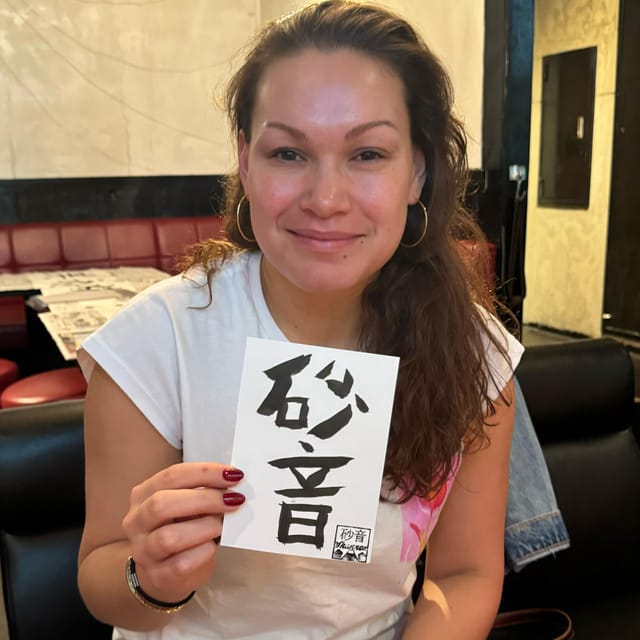
You then choose a character or name. You can write a favorite kanji character, use a translated version of your name, or work with the instructors to select something meaningful. If you provide every participant’s name in English when booking, the studio can prepare a special animated video showing the names in kanji and their meaning. This may be shown during the workshop or sent afterward.
That name preparation is a thoughtful touch, especially for families and couples. It gives you more than a decorative symbol with no explanation. You can ask for another word if you already have something specific in mind, and it is wise to state that preference in advance.
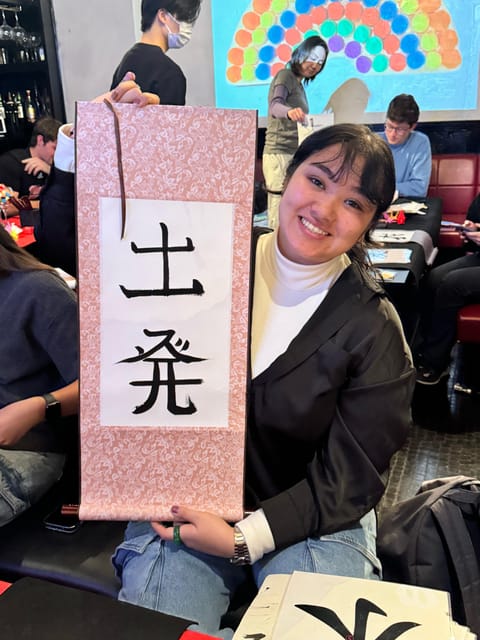
Once you feel ready, you create the final pieces. The activity includes a traditional folding paper fan, called an uchiwa, and a hanging scroll, called a kakejiku. The exact combination may depend on the chosen booking option, so check the selected format when reserving.
Other things to make with your hands in Tokyo:
- Chopstick Making Workshop in Ginza
★ 4.8 · 1,366 reviews - Tokyo Chopstick Making Workshop with Artisan
★ 5.0 · 466 reviews - Tokyo: Matcha Making Experience with Mochi Sweets in Asakusa
★ 4.9 · 388 reviews
Turning Practice Strokes Into a Fan and Scroll
The fan is the more casual souvenir. It is compact, easy to pack, and useful as a display item or gift. The scroll has a more formal feel and gives your calligraphy a clear place on a wall or shelf.
The value of making both is that you see how the same brush skills work on different surfaces. You are not merely watching an instructor write your name for you. You practice the movements, then place your own work on objects you can keep.
Do not expect your pieces to look like professional Japanese calligraphy. The point is to learn the discipline behind the form and produce something personal. The instructors help you control the brush, but the final marks remain yours. That makes the uneven parts part of the memory rather than a flaw to hide.
If you are nervous about your handwriting, tell the instructor. The workshop is designed for beginners, and the teaching style leaves room for practice. The activity is also suitable for people who already love kanji and want a closer look at brush technique.
The Hanko Stamp and the Extra Souvenirs
The personalized hiragana hanko stamp is one of the most unusual inclusions. Hanko are personal name seals used in Japan, and this version gives you a small souvenir tied directly to your own name. You take it home rather than simply using it during the class.
The included items go well beyond the fan and scroll:
- A personalized hiragana hanko stamp
- Kanji tote bag
- Kanji keychain
- Kanji coaster
- Kanji pouch
- Your original uchiwa fan
- Your original kakejiku scroll
The large number of gifts affects the value of the session. At $53 per person, you are paying for instruction, tools, drinks, two main art pieces, and a full group of smaller souvenirs. If you only want to try one brush stroke and buy a single keepsake, this may be more than you need. If you like hands-on activities and want useful gifts to take home, the price is easier to justify.
The keychain, pouch, and tote bag also make this practical for a family. Several people can leave with different items, rather than sharing one fragile souvenir. Pack the scroll carefully in your luggage, since it is the least convenient piece to transport.
Matcha, Coffee, or a Drink of Your Choice
A drink is included, and you can choose from matcha latte, green tea, coffee, soda, or beer. The matcha latte fits the setting, but the broader choice makes the activity easier for a mixed group. You do not need to be a tea enthusiast to enjoy the class.
The drink is not the reason to book this workshop, but it helps the session feel less rushed. You can settle in before handling the brush and take a small pause during the activity. If you want additional food or drinks, those cost extra.
The setting is especially useful on a day when you have been walking between museums and shopping streets. The class gives you a seated activity with a clear purpose, without requiring a full day away from central Tokyo.
Same base, a different sort of day:
- Mt Fuji and Hakone 1-Day Bus Tour Return by Bullet Train
★ 5.0 · 26,383 reviews - 1-Day Tokyo Bus Tour
★ 5.0 · 14,250 reviews - Tokyo: TOKYO SKYTREE® Admission ticket
★ 4.5 · 11,192 reviews - Tokyo: teamLab Planets TOKYO Digital Art Museum Entry Ticket
★ 4.6 · 9,779 reviews
Why the Teaching Makes a Difference
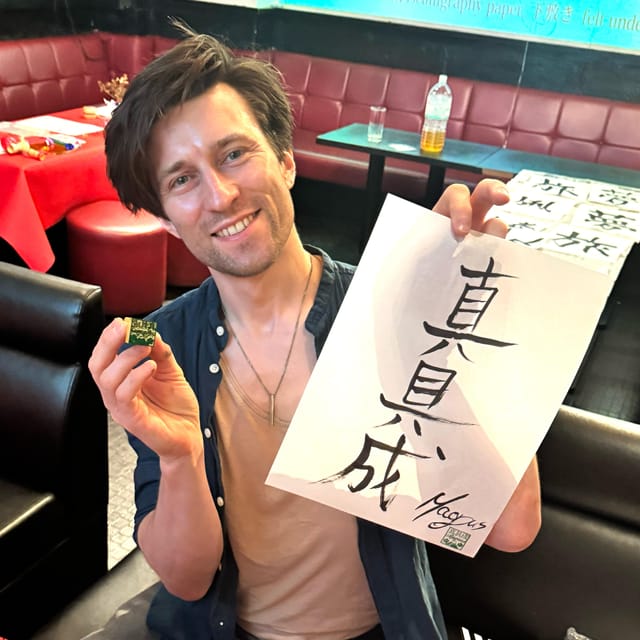
Calligraphy can look simple from a distance. A few black lines form a character, and the finished result often appears effortless. In practice, the order of strokes and the amount of ink make a noticeable difference.
The instructors explain these details and then let you practice. Kana is frequently identified as a warm and patient teacher, while Kanako and Tomi are also named as instructors who help with the activity. The teaching approach is supportive rather than formal or intimidating.
You should expect correction and guidance, but not a high-pressure art lesson. The goal is to help you understand the basics and enjoy making something. If your brushwork takes time to settle, the instructors can repeat the demonstration and let you try again.
This is also a good place to ask about the meaning of your name. The animated name presentation, when prepared, can explain the selected kanji rather than leaving you with a character chosen at random. Names can have several possible interpretations, so listening carefully adds cultural context to the souvenir.
Who Will Enjoy This Most
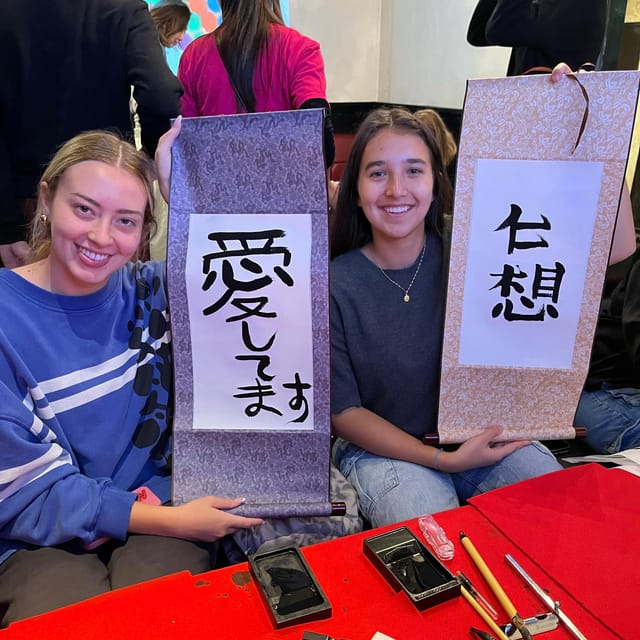
I would recommend this for first-time visitors who want a cultural activity with something physical to take home. It works well when you have already seen major sights and want an hour or two that is quieter and more personal.
Families can take part, and the activity welcomes all ages and skill levels. The information specifically excludes people over 95, but otherwise presents the workshop as broadly suitable. Children who like drawing or making things may enjoy the practice stage, though an adult should help them protect the finished pieces while packing.
Couples can choose names, favorite words, or characters with shared meaning. Solo participants also have plenty to work on, since the class includes practice, explanation, and several souvenirs rather than a single short demonstration.
You should also consider it if you already study Japanese. Beginners receive a gentle introduction, while kanji fans can focus on stroke order, brush control, and the cultural meaning of the characters.
What Might Not Suit You
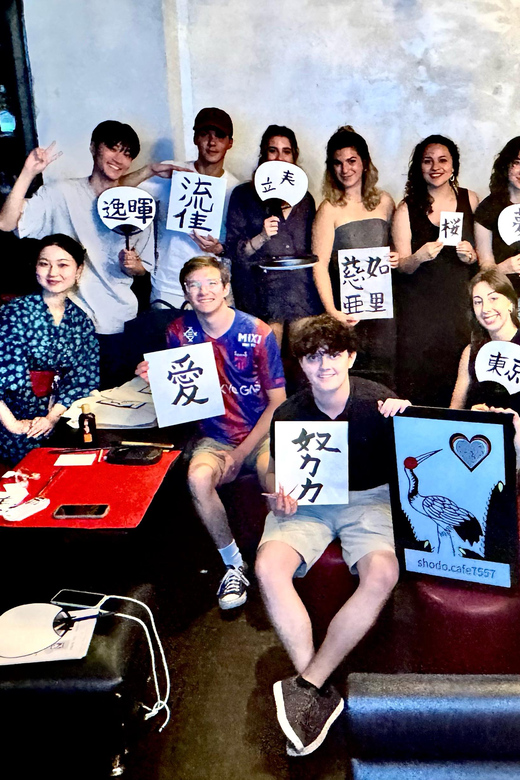
This is not the right pick if you want a fast sightseeing stop with no instruction. The workshop asks you to pay attention, repeat basic movements, and accept that your first attempts may not be polished.
The timing can also stretch. Although the stated duration is 80 minutes, the activity may run from 60 minutes to two hours. That flexibility is helpful if you need more practice, but it makes the session harder to fit between tightly timed reservations.
The included souvenirs may feel excessive if you are traveling with only a small bag. A tote, pouch, fan, scroll, and other items take space. The scroll also needs sensible packing, especially if you have a long flight home.
Finally, the studio is in central Tokyo but not directly at the station entrance. The walk is short, yet you must follow the museum street and find the crane sign. Save the map location before leaving the station.
Price, Cancellation, and Access
The cost is $53 per person. I consider that fair when you value the full package: an English-language lesson, calligraphy tools, an included drink, your own fan and scroll, the hanko stamp, and several small gifts.
The value is less clear if you are interested only in a professional-looking piece made by someone else. This class is about making your own work, so the teaching and practice are central to what you pay for.
You can cancel up to 24 hours before the activity for a full refund, and the reserve-now, pay-later option helps if your Tokyo schedule is still shifting. The studio is wheelchair accessible. Hotel pickup and drop-off are not included, so you make your own way to Roppongi.
Tips for Getting More From the Workshop
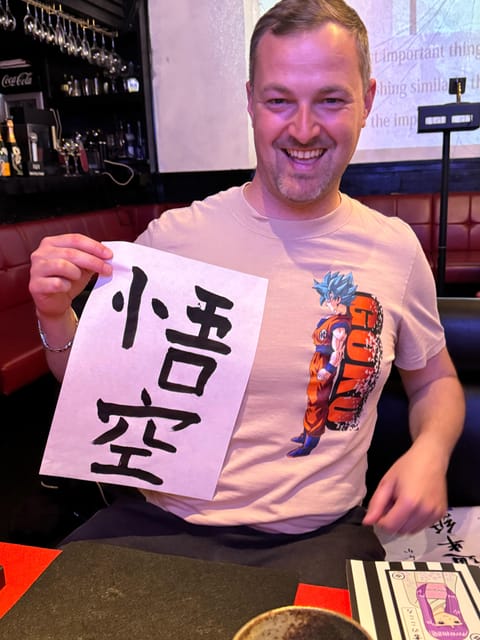
Provide all participant names in English when booking. This gives the studio time to prepare the possible animated name presentation and helps the instructors plan the kanji explanation.
If you want to write a particular word instead of your name, say so in advance or tell the instructor at the start. The name preparation is a special feature, but you are not limited to it.
Wear or bring something you do not mind keeping away from wet ink. The class provides tools, but you are working with ink and handmade pieces. Keep your final fan and scroll flat or protected when you leave.
Do not judge your work by the first practice sheet. The point of the session is to learn the stroke order and control needed for the final pieces. Ask for another attempt if you need one. The instructors are known for giving patient help rather than rushing you toward the finished fan.
Book this as part of a Roppongi museum day if you can. The National Art Center is nearby, making the workshop easy to pair with that area. It also works well on a holiday when many other businesses may be closed, provided you confirm the available start time.
Should You Book the Roppongi Calligraphy Workshop?
Book it if you want a calm, hands-on introduction to Japanese culture and like the idea of taking home work you made yourself. The patient English instruction, personal name presentation, generous souvenirs, and choice of drink give the $53 price real substance.
Skip it if your schedule has no room for a session that may run beyond 80 minutes, or if you want polished calligraphy without practicing. For everyone else, this is a thoughtful way to spend part of a Tokyo afternoon, especially when you want a souvenir with a story behind it rather than another store-bought trinket.
FAQ
Where is the calligraphy workshop located?
Shodo Cafe 7557 is on the second floor of the Crest Roppongi Building at 7-9-3 Roppongi, Minato-ku, Tokyo, near the National Art Center Tokyo.
How do I reach the studio from Roppongi Station?
Use Exit 7 of Roppongi Station on the Toei Oedo Line. Cross toward Family Mart, turn right, and walk toward the National Art Center along Bijutsukan Dori. The building has a large crane sign on the left.
How long does the activity last?
The advertised duration is 80 minutes. The activity may last from 60 minutes to two hours, depending on the session.
Is instruction available in English?
Yes. The workshop includes English instruction and guidance from the instructors.
What can I write during the class?
You can write a favorite kanji character or a translated version of your name. You can also request another meaningful word.
What drinks are included?
You can choose matcha latte, green tea, coffee, soda, or beer. Additional drinks and food are not included.
What souvenirs do I take home?
The activity includes your calligraphy fan and hanging scroll, a personalized hiragana hanko stamp, a kanji tote bag, keychain, coaster, and pouch.
Just added in Tokyo
- The 10 Tastings of Tokyo With Locals: Private Street Food Tour★ 5.0 · 48 reviews
- Small Town in the Big City: Tasting Tokyo’s Kichijoji★ 5.0 · 195 reviews
- Small Town in the Big City: Tasting Tokyo’s Kichijoji★ 5.0 · 16 reviews
- EXCLUSIVE Tokyo Secret: Kichijoji Small-Group Food & Bar Hopping★ 5.0 · 29 reviews
- Explore Kichijoji: Walk Through One of Tokyo’s Beloved Districts★ 5.0 · 21 reviews
- :Tokyo,Shibuya/ Pro Photography in Kimono / English-Friendly★ 5.0 · 26 reviews
- 【R34】Tokyo:Private Daikoku tour in Modified R34★ 4.9 · 92 reviews
- Tokyo:Calligraphy &Make your original folding fan in Asakusa★ 5.0 · 62 reviews
Calligraphy & Craft Workshops, compared.
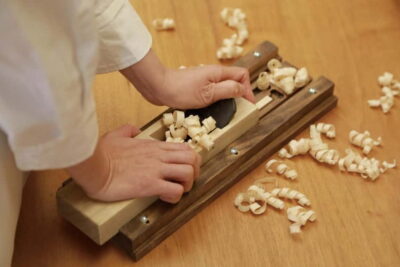
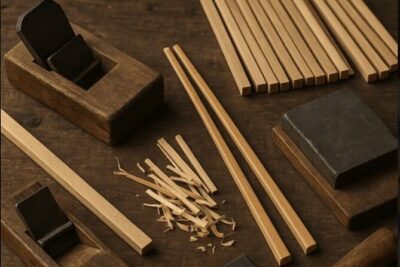
Chopsticks Making Workshop in Gion with Engraving Option
Read our review →

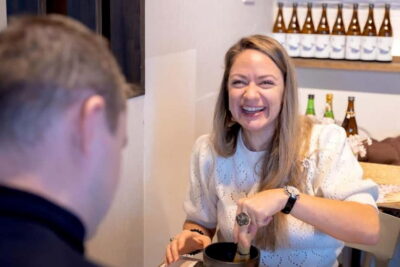
Matcha Making Experience with Mochi Sweets in Asakusa
Read our review →
Authentic knife making experience at a blacksmith in Kyoto
Read our review →
Calligraphy class at Buddhist temple in city center
Read our review →
Browse the lists this tour appears in