
Reviewed · IMPERIAL PALACE & HISTORIC SITES
Tokyo: Edo Castle & East Garden of the Imperial Palace Tour
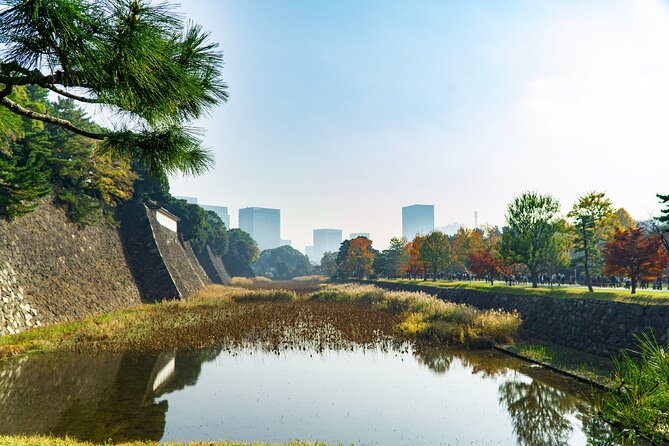
Tokyo’s Imperial Palace East Gardens give you a rare chance to walk across the former grounds of Edo Castle, where shoguns ruled Japan. The palace itself stays closed, but old castle walls, foundations, gates, and carefully kept gardens make the site far more than a simple city park.
I like the tour’s slow two-hour pace and the way guides use photos, stories, and cultural details to make vanished buildings easier to picture. I also like the practical help some guides offer after the walk, from taking family photos to guiding people toward the subway. The main drawback is clear: at $42, you are paying for the guide, not admission, and you will not enter the Imperial Palace.
Key points to know
- Former Edo Castle grounds: Walk through the center of Japan’s shogun-era power, with surviving stone walls, foundations, and gates.
- English-speaking guides: Guides including Hitoshi, Naoko, Shigeru, Masahito, Mikio, and Ayako have been praised for clear explanations and patient pacing.
- Two-hour walking route: The tour covers the East Gardens at an unhurried pace, with time for photographs and questions.
- Koi and garden details: Look for the unusual koi fish, ponds, trees, seasonal flowers, and small features that are easy to pass without a guide.
- Important restriction: The tour does not enter the Inner Palace, and the East Gardens are closed on Mondays and Fridays.
- Meeting point: Meet in front of the fountain at Wadakura Fountain Park, where the guide holds a sign saying Gotcha.
Why Edo Castle matters in the middle of modern Tokyo
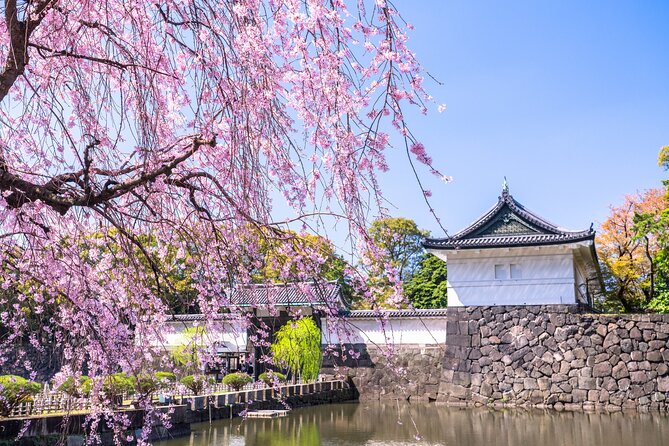
Tokyo can feel like a city of glass towers, rail lines, and packed shopping streets. Then you reach the Imperial Palace grounds and the pace changes. Broad paths, trees, water, stonework, and open lawns replace the hard edges of central Tokyo.
The East Gardens occupy the main grounds of Edo Castle. During the shogun era, this was the seat of political power in Japan. The emperor now lives within the wider Imperial Palace complex, but the East Gardens let you focus on the older story of shoguns, daimios, military government, and castle life.
You will not see a complete castle rising above the trees. Much of Edo Castle disappeared, and that can disappoint anyone expecting a Japanese fortress with tall wooden buildings. Instead, the tour helps you read what remains: foundations, walls, entrances, raised ground, and the shape of a site that once controlled the country.
That is where an English-speaking guide earns the $42 fee. Without help, you can admire the gardens and stonework, but it is harder to understand which patch of grass was once a major building or why a particular wall mattered. Guides bring printed pictures and diagrams on some tours, making the vanished castle easier to imagine.
Other historic grounds in Tokyo:
- Tokyo: Imperial Palace and Shogun Historical Walking Tour
★ 5.0 · 2,251 reviews - Tokyo: Imperial Palace Japanese History Walking Tour
★ 4.9 · 987 reviews - Tokyo: Imperial Palace and Shogun Walking Tour
★ 4.9 · 935 reviews
Meeting at Wadakura Fountain Park
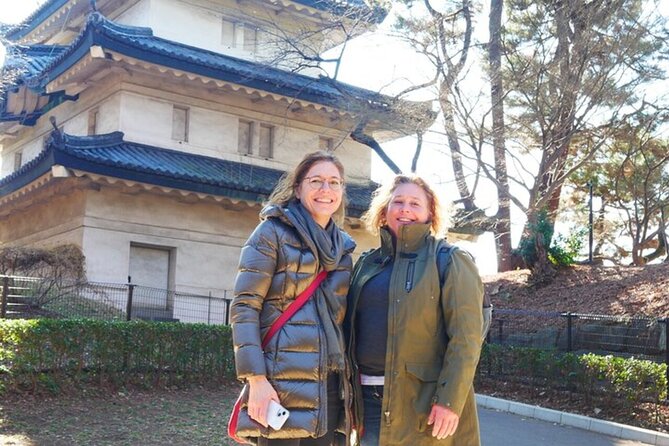
Your starting point is in front of the fountain at Wadakura Fountain Park. The guide holds a sign marked Gotcha, which makes the meeting spot easier to identify than a vague instruction to wait near the palace.
Take the meeting point seriously. The Imperial Palace grounds are large, and the right entrance is not always obvious if you arrive from a different station or approach. Give yourself enough time to find Wadakura Fountain Park without rushing.
The tour returns to the same fountain after about two hours. That simple out-and-back plan helps if you have a restaurant booking, museum visit, or afternoon activity nearby. Some guides also help with onward travel. Hitoshi and other guides have walked with guests toward a subway station or helped them find the correct platform after the tour.
Inside the East Gardens, where the ruins tell the story
Once inside, expect a guided walk rather than a formal palace visit. You move through the East Gardens, stopping at places connected with Edo Castle and hearing how the site changed from shogun headquarters to imperial grounds.
The most useful part of the route is the connection between visible remains and the past. A stone wall can look like a wall anywhere in Japan until you learn what it protected, how castle compounds were arranged, and which leaders used the grounds. Guides such as Shigeru, Masahito, Mikio, and Mr. Hirashima have been praised for explaining the site in clear English and linking it to wider Japanese culture.
The garden itself deserves attention. The appeal is not only the old stones. You will see ponds, trees, flowers, paths, and carefully arranged views. Guides point out features you might miss if you treat the East Gardens as a quick shortcut between city sights.
The koi are one of the tour’s more unusual details. The description highlights a one-of-a-kind magical breed of koi, so keep an eye on the ponds rather than rushing past them. The fish add a lighter moment to a tour that otherwise deals with political power, warlords, emperors, and castle defenses.
The garden is especially pleasant for anyone who wants a break from Tokyo’s dense streets. You get nature without leaving the city center, and the route gives you a reason to slow down. In spring, a guide may also point out nearby cherry blossoms. Masahito took one group to see blossoms in an adjacent park, though that should be viewed as a kind gesture rather than a guaranteed part of every tour.
What the guide adds to the castle ruins
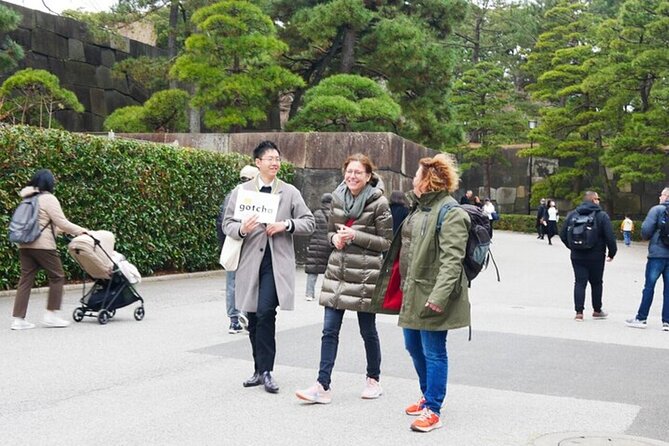
This tour succeeds or fails largely on the guide. The site is attractive on its own, but the meaning comes from the explanations.
Hitoshi has received repeated praise for his broad knowledge of Japanese history, clear English, patience, and care with different walking speeds. Naoko has been especially appreciated for using pictures and visual explanations, answering questions, and keeping senior groups comfortable. Shigeru is known for giving a short overview of Japanese history before entering the gardens, then adding stories about plants, culture, and the imperial family.
Other named guides include Masahito, Mikio, Ayako, Mr. Hirashima, Hiroshi, Yoshikawa, Motonori, Miho, Mari, and Yuyu. The tone varies from guide to guide, but the common strength is personal explanation rather than a memorized list of dates.
That matters for families. One guide made the subject accessible for a nine-year-old by mixing basic facts with stories and visual material. Children may not care about a long lecture on castle administration, but they can follow tales of shoguns, ninjas, architecture, and palace life when the guide keeps the walk moving.
It also matters for older visitors. The route is described as leisurely, and guides have adjusted their pace for senior groups. One guide took special care of a guest using a wheelchair. Still, you should discuss mobility needs when booking, because the supplied information does not promise a fully accessible route or specific facilities.
Other castles reached from Tokyo:
- Tokyo Castle & Imperial PalaceーShogun Walking Tour
★ 4.7 · 1,068 reviews - Tokyo Castle & Imperial PalaceーShogun Walking Tour
★ 5.0 · 724 reviews - Imperial Palace East Garden and Edo Castle Walking Tour in Tokyo
★ 5.0 · 510 reviews - Tokyo Castle, Imperial Palace, Shogun & Garden Walking Tour
★ 5.0 · 211 reviews
The parts you will not see
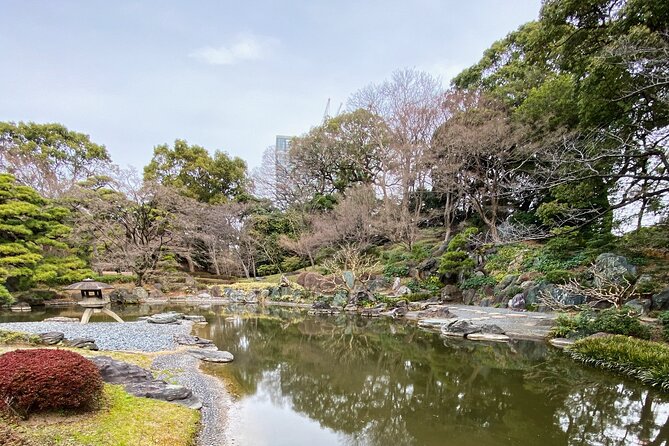
The name can create the wrong expectation. This is not a tour of the emperor’s private residence, and you cannot enter the Inner Palace. The walk takes place in the East Gardens, which are on former Edo Castle grounds.
That limitation is not a flaw if you want Edo-era remains and garden scenery. It is a serious consideration if your main goal is to see imperial rooms or go inside the working palace. The Inner Palace is not open to the public on this activity.
You should also expect a baggage inspection when entering the Imperial Palace grounds. If you have bought Japanese knives or another object that could be treated as a weapon at Tsukiji, Asakusa, or elsewhere, leave it in a coin locker or similar storage before meeting the guide.
The gardens are closed on Mondays and Fridays. Check the day carefully before booking, since a two-hour activity can look flexible on a Tokyo schedule but has limited operating days here.
Is $42 a fair price for two hours?
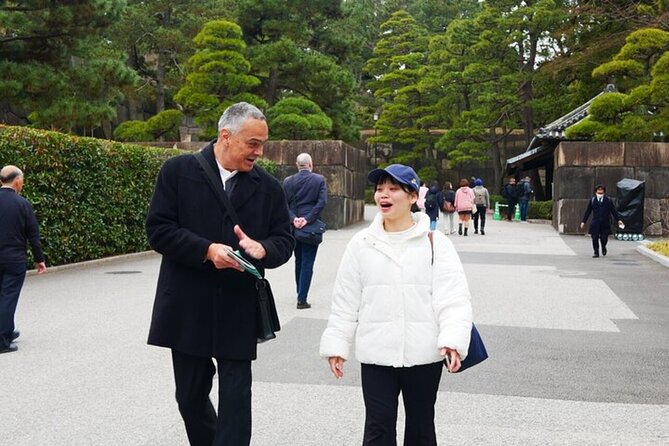
The East Gardens themselves are free to enter, so the price needs a clear explanation. You are paying for an English-speaking guide, the planned route, translation of the site’s history, visual aids, questions, and help with the practical side of visiting.
If you already know Edo history and enjoy reading signs at your own pace, you may find $42 high for a garden walk. One recent assessment made exactly that point, noting that the same money can cover a much longer day trip to Nikko or Mount Fuji.
I see the value differently for a first visit. The East Gardens are easy to admire but harder to interpret. A guide can show you where the important buildings once stood, explain the difference between shogun and emperor, identify garden features, and place the castle within Japan’s wider story. The two-hour length also keeps the cost and time commitment below a full-day excursion.
This is best treated as a focused introduction, not a full Tokyo sightseeing day. If you have only one morning free and want a guided look at central Tokyo’s political past, the price is reasonable. If you are building a low-cost itinerary around free sights, visit independently and spend the money elsewhere.
Free cancellation up to 24 hours before the start and the option to reserve now and pay later make the booking less rigid. Those policies are useful in Tokyo, where weather and transport can affect a tightly planned day.
Pace, weather, and what to bring
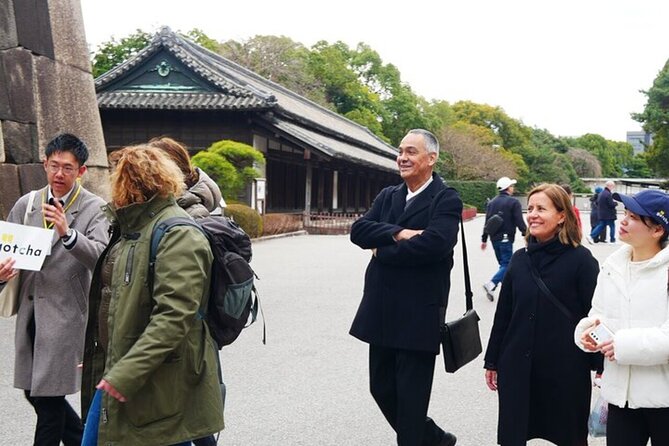
The walk is described as slow and relaxed, but it remains a walking tour. Wear shoes you can use comfortably for two hours, and bring water in warm weather. The gardens offer open areas, so sun and rain can affect your comfort.
Rain does not automatically ruin the tour. A group still enjoyed the visit on a wet day because the guide kept the history clear and the route moving. Even so, poor weather may reduce the pleasure of the garden views and make stone paths or outdoor stops less comfortable.
The route suits people who like to pause for photographs and questions. It is less suited to anyone who wants a fast checklist of Tokyo sights. Guides have taken photographs for visitors, helped groups find good spots, and made occasional stops so people could catch their breath.
English is the listed tour language. The guides named above have been praised for speaking clearly, but individual style will differ. You can expect a live guide, not an audio device or self-guided booklet.
Who should book this walk?
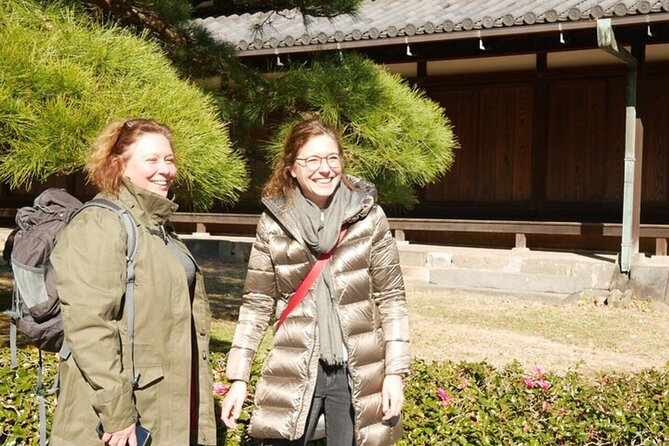
I would choose this tour for a first-time Tokyo visitor who wants context before visiting other Japanese castles, gardens, or museums. It also works well for families, older adults who prefer a gentle pace, and anyone curious about how shogun rule shaped Japan.
The tour is a good fit if you enjoy:
- Stories tied to real places
- Gardens with historical meaning
- A small amount of walking at an unhurried pace
- Asking questions in English
- Help with photographs or onward subway directions
I would hesitate if you need to enter the Imperial Palace, see intact castle buildings, or keep every yen focused on admission-free sights. I would also avoid booking Monday or Friday, since the East Gardens are closed then.
Final verdict: a useful two-hour introduction
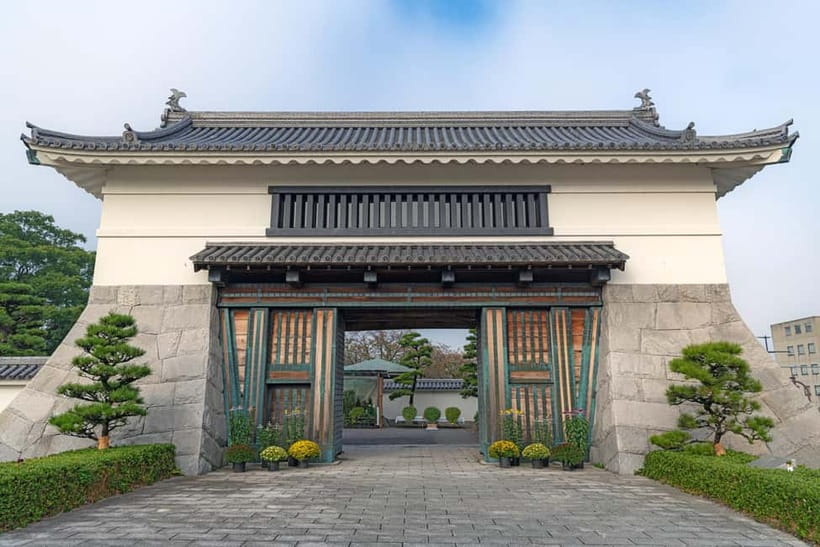
The East Gardens are free, but the right guide changes what you get from them. At their best, guides such as Hitoshi, Naoko, Shigeru, Masahito, and Mikio turn scattered stonework and garden paths into a readable account of shoguns, emperors, castle life, and Japanese customs.
Book it if you want a calm, well-explained walk through an important Tokyo site and accept that the Inner Palace is off limits. Skip it if you prefer independent sightseeing or want a longer excursion for the same price. For many first visits, the focused two-hour format is the point: enough history to give Tokyo a past, without taking a whole day away from the rest of the city.
FAQ
Where does the tour meet?
Meet your guide in front of the fountain at Wadakura Fountain Park. The guide holds a sign that says Gotcha.
How long does the tour last?
The guided walk lasts two hours and returns to Wadakura Fountain Park.
Does the tour enter the Imperial Palace?
No. The tour visits the East Gardens, which occupy the former grounds of Edo Castle. It does not enter the Inner Palace.
Which days are the East Gardens closed?
The East Gardens are closed on Mondays and Fridays.
Is the tour conducted in English?
Yes. The listed tour language is English, and the activity includes a live English-speaking guide.
What happens to baggage at the entrance?
Visitors are subject to a baggage inspection when entering the Imperial Palace grounds. If you have bought Japanese knives or similar items that could be used as weapons, place them in a coin locker or similar storage before the meeting.
More gardens in Tokyo
- Tokyo: Imperial Palace East Gardens Walking Tour
★ 4.8 · 353 reviews - Tokyo: Tsukiji Market and Hama-rikyu Gardens Guided Tour
★ 4.8 · 73 reviews - Tokyo: Pvt. Tour – Edo Castle & Imperial Palace East Gardens
★ 4.8 · 63 reviews - Tokyo: Kimono Rental inside Shinjuku Gyoen National Garden
★ 4.9 · 39 reviews
Just added in Tokyo
- The 10 Tastings of Tokyo With Locals: Private Street Food Tour★ 5.0 · 48 reviews
- Small Town in the Big City: Tasting Tokyo’s Kichijoji★ 5.0 · 195 reviews
- Small Town in the Big City: Tasting Tokyo’s Kichijoji★ 5.0 · 16 reviews
- EXCLUSIVE Tokyo Secret: Kichijoji Small-Group Food & Bar Hopping★ 5.0 · 29 reviews
- Explore Kichijoji: Walk Through One of Tokyo’s Beloved Districts★ 5.0 · 21 reviews
- :Tokyo,Shibuya/ Pro Photography in Kimono / English-Friendly★ 5.0 · 26 reviews
- 【R34】Tokyo:Private Daikoku tour in Modified R34★ 4.9 · 92 reviews
- Tokyo:Calligraphy &Make your original folding fan in Asakusa★ 5.0 · 62 reviews
Imperial Palace & Historic Sites, compared.
Imperial Palace and Shogun Historical Walking Tour
Read our review →
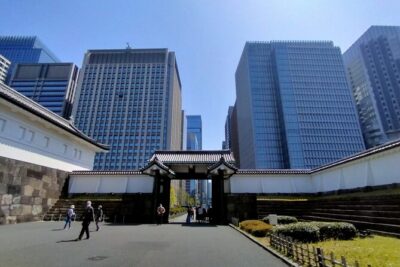
Imperial Palace East Garden and Edo Castle Walking Tour in Tokyo
Read our review →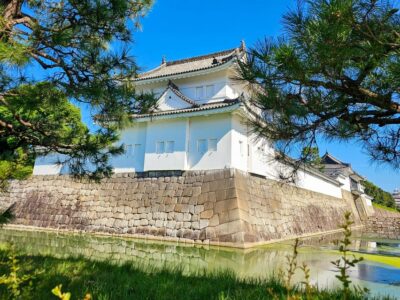
Imperial Palace & Nijo Castle Guided Walking Tour
Read our review →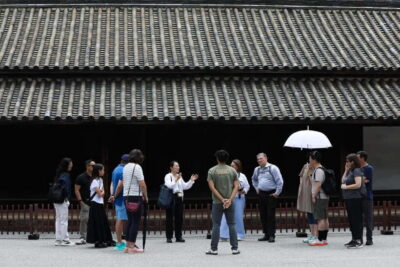
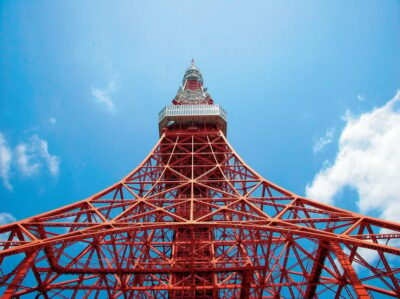
Imperial Palace, Sensō-ji Temple, & Tokyo Tower Tour
Read our review →
Tokyo Castle, Imperial Palace, Shogun & Garden Walking Tour
Read our review →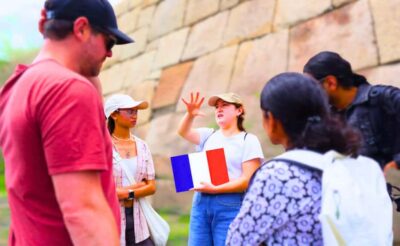
Imperial Palace, the history of Japan (ENGLISH GUIDE)
Read our review →Browse the lists this tour appears in