

Reviewed · TSUKIJI & TOYOSU FISH MARKET TOURS
Tokyo: Tsukiji Market and Hama-rikyu Gardens Guided Tour
Tokyo’s old food district and one of its finest Edo-era gardens make a smart pairing. At Tsukiji Outer Market, you can move from grilled scallops and tamagoyaki to sushi, wagyu skewers, and matcha sweets, then trade the market’s narrow lanes for the quiet ponds and trees of Hama-rikyu Gardens.
I like the small-scale food experience, where you choose what to taste instead of paying for a fixed meal. I also like the useful cultural contrast: Tsukiji Hongwanji Temple, the market, and Hama-rikyu each show a different side of Tokyo. The main drawback is that food is not included, and the walking can be tiring, especially in heat or crowded market lanes.
Key points to know
- Tsukiji offers an enormous range of food: The market handles about 480 types of seafood and 270 types of produce.
- The temple makes a calm opening stop: Tsukiji Hongwanji is known for unusual architecture and a peaceful atmosphere.
- You pay only for the snacks you choose: Market food is extra, so your final cost depends on your appetite.
- Hama-rikyu changes with the seasons: Flowers are a major part of the visit, but what is in bloom depends on when you go.
- The tour finishes at the garden: You are not returned to the meeting point, so plan your next stop from Hama-rikyu.
- The route takes real walking: Comfortable shoes and water are practical necessities.
Starting at Tsukiji Hongwanji Temple
Meet your guide in front of the Starbucks near Tsukiji Station. From there, the group begins at Tsukiji Hongwanji Temple, a short guided stop of about 15 minutes.
This is a good way to begin. You get a quiet moment before entering the market, and the temple gives the tour a cultural frame instead of making it only a food crawl. Its architecture is distinctive, and the setting offers time for reflection in an otherwise busy part of Tokyo.
You should keep your expectations in proportion. Fifteen minutes is enough to see the exterior, learn the basic story, and enjoy the atmosphere. It is not a full temple study. If you want long time for photographs or detailed religious discussion, this stop may feel brief.
Still, I like its place in the route. You first encounter Tokyo as a spiritual and historic city, then move into its food trade. That shift helps explain why this tour works better than a simple walk through market stalls.
Other market mornings in Tokyo:
- Tokyo Tsukiji Fish Market Food and Culture Walking Tour
★ 5.0 · 3,184 reviews - Tokyo: Tsukiji Fish Market Food and Walking tour
★ 5.0 · 1,724 reviews - Tokyo: Tsukiji Fish Market Guided Walking Tour
★ 4.9 · 1,397 reviews
Eating your way through Tsukiji Outer Market
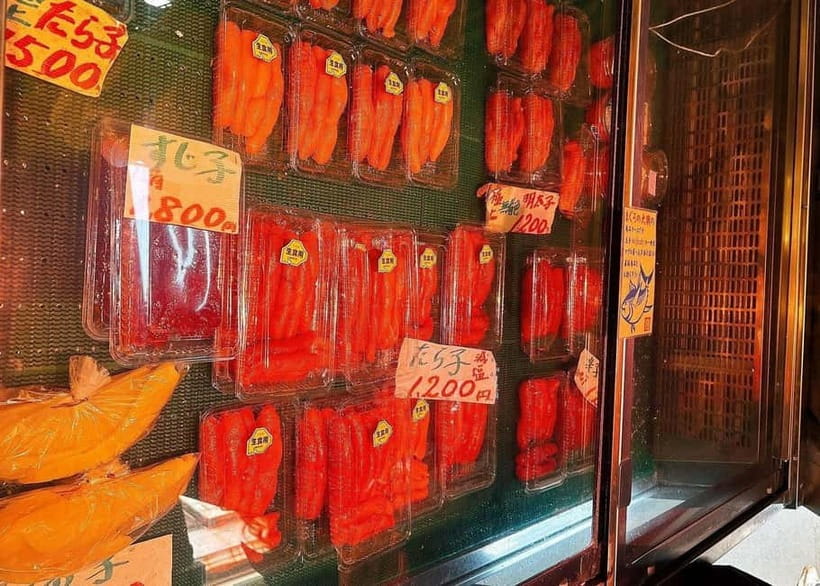
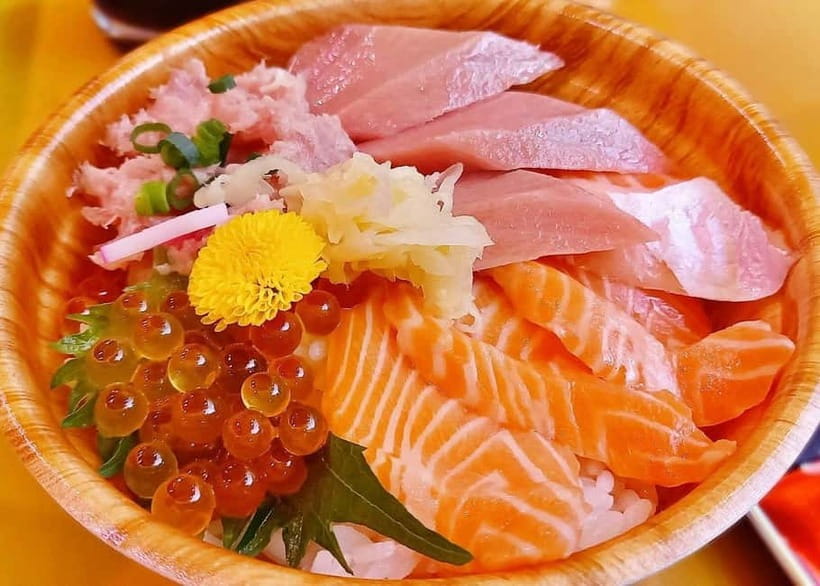
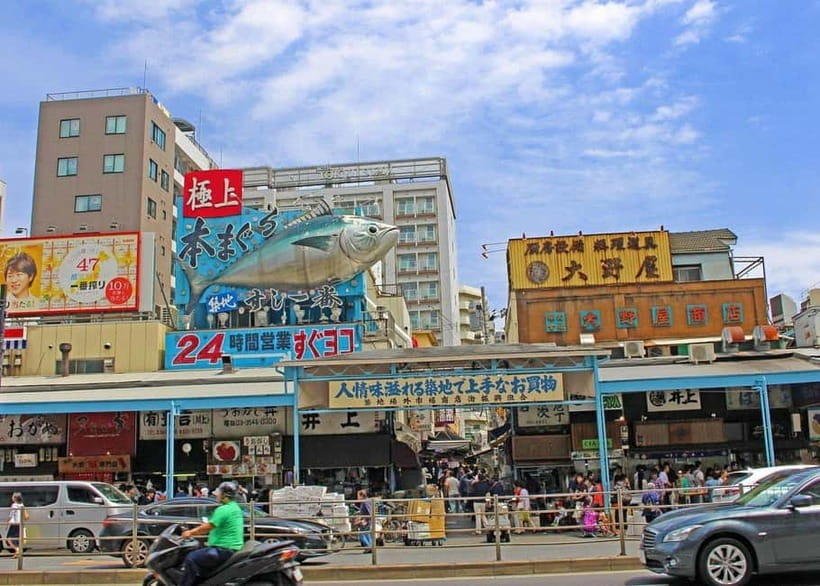
The main market visit lasts about 45 minutes, with time for a guided walk, shopping, and free exploration. You will move through narrow passages lined with vendors and food counters. The market’s stated range is striking: roughly 480 seafood types and 270 produce types pass through this food center.
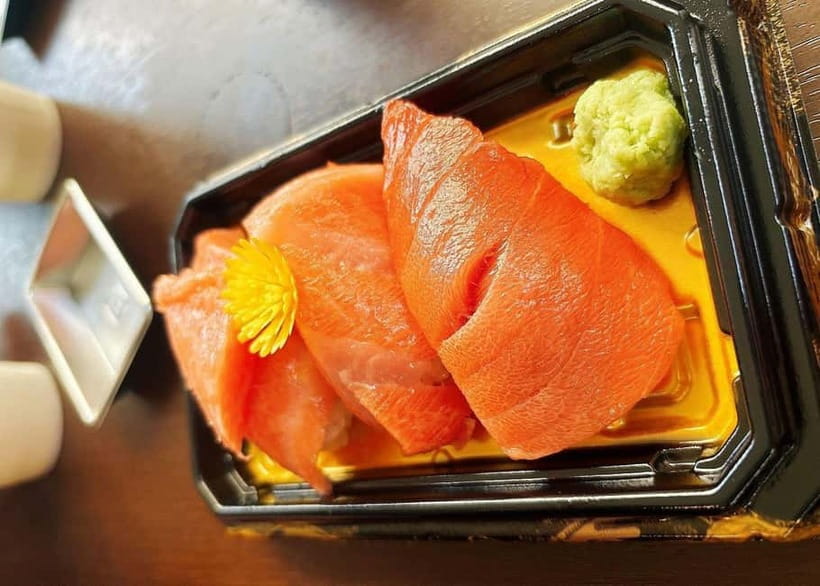
You are not expected to eat everything. In fact, the best approach is to choose one or two items that catch your eye, then leave room for something else. Grilled scallops, tamagoyaki, sushi, wagyu skewers, and matcha sweets are among the foods described for this experience.
Tamagoyaki, a softly layered Japanese omelette, is an easy first taste if you prefer something familiar. Seafood fans may want to try a grilled scallop or sushi. Wagyu skewers offer a meat option, while matcha sweets provide a small dessert without turning the walk into a formal meal.
Food purchases are not included in the $31 price. This is both a drawback and an advantage. You do not pay for dishes you do not want, and you can control your spending. On the other hand, $31 is not your full cost if you plan to sample several foods.
The guide can explain the market’s background and help you understand what you are seeing. That matters because a food market can otherwise become a blur of signs, smells, and queues. A guided walk gives you context, though the available languages depend on the departure: English, Chinese, French, Korean, and Spanish are offered.
The 45-minute market block is useful but not generous. If you are a serious shopper or want to stop at many stalls, you may wish you had longer. You should also expect the group to keep moving, since the lanes are narrow and the tour has a garden visit still ahead.
The 15-minute walk to Hama-rikyu
After Tsukiji, the group walks for about 15 minutes to Hama-rikyu Gardens. This transfer is simple, but it is worth planning for. You need comfortable shoes, and water is a sensible addition, particularly during Tokyo’s warmer months.
There is no transport included because this is a walking tour. That keeps the route straightforward and lets you see the connection between the market district and the garden. It also means this is not the best choice if you want a low-effort sightseeing outing.
The tour finishes at Hama-rikyu Gardens rather than bringing you back to Tsukiji. I consider that a useful arrangement if you want to continue sightseeing from the garden, but you should plan your next move before you arrive. The experience does not include transport to or from the attractions.
Hama-rikyu Gardens and Tokyo’s changing view
The garden visit takes about an hour, including guided time and free time. Hama-rikyu was created during the Edo period more than 370 years ago, giving you a carefully shaped historic garden in the middle of modern Tokyo.
Its appeal comes from contrast. You can look across quiet paths, ponds, trees, and seasonal flowers, then see Tokyo’s tall buildings beyond the garden. Few city experiences explain old and new Tokyo so neatly in one view.
The flowers depend on the season, so it is best not to arrive expecting one particular display. You may find colorful blooms during your visit, but the exact appearance will change through the year. The garden remains worthwhile for its design and calm setting even when a certain flower is not in full bloom.
You get both a guided portion and free time. That balance is important. The guide can explain the garden’s Edo-era design and point out features you might otherwise pass without noticing. Free time lets you slow down, take photographs, and enjoy the contrast at your own pace.
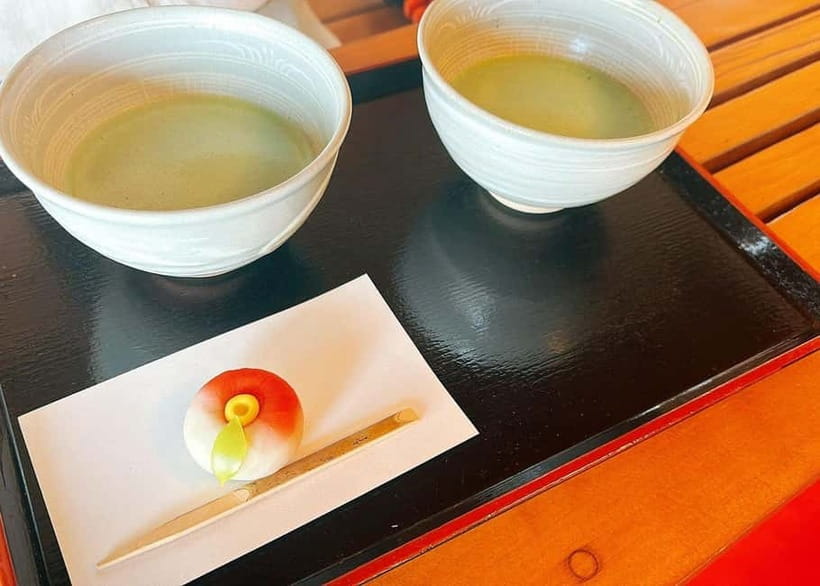
An optional matcha and wagashi tasting is available in the garden for about 1,000 yen, payable on site. This is not part of the tour price. If you have never tried a formal Japanese tea pairing, it can add a gentle cultural finish to the morning or afternoon. If you are watching your budget, skipping it does not reduce the main tour.
The tasting also includes a chance to learn about Japanese etiquette. Because it is optional, you can decide based on your interest, time, and appetite rather than feeling committed to another paid activity.
Other gardens to walk in Tokyo:
- Imperial Palace East Garden and Edo Castle Walking Tour in Tokyo
★ 5.0 · 510 reviews - Tokyo: Imperial Palace East Gardens Walking Tour
★ 4.8 · 353 reviews - Tokyo Castle, Imperial Palace, Shogun & Garden Walking Tour
★ 5.0 · 211 reviews - Tokyo: Edo Castle & East Garden of the Imperial Palace Tour
★ 4.7 · 112 reviews
How much value do you get for $31?
At $31 per person, the tour is priced reasonably for a guided three-stop walking route that includes admission to Hama-rikyu Gardens. The guide is included, and the garden entrance fee is covered. Market food, drinks, the optional tea tasting, and transport are extra.
The strongest value comes from combining several nearby experiences in one organized route. You get temple architecture, food culture, and a historic garden without arranging each stop yourself. For a first visit to the Tsukiji area, that structure can save time and help you make sense of the district.
The value is less clear if you already know Tsukiji well or prefer to browse markets alone. You could visit the outer market independently and choose your own timing. The tour earns its price through the guide’s explanations, the planned connection to Hama-rikyu, and the included garden admission.
Your final spending depends on how much you eat. A light snack keeps the total close to the advertised price, while several seafood items, sushi, meat, and sweets can quickly add to it. Bring some yen for stalls and for the optional 1,000-yen tea experience.
Timing, pace, and group comfort
The advertised duration ranges from 150 minutes to three hours, and the scheduled stops add up to roughly two hours and 15 minutes before any extra time at stalls or delays. Check the exact departure details when booking, since the total pace can vary.
This is a fairly active outing. The market requires walking through tight lanes, the transfer to the garden is on foot, and Hama-rikyu involves further movement across garden paths. You should wear comfortable shoes and carry water.
The experience is described as wheelchair accessible, but the same information also says it is not suitable for wheelchair users or people with mobility impairments. That is a clear conflict. If you use a wheelchair, have limited mobility, or need a slower route, contact the provider before booking and ask about the exact surface, access, and group pace.
Pregnant people are also listed as unsuitable for this activity. You should take that restriction seriously and choose a less demanding outing.
Smoking is not allowed. Bring a camera if you want photographs of the temple, market details, seasonal flowers, and the skyline beyond the garden.
Who will enjoy this Tokyo walk?
I would recommend this tour to first-time visitors who want a compact introduction to food, religion, and traditional garden design. It also suits people who enjoy trying small portions rather than sitting down for a full restaurant meal.
It is a good fit for curious eaters. You can sample familiar foods or take a chance on something new, and you are not locked into a set menu. The experience also works for photographers, especially those who like contrasts between crowded urban streets and carefully maintained green spaces.
Families may appreciate the variety, though younger children could tire during the walking sections. Anyone hoping for a long, relaxed market breakfast should consider visiting Tsukiji separately, since the guided market portion lasts about 45 minutes.
I would be more cautious about recommending it to visitors with limited time who need to return to the starting point. The tour ends at Hama-rikyu, and there is no included ride back. It is also not ideal for anyone who dislikes organized pacing or prefers to spend an hour at every stall.
How to make the most of the route
Arrive ready to walk and eat in small amounts. A light meal beforehand may help, but do not arrive so full that you cannot sample anything at Tsukiji.
Use the market time selectively. Choose one seafood item, one savory non-seafood option, or a sweet, rather than trying to cover the whole market. Ask your guide what fits the day’s route and what might be easiest to eat while walking or standing.
Keep your camera ready, but stay aware of other people in the narrow lanes. The market is a working food district, not only a sightseeing set. Move aside when possible and follow the guide’s directions around vendors.
Save some energy for Hama-rikyu. The garden is not merely the final box to check. Its quiet setting is the part of the tour that gives the food market context, and the Tokyo skyline view is best appreciated when you are no longer rushing from stall to stall.
If you want the matcha and wagashi tasting, bring about 1,000 yen in addition to your market budget. If not, use the garden’s free time for photographs and a slower walk.
Should you book this Tsukiji and Hama-rikyu tour?
Book it if you want a well-shaped introduction to this corner of Tokyo and like having a guide explain what you are seeing. The combination of Tsukiji’s food stalls, Tsukiji Hongwanji Temple, and Hama-rikyu Gardens gives you more range than a market-only visit, while the $31 price includes the garden admission.
Skip it if you want an unhurried food expedition, need guaranteed accessibility, or dislike paying for food separately. For most mobile visitors with a few hours to spare, though, this is a practical way to connect Tokyo’s everyday food culture with its older spiritual and garden traditions. Just wear good shoes, budget extra for snacks, and confirm the accessibility details before booking.
FAQ
Where does the tour begin?
You meet your guide in front of Starbucks Coffee Tsukiji Station. The visit then continues to Tsukiji Hongwanji Temple.
Where does the tour finish?
The tour finishes at Hama-rikyu Gardens. Transportation back to the meeting point is not included.
Is food included in the price?
No. Food from market stalls is optional and must be paid for on site. The tour price includes the Hama-rikyu Gardens admission and a local guide.
How much does the matcha and wagashi tasting cost?
The optional matcha and wagashi tasting costs about 1,000 yen. You pay on site, and you can choose whether to take part.
Which languages are available?
Live guides are available in English, Chinese, French, Korean, and Spanish.
How long does the experience take?
The stated duration is between 150 minutes and three hours. The planned route includes about 15 minutes at Tsukiji Hongwanji Temple, 45 minutes at Tsukiji Outer Market, a 15-minute walk, and about one hour at Hama-rikyu Gardens.
Just added in Tokyo
- The 10 Tastings of Tokyo With Locals: Private Street Food Tour★ 5.0 · 48 reviews
- Small Town in the Big City: Tasting Tokyo’s Kichijoji★ 5.0 · 195 reviews
- Small Town in the Big City: Tasting Tokyo’s Kichijoji★ 5.0 · 16 reviews
- EXCLUSIVE Tokyo Secret: Kichijoji Small-Group Food & Bar Hopping★ 5.0 · 29 reviews
- Explore Kichijoji: Walk Through One of Tokyo’s Beloved Districts★ 5.0 · 21 reviews
- :Tokyo,Shibuya/ Pro Photography in Kimono / English-Friendly★ 5.0 · 26 reviews
- 【R34】Tokyo:Private Daikoku tour in Modified R34★ 4.9 · 92 reviews
- Tokyo:Calligraphy &Make your original folding fan in Asakusa★ 5.0 · 62 reviews
Tsukiji & Toyosu Fish Market Tours, compared.
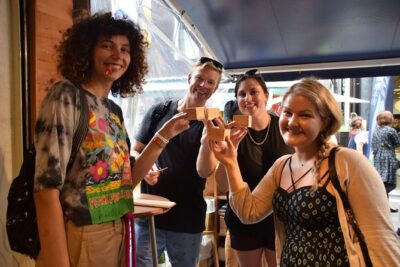
Tokyo Tsukiji Fish Market Food and Culture Walking Tour
Read our review →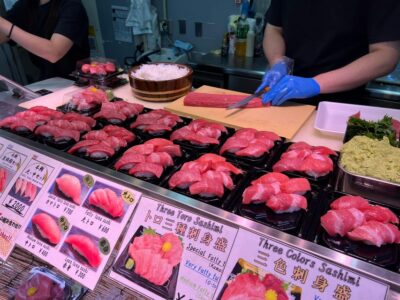
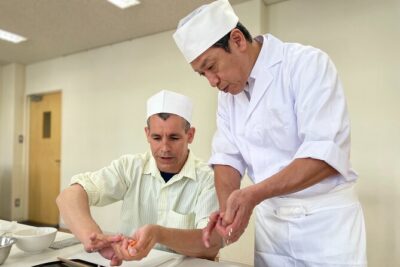
Tokyo Sushi Making Class in Tsukiji with Professional Chef
Read our review →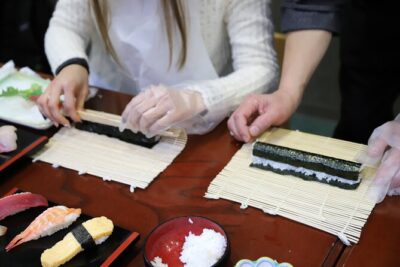
Tsukiji Fish Market Guided Tour and Sushi Making with Pro Chef
Read our review →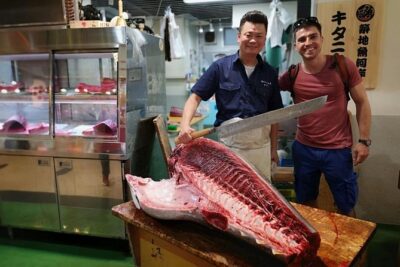
Tsukiji Fish Market Small-Group Food Walking Tour
Read our review →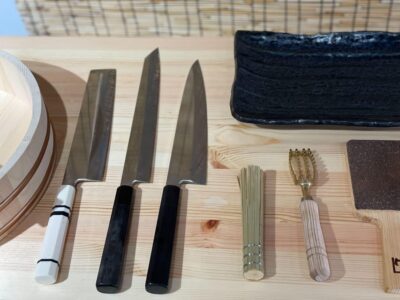
Tsukiji Fish Market Sushi Making Class with Pro Chef
Read our review →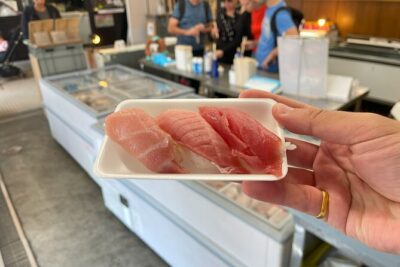
Tokyo Food Tour Taste Fresh Delights at Tsukiji Market
Read our review →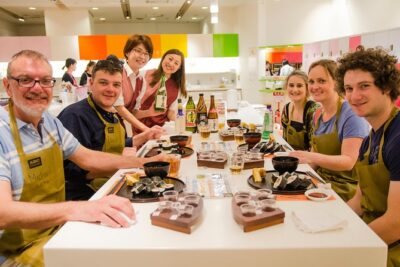
Tokyo Tsukiji Fish Market Tour and Sushi Making Lesson
Read our review →Browse the lists this tour appears in