
Reviewed · DESSERT TOURS
Tokyo: Hama-rikyu Gardens tour with Japanese Tea & Sweets
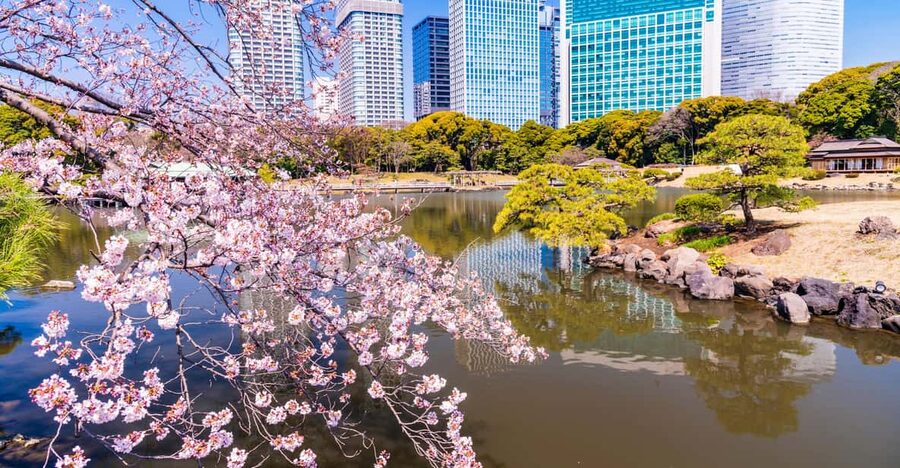
Hama-rikyu Gardens gives you a rare Tokyo combination: Edo-period garden design followed by matcha and Japanese sweets in a tea room. The garden’s dry garden and circular garden offer more than pretty views, since your guide explains why each space was shaped the way it was.
I especially like the small group limit of four and the way the experience joins history with a quiet food ritual. Guides such as Hiro, Ito, and Ayaku have been praised for warm, detailed explanations. The main drawback is time: 90 minutes goes quickly, so this suits a focused introduction rather than a slow, all-day garden visit.
Key points to know before booking
- Edo-period setting: Walk through one of Tokyo’s historic Japanese gardens and learn how its design developed.
- Two garden styles: See the Karesansui dry garden and Kaiyushiki circular garden with an explanation of their purpose.
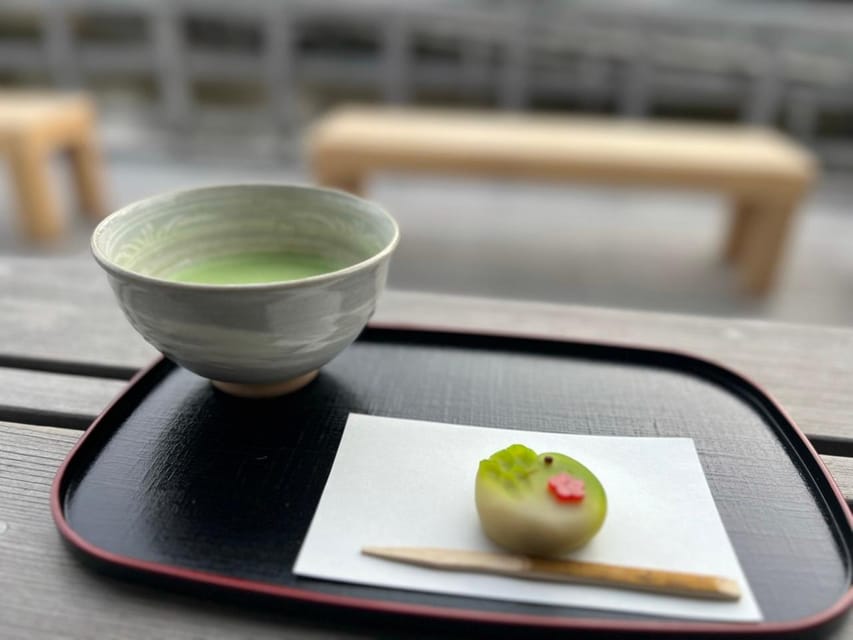
- Matcha and wagashi included: Your tour fee covers green tea and Japanese sweets in the garden tea room.
- Small group of four: The limited size allows a more personal conversation with your English-speaking guide.
- Short, well-shaped visit: The guided garden walk lasts about 30 minutes, followed by a one-hour tea experience.
- Comfortable shoes matter: You will be walking through the garden, so leave stiff or unreliable footwear at the hotel.
Why Hama-rikyu works so well for a short Tokyo outing
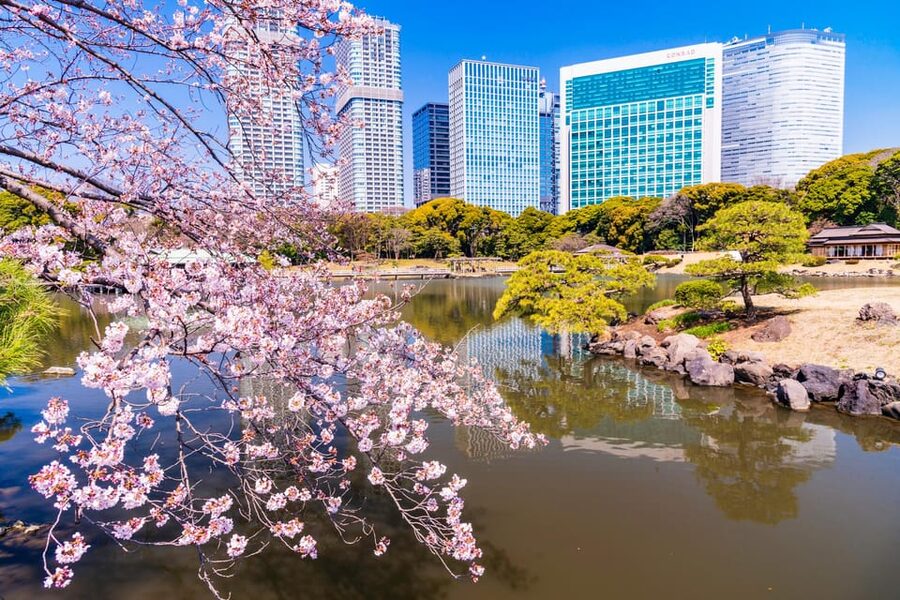
Tokyo can make it hard to find a calm experience that does not require losing half a day. Hama-rikyu Gardens offers a useful middle ground. You get a historic setting, an English explanation, time outdoors, and a tea experience, all within 90 minutes.
The garden began in the Edo period, when Tokyo was known as Edo. That date matters because Japanese gardens are not simply planted parks. Their paths, ponds, stones, trees, and viewing points are arranged to guide your eye and shape your movement.
Without a guide, you can still enjoy the scenery. With one, you have a better chance of understanding what you are seeing. Your guide explains the background of the garden and points out details in its design, helping you notice the difference between a garden made for a passing walk and one planned as a sequence of views.
I like that the experience does not treat tea as a separate add-on. The garden walk prepares you for the tea room, while the matcha gives you time to sit, look back at the scenery, and experience a small part of Japanese cultural life.
Other gardens to walk in Tokyo:
- Imperial Palace East Garden and Edo Castle Walking Tour in Tokyo
★ 5.0 · 510 reviews - Tokyo: Imperial Palace East Gardens Walking Tour
★ 4.8 · 353 reviews - Tokyo Castle, Imperial Palace, Shogun & Garden Walking Tour
★ 5.0 · 211 reviews
Entering through Otemon Bridge
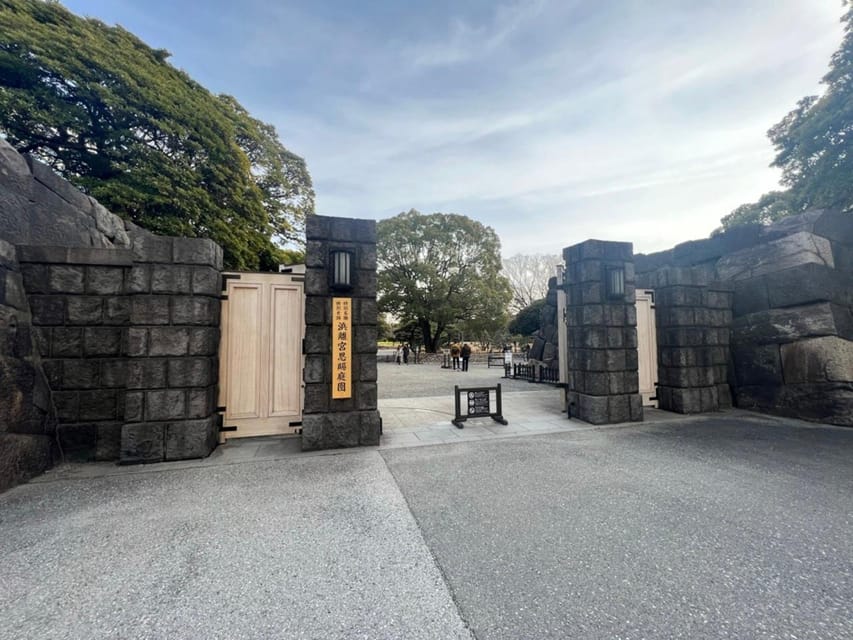
The meeting point is at Otemon Bridge, depending on the option you book. This is a practical start because it places you at one of the garden’s named entrances rather than asking you to wander around Tokyo looking for an indoor business or hotel lobby.
Check your booking carefully for the exact meeting instructions. The activity also lists Shiodome Station as a possible drop-off point, so the route can fit neatly into a day around the Shiodome area. Since the meeting point may vary by booking option, do not rely on a general map pin alone.
Wear comfortable walking shoes. That advice is not decorative. You will be moving through the garden before sitting down for tea, and the tour is built around looking at several parts of the grounds rather than standing in one spot.
The 30-minute walk through Edo garden design
The guided portion lasts about 30 minutes. That is enough time for a clear introduction, but not enough for an unhurried exploration of every corner. I would think of it as a guided highlight walk, not a full garden study.
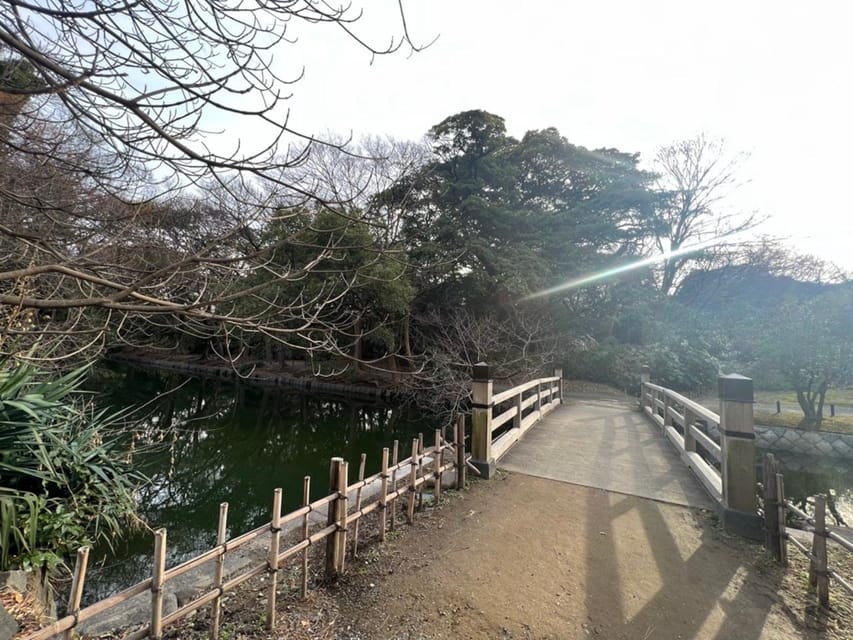
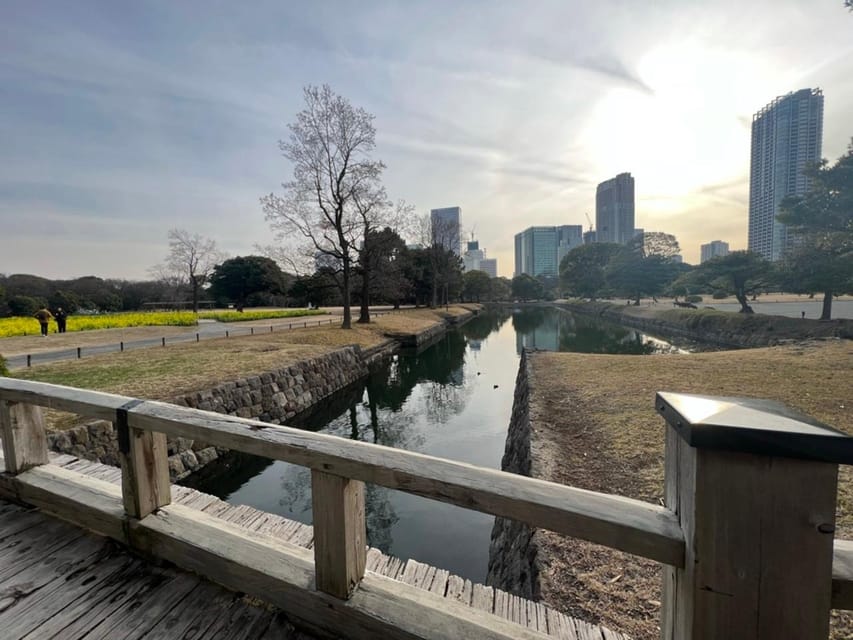
The two main design ideas named for the tour are Karesansui and Kaiyushiki. Karesansui is a dry garden, where stones, gravel, and carefully placed forms suggest natural scenes without relying on a flowing stream or pond. Kaiyushiki is a circular garden style designed to reveal changing views as you move along its paths.
Those terms can sound abstract in a guidebook. They become easier to grasp when someone points out how your view changes from one position to the next. A good explanation helps you understand that the garden is not meant to be seen as one flat picture. You are meant to move, pause, and notice new relationships between plants, trees, water, stones, and open space.
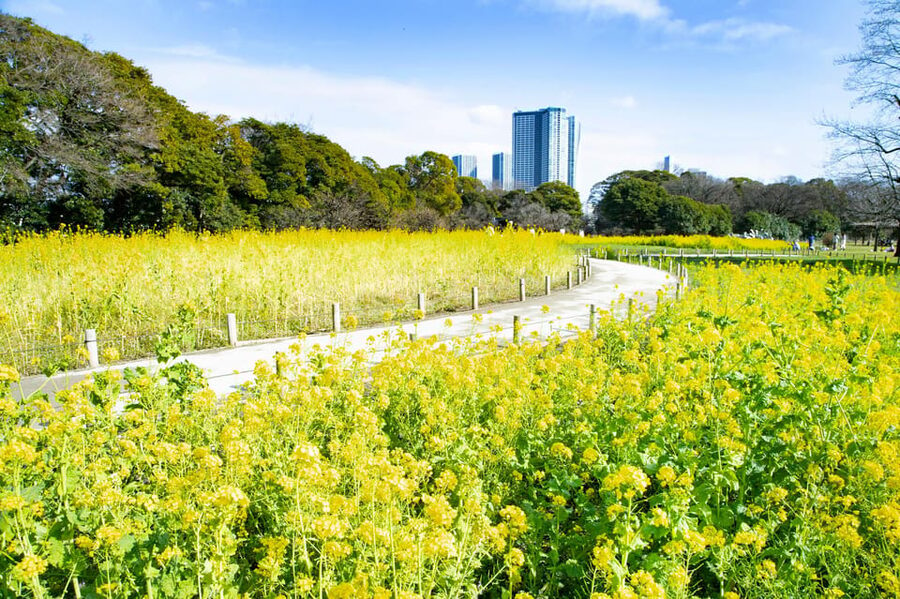
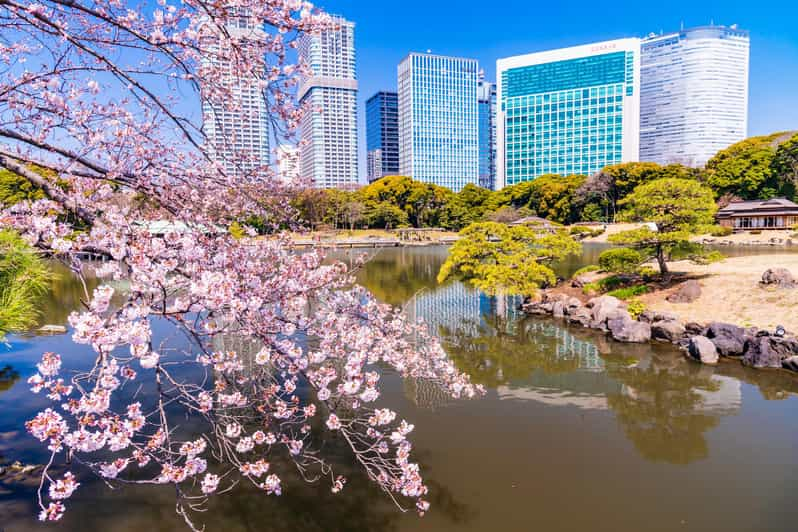
Your guide also discusses how the garden’s appearance changes with the seasons. This is one reason the experience has appeal beyond a single visit. The same paths can feel different depending on what is flowering, what has turned color, and which trees are at their best.
If flowers are important to you, keep the season in mind. One Canadian participant specifically hoped to return in spring to see the blooms. That does not mean other seasons are poor choices, only that spring may be especially appealing if your priority is flowers.
Why the guide matters here
A garden tour can easily become a list of names and dates. The best version gives you a way to look. This experience is designed around an English-speaking live guide, and the small group limit of four should make it easier to ask questions or pause when something catches your attention.
The guides connected with this experience include Hiro, Ito, and Ayaku. The feedback about them points to different strengths: Hiro was praised for taking people to several interesting places, Ito for clear explanations about Japanese history, and Ayaku for her friendly, enthusiastic manner.
You should not expect every tour to have the same guide, since the guide is assigned rather than selected by you. Still, the small format is useful. Four people is a much better setup for a garden explanation than a large group spread along a path.
The guide also adds value for first-time visitors to Japan. You may recognize matcha, Japanese sweets, or the basic idea of a formal garden, but the tour links those pieces to their cultural setting. That connection is the real point. You are not only taking photographs. You are learning why the place looks and feels the way it does.
A few more things to do in Tokyo worth a look
- Matcha Making Class in Tokyo with Authentic Japanese Sweets Set
★ 5.0 · 744 reviews - Tokyo: Matcha Making Experience with Mochi Sweets in Asakusa
★ 4.9 · 388 reviews - Japanese Traditional Sweets making and Tea Ceremony
★ 4.7 · 50 reviews - Tokyo: Two Types of Japanese Sweets Making and Tea Ceremony
★ 4.6 · 26 reviews
The tea room and one hour with matcha
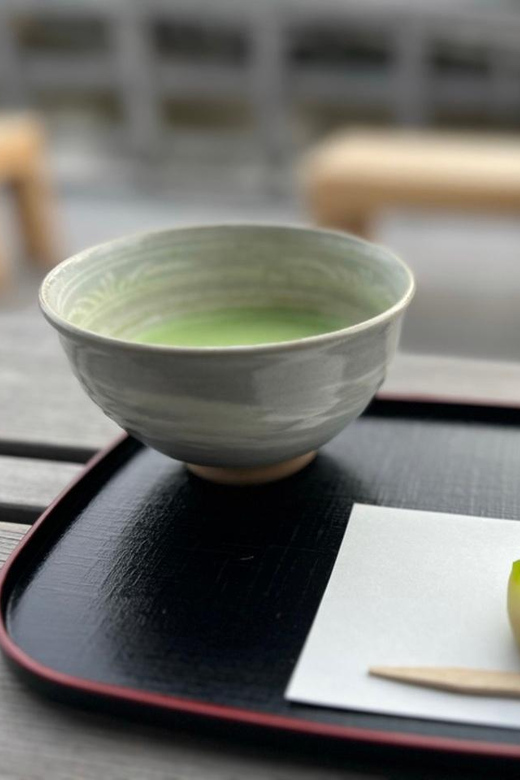
After the garden walk, you spend about one hour in the tea ceremony room. Matcha green tea and Japanese sweets are included in the $85 price, so you are not paying for the tour and then discovering an extra charge for the main cultural activity.
The tea portion is longer than the garden walk. That tells you where the experience places its emphasis. You are getting a short, guided look at the grounds followed by a more relaxed period with tea and wagashi, the traditional Japanese sweets served with it.
Matcha has a strong, grassy flavor that may be unfamiliar if you normally drink sweetened tea. The wagashi provides a contrasting taste and texture. The pairing is part of the experience, not just a snack break.
The setting matters, too. Rather than having tea in a generic café, you enjoy it in the garden tea room while viewing the surrounding scenery. That makes the pause feel connected to the place you have just explored.
One participant singled out the matcha and wagashi as an unforgettable part of the visit. Another specifically recommended the activity for people who like nature, cultural experiences, and matcha. That is a fair description of the tour’s appeal: the tea is not meant to be a full meal, and the garden is not meant to be a strenuous hike. Together, they create a calm cultural stop.
The tour is described as a tea ceremony, but the supplied details do not spell out the exact form of the ceremony or whether you will prepare the tea yourself. Book it for the combination of tea-room experience, matcha, sweets, and explanation rather than for a highly formal, full-length tea-school lesson.
Is $85 a fair price?
At $85 per person, this is not the cheapest way to enter a Tokyo garden. You are paying for more than admission, though. The price includes a live English-speaking guide, a small group capped at four, matcha, and Japanese sweets.
The value is strongest if you want context. If you are happy to walk through a garden on your own, take photographs, and read signs, a self-guided visit will likely cost less. If you want someone to explain the Edo-period background, the garden’s design, and the meaning of the two featured styles, the price becomes easier to defend.
The one-hour tea portion also affects the calculation. This is not a quick cup of green tea squeezed between sightseeing stops. A substantial part of the 90-minute visit is set aside for sitting in the tea room.
I would compare it with the cost of booking a separate garden guide and then paying for matcha and sweets on your own. The small group makes the package more appealing, especially for solo visitors or couples who prefer not to join a large tour.
Still, the price may feel high if you mainly want to see flowers. The tour gives you a guided introduction, not unlimited time to wander. If your priority is photography or a long, quiet garden visit, you may want to allow additional time before or after the activity.
Who will enjoy this experience most
I would recommend it most strongly to first-time visitors who want a clear introduction to Japanese gardens without committing to a full-day cultural program. The pace is compact, and the guide gives you a framework you can use at other gardens in Japan.
It also suits couples, solo visitors, and small groups who prefer personal attention. With only four participants, you should have a better chance of hearing the guide and asking questions than you would on a large walking tour.
Matcha fans have an obvious reason to book. If you already enjoy matcha-flavored drinks or sweets, the tea portion may be the highlight. If you dislike green tea or want a substantial meal, the included serving should not be treated as lunch.
History-minded visitors will appreciate the Edo-period setting and the explanation of garden design. Nature lovers will like the seasonal plants and trees, though the tour is not presented as a botanical walk with detailed plant identification.
Families may also find the short duration manageable, but the provided information does not specify a child age policy or accessibility details. If those matter to you, confirm them before booking.
What the 90-minute schedule means for your day
The schedule is clean: about 30 minutes for the garden tour and one hour for tea. That makes it easy to place this experience between other Tokyo plans.
Give yourself enough time to reach the correct starting point at Otemon Bridge or the meeting location shown for your option. Since the meeting point can vary, build in a little extra time rather than arriving at the last moment.
The listed drop-off is Shiodome Station. That is helpful if you want to continue sightseeing from the Shiodome area, but the activity does not describe transportation between the garden and the station. Treat the tour as a walking experience with a stated end point, not as a transfer service.
A 90-minute booking also means you should not expect a leisurely exploration of every path. I would schedule it when you want a focused cultural break, not when you have an entire afternoon reserved for the garden.
Practical details that affect your choice
The tour is offered in English with a live guide. The small group is limited to four participants, which is one of the strongest practical features.
The price includes the guide, matcha green tea, and Japanese sweets. The provided information does not say that garden admission, transportation, or other food is included, so check the final booking details for those items.
You can cancel up to 24 hours in advance for a full refund, and the reserve-now, pay-later option lets you hold a place without paying on the day of booking. Starting times vary, so check availability for the date you want.
There are two starting location options connected with Otemon Bridge and two possible drop-off locations connected with Shiodome Station. Read the selected option closely. This is a small detail, but it can matter when you are fitting the tour into a busy Tokyo itinerary.
Should you book Hama-rikyu Gardens with tea?
Book this tour if you want a short, guided look at Japanese garden culture followed by matcha and wagashi in a garden tea room. The strongest reasons are the small group, the English explanation, and the fact that the tea experience is built into the visit rather than left to chance.
Skip it if you want a long, independent walk, a full formal tea ceremony, or a low-cost garden admission. The garden tour is brief, and the supplied details do not promise a hands-on tea preparation lesson.
For the right visitor, $85 buys a tidy cultural experience with a clear rhythm: enter through Otemon Bridge, learn how an Edo-period garden works, then sit with matcha and sweets while the scenery remains close at hand. That is a good use of 90 minutes in Tokyo, especially when you want something quieter than the city’s usual rush.
FAQ
How long is the Hama-rikyu Gardens tour?
The experience lasts 90 minutes. About 30 minutes is used for the guided garden walk, followed by about one hour in the tea ceremony room.
What is included in the price?
The tour includes an English-speaking guide, matcha green tea, and Japanese sweets.
How many people can join the tour?
The group is limited to four participants.
Is the tour offered in English?
Yes. The activity lists a live English-speaking guide.
Where does the tour start?
The starting location is connected with Otemon Bridge, but the exact meeting point may vary depending on the option booked.
Where does the tour finish?
The listed drop-off location is connected with Shiodome Station. Check your selected option for the exact details.
Can I cancel for a full refund?
Yes. You can cancel up to 24 hours in advance for a full refund.
Just added in Tokyo
- The 10 Tastings of Tokyo With Locals: Private Street Food Tour★ 5.0 · 48 reviews
- Small Town in the Big City: Tasting Tokyo’s Kichijoji★ 5.0 · 195 reviews
- Small Town in the Big City: Tasting Tokyo’s Kichijoji★ 5.0 · 16 reviews
- EXCLUSIVE Tokyo Secret: Kichijoji Small-Group Food & Bar Hopping★ 5.0 · 29 reviews
- Explore Kichijoji: Walk Through One of Tokyo’s Beloved Districts★ 5.0 · 21 reviews
- :Tokyo,Shibuya/ Pro Photography in Kimono / English-Friendly★ 5.0 · 26 reviews
- 【R34】Tokyo:Private Daikoku tour in Modified R34★ 4.9 · 92 reviews
- Tokyo:Calligraphy &Make your original folding fan in Asakusa★ 5.0 · 62 reviews
Dessert Tours, compared.
Matcha Making Class in Tokyo with Authentic Japanese Sweets Set
Read our review →
Matcha Making Experience with Mochi Sweets in Asakusa
Read our review →
Japanese Traditional Sweets Making and Tea Ceremony
Read our review →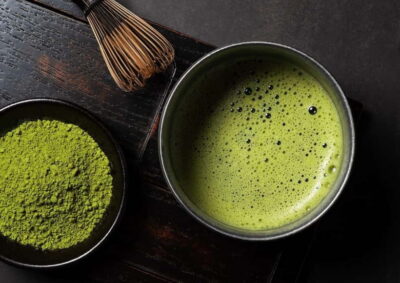

Kyoto Wagashi(Japanese sweets) Cooking Class near Fushimiinari
Read our review →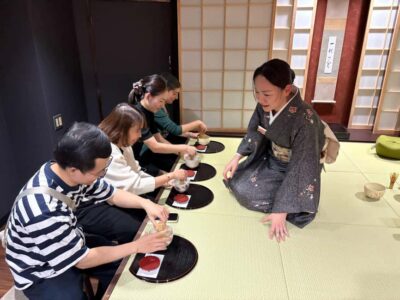
Traditional Tea Ceremony with Matcha & Sweets in Gion
Read our review →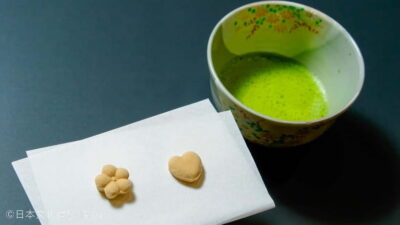
Two Types of Japanese Sweets Making and Tea Ceremony
Read our review →Browse the lists this tour appears in