
Reviewed · TSUKIJI & TOYOSU FISH MARKET TOURS
Tokyo’s Kitchen: Tsukiji Market Food & Culture Walk
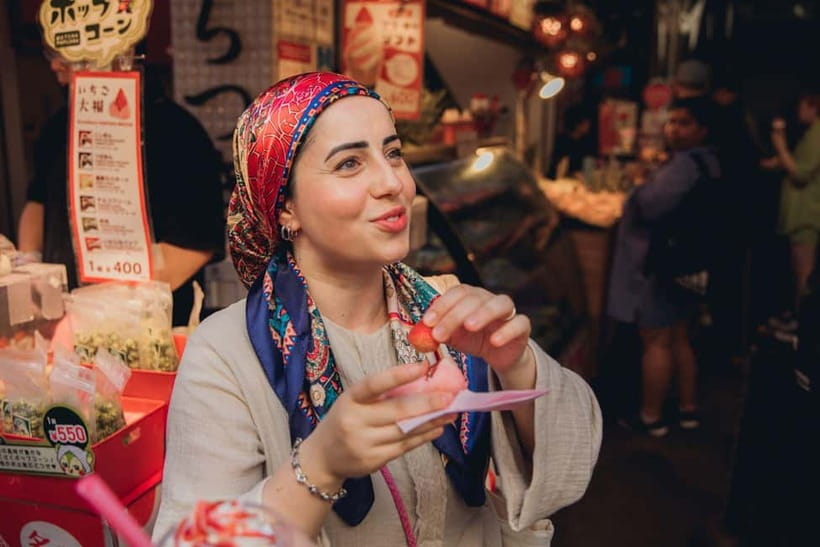
Tsukiji is best understood through your appetite. This three-hour walk takes you through Tokyo’s famous food district in a group of no more than six, with sushi, market snacks, seasonal Wagashi sweets, and a small shrine visit folded into the morning. You get more than a stroll past seafood counters. You learn how food, craft, Buddhist beliefs, and Shinto customs meet here.
I love the tiny group, which makes it easier to stay together in narrow market lanes and ask questions without shouting. I also like the mix of tastes and ideas: one moment you may be watching tamagoyaki being made, and the next you are learning how to show respect at a shrine.
The main consideration is that Tsukiji is still a working market, not a quiet museum. Floors can be wet, lanes can be crowded, and the day’s food choices depend on what stalls are open and what is in season. If you want a behind-the-scenes look at wholesale operations, this walk may feel too focused on the public market and food sampling.
Key points at a glance
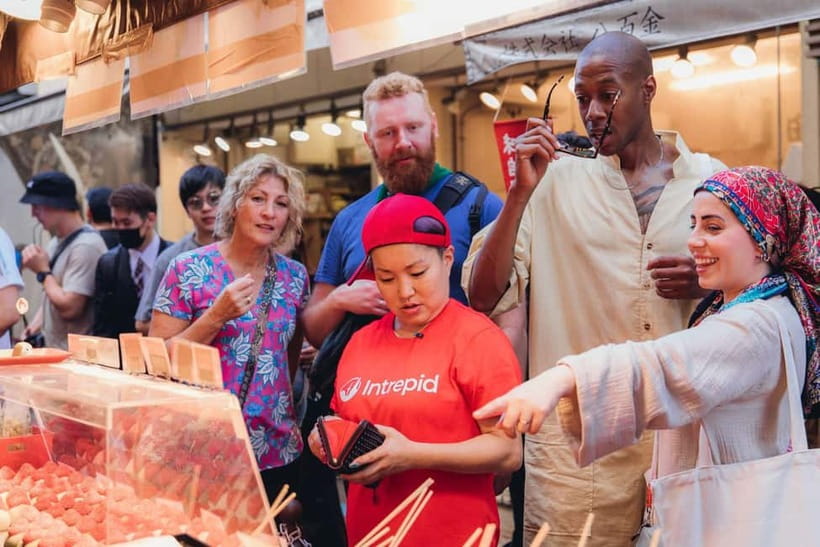
- A six-person limit keeps the market walk personal, with room for questions and help choosing unfamiliar foods.
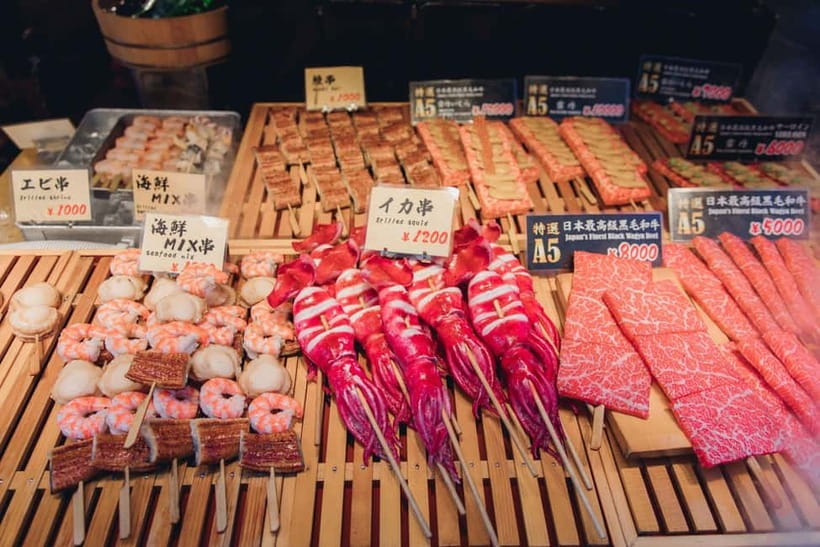
- Tastings go well beyond sushi, with possible samples such as tamagoyaki, sashimi, Wagashi, matcha, dashi, Kobe beef, and seasonal fruit.
- Two shrines add useful cultural context, including Kabuki Inari Shrine near the meeting point and Namiyoke Inari Jinja by Tsukiji.
- The market’s tuna-auction story is explained, including the move from Tsukiji to Toyosu.
- Guides often have friendly relationships with vendors, making food stops feel more natural and less confusing.
- The $80 price includes the guided walk and tastings, but extra food and drinks cost more.
Starting at Kabuki Inari Shrine
Meet at Higashi-ginza Station, Exit 3, at street level by the top of the escalator. Look for the small torii gate beside Kabukiza Theatre on Harumi Street. This detail matters because the station has several exits, and meeting directly in front of the theater is much easier than trying to find a guide inside the station.
The tour begins at Kabuki Inari Shrine, a small shrine connected with the nearby Kabukiza Theatre. It gives you an immediate lesson in how Tokyo places sacred spaces beside ordinary city life. Your guide explains basic customs before leading you toward the market, so you are not simply copying other people at the shrine.
The English-speaking guides bring different personalities to the morning. Mikki has been praised for making a first morning in Tokyo easy to follow. Oku uses photos, maps, and models to explain Japan and the market, while Mihori and Shino are known for taking time with food preferences and questions. The exact guide varies, but the small group gives you a better chance to get personal attention.
Other market mornings in Tokyo:
- Tokyo Tsukiji Fish Market Food and Culture Walking Tour
★ 5.0 · 3,184 reviews - Tokyo: Tsukiji Fish Market Food and Walking tour
★ 5.0 · 1,724 reviews - Tokyo: Tsukiji Fish Market Guided Walking Tour
★ 4.9 · 1,397 reviews
Tsukiji Outer Market, Tokyo’s food classroom
The Outer Market is where the tour earns its keep. The lanes hold seafood counters, produce, sweets, kitchen goods, prepared foods, and small shops selling items linked to Japanese cooking. You move through this working food district with a guide who can translate signs, explain unfamiliar ingredients, and help you understand what you are seeing.
That translation is useful even if you have already visited Japanese markets. A seafood counter can look simple from the outside, but a guide may explain the difference between products, how an item is used, or why a particular food matters in daily cooking. You are not left to point at something and hope for the best.
The market also has a strong social side. Guides often know vendors by name, and that can change the tone of a stop. Instead of treating every stall like a photograph, you get a brief introduction to the people behind the food. It is a modest but valuable distinction. You see how a market works as a neighborhood community, not just as a collection of places to eat.
The exact tasting order is not fixed, and that is sensible. Fish availability, seasonal produce, stall hours, and group preferences all affect the route. Small tastings have included fresh sushi, sashimi, tamagoyaki, mochi, green tea, matcha, dashi, soybeans, strawberries, tuna, Kobe beef skewers, and Wagashi. Some outings have included sake, pepper cola tea, or a chance to grind fresh wasabi.
Do not treat that list as a guaranteed menu. The tour promises multiple tastings, not every item named above. The useful point is the range. You are likely to sample more than one kind of sushi and several foods that you might not order on your own.
Sushi, tamagoyaki, and seasonal sweets
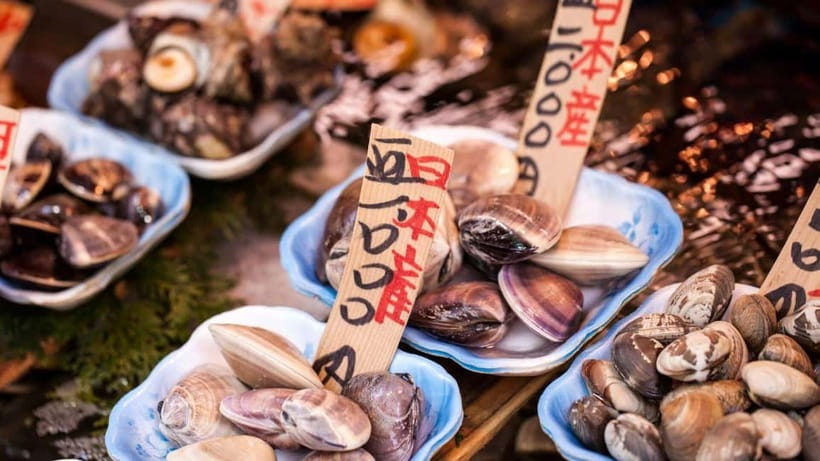
Sushi is a central part of the walk, but the food education reaches well beyond raw fish. The guide explains how sushi developed and how it fits into Japanese food culture. You may taste a small selection of sushi or sashimi, then compare it with cooked foods and snacks from other stalls.
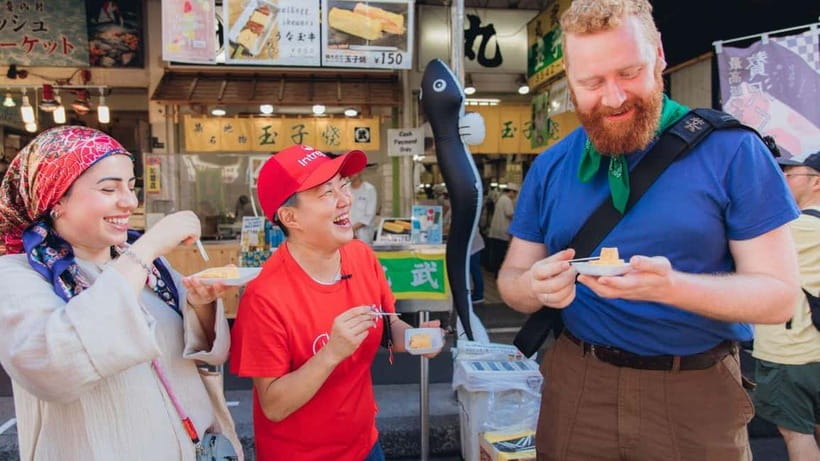
Tamagoyaki is especially good for understanding market craft. This sweet-savory rolled omelet looks simple until you see how it is made. A market stall can turn a basic egg dish into a carefully layered product, and your guide can point out what to notice rather than letting it pass as just another snack.
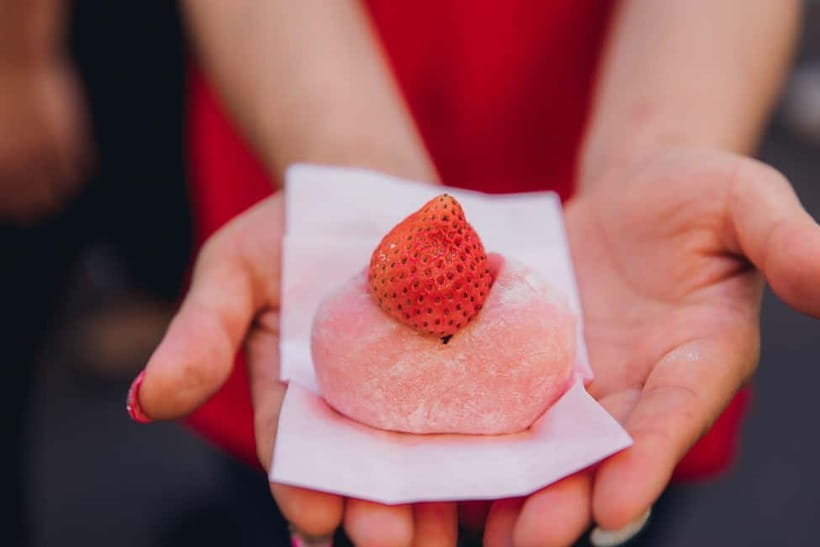
Seasonal Wagashi adds a different texture and mood. These Japanese sweets are tied to the time of year and often show the care given to shape, color, and presentation. You may also encounter mochi, matcha, or green tea. For a food walk, this variety keeps the morning from becoming a long run of similar bites.
The portions are small, but you should still arrive hungry. Several food stops add up, and some mornings include a final sushi meal or a generous serving of fresh fish. At the same time, do not arrive expecting a formal sit-down breakfast from the first minute. This is a walking tour with samples gathered along the way.
Alcohol is limited to people aged 20 and over under Japanese rules. If you are younger, you receive a non-alcoholic option. Dietary needs can be discussed ahead of time, and vegetarian and vegan choices are available where possible, though the market’s focus on seafood means the selection may be limited.
What happened to the famous Tsukiji tuna auction
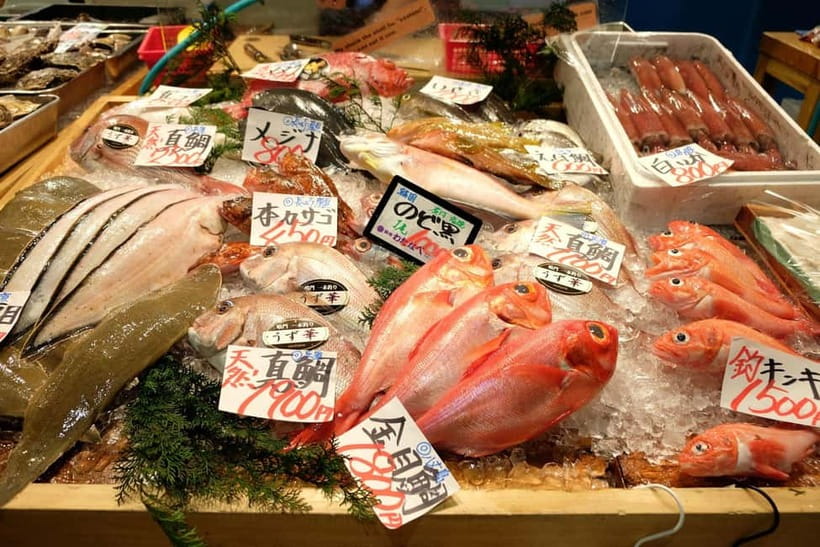
Many people still call Tsukiji the world’s famous fish market, but the market’s role needs a little explaining. The well-known tuna auction moved from Tsukiji to Toyosu. The Outer Market remained, however, and it continues to offer food shops, restaurants, supplies, and a close look at the public side of Tokyo’s food trade.
Your guide explains this change so you understand what you are seeing. You are not touring the old wholesale auction floor. You are walking through the part of Tsukiji that remains open to the public, where vendors sell food and cooking goods and where small shops continue long-standing traditions.
That distinction is important when deciding if this is the right tour. If your main goal is to watch the wholesale auction, choose an activity based at Toyosu instead. If your goal is to taste foods, meet vendors, and understand how Tsukiji still functions, this walk fits better.
One past participant wanted more of the market’s working side. That is a fair concern. You may see food preparation, stall activity, and the making of items such as tamagoyaki, but the tour is not advertised as a restricted back-of-house visit. Its strength is interpretation and access to food, not industrial market operations.
Same base, a different sort of day:
- Mt Fuji and Hakone 1-Day Bus Tour Return by Bullet Train
★ 5.0 · 26,383 reviews - 1-Day Tokyo Bus Tour
★ 5.0 · 14,250 reviews - Tokyo: TOKYO SKYTREE® Admission ticket
★ 4.5 · 11,192 reviews - Tokyo: teamLab Planets TOKYO Digital Art Museum Entry Ticket
★ 4.6 · 9,779 reviews
Namiyoke Inari Jinja and the market’s spiritual roots
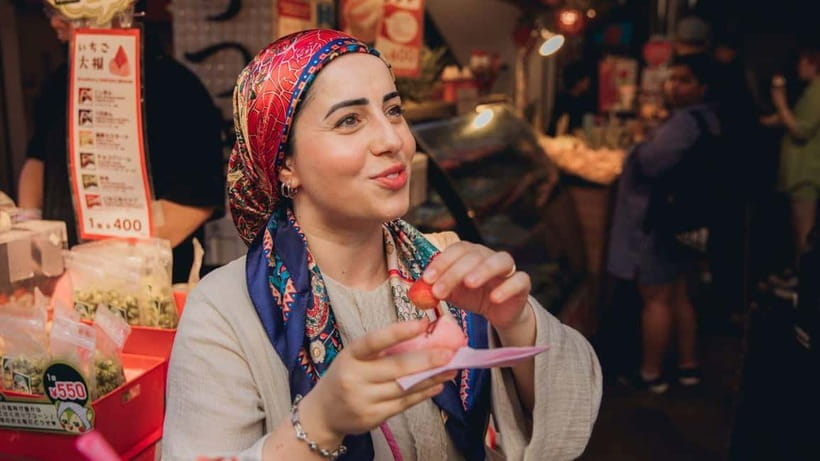
The visit to Namiyoke Inari Jinja gives the food walk a needed pause. It is a small, carefully designed shrine near the market, and the guide explains simple gestures used to show respect. You learn enough to understand the sequence and meaning without turning the moment into a lecture.
The shrine also helps connect the market to Japanese religious life. Your guide discusses Buddhist and Shinto influences, including the way food, gratitude, purity, and respect appear in daily customs. This is one of the most useful parts of the tour because it explains why certain actions around food feel formal even in a busy market.
The contrast works well. Tsukiji can be noisy, crowded, and full of strong smells. A shrine visit slows the pace and gives you a chance to think about the food you have been eating. The route finishes at Tsukiji Fish Market, so you leave with a clearer sense of how the market’s commercial life and spiritual traditions sit side by side.
Is $80 a fair price?
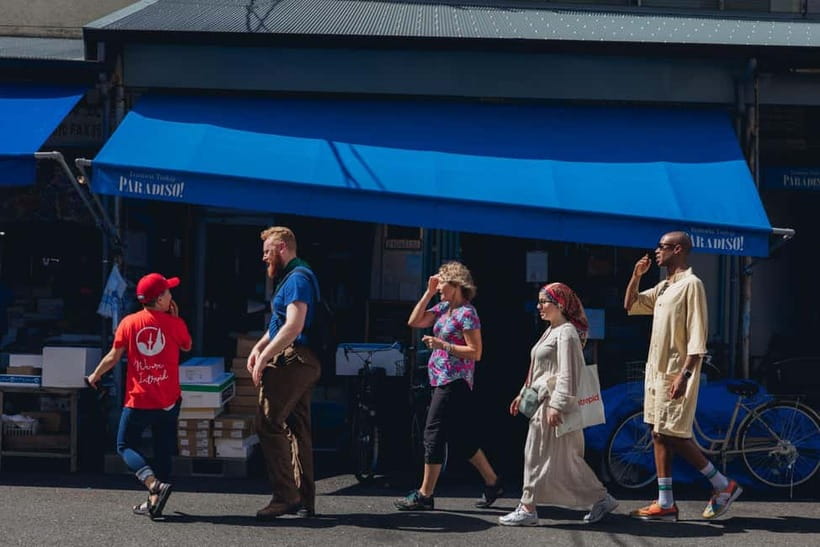
At $80 per person, this is not the cheapest way to walk through Tsukiji. You could enter the Outer Market on your own and buy snacks for less. The price makes more sense if you value translation, a planned route, several tastings, and a small group that can move through the lanes without losing people.
You are paying for the guide’s local relationships as much as for the food. A guide who knows vendors can make ordering easier and help you avoid spending your whole morning guessing what each stall sells. The cultural explanations also give the food more meaning than a series of unconnected bites.
The value is strongest for a first visit to Tokyo, especially on your first morning. You get practical orientation, an early introduction to Japanese eating customs, and suggestions for foods or market areas to revisit later. It is also useful if you are nervous about ordering at small stalls or trying unfamiliar seafood.
The value is weaker if you already know Tsukiji well or want a substantial meal at a single restaurant. Additional food and drinks are not included, so budget extra money if you want to continue eating after the included tastings.
Timing, clothing, and comfort
The tour lasts three hours, with starting times checked when you book. Morning is a sensible choice for Tsukiji because the market is tied to the day’s food trade, and the tour is designed around breakfast-style tastings and early activity.
Wear closed-toe shoes, preferably sneakers. Market floors can be wet, and comfortable footwear matters more than looking dressed up. A rain jacket or umbrella is also worth considering because an outdoor market walk is affected by weather. One past outing was made difficult by rain and wind, so do not assume the weather will be an afterthought.
The market’s lanes are not designed for a large tour group. Six people is a practical maximum, and the guide can keep the group together more easily than a large coach-style tour. Children aged five and under can join free, but tell the organizer in advance so the group can be planned properly.
Cancellation is free up to 24 hours before the start, and you can reserve without paying immediately. The experience is carbon neutral and operated by a certified B Corp, which may matter if you prefer activities that aim to support local communities and reduce their environmental impact.
Who should book this Tsukiji walk?
I would choose this for first-time Tokyo visitors, food lovers who want help with unfamiliar dishes, and anyone who prefers conversation over a self-guided market wander. It is also a good match for families with older children, couples, and solo visitors who like the social ease of a very small group.
You should book it if you want to taste widely, learn why the market matters, and connect the food stalls with Japanese customs. You should skip it if you dislike seafood, need a fully vegetarian menu, or mainly want to see wholesale fish auctions and restricted working areas.
The strongest reason to go is the combination of food and context. You are not only eating sushi and sweets. You are learning why a market stall, a shrine, a bowl of rice, and a simple gesture of respect belong in the same story.
FAQ
Where does the Tsukiji food tour meet?
Meet at Higashi-ginza Station, Exit 3, at street level by the top of the escalator. The meeting point is in front of Kabukiza Theatre on the Harumi Street side, beside the small shrine and torii gate.
How long does the tour last?
The walk lasts three hours. Starting times depend on availability when you book.
What food is included?
The tour includes multiple tastings at Tsukiji Market, including fresh sushi, Japanese snacks, and seasonal Wagashi. Depending on the stalls and the day, samples may also include sashimi, tamagoyaki, tea, mochi, or other market foods.
Is the tour suitable for vegetarians and vegans?
Vegetarian and vegan options are available where possible, but choices may be limited because the market focuses heavily on seafood. Tell the organizer about dietary restrictions ahead of time.
How many people are in the group?
The group is limited to six participants. Children aged five and under can join free, but you should mention them when booking.
Is alcohol included for everyone?
Alcohol may be offered to participants aged 20 and over, in line with Japanese law. Anyone under 20 receives a non-alcoholic alternative. Additional food and drinks beyond the included tastings are not covered.
Should you book it?
Book this tour if you want a friendly introduction to Tsukiji that combines eating with useful cultural explanation. The small group, vendor connections, shrine visits, and broad tasting range give you more structure than wandering alone.
Do not book it expecting the old tuna auction or a behind-the-scenes wholesale tour. For that, Toyosu is the better destination. For sushi, snacks, seasonal sweets, and a clear explanation of why Tsukiji still matters, this is a well-focused three-hour start to Tokyo.
Just added in Tokyo
- The 10 Tastings of Tokyo With Locals: Private Street Food Tour★ 5.0 · 48 reviews
- Small Town in the Big City: Tasting Tokyo’s Kichijoji★ 5.0 · 195 reviews
- Small Town in the Big City: Tasting Tokyo’s Kichijoji★ 5.0 · 16 reviews
- EXCLUSIVE Tokyo Secret: Kichijoji Small-Group Food & Bar Hopping★ 5.0 · 29 reviews
- Explore Kichijoji: Walk Through One of Tokyo’s Beloved Districts★ 5.0 · 21 reviews
- :Tokyo,Shibuya/ Pro Photography in Kimono / English-Friendly★ 5.0 · 26 reviews
- 【R34】Tokyo:Private Daikoku tour in Modified R34★ 4.9 · 92 reviews
- Tokyo: Allstar Food Tour★ 4.7 · 29 reviews
Tsukiji & Toyosu Fish Market Tours, compared.
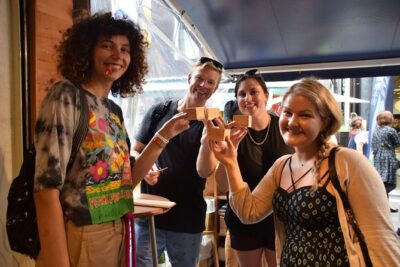
Tokyo Tsukiji Fish Market Food and Culture Walking Tour
Read our review →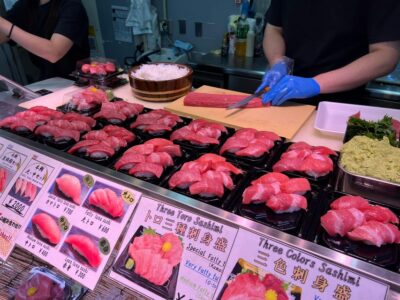
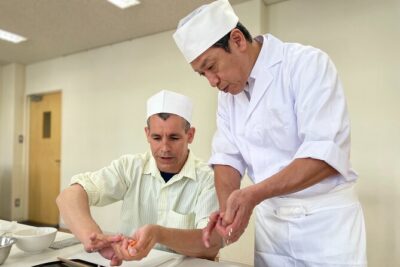
Tokyo Sushi Making Class in Tsukiji with Professional Chef
Read our review →
Tsukiji Fish Market Guided Tour and Sushi Making with Pro Chef
Read our review →
Tsukiji Fish Market Small-Group Food Walking Tour
Read our review →
Tsukiji Fish Market Sushi Making Class with Pro Chef
Read our review →
Tokyo Food Tour Taste Fresh Delights at Tsukiji Market
Read our review →
Tokyo Tsukiji Fish Market Tour and Sushi Making Lesson
Read our review →Browse the lists this tour appears in