
Reviewed · SUSHI-MAKING CLASSES
Tokyo: Sushi Making Class in a Happi Coat near a Famous Spot
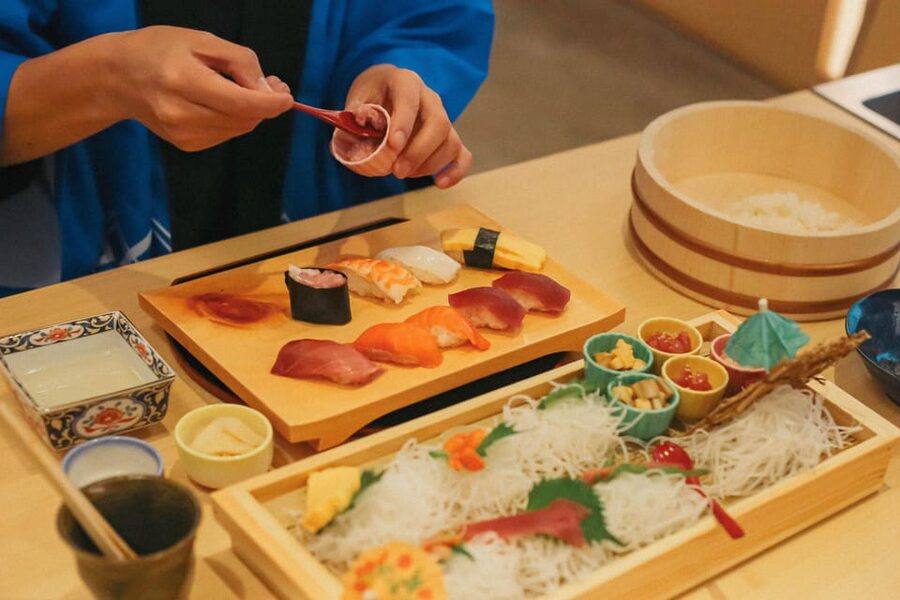
Tokyo’s SUSHI GARYU class turns lunch into a hands-on lesson. You learn to shape nigiri with tuna and salmon, and some sessions also cover maki and other rolls. The happi coat makes the whole thing feel more Japanese than simply sitting at a sushi counter.
I like the small-group teaching, which gives the chef time to correct your technique, and I like that you eat what you make. The portion can be generous enough to serve as a proper meal. The one thing to watch is the meeting point: it can change with the option you book, and one visitor found the venue a little hard to locate.
Key points at a glance
- You make the sushi yourself: Learn to shape nigiri and, in many sessions, roll maki rather than only watching a demonstration.
- A happi coat is included: Put on a traditional Japanese-style coat for the lesson and for photos.
- The class is beginner-friendly: The chef explains each step clearly and helps you as you work.
- It can replace lunch: Tuna, salmon, rice, and other prepared ingredients are included, and portions are often substantial.
- Dietary requests need advance notice: Vegetarian, vegan, and gluten-free options are available if you send the request before the day of the class.
- The timing fits a busy Tokyo day: The class lasts 90 minutes and may pair well with nearby sightseeing, including temples and markets.
A 90-minute introduction to sushi craft
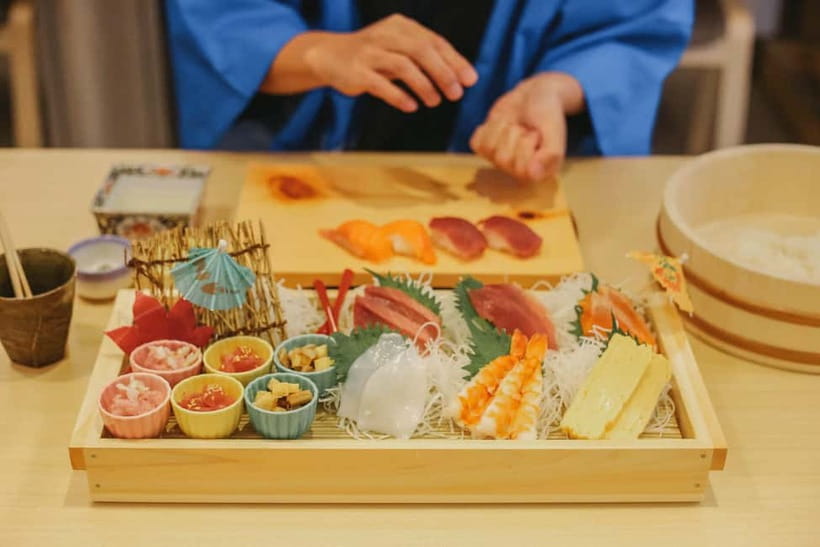
This is not a long professional course. It is a compact, social lesson designed to give you the basics of sushi making without asking you to spend half a day in a kitchen.
You begin in a Japanese-style setting, put on the happi coat, and meet the instructor. The teaching is offered in English and Japanese. Instructors have included Hide, Mikoto, Kohji, Ami, Emi, Masa, Miwa, and others, so the exact personality of the class depends on the session and staff on duty.
The tone is friendly and informal. That matters because sushi can look simple until you try to make it. Rice sticks to your hands, the fish needs careful handling, and the shape of each piece takes practice. The chefs break the process into small movements and step in when you need help.
The format also works well for couples, families, solo participants, and friends. Some classes have been intimate enough to feel like a private lesson, while busier times may seat you with other customers. If you want the quietest setting, an off-peak time may give you more room to ask questions, though the schedule does not promise a private class.
Other classes behind the counter in Tokyo:
- Sushi Making Tokyo Roll and Authentic Japanese Sushi Class
★ 5.0 · 3,971 reviews - Tokyo: Roll and Authentic Sushi Making Class in Asakusa
★ 4.9 · 1,957 reviews - Tokyo Sushi Making Class in Tsukiji with Professional Chef
★ 5.0 · 1,177 reviews
Shaping tuna and salmon nigiri
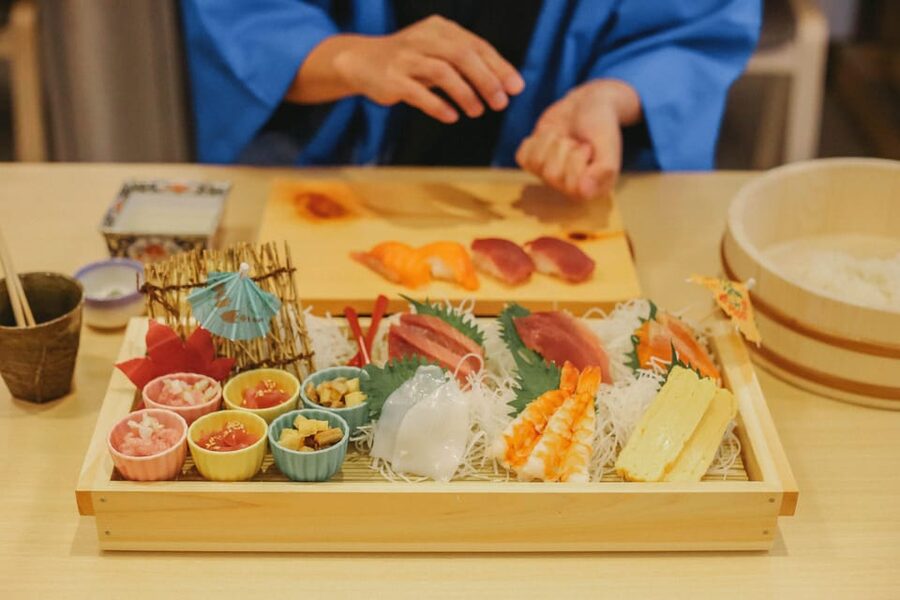
The main skill here is nigiri, the small hand-shaped mound of rice topped with fish. You will work with familiar choices such as tuna and salmon, which makes the lesson approachable even if you have little experience with Japanese food.
The chef demonstrates how to handle the rice, place the topping, and shape the piece without crushing it. You then repeat the technique yourself. This is where the value of a live class becomes clear. A video can show the movement, but a chef can see when you are pressing too hard or using too much rice.
The class may also include maki, or rolled sushi. Several sessions have covered both nigiri and maki, and some participants have made different types of rolls before sitting down to eat. The exact mix can vary, so book this primarily for a hands-on sushi lesson rather than a fixed menu of every sushi style.
You are not expected to produce restaurant-perfect pieces on your first try. The point is to learn a method you can repeat at home. The ingredients are prepared before you arrive, letting the 90 minutes focus on shaping, rolling, and eating rather than on a long food-preparation lecture.
Why the happi coat adds more than a photo
The happi is a traditional tube-sleeved Japanese coat often associated with festivals and workwear. Here, it gives the class a playful visual identity and helps turn an ordinary cooking lesson into a small cultural activity.
You wear it while learning and can use the setting and props for photos. Instructors have also taken pictures and videos during the process, which is useful if you want a record of your first attempt at making sushi. This is especially handy for families and couples who would otherwise struggle to get photographs of everyone together.
The coat is not a substitute for cultural context, but it does make the experience feel less like a generic cooking workshop. The chef explains some of the customs and techniques connected with sushi, and the conversation may extend to Japanese food and local recommendations.
If you prefer a serious culinary course with detailed knife work, fish preparation, or a long discussion of sushi history, this is not that. The happi coat and photo opportunities point to a relaxed experience aimed at first-time learners.
What the lesson feels like in practice
The session starts with instruction, then shifts quickly to doing. You watch the chef shape sushi, prepare your station, and follow along. The teaching style has been described as patient and clear, with instructors taking time to answer questions rather than rushing everyone through the same motions.
The class feels personal because the group is kept small enough for individual help. One reported arrangement had about five participants per instructor. At a quiet time, a pair had the chef’s full attention. At a busy time, you may share a table with other customers, so expect some social conversation and a little less space.
That mixture can be a plus. You may arrive with your own party and leave having chatted with people from other countries. The class has a warm, conversational side, and instructors often discuss Japanese culture, travel, and food recommendations once the sushi is prepared.
English ability has been praised repeatedly, with several instructors described as fluent or easy to understand. Still, staff can vary by session, and the official language options are English and Japanese. If detailed verbal instruction is important to you, read the confirmed booking information carefully and make sure your selected option suits you.
Same base, a different sort of day:
- Mt Fuji and Hakone 1-Day Bus Tour Return by Bullet Train
★ 5.0 · 26,383 reviews - 1-Day Tokyo Bus Tour
★ 5.0 · 14,250 reviews - Tokyo: TOKYO SKYTREE® Admission ticket
★ 4.5 · 11,192 reviews - Tokyo: teamLab Planets TOKYO Digital Art Museum Entry Ticket
★ 4.6 · 9,779 reviews
The meal you make at the end
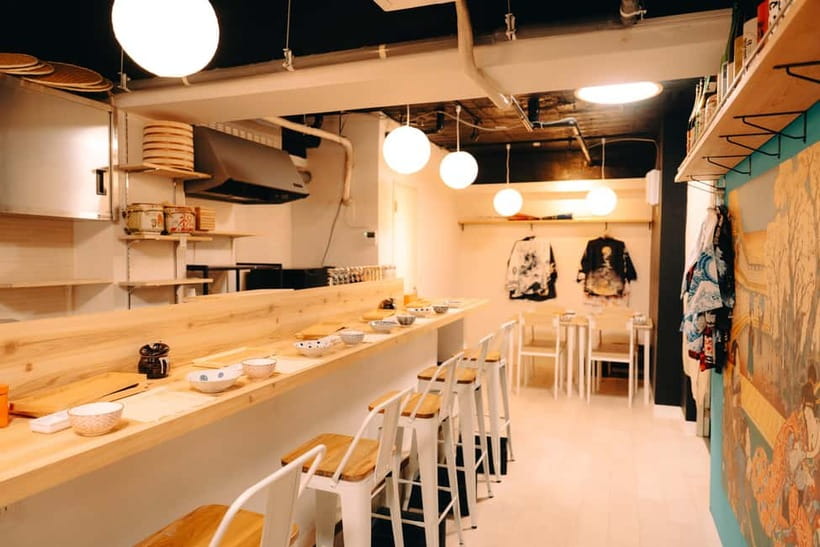
The best part comes after the shaping and rolling. You sit down and eat the sushi you prepared.
This gives the lesson a practical payoff. You are not paying only for a demonstration or a small tasting. Tuna, salmon, rice, and the other class ingredients are included, and portions have been described as large enough to fill you up. That makes the $42 price easier to judge, especially in Tokyo, where a meal plus a paid activity can quickly cost more than expected.
Taste also depends on your own technique. Your first pieces may not look perfectly even, but they can still be fresh and satisfying. You get to notice the difference between a neatly shaped piece and one that has too much rice or a loose roll.
Some sessions may offer sake for an extra charge. That is not part of the stated class price, so treat it as an optional add-on rather than part of the meal. If you do not drink, the sushi itself remains the main event.
The class is particularly useful if you want to take home a skill rather than just a souvenir. You will not leave trained as a sushi chef, but you should understand the basic process well enough to try it again with suitable ingredients.
Cultural context without a long lecture
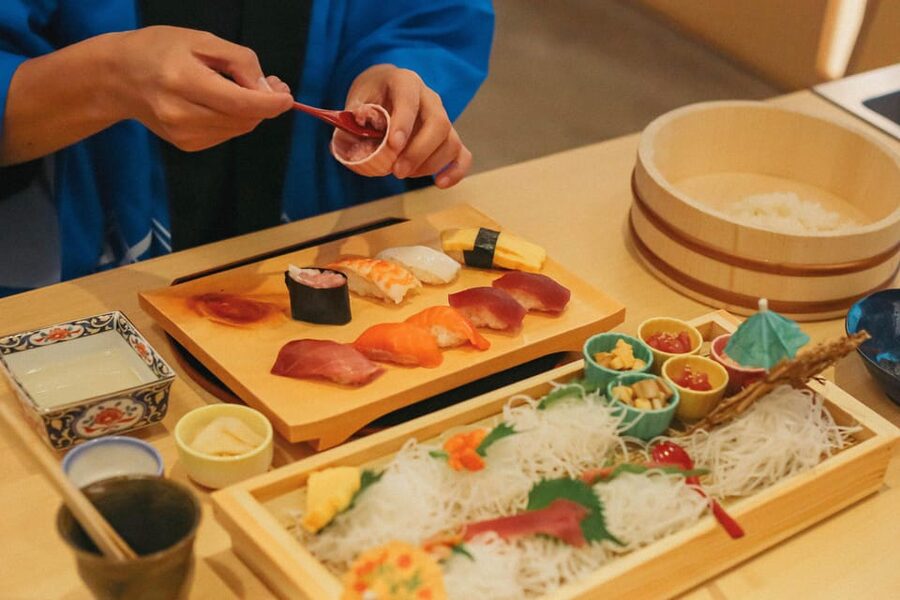
Sushi is more than fish placed on rice. The class gives you a simple look at the care involved in shaping, balancing, and presenting it. You learn by hand, which makes the food easier to understand than it would be from a restaurant table alone.
The instructors also talk about Japanese customs and food traditions. The cultural content is woven into the practical work, so you are not sitting through a long formal presentation. That balance suits anyone who wants context but would rather be making sushi than taking notes.
The conversations can continue after the cooking is finished. Some instructors have offered food and sightseeing suggestions, and the class can fit neatly into a day of exploring nearby temples and markets. The activity does not include a sightseeing tour, so those visits are something you arrange on your own after class.
This is a good choice if you want a Tokyo activity that feels social and local without requiring advanced Japanese. It gives you a reason to talk with the chef and other participants, rather than simply moving through a set of photo stops.
Price, group size, and practical value
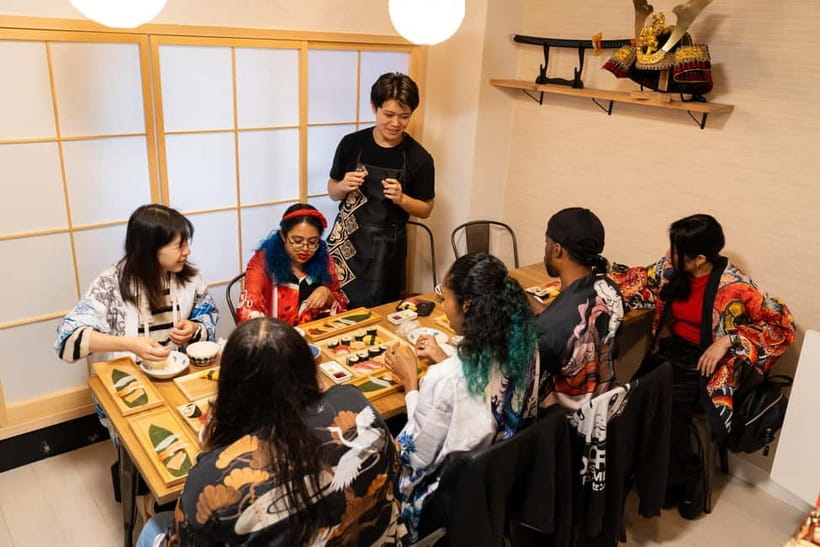
At $42 per person, the class is priced as both an activity and a meal. That is a fair deal if you value instruction, fresh ingredients, the costume, and time with a chef. It is less compelling if you only want to eat sushi, since a restaurant meal may offer more variety and no need to make your own food.
The 90-minute length is another strength. You get enough time to learn several techniques and eat what you prepare, but the class will not consume your entire afternoon. It works well before or after a temple visit, market walk, or another appointment.
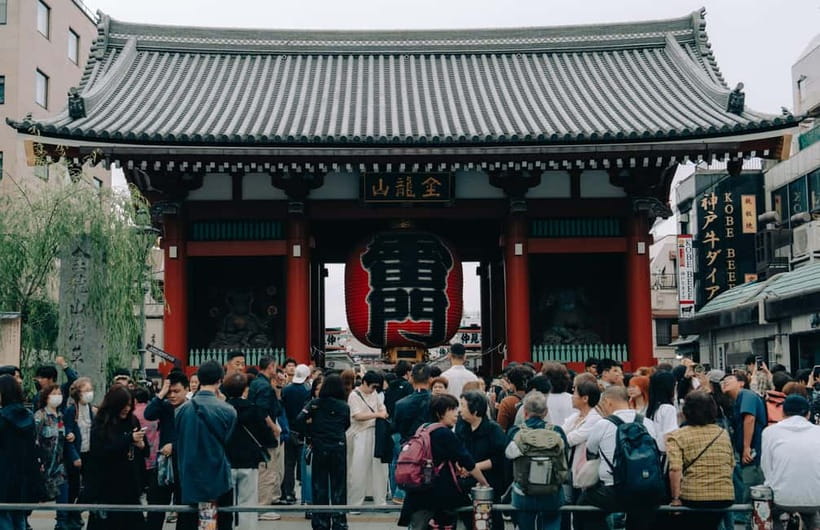
The meeting point can vary by booking option. Check the exact address and allow extra time to find the venue. One person had trouble locating the place, while others found it convenient enough to continue on to nearby sights afterward.
Children older than four are charged according to the stated child policy, and children under four may share a dish. The hands-on format suits families, though very young children may need close help with rice and food handling. Family participation has worked well in the past, with children enjoying the simple steps and the chance to eat their own creations.
Cancellation is free up to 24 hours before the activity for a full refund. A reserve-now, pay-later option is also available, which helps if your Tokyo schedule is still shifting.
Food allergies and special diets
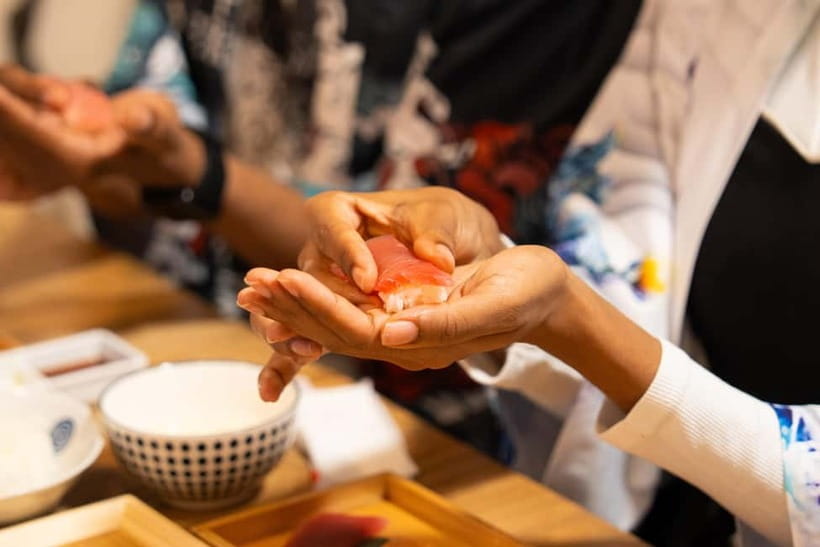
Tell SUSHI GARYU about allergies in advance by message. Do not wait until the class begins, since the kitchen may not be able to change the ingredients on the day.
Vegetarian, vegan, and gluten-free versions are available when requested ahead of time. The same advance notice applies here. Because sushi classes often involve shared ingredients and prepared sauces, a clear request before arrival is the sensible approach.
If your needs are strict or medically important, include the details when booking and confirm that the selected option can accommodate them. The provided information confirms that these diet choices are offered, but it does not list every substitute ingredient or explain how cross-contact is handled.
Who will enjoy this most
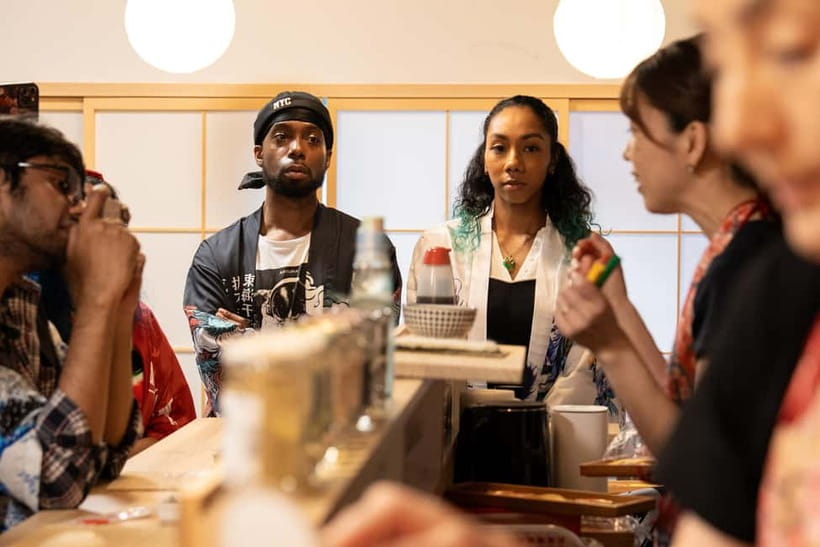
I would choose this class for someone who wants a useful, low-pressure activity between major Tokyo sights. It suits first-time visitors who want Japanese food culture explained in plain English, as well as repeat visitors looking for something more active than another meal.
It is especially good for:
- Couples looking for a shared activity and a few fun photographs.
- Families with children old enough to follow simple instructions.
- Solo participants who enjoy meeting people at a small class.
- Food lovers who want to try making sushi at home.
- Anyone needing a short activity that includes a meal.
You should think twice if you want advanced sushi training, extensive fish cutting, or a fixed private class. The focus is beginner technique, conversation, and enjoyment. Group size and instructor assignments can vary, and the meeting point is not identical for every option.
Should you book the SUSHI GARYU class?
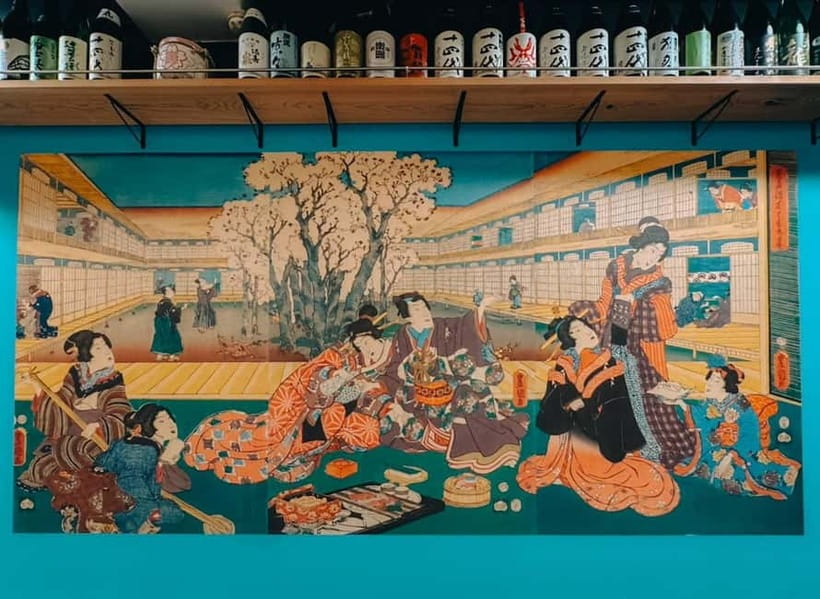
Book it if you want to make nigiri and maki with help from a friendly chef, eat a generous lunch, and leave with a skill you can try at home. The $42 cost is strongest when you treat it as a meal plus a 90-minute cultural activity, not simply as a restaurant alternative.
I would also book it for a rainy day, a family outing, or a relaxed date. Send dietary requests early, check the meeting point twice, and choose your time with group size in mind. If those details work for you, the happi coat, fresh sushi, and hands-on teaching make this one of Tokyo’s more useful short activities.
FAQ
How long does the sushi class last?
The class lasts 90 minutes. Starting times vary, so check availability for your preferred date.
How much does the experience cost?
The listed price is $42 per person.
Which languages are available?
Instruction is available in English and Japanese.
Do I make nigiri sushi during the class?
Yes. The class teaches you to make nigiri sushi with ingredients such as tuna and salmon. Some sessions also include maki and other rolls.
Are vegetarian, vegan, and gluten-free options available?
Yes, but you must request them in advance by message. The kitchen may not be able to accommodate a request made on the day.
Can children join the class?
Children over four years old are charged according to the child pricing policy. Children under four may share a dish.
Just added in Tokyo
- Luxury Tokyo Sake, Cocktail, Whisky and Pairing Tour★ 5.0 · 18 reviews
- Wagyu & Sake Pairing in Shinjuku – Steak, Shabu-Shabu & More★ 5.0 · 112 reviews
- Small-Group Wagyu Beef and 7 Japanese Dishes Tokyo Cooking Class★ 5.0 · 190 reviews
- Nikko: Edo Wonderland Edomura Cultural Theme Park Ticket★ 4.3 · 205 reviews
- 《MEMBERS-ONLY-BAR-HOPPING》Discover Your Special Whiskey in Tokyo!★ 5.0 · 29 reviews
- Japanese Whisky Hunting《HIGH-QUALITY-ONLY》Rare Tasting Class★ 5.0 · 20 reviews
- From Tokyo: Private Tour to Fuji/Hakone – Onsen, Art, Nature★ 5.0 · 116 reviews
- Tokyo: KABUKI Show at Kabukiza Theatre Admission Ticket★ 4.8 · 152 reviews
Sushi-Making Classes, compared.
Sushi Making Tokyo Roll and Authentic Japanese Sushi Class
Read our review →
Roll and Authentic Sushi Making Class in Asakusa
Read our review →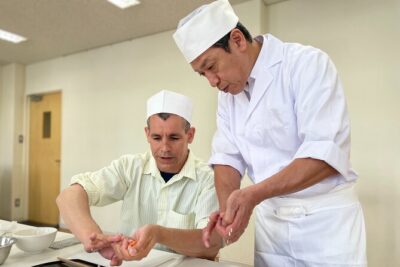
Tokyo Sushi Making Class in Tsukiji with Professional Chef
Read our review →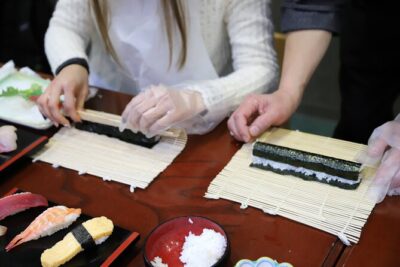
Tsukiji Fish Market Guided Tour and Sushi Making with Pro Chef
Read our review →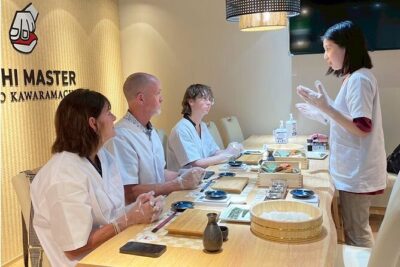
Sushi Making in Kyoto! Same-day bookings welcome!
Read our review →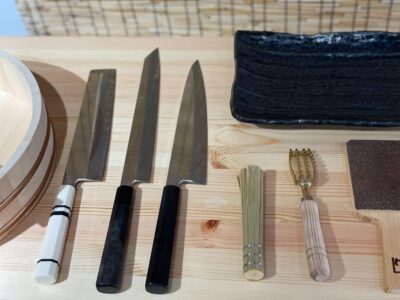
Tsukiji Fish Market Sushi Making Class with Pro Chef
Read our review →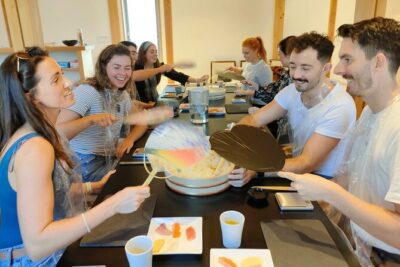
The Original Small-Group Sushi Making Class in Kyoto
Read our review →
Browse the lists this tour appears in