
Reviewed · ARASHIYAMA & BAMBOO GROVE TOURS
Kyoto: Arashiyama Walking Tour with Local Guide
Arashiyama’s famous bamboo grove is only one part of this two-hour outing. The real value comes from linking the grove to Hogon-in Temple’s Zen garden and the walk toward Togetsu-kyo Bridge, with a certified local guide explaining what you are seeing. Guides Yuko, Yoriko, and Charlie have each been praised for clear history, warm attention, and useful context.
I like the sensible meeting point at Kyoto Station, where you can leave luggage before riding public transport. I also like that the tour includes Hogon-in Temple’s entry ticket, so the $34 price covers more than a quick stroll through the bamboo. The main drawback is the brisk, walking-heavy format, plus the fact that train fare is extra.
Key points to know
- Weekday-only autumn schedule: The tour runs from October 6 to 31, 2025, except Saturdays and Sundays.
- Three distinct Arashiyama stops: You visit the bamboo forest, Hogon-in Temple and garden, then Togetsu-kyo Bridge.
- English-speaking certified guides: Yuko, Yoriko, and Charlie are praised for history, garden details, and attentive guiding.
- Public transport keeps costs down: Train fare is not included, but you avoid a private vehicle and travel in a more local way.
- Luggage help at Kyoto Station: You can leave luggage at Crosta Kyoto after meeting at the Kyo-Navi information center.
- A good fit for walkers: The guided portion lasts about two hours and includes walking through several outdoor sites.
Starting at Kyoto Station with a practical plan
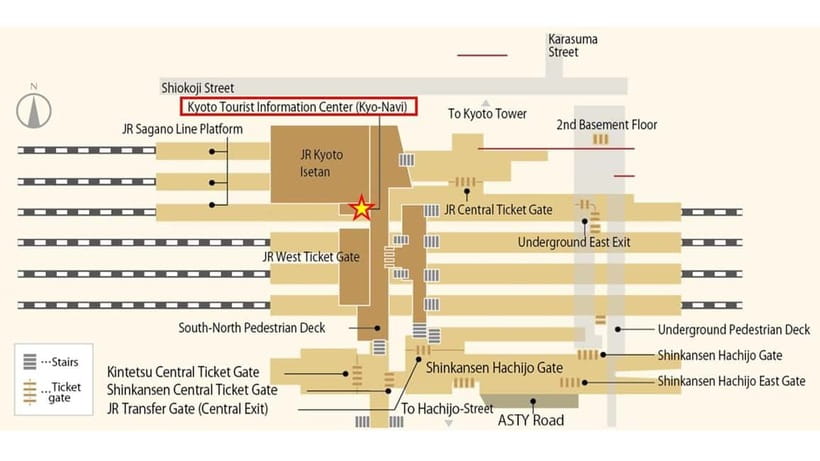
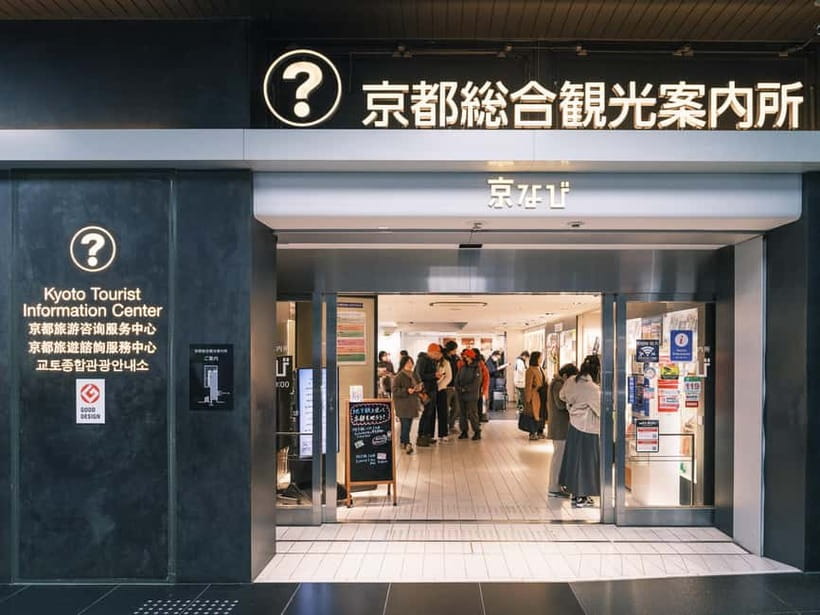
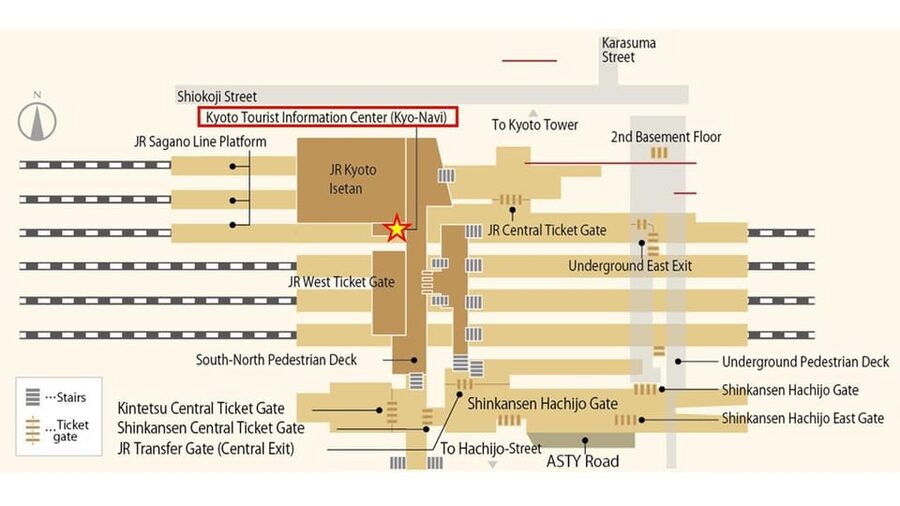
The tour begins at the Kyo-Navi Kyoto Tourist Information Center on the second floor of Kyoto Station. Look for the pedestrian walkway on the north side, beside the south end of Kyoto JR Isetan department store. If the station feels like a maze, ask for Kyo-Navi, the name local staff use for the center.
This is a useful meeting point for a morning or afternoon in Kyoto because the station is easy to reach and gives you a place to get organized. After meeting the guide, you can leave your luggage at Crosta Kyoto. That is especially handy if you are checking out of a hotel, arriving before check-in, or carrying more than you want on a bamboo-forest walk.
The luggage service itself is not included. A child aged 0 to 6 may join free with each paid adult, but you must pay the service fee if that child uses the luggage service. A second child must have an adult ticket.
The exact meeting details appear in your confirmation email, so check that message before heading into the station. The activity finishes back at the same meeting point, giving you a clear place to regroup after Arashiyama.
Other walking tours in Kyoto people book:
- Kyoto Geisha Walking Tour: Gion District & Hidden Gems
★ 4.7 · 3,273 reviews - Kyoto: Gion Magical Night Walking Tour with Geisha Trivia
★ 4.9 · 2,393 reviews - Kyoto: Gion Geisha District Walking Tour – Stories of Geisha
★ 4.7 · 2,187 reviews
The train ride to Arashiyama
Rather than arranging a private transfer, the group uses public transport from Kyoto Station. Your train fare to Arashiyama is extra, so keep some money available for that part of the trip. The guide accompanies you and uses the journey to explain Kyoto customs and daily life.
I like this setup because it makes the outing feel connected to the city rather than sealed inside a tour vehicle. You see how the trip works for ordinary Kyoto residents, and the guide can help you handle the route. At the same time, a public train is not the same as a private car: you need to follow the group, and the schedule can feel less flexible.
The tour information does not state the exact train fare, departure time, group size, or train line. You should therefore treat the $34 price as the cost of the guided experience and temple entry, not as an all-inclusive transport package.
Walking through Arashiyama’s bamboo forest
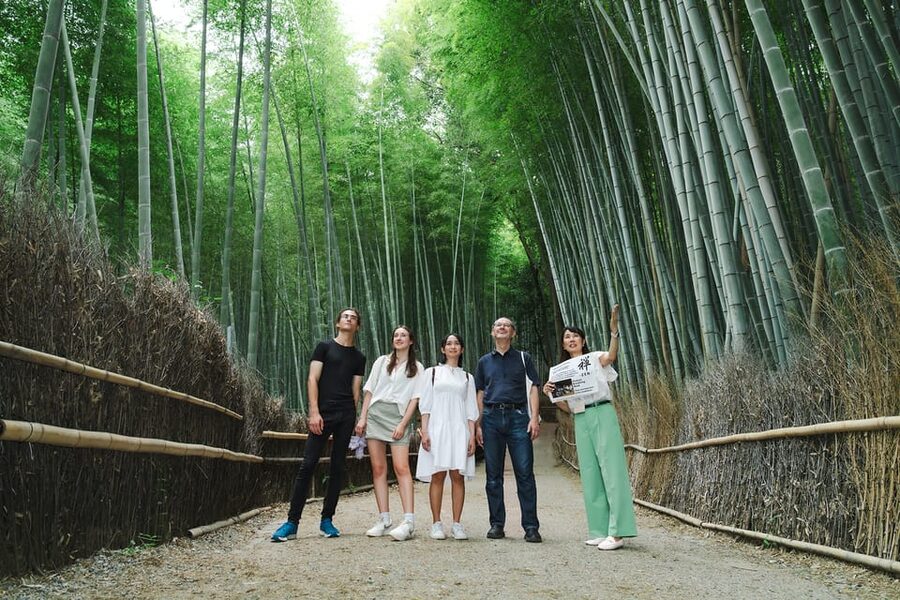
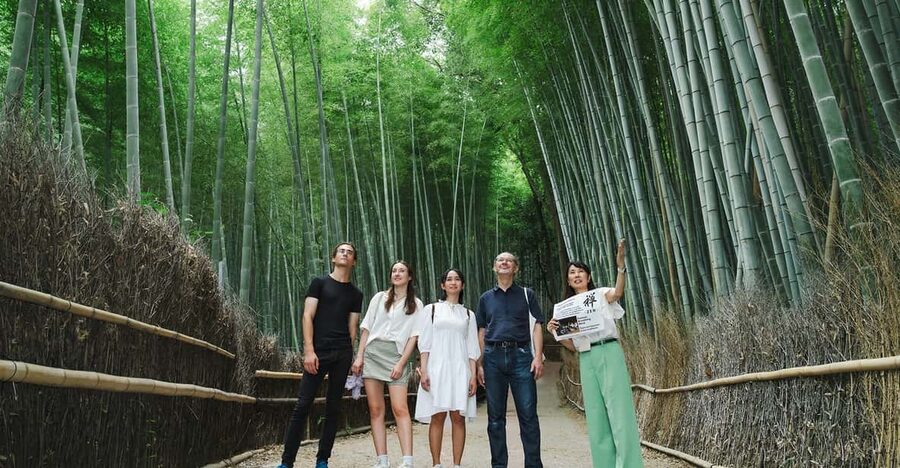
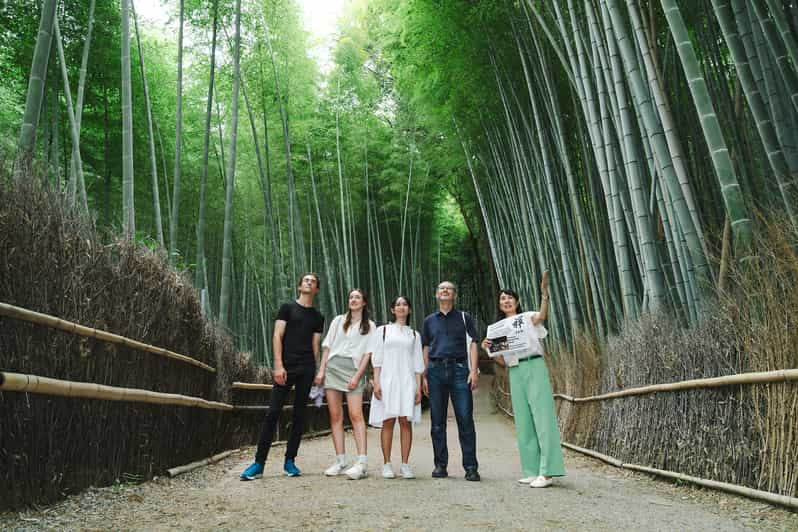
The bamboo forest is the visual centerpiece. Tall bamboo forms a green corridor, with sunlight filtering between the stalks. It is an easy place to understand why Arashiyama is one of Kyoto’s most sought-after districts, even if you have only seen it in photographs.
Your guide helps give the scene a place in Kyoto’s customs and traditions instead of leaving you to take pictures and move on. That context matters here. The grove is beautiful, but a short explanation can make the visit feel less like a photo stop and more like part of a wider visit to Kyoto’s temple district.
Bring a camera, but do not plan the whole tour around photography. This is a moving walking tour, and the group continues to the next stop. You will have time to look and take pictures, yet the schedule is designed to cover several sites in about two hours.
The bamboo path can also be the busiest-feeling part of the visit. The tour description does not promise a quiet or empty grove, so expect to share the route with other people. The guide helps you focus on the setting and the meaning behind it rather than simply trying to find a completely open view.
Hogon-in Temple and its Zen garden
Hogon-in Temple is the strongest reason to choose this tour over a basic bamboo-forest walk. Entry is included, and the guide explains the temple’s story as you explore the grounds.
The garden is especially important. It gives you a chance to learn about different garden styles and the ideas that shape Zen gardens. Yuko has been praised for explaining these garden types clearly and for being considerate throughout the visit. That combination is useful because gardens in Japan can look simple at first glance. A guide can point out why the design feels balanced and how the parts work together.
The temple stop also provides a change of pace. The bamboo grove is a narrow, scenic route, while Hogon-in offers a more reflective setting. You move from a famous natural sight into a place shaped by religious practice, design, and history.
Keep in mind that temple access is seasonal for many Kyoto sites, and this tour is offered only from October 6 through October 31 in 2025. That short window makes the schedule important. It also means you should not assume the same tour will be available during your trip outside those dates.
The information supplied does not specify how long the group stays inside Hogon-in or which buildings are open on the day. Your guide will shape the visit around the conditions at the temple, and the included admission removes one small decision from your day.
Other mornings on the western edge of Kyoto:
- Kyoto: Fushimi Inari, Kinkakuji, Bamboo Grove 1 Day Bus Tour
★ 4.8 · 4,316 reviews - Osaka/Kyoto:Kinkakuji,Arashiyama,FushimiInariShrine,NaraPark
★ 4.1 · 1,596 reviews - Kyoto/Osaka: Nara, Fushimi Inari Taisha, Arashiyama Bus Tour
★ 4.7 · 1,275 reviews - Kyoto Arashiyama Walking Tour: Bamboo, Monkeys, Gardens & Secrets
★ 5.0 · 1,216 reviews
Walking toward Togetsu-kyo Bridge
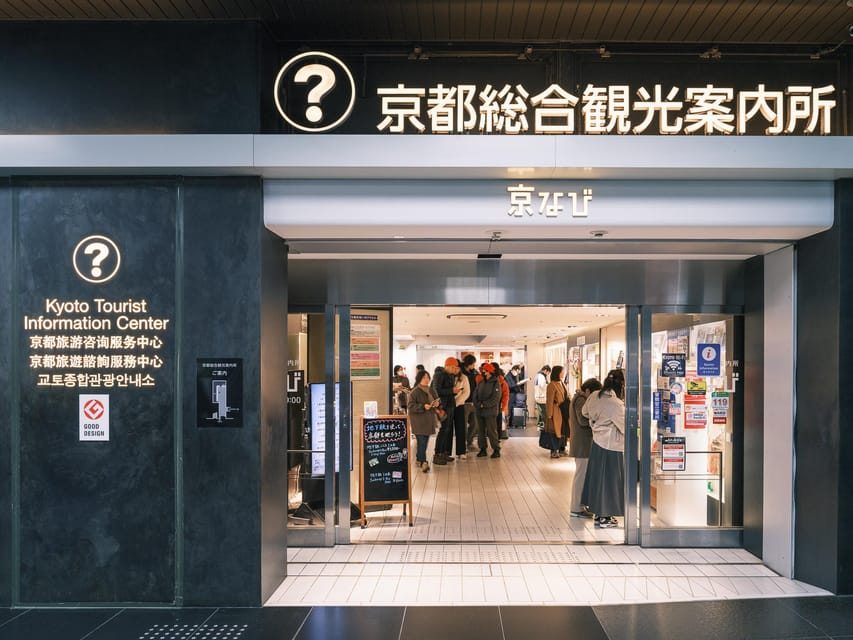
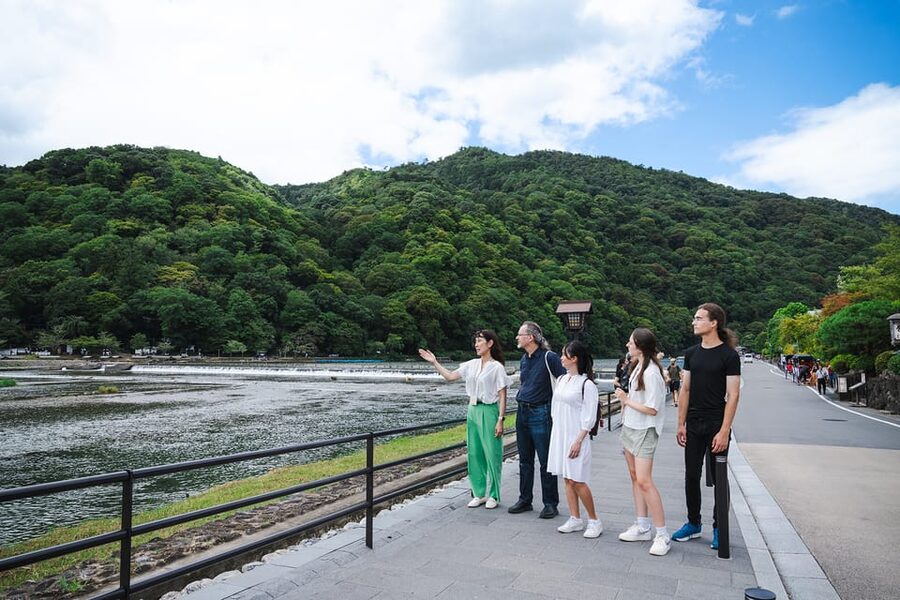
The tour ends with a walk toward Togetsu-kyo Bridge, the broad riverside crossing that has become the familiar symbol of Arashiyama. The route gives you a final change of scenery after the enclosed bamboo path and temple garden.
This is a good place to slow down and take in the wider setting. The tour promises a serene walk to the bridge, but it does not include a long independent stop there after the guide says goodbye. If you want extra time for photographs, food, shopping, or nearby temples, plan to continue on your own after the activity ends.
One useful feature comes at the farewell. The local guide can recommend ways to make the most of Arashiyama and its surrounding sights. Ask for specific suggestions while you are still with the guide. Since the tour ends back at Kyoto Station, you may also want to note any advice before the return journey.
The bridge is a satisfying finish because it connects the district’s natural setting with its public streets and riverside paths. You do not finish in the middle of a temple compound with no idea where to go next. Instead, the route ends at a familiar Arashiyama landmark before you return to the starting point.
What the guides add to the visit
This tour depends heavily on the quality of its guide, and the available feedback points to a strong part of the experience. Yuko is praised for clear explanations of Japanese history and garden types. Yoriko is described as fun and attentive, while Charlie receives warm thanks for making the outing enjoyable.
Those details suggest different guiding styles rather than a rigid script. You might get a guide who focuses on historical background, one who pays close attention to the group, or one who keeps the mood light. All guides are certified, and the tour is conducted only in English.
The most useful role of the guide is interpretation. Kyoto’s temples and gardens reward patience, but many details are not obvious if you are seeing them for the first time. The guide explains customs, traditions, and the reasons behind what you see, giving the bamboo forest and garden more meaning.
Do not expect a private guide dedicated only to you unless your booking happens to create that arrangement. The tour is described as a guided group walk, and no private format is promised. You should be ready to stay with the group and keep moving at a steady pace.
Is $34 a good value?

At $34 per person, this is a reasonable price for a short guided visit that includes a certified city guide and entry to Hogon-in Temple. The price is not the lowest possible way to see Arashiyama, since you could visit the district on your own and pay only for transport and any admission fees.
The question is what you want from the visit. If you are comfortable planning train routes, interpreting temple gardens, and choosing where to walk, independent travel may cost less. If you want a local person to explain Kyoto customs, handle the route, and connect the bamboo forest with Hogon-in, the extra cost is easier to justify.
Train fare is not included, and hotel pickup and drop-off are not provided. Those exclusions are simple to manage, but they matter when comparing the total cost with a private excursion. The included temple admission adds real value, particularly for visitors who want more than a quick look at the bamboo.
You can reserve now and pay later, which helps if your Kyoto schedule is still shifting. Cancellation is available up to 24 hours in advance for a full refund. Those terms make the tour less risky than a nonrefundable booking, although you still need to fit it into the limited weekday schedule.
Who will enjoy this two-hour walk
I would choose this tour if you want a compact introduction to Arashiyama without spending a full day planning the district. First-time visitors can get the main sights, a basic understanding of Kyoto’s customs, and practical advice for continuing independently.
It also suits you if gardens matter as much as famous views. The Hogon-in visit gives the tour more substance than a route focused only on the bamboo grove. A guide who explains garden design can help you notice details you might otherwise pass without understanding.
Families may find the free child policy useful. One child aged 0 to 6 can join with each paid adult at no ticket cost. The walk still requires children to stay with the group, and the tour is not suitable for unaccompanied minors.
You should think twice if you dislike group schedules or walking. The activity lasts about two hours, uses public transport, and moves through several outdoor areas. It is not designed as a slow private stroll with long breaks at every stop.
The English-only format is another practical point. If you want guiding in another language, this is not the right choice. If English works for you, the clear focus makes the experience straightforward.
Small details that will improve your day
Wear shoes you can walk in comfortably. The tour is not described as difficult, but it covers a train journey, the bamboo forest, temple grounds, and the route to the bridge.
Arrive early enough to find the Kyo-Navi center. Kyoto Station is large, and the second-floor pedestrian walkway is the key landmark. Remember the nearby Kyoto JR Isetan department store if you need to orient yourself.
Keep your confirmation email available. The exact meeting details are provided there, and the station has many signs and levels. Knowing the Japanese name Kyo-Navi, written 京なび, can help if you need to ask for directions.
Plan your onward time after the tour. Since the activity ends back at the Kyoto Station meeting point, you can continue with other Kyoto plans, but the tour itself does not include hotel transport. If you want extra time in Arashiyama after Togetsu-kyo Bridge, ask the guide for advice before returning.
Should you book the Arashiyama walking tour?
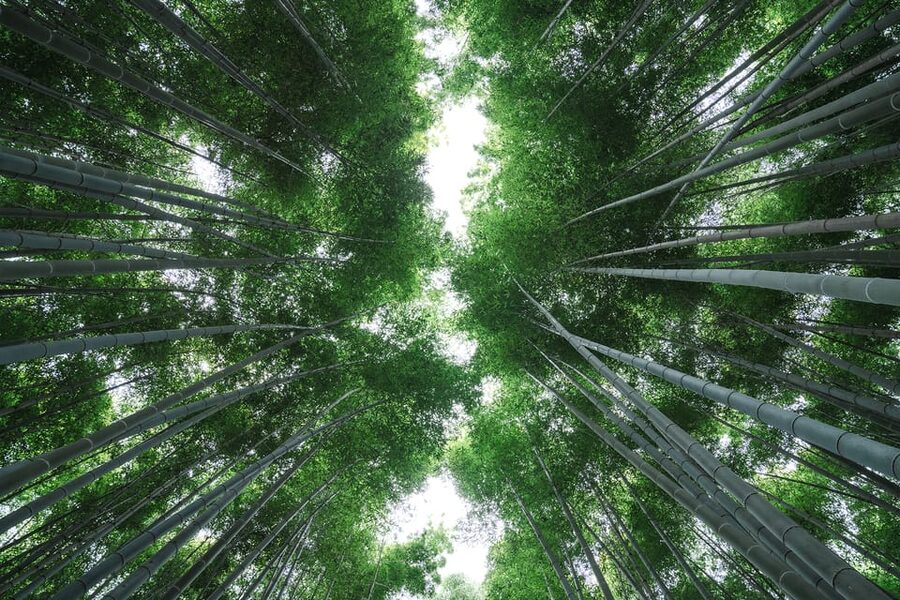
Book it if you want the famous bamboo forest placed in a wider Kyoto story. The combination of bamboo, Hogon-in’s Zen garden, and Togetsu-kyo Bridge makes good use of a short visit, while the guide adds the historical and cultural context that is easy to miss alone.
The strongest reasons to choose it are the included temple admission, the luggage option at Kyoto Station, and the individual attention praised in connection with guides such as Yuko and Yoriko. Charlie’s warm manner also suggests that the guiding team can make the walk feel friendly rather than formal.
Skip it if you want a private vehicle, a long unhurried stay in Arashiyama, or a tour available on weekends. For everyone else, $34 is a fair price for a focused weekday introduction, provided you are happy to pay your own train fare and walk for roughly two hours.
FAQ
When does the Arashiyama walking tour operate?
It operates from October 6 through October 31, 2025, except on Saturdays and Sundays.
Where does the tour begin?
Meet at the Kyo-Navi Kyoto Tourist Information Center on the second floor of Kyoto Station. It is on the north side, beside the south end of Kyoto JR Isetan.
Where does the tour finish?
The activity ends back at the original meeting point at Kyoto Station.
Is the tour conducted in English?
Yes. The tour is conducted only in English.
Is train fare included in the price?
No. Train fare to Arashiyama is not included.
Is admission to Hogon-in Temple included?
Yes. Entry to Hogon-in Temple is included, along with the certified city guide.
Can young children join for free?
Each paid adult can bring one child aged 0 to 6 for free. If that child uses the luggage service, you must pay the service fee. Any additional child must purchase an adult ticket.
More walking tours elsewhere in Japan
- Kyoto Gion Geisha District Walking Tour – The Stories of Geisha
★ 5.0 · 1,441 reviews - Nishiki Market Brunch Walking Tour (7 Tastings + Brunch)
★ 5.0 · 1,355 reviews - Kyoto Gion: 2-Hour Geisha Culture & History Walking Tour
★ 5.0 · 1,186 reviews - Kyoto: Izakaya Bars Guided Walking Tour
★ 4.9 · 815 reviews
Just added in Kyoto
- Private Cooking Class Udon in Kyoto Japan★ 5.0 · 23 reviews
- Your Private Vacation Photography Session In Kyoto★ 5.0 · 110 reviews
- Kyoto: Zen Meditation at a Private Temple with a Monk★ 5.0 · 25 reviews
- Private Pewter Sake Cup Experience with a Kyoto Artisan★ 5.0 · 31 reviews
- Kyoto Wagashi(Japanese sweets) Cooking Class near Fushimiinari★ 5.0 · 60 reviews
- Kyoto:Family-Friendly Kimono & Yukata Experience at WARGO★ 5.0 · 147 reviews
- Private Guided Traditional Buddhist Cooking in Japan★ 5.0 · 16 reviews
- Kyoto: Gion Geisha District & Sake-in-Hand Walking Tour★ 5.0 · 37 reviews
Arashiyama & Bamboo Grove Tours, compared.
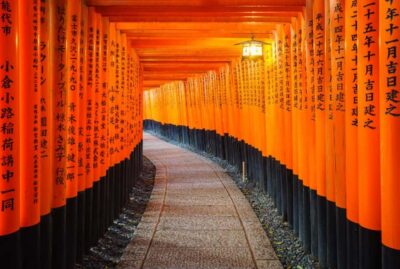
Osaka/Kyoto:Kinkakuji,Arashiyama,FushimiInariShrine,NaraPark
Read our review →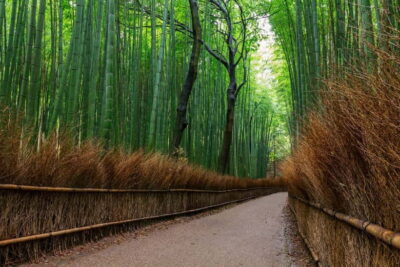
Kyoto/Osaka: Nara, Fushimi Inari Taisha, Arashiyama Bus Tour
Read our review →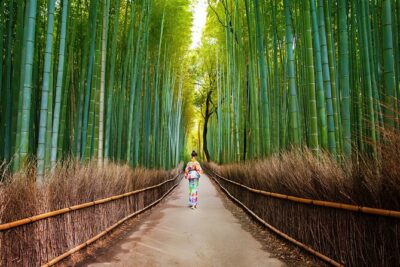
Kyoto Arashiyama Walking Tour: Bamboo, Monkeys, Gardens & Secrets
Read our review →
Arashiyama Bamboo, Temple, Monkeys, or Secret Sake Brewery
Read our review →
Arashiyama Bamboo Forest, Monkeys, Matcha & Temple Tour
Read our review →
Osaka/Kyoto: Arashiyama, Nara & Fushimi Inari Shrine w/Lunch
Read our review →
Nijo, Kinkaku-ji, Arashiyama, Kiyomizu & Fushimi Inari
Read our review →
Kyoto Ghost Tour: Dark Tales, Urban Legends, Bamboo Forest Night
Read our review →Browse the lists this tour appears in