
Reviewed · SUMO EXPERIENCES
Tokyo Ryogoku Sumo Morning Practice + Photo Shoot with Wrestlers
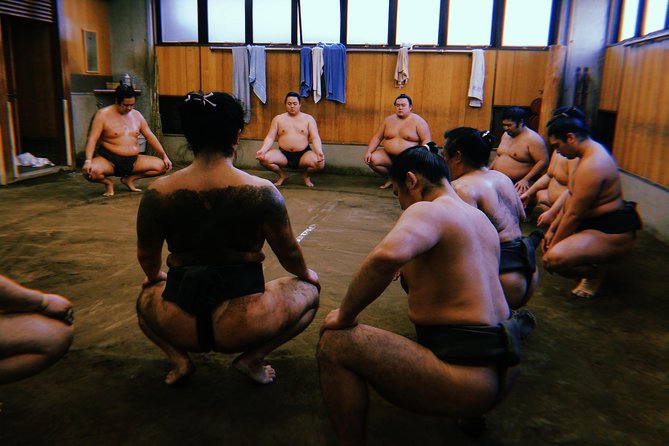
The best part of this Tokyo morning tour is the closeness. You sit just a few feet from wrestlers doing real practice, not a polished show built for visitors. The heavy slaps, repeated drills, ritual respect, and sheer physical strain make sumo far more vivid than watching a match from the stands.
I like the small group size, capped at seven, and the chance to have a local guide explain what you are seeing. I also like the possible photo session after practice, along with the walk through Ryogoku, Tokyo’s sumo district. The main drawback is simple: you may sit quietly on the floor for more than an hour, and photos are never guaranteed.
Key points at a glance
- Real morning practice: Watch wrestlers train in a working stable, with no staged performance.
- Close-up access: You may sit only a few feet from the wrestlers, depending on stable seating.
- Guides add context: Guides including Mayu, Masao, Ayaka, and Yumiko have explained rules, rank, stable life, and training customs.
- Photos depend on the stable: You may pose with wrestlers after practice, but photography rules can change.
- Plan for floor seating: Most stables use tatami flooring and do not provide chairs.
- Strict timing matters: Meet at 8 a.m. at the JR Ryogoku East Exit, and do not use the Oedo Line station.
Why a sumo stable beats a standard match for cultural insight
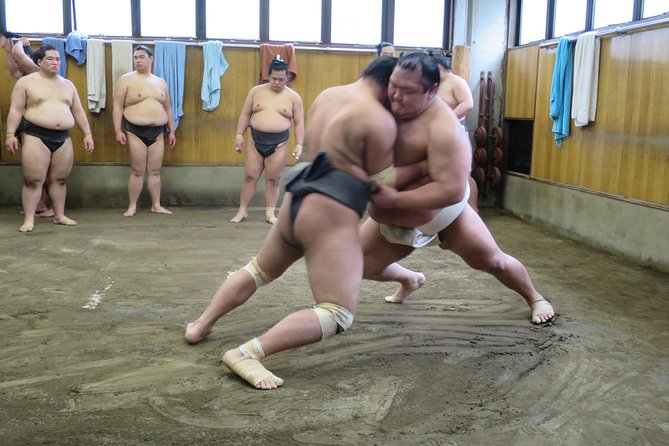
A tournament gives you the drama of competition. This visit gives you the work behind it.
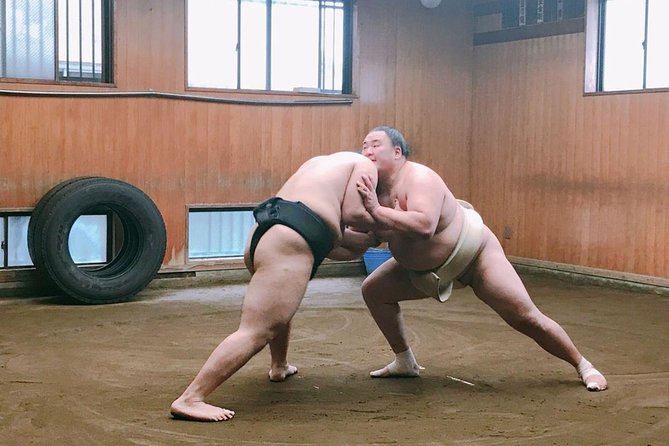
You might see warm-ups, strength exercises, repeated technique drills, and practice bouts. The action can look rough, but it follows a serious routine built on discipline, hierarchy, and repetition. You are watching athletes prepare for official tournaments, not perform a demonstration.
That difference matters. At a match, you see a few minutes of each bout and a polished public ritual. Inside a stable, you see the long road that leads there. You may notice how wrestlers wait their turn, how seniority shapes the room, and how quiet the atmosphere becomes when practice is underway.
The best guides help you read these details. Mayu was praised for explaining sumo’s past and present. Masao has described stable rankings, the number of stables, and the wrestlers’ way of life. Yumiko has used written notes during practice to help visitors follow the action without breaking the rule of silence.
Do not expect a lecture every minute. The practice itself is the main event. A guide may give you background before entering, answer questions afterward, and point out details during suitable moments.
Other ways to see sumo in Tokyo:
- Tokyo: Sumo Show Experience with Chicken Hot Pot and a Photo
★ 4.8 · 6,678 reviews - Tokyo: Sumo Show and Dining Experience
★ 4.8 · 2,742 reviews - the SUMO show
★ 5.0 · 1,960 reviews
Meeting at 8 a.m. in the right Ryogoku
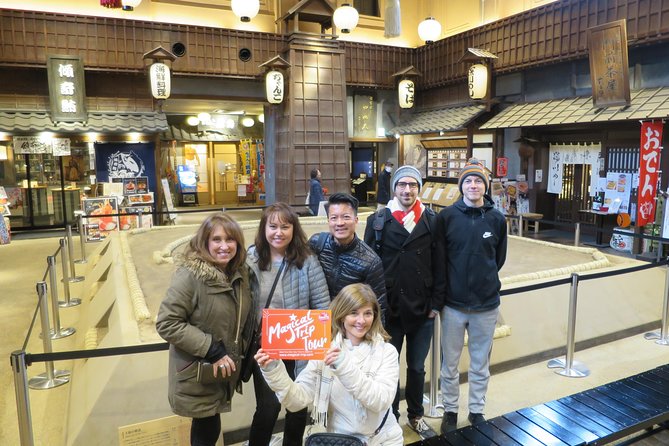
Your meeting point is beside the JR Ryogoku Station East Exit, at Re.Ra.Ku Ryogoku Ekimae under the station tracks. Look for the guide holding a red or orange MagicalTrip board.
Tokyo has two Ryogoku stations, and this is important: use the JR station, not Ryogoku Station on the Toei Oedo Line. A wrong station can put you close on the map but late in real life.
The tour starts at 8 a.m., with the group expected to meet about 10 minutes early. The walk to the stable takes anywhere from five to 30 minutes. The exact stable depends on availability that morning, so you cannot count on a fixed route or a particular building.
This changing arrangement is part of the tour’s practical limitation. Sumo stables can adjust schedules at short notice based on tournament plans and wrestler condition. If practice is canceled, the booking can be fully refunded, but the provider may also ask you to change the date or time.
Arrive early. If you are more than 15 minutes late after the required meeting time, you may be refused entry without a refund or rescheduling. That rule is strict because the group cannot wander into a quiet practice after the session has begun.
Inside the stable: quiet, close, and not staged
The stable is a working place, not a visitor center. You enter with the guide and sit on the tatami area, usually on the floor. Chairs are uncommon, and you may remain in the same position for an hour and 20 minutes or longer.
The practice can last about 90 minutes, but the overall visit may run longer if the wrestlers continue training. Some sessions have lasted around two hours. Keep your morning open after the tour, especially if you have a train connection or another timed booking.
Silence is part of the experience. The wrestlers are training for themselves, and visitors are expected to watch quietly. Depending on the stable, you may be told not to speak, use a phone, or take photos during practice.
This is one of the tour’s strongest features and one of its hardest adjustments. You get a far more genuine view of sumo because the room is not arranged like a show. At the same time, you need patience. If you want constant commentary or freedom to move around, this will feel restrictive.
The rules can also appear inconsistent if another group receives different instructions. That does not mean your guide is making up restrictions. Each stable controls its own conditions, and the rules can include masks, seating, photography, and movement. Follow the instructions given to your group.
All areas of the stable are off-limits except the tatami sections. You may not be allowed to use the toilet during practice, so go before entering.
What you may see during the training
The precise routine changes, but the experience can include warm-ups, general exercise, technique work, and full practice bouts. You may see wrestlers repeatedly test throws, balance, footwork, and pushing power.
The close distance changes your view of the sport. You can see how much force goes into each movement, how quickly bodies collide, and how often a bout ends in a controlled reset rather than a dramatic finish. The atmosphere is intense without being theatrical.
You may also notice the less obvious side of sumo: hierarchy, personal discipline, hygiene, and the business structure behind the sport. One of the most rewarding parts is learning to see these details rather than simply watching large athletes push each other.
The practice may end early if a wrestler is injured or if the stable changes its schedule. It may also run longer than expected. The provider does not control these decisions, so the advertised duration is an estimate rather than a promise.
Other photo sessions in Tokyo:
- Tokyo Cyberpunk Street Photo Tour
★ 5.0 · 165 reviews - Kyoto: Maiko Makeover and Photoshoot Experience
★ 4.7 · 239 reviews - Kyoto: Private Photoshoot Service
★ 5.0 · 158 reviews
Photos with wrestlers are a bonus, not a guarantee
The title includes a photo shoot, but you should treat it as a possibility rather than a fixed part of the visit.
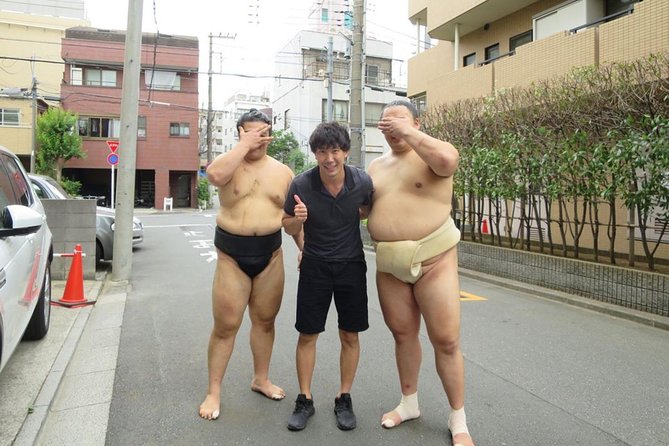
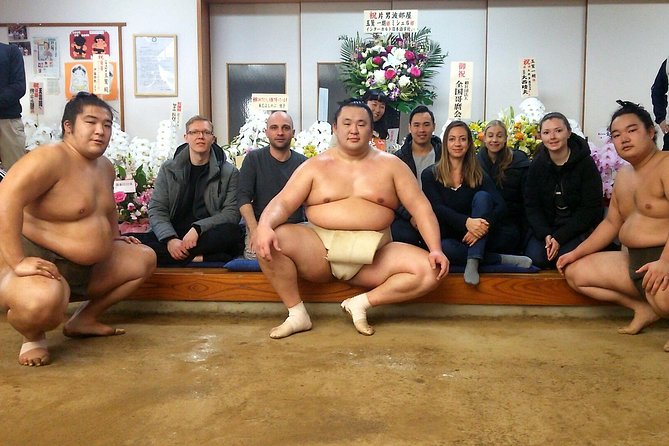
Some groups have been allowed to photograph practice and pose with wrestlers afterward. In other cases, the stable has prohibited photos during practice or declined posed pictures altogether. The stable makes the final decision for its own reasons.
If photos are allowed, the chance to stand beside a wrestler can be memorable. It gives you a personal memento of an experience most people cannot arrange easily on their own. If photos are not allowed, the visit still centers on the training itself.
Bring a phone or camera only if you are prepared to keep it away. Do not assume that a photo included in the tour description guarantees a photo with a wrestler on your date.
The short Ryogoku walk after practice
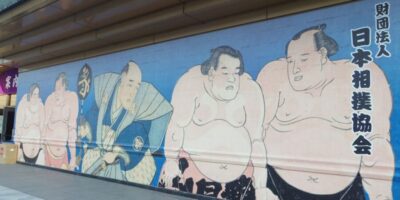
After leaving the stable, the guide may take you through Ryogoku, the neighborhood built around sumo. The stated stop at Ryogoku Kokugikan lasts about 10 minutes and is included as a local orientation rather than a separate museum visit.
This short walk helps place the stable in its setting. Ryogoku is not just a train stop for this tour. It is Tokyo’s sumo town, and the guide can point out nearby sights and explain the district’s connection to the sport.
One especially memorable route has included Ekoin, a temple associated with memorial rites. That side visit is not described as a guaranteed part of every outing, so think of it as something your guide might add rather than a promised stop.
After the walk, the guide returns you to the station meeting point. There is no lunch included, and you should not expect a full neighborhood tour after the practice.
How good is the guiding?
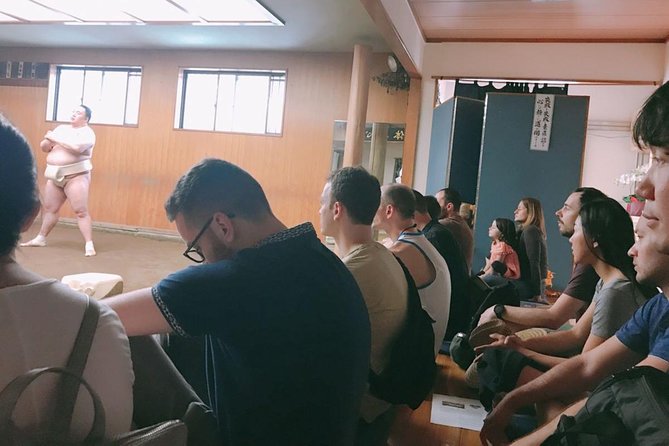
The guide can make the difference between a fascinating cultural visit and an expensive hour of silent sitting.
The strongest guiding includes a clear briefing before the stable, basic rules of sumo, an explanation of what the wrestlers are doing, and a short question period afterward. Guides named Mayu, Masao, Ayaka, Tommy, Kate, and Yumiko have each been singled out for warmth, useful explanations, or strong organization.
Good guiding is especially valuable for first-time visitors. Without context, practice can look like a series of loud collisions. With context, you begin to understand rank, technique, training routines, and the strict manners of the stable.
The guiding is not always uniform. Some sessions have had only a brief introduction, with little explanation of the sport’s origins or the wrestlers’ daily life. Some people have also found the meeting-point briefing hard to hear because of traffic and station noise.
I would set your expectations correctly: this is primarily access to practice, with guiding added around it. If your main goal is a detailed classroom lesson on sumo, ask questions when the group is outside the stable and listen carefully to the pre-visit briefing.
The $98.16 price and what you receive
At $98.16 per person, this is not a cheap way to spend two hours. You are paying for local coordination, access arranged through a guide, admission to the stable, and a small group that makes the visit easier to manage.
The value depends on what you would otherwise do. You cannot count on casually walking into a stable and watching practice. The provider handles the meeting, the walk, the stable relationship, and the etiquette. For a visitor who wants close access but does not speak Japanese or know the local customs, that service has real value.
The price feels less convincing if your group receives very little explanation, sits far back, or loses the photo opportunity. Seating is first come, first served, and late arrivals may be two or three rows behind the front. Arriving early improves your odds, but it does not guarantee a front place.
You also pay for uncertainty. The stable can change the schedule, shorten practice, refuse photographs, split a large group, or cancel because of conditions beyond the provider’s control. That is normal for access to a working sports stable, but it is worth knowing before you book.
Who should book this morning experience?
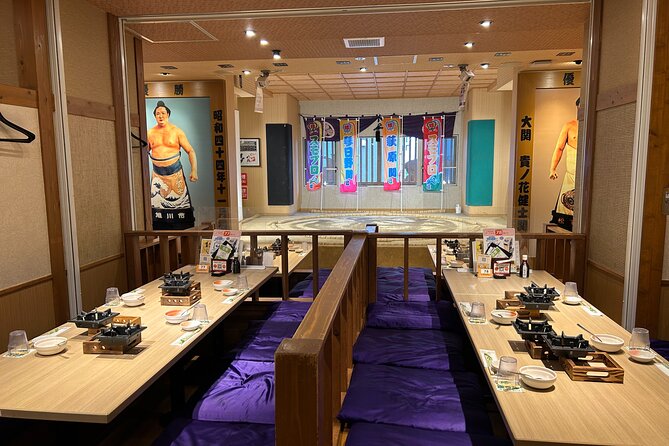
I would choose this for anyone who wants to see the daily work behind sumo rather than simply attend a tournament. It suits sports fans, culture-minded visitors, and first-time Tokyo visitors who value rare access over a polished attraction.
It is also a good solo activity. You need to sit quietly during practice, so you do not need a companion to fill the time. The small group size can make it easier to hear the guide and ask questions afterward.
I would think twice if you have trouble sitting on the floor for a long period. The experience can be physically uncomfortable, and you may not be able to shift seats or leave for the toilet. Summer visitors should bring water and wear a hat before and after the stable, since Tokyo can be hot and humid.
Children under 12 cannot enter. Everyone in your party must be at least 12 years old, and the rule is enforced without a refund for an underage participant.
Practical ways to get more from the visit
- Arrive at least 10 minutes early: The meeting point is easy to miss if you use the wrong Ryogoku station.
- Use the JR East Exit: Do not go to the Oedo Line station.
- Wear comfortable clothing: You may sit on tatami flooring for a long stretch.
- Use the toilet first: You might not be allowed to leave during practice.
- Keep quiet inside: The stable is a workplace, not a performance venue.
- Bring water in hot weather: Summer heat and humidity can make the morning tiring.
- Ask questions before or after practice: Conversation during training may be prohibited.
- Keep your afternoon flexible: Practice can run past the estimated two hours.
- Do not count on photography: The stable decides if practice and posed photos are allowed.
Free cancellation is available up to 24 hours before the start time. Cancellations or changes made inside that window are not refunded, and weather-related cancellations may lead to another date or a full refund.
Should you book the Tokyo sumo morning practice?
Book it if you want authentic access, can sit quietly on the floor, and understand that the stable controls the schedule and photo rules. The sight of wrestlers training at close range can be one of Tokyo’s most unusual cultural experiences, especially when a guide helps you understand the discipline behind every bout.
Skip it if you need a fixed timetable, guaranteed photos, comfortable seating, or a detailed lecture from start to finish. The $98.16 price is reasonable for arranged access and a small group, but only if you value the practice itself.
My advice is to arrive early, wear comfortable clothes, go to the bathroom first, and treat the photo session as a pleasant extra. The real prize is sitting quietly in the room while professional wrestlers do the hard, repetitive work that a tournament audience rarely sees.
FAQ
Where does the tour meet?
Meet at Re.Ra.Ku Ryogoku Ekimae beside the JR Ryogoku Station East Exit, under the station tracks. The guide will hold a red or orange MagicalTrip board.
Which Ryogoku station should I use?
Use the JR Ryogoku Station East Exit. Do not go to Ryogoku Station on the Toei Oedo Line.
What time does the tour start?
The tour starts at 8 a.m. You should arrive at least 10 minutes before the start time.
Can children join the sumo practice?
Only people aged 12 and over can join. Children under 12 are not allowed inside the sumo stable.
Are photos with wrestlers guaranteed?
No. The sumo stable decides if visitors may take photos during practice or pose with wrestlers afterward.
Do I need to sit on the floor?
You may need to sit on tatami flooring because most stables do not provide chairs. Practice can last more than an hour, and the tour may run longer than the estimated two hours.
Just added in Tokyo
- Nikko: Edo Wonderland Edomura Cultural Theme Park Ticket★ 4.3 · 205 reviews
- 《MEMBERS-ONLY-BAR-HOPPING》Discover Your Special Whiskey in Tokyo!★ 5.0 · 29 reviews
- Japanese Whisky Hunting《HIGH-QUALITY-ONLY》Rare Tasting Class★ 5.0 · 20 reviews
- Luxury Tokyo Sake, Cocktail, Whisky and Pairing Tour★ 5.0 · 18 reviews
- Wagyu & Sake Pairing in Shinjuku – Steak, Shabu-Shabu & More★ 5.0 · 112 reviews
- Small-Group Wagyu Beef and 7 Japanese Dishes Tokyo Cooking Class★ 5.0 · 190 reviews
- Tokyo Cyberpunk Street Photo Tour★ 5.0 · 165 reviews
- From Tokyo: Private Tour to Fuji/Hakone – Onsen, Art, Nature★ 5.0 · 116 reviews
Sumo Experiences, compared.
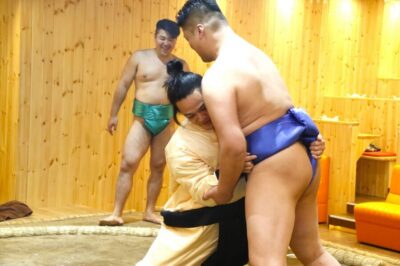
Sumo Show Experience with Chicken Hot Pot and a Photo
Read our review →
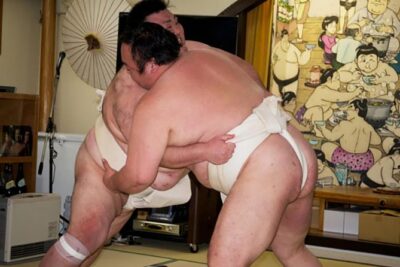
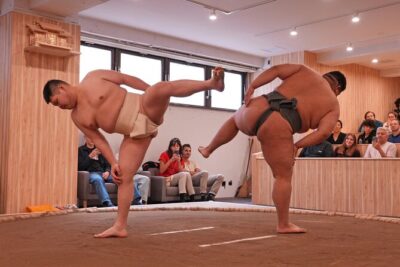
Tokyo Shinjuku Sumo Show & Experience with Photo
Read our review →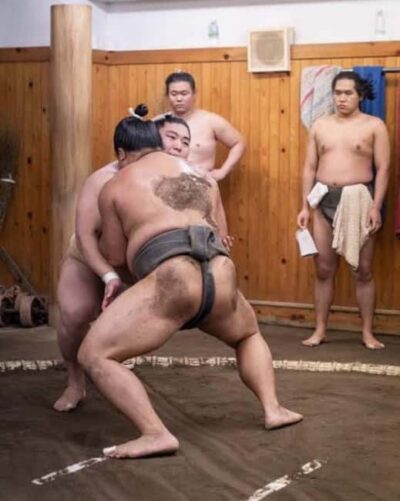
Sumo Show & Experience w/ Optional Kimono & Hot Pot
Read our review →
Authentic Sumo Experience in Tokyo: Enter the Sanctuary
Read our review →Browse the lists this tour appears in