
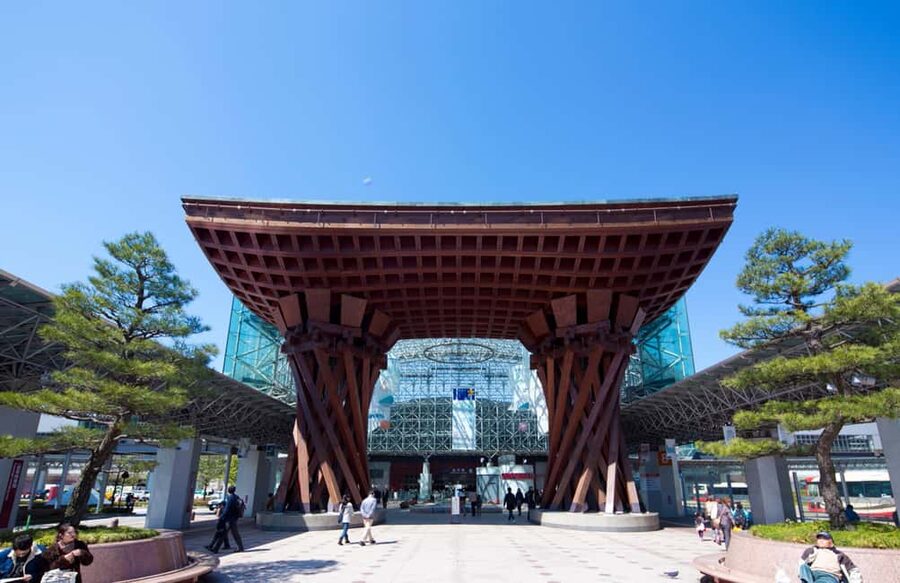
Reviewed · WALKING TOURS
Kanazawa Private/Group Walking Tour: Local & Major Highlight
Kanazawa’s best sights are spread across a walkable historic center, and this tour links them into one useful introduction. You move from samurai walls to seafood stalls, a castle, a famous garden, and old teahouses while a local guide explains how the pieces fit together.
I like the personal route planning and the way guides such as Emi and Yu adjust the experience to your interests, hotel location, mobility needs, or plans after the tour. I also like the café pause, which gives you a quiet break instead of turning the outing into a nonstop march.
The main consideration is pace. The tour covers a lot in 2 to 4 hours, mostly on foot, so you will see highlights rather than spend long periods inside each place. Public transport and food are not included, and guide communication may vary by person.
Key points to know before booking

- A strong first look at Kanazawa: Cover the market, castle, garden, samurai quarter, shrine, and geisha district in one outing.
- Local guides make the difference: Emi, Yu, Hirofumi, and Aiko are praised for warmth, preparation, personal stories, and practical recommendations.
- Mostly a walking tour: Expect streets, garden paths, market lanes, and historic districts, with a short bus ride listed in the sample route.
- Good cultural context: Learn about the Edo period, samurai families, Japanese religious practice, and the connection between Shinto and Buddhism.
- Useful for a short stay: The tour helps you get your bearings and choose where to return for lunch, shopping, or a longer visit.
- Private and small-group choices: A private outing offers more room for questions, family needs, photography stops, and route changes.
Why this route works so well in Kanazawa

Kanazawa is compact enough to explore on foot, but its major sights are not all in one place. A first-time visitor can easily lose time working out the best order, finding entrances, or deciding which historic lane is worth following.
This experience gives you a clear framework. You begin at a selected meeting point, with hotel pickup available on request for a central location. The sample route includes a short bus ride, followed by walks between the main stops. The exact order can change by day, so treat the route as a useful guide rather than a fixed promise.
At $48 per person, the value depends on your group size and the guide option you choose. For a private group, that price buys local explanation and route planning without the rigid feel of a large coach tour. For a solo visitor or couple, the cost is higher than exploring by yourself, but you gain answers to questions that signs and guidebooks may not cover.
The strongest part is not simply seeing the buildings. It is understanding why Kanazawa has samurai streets, a major castle, carefully kept gardens, a merchant market, shrines, and geisha districts within one city center.
Other guided walks in Kanazawa:
- Kanazawa: Private Walking Tour with a Local
★ 4.8 · 141 reviews - True Kanazawa: Private Walking tour with a Local guide
★ 5.0 · 66 reviews - Kanazawa: City Highlights & Hidden Gems Private Walking Tour
★ 4.8 · 42 reviews
Nagamachi Samurai District and the world behind the walls
The route often begins in Nagamachi, the former samurai quarter. Earthen walls and preserved residences give this area a quieter feel than the market or castle grounds. The short visit is mainly for walking, photos, and explanation rather than a long house-by-house museum tour.
This is where a good guide adds real value. You can learn how the district was arranged and hear about the families who lived there. The simple walls are easy to pass without much thought, but they point to the social order of the Edo period and the role of samurai households in Kanazawa.
I would pay attention to the guide’s stories here, since the physical sights are understated. Nagamachi is not a place of grand monuments at every turn. Its appeal lies in the preserved street pattern, the earthen boundaries, and the sense of a residential quarter from another age.
The planned stop lasts about 20 minutes. That is enough for an introduction and a walk, but not enough for every interior or museum nearby. If samurai architecture is your main interest, ask the guide if the route can spend more time here, especially on a private tour.
Omicho Market, where Kanazawa eats
Omicho Market brings a sharp change of mood. The lanes are filled with seafood, produce, and local food traditions, and the smell of fresh ingredients gives you an immediate sense of what Kanazawa eats.
The sample schedule allows around 20 minutes. That is enough to look around and hear an explanation of local food, but it may feel brief if you want to stop for a full meal. Food and drinks are not included, so bring cash or a credit card if you want to buy something.
I like having the market early in the visit because it gives useful lunch ideas for later. Several guides also offer restaurant suggestions after the tour. Yu, in particular, is praised for helping with restaurant choices, while other guides have recommended places that guests returned to the next day.
Do not expect this stop to function as a full food tour. It is an introduction to the market and its role in city life. If seafood or local sweets are central to your plans, tell the guide at the beginning so the short visit can be used well.
Oyama Shrine and Kanazawa’s religious story
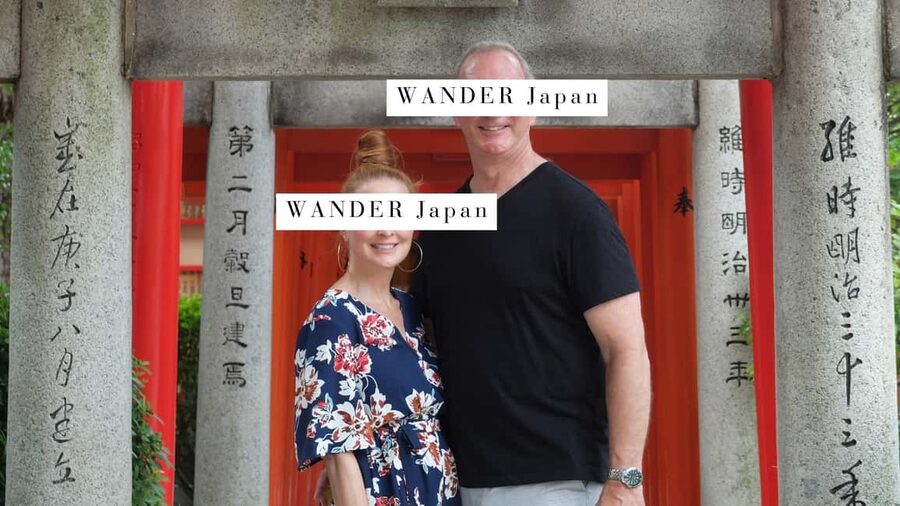
Oyama Shrine is one of the route’s most meaningful stops. The visit connects Kanazawa’s past with the local leader associated with Kanazawa Castle and his wife. It is also a chance to discuss Japanese religious practice rather than simply take a photo at a shrine entrance.
The tour presents the relationship between Shinto and Buddhism, a subject that can seem confusing when you visit shrines and temples on your own. Your guide can explain the difference in a practical way and show how the two traditions have shaped Japanese life.
Around 20 minutes is scheduled here. That gives you time to look, listen, and take photographs, but the stop will remain fairly focused. The experience is strongest if you are curious about customs, worship, and the way history is remembered through religious sites.
The description also refers to a historic temple as part of the cultural focus, though the example route specifically lists Oyama Shrine. Since the route can change, ask at the start which religious site is planned for your date.
Same base, a different sort of day:
- World Heritage Shirakawa-go and Experience Tours from Kanazawa
★ 5.0 · 4,049 reviews - Kanazawa: Kenrokuen Tea Ceremony Experience
★ 4.8 · 1,139 reviews - Kanazawa Half Day Tour (Private Guide)
★ 5.0 · 361 reviews - Kanazawa Full Day Tour (Private Guide)
★ 5.0 · 323 reviews
Kanazawa Castle Park and the Edo-period city

From Oyama Shrine, you walk toward Kanazawa Castle Park. The route allows about 30 minutes, including a look inside the castle area. The buildings, gates, and open grounds help you picture the political center of the old city.
This is another stop where context matters. Without explanation, a castle can become a quick series of roofs and walls. With a guide, you can connect the site to Kanazawa’s ruling family, the samurai quarter, and the people whose lives were organized around the castle town.
The castle visit is not an all-day examination of every structure. You will have a short introduction and time for the main views. If you want detailed architectural study, you will need to return independently.
The route also includes a café break of roughly 20 minutes, often at a guide’s preferred local café with views toward the castle area. This is a small but smart feature. Kanazawa’s sights involve plenty of walking, and a tea or coffee stop gives you time to ask questions while resting your feet.
Food and drinks cost extra. The café choice may vary, and the experience is not described as a formal tea ceremony. Think of it as a relaxed local pause, with some tours including a matcha-related drink or dessert stop.
Kenrokuen Garden in every season

Kenrokuen is one of Japan’s three famous gardens, and it is the visual centerpiece of the route. Its paths, plantings, water features, and carefully framed views show the Japanese art of shaping nature without making the result feel overly forced.
The schedule allows about 30 minutes. That is enough to walk through selected sections and learn why the garden matters, but you will not see every corner at a leisurely pace. I would treat the visit as an orientation and return later if gardens are a major reason for your trip.
The timing of your visit changes the mood. Plum blossoms are specifically highlighted, while the broader appeal shifts with the seasons. Each visit offers a different mix of flowers, trees, water, and weather, so your experience will depend heavily on the date.
The garden also provides a useful contrast with the castle. The castle represents authority and defense, while Kenrokuen offers controlled calm and visual pleasure. Seeing them together helps you understand how Kanazawa’s old rulers presented both power and refinement.
Higashi Chaya District and the old teahouse streets

The final major stop is Higashi Chaya District, a traditional geisha quarter with preserved wooden teahouses. You have a guided introduction, then some free time for your own walk and photos.
The district is especially appealing because the buildings create a strong sense of place. Wooden facades, narrow streets, and carefully maintained details make this a good spot to slow down after the faster market and castle visits.
The scheduled visit is about 20 minutes, so it is another preview rather than a full afternoon. You may want to stay longer after the tour ends, depending on opening hours and your plans. The tour concludes with free time in Kanazawa, which makes it easy to continue exploring or find lunch.
This final stop also gives the route a pleasant rhythm. You start with samurai residences, pass through food and political centers, and finish among the old teahouses. The city’s different social worlds become easier to compare.
What the guides add to the experience
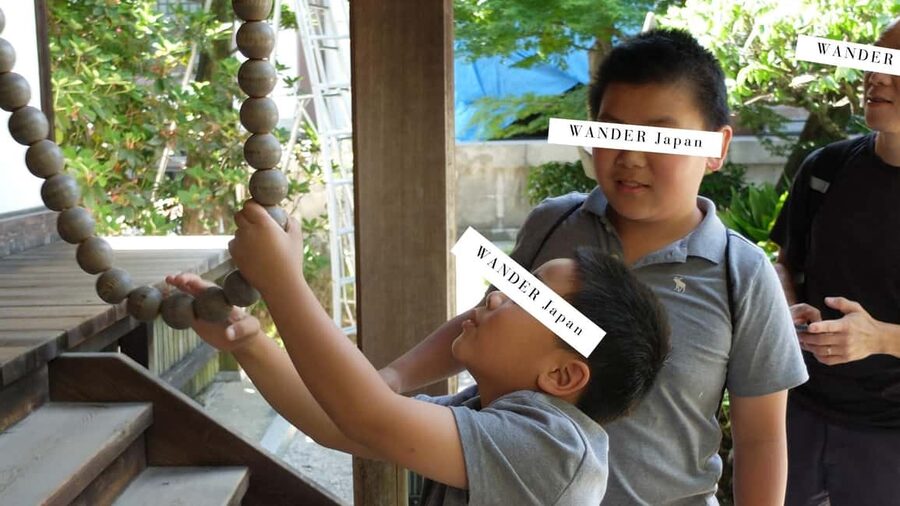
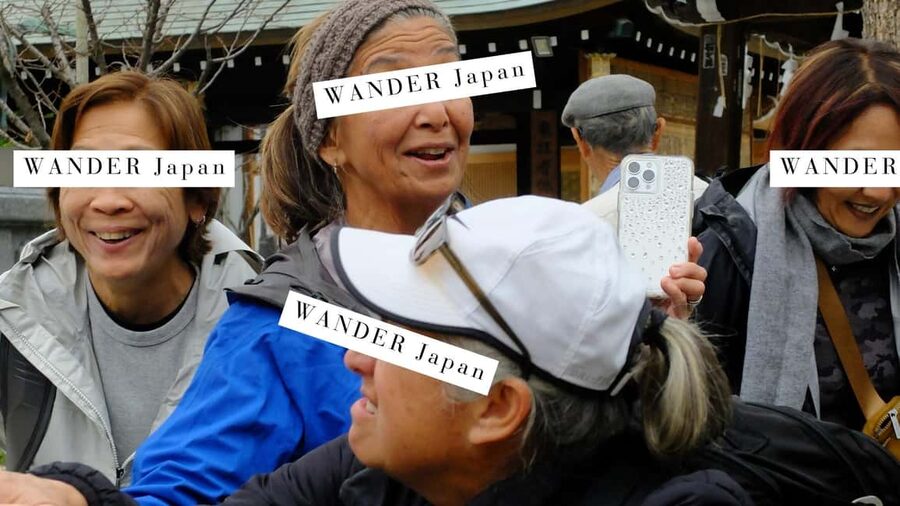
The guide is the key reason to book rather than follow a map. Emi is repeatedly praised for her warmth, preparation, and pride in Kanazawa. Yu is often noted for clear English, personal stories, patience with questions, and practical help before and after the walk.
Hirofumi has contacted people before the tour, adjusted the route around a hotel, and helped visitors plan the rest of their day. Aiko is described as warm and proud of the city. These names do not guarantee who will lead your tour, but they show the kind of personal service the operator aims to provide.
You should expect different speaking styles. Most feedback about English is strongly positive, but one person found a guide’s English difficult to understand. If language clarity is especially important to you, request an English-speaking guide and confirm your needs when booking.
The guides also go beyond dates and facts. They explain modern Japanese life, answer questions about culture, suggest restaurants, and sometimes follow up after the tour. That kind of contact can be especially useful if Kanazawa is one stop in a longer Japan trip.
Walking, accessibility, and how to prepare

The experience is primarily a walking tour. Allow for streets, market lanes, garden paths, and time on your feet. The listed route includes a 10-minute bus ride, but transportation is not included in the price, so carry cash and a credit card.
The activity is marked wheelchair accessible, and Yu has adjusted the route for wheelchair users. Another guide helped a guest using a wheelchair travel from a cruise terminal into town and made small changes to keep the walk manageable.
Still, accessibility should be discussed in advance. The route covers several districts and may involve busy streets, garden paths, and public transport. Ask what can be changed for your specific needs rather than assuming every section will work unchanged.
Comfortable shoes are the obvious choice. Bring payment cards and cash, since you may want food, drinks, transport, or shopping along the way. A phone is useful for guide communication and receiving any photographs or follow-up suggestions.
Who should book this Kanazawa walk?
I would recommend it to first-time visitors who want a clear introduction before exploring alone. It is also a good fit for families, couples, and small groups who prefer conversation over a large guide’s microphone.
The tour works well early in a Kanazawa stay. You can learn where to return, ask about lunch, and use the guide’s suggestions for the rest of your visit. It also suits visitors with limited time, since the route gathers many major sights into one organized outing.
You may want something else if you prefer long museum visits, a dedicated food tour, or slow photography at one site. The schedule is broad, and the stops are short. A private booking gives you the best chance of slowing down at Nagamachi, the market, the castle, or Kenrokuen.
The option is also useful for cruise passengers and people with special mobility needs, provided you communicate those needs in advance. Central hotel meet-up is available on request, but the meeting point depends on the option you book.
Should you book it?
Book this tour if you want Kanazawa explained by a local person rather than simply checked off a map. The strongest reasons are the thoughtful route, the mix of historic districts and everyday food culture, and guides such as Emi and Yu who add personal stories and practical advice.
At $48 per person, it is fair value for a private or small-group introduction, especially if you use the guide’s suggestions for the rest of your stay. Just keep your expectations clear: this is a brisk overview with walking, not a long visit inside every attraction.
Choose the 3 to 4-hour option if you want breathing room for questions and the café break. Tell the guide your priorities at the start, bring payment for extras, and leave time after the tour to return to the places that caught your attention.
FAQ
How long does the Kanazawa walking tour last?
The tour lasts between 2 and 4 hours, depending on the option you select and the availability shown when booking.
What places are included on the route?
The example route includes Nagamachi Samurai District, Omicho Market, Oyama Shrine, Kanazawa Castle Park, a local café, Kenrokuen Garden, and Higashi Chaya District.
Is the tour private or shared?
Private and small-group options are available. The exact group type depends on the option you book.
Which languages are offered?
Live guiding is available in English and Japanese.
Is transportation included?
The experience is mainly on foot. A short bus ride is included in the sample route, but transportation costs are not included.
Can I request a hotel pickup?
Hotel meet-up is available on request for a central location. The meeting point can vary according to the option booked.
Is the tour wheelchair accessible?
The activity is marked wheelchair accessible. Guides have adjusted routes for wheelchair users, but you should discuss your specific needs before the tour.
Are food and drinks included?
No. Food and drinks are not included. The route includes a café break, and you should pay separately for any drinks, snacks, or meals.
Just added in Kanazawa
- Kanazawa: Sushi & Japanese Cooking Class at a Historic School★ 5.0 · 66 reviews
- Taste of Kanazawa (Food tasting in Omicho Market & Higashi Chaya)★ 5.0 · 58 reviews
- Takayama and Shirakawago/Photoshoot by professional photographer★ 5.0 · 67 reviews
- Kanazawa private 1 day/Photoshoot by professional photographer★ 5.0 · 33 reviews
- Photoshoot session by professional photographer in Kanazawa★ 5.0 · 42 reviews
- Private Tour of Shirakawago and Gokayama from Kanazawa★ 5.0 · 50 reviews
- Shirakawago & Kanazawa from Kanazawa★ 5.0 · 51 reviews
- Private Ring Craft Experience in Kanazawa★ 5.0 · 22 reviews
Walking Tours, compared.
Kyoto Geisha Walking Tour: Gion District & Hidden Gems
Read our review →
Tokyo Tsukiji Fish Market Food and Culture Walking Tour
Read our review →
Imperial Palace and Shogun Historical Walking Tour
Read our review →
Gion Geisha District Walking Tour – Stories of Geisha
Read our review →
Shinjuku Local Bar and Izakaya Guided Walking Tour
Read our review →
Asakusa Walking Tour with Sensoji Temple Visit
Read our review →
Nishiki Market Brunch Walking Tour (7 Tastings + Brunch)
Read our review →Browse the lists this tour appears in