
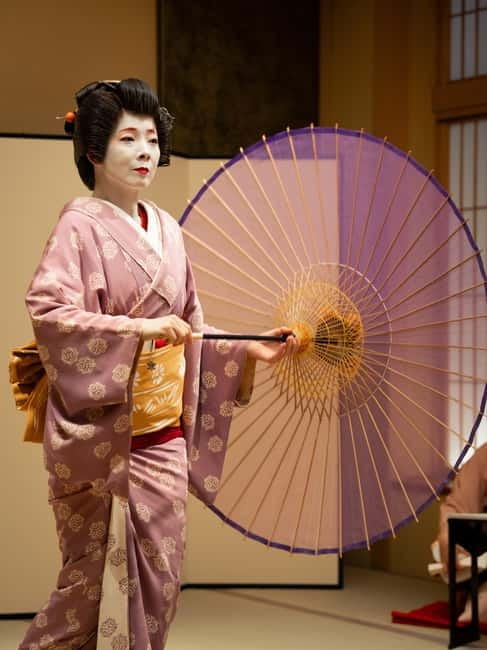
Reviewed · GEISHA & GION DISTRICT TOURS
Asakusa: Geisha Performance and Tea House Experience
Real geisha, live shamisen music, a formal dance, and a playful Japanese party game all fit into this 75-minute tea house visit in Asakusa. It gives you a direct look at a performance tradition that was once reserved for private banquets and elite social circles.
I like the way the program balances beauty with conversation. The dance and music provide the polished cultural presentation, while the questions and Konpira Fune Fune game make the room feel friendly rather than stiff. The main drawback is cost: at $106 per person, plus one required drink order, this is a short and fairly expensive cultural activity.
Key things to know before booking
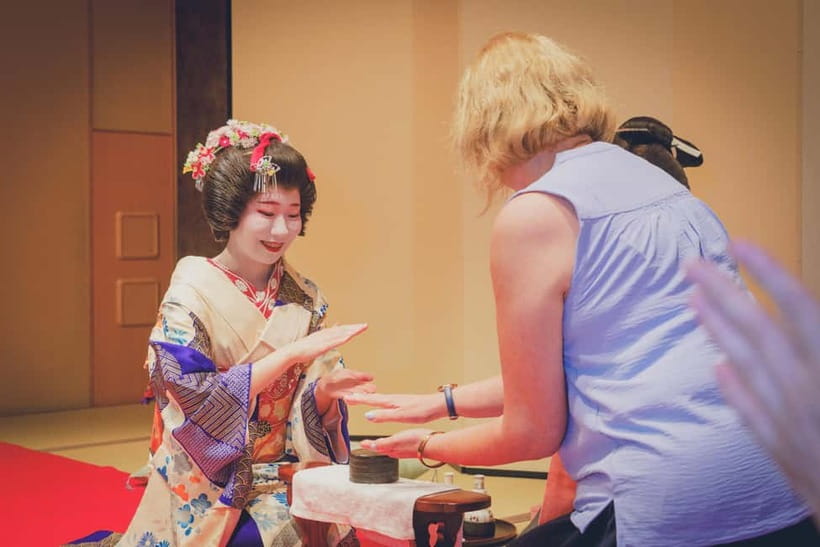
- Real geisha and live shamisen: Watch traditional dance accompanied by Japanese string music and singing.
- A small-group feel: One session had about 16 people, which allowed time for questions and personal interaction.
- More than a stage show: You can speak with the performers through the English host or translator.
- Matcha and seasonal sweets: The complimentary tea and Japanese confection add a quiet, graceful pause after the games.
- One drink is required: Choose an alcoholic or non-alcoholic drink, but it is not included in the $106 price.
- A useful Asakusa stop: The tea house sits in one of Tokyo’s best-known traditional districts, but you must arrange your own transportation.
What the 75-minute program feels like
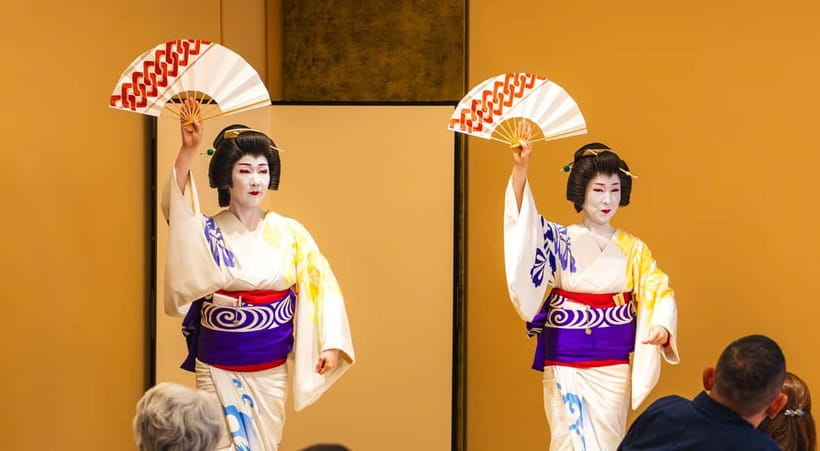
This is not a full evening at a traditional Japanese banquet house. It is a compact introduction, carefully arranged to give you several different sides of geisha culture in a single sitting.
You begin with a welcome at Miyakodori’s Ozashiki Tea House. The word ozashiki refers to the traditional banquet-room setting associated with geisha entertainment. You may sit on low stools in the banquet area, as one past session did, rather than on the floor for the whole program.
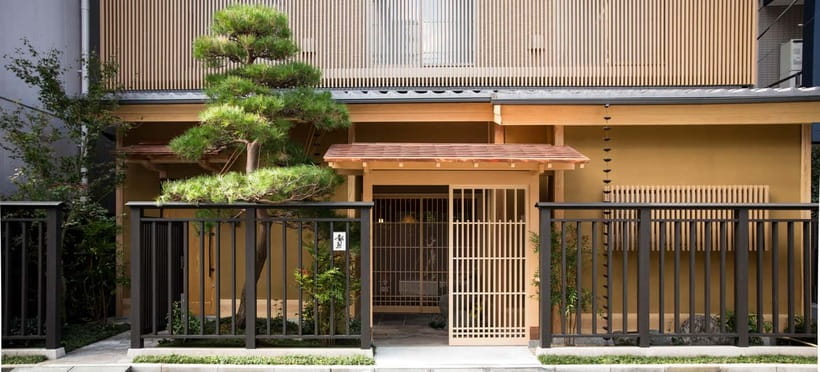
The setting is part of the appeal. You enter a dedicated tea house instead of watching a performance in a large theater packed with tourists. The format keeps the performers close, and the room allows you to notice costume, posture, instruments, and small gestures.
The schedule moves at a good pace. There is enough ceremony to make the occasion feel distinct, but enough interaction to keep it from becoming a passive show. You should expect the balance to favor a polished cultural presentation rather than a long lecture about geisha life.
Other evenings in the old entertainment quarters of Tokyo:
- Tokyo: Traditional Geisha Experience Show & Japanese Dinner
★ 4.2 · 59 reviews - Kyoto Geisha Walking Tour: Gion District & Hidden Gems
★ 4.7 · 3,273 reviews - Kyoto: Gion Magical Night Walking Tour with Geisha Trivia
★ 4.9 · 2,393 reviews
The dance and shamisen performance
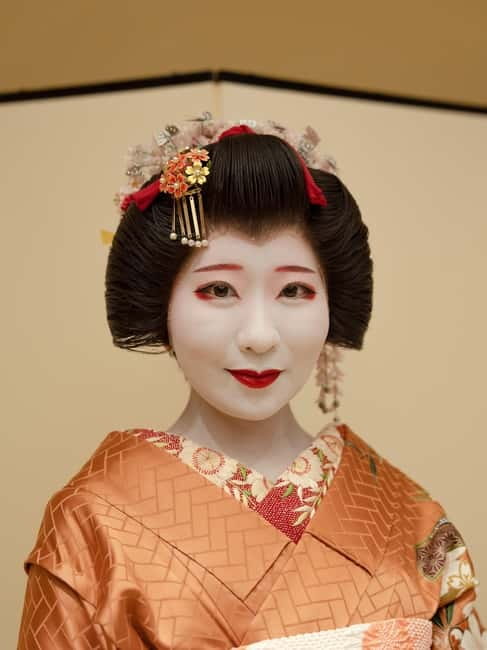
The most formal part of the visit is the dance performance. The geisha perform with controlled movements, traditional costume, and the careful timing expected of trained artists. This is not a folk dance lesson or a casual demonstration. It is a staged art form, and the restraint is part of its appeal.
Live shamisen music gives the dance its shape. The shamisen is a three-stringed Japanese instrument with a crisp, distinctive sound. In one session, the music and singing were performed by Shisa, while geiko Chizuru and maiko Tamaaki appeared as the dancers. The exact performers may vary, but the program includes live musical accompaniment rather than a recording.
I especially like this part for visitors who want to see craft rather than simply collect a photograph. The performance gives you a chance to watch the relationship between movement, music, costume, and silence. Small details matter here, so sit where you can see the performers clearly and give the dance your full attention.
The tradeoff is that the dance is relatively short within a 75-minute program. If your main goal is a long traditional performance, you may find the format too brief. If you want a first look at geisha arts alongside conversation and games, the mixture works well.
Meeting the geisha and asking direct questions
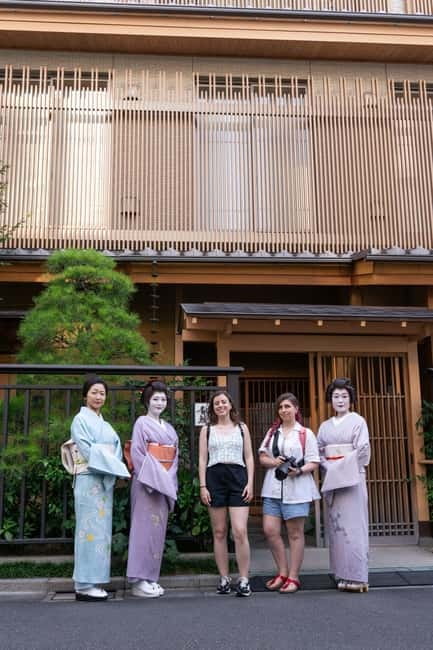
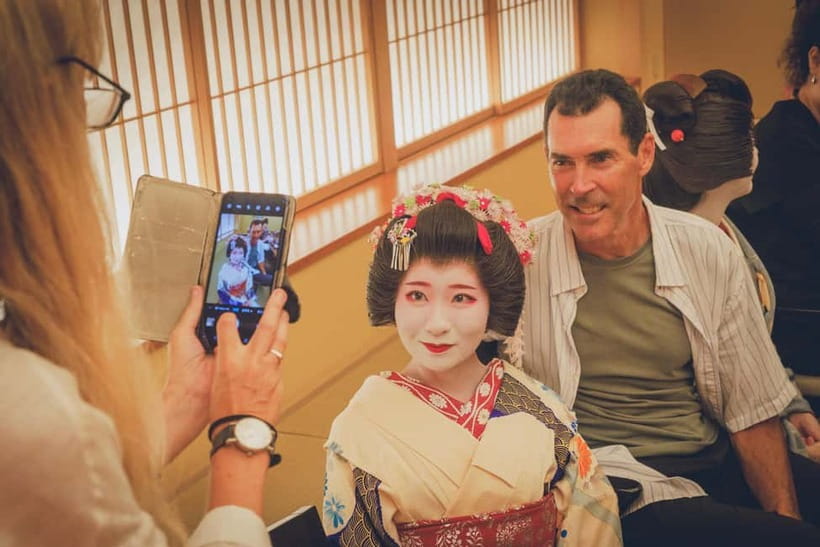
After the performance, the mood becomes more relaxed. The English host or translator helps connect you with the geisha, so you can ask about their work and daily lives.
This conversation is one of the strongest parts of the visit. Geisha culture can seem mysterious from the outside, and it is easy to build up wrong ideas from films or guidebooks. Direct questions give you a chance to understand the people behind the makeup, kimono, music, dance, and formal manners.
The performers are not simply introduced and sent away. The format allows a personal exchange, and the host helps if language becomes a barrier. This makes the activity a good choice for solo visitors, couples, and small groups who value conversation as much as photography.
You should still treat the setting with respect. Questions about personal life and the profession are welcome in the right tone, but this is a cultural meeting, not a backstage gossip session. Listen carefully and let the host guide the conversation.
The experience has included performers described as geiko and maiko. These terms refer to different stages and regional usages within the geisha tradition. You do not need to arrive with specialist knowledge. The host and translator help place the performance in context.
Playing Konpira Fune Fune
Then comes the part that breaks the formality: Konpira Fune Fune. This is an ozashiki-asobi game, a traditional entertainment game designed for participation and laughter.
The rules are demonstrated before you play. The game uses rhythm, quick reactions, and an object placed between participants. You need to pay attention, because the pattern becomes harder once the pace picks up. It is lighthearted and social, not a serious contest.
This section matters because it shows another side of geisha hospitality. The tradition is not only about silent elegance and exact dance movements. It also includes timing, wit, play, and the skill of making everyone in the room feel involved.
A group of children aged three to ten took part in one session and remained engaged, so families may find the game especially useful for keeping younger visitors interested. Still, the required drink order and the formal setting may not suit every family. Parents should consider their children’s patience and comfort before booking.
The game is sometimes described as a drinking game, but alcohol is not required. Each person must order one drink, and that drink can be alcoholic or non-alcoholic. The game itself is the focus, so you do not need to drink alcohol to take part.
Same base, a different sort of day:
- Mt Fuji and Hakone 1-Day Bus Tour Return by Bullet Train
★ 5.0 · 26,383 reviews - 1-Day Tokyo Bus Tour
★ 5.0 · 14,250 reviews - Tokyo: TOKYO SKYTREE® Admission ticket
★ 4.5 · 11,192 reviews - Tokyo: teamLab Planets TOKYO Digital Art Museum Entry Ticket
★ 4.6 · 9,779 reviews
Matcha and seasonal Japanese sweets
The program includes freshly whisked matcha and seasonal Japanese sweets. This is a small serving rather than a meal, so arrive fed if you are booking around lunchtime or dinner.
The matcha provides a calm contrast to the lively game. You can watch the preparation, taste the strong and slightly bitter tea, and pair it with the sweetness of the confection. Seasonal sweets are often designed to look as refined as they taste, so this part adds visual detail to the visit as well.
Do not confuse the complimentary matcha with the required drink order. The matcha is included, but each guest must also order one additional alcoholic or non-alcoholic drink at their own cost. That extra charge is the most important pricing detail to remember.
I like the way the sweets and tea keep the activity from feeling like a performance with a quick exit. You have time to sit, talk, and let the room settle. The drawback is that the refreshments are modest. This is a cultural tasting, not a Japanese meal or a full tea ceremony.
The commemorative photo
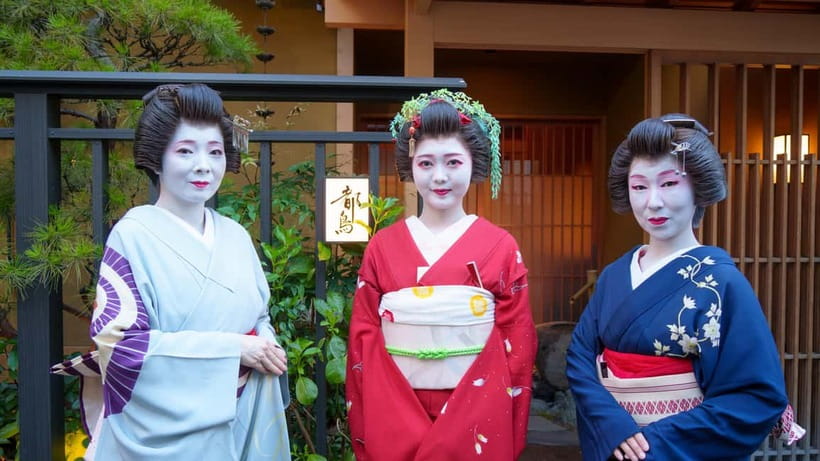
The visit ends with a commemorative photograph with the geisha. It is a simple but useful finishing touch, especially if you are marking a honeymoon, birthday, or major trip.
One family used the occasion to celebrate a birthday, and the hosts helped make the moment special. That suggests the staff can respond warmly to personal occasions, although you should not assume that every type of special arrangement is included unless confirmed in advance.
The photograph also gives the program a clear ending. You are not left wondering when the session is over or how to approach the performers for a picture. Follow the host’s instructions and be ready when your group is called.
Photography can feel awkward in a formal cultural setting, so a planned photo is better than repeatedly interrupting the dance. Keep your camera ready, but give priority to watching the performance while it is happening.
How authentic is this Asakusa encounter?
The program offers a genuine meeting with real geisha and uses traditional elements: dance, shamisen music, ozashiki-asobi, matcha, seasonal sweets, and formal hospitality. It is a clear look at living Japanese performance culture, not a costumed tourist show built around a theme park set.
At the same time, you should understand the format. This is designed for international visitors, with an English host or translator and a fixed 75-minute schedule. The questions, game, food, and photo are arranged to make the tradition accessible.
That does not make the experience artificial. It means the evening has been adapted for people who may have little background in geisha culture. The hosts explain enough to help you follow along, then let the performers demonstrate their art.
A past small group included geiko Chizuru, maiko Tamaaki, and shamisen performer Shisa. Their performance was praised for precision, humor, and interaction. Names and lineups can change, so treat those performers as examples of the quality and structure you may encounter, not as a guaranteed cast.
Is $106 a fair price?
At $106 per person, the price is high for 75 minutes. You must also pay for one drink per guest, and transportation to the Asakusa venue is not included.
The value comes from access. You are paying for a small-scale meeting with real geisha, a live performance, a translator or English-speaking host, participation in a traditional game, matcha, sweets, and a photograph. Booking several separate activities to cover all of those pieces could easily take more time and planning.
I would call it fair value for someone who places a high priority on traditional arts and personal interaction. The price is harder to justify if you mainly want a low-cost show or a substantial meal.
Group size affects the value. One session had about 16 participants, enough to create energy without turning the room into a large crowd. A smaller group gives you a better chance to ask questions and join the game, though the exact number can vary.
Because the required drink is an extra cost, set your budget above the headline price. The drink can be non-alcoholic, so the added expense is not limited to alcohol.
Who will enjoy this most?
I would recommend this for:
- First-time visitors to Japan who want a clear introduction to geisha arts.
- Couples and honeymooners looking for a memorable evening with a keepsake photograph.
- Solo visitors who appreciate a hosted activity where conversation is built into the format.
- Small groups and families who enjoy hands-on cultural activities rather than only watching.
- Performing-arts fans interested in dance, costume, live music, and disciplined presentation.
It may not suit you if you dislike structured group activities, do not want to order an additional drink, or expect a full meal. It is also not the right choice if your priority is a long, formal tea ceremony. The matcha is part of the program, but the main subject is geisha hospitality and performance.
Practical advice for your Asakusa visit
Arrive a little early. One participant specifically found this helpful, and it gives you time to locate the venue and settle before the performance begins. Transportation is not included, so allow extra time to reach the tea house in Asakusa.
Wear something comfortable enough for sitting on low stools. The program is only 75 minutes, but you will want to remain relaxed during the dance, questions, game, and refreshments.
Keep your questions ready. Ask about the music, dance, training, costumes, or the work of a geisha. The chance to speak directly with the performers is one of the rarest parts of the activity, and you will get more from it if you have two or three thoughtful questions in mind.
Plan this around other Asakusa sights rather than treating it as a full-day activity. Since the program is short, it can fit into a day of exploring the district. Leave enough time before and after so you are not rushing from a temple, museum, or meal.
Cancellation is free up to 24 hours before the start time, and you can reserve now and pay later. Starting times depend on availability, so check the schedule before building the rest of your day.
Should you book the Asakusa geisha experience?
Book it if you want close contact with Japanese traditional performance, not just a quick photograph. The dance, shamisen music, questions, game, matcha, sweets, and photo create a well-rounded 75-minute introduction.
I would especially choose it for a first visit to Tokyo, a honeymoon, or a special family occasion. The cost is substantial, and the required drink adds a little more, but the access and personal interaction are unusual.
Skip it if you are looking for dinner, a long concert, or a low-cost activity. For everyone else, this is one of the more personal ways to meet Japan’s living geisha tradition in Asakusa.
FAQ
Where does the geisha experience take place?
It takes place at Miyakodori’s Ozashiki Tea House in Asakusa, a district of Tokyo.
How long does the activity last?
The cultural experience lasts 75 minutes.
What is included in the price?
The experience includes the meeting with real geisha, a dance performance, live shamisen music, an ozashiki-asobi game, seasonal Japanese sweets, freshly whisked matcha, and a commemorative photo with the geisha.
Do I need to pay for a drink?
Yes. Each guest must order one alcoholic or non-alcoholic drink. This is separate from the complimentary matcha.
Is transportation included?
No. You must arrange and pay for your own transportation to the venue.
Is the experience offered in English?
The activity has an English host or greeter, and English translation is provided to support conversation with the performers.
Can I cancel for a full refund?
Yes. You can cancel up to 24 hours in advance for a full refund.
Just added in Tokyo
- The 10 Tastings of Tokyo With Locals: Private Street Food Tour★ 5.0 · 48 reviews
- Small Town in the Big City: Tasting Tokyo’s Kichijoji★ 5.0 · 195 reviews
- Small Town in the Big City: Tasting Tokyo’s Kichijoji★ 5.0 · 16 reviews
- EXCLUSIVE Tokyo Secret: Kichijoji Small-Group Food & Bar Hopping★ 5.0 · 29 reviews
- Explore Kichijoji: Walk Through One of Tokyo’s Beloved Districts★ 5.0 · 21 reviews
- :Tokyo,Shibuya/ Pro Photography in Kimono / English-Friendly★ 5.0 · 26 reviews
- 【R34】Tokyo:Private Daikoku tour in Modified R34★ 4.9 · 92 reviews
- Tokyo:Calligraphy &Make your original folding fan in Asakusa★ 5.0 · 62 reviews
Geisha & Gion District Tours, compared.

Kyoto Geisha Walking Tour: Gion District & Hidden Gems
Read our review →
Gion Geisha District Walking Tour – Stories of Geisha
Read our review →
Best of Kyoto: Gion, Geisha, Pagodas & Cobblestones
Read our review →
Kyoto Night Foodie Tour in Gion (9+ dishes + 6 Sake tastings)
Read our review →
Kyoto Gion: 2-Hour Geisha Culture & History Walking Tour
Read our review →
Chopsticks Making Workshop in Gion with Engraving Option
Read our review →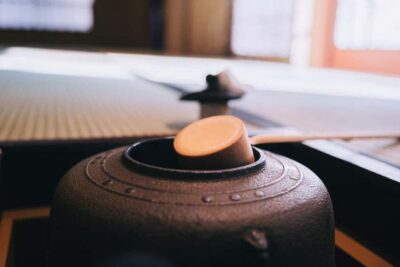
Browse the lists this tour appears in