
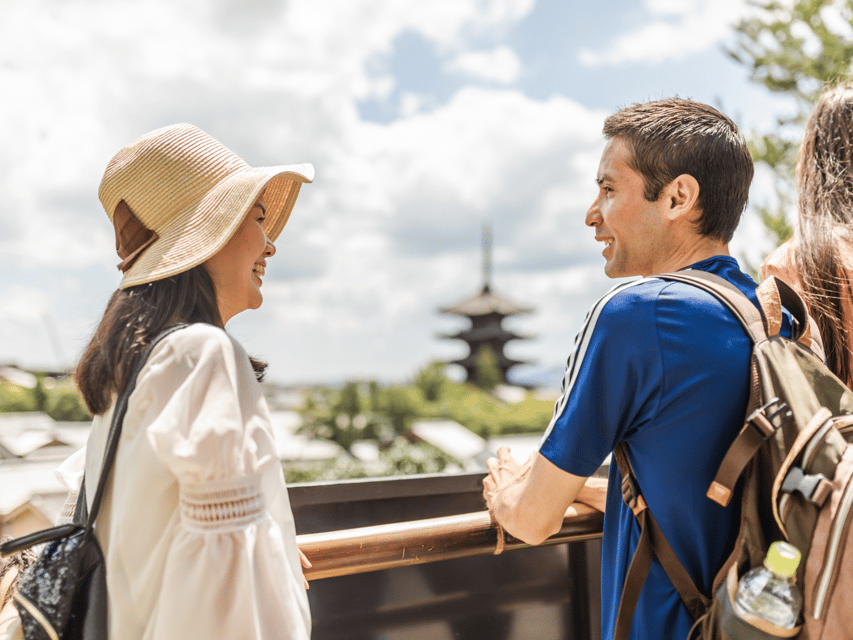
Reviewed · WALKING TOURS
Kyoto: Private Customized Walking Tour with a Local Insider
Kyoto’s best moments often happen between the famous sights. This private walking tour lets you shape the day around what you actually care about, from shrine rituals and Japanese gardens to Nishiki Market, Gion lanes, local food, or the practical business of using Kyoto’s trains. I especially like the pre-tour questionnaire and the chance to speak directly with your host before meeting. Those two steps can turn a vague city walk into a useful first-day orientation.
I also like the personal pace. Guides such as Mia, Nisa, Hiro, Milo, and Takaya have adapted routes for families, food interests, mobility concerns, hidden gardens, and first-time visitors. The main trade-off is that the quality and shape of the day depend on your host and your preparation. Transportation, meals, and entry tickets cost extra, and a two-hour booking cannot cover all of Kyoto.
Key points at a glance
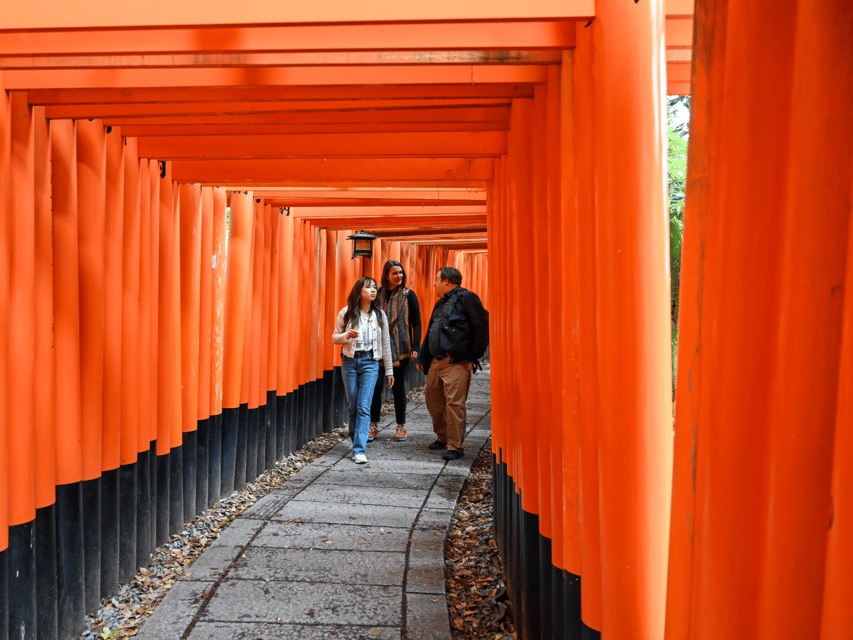
- Your interests set the route: Choose temples, gardens, food, shopping, Gion, history, or everyday Kyoto.
- The questionnaire matters: It helps match you with a host and gives the guide a useful starting point.
- Local food guidance is part of the value: Nishiki Market, traditional tea rooms, lunch suggestions, and small local counters may feature in your day.
- The pace stays flexible: Your host can adjust stops, timing, and explanations as the walk unfolds.
- It works well early in a trip: Guides can explain trains, customs, restaurant choices, and places to visit later.
- The price is reasonable for private help: At $64 per person, the value improves when two or more people share the experience and use the advice afterward.
A Kyoto walk built around you
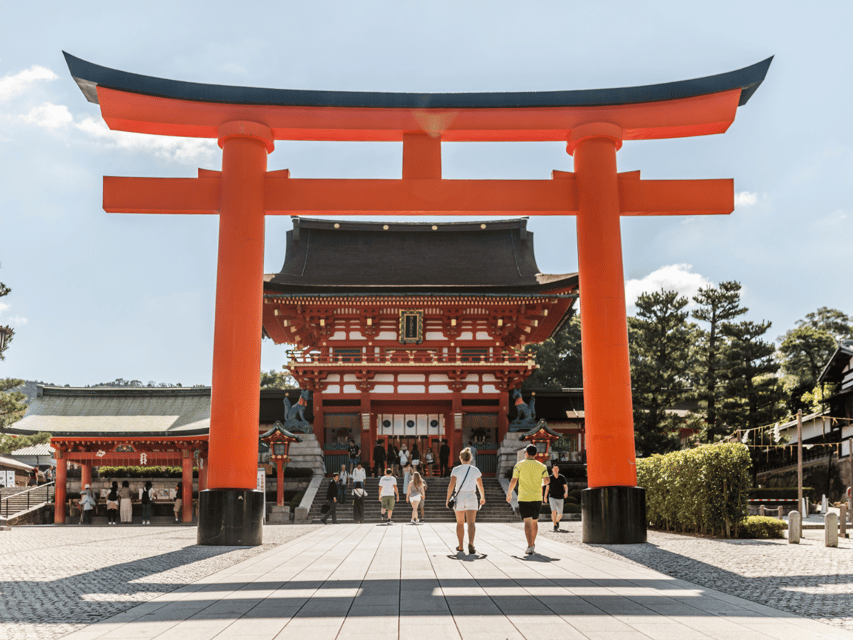
This is not a fixed sightseeing march. After booking, you complete a short questionnaire about your personality, interests, and preferred style of travel. Your host then contacts you to suggest a plan.
That exchange is important. If you simply say you want to see Kyoto, your guide has little to work with. Tell the host if you care most about Buddhism, Japanese gardens, food, geisha culture, shopping, local neighborhoods, family-friendly stops, or getting comfortable with public transport. The more specific you are, the more useful the route can be.
You can also say what you do not want. If crowded attractions wear you down, ask for quieter sites. If you have limited walking ability, mention it before the day begins. Takaya, for example, adjusted a route for mobility concerns, while other guides have changed plans for children, dietary needs, or a teenager who lost a phone.
The experience is available for two to six hours. That range makes a real difference. Two hours can give you a focused introduction to one area. Four hours is a better middle ground for combining sights with food or practical city advice. A six-hour day gives you more room, though you still need to allow for Kyoto’s size and possible public transport between areas.
Other walking tours in Kyoto people book:
- Kyoto Geisha Walking Tour: Gion District & Hidden Gems
★ 4.7 · 3,273 reviews - Kyoto: Gion Magical Night Walking Tour with Geisha Trivia
★ 4.9 · 2,393 reviews - Kyoto: Gion Geisha District Walking Tour – Stories of Geisha
★ 4.7 · 2,187 reviews
Choosing the right Kyoto focus
Because the itinerary is personal, your stops will depend on your answers and the host assigned to you. Still, several themes appear often and give you a good sense of what the walk can cover.
Shrines, temples, and Buddhist traditions
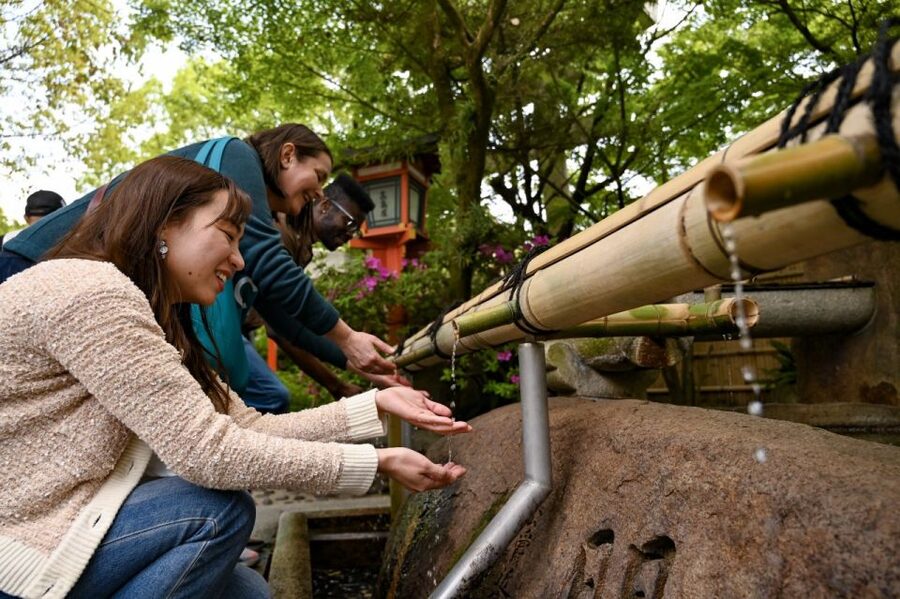
If you want cultural context, your host can help you make sense of the temples and shrines you see. A guide such as Nisa has explained geisha culture, Buddhist traditions, and everyday Japanese life, while other hosts have discussed Japanese gardens and local religions.
That context is useful because Kyoto’s sacred places can seem confusing at first. A guide can explain how a shrine differs from a temple, what you are looking at in a garden, and how local customs shape a visit. You can ask questions as they come up rather than trying to absorb everything from a sign or guidebook.
Possible stops may include Nanzenji, smaller shrines, temple gardens, or the Philosopher’s Path during cherry blossom season. One route included a traditional tea room at a temple, with matcha and a discussion of garden design. Another combined shrines with quieter sites away from the heaviest crowds.
Do not expect admission to be included. Attraction tickets are extra, and your host may recommend a mix of free and paid stops depending on your priorities.
Gion and geisha culture
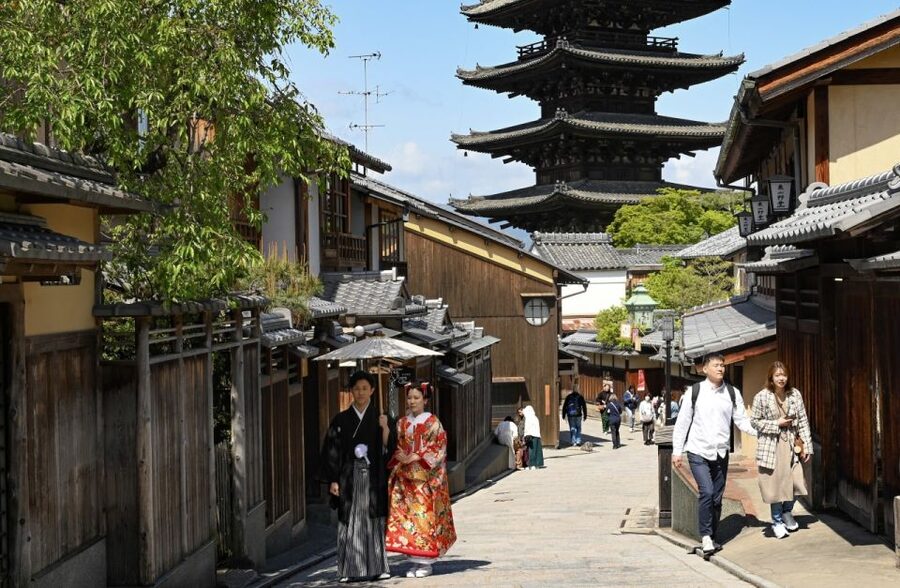
Gion can be a good choice if you want to understand Kyoto’s traditional side, but it is also an area where respectful behavior matters. A local guide can explain what you are seeing without reducing the neighborhood to a photo backdrop.
Nisa has helped visitors learn about geisha culture, while other guides have used Gion as part of a broader route. You may walk through historic lanes, discuss how the area functions today, and receive advice on places to return to later.
Keep your expectations sensible. A walking tour does not promise a geisha encounter, a performance, or access to private buildings. Its value is in the explanation and in seeing the area with someone who can add local context.
Other guided walks in Kyoto:
- Kyoto Gion Geisha District Walking Tour – The Stories of Geisha
★ 5.0 · 1,441 reviews - Nishiki Market Brunch Walking Tour (7 Tastings + Brunch)
★ 5.0 · 1,355 reviews - Kyoto Arashiyama Walking Tour: Bamboo, Monkeys, Gardens & Secrets
★ 5.0 · 1,216 reviews - Kyoto Gion: 2-Hour Geisha Culture & History Walking Tour
★ 5.0 · 1,186 reviews
Nishiki Market and Kyoto food
Food is one of the strongest reasons to book this experience. At Nishiki Food Market, a host can help you understand unfamiliar ingredients, choose small bites, and avoid wandering past everything without knowing what it is.
You pay for food separately, but that is also useful. Your host can help you spend your money on things that fit your tastes and dietary needs. One guide arranged lunch that worked for a specific dietary requirement. Other hosts gave recommendations for lunch after the tour, and several people used those suggestions later in the day.
The food focus can be as simple as a market walk or as personal as sitting at a tiny counter in someone’s home. That kind of stop is not guaranteed, so do not book expecting a particular restaurant or meal. Tell your host clearly if food is a main reason for booking.
The same applies to tea. A traditional tea room and matcha may be part of a route, but extra costs and availability need to be discussed with your host.
Quiet gardens and less crowded places
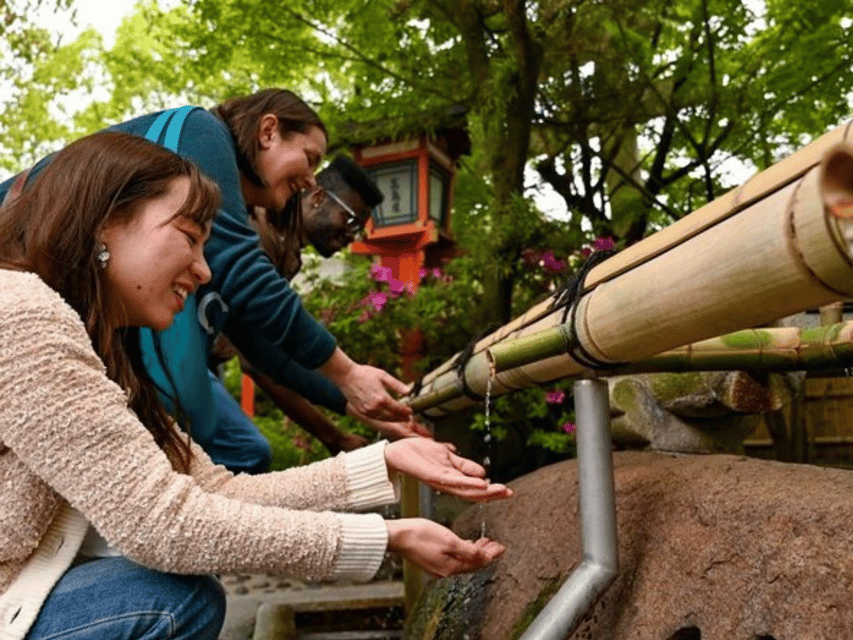
One of the most useful features is the chance to ask for places beyond the standard circuit. Kyoto has famous sights that deserve their reputation, but a private host can help you balance them with smaller gardens, quieter shrines, and less crowded corners.
A host named Sasha showed visitors an authentic garden and Nanzenji, then suggested the Kyoto Zoo for later. Another guide took a group away from crowds and included less obvious points around areas they already wanted to visit. This is the sort of practical adjustment that a fixed group tour cannot easily make.
There is a limit, though. Kyoto’s busiest sites are busy for a reason, and a local host cannot remove crowds from a famous temple during a peak season. The best approach is to combine one or two major sights with less pressured places nearby.
Tell your host if you are visiting during cherry blossom season or another busy period. A spring route using the Philosopher’s Path and Gion may be beautiful, but timing and crowd levels can affect the pace.
Your guide can help you get oriented
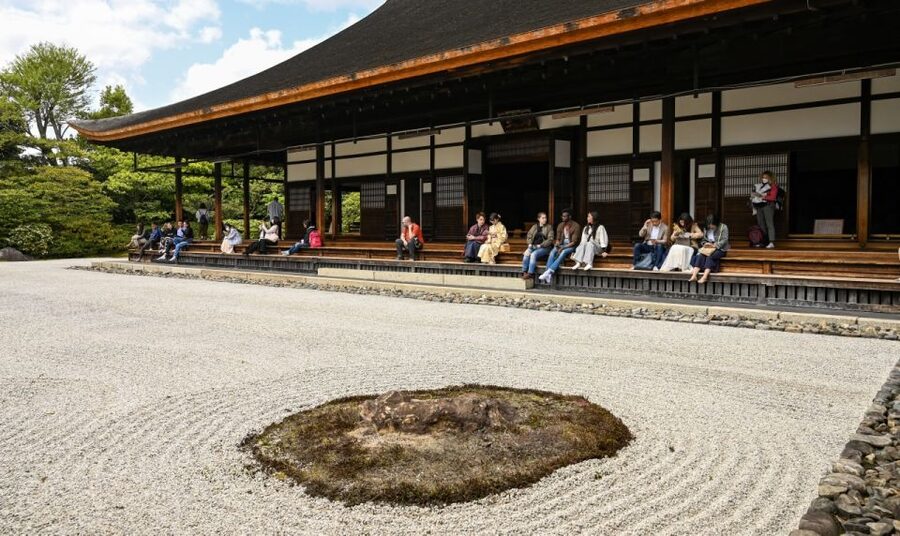
I think this tour works particularly well as an early activity in Kyoto. A host can show you how the city fits together, explain train routes, suggest restaurants, and point out places worth returning to independently.
Hiro has helped families understand trains and purchase needed items after visiting shrines. Emi gave a first-time visitor basic guidance on getting around and local social customs. Other hosts have provided restaurant suggestions and ideas for temples to visit after the walk.
That practical help may be worth more than another list of sights. Kyoto’s transport system is manageable, but the city spreads out, and the best route depends on where you begin. A few clear instructions early in your stay can save time later.
You should use the walk to ask practical questions. Ask where to eat near your hotel, how to reach a temple, which places fit your remaining schedule, and how to behave at a shrine or temple. Your guide’s answers can continue paying off after the tour ends.
How private and flexible is the experience?
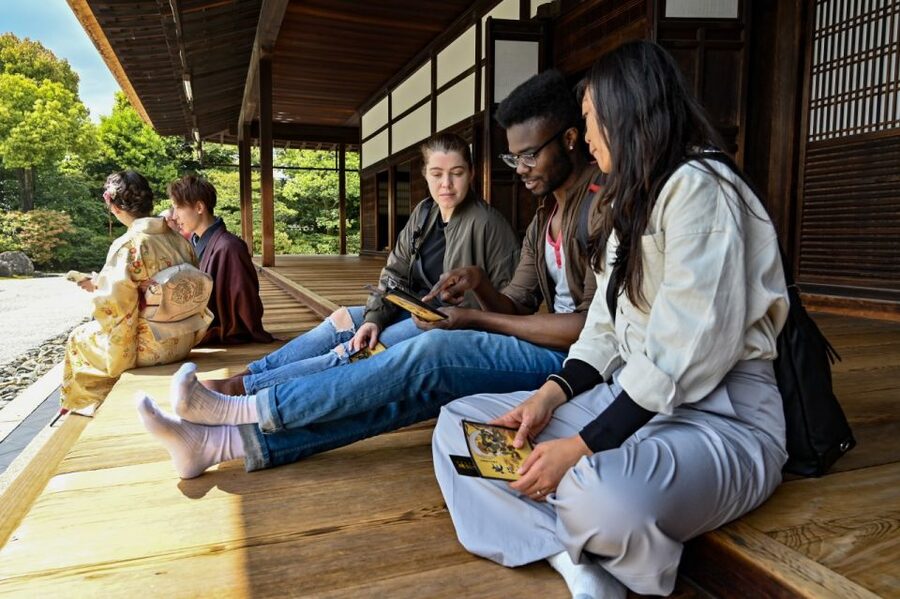
The booking is for a private group, so you do not share the guide with strangers. That makes it easier to pause, ask questions, change direction, or spend more time at a place that interests you.
The host can also adjust the starting time and meeting arrangement. Hotel pickup is available from central Kyoto hotels. Otherwise, you meet at the Starbucks by Kyoto Sanjo-ohashi Bridge in Nakagyo Ward.
The walk is not a private vehicle tour. You will travel on foot, and your host may suggest a train, bus, or taxi between areas. Those costs are not included. If you want to connect distant parts of Kyoto, ask about the likely transport expense before setting the route.
Wheelchair access is listed, but the details of each route still matter. Kyoto includes temple grounds, slopes, uneven paths, and crowded sidewalks. If accessibility is important for your group, discuss the exact places and walking distance with the host in advance.
What the $64 price buys you
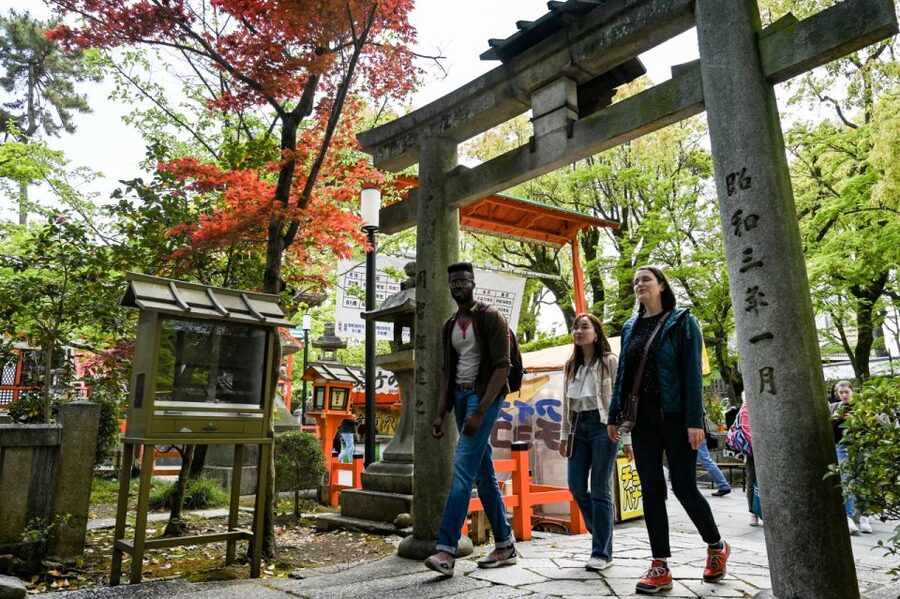
The listed price is $64 per person. For a private experience, that is a fair starting price, especially if you are traveling with a partner, family, or small group and want personal advice rather than a standard route.
The value is not just the hours spent walking. You are paying for the planning exchange, a host matched to your interests, explanations along the way, and suggestions you can use for the rest of your stay. A good lunch recommendation or a clear train explanation can make the fee feel worthwhile.
Still, budget for extras. Food, drinks, attraction tickets, and public transportation or taxis are not included. The price also does not guarantee a special meal, a particular guide, or every major Kyoto attraction.
A two-hour walk at $64 per person is best for a narrow goal. A four-hour booking offers more room to combine sightseeing and practical advice. If you want a full day, six hours gives you the most flexibility, but remember that more walking can also mean more fatigue.
Who will get the most from this walk?
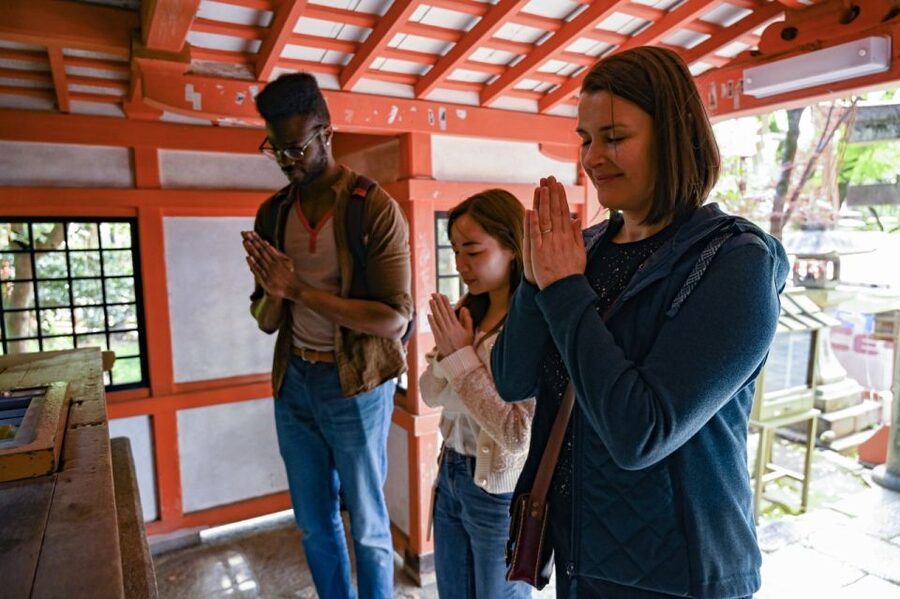
This experience is a strong match if you:
- Are visiting Kyoto for the first time and want help getting oriented
- Prefer private conversations to a large group format
- Have specific interests in food, gardens, temples, Gion, or local customs
- Want a flexible route rather than a fixed checklist
- Need help with trains, restaurant choices, or cultural etiquette
- Are traveling with family members who need a slower or more adaptable pace
- Want ideas for the rest of your Kyoto stay
It may be less suitable if you want guaranteed entry to specific attractions, a luxury vehicle, a formal specialist lecture, or a fixed itinerary with every ticket arranged in advance. It is also not the best choice if you dislike walking or do not want to communicate your preferences before the tour.
The guide match matters. The available hosts speak English or Japanese, and the experience is private, but every guide will bring a different personality and set of interests. The questionnaire and pre-tour messages give you the best chance of getting a good fit.
Booking advice and final call
I would book this tour near the start of a Kyoto stay, ideally for four hours. Use the questionnaire carefully, name two or three priorities, and ask for a route that leaves time to stop for food or a drink.
Choose two hours if you want a focused introduction to one district. Choose six hours if your group enjoys walking and wants a broader day with several areas, while remembering that transport and admissions cost extra.
With a 4.8 rating from 383 ratings, the experience has a strong record for friendly hosts, personal attention, useful history and culture explanations, food advice, and flexible planning. The most praised quality is not a single sight. It is the feeling of having a capable local companion who listens and adjusts.
Book it if you want Kyoto to feel less like a list of famous places and more like a city you can understand and use. Skip it if you already know exactly what you want, have your transport and restaurant plans set, and prefer to explore without a guide.
FAQ
How long is the private Kyoto walking tour?
You can choose a duration from two to six hours. Check the available start times when booking.
What languages are available?
The tour is offered in English and Japanese.
Is this a private experience?
Yes. It is arranged for a private group rather than a shared group.
How is the itinerary planned?
You complete a questionnaire about your personality and interests. Your host then contacts you to suggest an itinerary and adjust it to your preferences.
Can the tour include food?
It can include food-focused stops such as Nishiki Market, lunch recommendations, or a traditional tea room. Food and drinks are not included in the price.
Are attraction tickets included?
No. Any entrance tickets for temples, gardens, or other attractions are paid separately.
Is transportation included?
No private vehicle is included. Your host may use public transportation or local taxis to move between sites, and those costs are extra.
Where does the tour start?
Hotel pickup can be arranged from any central Kyoto hotel. Otherwise, the meeting point is Starbucks Coffee at Kyoto Sanjo-ohashi Bridge, 113 Nakajimacho, Nakagyo Ward, Kyoto.
Can wheelchair users join?
The experience is listed as wheelchair accessible. Discuss your preferred sites and route with the host because walking surfaces and access can vary between locations.
Just added in Kyoto
- Kyoto Rickshaw Tour★ 5.0 · 210 reviews
- Kyoto: Private Photoshoot Service★ 5.0 · 158 reviews
- Izakaya Style Cooking Class★ 5.0 · 219 reviews
- Kyoto: Traditional Concert at Townhouse or Bathhouse★ 4.9 · 224 reviews
- Ninja 2-hour Hands-on Lesson by Japanese master in Kyoto -Medium★ 5.0 · 218 reviews
- Kyoto: Arashiyama Bamboo, Temple, Matcha, Monkeys & secret spots★ 5.0 · 219 reviews
- Kyoto: Kimono Tea Ceremony with Matcha and Sweet★ 4.9 · 249 reviews
- Kyoto: Maiko Makeover and Photoshoot Experience★ 4.7 · 239 reviews
Walking Tours, compared.
Kyoto Geisha Walking Tour: Gion District & Hidden Gems
Read our review →
Tokyo Tsukiji Fish Market Food and Culture Walking Tour
Read our review →
Imperial Palace and Shogun Historical Walking Tour
Read our review →
Gion Geisha District Walking Tour – Stories of Geisha
Read our review →
Shinjuku Local Bar and Izakaya Guided Walking Tour
Read our review →
Asakusa Walking Tour with Sensoji Temple Visit
Read our review →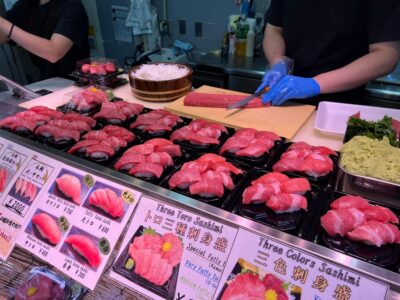
Nishiki Market Brunch Walking Tour (7 Tastings + Brunch)
Read our review →Browse the lists this tour appears in