
Reviewed · CALLIGRAPHY & CRAFT WORKSHOPS
Chopstick Making Workshop in Ginza
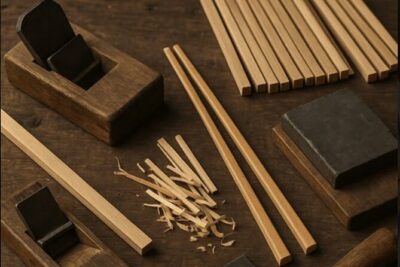
Making chopsticks by hand turns a familiar Japanese object into a small woodworking project. In this one-hour Ginza workshop, you choose the wood, shave it with a hand plane, sand the edges, and finish the pair with oil. You leave with something useful, not just another trinket.
I like the broad wood choice, including 24 varieties and two lengths, and I like that you do the real work yourself. The English-speaking staff, including instructors such as Tina and Waka, explain each step patiently. The main catch is that the $25 starting price covers only five wood types. Most of the specialty woods cost extra, as does engraving.
Key details before you book
- Shape chopsticks with a hand plane: You will need genuine arm strength, especially when shaving harder wood.
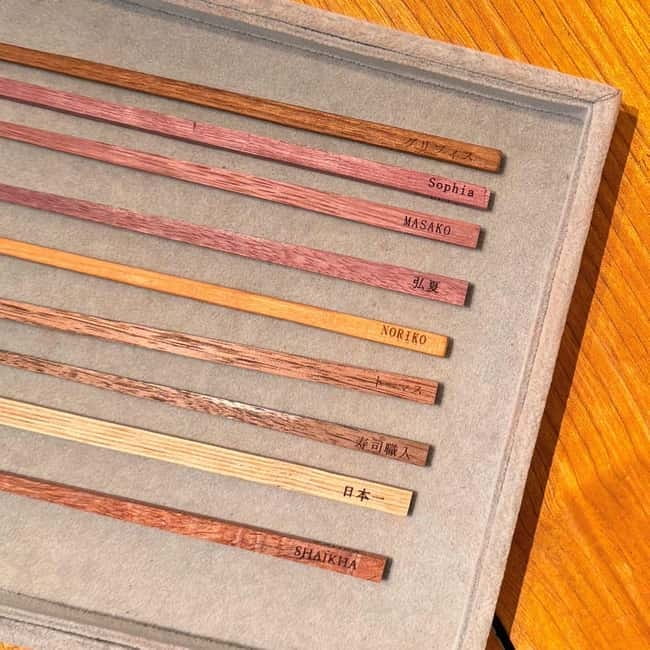
- Choose from 24 wood types: Five are included, while 19 higher-grade choices carry an added charge.
- Take them home the same day: Sand, oil, and finish your pair during the session.
- Add a personal inscription: Name or phrase engraving in Japanese or another language costs ¥1,100 per pair.
- Plan for a compact workshop: Staff help several people at different stages, so busy sessions may feel close and assistance may take a moment.
Why this small Ginza workshop is worth your time
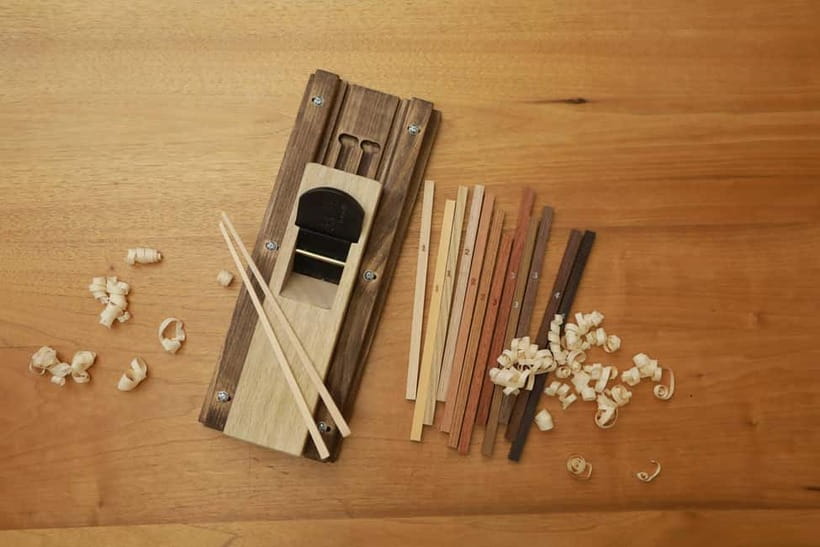
Ginza is known for polished department stores, luxury brands, and expensive restaurants. This workshop gives you a different way to spend an hour in the district. Instead of simply buying a Japanese souvenir, you make one with basic woodworking tools and take part in the process from rough wood to finished utensil.
That distinction matters. A boxed pair of chopsticks is easy to find in Tokyo. A pair you shaped, sanded, oiled, and perhaps engraved with your name has a personal story attached to it. The finished object is modest, but it can become part of your daily routine at home.
The workshop is run by a woodworking company that handles its wood selection and processing in-house. That helps explain why the material choice is a central part of the activity. You are not just decorating a ready-made pair. You begin by deciding which wood feels right for the project.
The price is also fair for a short hands-on activity, but only if you understand the extras. The base cost is $25 per person and includes the workshop, tools, materials, English-speaking help, and a guide fee of ¥1,000. Five wood types are free. The other 19 are higher-grade woods with additional charges, and engraving costs ¥1,100 per pair.
A few people have been surprised by the added cost of specialty wood or engraving, so ask about prices before you commit to a selection. If you choose one of the included woods and skip engraving, the experience remains a straightforward $25 souvenir activity. If you choose premium wood and an inscription, your final cost can rise quickly.
Other things to make with your hands in Tokyo:
- Tokyo Chopstick Making Workshop with Artisan
★ 5.0 · 466 reviews - Tokyo: Matcha Making Experience with Mochi Sweets in Asakusa
★ 4.9 · 388 reviews - Kyoto : Chopsticks Making Workshop in Gion with Engraving Option
★ 5.0 · 958 reviews
Choosing wood and length in Ginza
Your first decision is practical: pick the length and wood for your chopsticks. Two lengths are available, so you can choose a pair that suits your hand and eating style. The selection of 24 woods gives the workshop more character than a simple paint-your-own class.
The free choices make it possible to keep costs down. The higher-grade woods are aimed at people who care about grain, feel, and the special character of the material. Olive, oak, and beech have all been chosen by participants, and harder woods can make the shaping stage more demanding.
I would not choose a wood only because it looks attractive on the rack. Ask the staff how difficult it is to plane. Olive, in particular, has been described as difficult to work with, while softer wood may be friendlier for a first attempt or for a child with limited strength.
This is also a good place to remember that the result does not have to be perfectly identical from end to end. The charm comes from making the pair yourself. Still, you want both chopsticks to feel comfortable and balanced, so take advantage of the staff guidance before you begin.
The hand-plane stage takes real effort
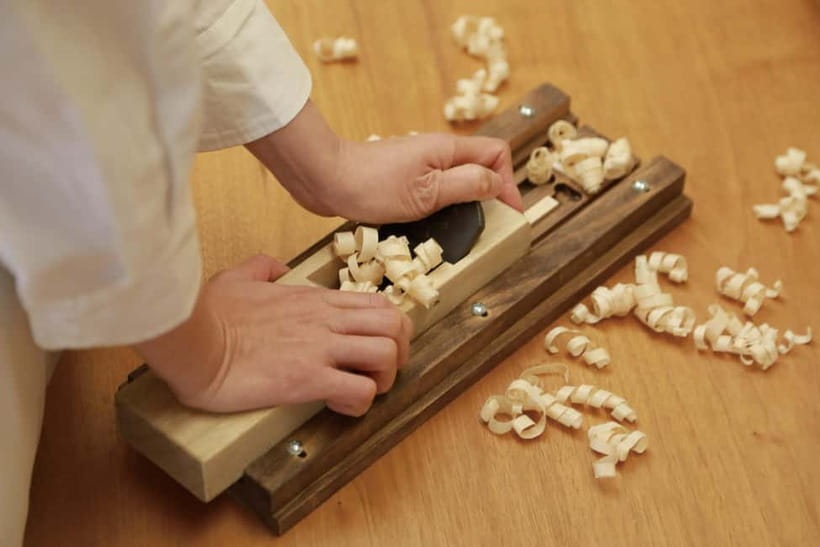
After choosing your wood, you place the chopsticks on a stand and use a hand plane to remove material. This is the part that makes the workshop more than a quick craft demonstration. You work the wood with repeated strokes, using enough pressure to shave it without losing control.
You might find the first few passes awkward. It takes a moment to understand how much force to use and how to keep the chopstick steady. Some people find the task easy, while others need more help at the beginning. Children can enjoy it, but the activity is not effortless.
Several family groups have included children around eight, ten, and twelve years old, and older teenagers have also enjoyed the work. The official information says the experience is not suitable for children under three or people over 70. That stated restriction is worth taking seriously, even though one family reported enjoying the activity across an age range that included a 72-year-old.
The instructors can step in when a tool feels difficult or when the chopstick flips during shaving. That small problem can be confusing because you may not know which side should face upward for the next pass. Pay attention during the demonstration and ask before forcing the plane.
The work uses your arms and shoulders. One participant compared it to a wood shop without electric tools, which is a useful way to picture the effort. Wear comfortable clothing, tie back long hair, and expect to leave with the satisfaction of having done physical work.
Sanding brings out the shape
Once the main shaving is done, you use sandpaper to smooth the tips and corners. This part is slower and quieter. It lets you correct rough spots and make the pair more comfortable to hold.
Sanding also gives you more control over the final look. You can spend extra time refining the points, softening corners, and making the two chopsticks feel alike. The standard session lasts one hour, so use the early planing stage efficiently and save enough time for this finishing work.
The timing is usually manageable, but it can feel tight if you work very slowly or want an especially polished result. One participant stayed about two hours while making a second pair and taking extra care with precision sanding. That longer visit was an exception rather than the stated schedule, so do not count on unlimited time when planning the rest of your day.
Staff do not simply hand you tools and walk away. English and Japanese are spoken, and instructors help at different stages. Names that have been singled out for especially friendly help include Tina, Waka, Kotoha, Shion, and Koko. The staff may be assisting several people at once, so you may need a little patience during a crowded session.
Same base, a different sort of day:
- Mt Fuji and Hakone 1-Day Bus Tour Return by Bullet Train
★ 5.0 · 26,383 reviews - 1-Day Tokyo Bus Tour
★ 5.0 · 14,250 reviews - Tokyo: TOKYO SKYTREE® Admission ticket
★ 4.5 · 11,192 reviews - Tokyo: teamLab Planets TOKYO Digital Art Museum Entry Ticket
★ 4.6 · 9,779 reviews
Oil gives the chopsticks their finished look
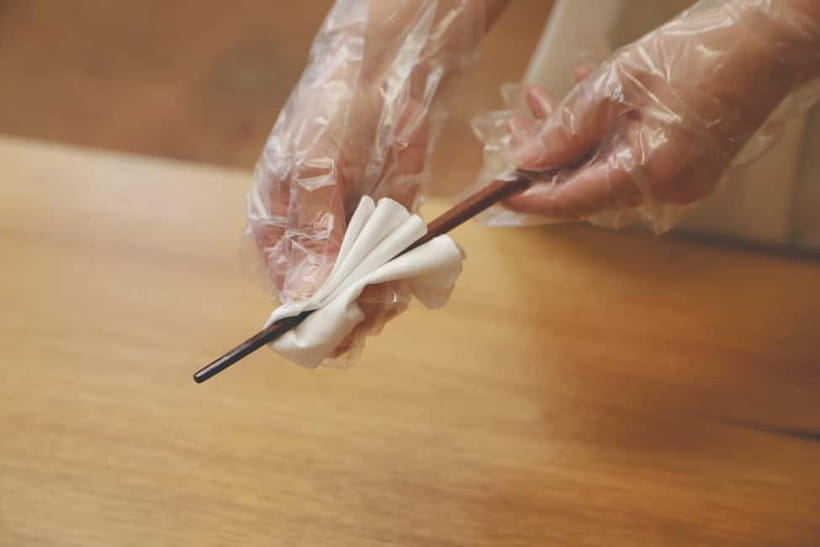
After planing and sanding, you apply oil to the wood. This is the final treatment described for the workshop, and it gives the chopsticks a more finished appearance while bringing out the character of the material.
The oil stage is quick, but it changes how the pair looks in your hand. Wood that seemed plain while covered in dust can show more color and grain after finishing. It also helps the pair feel like a completed household object rather than an unfinished craft project.
You can take the chopsticks home on the same day. That is one of the strongest practical points of the activity. You do not need to arrange shipping or wait for a later pickup, which makes this easy to fit into a Tokyo itinerary.
The finished pair should be treated as a useful souvenir, but the information provided does not specify care instructions or dishwasher safety. Ask the staff how to maintain your particular wood before leaving, especially if you select a premium variety.
Engraving turns a useful souvenir into a keepsake
Name engraving is optional and costs ¥1,100 per pair. You can have your name or a favorite phrase written in Japanese or in your own language. Staff can help translate a name or phrase into Japanese if you want a more local touch.
The engraving is done with a high-performance laser designed to place gentle stress on the wood. It is not part of the base price, but it is a sensible addition for a birthday, family gift, anniversary, or pair made by two people together.
For a group, remember that the fee is per pair, not simply per booking. A family making three pairs would need to pay the engraving charge for each pair they want personalized. Confirm the wording and the price before the engraving begins.
I especially like the option of engraving a short phrase rather than only a name. It lets you create a pair for yourself, a partner, or a family member without turning the souvenir into something purely decorative. You will actually use it at home.
How the one-hour schedule feels
The workshop is compact and focused. You select wood and length, learn the hand-plane technique, shape the chopsticks, sand the tips and corners, apply oil, and arrange engraving if you choose it.
That one-hour format works well in Ginza. You can place it between shopping, lunch, or another central Tokyo activity without giving up half a day. It is also long enough to create a real sense of progress: rough wood at the start, a finished pair in your hand at the end.
The pace depends on how many people are working at once. At half capacity, the space can feel relaxed and the one-hour schedule is comfortable. At full capacity, the work area may feel tight, and someone struggling with a tool could have to wait briefly for help.
The staff are used to guiding people at different stages. One instructor may be explaining planing to a newcomer while another checks someone’s sanding. This keeps the activity moving, but it also means you should speak up when you need help rather than wait silently.
Who will enjoy this most
This is a good choice for couples, families with school-age children, and anyone who wants a souvenir with a practical use. It also suits people who enjoy craft activities but do not want to spend an entire day in a class.
It works particularly well for teenagers. The task feels more grown-up than a simple coloring or decoration activity, and the final pair can be used at home. Older children may need help with the pressure required for planing, but the staff can guide them through the difficult part.
The workshop is also a nice rainy-day plan. It takes place indoors, lasts about an hour, and gives you something tangible to carry into the rest of your Tokyo visit. A wheelchair-accessible setting is listed, which may make it easier to include in a mixed-mobility itinerary.
I would skip it if you dislike repetitive hand work, have difficulty using force with your arms, or want a passive activity. This is not a demonstration where you watch a craftsperson do everything. Your result depends on your patience and care.
Practical value at $25 plus optional extras
At $25 per person, the base experience offers good value for a central Ginza activity. You receive instruction, materials, tool use, English-speaking assistance, and a finished pair you can take home. The main value is the process, not the retail cost of the chopsticks.
You can certainly buy chopsticks for less elsewhere in Tokyo. That comparison misses the point, though. Here, you make the pair yourself and choose the material. The finished object carries the memory of the work, which is why the price makes sense for a souvenir.
Budget carefully for upgrades. Only five of the 24 woods are included, while 19 specialty woods cost extra. Engraving adds ¥1,100 per pair. One family paid ¥2,200 to engrave two pairs and felt the personal touch was worthwhile, but you should decide in advance how much you want the final souvenir to cost.
The best budget strategy is simple: choose an included wood, make one pair, and add engraving only if the inscription matters to you. The best splurge strategy is to select a specialty wood that feels distinctive and add a short name or phrase.
Booking and meeting point details
The workshop meets at 2-9-13 Ginza, Chuo-ku, Tokyo. Check the address carefully before setting out. One person arrived at the wrong address, so do not rely only on a general Ginza map pin.
The duration is one hour, and starting times depend on availability. You can cancel up to 24 hours ahead for a full refund, and the reserve-now, pay-later option keeps your plans flexible. English and Japanese instruction are available.
Because the work is hands-on, arrive ready to begin rather than treating the session as a drop-in shop visit. Comfortable clothes help, and long hair should be tied back. The tools are simple, but you are still shaving real wood.
Should you book the Ginza chopstick workshop?
Book it if you want a short, practical activity that gives you a personal Japanese souvenir. The strongest reasons are the real hand-planing work, the wide wood selection, the same-day finish, and the option to engrave a name or phrase.
Go in with clear expectations. This is not effortless, and harder woods can challenge your arms. The workshop can also feel crowded at busy times, and specialty wood and engraving cost extra.
For most couples and families with children old enough to handle the tools, I would book it. Choose the free wood if you want to keep the price low. Upgrade only after asking about the added charge, then leave enough time for careful sanding. You will return home with chopsticks that are useful, personal, and tied to an hour spent making something in the middle of Ginza.
FAQ
How long does the chopstick-making workshop last?
The stated duration is one hour. Participants shape, sand, oil, and finish their chopsticks during that session.
How much does the workshop cost?
The listed price is $25 per person. The guide fee of ¥1,000 is included in the experience fee.
How many types of wood can I choose from?
You can choose from 24 types of wood and two chopstick lengths. Five wood types are included, while the remaining 19 higher-grade woods cost extra.
Does engraving cost extra?
Yes. Name or phrase engraving costs ¥1,100 per pair. The engraving can be done in Japanese or in your native language.
Can I take the chopsticks home immediately?
Yes. You can take your finished chopsticks home on the same day.
Is English assistance available?
Yes. English-speaking staff assist with the workshop, and instruction is available in English and Japanese.
Is the workshop suitable for young children?
The activity is not suitable for children under three. The hand-plane work requires physical effort, so older children may need help from the instructors.
Just added in Tokyo
- Japanese Whisky Hunting《HIGH-QUALITY-ONLY》Rare Tasting Class★ 5.0 · 20 reviews
- Luxury Tokyo Sake, Cocktail, Whisky and Pairing Tour★ 5.0 · 18 reviews
- Wagyu & Sake Pairing in Shinjuku – Steak, Shabu-Shabu & More★ 5.0 · 112 reviews
- Small-Group Wagyu Beef and 7 Japanese Dishes Tokyo Cooking Class★ 5.0 · 190 reviews
- Nikko: Edo Wonderland Edomura Cultural Theme Park Ticket★ 4.3 · 205 reviews
- 《MEMBERS-ONLY-BAR-HOPPING》Discover Your Special Whiskey in Tokyo!★ 5.0 · 29 reviews
- From Tokyo: Private Tour to Fuji/Hakone – Onsen, Art, Nature★ 5.0 · 116 reviews
- Tokyo: KABUKI Show at Kabukiza Theatre Admission Ticket★ 4.8 · 152 reviews
Calligraphy & Craft Workshops, compared.
Chopsticks Making Workshop in Gion with Engraving Option
Read our review →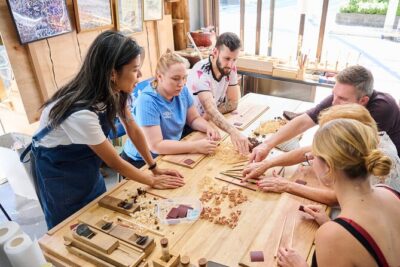

Matcha Making Experience with Mochi Sweets in Asakusa
Read our review →
Authentic knife making experience at a blacksmith in Kyoto
Read our review →
Seki: Samurai Knife Making Experience at the Knife Museum
Read our review →
Try Mindful Calligraphy Near Kanazawa’s Ninja Temple
Read our review →
Browse the lists this tour appears in