Reviewed · GEISHA & GION DISTRICT TOURS
Kyoto: Kimono Tea Ceremony at Orizuruya Gion
Kyoto’s kimono and tea ceremony pairing makes good sense: you do not just watch a ritual, you dress for it and learn the gestures behind it. The staff help with every step, from choosing a design to arranging your hair, so you can enjoy the experience without worrying about a cultural misstep.
I like the huge kimono selection and the chance to prepare your own matcha. I also like the small group, capped at 10 people, which gives the English-speaking instructor room to explain the meaning behind the movements. The main consideration is comfort: traditional dress is snug and formal, and the experience can feel more tourist-friendly than a private tea gathering.
Key points
- Choose from more than 200 kimono designs: Staff help you select and dress in a traditional outfit.
- Simple hairstyling is included for women: It completes the look without requiring a separate salon visit.
- Make your own bowl of matcha: You learn to use a bamboo whisk, called a chasen.
- Taste wagashi with your tea: The sweets come from a Japanese confectionery with a century of history.
- Add Japanese calligraphy: The longer option lasts about two hours and includes the writing lesson.
- Keep the kimono on afterward: Many booking times allow you to walk around Gion and visit a nearby temple before returning it, with the exact return arrangement confirmed on the day.
Choosing a Kimono in Gion
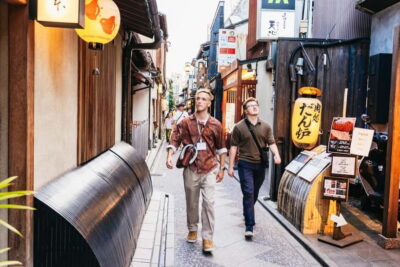
The experience begins at Gion Oritsuruya, at 572-7 Minamigawa in Gion-machi. It is about a seven-minute walk from Keihan Gion-Shijo Station or 10 minutes from Hankyu Kyoto-Kawaramachi Station, putting you in one of Kyoto’s most convenient areas for a traditional culture activity.
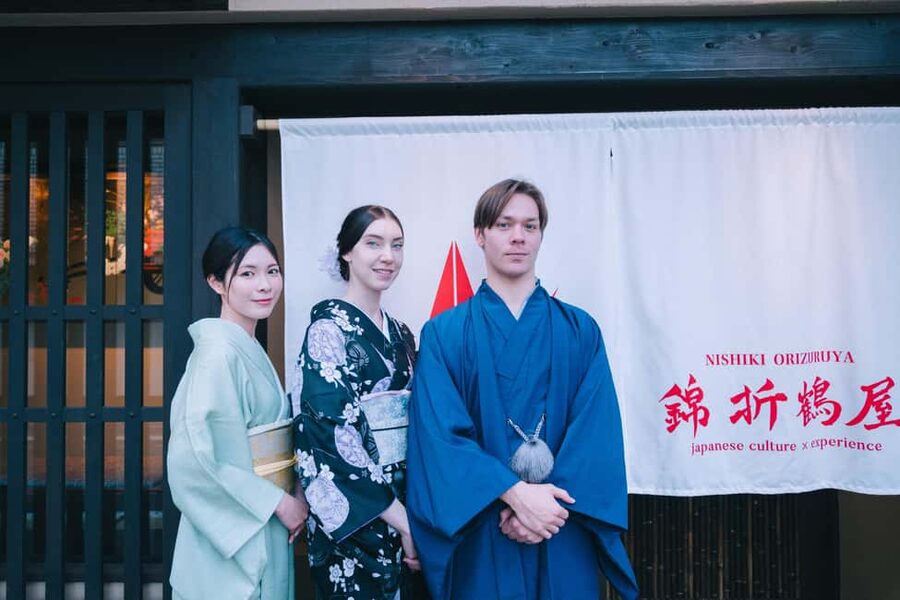
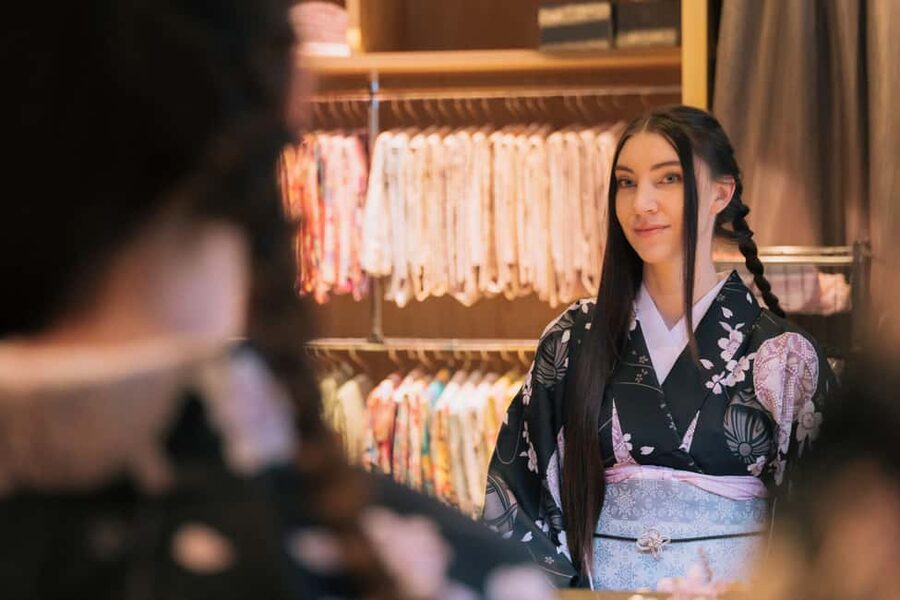
The first real decision is not about tea. It is about fabric, color, and pattern. With more than 200 designs available, you have plenty to browse, but you will not be left to figure out the layers alone. Staff help you choose and then dress you in the kimono properly.
That assistance matters. A kimono is not a robe you simply pull on, and the finished outfit depends on careful wrapping and tying. The dressing process is handled in a professional, efficient way, so the activity does not lose half its time to wardrobe confusion.
Women also receive simple hairstyling at no extra charge. This is a modest touch, but it makes a difference in photographs and helps the outfit feel like a complete occasion rather than a costume put on in a hurry.
The selection and dressing stage is likely to be a highlight if you enjoy visual details, clothing, and photographs. It may be less appealing if you dislike changing clothes in a group setting or prefer a quiet activity from the first minute. The staff are described as warm and helpful, but the atmosphere is still organized around moving several people through a timed experience.
Other kimono experiences in Kyoto people book:
- Kimono Tea Ceremony at Kyoto Maikoya, NISHIKI
★ 5.0 · 911 reviews - Kyoto: Kimono Rental with Hairstyling and Accessories
★ 4.8 · 653 reviews - KYOTO Tea Ceremony with kimono near by Imamiya Jinjya Shrine
★ 5.0 · 343 reviews
A Calm Tea Room and a Careful Ritual
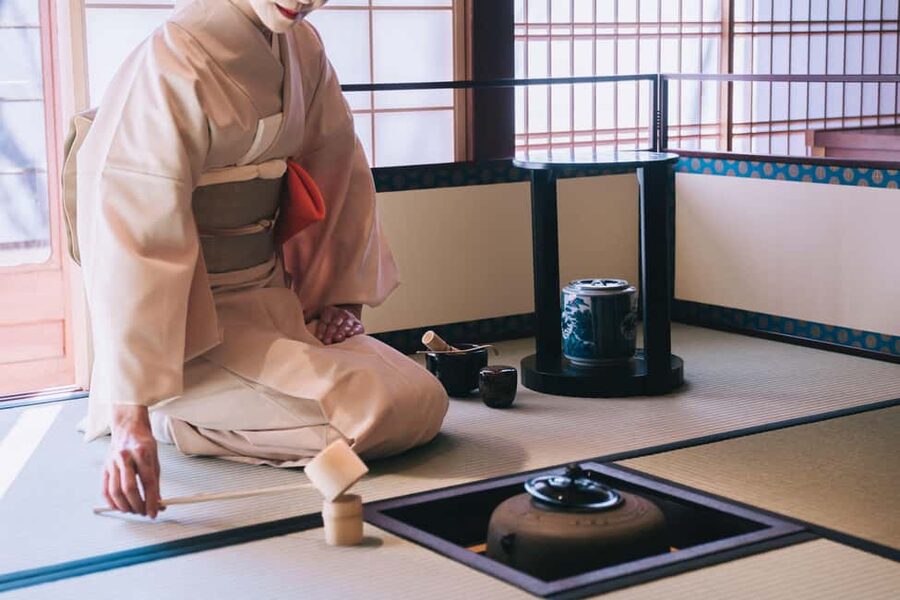
Once dressed, you move into a tea room for instruction. The ceremony is presented in English, and the instructor explains the actions rather than asking you to copy them blindly. You learn how the bowl, whisk, tea, and sweets fit together, along with the respectful movements that give the ceremony its measured pace.
This is where the activity becomes more than a photo opportunity. Japanese tea ceremony is built around attention to small actions. The way tea is prepared, presented, and received matters. Even in a short introduction, you get a sense of why the room grows quiet and why each gesture is deliberate.
The session is designed to be approachable. You are not expected to know Japanese etiquette before arriving, and the guide explains what to do at each stage. That makes this a good first cultural activity in Kyoto, especially if you worry about making an embarrassing mistake.
The group size is limited to 10 people. That is small enough for questions and personal help, though it is not the same as having a private instructor. If the group fills, the room will have a social feel, and photographs or individual practice may take a little patience.
The ceremony itself lasts part of a 90-minute experience, with time also needed for dressing and photos. The longer calligraphy version runs about two hours. Plan around the full time rather than treating the listed duration as tea-room time alone.
Whisking Your Own Matcha
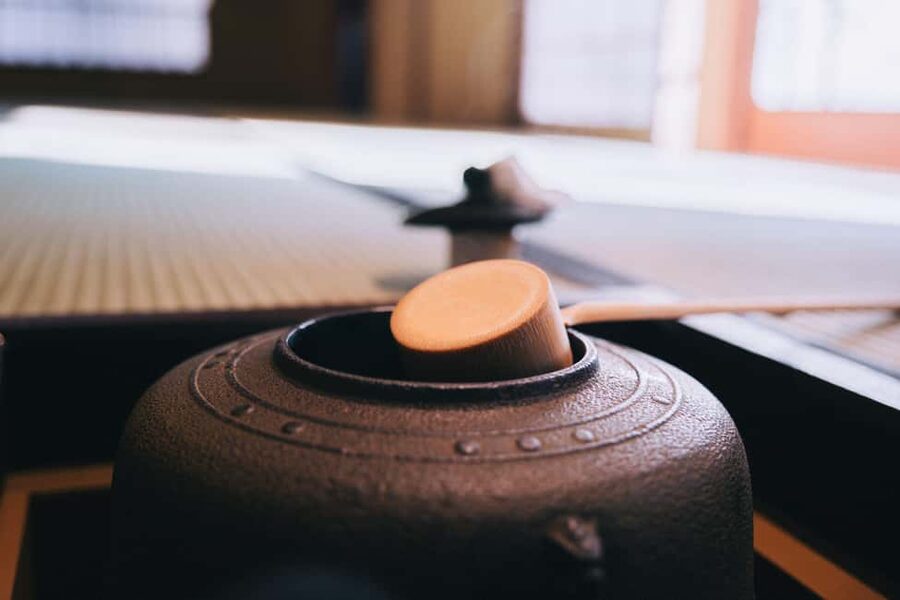
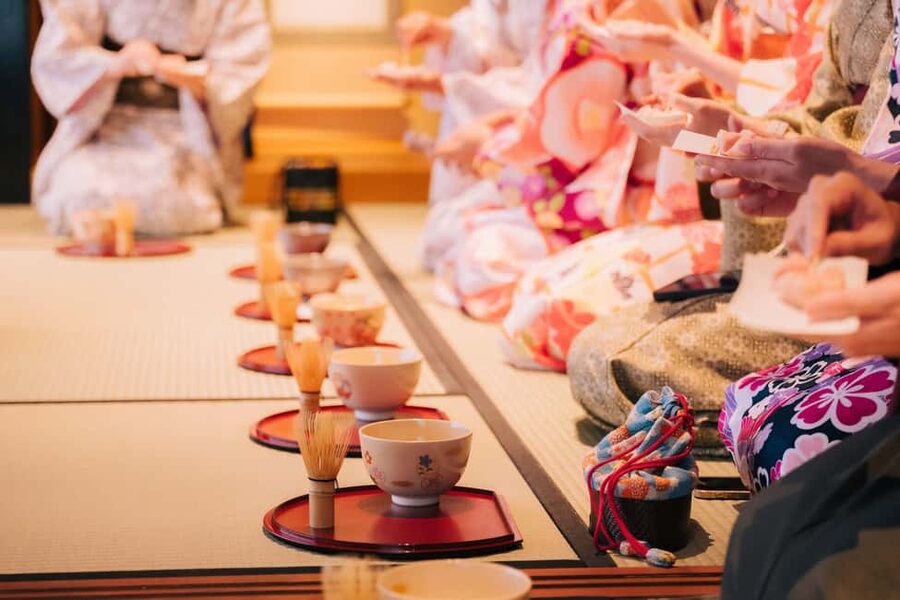
The most practical part of the lesson is making your own matcha. You use a traditional bamboo whisk, or chasen, to prepare a bowl under instruction. The process gives you something to do with your hands, which helps the ceremony feel like participation rather than a demonstration.
Matcha preparation also shows why the tea ceremony is not simply about drinking powdered green tea. Water, whisking, presentation, and pace all affect the final bowl. The instructor explains enough for you to understand the basics, and you then get to try the technique yourself.
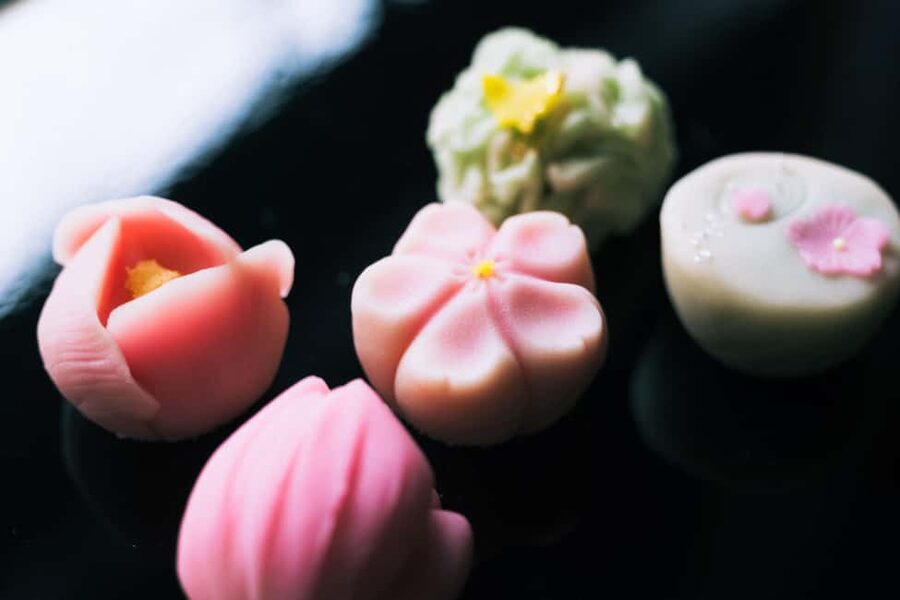
Your bowl is served with wagashi, a Japanese sweet. The confectionery supplying the sweets has been operating for a century, adding a small but worthwhile link to Kyoto’s food traditions. The sweet is not just a snack on the side. It balances the tea and gives the ceremony its traditional pairing.
I would not book this expecting a full tea-master training course. In 90 minutes, the lesson is necessarily introductory. But you leave with a repeatable skill, a better idea of what to notice at another tea ceremony, and a pleasant memory that does not depend only on photographs.
The quiet pace is another reason this activity works well during a busy Kyoto itinerary. After crowded streets and packed sightseeing stops, sitting still while someone explains a ritual can be a useful change of rhythm.
Adding Japanese Calligraphy for Two Hours
You can choose the tea ceremony alone or add the Japanese calligraphy option. The standard experience takes about one hour and 30 minutes. The calligraphy version lasts about two hours and includes the writing tools and lesson.
Calligraphy changes the balance of the activity. Instead of ending after tea and sweets, you spend more time practicing brushwork and learning how to handle the writing set. The lesson has been described as patient and encouraging, which matters because the first attempt can feel awkward even if you have good handwriting in your own language.
Choose the calligraphy option if you want a hands-on cultural skill and have room in your schedule. It is especially useful for anyone who prefers making something to simply watching a presentation. The extra half hour is small, but it gives the visit a stronger sense of completion.
Choose the shorter version if the kimono and tea ceremony are your main goals, or if you have a temple visit booked soon afterward. Both options include the kimono, hairstyling for women, tea, sweets, and instruction in the ceremony.
Other tea ceremonies in Kyoto people book:
- Kyoto: Tea Ceremony in a Traditional Tea House in Kiyomizu
★ 4.9 · 3,519 reviews - Kyoto: Tea Ceremony Ju-An at Jotokuji Temple
★ 4.9 · 3,207 reviews - Kyoto: 45-Minute Tea Ceremony Lesson Experience
★ 4.3 · 2,378 reviews - Kyoto: Table-Style Tea Ceremony at a Kyo-Machiya
★ 4.9 · 1,211 reviews
Wearing the Kimono Around Gion
One of the most useful details is the chance to keep wearing the kimono after the activity, in many cases until 5 p.m. This depends on the booking time and the local return arrangement, so confirm the exact timing when you arrive. Early appointments give you the best chance to turn the rental into several hours of sightseeing.
The nearby streets make this option practical. Several people use the extra time for photographs, a walk through Gion, or a visit to a temple about 10 minutes away. You are responsible for getting yourself to and from the meeting point, but once you are dressed, the area is well placed for extending the outing on foot.
This is also where the $49 price becomes easier to assess. You are paying for a short cultural lesson, kimono rental, dressing assistance, hairstyling for women, tea, wagashi, and an outfit that may remain with you for much of the day. If you use the kimono afterward, the value is noticeably better than if you return it immediately after the ceremony.
There are limits. Walking in traditional clothing may be slower and less comfortable than walking in ordinary travel clothes. You should not plan a long-distance sightseeing route around the outfit. A nearby shrine, temple, or Gion stroll is a sensible use of the extra time. The kimono also needs to be returned according to the provider’s instructions.
What the Staff Do Well
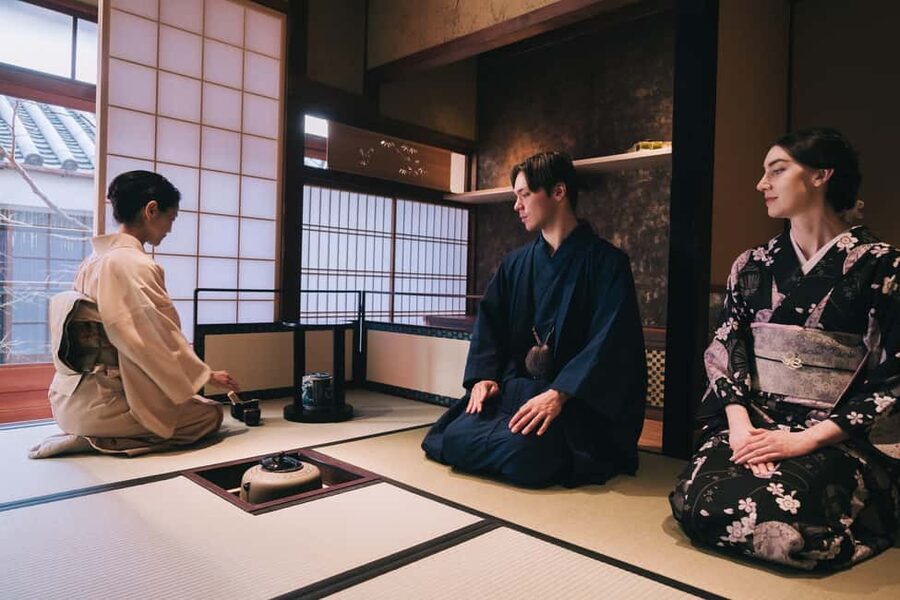
The strongest feature here is the staff’s care during the transition from dressing room to tea room. The clothing assistants help with the practical work, while the English-speaking instructor guides the ceremony and answers questions about matcha and Japanese customs.
The tone is warm rather than stiff. That is important for an activity built around rules. You get enough explanation to understand the etiquette, but you are not treated as though every small movement is a test.
The staff also take photographs, which is useful when you are dressed in a full kimono and want a record of the occasion. Do not assume this means a formal professional photo package. It is better understood as friendly assistance during the visit.
The experience has received a 4.9 rating from 618 bookings, and the praise is remarkably consistent around the same points: kind staff, clear explanations, beautiful clothing, and a peaceful ceremony. The repeated approval of the dressing process is worth noting because wardrobe activities can easily become rushed or impersonal.
At the same time, the high rating should not make you expect a private or highly specialized tea school. This is a polished introduction for international visitors. Its strength is accessibility, not long-form study.
Who Will Enjoy This Most
I would recommend this experience to couples, friends, families with older children, and solo visitors who want a cultural activity that is easy to follow in English. It also works well as a birthday or anniversary outing, especially if one person enjoys dressing up and the other prefers learning a skill.
The activity suits first-time visitors particularly well. You receive context, guidance, and a clear sequence of events, so you can enjoy the ceremony without spending days studying etiquette beforehand.
It is also a good choice for repeat visitors to Japan who want something more participatory than another temple entrance. The calligraphy add-on gives returning visitors a second practical element rather than repeating a standard sightseeing stop.
You may want to skip it if you strongly dislike formal clothing, have difficulty sitting through a quiet ceremony, or want a private tea experience with extensive historical instruction. The group limit helps, but this is still a shared activity.
Timing, Transport, and Small Practical Details
Allow at least two hours around the appointment if you choose calligraphy, need to walk from the station, and plan to take photographs afterward. The tea-only option is about 90 minutes, but dressing and undressing are part of the experience, so do not schedule a temple visit with a tight connection immediately afterward.
The meeting point is Gion Oritsuruya, 572-7 Minamigawa, Gion-machi, Higashiyama-ku, Kyoto. It is not a hotel pickup activity. You pay your own transport costs to reach the shop.
The instructor’s language is English. All fees and taxes, the kimono set, tea utensils, wagashi, and simple hairstyling for women are included. Calligraphy tools are included only with the calligraphy option.
You can cancel up to 24 hours before the activity for a full refund, and the reserve-now, pay-later option gives you some flexibility while building a Kyoto schedule. Starting times vary, so check the available slot before planning the rest of your day.
Is the $49 Price Worth It?
At $49 per person, the price is fair if you value the complete package rather than only the tea. A kimono rental, dressing help, hairstyling for women, a guided ceremony, matcha preparation, sweets, and possible use of the kimono around Gion give you several connected experiences in one booking.
The value improves if you select an early time and keep the kimono on until the permitted return time. You can add photographs and a short Gion walk without paying for a second activity. The calligraphy version costs more than the base option, though the supplied price is listed for the experience generally, so check the exact amount for your chosen variation.
I would not judge the value by the amount of tea in the bowl. The point is the instruction, the setting, the clothing, and the chance to take part in a tradition with guidance. If you only want to taste matcha, this is more elaborate than necessary. If you want a memorable cultural morning, the pieces fit together well.
Should You Book the Orizuruya Gion Experience?
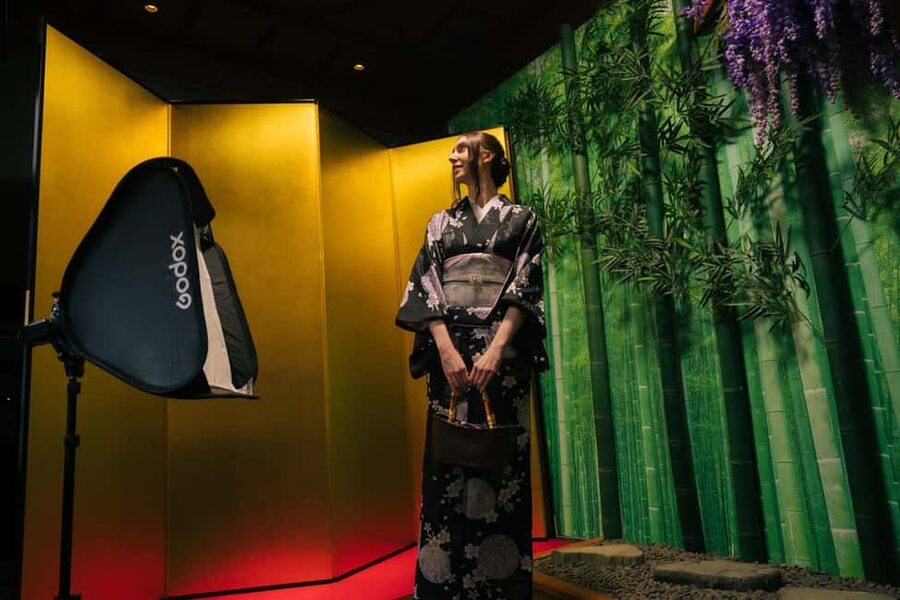
Yes, if you want an easy, friendly introduction to Kyoto culture with strong photo opportunities and real participation. The best reasons to book are the large kimono choice, careful dressing, clear English instruction, and the chance to wear the outfit around Gion afterward.
Pick the calligraphy version if you enjoy hands-on lessons and have two hours available. Pick the shorter option if tea, kimono, and a nearby walk are enough.
Book with sensible expectations. You will not become a tea expert in one visit, and a full group may feel less personal than a private ceremony. But for $49, Orizuruya Gion gives you a well-organized way to learn matcha preparation, experience traditional dress, and slow down in the middle of a busy Kyoto day.
FAQ
Where does the kimono tea ceremony take place?
It takes place at Gion Oritsuruya, located at 572-7 Minamigawa, Gion-machi, Higashiyama-ku, Kyoto-shi, Kyoto.
How do I reach the meeting point?
The shop is about a 10-minute walk from Hankyu Kyoto-Kawaramachi Station and about a seven-minute walk from Keihan Gion-Shijo Station.
How long does the tea ceremony experience last?
The kimono tea ceremony lasts about one hour and 30 minutes.
How long is the calligraphy option?
The kimono tea ceremony with Japanese calligraphy lasts about two hours.
Is the activity conducted in English?
Yes. The instructor’s language is English.
How many people can join the group?
The group is limited to a maximum of 10 participants.
Are the kimono and tea utensils included?
Yes. The kimono set rental and tea ceremony utensil rental are included.
Is hairstyling included?
Simple hairstyling is included for women.
Is Japanese calligraphy included in the standard experience?
No. The Japanese calligraphy set and lesson are included only when you select the Japanese Calligraphy Experience option.
Can I wear the kimono after the ceremony?
Many booking times allow you to keep the kimono on and walk around the area afterward, often until 5 p.m. Confirm the exact return arrangement and time at the venue.
What food and drink are included?
The experience includes matcha and wagashi, a traditional Japanese sweet.
Can I cancel for a refund?
You can cancel up to 24 hours in advance for a full refund.
Do I pay for transport to the venue?
Yes. You are responsible for your own expenses getting to and from the meeting point.
More kimono experiences elsewhere in Japan
- Kyoto: Kimono and Tea Ceremony Experience at Cultural Asset
★ 4.3 · 306 reviews - Kyoto: Traditional Kimono Rental
★ 4.7 · 265 reviews - Kyoto: Kimono Tea Ceremony with Matcha and Sweet
★ 4.9 · 249 reviews - Osaka: Sumo Show & Experience w/ Optional Kimono & Hot Pot
★ 4.5 · 609 reviews
More geisha district tours in Kyoto
- Kyoto Geisha Walking Tour: Gion District & Hidden Gems
★ 4.7 · 3,273 reviews - Kyoto: Gion Magical Night Walking Tour with Geisha Trivia
★ 4.9 · 2,393 reviews - Kyoto: Gion Geisha District Walking Tour – Stories of Geisha
★ 4.7 · 2,187 reviews - Best of Kyoto: Gion, Geisha, Pagodas & Cobblestones
★ 4.9 · 2,058 reviews
Just added in Kyoto
- Kyoto: Private Photoshoot Service★ 5.0 · 158 reviews
- Kyoto Rickshaw Tour★ 5.0 · 210 reviews
- Kyoto: Arashiyama Bamboo, Temple, Matcha, Monkeys & secret spots★ 5.0 · 219 reviews
- Izakaya Style Cooking Class★ 5.0 · 219 reviews
- Kyoto: Traditional Concert at Townhouse or Bathhouse★ 4.9 · 224 reviews
- Ninja 2-hour Hands-on Lesson by Japanese master in Kyoto -Medium★ 5.0 · 218 reviews
- Kyoto: Afternoon Japanese Izakaya Cooking Class★ 4.9 · 241 reviews
- Samurai Training with Modern day Musashi in Kyoto★ 5.0 · 256 reviews
Geisha & Gion District Tours, compared.
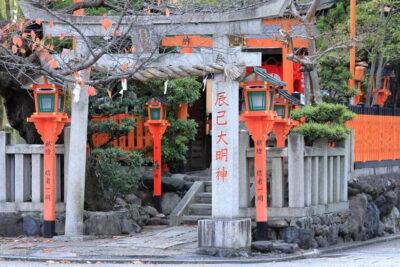
Kyoto Geisha Walking Tour: Gion District & Hidden Gems
Read our review →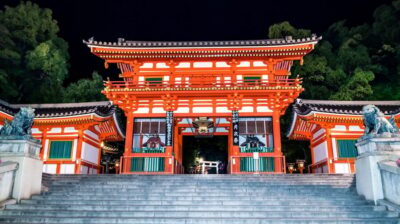
Gion Geisha District Walking Tour – Stories of Geisha
Read our review →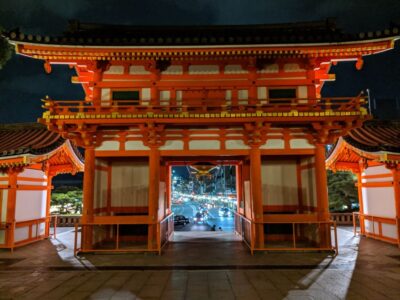
Best of Kyoto: Gion, Geisha, Pagodas & Cobblestones
Read our review →
Kyoto Night Foodie Tour in Gion (9+ dishes + 6 Sake tastings)
Read our review →
Kyoto Gion: 2-Hour Geisha Culture & History Walking Tour
Read our review →
Chopsticks Making Workshop in Gion with Engraving Option
Read our review →