
Reviewed · WALKING TOURS
Kyoto: Private 2.5 Hour Historical Walking Tour
Kyoto’s famous sights make more sense when someone explains what you are looking at. This private walk links Yasaka Shrine, Entokuin, Yasaka-no-to Pagoda, and Kiyomizu Temple in a compact route through Gion’s old streets. The best part is not simply checking off landmarks. It is learning how Shinto and Buddhism differ, how Kyoto fits into Japan’s political story, and why ordinary details such as a shrine gate or a wooden temple stage matter.
I like the small private format, which lets you stop for questions, photos, or a short rest instead of marching behind a flag. I also like the guide’s teaching style. Guides such as Hisako and Hiroko have used hand-drawn maps, watercolor pictures, and prepared notes to make complicated subjects easier to follow.
The main consideration is cost. At $80 per group of up to five, it is good value for a full group but less so for one or two people, especially since temple admission, food, drinks, transportation, and insurance are extra. The route also includes hills, stone steps, and plenty of walking, so bring comfortable shoes.
Key points to know before you book
- A private route through Gion: Start at Yasaka Shrine and finish at Kiyomizu Temple, with no return transport included.
- A real Zen temple stop: Entokuin offers traditional rooms, sliding-door paintings, and dry landscape gardens in a quieter setting.
- Clear cultural explanations: Learn how to worship at a Shinto shrine and how to tell a shrine from a Buddhist temple.
- Useful visual teaching aids: Guides have used personal drawings, maps, and illustrated folders to explain history and architecture.
- A strong final viewpoint: Kiyomizu Temple’s wooden stage looks across Kyoto toward Koyasu Pagoda and the surrounding hills.
- Best value for a group: Five people split the $80 price to $16 each, before admission fees.
Why this short walk works well in Kyoto
Kyoto can be visually overwhelming. A red gate, a stone basin, a pagoda, a Buddhist statue, and a line for sacred water may all appear in the same morning, yet each belongs to a different tradition and carries a different meaning.
This tour gives you a basic map before you begin. At the west gate of Yasaka Shrine, the guide explains Kyoto’s layout and places the day’s sights in context. That simple opening matters. You are not just following a street from one attraction to another. You are learning how the eastern side of the city fits together.
The tour is private, so the pace can respond to your group. The route is listed as about two hours, while the experience is also presented as a 2.5-hour tour. The planned stops and walking sections add up to a little over two hours, and some groups have spent longer with extra questions or conversation. I would keep at least 2.5 hours free, and more if you enjoy detailed discussion.
The English-speaking guides are the heart of the experience. Hisako is often praised for patient explanations and personal illustrations, while Hiroko and other guides have also been described as warm, prepared, and easy to understand. The precise guide is not guaranteed, but the pattern is clear: this is designed as an educational walk, not a quick photo circuit.
Other walking tours in Kyoto people book:
- Kyoto Geisha Walking Tour: Gion District & Hidden Gems
★ 4.7 · 3,273 reviews - Kyoto: Gion Magical Night Walking Tour with Geisha Trivia
★ 4.9 · 2,393 reviews - Kyoto: Gion Geisha District Walking Tour – Stories of Geisha
★ 4.7 · 2,187 reviews
Starting at Yasaka Shrine and learning shrine etiquette
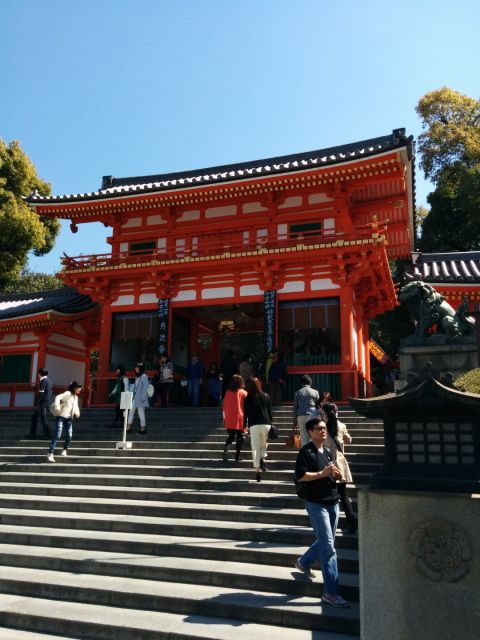
Meet at the west gate, also called the red gate, of Yasaka Shrine. If you arrive by train, use Gion Shijo Station on the Keihan Line or Kawaramachi Station on the Hankyu Line, then walk east along Shijo Street toward the stone steps. By bus, get off at the Gion stop and look for the steps before the red gate.
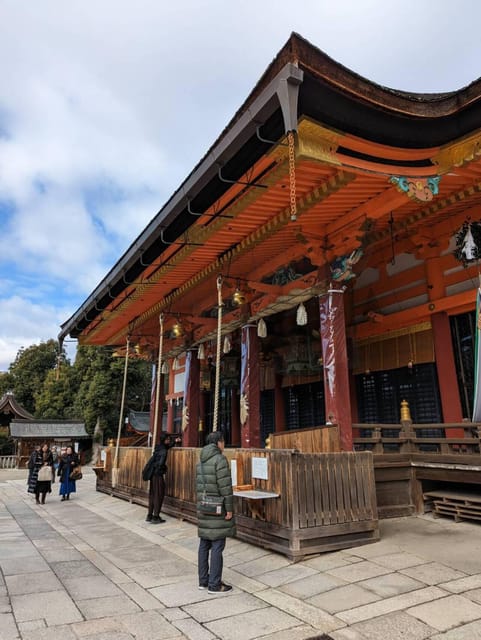
The first stop is Yasaka Shrine, one of the most important Shinto sites on this side of Kyoto. Your guide explains the shrine’s place in Kyoto and shows you how to worship respectfully. That can include learning the basic sequence at the worship hall and understanding why the purification area is there.
This is one of the most useful parts for a first visit to Japan. You can copy what other people do, but copying is not the same as understanding. A short explanation helps you recognize the difference between a Shinto shrine and a Buddhist temple later in your trip.
The setting is also practical. Yasaka Shrine is easy to reach, but it can be crowded, especially at popular times. A private guide can help you focus on the features that matter instead of trying to absorb every building and sign at once.
Through Maruyama Park to Nene-no-michi
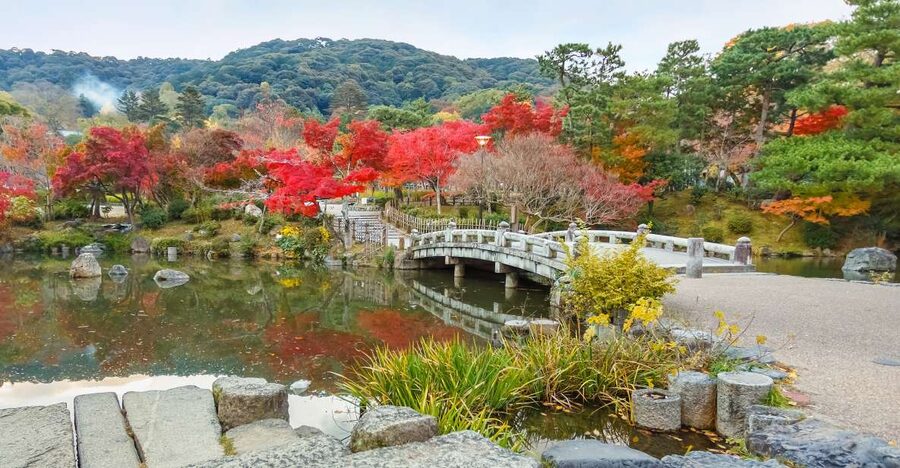
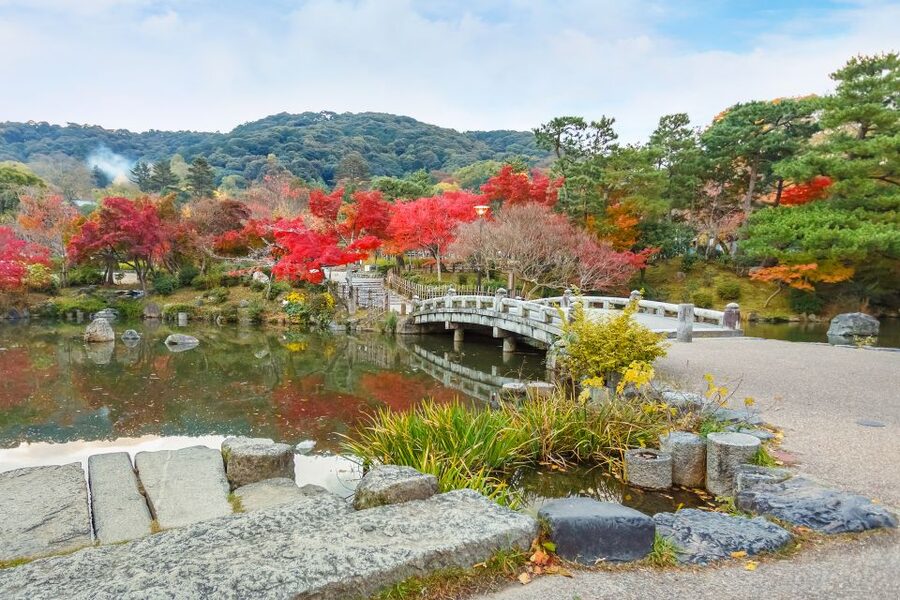
From Yasaka Shrine, you walk through Maruyama Park. This gives the tour a welcome change of pace. The shrine grounds are formal and busy, while the park opens the route toward the older lanes of eastern Gion.
You then reach Nene-no-michi, a street named for Nene, the wife of Toyotomi Hideyoshi, the powerful political leader of late sixteenth-century Japan. This is where the guide connects the scenery to people and politics. Nene is also associated with Entokuin, the next major stop.
The walk itself is manageable, but Kyoto’s stone lanes and steps require attention. You should wear shoes with good grip and avoid carrying more than you need. The tour does not include transportation between stops, though the route is designed to be walked.
Nene-no-michi is also one of the more photogenic sections. It can feel much more atmospheric than a broad modern street, but it is still a public thoroughfare rather than a museum set. Keep your group compact, step aside when stopping for pictures, and remember that local life continues around the historic buildings.
Entokuin’s rooms, paintings, and dry garden
Entokuin is the most restful stop on the route. This Zen temple is associated with Nene and is known for its dry landscape gardens and paintings on sliding doors. You can see traditional Japanese rooms and spend time in a quieter setting before returning to the busier streets.
The guide’s explanation adds value here because a dry garden can look deceptively simple. Rocks, gravel, moss, and empty space are arranged with care, but the meaning is not always obvious to someone seeing the style for the first time. Your guide can explain what to look for and how the garden relates to Zen practice and Japanese aesthetics.
This is also where the tour slows down. You are not simply standing outside a temple while someone gives a speech. You can look at the rooms, sit with the atmosphere, and ask questions about architecture, religion, or art. One guide has even included a calligraphy experience for some groups, though that should not be treated as guaranteed.
The forty-minute visit is a sensible length. It gives you enough time to appreciate the garden without turning the tour into a full temple study. Admission is not included, so check the current entry fee when booking or at the gate. The supplied information does not give a fixed price.
Other guided walks in Kyoto:
- Kyoto Gion Geisha District Walking Tour – The Stories of Geisha
★ 5.0 · 1,441 reviews - Nishiki Market Brunch Walking Tour (7 Tastings + Brunch)
★ 5.0 · 1,355 reviews - Kyoto Arashiyama Walking Tour: Bamboo, Monkeys, Gardens & Secrets
★ 5.0 · 1,216 reviews - Kyoto Gion: 2-Hour Geisha Culture & History Walking Tour
★ 5.0 · 1,186 reviews
Yasaka Koshin-do and the five-storied pagoda
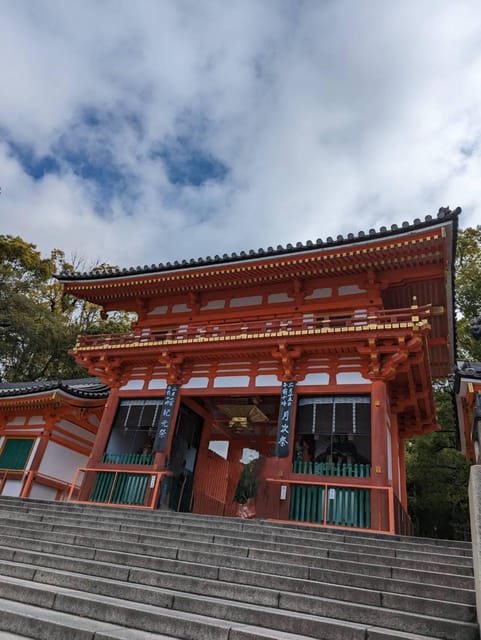
After Entokuin, the route continues on foot to Yasaka Koshin-do, a small and colorful temple known for its distinctive atmosphere. The planned visit is about fifteen minutes, so this is a short stop rather than a long lesson in every detail of the site.
The guide helps explain the setting and the religious customs connected with it. This matters because small neighborhood temples can be easy to overlook when you are focused on Kyoto’s famous names. A guide gives you a reason to pause and look closely.
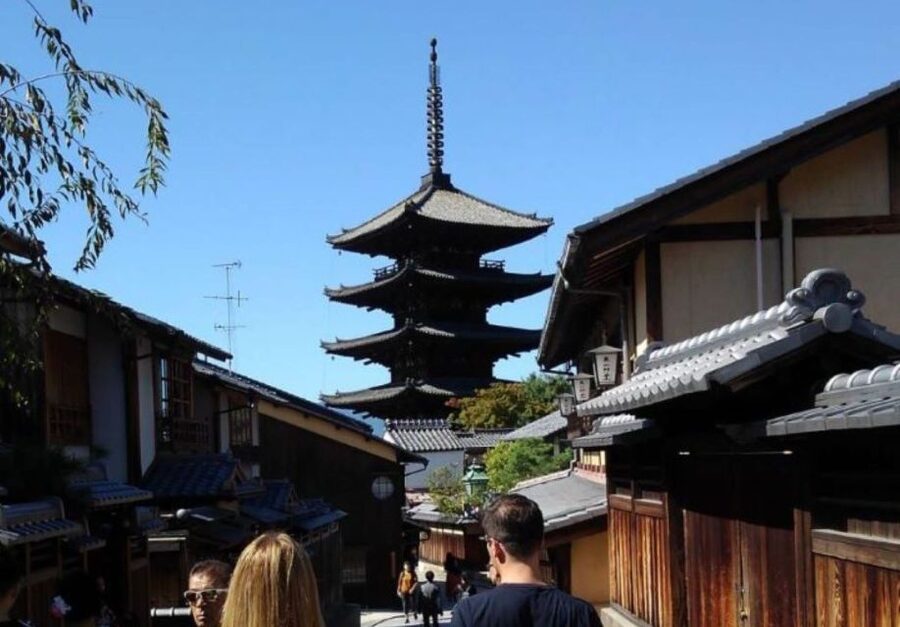
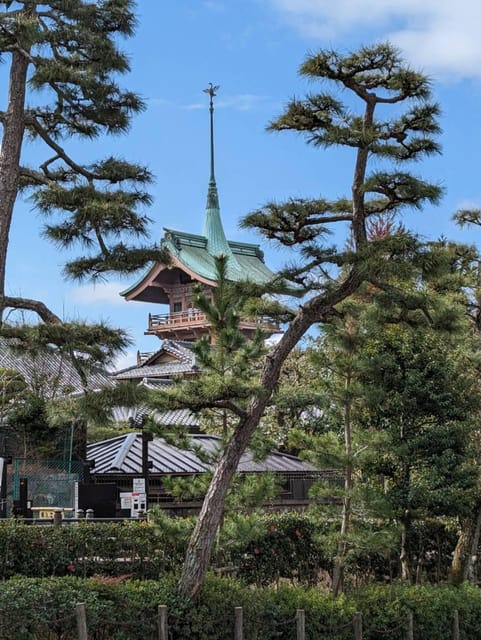
Near Koshin-do, you see Yasaka-no-to, the five-storied pagoda, from outside. The pagoda is commonly called Yasaka-no-to and is one of the memorable landmarks in this part of eastern Kyoto. The tour does not promise entry, so plan on viewing and photographing it from the street.
There is a well-known photo spot nearby. This is a good example of the tour’s balance: it includes the picture you came to Kyoto hoping to take, then adds enough background to explain why the pagoda belongs in the neighborhood’s religious and visual story.
Allow patience here. The lane can be busy, and the best photograph may require waiting for a clear moment. Your guide can point out the useful angle, but this is still a public street, not a reserved viewing platform.
Kiyomizu Temple and the famous wooden stage
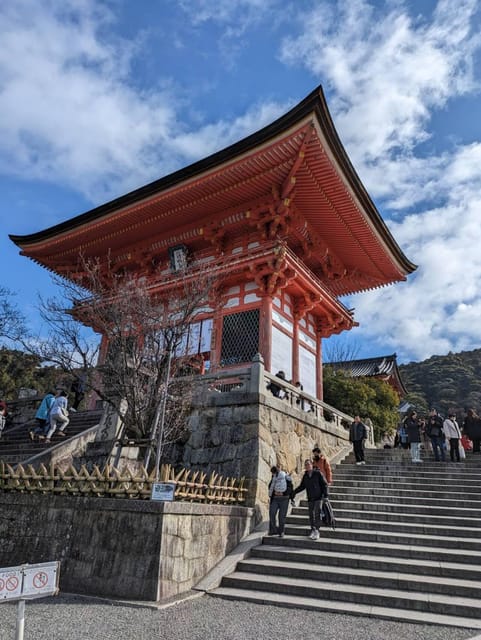
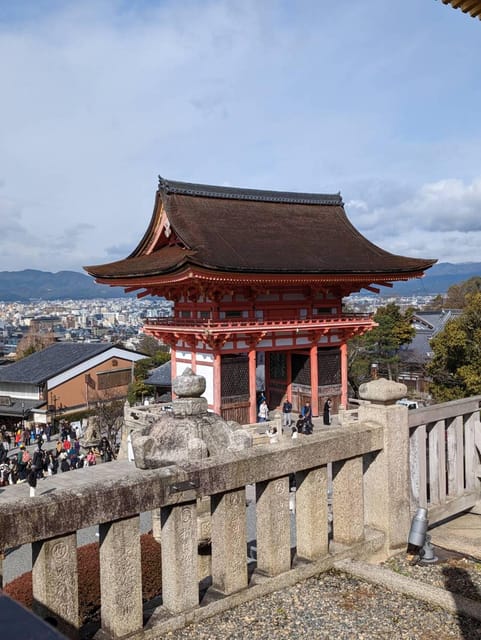
The final major stop is Kiyomizu Temple, reached after another walk of about fifteen minutes. Kiyomizu is one of Kyoto’s busiest and best-known temples, so the experience changes noticeably as you approach it. Expect more people, more shops, and a livelier approach than at Entokuin.
Kiyomizu was first built in the eighth century. Its main object of worship is Kannon Bodhisattva, and the temple grounds include Buddhist statues and several important buildings. The guide can help you understand the site as a place of worship, not just a scenic overlook.
The main hall’s wooden stage is the visual highlight. It is built without nails and projects from the hillside, giving you a broad view over Kyoto. From the stage, you can see the three-storied Koyasu Pagoda, whose name means a pagoda for easy birth. Women traditionally visit it to pray for an easy birth.
The view is magnificent, but the crowds can affect how long you want to linger. The tour allows about thirty-five minutes at Kiyomizu, which is enough for an introduction and photographs, though not enough for a slow inspection of every corner. If you want a longer visit, ask your guide how the timing can be adjusted.
The name Kiyomizu means pure water. A stream from the mountain behind the temple has continued to flow, and people line up to drink from it. Your guide explains the custom and the meaning attached to the water. You will also see an iron stick and iron clogs donated to the temple. The stick is very heavy, and you can try lifting it if it is available for public use.
The tour ends after you leave the main hall. Before saying goodbye, the guide explains Jishu Shrine, a small shrine associated with matchmaking. This gives the final section a lighter subject after the more formal discussion of Buddhist history and temple architecture.
What the guides add to the experience
The strongest reason to choose this walk is the teaching. Guides have brought personal folders filled with maps, bullet points, sketches, and hand-drawn illustrations. These are not just decorative extras. They help you follow names, dates, religious ideas, and architectural details that can blur together during a busy Kyoto day.
Hisako has been especially effective for visitors who want to ask broad questions about Japan. Her discussions have covered religion, the imperial family, nobility, shogunates, philosophy, aesthetics, language, and changing ideas about gender. That level of conversation may not happen with every guide or every group, but the private format makes it possible.
The guides also adapt to the people in front of them. Families have received simpler explanations for children, while curious adults have been able to spend more time on politics, religion, or art. Some guides have offered suggestions for other places to see in Kyoto or for later stops such as Kanazawa.
Do not book this expecting a polished theatrical performance. The appeal is a thoughtful local guide who can answer questions, draw a quick picture, and explain why a custom matters. English ability is described as good, but individual speaking styles will vary.
Price, timing, and practical value
The price is $80 for a private group of up to five. For five people, that works out to $16 each before admission fees, which is a strong price for a private guide in a major sightseeing district. For two people, it is $40 each. For a solo visitor, the same price is harder to justify unless personal instruction is a top priority.
Temple admission is extra, and no meals or drinks are included. You also pay your own way to Yasaka Shrine and arrange your own transport after finishing at Kiyomizu Temple. The route itself is on foot.
The walk is best scheduled early in your Kyoto stay. The explanations about shrine etiquette, Buddhist images, temple layouts, and Japanese history can improve later visits. You may notice details at other sites that would otherwise pass without meaning.
The route is not ideal for someone who wants a relaxed café morning or a fully flexible photo walk. You cover several stops in a limited time, and the final approach to Kiyomizu can be crowded. Still, the guide can usually leave room for pictures, questions, and short pauses because the group is private.
Free cancellation is available up to 24 hours before the start for a full refund, and you can reserve now and pay later. Those terms help if your Kyoto schedule is still changing.
Who should book this Kyoto walk?
I would choose this tour for a first visit to Kyoto, especially if you want historical and religious context rather than a list of photo locations. It suits couples, families, and small groups who enjoy asking questions and moving at a human pace.
It is also a good choice for anyone who finds Japanese history difficult to organize. The guide connects imperial power, shoguns, religion, architecture, and daily customs into a story you can remember. The drawings and maps are particularly useful if names and dates normally slide past you.
Families should think about the children’s ages and interests. The history may be demanding for younger children, though a private guide can simplify explanations and switch the focus when needed. The walking distance is not extreme, but stone steps and uneven streets require comfortable shoes.
You may want another kind of activity if you have already visited these sights several times or prefer to explore independently. You will spend much of the tour at well-known places, and admission costs are not bundled into the price. The quieter feel comes from the guide’s explanations and the timing, not from a promise of empty streets.
Should you book it?
Book this tour if you want Kyoto’s major sights to make sense. The combination of Yasaka Shrine etiquette, Entokuin’s Zen rooms and garden, the pagoda viewpoint, and Kiyomizu’s wooden stage gives you a useful introduction to the city’s religious and cultural traditions.
The best value comes with four or five people. Reserve it near the start of your stay, wear good walking shoes, and allow a little extra time beyond the advertised two hours. Skip it if you only want quick photographs or a completely self-guided morning.
For a private English-language introduction led by a guide who may bring personal drawings and answer questions well beyond the basic route, this is a thoughtful and practical way to begin exploring Kyoto.
FAQ
Where does the tour start?
It starts at the west gate, also called the red gate, of Yasaka Shrine.
Where does the tour finish?
The tour finishes at Kiyomizu Temple, after the visit to the main hall and an explanation of Jishu Shrine.
How long does the walking tour last?
The activity is described as a two-hour tour and also as a 2.5-hour historical walking tour. The planned stops and walks take a little over two hours, so allow at least 2.5 hours.
What language is the tour offered in?
The tour is offered in English with a live guide.
Is this a private tour?
Yes. It is a private group experience for up to five people.
What places are visited?
The route includes Yasaka Shrine, Maruyama Park, Nene-no-michi, Entokuin, Yasaka Koshin-do, an outside view of Yasaka-no-to Pagoda, and Kiyomizu Temple.
Are temple admission fees included?
No. Admission fees to the temples are not included in the tour price.
What should I bring?
Bring comfortable shoes. The experience includes walking on streets, stone steps, and temple approaches.
Can I cancel for a full refund?
Yes. You can cancel up to 24 hours in advance for a full refund.
Just added in Kyoto
- Private Cooking Class Udon in Kyoto Japan★ 5.0 · 23 reviews
- Your Private Vacation Photography Session In Kyoto★ 5.0 · 110 reviews
- Kyoto: Zen Meditation at a Private Temple with a Monk★ 5.0 · 25 reviews
- Private Pewter Sake Cup Experience with a Kyoto Artisan★ 5.0 · 31 reviews
- Kyoto Wagashi(Japanese sweets) Cooking Class near Fushimiinari★ 5.0 · 60 reviews
- Private Guided Traditional Buddhist Cooking in Japan★ 5.0 · 16 reviews
- Kyoto: Gion Geisha District & Sake-in-Hand Walking Tour★ 5.0 · 37 reviews
- Kyoto:Family-Friendly Kimono & Yukata Experience at WARGO★ 5.0 · 147 reviews
Walking Tours, compared.

Kyoto Geisha Walking Tour: Gion District & Hidden Gems
Read our review →
Tokyo Tsukiji Fish Market Food and Culture Walking Tour
Read our review →
Imperial Palace and Shogun Historical Walking Tour
Read our review →
Gion Geisha District Walking Tour – Stories of Geisha
Read our review →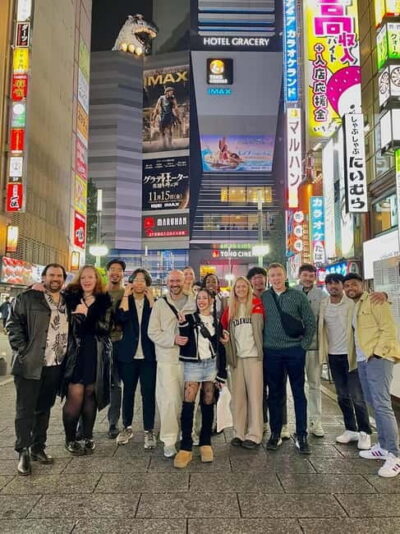
Shinjuku Local Bar and Izakaya Guided Walking Tour
Read our review →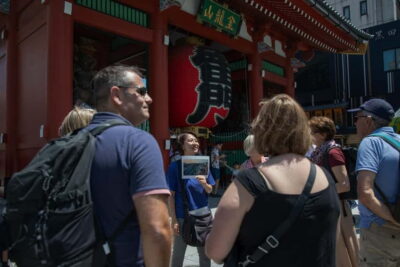
Asakusa Walking Tour with Sensoji Temple Visit
Read our review →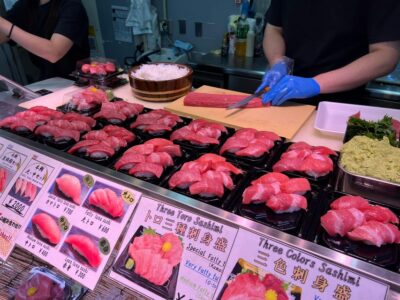
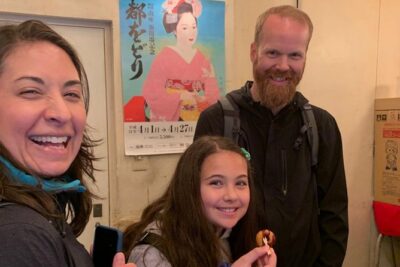
Nishiki Market Brunch Walking Tour (7 Tastings + Brunch)
Read our review →Browse the lists this tour appears in