
Reviewed · CALLIGRAPHY & CRAFT WORKSHOPS
Made from flour in 30min! Ramen-noodle Making Experience!
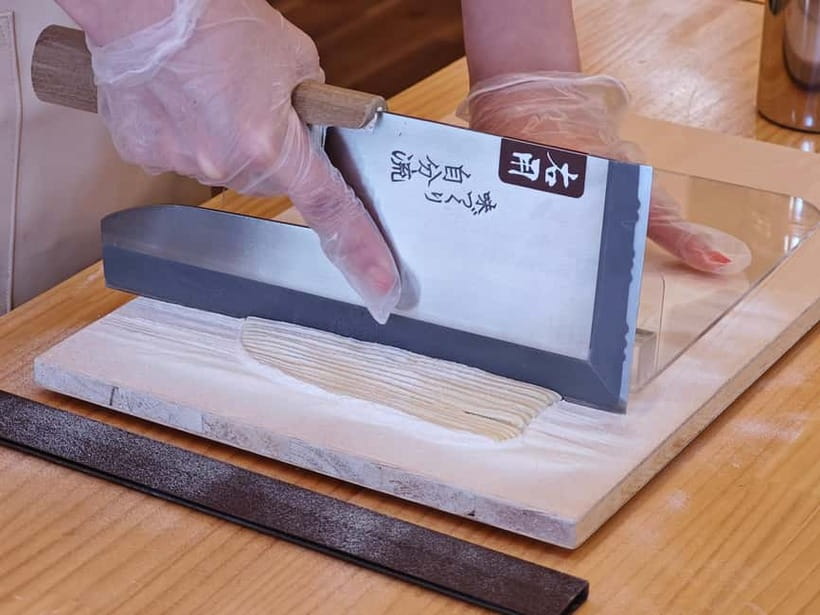
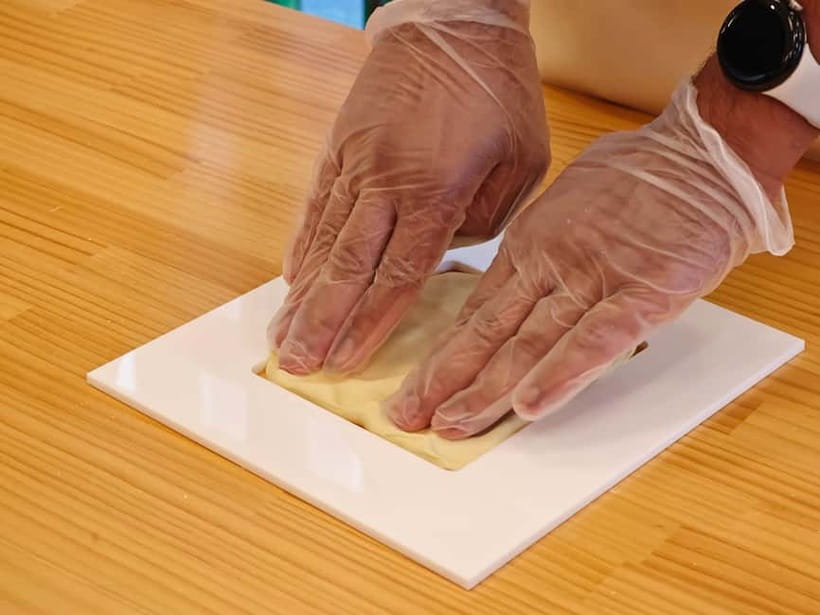
Making ramen by hand in only 30 minutes is the clever part of this Asakusa experience. You knead, flatten, and cut the dough yourself, using a large knife and a traditional cutting method rather than a pasta machine. I like the short, well-paced format and the fact that your noodles become a real meal instead of going home as a floury souvenir.
I also like the bright open kitchen, English instruction, choice of ramen flavors, free drink, and Japanese snacks. The main caution is safety: the knife is large and heavy, and young children may need to work directly with a parent. People with buckwheat allergies or gluten intolerance cannot take part.
Key points at a glance
- Thirty minutes of noodle making: A practical choice if you want to fit a hands-on activity between Kappabashi shopping and Sensoji Temple.
- Hand-cut noodles, not machine-made: You learn to slice the dough into thin strips with a specially designed knife.
- Your noodles become lunch: Staff cook the noodles you made, with soy sauce, miso, shio, vegan, and vegan soup curry ramen options.
- A generous food package: One drink and all-you-can-eat snacks from Japanese makers are included.
- Small groups of up to six: The limited size gives you room to follow the instructor and handle the equipment.
- A bright Kappabashi setting: The clean, spacious shop is made for both cooking and photographs.
Why the 30-minute format works so well
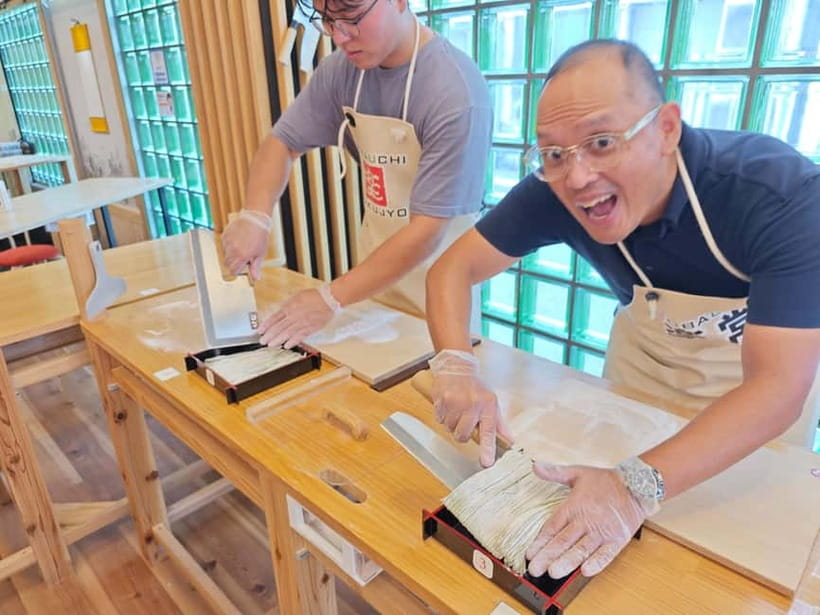
Many food workshops ask you to give up half a day. This one does not. The noodle-making portion lasts about 30 minutes, followed by roughly 30 minutes to eat, so the full booking takes 50 minutes.
That timing matters in Tokyo. Kappabashi is a shopping district built around kitchen tools, tableware, restaurant supplies, and food samples. You can schedule the class before browsing the shops, stop in during a shopping break, or use it as a meal before continuing toward Asakusa.
I especially like the rhythm. You do not spend an hour waiting for dough to rest or watching someone else handle the difficult stages. SOBAGIRI-RAKUJYO uses a method that combines mixing the flour with water, kneading, flattening, and cutting into one compact session.
The short format should also suit children better than a longer cooking class. Still, do not treat the activity as a toy workshop. The final cutting uses a large, heavy knife, and children joining alone must be able to knead and handle the knife independently. If that is not realistic, a parent must work with the child. One adult is required for each parent-child pair, and three people cannot share one table.
Other bowls worth queuing for in Tokyo:
- Eat and Drink Like a Local: Tokyo Ueno Food Tour-Taverns&Ramen
★ 5.0 · 957 reviews - Ramen & Gyoza Cooking Class in Tokyo with Local Supermarket Visit
★ 5.0 · 823 reviews - Tokyo: Ramen Tasting Tour with 6 Mini Bowls of Ramen
★ 4.9 · 432 reviews
Finding SOBAGIRI-RAKUJYO in Kappabashi
The shop is on the ground floor of Kappabashi Kitchenware Street, about 25 minutes from Sensoji Temple in Asakusa. The meeting point is diagonally across from a food sample shop marked by a large beetle sculpture.
That landmark helps because Kappabashi has many stores packed close together. Give yourself time to reach the shop, especially if you are coming from Sensoji or stopping to browse cookware along the way. You need to arrive 10 minutes before your reserved start.
The interior is part of the appeal. This is not presented as a dark, rough workshop or a makeshift room. It is a bright Japanese-style shop with an open first-floor kitchen and enough room for up to 30 people at one time, though your booked activity is limited to six participants.
That combination should make the class comfortable for first-time visitors. You can see the work area, follow the setup, and take photographs without feeling squeezed into a cramped corner. A professional-style photo service is also provided during the workshop, with images shared by QR code. This is useful because flour and phones do not mix well, and you can focus on the knife work instead of trying to document every step yourself.
What happens during the noodle-making session
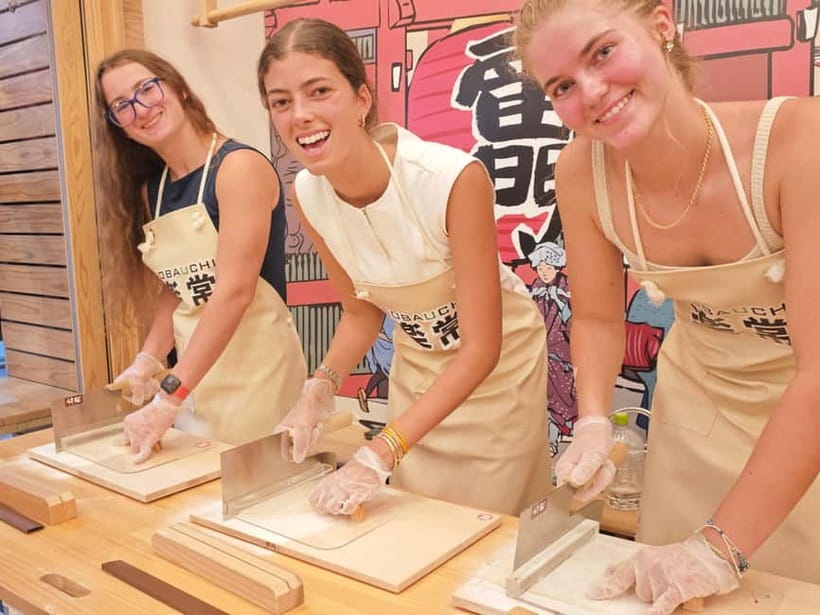
Start by checking in and washing your hands. The staff then prepare you for the noodle-making process and explain how to work safely with the equipment.
The English-speaking instructor leads you through the technique. Japanese instruction is also available, and an English audio guide is included. The style is careful and lighthearted rather than stern, which helps when you are trying to coordinate flour, dough, and a heavy knife in a short period.
First comes the dough. You mix flour with water and knead it. Then you stretch it flat before cutting it into narrow strips. The notable point is that you do each part yourself, rather than feeding prepared dough through a pasta machine.
The cutting is the most distinctive step. Noodle cutting has roots in Japanese food traditions dating to the Edo period, from 1603 to 1868. You use a large knife designed for slicing noodles, working carefully and manually. The goal is not to produce factory-perfect strands. It is to learn the movement and see how a flat piece of dough becomes noodles under your own hands.
The instructor keeps the process moving, so there is little idle time. That makes the class a good match for families and people with a full Tokyo schedule. It also means you should listen closely. With only 30 minutes for the workshop, you will not have much time to wander away from the table or repeat every step at leisure.
Safety deserves attention. The experience provider makes clear that injuries are the participant’s responsibility, and parents are responsible for their children. Anyone uncomfortable with a large knife should say so at the start and follow the instructor’s directions carefully.
From your cutting board to a bowl of ramen
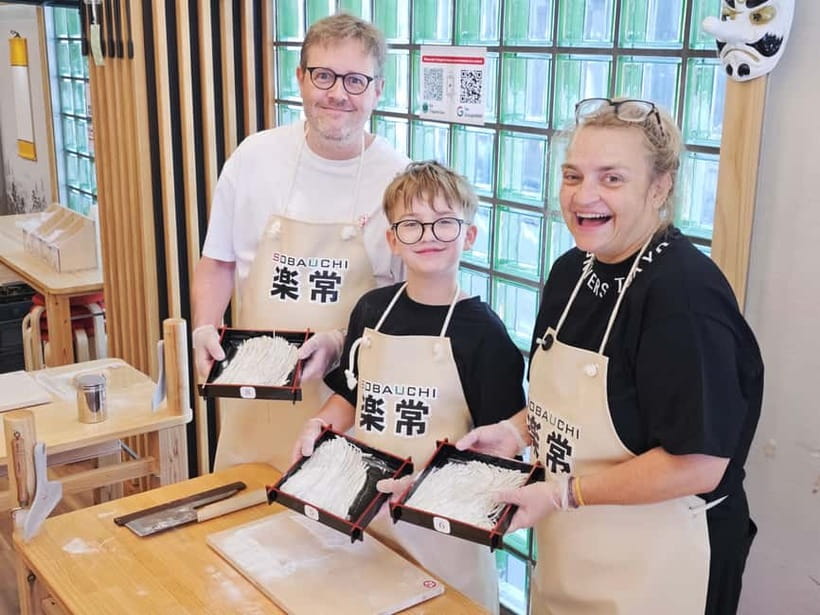
Once you finish cutting, staff cook the noodles for you. This is where the workshop becomes a proper meal. You do not simply pack up the noodles or taste a token bite. Your own noodles are served in a bowl, with the staff taking care to keep each participant’s noodles separate.
The available flavors give the meal more range than a standard soy sauce bowl. Choices include:
- Miso ramen
- Soy sauce ramen
- Shio ramen
- Vegan ramen
- Vegan soup curry ramen
The soy sauce version comes with familiar ramen toppings such as egg and pork, according to the meal details provided. Vegan choices make the activity workable for people who avoid meat or animal products, though you should select the correct option when ordering.
The handmade noodles may taste different from packaged ramen. Their value is partly in the texture and partly in knowing how they were made. Since you handled the dough from flour through cutting, the bowl gives you a clear payoff for the work.
The soup recipes are treated as a house secret, but the experience includes a small hint that you can use when trying to recreate part of the dish at home. Do not expect a full restaurant course or a long tasting menu. Expect a satisfying, casual ramen meal after the practical workshop.
Other things to make with your hands in Tokyo:
- Chopstick Making Workshop in Ginza
★ 4.8 · 1,366 reviews - Tokyo Chopstick Making Workshop with Artisan
★ 5.0 · 466 reviews - Tokyo: Matcha Making Experience with Mochi Sweets in Asakusa
★ 4.9 · 388 reviews - Tokyo: Calligraphy on Kanji Fan & Scroll with Drink
★ 5.0 · 210 reviews
One drink and Japanese snacks included
Your $57 price includes one drink. Options listed include beer, highball, lemon sour, juice, and non-alcoholic beer. That range works for mixed groups, since a beer drinker and a child can each choose something suitable.
Refills cost extra. Keep that in mind if you are particularly thirsty or planning to use the meal as a long stop. The included drink is best viewed as part of the package rather than an open bar.
You also get free snacks in the eating area. These come from Japanese manufacturers and give you something to nibble while you finish the meal or chat with your group. The snacks are a small feature, but they make the fixed price feel more generous.
The price also includes the class, cooking, ramen meal, drink, and snacks. In Tokyo, $57 is not the cheapest way to eat ramen, but this is not simply a restaurant lunch. You are paying for instruction, equipment, staff time, the hands-on activity, and the meal afterward.
I think the value works best if you want an activity as well as food. If you only want a quick bowl of inexpensive ramen, Kappabashi offers simpler choices. If you want a compact cultural activity that produces lunch, the package is easier to justify.
Who will enjoy this most
This is a good fit for couples, families, friends, first-time Tokyo visitors, and small groups looking for something beyond temples and shopping. It also suits foreign residents who want to learn a Japanese food technique with English support.
The format is especially useful for parents. The class is short, the room is spacious, and the food arrives soon after the hands-on portion. Children are not left waiting through a long lecture. The caveat is the knife. A child who cannot safely knead or use it must work with a parent, and each child needs one accompanying adult.
The experience is wheelchair accessible, which broadens its usefulness for visitors who need a step-free activity. The supplied information does not give details about the exact layout of every table, so contact the provider if you need a particular seating arrangement.
This is not suitable for people with gluten intolerance, and those with buckwheat allergies cannot participate. The restrictions also list children under 2 and children under 3, so families with toddlers should confirm the age rule before booking. People with a cold are also asked not to take part.
How to fit it into an Asakusa day
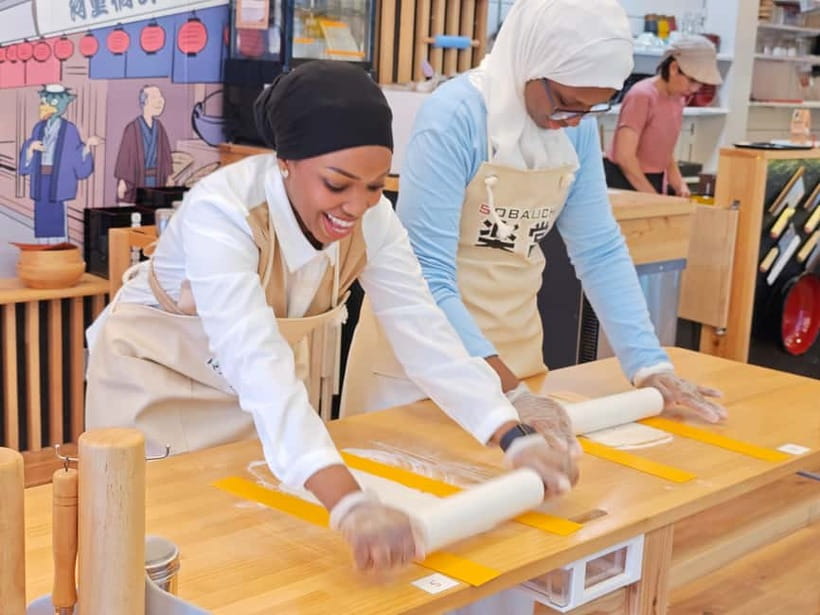
A simple plan is to visit Sensoji Temple first, walk toward Kappabashi, and arrive at the shop 10 minutes before your reserved time. The walk from Sensoji is about 25 minutes, and you can use the route to browse the kitchenware district.
After the workshop and meal, you can continue shopping without needing another major stop for lunch. Kappabashi is a natural place to look at Japanese knives, bowls, chopsticks, pans, and restaurant signs. Your noodle-making class gives that shopping a little context, since you have just used the kind of equipment found in a working food shop.
You can also reverse the order. Start with shopping, take the class when you are ready for lunch, and then continue toward Asakusa. Arriving hungry may make the meal more enjoyable, but avoid being so rushed that you miss the 10-minute arrival requirement.
Because the activity lasts only 50 minutes, it is easier to combine with other plans than a longer cooking course. I would still avoid booking it immediately before a timed train or major ticketed attraction. The noodle-making time is fixed, and you will want room to arrive calmly.
The small details that improve the visit
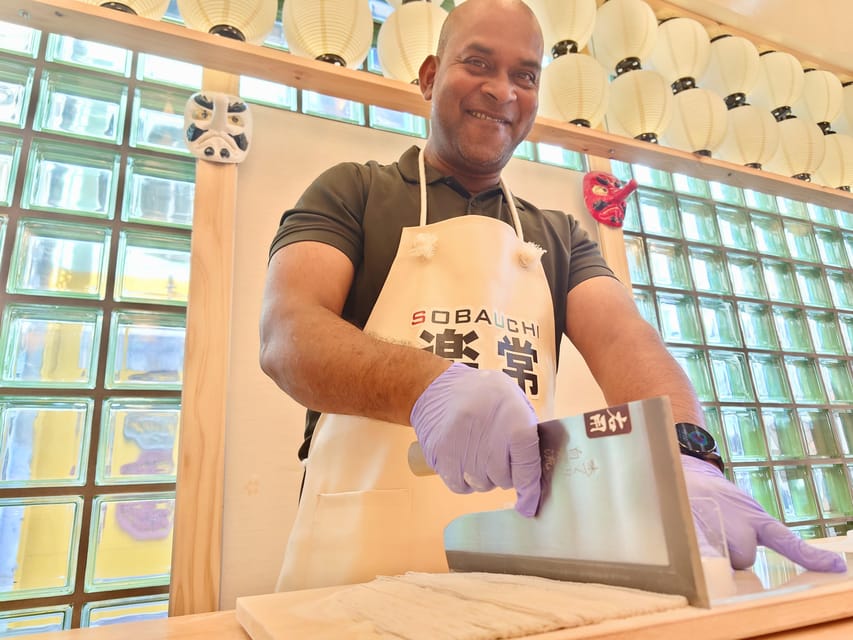
Reserve ahead if the timing matters to you. The group is limited to six participants, even though the shop can hold more people at one time. That small working group is helpful when you need direct guidance with the knife.
Wear clothes you do not mind getting flour on, even though the shop is clean and well organized. The flour is part of the process, and the best photographs often come from the hands-on stages.
Arrive early enough to wash your hands and settle in. The class moves quickly, and showing up at the last moment means you may miss the opening instructions.
Do not plan to enter just to watch. Observation-only entry is generally not available, and you must order the meal. This is a participation-based activity, not a demonstration with a public viewing area.
The provider offers free cancellation up to 24 hours before the start time, and you can reserve now and pay later. Those terms help if your Tokyo schedule is still changing, but the arrival rule remains firm.
The overall feel of the experience
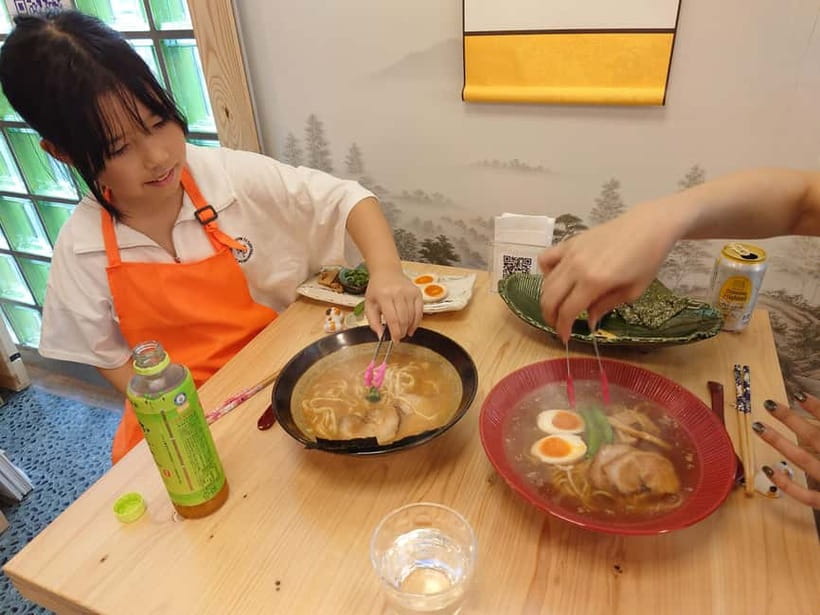
The strongest part is the balance between doing and eating. You learn a real technique, but you are not asked to spend half a day mastering it. The open kitchen, English support, friendly staff, clear instructions, and small group size keep the activity approachable.
The food also receives strong praise. The broth, egg, pork, drink choices, and handmade noodles all contribute to a meal that feels more substantial than a quick classroom sample. Staff even take photographs during the workshop and send them by QR code, including playful edits, so you can keep your phone away from the flour.
There is one reported problem worth noting: one booking was said to have been canceled on arrival. That appears to be an isolated account beside an overall rating of 4.8 from 24 reviews, but it is still a reason to keep your confirmation details handy and arrive at the correct time and location.
Should you book the ramen-making experience?
Book it if you want a short, hands-on activity with a meal built in. It is particularly useful during an Asakusa and Kappabashi day, when you want more than sightseeing but do not want to give up several hours.
Families should book only if the child can follow knife instructions or has a parent ready to work alongside them. People with buckwheat allergies or gluten intolerance should skip it, and anyone who wants only a cheap ramen lunch will find better value elsewhere.
For most suitable participants, the $57 price is fair because it covers the lesson, your handmade noodles, a full ramen serving, one drink, and Japanese snacks. The quick format is the real strength. You get a clear taste of Japanese noodle craft, then sit down and eat the result before moving on with your day.
FAQ
How long does the ramen-making experience last?
The full experience lasts 50 minutes. About 30 minutes is used for making the noodles, followed by meal time.
Where is SOBAGIRI-RAKUJYO located?
It is on the first floor in the Kappabashi Kitchenware Street area of Asakusa. The meeting point is diagonally across from a food sample specialty store with a large beetle object.
What ramen flavors can I choose?
Choices include miso ramen, soy sauce ramen, shio ramen, vegan ramen, and vegan soup curry ramen.
Is a drink included?
Yes. One drink is included, with choices such as beer, highball, lemon sour, juice, and non-alcoholic beer. Refills cost extra.
Are snacks included?
Yes. Japanese snacks are available free of charge in the eating area.
Can children participate?
Children can participate, but children joining alone must be able to knead and use a large, heavy knife safely. If they cannot, they must work with a parent, with one adult accompanying each child. The activity is not suitable for children under 2 or under 3 according to the supplied age restrictions.
Is the activity suitable for people with allergies or dietary restrictions?
People with buckwheat allergies and gluten intolerance cannot participate. Vegan ramen is available, and the instructor and staff provide Japanese and English support.
Just added in Tokyo
- The 10 Tastings of Tokyo With Locals: Private Street Food Tour★ 5.0 · 48 reviews
- Small Town in the Big City: Tasting Tokyo’s Kichijoji★ 5.0 · 195 reviews
- Small Town in the Big City: Tasting Tokyo’s Kichijoji★ 5.0 · 16 reviews
- EXCLUSIVE Tokyo Secret: Kichijoji Small-Group Food & Bar Hopping★ 5.0 · 29 reviews
- Explore Kichijoji: Walk Through One of Tokyo’s Beloved Districts★ 5.0 · 21 reviews
- :Tokyo,Shibuya/ Pro Photography in Kimono / English-Friendly★ 5.0 · 26 reviews
- 【R34】Tokyo:Private Daikoku tour in Modified R34★ 4.9 · 92 reviews
- Tokyo:Calligraphy &Make your original folding fan in Asakusa★ 5.0 · 62 reviews
Calligraphy & Craft Workshops, compared.
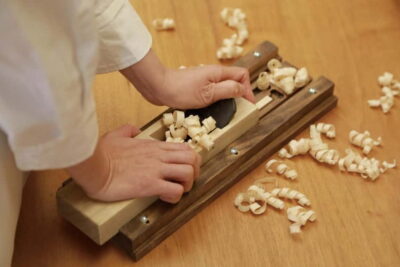
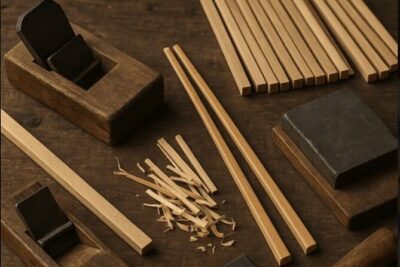
Chopsticks Making Workshop in Gion with Engraving Option
Read our review →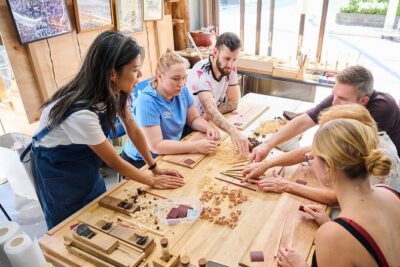


Matcha Making Experience with Mochi Sweets in Asakusa
Read our review →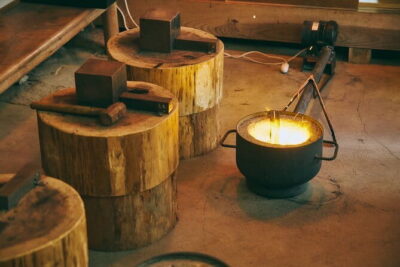
Authentic knife making experience at a blacksmith in Kyoto
Read our review →
Calligraphy class at Buddhist temple in city center
Read our review →Browse the lists this tour appears in