
Reviewed · ARASHIYAMA & BAMBOO GROVE TOURS
Half Day Kyoto Sagano Bamboo Grove & Arashiyama Walking Tour
Arashiyama gives you several of Kyoto’s signature sights in one compact morning: the tall bamboo lanes of Sagano, the garden at Tenryu-ji, the wooded slopes of Jojakko-ji, and the Hozu River below Togetsukyo Bridge. This tour links them by foot, with a guide handling the trains, temple admissions, and directions.
I like the well-chosen route, which moves from bamboo forest to temple gardens and river scenery instead of repeating the same view. I also like the guides’ practical help. Guides named Sachiko, Donna, June, and Michiharu have been praised for clear explanations, local suggestions, and helping people continue to the monkey park or other sights afterward.
The catch is simple: Arashiyama can be crowded, and a group of up to 25 people is not always ideal for a place sold on peace and quiet. You will also use public transportation with non-reserved seats, walk about 3 kilometers, and handle stairs at the hillside temple.
The Four Best Reasons to Book This Walk
- A complete Arashiyama circuit: Bamboo, two temples, a river, and the famous bridge fit into about four hours.
- A licensed English-speaking guide: You get cultural background, directions, and help with local sights beyond the scheduled route.
- Admission fees are included: You do not need to stop and buy separate tickets at the temples.
- A short boat ride adds a welcome pause: The yakatabune gives you time to sit and look at the Hozu River and wooded hills.
- The tour ends at Kyoto Station: You can continue your day from a useful transport hub.
- The route changes in summer: From July through September 22, the start is earlier, and Okochi Sanso Villa Garden replaces Jojakko-ji.
Starting at Kyoto Station and Riding to Arashiyama
The morning begins at the JTB Sunrise Tours Desk in the basement of Avanti, near Kyoto Station. From there, you ride public transportation to Saga-Arashiyama Station. The transport is part of the package, but the seats are not reserved.
That detail matters. During busy periods, you may need to stand, so do not expect a private coach or a quiet transfer. The train ride is less glamorous than the temples, yet it makes the outing feel like a local Kyoto morning rather than a sealed-off sightseeing bubble.
The group then begins its walk in the Arashiyama and Sagano area. The route covers about 3 kilometers in total, though the practical effort can feel greater because of stairs and uneven stretches at Jojakko-ji. Wear shoes you can walk in for several hours, and bring clothing suited to the weather.
The tour has a maximum of 25 people, but actual group size can be much smaller. Some outings have had only three people, while others have approached the full limit. That difference affects the mood. A small group can move easily and hear every explanation. A large group may spend time waiting for people to catch up.
Other walking tours in Kyoto people book:
- Kyoto Geisha Walking Tour: Gion District & Hidden Gems
★ 4.7 · 3,273 reviews - Kyoto: Gion Magical Night Walking Tour with Geisha Trivia
★ 4.9 · 2,393 reviews - Kyoto: Gion Geisha District Walking Tour – Stories of Geisha
★ 4.7 · 2,187 reviews
Walking Through the Sagano Bamboo Grove
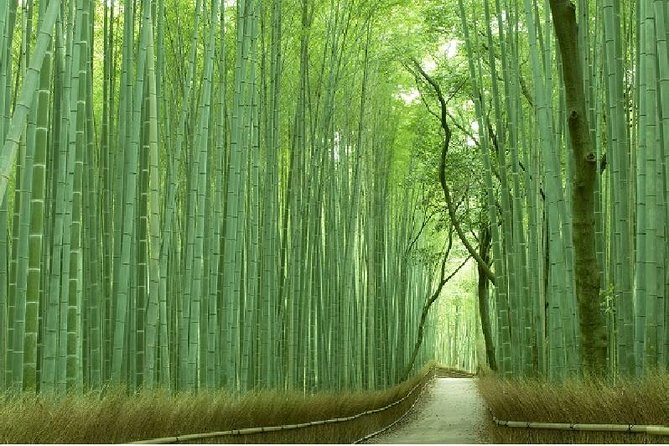
The bamboo grove is the visual centerpiece, but it is not the entire experience. Tall bamboo rises on both sides of the path, creating a cool, green corridor that feels quite different from central Kyoto. The surrounding hills and valleys add depth beyond the narrow walkway.
You should set your expectations carefully. This is a famous place, and the most popular paths can be crowded, especially during cherry blossom season and autumn color. The grove may not feel silent or secluded. Still, the scale of the bamboo and the change in scenery make it worth seeing, particularly when combined with the temples nearby.
The walking section from Jojakko-ji toward Tenryu-ji lets you experience more than a quick photo stop. You move through the area on foot, with the guide explaining what you are seeing and helping the group stay on course. One practical advantage is that you do not need to work out the sequence yourself.
Several people have found the tour useful because the guide adds context while walking. Michiharu, for example, has been praised for detailed background on Kyoto and Arashiyama, along with suggestions matched to personal interests. Sachiko has been appreciated for combining clear explanations with personal stories. These details matter because the value of a guided walk depends heavily on the person leading it.
Jojakko-ji and the Hillside Views
Jojakko-ji is the quieter, more wooded temple on the route. It sits on the side of Mount Ogura and offers broad views across Sagano and toward Kyoto. The setting changes the rhythm of the morning. Instead of staying on the busy main path, you climb into a more natural area among trees and hillside paths.
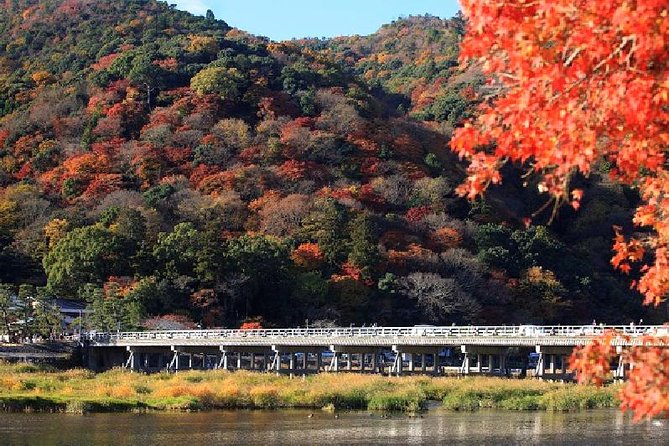
The temple is linked with the Tale of the Heike and the story of Empress Dowager Kenrei-mon-in. You will also look for the Jizo statue and the small pagoda among the maple trees. In autumn, this is one of the strongest parts of the tour, when the hillside fills with red, orange, and yellow leaves.
The scheduled visit lasts about 30 minutes. That is enough for an introduction and a look around, but not enough for a slow, thorough exploration. Stairs are part of the experience, so this stop is not the easiest choice for anyone who has trouble walking uphill or on steps.
There is also a seasonal change to note. From July through September 22, Jojakko-ji is replaced by Okochi Sanso Villa Garden, and the tour starts earlier to avoid the worst summer heat. During July and September, Jojakko-ji admission is not included because it is not part of the summer route.
Tenryu-ji’s Garden and Zen Setting
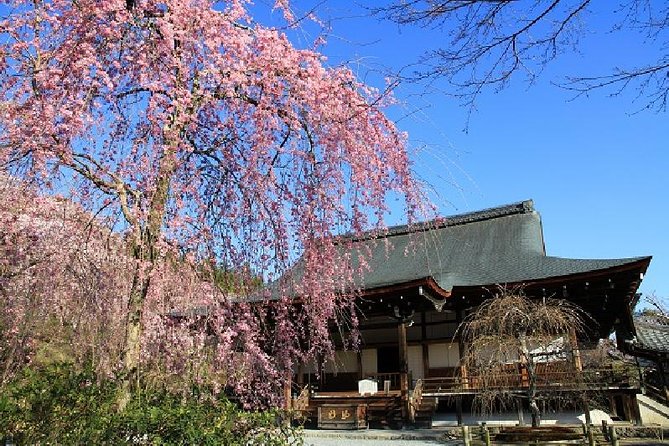
Tenryu-ji dates to 1339 and is one of Kyoto’s major Rinzai Zen temples. It is also a World Heritage site, but the most memorable part of this visit is the garden and its relationship to the surrounding hills.
The garden survives in its original design and uses water, rocks, trees, and distant mountains to create a measured scene. Arashiyama’s hills form a natural backdrop, so the view extends beyond the temple grounds. This is a good place to understand how Japanese garden design works with nature rather than trying to shut it out.
The stop is scheduled for about 30 minutes. That is enough to see the garden with a guide, but you should not assume you will have a full temple-complex tour. One recurring point of disappointment has been the limited time and the emphasis on the gardens rather than every interior space.
That limitation is important if your main goal is detailed Zen architecture. If you want a well-organized introduction to Tenryu-ji as part of a wider morning, the stop works better. I would see it as one carefully selected piece of the route, not as a complete study of the temple.
Other mornings on the western edge of Kyoto:
- Kyoto: Fushimi Inari, Kinkakuji, Bamboo Grove 1 Day Bus Tour
★ 4.8 · 4,316 reviews - Osaka/Kyoto:Kinkakuji,Arashiyama,FushimiInariShrine,NaraPark
★ 4.1 · 1,596 reviews - Kyoto/Osaka: Nara, Fushimi Inari Taisha, Arashiyama Bus Tour
★ 4.7 · 1,275 reviews - Kyoto Arashiyama Walking Tour: Bamboo, Monkeys, Gardens & Secrets
★ 5.0 · 1,216 reviews
The Yakatabune Ride and Togetsukyo Bridge
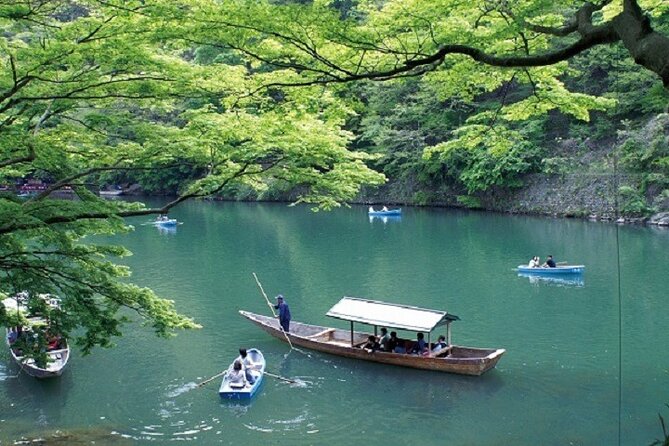
The final major sight is Togetsukyo Bridge, or Crossing Moon Bridge. The current 250-meter bridge was rebuilt in 1934, and it spans the Hozu River below the wooded hills of Arashiyama.
The tour includes time aboard a yakatabune, a traditional-style sightseeing boat. This is a pleasant change after the walking and stairs. You can sit, look at the river, and view the bridge and hills from a lower angle. One guide described the boat ride as a chance to rest, and that is exactly how I would treat it.
The bridge area is especially attractive during cherry blossom season and autumn foliage. It is also one of the more open views of the morning, after the enclosed feeling of the bamboo grove and temple paths.
The exact order can change because of congestion and local conditions. The boat portion may not feel like a long cruise, so do not book this tour expecting a major river excursion. Think of it as a short scenic element that rounds out the walking route.
What the Guide Adds to the Day
You can reach Arashiyama by yourself from Kyoto Station. The train connection is manageable, and the major sights are well known. The argument for booking this tour is not that the area is impossible to navigate. It is that a good guide turns a string of attractive places into a connected story.
The best guides on this route explain the temples, answer questions, and keep the group moving without rushing. Donna has been praised for giving enough direction while still allowing time to look around independently. June has been appreciated for her friendly, clear approach. Other guides have helped with directions to the monkey park, lunch suggestions, and later stops in Kyoto.
That extra help can be valuable on a first visit. At the end, you may return to Kyoto Station with the guide, or continue exploring on your own. The tour does not lock you into a full-day program. If you want to visit the monkey park afterward, the guide can point you in the right direction, but admission to that attraction is not part of this experience.
There is a tradeoff. Some people prefer more commentary and less free time, while others want the opposite. In a large group, the guide may also spend time counting heads and waiting for anyone who falls behind. The experience is strongest when the group is small and the guide has room to respond to questions.
Is $79.26 a Fair Price?
At $79.26 per person, this is not the cheapest way to see Arashiyama. You can take the train yourself and visit the area independently. The price makes more sense when you value the licensed English guide, included temple admissions, included transportation costs, and a planned route that covers the major sights in a half day.
The tour also saves you from deciding how to connect Jojakko-ji, the bamboo grove, Tenryu-ji, Togetsukyo Bridge, and the boat segment. That is useful if your Kyoto schedule is tight. You can finish around early afternoon and still have time for another part of the city.
There is one transport detail worth checking at booking. The tour uses public transportation and non-reserved seats. One past participant was asked to use a JR Pass for the train and did not receive a price adjustment. Since the package describes transportation costs as included, clarify how your pass will be handled if you plan to use one.
The experience is booked about 35 days ahead on average, which suggests that popular dates can fill early. That is especially relevant for autumn color, cherry blossom season, and other high-demand periods.
Crowds, Weather, and Physical Effort
Arashiyama is not reliably tranquil. The bamboo grove can be packed, and rainy weather can make the paths less pleasant. One outing became slow when people lost contact with the group, while another was enjoyable even in rain because the guide kept watch over a group of 25.
You should be comfortable walking for several hours and climbing stairs. The total distance is about 3 kilometers, but the route includes temple grounds and hillside paths. Comfortable shoes are essential, and a small umbrella or rain layer is sensible if the forecast is unsettled.
The tour suits adults and older children who can keep up with the group. Children ages 0 to 5 are free if they do not need their own seat. Anyone under 18 needs written parental permission, and anyone under 15, or not yet in middle school, must be with a parent or guardian.
The tour is not designed for a private, slow-paced visit. If you want to stop for long meals, browse every shop, or spend an hour photographing the bamboo, you may find the schedule restrictive. Several people chose to remain in Arashiyama after the official route, which is a smart option if you have time.
Who Should Book This Kyoto Morning?
I would choose this tour if you have one morning for Arashiyama and want the main sights arranged efficiently. It is a strong fit for a first visit, for anyone who likes historical explanation, and for people who would rather follow a guide than manage train connections and temple admissions.
It also works well as a framework for a longer day. After the tour ends at Kyoto Station, you can continue independently, or stay in Arashiyama instead of returning with the group. Ask the guide for directions before separating.
I would skip it if you already know the area, prefer to wander alone, or want generous time at each temple. Independent visitors can easily spend longer in the bamboo grove, explore local food and shops, and set their own pace.
Should You Book the Sagano and Arashiyama Tour?
Book it if you want a useful four-hour introduction with a guide, included admissions, and a route that joins bamboo, temples, hills, and river views. The strongest reasons are the well-planned sequence, the helpful local guidance, and the chance to continue on your own afterward.
Do not book it expecting solitude or a private tour. Crowds, unreserved train seats, group waits, and limited temple time are real considerations. For the best value, reserve a date when you can stay in Arashiyama after the tour and make the half-day outing part of a longer visit.
FAQ
How long is the Kyoto Sagano and Arashiyama tour?
The tour lasts about four hours. The total walking distance is approximately 3 kilometers, with additional walking and stairs around the temple grounds.
What sights are included?
The route includes Jojakko-ji Temple, the Sagano bamboo grove, Tenryu-ji Temple, Togetsukyo Bridge, and a yakatabune boat experience. From July through September 22, Okochi Sanso Villa Garden replaces Jojakko-ji.
Is transportation included?
Public transportation between Kyoto Station and Saga-Arashiyama Station is included, using non-reserved seats. Seats are not guaranteed, and you may need to stand during busy periods.
Where does the tour start and end?
It starts at the JTB Sunrise Tours Desk in the basement of Avanti near Kyoto Station. It ends at Kyoto Station, where you continue to your next destination independently.
Is the tour suitable for children?
Children ages 0 to 5 can join free if they do not occupy a separate seat. Anyone under 18 needs written parental permission. Participants under 15, or those not yet enrolled in middle school, must be accompanied by a parent or guardian.
Can I cancel for a refund?
You can cancel at least 24 hours before the local start time for a full refund. Cancellations or changes made less than 24 hours before the start time are not accepted for a refund. If the minimum of two adult participants is not met four days before departure, the operator may cancel and offer another date, another experience, or a full refund.
More walking tours elsewhere in Japan
- Kyoto Gion Geisha District Walking Tour – The Stories of Geisha
★ 5.0 · 1,441 reviews - Nishiki Market Brunch Walking Tour (7 Tastings + Brunch)
★ 5.0 · 1,355 reviews - Kyoto Gion: 2-Hour Geisha Culture & History Walking Tour
★ 5.0 · 1,186 reviews - Kyoto: Izakaya Bars Guided Walking Tour
★ 4.9 · 815 reviews
Just added in Kyoto
- Your Private Vacation Photography Session In Kyoto★ 5.0 · 110 reviews
- Kyoto: Zen Meditation at a Private Temple with a Monk★ 5.0 · 25 reviews
- Private Cooking Class Udon in Kyoto Japan★ 5.0 · 23 reviews
- Private Pewter Sake Cup Experience with a Kyoto Artisan★ 5.0 · 31 reviews
- Kyoto Wagashi(Japanese sweets) Cooking Class near Fushimiinari★ 5.0 · 60 reviews
- Kyoto:Family-Friendly Kimono & Yukata Experience at WARGO★ 5.0 · 147 reviews
- Private Guided Traditional Buddhist Cooking in Japan★ 5.0 · 16 reviews
- Kyoto: Gion Geisha District & Sake-in-Hand Walking Tour★ 5.0 · 37 reviews
Arashiyama & Bamboo Grove Tours, compared.
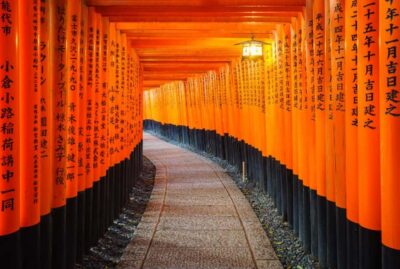
Osaka/Kyoto:Kinkakuji,Arashiyama,FushimiInariShrine,NaraPark
Read our review →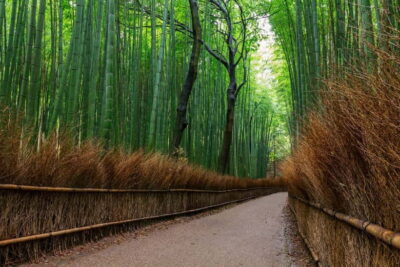
Kyoto/Osaka: Nara, Fushimi Inari Taisha, Arashiyama Bus Tour
Read our review →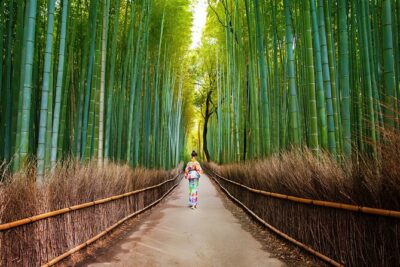
Kyoto Arashiyama Walking Tour: Bamboo, Monkeys, Gardens & Secrets
Read our review →
Arashiyama Bamboo, Temple, Monkeys, or Secret Sake Brewery
Read our review →
Arashiyama Bamboo Forest, Monkeys, Matcha & Temple Tour
Read our review →
Osaka/Kyoto: Arashiyama, Nara & Fushimi Inari Shrine w/Lunch
Read our review →
Nijo, Kinkaku-ji, Arashiyama, Kiyomizu & Fushimi Inari
Read our review →
Kyoto Ghost Tour: Dark Tales, Urban Legends, Bamboo Forest Night
Read our review →Browse the lists this tour appears in