
Reviewed · WALKING TOURS
Kyoto: Historic Higashiyama Walking Tour
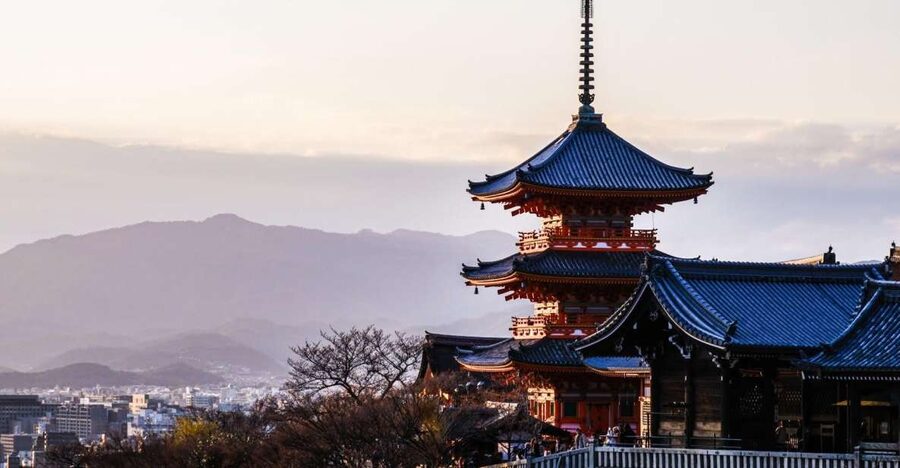
Fushimi Inari’s endless vermilion gates make a fine opening act, but this tour gives you far more than a photo stop. In four hours, you move from Shinto shrine paths to Gion’s traditional entertainment quarter, quiet temple gardens, old lanes, and Kiyomizu-dera’s famous hillside perch.
I like two things right away: the route covers several of Kyoto’s biggest sights without making you sort out the trains and temple admissions yourself, and the group is capped at 10 people. The guides, including Damian, Ferdinand, Lito, and Hugo, have also been praised for explaining Japanese customs, answering questions, and adjusting the pace when heat or tired legs became an issue.
The catch is the walking. You will handle hills, steps, and uneven streets, especially around Fushimi Inari and Kiyomizu-dera. Comfortable shoes are essential, and this is not a good fit for anyone with mobility problems or large luggage.
Key points to know before booking
- Four major Kyoto sights in four hours: Fushimi Inari, Gion, Kodaiji, and Kiyomizu-dera all fit into one well-packed morning or afternoon.
- A small group capped at 10: You get a better chance to ask questions and keep track of your guide than on a large city walk.
- Fushimi Inari comes first: Meet outside the JR Inari Station fare gates, then head straight toward the famous torii gates.
- Temple admissions are included: Entry to Kodaiji and Kiyomizu-dera is covered, along with the train ride from Fushimi Inari to Gion.
- The route ends at Kiyomizu-dera: You can stay in the area afterward and continue exploring Higashiyama on your own.
- Expect a real walk: The route includes uphill sections, stairs, and plenty of standing, but nothing described as exceptionally steep.
Why this route works for a first look at eastern Kyoto
Kyoto’s Higashiyama district runs along the foothills east of the city center. That geography explains the tour’s character: you are not simply moving between indoor attractions. You are walking through old lanes, climbing gradually toward temple grounds, and seeing how religious sites sit beside shops, homes, restaurants, and traditional entertainment streets.
The route also has a sensible rhythm. Fushimi Inari supplies the striking first impression. Gion adds context about modern Kyoto and its traditional arts. Kodaiji slows the pace with gardens and a bamboo grove. Kiyomizu-dera finishes with a major temple and a broad view over Kyoto.
At $106 per person, this is not the cheapest way to see these places. You are paying for a live guide, a small group, two temple admissions, and the train transfer. The value is strongest if you want history and local customs explained as you go, or if your time in Kyoto is limited and you prefer one organized route instead of handling several locations yourself.
If you already know Kyoto well, speak Japanese, and are happy to manage the route alone, the price may feel high. For a first visit, the combination of structure, transport, and interpretation makes the cost easier to justify.
Other walking tours in Kyoto people book:
- Kyoto Geisha Walking Tour: Gion District & Hidden Gems
★ 4.7 · 3,273 reviews - Kyoto: Gion Magical Night Walking Tour with Geisha Trivia
★ 4.9 · 2,393 reviews - Kyoto: Gion Geisha District Walking Tour – Stories of Geisha
★ 4.7 · 2,187 reviews
Starting at Fushimi Inari Station
The meeting point is just outside the fare gates of JR Inari Station. This is useful because the shrine is directly beside the station, so you do not waste time walking across a large neighborhood before the tour begins.
Pay close attention to the station name. Depending on where you are staying, the Keihan train line may be convenient, followed by a short walk to the JR station. The meeting instructions specify JR Inari Station, so check your route before leaving your hotel and allow enough time to find the correct fare gates.
Your guide begins with Fushimi Inari Taisha, one of Kyoto’s best-known Shinto shrines. The first stretch is likely to be lively, especially around the entrance and the main approach. The tour then leads you toward the torii gates, where the mood changes as the path climbs into the wooded foothills.
Walking beneath Fushimi Inari’s red gates
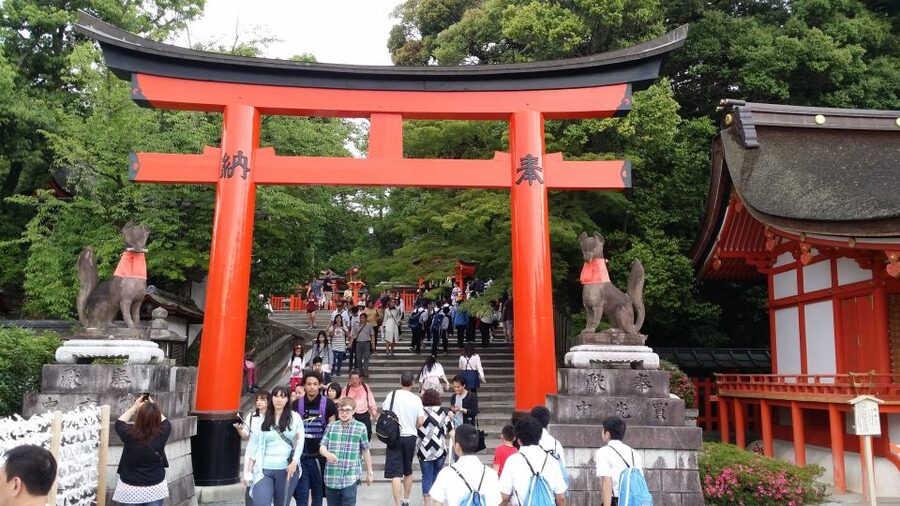
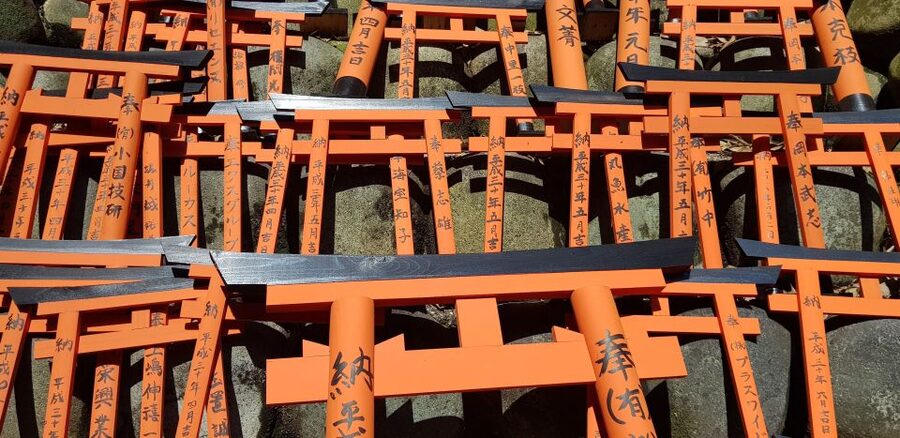
The Senbon Torii, or thousand torii gates, are the visual heart of Fushimi Inari. Thousands of vermilion gates form covered corridors up the mountain. They were donated by individuals and businesses, a detail that helps explain why the gates vary in size and carry inscriptions on their backs.
This is where a guide adds real value. Without context, you may see a beautiful tunnel of red gates and move on. With an explanation of Shinto worship, shrine customs, and the role of fox imagery at Fushimi Inari, the place becomes easier to read.
The tour allows about an hour at Fushimi Inari, including a guided look at the shrine and the Senbon Torii. That is enough for a strong introduction, but not enough to walk every mountain trail. If you hoped to reach the uppermost parts of the shrine complex, you may need to return independently another day.
Wear shoes with a firm sole. The route includes uphill walking, and the gates create many steps and sloping sections. You should also expect to share the popular approach with other sightseers, particularly during busy periods. A small group helps you stay connected to the guide, but it cannot make the famous entrance completely quiet.
Taking the train from Fushimi Inari to Gion
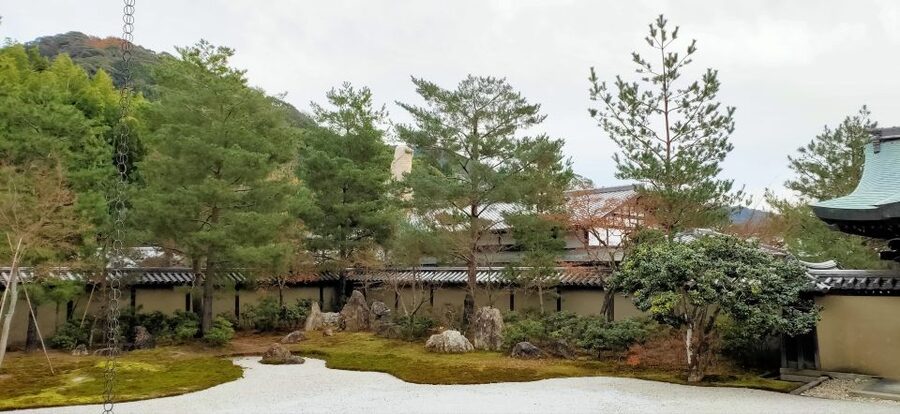
After Fushimi Inari, the tour includes a short train ride from Fushimi Inari to Gion. The ticket is covered, which removes one small task from a day that involves several transfers between districts.
This change of scene matters. Fushimi Inari feels strongly tied to shrine worship and the mountain. Gion brings you back into Kyoto’s city streets, where traditional wooden buildings, restaurants, tea houses, and evening entertainment share space with ordinary modern life.
The train ride also gives your legs a brief rest. That matters because the second half of the tour includes more walking and a gradual climb through Higashiyama.
Other guided walks in Kyoto:
- Kyoto Gion Geisha District Walking Tour – The Stories of Geisha
★ 5.0 · 1,441 reviews - Nishiki Market Brunch Walking Tour (7 Tastings + Brunch)
★ 5.0 · 1,355 reviews - Kyoto Arashiyama Walking Tour: Bamboo, Monkeys, Gardens & Secrets
★ 5.0 · 1,216 reviews - Kyoto Gion: 2-Hour Geisha Culture & History Walking Tour
★ 5.0 · 1,186 reviews
Seeing Gion as a living district
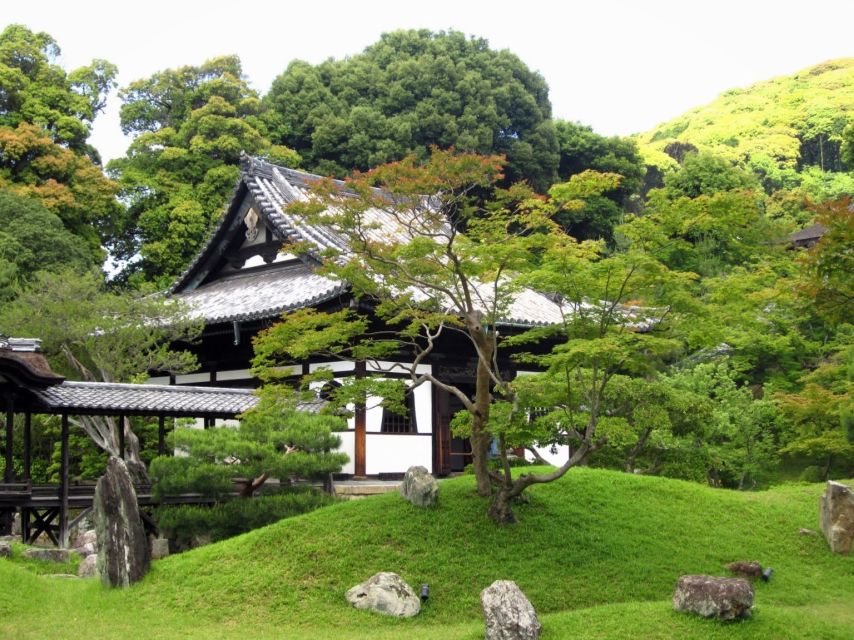
The Gion portion lasts about 30 minutes. You will hear stories about the district, its traditional entertainment culture, and the geisha world associated with it. Gion is not a museum set aside for visitors. It remains part of modern Kyoto, with residents, working businesses, and evening activity.
That distinction is worth keeping in mind as you walk. You can admire the architecture and atmosphere without treating the streets as a stage. A guide can help you understand what you are seeing and how the district fits into Kyoto today.
Thirty minutes is a short introduction, not a full exploration of Gion. You will not cover every lane or spend an evening in the area. The advantage is that the tour gives you enough orientation to return later, perhaps when you want to explore at a slower pace or look for a meal.
One useful feature of the small group is the chance to ask direct questions. Guides such as Damian and Ferdinand have been singled out for explaining Japanese history, religion, and customs in a way that connects the streets to the wider culture. Lito has also shared useful suggestions about places to eat and other things to do, which can help you plan the rest of your Kyoto stay.
Finding quiet at Kodaiji Temple
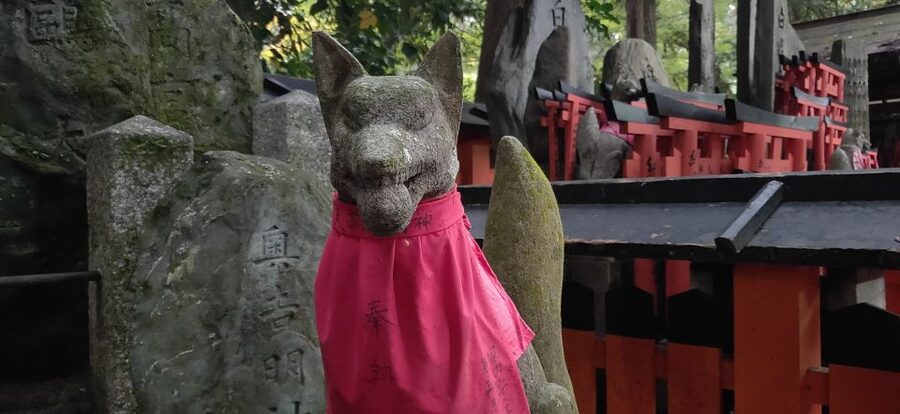
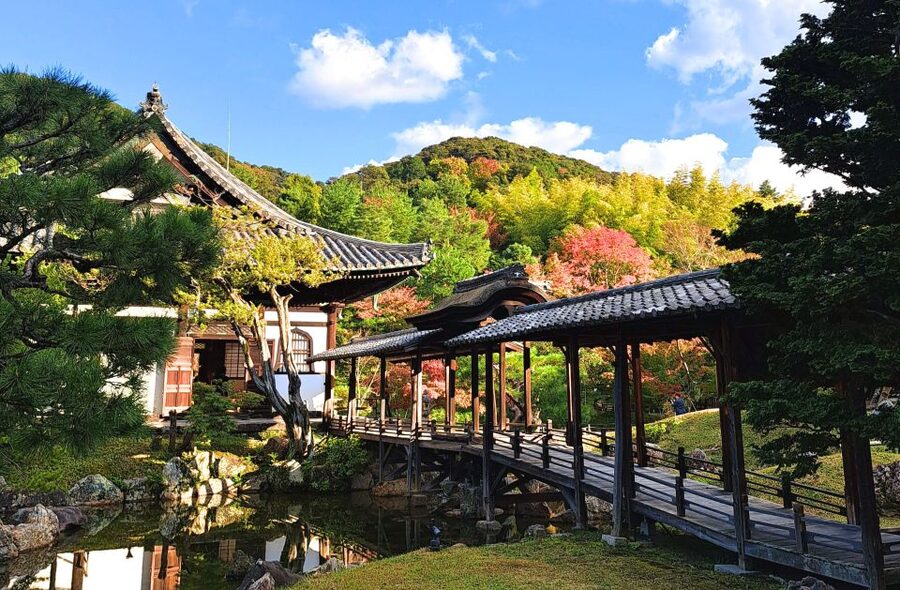
Kodaiji is one of the best pauses on this route. The temple complex dates to the early 17th century and is known for its gardens and bamboo grove. After the movement of Fushimi Inari and the city streets of Gion, Kodaiji gives you space to slow down.
Admission is included, and the guided visit lasts about 40 minutes. That is enough time to appreciate the grounds and hear why the temple matters, though you should not expect a long, unhurried temple visit with time to inspect every corner.
The bamboo grove is smaller and less associated with the crowds than Kyoto’s famous Arashiyama grove, but the tour does not promise a completely empty setting. The value here is the contrast: Kodaiji gives you a quieter temple experience within a packed sightseeing route.
The gardens also help you notice a central feature of Japanese temple design: views are often arranged to unfold as you move, rather than presented all at once. Let your guide point out details you might otherwise pass without noticing.
Climbing Sannenzaka toward Kiyomizu-dera
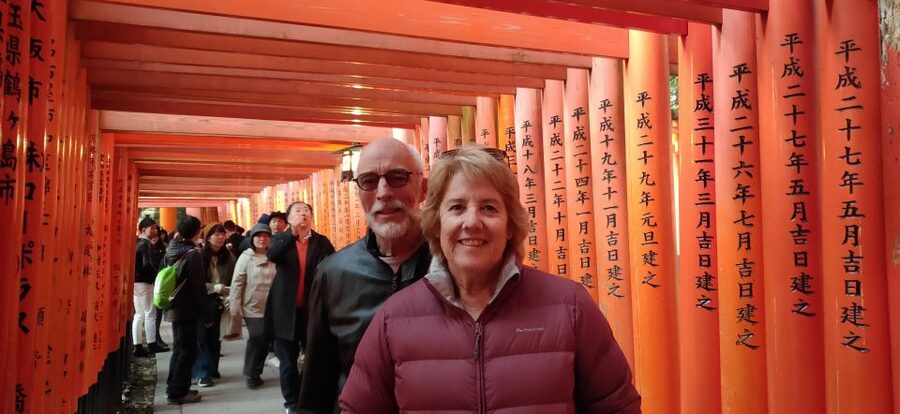
From Kodaiji, the route continues through Higashiyama’s old streets toward Sannenzaka. This is one of the most enjoyable parts for browsing. Small shops sell snacks, sweets, souvenirs, and traditional goods, giving you chances to pause and make a purchase if something catches your eye.
Sannenzaka is also where the walking becomes more demanding. The lanes rise toward Kiyomizu-dera, and the surface can be uneven. You will be walking through a popular area, so the route may feel crowded and slow at times. That is part of the experience, but it means you should not expect a brisk march.
The tour does not include food or drinks, so bring money if you want to buy a snack along the way. This is also a good point to avoid carrying a large bag. Large luggage is not allowed on the activity, and a bulky daypack will make the hills and steps less pleasant.
The guide can point out side lanes and small shrines away from the main flow. That is one reason the group limit matters. A guide who knows the area can add quieter corners without turning the walk into a confusing maze. The route will still include Kyoto’s most visited streets, but you may see more than the standard photo stop.
Understanding the appeal of Kiyomizu-dera
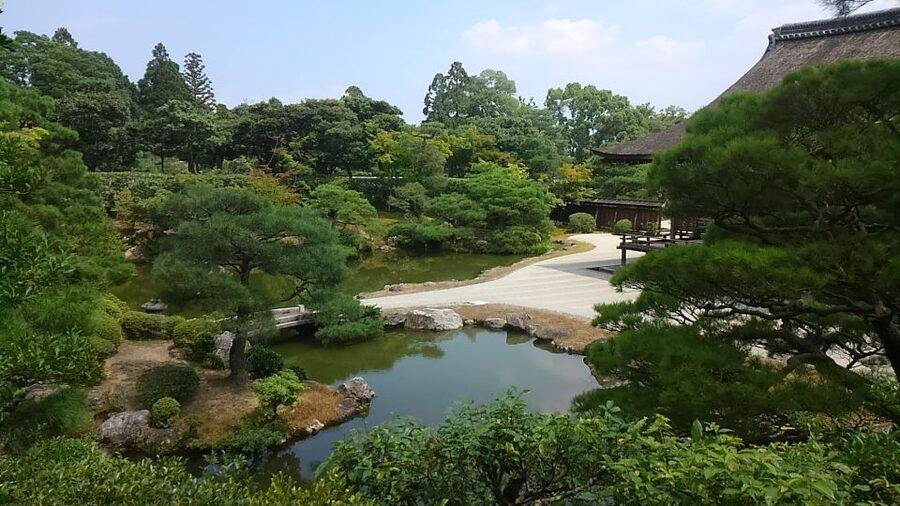
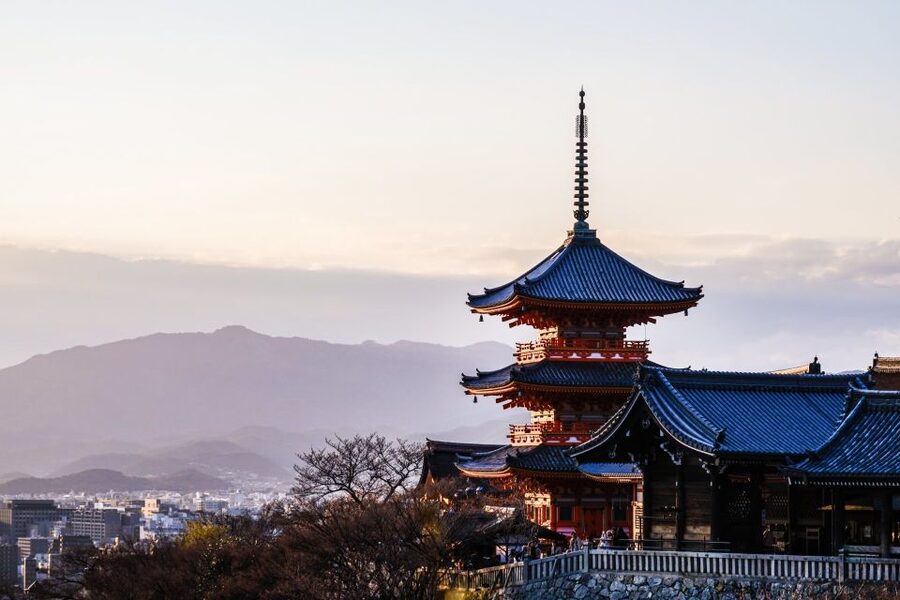
Kiyomizu-dera is the final major stop and one of Kyoto’s essential sights. Its elevated position gives you a sweeping view across the city, while the temple’s Otowa Waterfall connects the visit to a familiar Japanese ritual.
The waterfall divides into three streams. You can sample the water, with each stream linked to a wish for health, wealth, or happiness. The traditional warning is that choosing all three is greedy, so choose carefully.
Admission is included, and the guided visit lasts about 30 minutes. That keeps the tour moving, but it also means you may want to stay afterward. The activity ends after the group tour at Kiyomizu-dera, leaving you free to spend more time in the temple area and explore Higashiyama at your own pace.
This ending works well because Kiyomizu-dera deserves more time than a quick pass through. You may want to enjoy the view, look around the temple grounds, revisit the waterfall, or continue along the surrounding streets. The tour gives you the explanation and basic orientation, then lets you decide how long to remain.
How the guide affects the experience
The guide is the main reason to book this rather than walk the route alone. The listed languages are English, French, Hebrew, and Spanish. Guides have included Hugo, Damian, Ferdinand, and Lito, so the exact personality and focus will depend on who leads your departure.
The strongest guide qualities shown in the available feedback are flexibility, clear cultural explanation, and willingness to answer questions. Damian has been praised for his grasp of Japanese history and for showing small shrines away from the main path. Ferdinand has been described as energetic and able to explain Kyoto, temples, religion, and Japan more broadly.
This can be especially useful if you are traveling with children or teenagers. Lito has been noted for drawing children into stories about temples, wishes, luck, and traditional rituals. That sort of storytelling can turn a long walk into something your family follows with interest rather than simply tolerates.
Hugo has also been praised for adapting to changing needs. That does not mean the tour can become fully private or skip all hills, but a small group gives the guide some room to adjust the pace. In hot and humid weather, this is important.
Walking conditions, timing, and group size
Four hours is long enough to cover a lot, but the route is active from start to finish. You will walk through shrine grounds, city streets, temple compounds, shopping lanes, and uphill approaches. Plan on standing, climbing, and keeping up with the group.
The tour is limited to 10 participants. Some departures may be smaller, and one past booking had only two people. A small group makes it easier to hear explanations and ask questions, but it does not remove the physical demands of the route.
Comfortable shoes are the one item you should treat as essential. Large bags and luggage are not allowed. Pack lightly, bring only what you need, and consider the weather when choosing clothing, since much of the experience takes place outdoors.
The activity is not suitable for people with mobility impairments. The description says the uphill sections are not exceptionally steep or demanding, but that is not the same as flat or step-free. If you have trouble with hills, stairs, or extended walking, you should choose a less active way to see these districts.
Free cancellation is available up to 24 hours before the start time, and you can reserve now while paying later. Those terms are useful if your Kyoto schedule is still changing, but you should still confirm the available start time before booking.
Who should book this Higashiyama walk
I would choose this tour if I had a first visit to Kyoto, only a few days in the city, and wanted the major eastern sights explained in one organized outing. It is also a good choice if you want cultural context rather than a simple checklist of famous locations.
Families can benefit from the stories and small-group format, especially when the guide keeps younger visitors involved. The route also suits people who prefer a guide to handle the train connection and temple admissions.
You should think twice if you want long periods for photography, shopping, or quiet reflection. The schedule is full, and each stop has a set portion of the four hours. Independent visitors may prefer to spend an entire morning at Fushimi Inari or a full afternoon around Kiyomizu-dera instead.
Should you book it?
Book this $106 tour if you value explanation, a compact route, and a small group more than the lowest possible price. You will see four important Kyoto sights, ride the train between the first two areas, receive entry to Kodaiji and Kiyomizu-dera, and finish in a district worth exploring on your own.
Skip it if you are uncomfortable with hills, want a slow photographic walk, or already feel confident navigating Kyoto’s shrines and trains. For most first-time visitors who can manage four hours on foot, this is a practical way to get your bearings in eastern Kyoto without reducing the area to a series of disconnected photo stops.
FAQ
Where does the tour meet?
Meet just outside the fare gates of JR Inari Station. Depending on your starting point in Kyoto, you may find the Keihan train line convenient, followed by a short walk to the JR station.
How long does the tour last?
The tour lasts four hours. Starting times vary, so check availability when choosing your date.
Which places are included?
The route includes Fushimi Inari Taisha, the Senbon Torii, Gion, Kodaiji Temple, Sannenzaka and other Higashiyama streets, and Kiyomizu-dera.
Are admission fees included?
Admission to Kodaiji Temple and Kiyomizu-dera is included. The train ticket from Fushimi Inari to Gion is also included.
Which languages are available?
Live guides are available in English, French, Hebrew, and Spanish.
Is the walk suitable for people with mobility impairments?
No. The route includes uphill walking, steps, and extended walking, and the activity is not suitable for people with mobility impairments. Comfortable shoes are recommended, and luggage or large bags are not allowed.
Just added in Kyoto
- Private Cooking Class Udon in Kyoto Japan★ 5.0 · 23 reviews
- Your Private Vacation Photography Session In Kyoto★ 5.0 · 110 reviews
- Kyoto: Zen Meditation at a Private Temple with a Monk★ 5.0 · 25 reviews
- Private Pewter Sake Cup Experience with a Kyoto Artisan★ 5.0 · 31 reviews
- Kyoto Wagashi(Japanese sweets) Cooking Class near Fushimiinari★ 5.0 · 60 reviews
- Kyoto:Family-Friendly Kimono & Yukata Experience at WARGO★ 5.0 · 147 reviews
- Private Guided Traditional Buddhist Cooking in Japan★ 5.0 · 16 reviews
- Kyoto: Gion Geisha District & Sake-in-Hand Walking Tour★ 5.0 · 37 reviews
Walking Tours, compared.
Kyoto Geisha Walking Tour: Gion District & Hidden Gems
Read our review →
Tokyo Tsukiji Fish Market Food and Culture Walking Tour
Read our review →
Imperial Palace and Shogun Historical Walking Tour
Read our review →
Gion Geisha District Walking Tour – Stories of Geisha
Read our review →
Shinjuku Local Bar and Izakaya Guided Walking Tour
Read our review →
Asakusa Walking Tour with Sensoji Temple Visit
Read our review →

Nishiki Market Brunch Walking Tour (7 Tastings + Brunch)
Read our review →Browse the lists this tour appears in