
Reviewed · WALKING TOURS
Kyoto: Nishiki Market Brunch Walking Tour-7 Tastings+Brunch
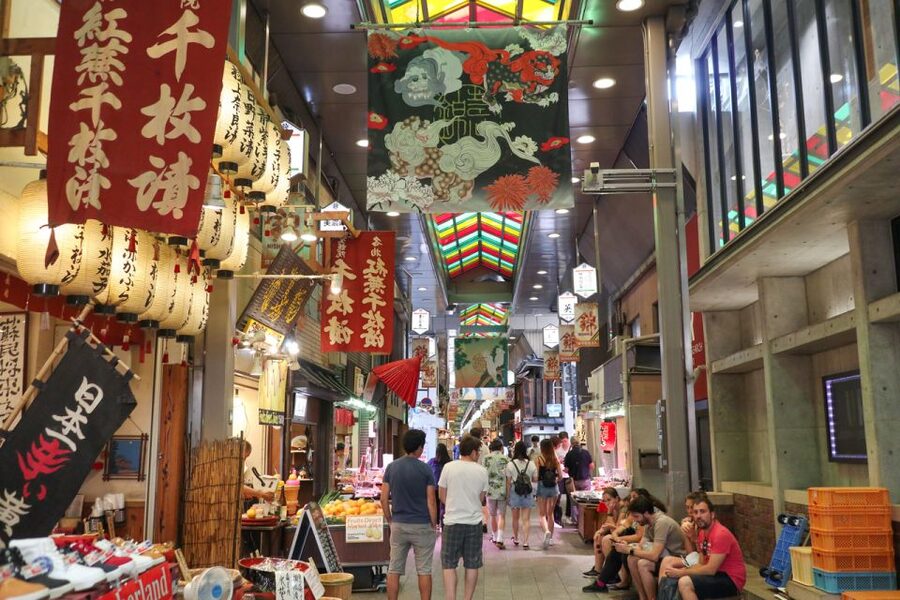
Nishiki Market is the star here, and the smart move is visiting in the morning, before the narrow arcade becomes harder to navigate. You’ll stroll from Gion through Pontocho, stop at Nishiki-Tenmangu Shrine, then spend more than two hours tasting Kyoto foods and sitting down for brunch. I especially like the small group of seven and the mix of market snacks with a proper meal.
I also like that the guide does more than point at food. Guides such as Chie, Yutaka, Hikaru, Yuki, and Takaya have helped visitors understand shrine customs, Kyoto’s food culture, and the market’s long history. The main drawback is dietary flexibility: this tour cannot accommodate vegan or gluten-free requests, and the route is not suitable for wheelchair users or strollers.
Key points at a glance
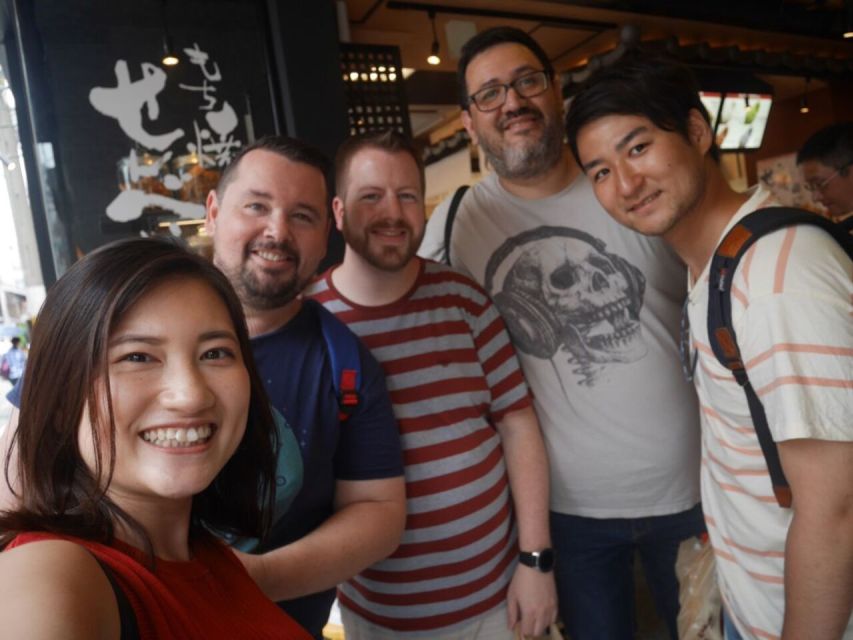
- Seven tastings plus brunch: You get small bites along the market route and a sit-down meal, not just a walk past food stalls.
- A quiet start in Gion: The morning route offers a calmer look at the area than an evening visit.
- Nishiki Market takes up most of the tour: You have about two hours and 15 minutes to eat, ask questions, and browse.
- Small groups matter here: With no more than seven participants, it is easier to hear the guide and stay together in narrow lanes.
- Good cultural context: Expect explanations about shrine etiquette, Pontocho, Kyoto food customs, and the market’s 400-year history.
- Plan for food limitations: Cash is recommended, and vegan, gluten-free, and allergy-free arrangements are not guaranteed.
Why Nishiki Market works so well for a food tour
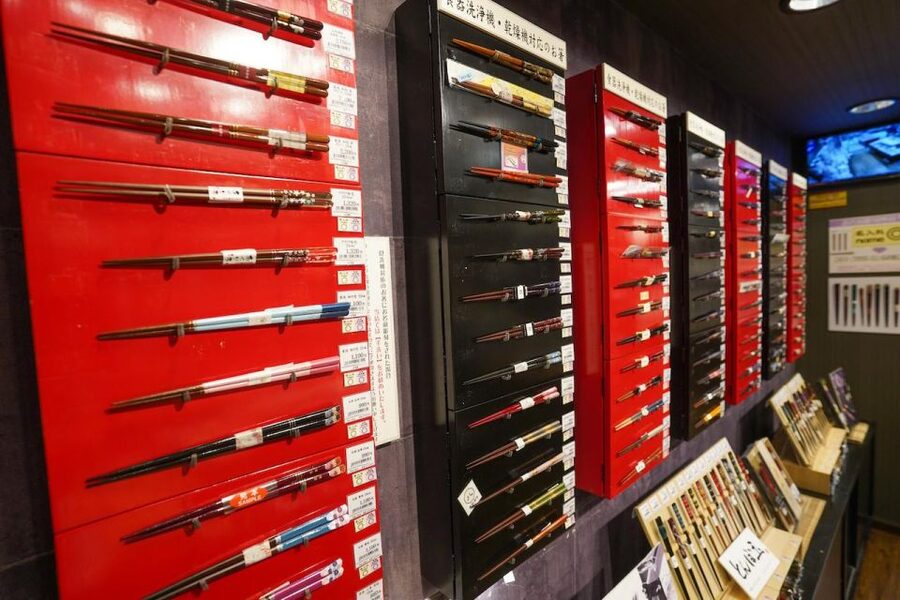
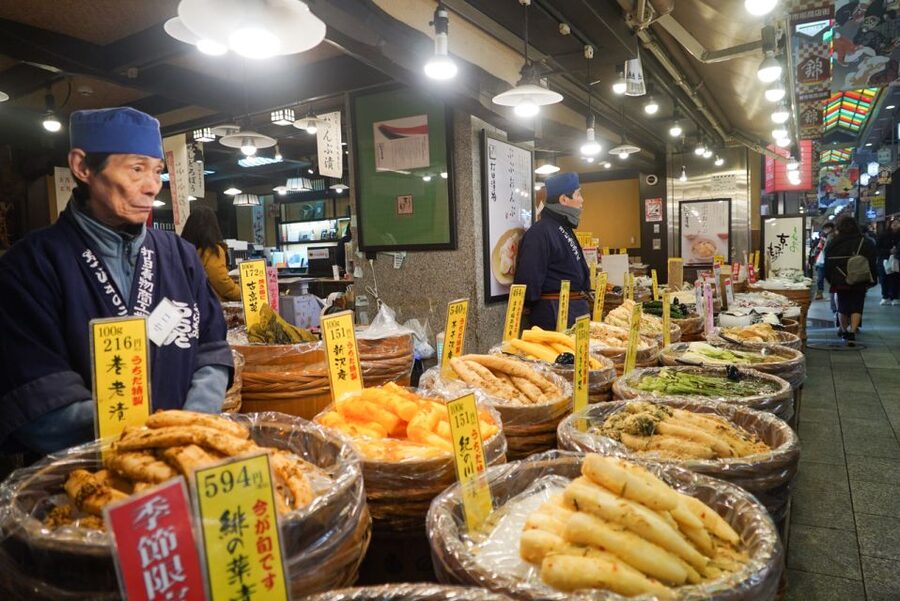
Nishiki Market has served Kyoto for more than 400 years and is widely known as the city’s Kitchen of Kyoto. That nickname makes sense once you see the range of shops packed into its long covered arcade. Food is the main draw, but you’ll also pass stalls selling items such as soaps, honey, household goods, and souvenirs.
The market is not one grand food hall. It is a long row of individual businesses, each with its own specialty and rhythm. That can make an independent visit feel slightly scattered. A guide gives the place a clearer shape, explaining what you are seeing and helping you decide what is worth a taste.
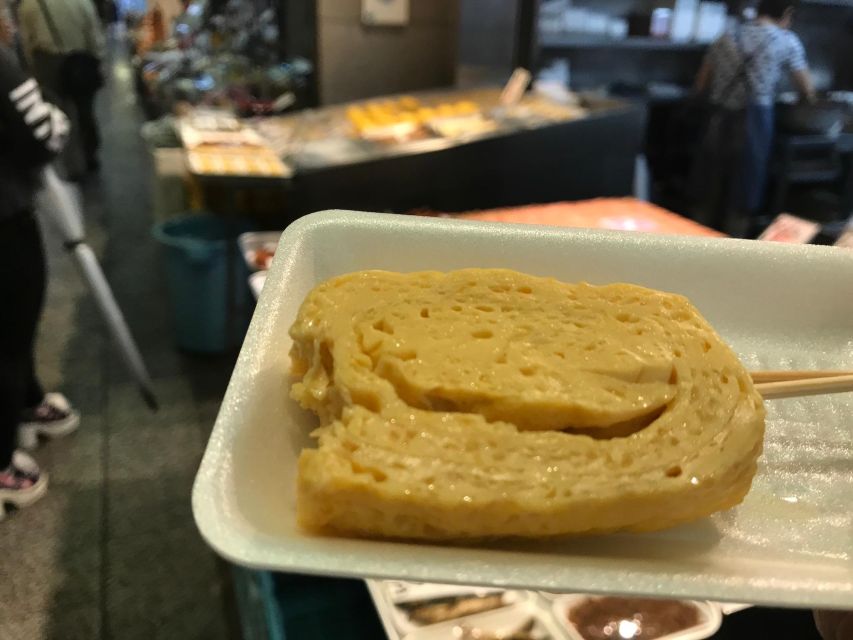
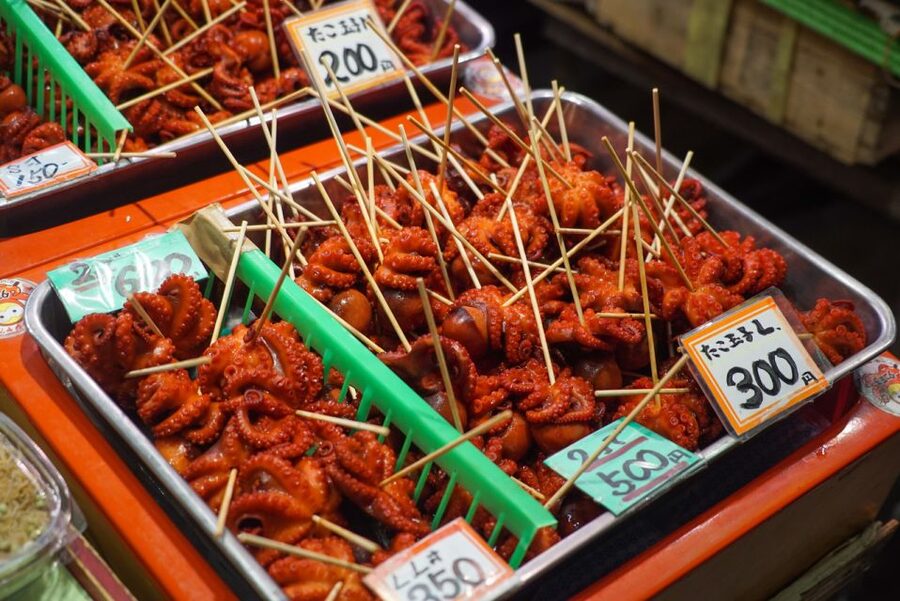
The seven tastings are the heart of the experience. The exact selection can change, so you should not book this expecting a fixed menu. You might try foods you would have ignored on your own, and the guide can explain how each item fits into local eating habits.
The tour also includes brunch at a restaurant. That matters because market portions are generally tasting portions, not a full meal. You can sample several foods, then sit down for something more substantial before the tour ends at Nishiki Market.
Other walking tours in Kyoto people book:
- Kyoto Geisha Walking Tour: Gion District & Hidden Gems
★ 4.7 · 3,273 reviews - Kyoto: Gion Magical Night Walking Tour with Geisha Trivia
★ 4.9 · 2,393 reviews - Kyoto: Gion Geisha District Walking Tour – Stories of Geisha
★ 4.7 · 2,187 reviews
Starting at Gion Shijo Station and Shijo-ohashi Bridge
Meet your guide outside Exit 5 of Gion Shijo Station. Look for the MagicalTrip sign. The meeting point is practical, but give yourself enough time to find the correct station exit, especially if you are coming from another part of Kyoto.
The first stop is Shijo-ohashi Bridge, where the group pauses for about five minutes. This is a quick orientation point rather than a long sightseeing stop. It helps place you beside the Kamo River and near the historic districts that frame the morning walk.
The early timing is one of the tour’s strongest choices. Kyoto’s popular areas can feel very different before the day gets fully underway. You’ll get cooler air in warm months, softer light, and a less hurried pace as you move toward the market.
Summer deserves special attention. Kyoto can reach about 40°C, or 110°F, while winter temperatures can fall to about -5°C, or 20°F. Wear sensible shoes and dress for the forecast. This is a walking and eating tour, not a bus excursion, so weather affects your comfort.
Pontocho’s narrow lane and the morning side of Gion
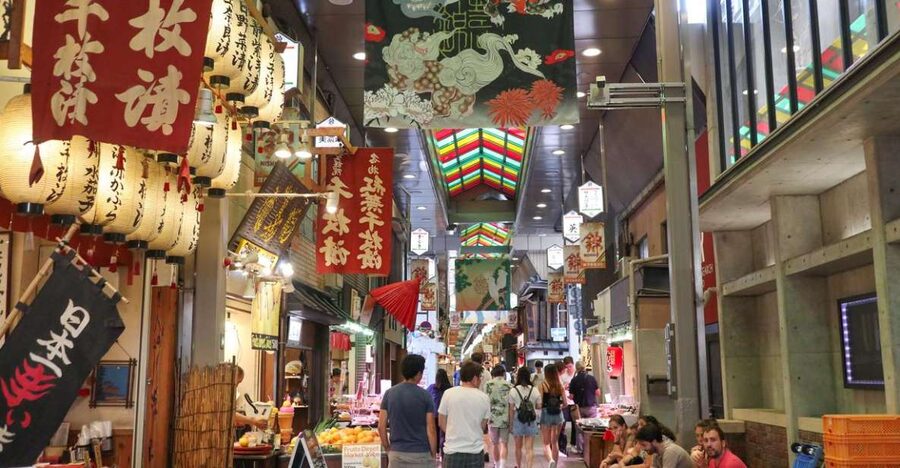
The walk through Pontocho lasts about 15 minutes. This famous alley is closely linked with Kyoto’s traditional entertainment districts, and the guide uses the route to explain local history and the connection between the area, restaurants, and geisha culture.
Do not confuse this route with a full visit to the famous Gion street often shown in photographs. One important practical detail is that the tour walks through the Gion area but does not actually visit that particular famous street. If that street is your main goal, plan a separate visit.
Still, the walk has value because it gives you context before the food stops begin. Guides have explained how to tell a shrine from a temple, discussed local customs, and answered questions about Kyoto along the way. Some have used diagrams, stories, and small historical details to make the background easier to follow.
This is also where the tour feels most personal. With a maximum of seven people, you can ask about the places you are passing instead of waiting for a large group to catch up. Guides often share recommendations for later meals and sightseeing, which can be especially useful early in your Kyoto stay.
Nishiki-Tenmangu Shrine, a calm pause before eating
The next stop is Nishiki-Tenmangu Shrine, where you spend about 15 minutes. It is a useful contrast to the market because the atmosphere is quieter and more reflective.
Your guide can explain shrine customs and show you how to approach the visit respectfully. Several guides have taken time to explain proper prayer procedures and the difference between shrines and temples. That instruction is practical, especially if this is your first morning in Kyoto and you are unsure what to do.
The shrine also adds balance to the route. Without it, the morning could become a simple sequence of snacks. Here, you get a short cultural stop before entering the food market, and the guide can connect local religious life with the surrounding streets.
The stop is not long enough for an extensive shrine visit. Think of it as a focused introduction rather than a major temple tour. If you want quiet time for photographs or personal prayer, you may need to keep an eye on the group’s schedule.
Other guided walks in Kyoto:
- Kyoto Gion Geisha District Walking Tour – The Stories of Geisha
★ 5.0 · 1,441 reviews - Nishiki Market Brunch Walking Tour (7 Tastings + Brunch)
★ 5.0 · 1,355 reviews - Kyoto Arashiyama Walking Tour: Bamboo, Monkeys, Gardens & Secrets
★ 5.0 · 1,216 reviews - Kyoto Gion: 2-Hour Geisha Culture & History Walking Tour
★ 5.0 · 1,186 reviews
Two hours and 15 minutes inside Nishiki Market
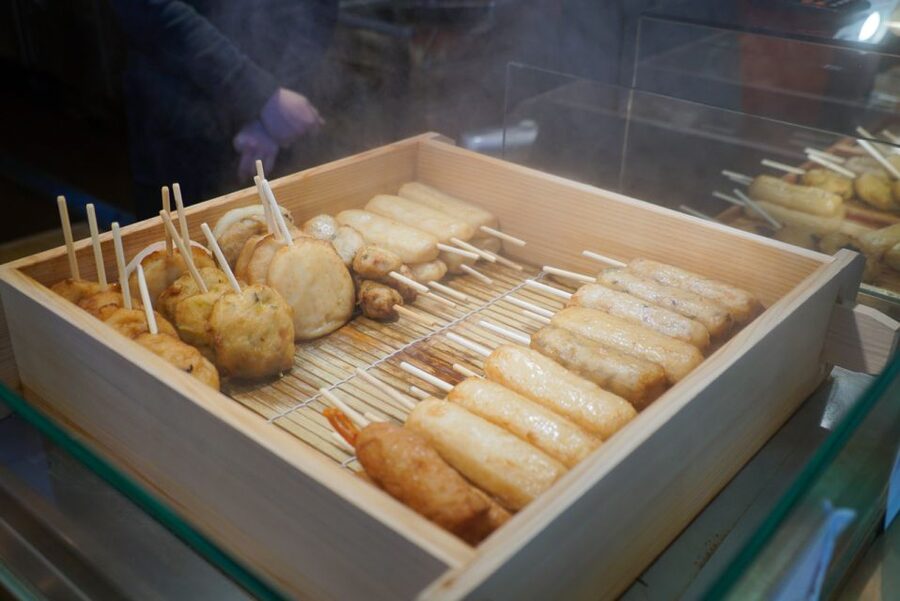
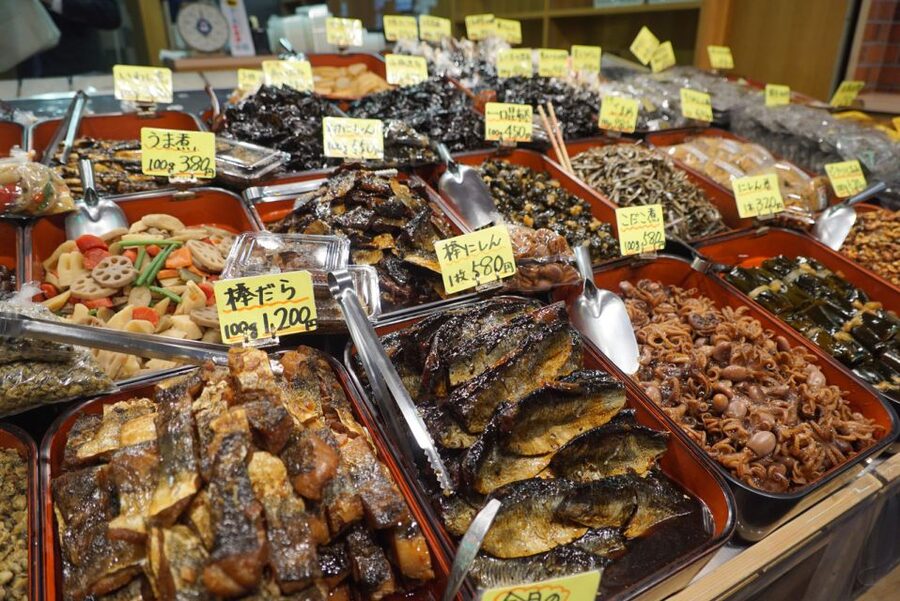
Most of the three-hour experience takes place at Nishiki Market. This is where the tour earns its price, particularly if you like trying unfamiliar foods but do not want to guess your way through every stall.
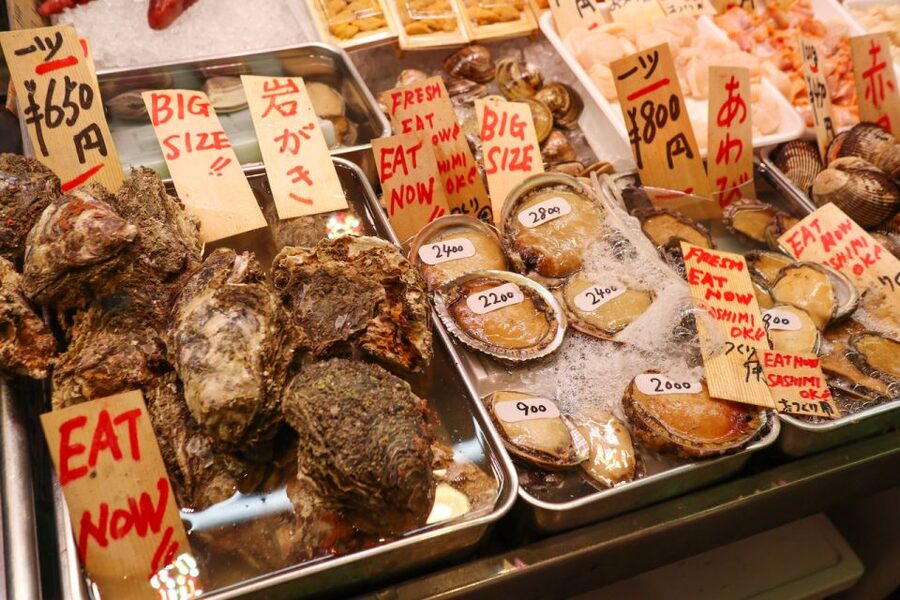
The guide leads you through several tasting stops, with seven kinds of tastings included overall. The food choices vary, and the tour information does not promise a set list. That is sensible in a market where availability can change, but it also means you should treat the menu as part of the day’s discovery rather than a fixed checklist.
You might encounter seafood, sweets, prepared foods, or other Kyoto specialties. One past group enjoyed yuba as part of the meal, while other visits included sake or various market foods. Those examples show the range, but they are not a guarantee of what you will receive on your date.
I like the way the tasting format lowers the risk of ordering something you do not understand. You can ask what a food is, how it is normally eaten, and why it matters locally. The guide can also help you notice details that are easy to miss when you are simply shopping.
The market is narrow, and the walk can become crowded. This is where the seven-person limit has real value. A large group would be harder to keep together, and you would have less access to the guide at each stall. The small format also lets you stop when something catches your eye, within the limits of the schedule.
Do not expect unlimited food. The tastings are included, but additional food and drinks cost extra. Bring cash, since it is specifically recommended for the tour and useful for optional purchases.
Brunch gives the morning a proper finish
After the market tastings, you sit down for brunch at a restaurant. The meal is included, and several past menus have offered a choice of dishes. The exact restaurant and selections may vary, so you should not assume a particular dish will be available.
This sit-down meal is more than a convenience. It gives the group time to slow down, compare favorite foods, and talk with the guide. Some guides join the meal and share stories about Kyoto, while also offering ideas for places to eat or visit later.
The brunch also helps the tour feel like a complete morning rather than a quick sampling session. You begin with a walk, learn about local customs, taste several foods, and end with a full meal. If you plan to have a large breakfast beforehand, you may be too full to enjoy the market properly. Arrive hungry, but not desperate.
The tour finishes at Nishiki Market, not back at Gion Shijo Station. That is convenient if you want to continue shopping or explore nearby streets, but you are responsible for arranging your next activity. One past participant appreciated help from a guide in reaching the next stop, but that kind of assistance should be seen as a courtesy, not a promised transfer service.
What the guides add to the experience
The guide can make or break a food walk, and this tour has a strong record in that area. Guides named in recent experiences include Chie, Yutaka, Hikaru, Yuki, Yuma, Nori, Aki, Takaya, Reiko, and others.
The most useful guide traits are clear English, patience in crowded spaces, and the ability to explain food without turning the tour into a lecture. Chie has been praised for historical storytelling and for taking group photographs. Yutaka has been described as funny, easygoing, and especially good at explaining Kyoto’s past. Hikaru has helped with shrine customs, market choices, and later recommendations.
Photography is included, and guides take photos during the tour. That is a nice bonus if you are traveling with family or as a couple and do not want every picture to be a selfie. Still, the main value is the conversation and explanation, not a formal photography session.
The small group also allows some personal adjustment. Guides have responded to interests, answered questions at length, and made suggestions based on what people enjoy. The tour remains a shared group experience, though, so do not expect a fully private food itinerary unless your booking happens to be private.
Is the $66 price good value?
At $66 per person, the tour sits above the cost of simply walking through Nishiki Market and buying one or two snacks. The fair comparison is not just the food price. You are paying for seven tastings, brunch, three hours with an English-speaking local guide, historical and cultural explanations, and photos.
The value is strongest if you are new to Kyoto, curious about Japanese food, or uneasy about ordering from unfamiliar stalls. A guide helps you use your limited time well and reduces the chance of missing the market’s best-known experiences.
The value is weaker if you prefer to browse alone, already know Nishiki Market, or want a large meal with no walking. You will still pay for any extra food and drinks, and the exact tasting menu is not fixed.
The 4.8 rating from 197 reviews suggests steady satisfaction, but I would focus on the fit rather than the number. This is a social, guided introduction to Nishiki Market. It is not a private culinary class or a deep restaurant tour.
Cancellation is flexible up to 24 hours before the start for a full refund, and you can reserve now and pay later. Those policies help if your Kyoto schedule is still shifting.
Dietary, mobility, and comfort limits
The food restrictions deserve clear attention. Vegan and gluten-free requests cannot be accommodated, and the operator cannot guarantee allergy-free food because the stops use kitchens that are not controlled by MagicalTrip.
You should report allergies or dietary requests at least one day before the tour. The guide will try to help, but substitutions may not be possible at every stop. The tour may compensate at another stop, yet that is not the same as a guaranteed safe meal.
The route is not suitable for wheelchair users, and some locations are inaccessible to wheelchairs or strollers. The market’s narrow, crowded layout can also be tiring for anyone who has difficulty walking or standing for long periods.
For most participants, comfortable shoes, water, weather-appropriate clothing, and some cash are the right preparation. The tour lasts three hours, with much of that time spent walking, standing, tasting, and moving through a busy market.
Who should book this Kyoto food walk?
I would choose this tour for a first or second day in Kyoto. The guide can give you a useful map of local customs and food, while the recommendations may help shape the rest of your stay.
It also suits families with teenagers, couples, solo visitors who want company, and anyone who likes trying food without committing to full portions. The small group is particularly helpful for families because the guide can keep the pace manageable and explain things in a way younger participants can follow.
I would be cautious if you need strict dietary control, use a wheelchair or stroller, dislike group tours, or want to visit the famous Gion street itself. You may also prefer a later food tour if mornings are difficult, but this experience is specifically designed around the quieter early hours.
Should you book the Nishiki Market Brunch Walking Tour?
Book it if you want a guided introduction to Kyoto food, a calm morning walk, and enough tastings to make Nishiki Market feel less confusing. The combination of Pontocho, Nishiki-Tenmangu Shrine, market snacks, and brunch gives you more than a basic shopping visit.
Skip it if your diet requires guaranteed vegan, gluten-free, or allergy-safe food, or if you want complete control over every stop. For everyone else, $66 is a reasonable price for the food, guidance, cultural context, and small-group format, especially near the start of a Kyoto visit.
FAQ
Where does the tour meet?
Meet your guide outside Exit 5 of Gion Shijo Station. The guide will be holding a sign that says MagicalTrip.
Where does the tour finish?
The tour finishes at Nishiki Market.
How long does the tour last?
The experience lasts three hours.
What places are included in the walking route?
The route includes Shijo-ohashi Bridge, Pontocho, Nishiki-Tenmangu Shrine, and Nishiki Market. It begins near Gion Shijo Station.
How many food tastings are included?
Seven kinds of tastings are included, along with brunch at a restaurant. The exact food selection can vary.
Is brunch included in the price?
Yes. Brunch at a restaurant is included. Additional food and drinks are not included.
Is the tour available in English?
Yes. It is led in English by a live local guide.
Can the tour accommodate vegan or gluten-free diets?
No. The tour cannot accommodate vegan or gluten-free requests. Allergy-free food and other dietary adjustments cannot be guaranteed, so you should report allergies or requests at least one day before the tour.
Just added in Kyoto
- Private Cooking Class Udon in Kyoto Japan★ 5.0 · 23 reviews
- Your Private Vacation Photography Session In Kyoto★ 5.0 · 110 reviews
- Kyoto: Zen Meditation at a Private Temple with a Monk★ 5.0 · 25 reviews
- Private Pewter Sake Cup Experience with a Kyoto Artisan★ 5.0 · 31 reviews
- Kyoto Wagashi(Japanese sweets) Cooking Class near Fushimiinari★ 5.0 · 60 reviews
- Kyoto:Family-Friendly Kimono & Yukata Experience at WARGO★ 5.0 · 147 reviews
- Private Guided Traditional Buddhist Cooking in Japan★ 5.0 · 16 reviews
- Kyoto: Gion Geisha District & Sake-in-Hand Walking Tour★ 5.0 · 37 reviews
Walking Tours, compared.

Kyoto Geisha Walking Tour: Gion District & Hidden Gems
Read our review →
Tokyo Tsukiji Fish Market Food and Culture Walking Tour
Read our review →
Imperial Palace and Shogun Historical Walking Tour
Read our review →
Gion Geisha District Walking Tour – Stories of Geisha
Read our review →
Shinjuku Local Bar and Izakaya Guided Walking Tour
Read our review →
Asakusa Walking Tour with Sensoji Temple Visit
Read our review →
Nishiki Market Brunch Walking Tour (7 Tastings + Brunch)
Read our review →Browse the lists this tour appears in