
Reviewed · WALKING TOURS
Kyoto Nishiki Market Food and Culture Walking Tour
Kyoto’s Nishiki Market is easiest to enjoy when someone helps you sort the good stuff from the edible oddities. This three-hour walk takes you through a 400-year-old market, then into nearby arcades, temples, and streets where daily Kyoto life continues. Guides such as Takuma, Annie, Miku, and Atsu are praised for clear explanations and a friendly pace.
I like the small maximum of six people, which gives you room to ask questions and pause at a stall. I also like the cultural mix: this is not only a food crawl, but a lesson in shrine manners, neighborhood temples, local ingredients, and Kyoto shopping customs.
The main caution is value. At $80.92 per person, the tour makes sense if you want guidance and a meal-sized introduction to foods you might miss alone. It makes less sense if your main goal is the largest possible number of tastings for the lowest price.
Quick reasons to consider this Kyoto food walk
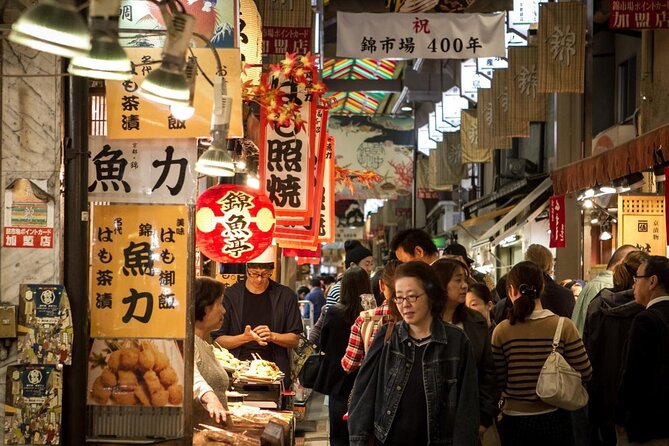
- A 400-year-old market: Spend about 1 hour and 40 minutes among roughly 130 shops along Nishiki’s narrow, five-block street.
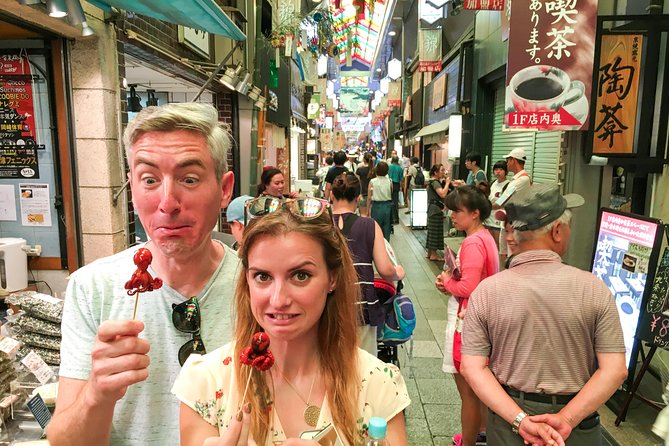
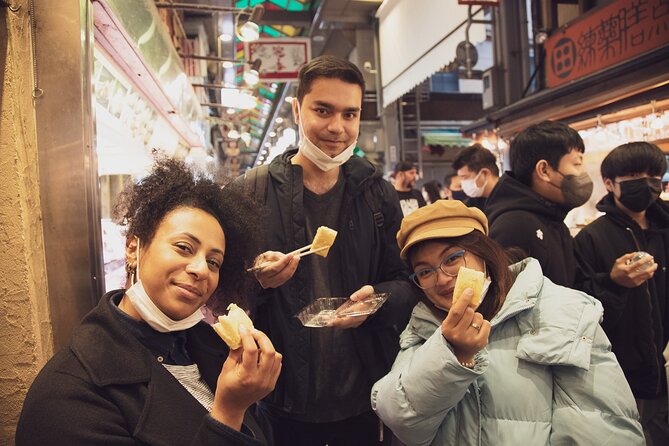
- Food plus culture: Tastings can include yuba, soy doughnuts, pickles, omelet, gyoza, fruit, minced-meat sandwiches, eel tempura, and other local bites.
- A very small group: The tour accepts no more than six people, and on quiet days it may feel almost private.
- More than Nishiki: The route continues to Nishiki Tenmangu, Shinkyogoku, Takoyakushido Eifukuji Temple, and Teramachi-dori.
- Strong guiding is central: Guides including Keiko, Takuma, Toshi, Naoko, Atsu, Akiko, Saeko, and Yoko are singled out for warmth, English, and personal recommendations.
- Plan for food limits: Vegetarian, vegan, halal, kosher, gluten-free, and allergy-related requests cannot be accommodated.
What this tour is really selling
You can walk into Nishiki Market on your own. The street is free, centrally located, and easy to reach by public transportation. You can also buy food one item at a time and probably spend less than $80.92.
The paid tour is selling confidence and context. A guide helps you understand what you are looking at, how to eat it, what is worth buying, and which customs matter. That is useful in a market where unfamiliar names, crowded counters, and small portions can make a first visit feel like guesswork.
The tour also saves you from planning a restaurant reservation. Food is served along the route, and the included samples are described as sufficient to take the place of a meal. That does not mean every departure offers the same amount of food. Some experiences include a long string of bites, while others have been described as only a few market items plus food at a sit-down stop.
That difference matters. I would book this for the guide and the explanation, not as a guaranteed all-you-can-eat event.
Other walking tours in Kyoto people book:
- Kyoto Geisha Walking Tour: Gion District & Hidden Gems
★ 4.7 · 3,273 reviews - Kyoto: Gion Magical Night Walking Tour with Geisha Trivia
★ 4.9 · 2,393 reviews - Kyoto: Gion Geisha District Walking Tour – Stories of Geisha
★ 4.7 · 2,187 reviews
Starting with 1 hour and 40 minutes in Nishiki Market
Nishiki Market is the heart of the experience. The covered shopping street runs for about five blocks and contains around 130 shops and stalls. Its age matters: this is not a modern food hall built for sightseeing, but a working market tied to Kyoto’s cooking traditions and everyday shopping.
Your guide leads you through the narrow passage, pointing out products and explaining how they fit into Japanese food culture. The market can be very crowded, so having a person in front who knows where to pause is useful. If you bring a stroller, tell the operator in advance, since the tight street can be difficult at busy times.
The food list can change, but examples from the experience include yuba, pickled cucumbers, soy doughnuts, omelet, gyoza, wheat-starch sweets, fruit, honey yuzu lemonade, minced-meat sandwiches, and tempura eel. One particularly memorable stop for some visitors is the Kobe minced-meat pie or sandwich, described as similar to a fried hamburger patty.
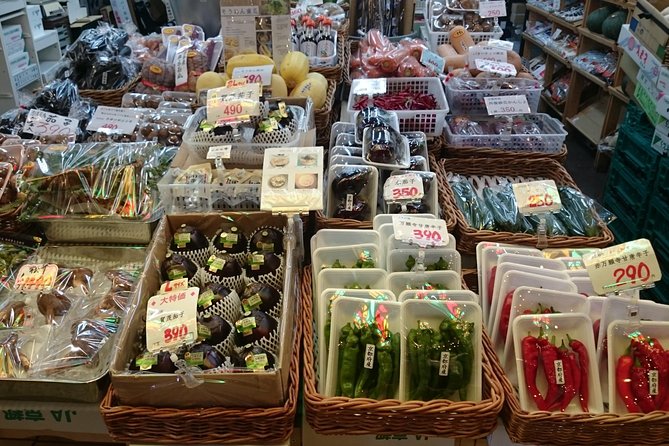
You may also encounter fish, wagyu, strawberries, seasonings, drink concentrates, and unusual products such as konjac yam soap. The point is not simply to eat. Your guide can explain what an ingredient is, how it is used, and why a stall matters.
The strongest part of the market visit is the chance to try things you may not choose on your own. A guide such as Saeko can adjust suggestions to your interests, while Chizuko has been praised for helping with shopping choices when the sheer number of products becomes confusing.
There is a tradeoff. Nishiki Market is commercial and popular, so this is not a quiet village market. You will share the lane with shoppers and sightseers, and stopping for food requires patience. If you dislike crowded streets, choose your timing carefully and expect a slower pace.
Nishiki Tenmangu and the basics of Shinto worship
The route spends about 15 minutes at Nishiki Tenmangu, a local Shinto shrine. This short stop gives the food walk a useful change of pace.
Your guide explains common shrine features and how to pray. You can learn the basic steps of Japanese Shinto worship and gain a clearer sense of how religious customs fit into daily life. That is valuable because the rituals can seem mysterious if you only watch other people copy them.
Do not expect a long shrine visit or an extended lecture. Fifteen minutes is enough for an introduction, not a full study of Shinto. Still, this stop helps connect the market to the culture around it. Kyoto’s food traditions do not exist apart from its temples, shrines, festivals, and household customs.
Shinkyogoku’s 20 minutes of modern Kyoto
Next comes Shinkyogoku Shopping District, a pedestrian arcade that mixes older Kyoto references with modern stores and local commerce. The planned 20-minute walk gives you a look at a different side of downtown.
This is a good place to notice how Kyoto functions beyond its famous temples. You may see shops serving local residents alongside places aimed at visitors. The contrast with Nishiki is useful: the market focuses on food and ingredients, while Shinkyogoku offers a broader look at shopping and street life.
The stop is brief, so do not count on a long independent shopping session here. If you see a purchase you want to make, ask your guide how much time remains. Several guides have been praised for allowing shopping along the way, but the exact amount of free time can depend on the group.
Other guided walks in Kyoto:
- Kyoto Gion Geisha District Walking Tour – The Stories of Geisha
★ 5.0 · 1,441 reviews - Nishiki Market Brunch Walking Tour (7 Tastings + Brunch)
★ 5.0 · 1,355 reviews - Kyoto Arashiyama Walking Tour: Bamboo, Monkeys, Gardens & Secrets
★ 5.0 · 1,216 reviews - Kyoto Gion: 2-Hour Geisha Culture & History Walking Tour
★ 5.0 · 1,186 reviews
A 10-minute look at Takoyakushido Eifukuji Temple
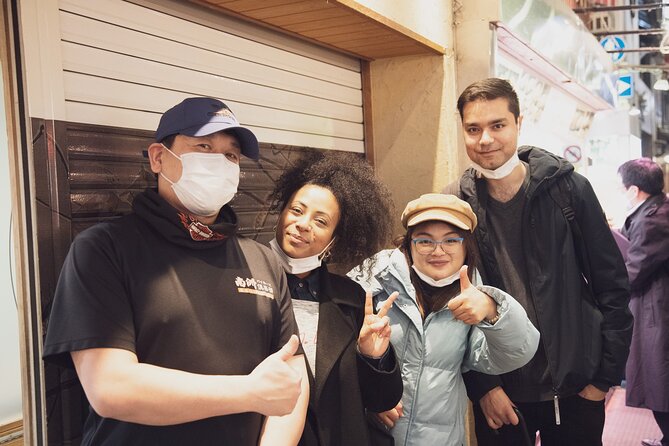
Takoyakushido Eifukuji Temple is a small Buddhist temple at the corner of the shopping street. The visit lasts about 10 minutes.
Its value is scale. Kyoto is famous for major temple complexes, but small temples are part of ordinary city life too. This stop shows how a religious site can sit close to shops, food, and pedestrian traffic rather than appearing as a separate world.
You will not have time for a long visit. Think of it as a quick local encounter that rounds out the market experience. The shrine and temple together also give you a basic comparison between Shinto and Buddhist settings.
Teramachi-dori and the final stretch
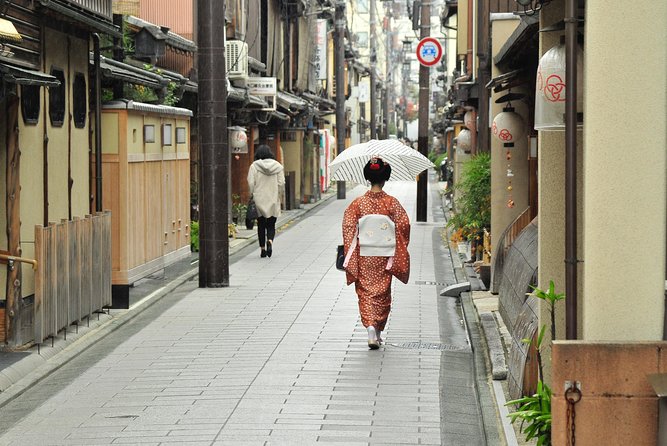
The final listed stop is Teramachi-dori, a shopping street lined with long-established businesses and newer shops. The planned time is about 15 minutes.
This is another chance to see how old and new Kyoto sit side by side. Your guide may point out products worth taking home, including Japanese seasonings or drink concentrates. The shopping advice can be one of the tour’s more practical benefits, especially if you are on a short visit and do not want to spend an afternoon wandering every arcade.
One guest arrived early and received an extra impromptu walk through a nearby shopping area. That should not be treated as a promised feature, but it shows how the experience can feel more personal when the group is small and the guide has room to adapt.
How much food will you actually get?
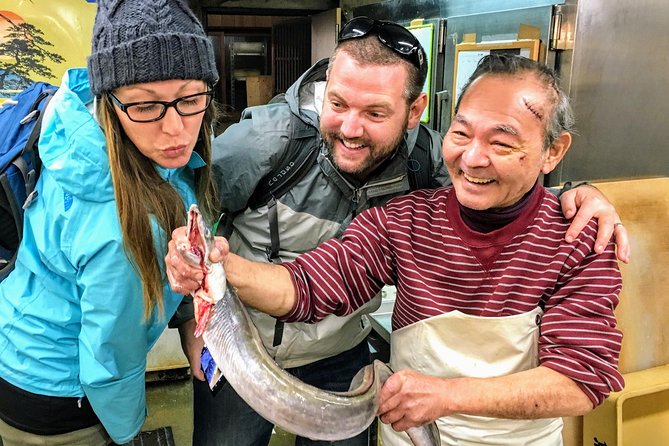
This is the most important question to settle before booking. The tour says the included tastings can fill you up in place of a meal, and some food-focused departures clearly do that. One detailed food list included more than ten items, while another experience included several market bites and food at a restaurant.
At the same time, some departures have included only three market tastings, followed by three items at a sit-down restaurant. That amount may feel thin for an $80.92 food tour, particularly if you could comfortably explore Nishiki on your own.
The number and type of samples can vary with the guide, vendor availability, season, and group interests. I would not arrive expecting a fixed menu. I would arrive hungry, but with realistic expectations: you are paying for a guided introduction, not a guaranteed tasting checklist.
The strongest food experience seems to come when you ask questions and share your preferences. Guides such as Takuma, Yasuko, and Naoko have been praised for explaining ingredients and local customs while keeping the pace comfortable. The tour also combines walking and sitting, which is helpful if three hours on your feet sounds tiring.
The guides make or break the day
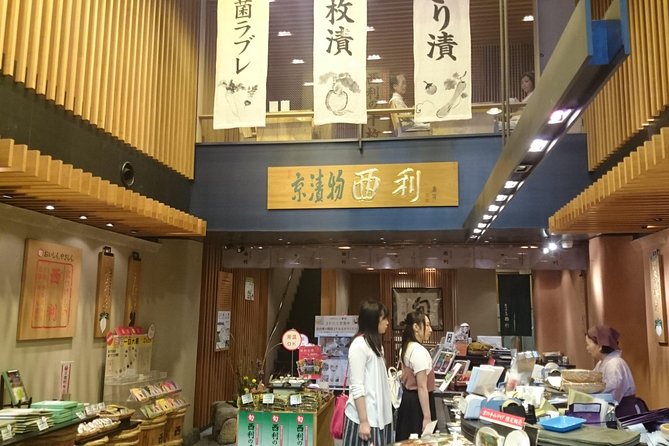
The operator uses different guides, so the personality of your tour can vary. Names praised for clear English, warmth, and strong local explanations include Keiko, Takuma, Toshi, Miku, Annie, Atsu, Akiko, Saeko, Nagi, Taisei, Taka, Yasuko, Yoko, and Chizuko.
Several guides are noted for more than basic facts. Toshi has shared childhood foods and the Kyoto dialect expression okini, meaning thank you. Miku is praised for enthusiasm around fish, wagyu, fruit, and other market products. Yoko has been especially good with families trying unfamiliar foods for the first time.
Atsu appears to be a strong choice for a multigenerational group because he can keep different ages engaged. Taisei has been praised for fun facts, food history, and a comfortable blend of walking and sitting. For solo visitors, the small group can make the tour an easy way to meet others without the awkwardness of joining a large bus excursion.
The guide is also your safety net in the market. You can ask what to order, what to skip, how to buy a souvenir, or how to behave at a shrine. That personal help is the tour’s main advantage over a self-guided visit.
Price, group size, and practical value
The price is $80.92 per person, with group discounts available. The maximum is six people, which is a meaningful difference from a large food tour. You can hear the guide, ask follow-up questions, and spend more time at stops that interest you.
Still, the cost is high if you measure value by food alone. Nishiki Market itself has no admission charge, and the nearby shrine, temple, arcades, and streets are also free to enter. The price covers the guide, planning, tastings, cultural interpretation, and the convenience of moving through the area without figuring it out yourself.
I see the value as strongest for a first visit, a short Kyoto stay, or anyone who feels overwhelmed by Japanese market foods. If you already know Nishiki well and enjoy choosing your own stalls, buying individual portions will likely give you more control and possibly more food for less money.
The tour runs in rain or shine. It is described as requiring good weather for cancellation purposes, so poor conditions may lead to a different date or a full refund. Free cancellation is available up to 24 hours before the start time. Late cancellations and late changes are not refundable.
Who should book this experience?
I would recommend it to first-time Kyoto visitors, solo visitors, families, and curious eaters who want a friendly introduction rather than a formal cooking class. It is also useful for anyone who wants help choosing edible souvenirs or learning the customs behind shrine visits.
The small group suits people who value conversation. Guides can sometimes adjust the route or recommendations, although you should not assume every food preference can be met.
I would hesitate if you have serious dietary restrictions. Vegetarian, halal, kosher, gluten-free, allergy-related, and other special requests cannot be accommodated. Legal drinking age in Japan is 20, which matters if alcohol appears among any optional purchases, though personal drinks and extra food are not included.
Should you book the Nishiki Market food and culture walk?
Book it if you want a guide-led introduction to Kyoto’s food culture, especially if the market feels confusing or you have only a few days in town. The combination of tastings, shrine instruction, neighborhood shopping, and a six-person limit gives the experience more substance than a simple snack crawl.
Skip it if you mainly want the biggest quantity of food or prefer setting your own pace. You can explore Nishiki Market independently, spend less, and choose more individual bites.
For most first-time visitors, I would book it early in the trip. That lets you return to the market later with better instincts, a list of foods to seek out, and a clearer idea of which Kyoto specialties deserve another try.
FAQ
How long does the Kyoto Nishiki Market food tour last?
The experience lasts approximately three hours. The listed stops account for about two hours and 40 minutes, with the remaining time used for walking, food stops, and transitions.
How many people can join the tour?
The maximum group size is six people. A slower departure may feel nearly private, but a private tour is not specifically promised.
Does the tour include enough food for a meal?
The experience is designed to include enough samples to replace a meal. The amount and selection can vary, and some departures may include fewer tastings than expected.
Can the tour accommodate vegetarian or gluten-free diets?
No. The operator cannot accommodate vegetarian, halal, kosher, gluten-free, allergy-related, or other serious dietary restrictions.
What places does the walking route visit?
The route includes Nishiki Market, Nishiki Tenmangu, Shinkyogoku Shopping District, Takoyakushido Eifukuji Temple, and Teramachi-dori Street.
Is transportation included?
No. Hotel pickup, hotel drop-off, transportation to and from attractions, extra food and drinks, and personal expenses are not included. The tour takes place near public transportation.
What is the cancellation policy?
You can cancel at least 24 hours before the start time for a full refund. Cancellations or changes made less than 24 hours before the experience are not refunded or accepted. If poor weather causes the operator to cancel, you can choose another date or receive a full refund.
Just added in Kyoto
- Kyoto: Private Photoshoot Service★ 5.0 · 158 reviews
- Kyoto Rickshaw Tour★ 5.0 · 210 reviews
- Izakaya Style Cooking Class★ 5.0 · 219 reviews
- Kyoto: Traditional Concert at Townhouse or Bathhouse★ 4.9 · 224 reviews
- Ninja 2-hour Hands-on Lesson by Japanese master in Kyoto -Medium★ 5.0 · 218 reviews
- Kyoto: Arashiyama Bamboo, Temple, Matcha, Monkeys & secret spots★ 5.0 · 219 reviews
- Kyoto: Gion & Pontocho Food Tour with 13 Dishes★ 4.9 · 235 reviews
- Kyoto: Afternoon Japanese Izakaya Cooking Class★ 4.9 · 241 reviews
Walking Tours, compared.
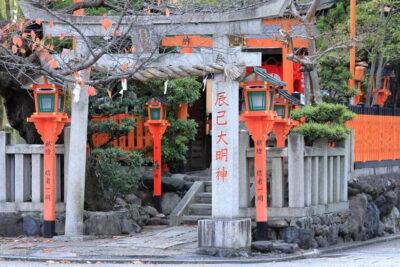
Kyoto Geisha Walking Tour: Gion District & Hidden Gems
Read our review →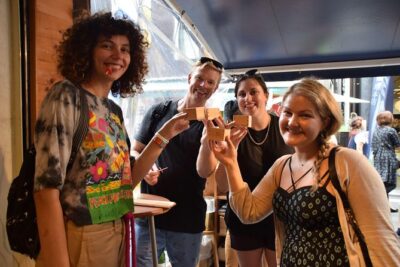
Tokyo Tsukiji Fish Market Food and Culture Walking Tour
Read our review →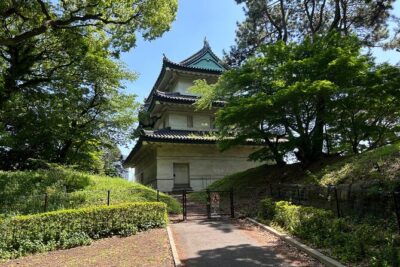
Imperial Palace and Shogun Historical Walking Tour
Read our review →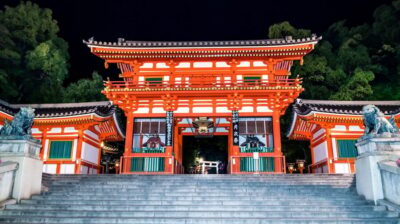
Gion Geisha District Walking Tour – Stories of Geisha
Read our review →
Shinjuku Local Bar and Izakaya Guided Walking Tour
Read our review →
Asakusa Walking Tour with Sensoji Temple Visit
Read our review →
Nishiki Market Brunch Walking Tour (7 Tastings + Brunch)
Read our review →Browse the lists this tour appears in