
Reviewed · WALKING TOURS
Kyoto Private & Personalized Half-Day Walking Tour with a Local
Kyoto is easier to understand when someone who lives there helps you choose what to see. This private walking tour lets you name your priorities, then follow a local host through one or two areas at a pace that fits your group. You might focus on temples, food, markets, old neighborhoods, crafts, or the city’s famous geisha districts.
I like the personal planning before the tour, and I like the practical help during it. Guides such as Mai and Ada have helped visitors handle crowded stations and Japanese phone calls, while Alexi prepared a map of possible artisan shops before meeting her group. The main drawback is time: three to four hours passes quickly, and tickets, meals, and transport cost extra.
I also like that this is not a fixed sightseeing march. Woohee adapted her route to include temples, shrines, markets, and geisha areas, while Andy sought out quieter places. Still, your experience depends greatly on the guide assigned and on how clearly you explain your interests in advance.
Key points to know before booking
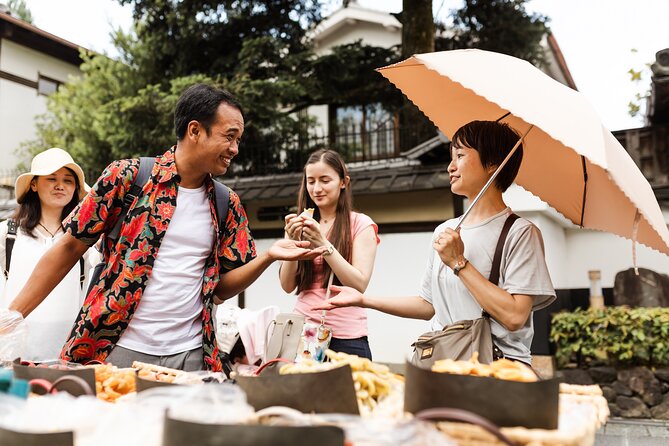
- Your route is built around your priorities: Choose history, food, crafts, temples, local neighborhoods, or cultural life.
- The tour is private: Only your group takes part, making it easier to set the pace and adjust plans.
- Sanjo and Gion are strong choices: You can pair riverside walks, old shops, teahouses, Yasaka Shrine, and traditional lanes.
- Transport is not included: The experience is mainly on foot, though trains, buses, or taxis may be used at your own expense.
- Guides can help with more than sightseeing: Previous hosts have assisted with station navigation, photographs, Japanese phone calls, and plans after the walk.
- Book early if your schedule is tight: The average booking is made 36 days ahead, suggesting that popular dates may fill well in advance.
A private Kyoto introduction instead of a fixed route
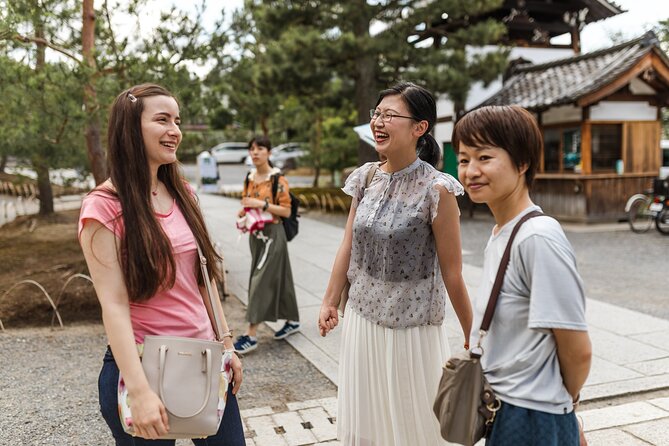
This experience works best as a first look at Kyoto rather than a checklist of every major sight. You meet your host at the Starbucks near Sanjo-ohashi Bridge, then spend about three to four hours walking through the areas that fit your plans.
The pre-tour questionnaire matters. Use it to say more than I want to see temples. Tell your host if you have children or older relatives, if you want a gentle pace, if you prefer quieter streets, or if you care more about food and crafts than famous buildings. Visitors who gave clear direction received very different tours, from artisan shopping and sukiyaki to less crowded streets and temple visits.
That flexibility is the main reason to choose this over a standard group tour. You do not have to spend half a morning at a place that does not interest you. You can also ask for help getting your bearings in Kyoto, a useful service in a city where major sights are spread across several districts.
The tradeoff is that the tour has no single guaranteed sightseeing list. Your host may recommend one route, while your interests lead to another. If you want confirmed entry to a particular temple or palace, ask about it before the tour, since attraction tickets are not included.
Other walking tours in Kyoto people book:
- Kyoto Geisha Walking Tour: Gion District & Hidden Gems
★ 4.7 · 3,273 reviews - Kyoto: Gion Magical Night Walking Tour with Geisha Trivia
★ 4.9 · 2,393 reviews - Kyoto: Gion Geisha District Walking Tour – Stories of Geisha
★ 4.7 · 2,187 reviews
Sanjo and the Kamogawa River
Sanjo offers a good starting point because it gives you both everyday Kyoto and older traditions. The area includes family-run shops and specialty stores, so your walk can feel less like a parade of major landmarks and more like an introduction to how the city works.
A stroll beside the Kamogawa River adds breathing room. Your host can explain local customs and Kyoto traditions while you walk, rather than delivering facts only at formal sightseeing stops. The river also gives the tour a natural change of pace after busy streets and crowded stations.
This area suits you if you want a little shopping, a little local context, and an easy way to begin. It is less suited to someone hoping to spend the entire tour inside major temple complexes. Since the walk is tailored, mention your priorities early if Sanjo is not your first choice.
Gion, Tatsumi Bridge, and old wooden lanes
The Gion portion brings you into Kyoto’s traditional entertainment district. Expect narrow lanes, wooden townhouses, teahouses, and refined restaurants. Crossing Tatsumi Bridge gives the route a scenic pause and helps connect the atmosphere of the district with the canal and surrounding streets.
Gion is one of Kyoto’s most recognizable areas, but a local guide can make the visit more useful than simply taking photographs. Your host can explain what the buildings are used for, how the district developed, and how to walk through it respectfully.
The area can also be crowded, especially around popular lanes. That makes a private guide useful for keeping your group together and adjusting the route. It also means you should not expect a completely quiet old-town experience. Ask for side streets or a different district if avoiding crowds is your top goal.
Yasaka Shrine and the Gion Matsuri
Yasaka Shrine has watched over Kyoto for more than 1,350 years. Its architecture and central location make it a practical pairing with Gion, and your host can explain its connection to the Gion Matsuri, one of Japan’s best-known festivals.
This stop is valuable because it links a working religious site with the surrounding neighborhood. You are not just seeing a gate and taking a picture. You can learn how the shrine fits into Kyoto’s seasonal traditions and local identity.
The shrine is also a reminder that this tour does not include admission fees or guided entry to every possible attraction. Ask your host what can be visited from the outside and what requires a ticket. The price of those tickets is separate from the tour fee.
Other guided walks in Kyoto:
- Kyoto Gion Geisha District Walking Tour – The Stories of Geisha
★ 5.0 · 1,441 reviews - Nishiki Market Brunch Walking Tour (7 Tastings + Brunch)
★ 5.0 · 1,355 reviews - Kyoto Arashiyama Walking Tour: Bamboo, Monkeys, Gardens & Secrets
★ 5.0 · 1,216 reviews - Kyoto Gion: 2-Hour Geisha Culture & History Walking Tour
★ 5.0 · 1,186 reviews
The Imperial Palace area and its grand torii
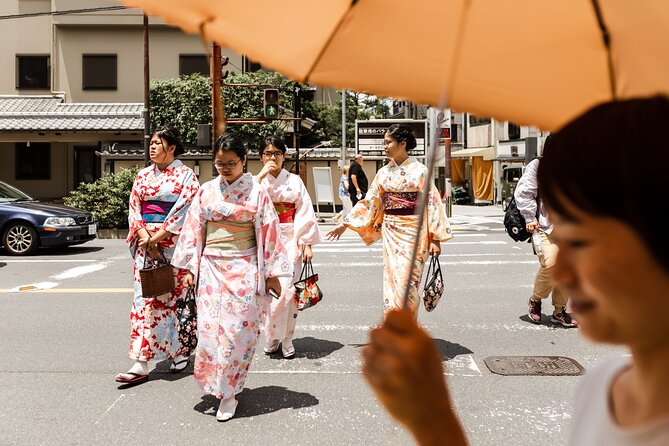
Another possible stop is the Imperial Palace area, where you can see a broad approach and a large torii gate connected with an important shrine built in 1895. Your host can explain its link to Kyoto’s founding and the spirits of the emperors honored there.
This option suits you if you want a wider historical view of the city, including the connection between Kyoto, imperial power, and religious tradition. It also gives the walk a more spacious setting than the narrow lanes of Gion.
The exact combination of sights depends on your route and available time. You should not assume that every possible stop listed for the experience will fit into one half-day. Choosing one or two neighborhoods is more realistic than trying to cover all of eastern and central Kyoto.
Nijo Castle and the story of the shoguns
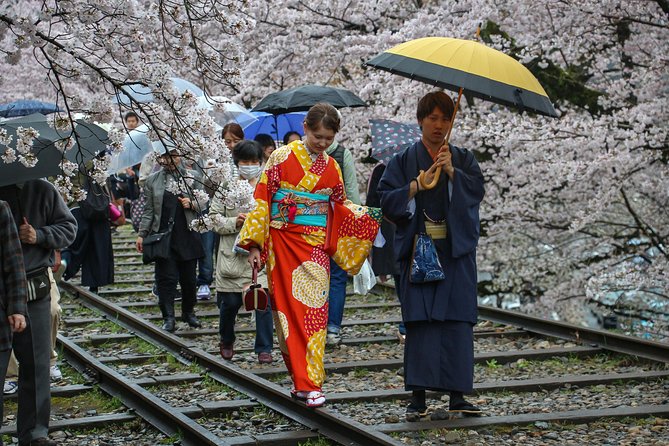
Nijo Castle offers a different side of Kyoto. Built in the Edo period to display the authority of Tokugawa Ieyasu, it brings samurai politics and shogun-era power into the tour.
The castle grounds give your host plenty to explain, from the building’s role in Japanese history to the relationship between military rulers and the imperial city. This is a strong choice if you want political history, grand architecture, and landscaped grounds rather than only shrines and old lanes.
Remember that entrance tickets are not included. Since the total walk lasts only three to four hours, a castle visit may limit the number of other neighborhoods you can see. Ask your host to help weigh a paid attraction against several free outdoor stops.
What the guides can add to your day
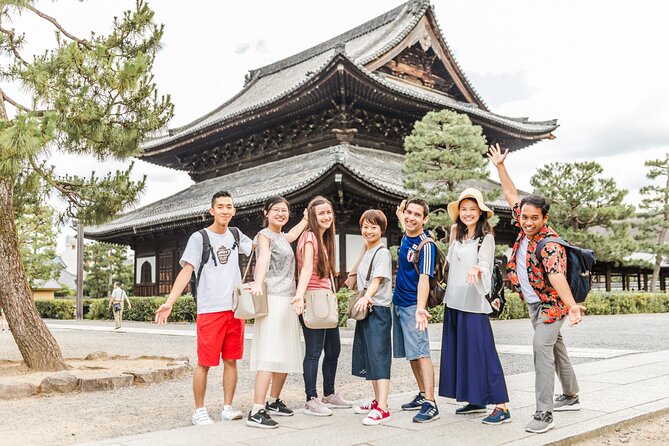
The guide is the heart of this experience. The best match is someone who listens first, then shapes the route around what you actually want to do.
Woohee adapted a day around temples, shrines, markets, and geisha areas. Andy focused on less crowded places. Cici kept an easy pace while showing the Imperial Palace gardens during cherry blossom season. Taiga helped make a tight schedule work as an accelerated introduction.
Mai’s support went beyond pointing out sights. She helped a group move through crowded train stations, took photographs, and continued offering recommendations after the tour. Ada helped with Japanese phone calls, which can be a practical relief when a reservation or local question is hard to handle.
Alexi worked especially well for a group interested in Kyoto crafts. She sent a map before arrival, guided the group to artisan shops, and helped them find a good sukiyaki meal. That kind of planning can be worth a lot if you want to buy meaningful local work instead of browsing random souvenir shops.
You may also get a guide who turns the walk into a friendly exchange, as Kenya did for one group. That personal connection is part of the appeal, but it also means the tone can vary from one host to another.
Walking, transport, and the pace of the afternoon
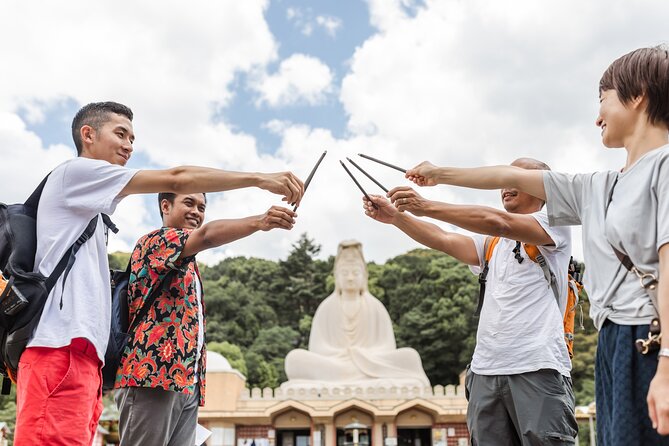
This is mainly a walking experience. Wear comfortable shoes and prepare for several hours on your feet. One visitor was caught by a cold Kyoto day, so check the forecast and dress for the season rather than assuming the walk will be easy because it is only half a day.
Public transport or a local taxi may be used between areas. Those costs are extra, and you can discuss them with your host after the reservation is complete. This matters if you hope to combine districts that are not close together.
The private format helps families and mixed-age groups. A guide adjusted the pace for young children and grandparents, which is harder to do in a large group. Still, tell the host about mobility needs and preferred walking speed in advance so the route can be built sensibly.
Pickup is offered, but the stated meeting point is Starbucks Coffee at Kyoto Sanjo-ohashi Bridge. The activity ends back there. Confirm the exact plan with your host if you need to reach a train, hotel, or dinner reservation immediately afterward.
Is $137.74 per person good value?
At $137.74 per person, this is not a budget sightseeing walk. The value depends on how much you use the customization.
For a solo visitor or a couple, the price buys time with a local host and a route designed around your interests. That can be worthwhile in Kyoto, where poor planning may mean long transfers, missed neighborhoods, or hours spent in a queue. The help with train stations, Japanese phone calls, photographs, and local recommendations adds practical value that a recorded guide cannot provide.
For a family or group, the calculation improves because the private format lets everyone move together and adjust the pace. Group discounts may also be available, though the exact amount is not provided.
The price does not include food, drinks, attraction tickets, gratuities, or public transport. Add those costs before comparing it with a fixed group tour. If you mainly want a guide at one famous shrine, this may be more than you need. If you want a well-planned introduction that saves time and helps you make decisions for the rest of your stay, it can earn its keep.
Who should book this Kyoto walk?
I would recommend it to first-time visitors who feel unsure about Kyoto’s size, language barriers, or transport system. It is also a strong choice for families, older relatives, couples with specific interests, and anyone who wants local crafts, food, or less crowded areas.
It suits visitors who like conversation and flexibility. You can ask questions as you go, change the pace, and request practical advice for the days that follow.
I would be more cautious if you prefer a fixed itinerary with guaranteed entry to several paid sights. You should also think twice if walking is difficult or if you want a full-day excursion outside central Kyoto. This is a short, personal orientation, not a major temple marathon.
Book it early if your Kyoto dates are fixed, since many people reserve about 36 days ahead. After booking, answer the questionnaire carefully and contact your host with your must-sees. The clearer you are, the more useful the three or four hours will be.
FAQ
Where does the Kyoto walking tour start and end?
You meet at Starbucks Coffee near Kyoto Sanjo-ohashi Bridge in Nakagyo Ward. The activity ends back at the meeting point.
How long does the experience last?
The walking experience lasts approximately three to four hours.
Is the tour private?
Yes. Only your group participates in the activity.
Are attraction tickets and food included?
No. Food, drinks, attraction tickets, transportation, and gratuities are not included.
Can the itinerary be customized?
Yes. After booking, you receive a questionnaire about your interests and preferences. Your host then contacts you to help shape the itinerary.
Is public transportation used during the tour?
The experience is mainly on foot, but public transportation or local taxis may be used between sites. Those costs are extra and can be discussed with your host.
Should you book it?
Book this tour if you want help making sense of Kyoto and prefer a local conversation to a fixed script. Its strongest points are the private format, flexible route, and practical support with neighborhoods, transport, food, crafts, and cultural sites.
Skip it if you already know Kyoto well or want a low-cost tour with every entrance fee included. For a first visit, though, a well-planned half-day with a guide such as Mai, Ada, Woohee, or Alexi can give you a much clearer start, and perhaps better plans for the rest of your stay.
Just added in Kyoto
- Private Cooking Class Udon in Kyoto Japan★ 5.0 · 23 reviews
- Your Private Vacation Photography Session In Kyoto★ 5.0 · 110 reviews
- Kyoto: Zen Meditation at a Private Temple with a Monk★ 5.0 · 25 reviews
- Private Pewter Sake Cup Experience with a Kyoto Artisan★ 5.0 · 31 reviews
- Kyoto Wagashi(Japanese sweets) Cooking Class near Fushimiinari★ 5.0 · 60 reviews
- Kyoto:Family-Friendly Kimono & Yukata Experience at WARGO★ 5.0 · 147 reviews
- Private Guided Traditional Buddhist Cooking in Japan★ 5.0 · 16 reviews
- Kyoto: Gion Geisha District & Sake-in-Hand Walking Tour★ 5.0 · 37 reviews
Walking Tours, compared.
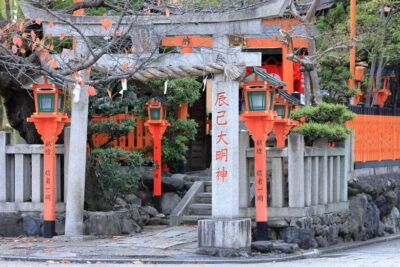
Kyoto Geisha Walking Tour: Gion District & Hidden Gems
Read our review →
Tokyo Tsukiji Fish Market Food and Culture Walking Tour
Read our review →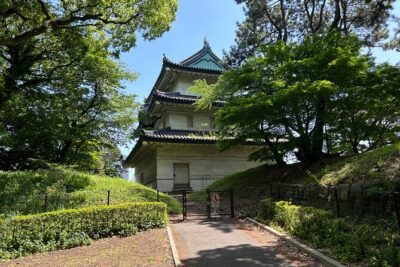
Imperial Palace and Shogun Historical Walking Tour
Read our review →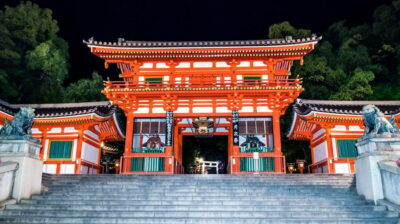
Gion Geisha District Walking Tour – Stories of Geisha
Read our review →
Shinjuku Local Bar and Izakaya Guided Walking Tour
Read our review →
Asakusa Walking Tour with Sensoji Temple Visit
Read our review →
Nishiki Market Brunch Walking Tour (7 Tastings + Brunch)
Read our review →Browse the lists this tour appears in