
Reviewed · COOKING CLASSES
Kyoto: Afternoon Japanese Izakaya Cooking Class
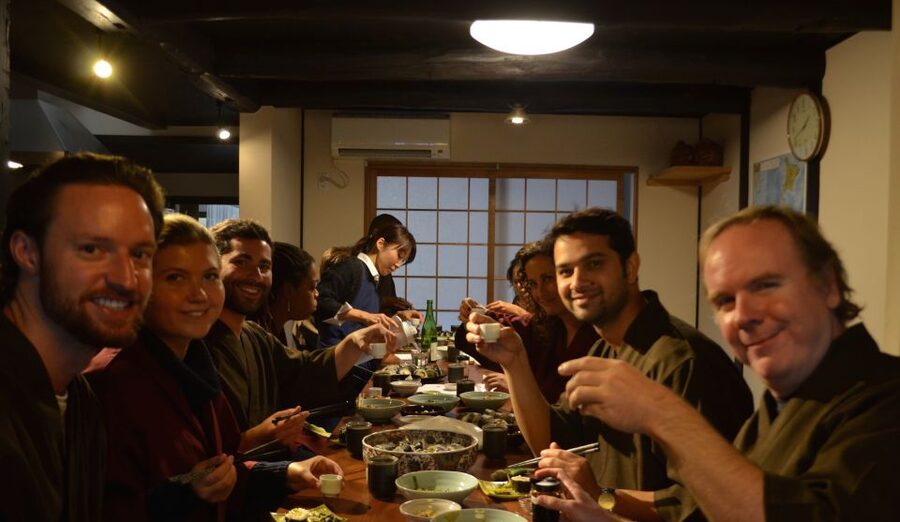
Kyoto’s Izakaya cooking class skips the usual sushi lesson and takes you into the food served at casual Japanese drinking spots and home kitchens. You cook in two rounds, eating between them, so the afternoon feels like both a lesson and a long, sociable meal.
I like the practical recipes, which include basics such as dashi and dishes you can make again at home. I also like the warm English-speaking instruction from teachers such as Yumi and Yumiko. The possible drawback is pace: fitting five or six dishes into three hours means you need to stay involved.
Key points
- Two cooking rounds: Prepare two or three dishes, eat them, then return to the kitchen for another group of dishes.
- More than sushi: The menu focuses on everyday izakaya food, with past classes including okonomiyaki, dashi-based dishes, savory plates, and dessert.
- Recipes to take home: Step-by-step recipes help you repeat the dishes after your Japan trip.
- Friendly English instruction: Teachers explain techniques, ingredients, and tasks in clear English.
- Good for mixed abilities: Beginners can follow along, while experienced cooks still have room to learn Japanese methods.
- Useful afternoon break: The class offers a hands-on indoor activity in central Kyoto, with wheelchair access and dietary requests accepted when arranged ahead.
Why this Kyoto class feels different from a sushi lesson
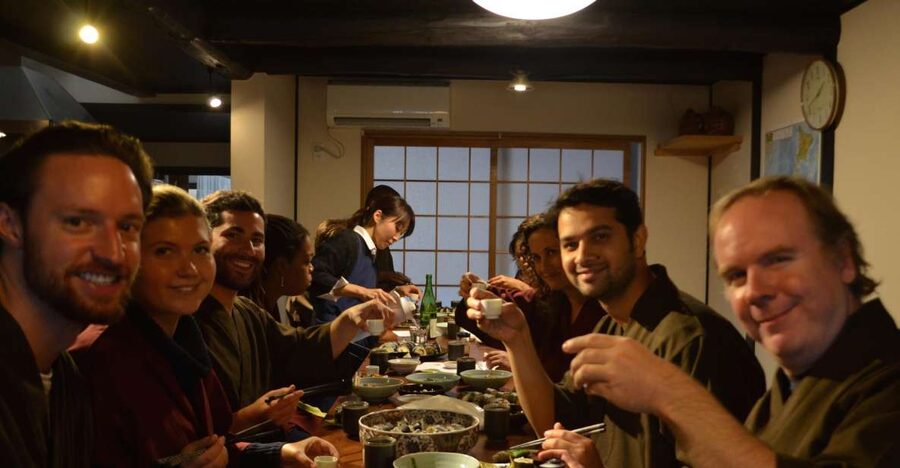
I like cooking classes that teach the food people actually eat, not just the dishes most familiar to visitors. This one centers on izakaya cooking, the casual style associated with Japanese restaurants where small dishes arrive alongside drinks and conversation.
That means you get a wider view of Japanese food. You may work with familiar ingredients such as dashi, mirin, and other seasonings, while learning how they shape a dish. One class included six traditional dishes, and another included five savory dishes plus dessert. The exact menu can vary, but the aim is clear: several manageable plates rather than one elaborate showpiece.
This is useful if you want to understand Japanese cooking at home. You are not simply watching a chef prepare something behind a counter. You take part in the measuring, mixing, cooking, and plating, then eat what you have made.
The izakaya setting also shapes the mood. You are encouraged to talk with the chef while cooking and eating, much as you would at an over-the-counter restaurant. That conversation is part of the cultural lesson, not a distraction from it.
Other cooking classes in Kyoto people book:
- Ramen Cooking Class at Ramen Factory in Kyoto
★ 5.0 · 1,937 reviews - Kyoto: Ramen Cooking Class at a Ramen Factory with Souvenir
★ 4.9 · 532 reviews - Kyoto: Ramen, Gyoza, and Onigiri Cooking Class
★ 5.0 · 445 reviews
A three-hour afternoon in two cooking rounds
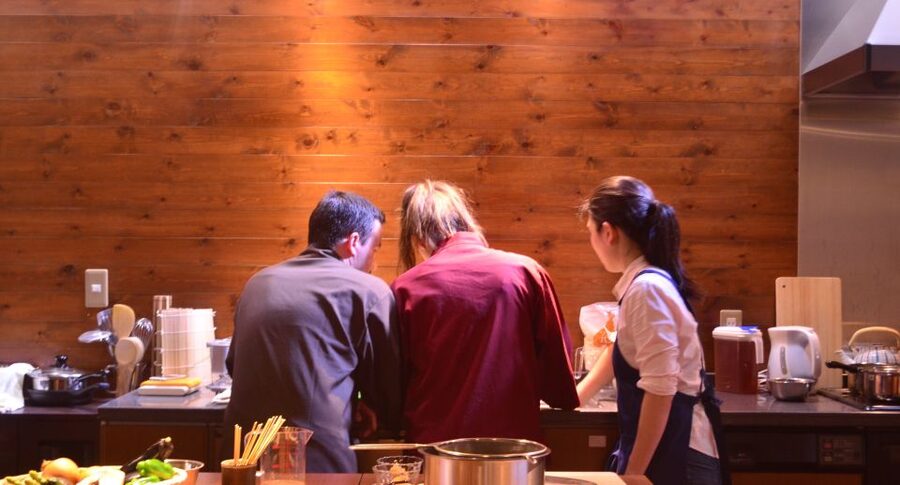
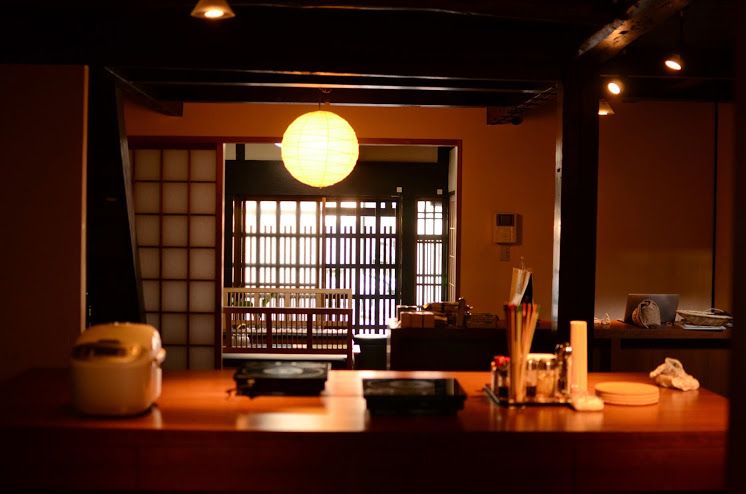
The class takes place at Cooking Sun on Funayacho in Kyoto’s Shimogyo Ward. The published duration is three hours, with starting times based on availability. It is an afternoon activity, so you can spend the morning sightseeing and use the class as a break before dinner.
The session begins with the first two or three dishes. The instructor demonstrates the work, then guides you through your own tasks. The emphasis is on doing, not merely taking notes. You get an apron, utensils, and the ingredients needed for the class.
Once the first dishes are ready, you sit down and eat them. This pause matters. You can taste the results while the techniques are still fresh, ask why a seasoning was used, and talk about how the food fits into Japanese dining.
Then you return to the kitchen for the second round. Another two or three dishes follow, with another meal at the end. This structure keeps the class from becoming one long stretch of standing at a counter, although the pace can feel brisk if you are new to cooking.
I would arrive ready to take part from the start. Three hours passes quickly when several dishes are on the schedule. You will get more from the class if you listen closely, ask questions, and accept that your plate does not need to look perfect.
The dishes are simple enough to repeat at home
The strongest practical feature is the recipe material. You receive written recipes that explain the steps clearly, allowing you to try the dishes again after returning home. Several recipes are described as basic enough for beginners, while still introducing ingredients and methods that may be new to you.
Past menus have included okonomiyaki, which one participant particularly enjoyed, along with dashi broth, traditional savory dishes, and dessert. The class is not limited to one type of food. You might prepare several small plates that show different uses of Japanese seasoning and cooking techniques.
Dashi is a good example of the class’s value. One session began with making the broth from the basics. Learning how dashi works gives you a better foundation than memorizing one recipe, since it can influence soups, sauces, and other dishes.
The dishes are also chosen with home cooking in mind. You will not leave with a complicated restaurant trick that requires specialist equipment and a trained kitchen crew. The point is to give you food you can reasonably attempt again, using the recipe set as a guide.
The menu is not guaranteed in the information provided, so do not book expecting a particular dish unless the supplier confirms it. That flexibility is sensible for a class built around seasonal ingredients and different sessions.
Friendly instruction in clear English
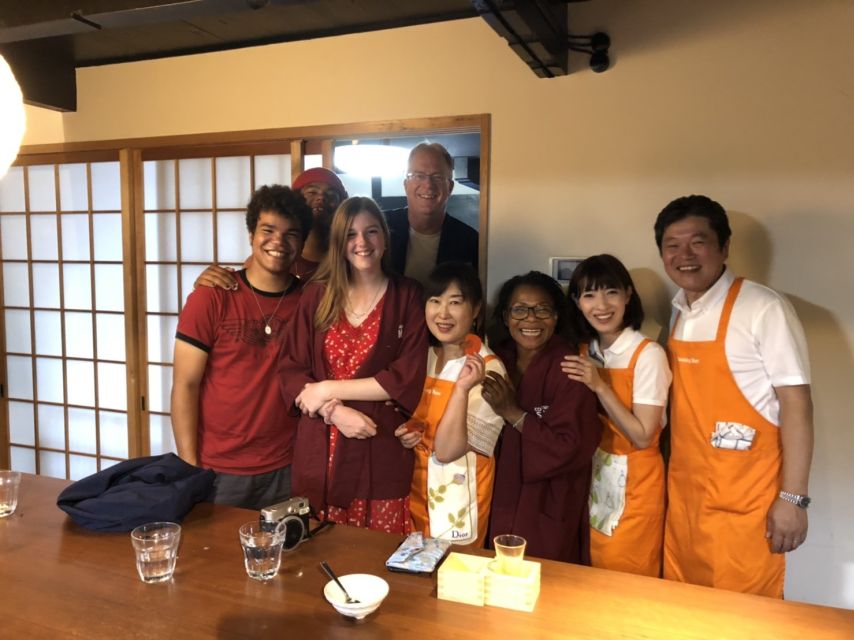
The instructors are one of the class’s biggest strengths. English is the teaching language, and the class has included teachers such as Yumi and Yumiko. Participants have also praised the patient, positive tone of the staff and the way they explain each task in simple steps.
That makes the activity suitable for someone who rarely cooks. You are shown what to do, then given a chance to do it yourself. One family even included a member who did not usually cook, and the class still worked well for the whole group.
At the same time, this is not only for beginners. An experienced chef who had taken cooking classes in Italy and Indonesia found useful things to learn here. Japanese cooking depends on balance, seasoning, broth, and careful handling, so a confident cook can still gain something from the session.
The class also has a social side. You may be cooking with people from different countries, and the shared meal gives everyone an easy subject for conversation. The teachers help keep the room friendly and relaxed, without turning the class into a lecture.
One thing to keep in mind is that instructor names and the exact teaching team may vary by date. If you want a particular teacher, check before booking rather than assuming a named instructor will lead your session.
More cooking in Kyoto:
- Kyoto: Japanese Washoku Bento Small Group Cooking Class
★ 5.0 · 380 reviews - Kyoto Ramen and Gyoza Cooking Class with Professional Chefs
★ 5.0 · 282 reviews - Izakaya Style Cooking Class
★ 5.0 · 219 reviews - Ramen & Gyoza Cooking Class in Tokyo with Local Supermarket Visit
★ 5.0 · 823 reviews
What the $67 price buys you
At $67 per person, this is not the cheapest meal you can find in Kyoto. It is also more than the cost of buying a few dishes at an inexpensive restaurant. The value comes from combining food, instruction, cultural context, and a recipe collection in one three-hour activity.
Your price includes the cooking class, ingredients, apron, and utensils. You also eat the dishes prepared during both parts of the session. That makes the class function as a substantial afternoon meal as well as a lesson.
I think the price makes the most sense for someone who will actually use the recipes later. If you only want to eat Japanese food, a restaurant offers more choice for less money. If you want to understand how the food is made and carry the experience into your own kitchen, the class gives you something lasting.
It can also be a good value for families and couples because the activity is shared. You are not paying for a passive demonstration. Everyone can take on tasks, and the written instructions give the group a common project to repeat at home.
Dietary needs and accessibility
If you have dietary requirements, tell the local supplier when you book. This is important because the class involves shared ingredients and multiple dishes. A vegetarian participant previously received separate utensils and pans where needed, but you should still arrange your needs in advance rather than relying on a last-minute adjustment.
The activity is wheelchair accessible. That makes it a useful option for visitors looking for an indoor Kyoto experience with hands-on participation, though you should still confirm any personal access needs with the supplier before arrival.
The class is taught in English. If someone in your party is not comfortable following spoken English instructions, consider that before booking. The recipe sheets and demonstrations help, but the cooking and conversation move together.
Who will enjoy the class most
This is a strong choice for food-focused visitors who want more than a restaurant meal. It suits beginners, families with teenagers, couples, and people who enjoy meeting others around a shared table.
It is especially useful if you are tired of sightseeing but do not want to waste an afternoon indoors. Cooking gives you a break from temples and walking while keeping you connected to Kyoto’s food culture.
You should also consider it if you like taking recipes home from a trip. The class gives you a way to continue the memory through cooking, rather than leaving Japan with only photographs.
I would be less likely to choose it for someone who wants a slow, quiet demonstration. The two-part format is active, and the need to prepare several dishes makes the pace fairly quick. It is also not ideal if you are looking for a highly specialized chef’s course or a guaranteed menu.
Booking details worth knowing
The meeting point is Cooking Sun, Funayacho, Shimogyo Ward, Kyoto, Kyoto 600-8466. The activity lasts three hours, and available start times depend on the date you select.
You can cancel up to 24 hours before the activity for a full refund. The reserve-now, pay-later option lets you hold a place without paying immediately, which is helpful if your Kyoto schedule is still changing.
Bring an appetite, but do not plan an early heavy lunch. Since you eat after both cooking rounds, the class provides a substantial amount of food. Comfortable clothing is sensible for a hands-on kitchen session, and you will be given an apron and utensils.
Should you book the Cooking Sun izakaya class?
Book it if you want everyday Japanese food, clear English instruction, and recipes you can use after your trip. The class goes beyond a single famous dish and gives you a taste of the sauces, broth, small plates, and home-style techniques that make Japanese cooking so appealing.
The main tradeoff is pace and menu flexibility. You may prepare as many as six dishes in three hours, so the session is busy, and the exact dishes can change. For most food-minded visitors, that is a fair exchange for a hands-on afternoon, a full meal, and practical skills that stay with you after Kyoto.
FAQ
How long is the Kyoto izakaya cooking class?
The class lasts three hours and takes place in the afternoon. Starting times depend on availability.
Where does the cooking class meet?
It meets at Cooking Sun, Funayacho, Shimogyo Ward, Kyoto, Kyoto 600-8466.
What food will I cook?
The class focuses on Japanese home dishes and izakaya-style food. Depending on the session, you may prepare two or three dishes in each of two cooking rounds, with past menus including okonomiyaki, dashi-based dishes, savory plates, and dessert.
Is the cooking class taught in English?
Yes. The listed teaching language is English.
Are ingredients and cooking equipment included?
Yes. The price includes ingredients, an apron, utensils, and the cooking class.
Can I request a vegetarian or special-diet menu?
You should tell the local supplier about dietary requirements when booking. Adjustments may be possible, but they need to be arranged in advance.
Is the class wheelchair accessible?
Yes, the activity is listed as wheelchair accessible. Contact the supplier before booking if you need to confirm specific access arrangements.
More bar hopping tours elsewhere in Japan
- Kyoto: Izakaya Bars Guided Walking Tour
★ 4.9 · 815 reviews - Kyoto Bar Hopping Night Tour
★ 5.0 · 613 reviews - Kyoto Foodie Night Tour
★ 5.0 · 376 reviews - Tokyo Bar Hopping Tour in Shinjuku (All-You-Can-Drink + Dinner)
★ 5.0 · 3,587 reviews
Just added in Kyoto
- Kyoto: Private Photoshoot Service★ 5.0 · 158 reviews
- Kyoto Rickshaw Tour★ 5.0 · 210 reviews
- Izakaya Style Cooking Class★ 5.0 · 219 reviews
- Kyoto: Traditional Concert at Townhouse or Bathhouse★ 4.9 · 224 reviews
- Ninja 2-hour Hands-on Lesson by Japanese master in Kyoto -Medium★ 5.0 · 218 reviews
- Kyoto: Arashiyama Bamboo, Temple, Matcha, Monkeys & secret spots★ 5.0 · 219 reviews
- Kyoto Geisha District Walking Tour in Gion★ 5.0 · 232 reviews
- The right way to know Kyoto★ 5.0 · 257 reviews
Cooking Classes, compared.
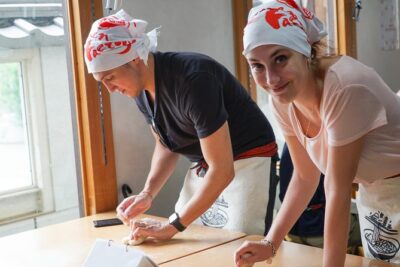
Ramen Cooking Class at Ramen Factory in Kyoto
Read our review →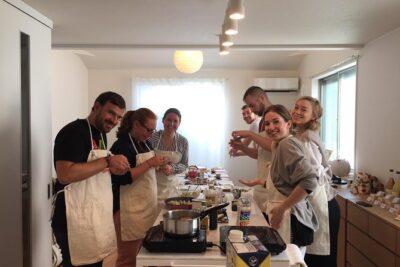
Ramen & Gyoza Cooking Class in Tokyo with Local Supermarket Visit
Read our review →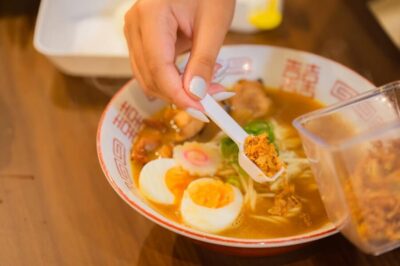
Ramen Cooking Class at a Ramen Factory with Souvenir
Read our review →
Japanese Washoku Bento Small Group Cooking Class
Read our review →
Sumo Stage Show with Bento or Snack + Fight & Photo
Read our review →
Ramen and Sushi Cooking Class with Sake Pairing Set in Tokyo
Read our review →Browse the lists this tour appears in