
Reviewed · SUSHI-MAKING CLASSES
Tokyo: Sushi Making Class
The best part of this Tokyo class is that you do not simply roll one piece of sushi and pose for a photo. Over three hours, you work through several Japanese dishes, from dashi and miso soup to tamagoyaki, sushi rice, nigiri, inari, and four kinds of rolls. The instructors speak English and guide you step by step, so beginners can keep up.
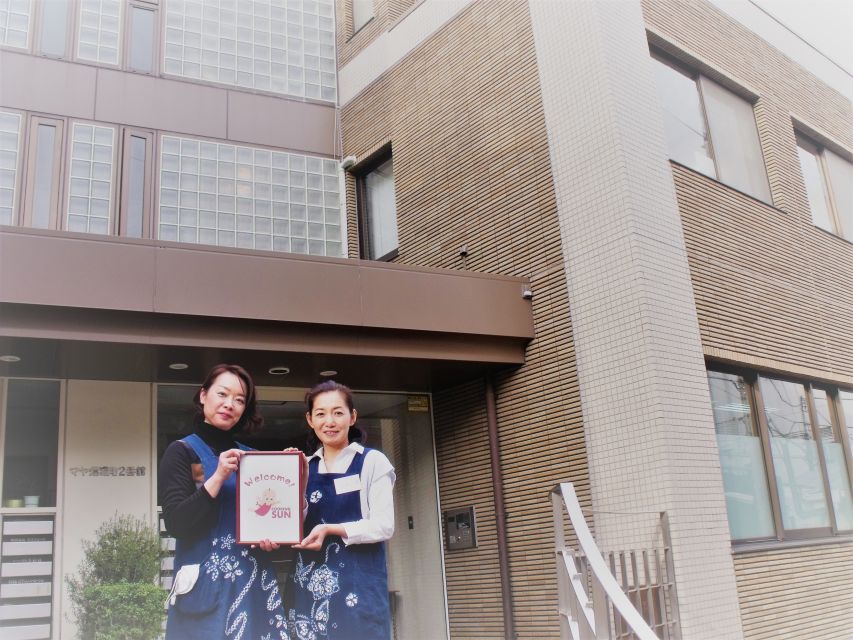
I like the small class size, capped at nine, because it leaves room for questions and hands-on help. I also like the generous meal at the end. You make enough sushi to call it lunch or dinner, not just a sample. The main consideration is the location: the studio sits on the second floor of a beige residential building in Shinjuku, and it can be easy to miss.
Key points to know before booking
- You make four sushi styles: nigiri, inari, hosomaki, and California rolls.
- The class covers more than sushi: you also prepare miso soup, tamagoyaki, sushi rice, and Japanese seasonings.
- English instruction is built in: the teaching team explains techniques, ingredients, and some Japanese food culture.
- Small groups mean real help: no more than nine people take part in a session.
- The finished meal is substantial: come hungry, since you eat the sushi and soup you prepare.
- Dietary needs can be accommodated: request substitutions for allergies, gluten-free diets, religious restrictions, or vegetarian preferences when booking.
A three-hour introduction to sushi beyond the sushi counter
Tokyo has no shortage of sushi restaurants, but ordering a finished plate tells you little about how the food is made. This class gives you a practical look at the work behind familiar dishes, especially the parts that home cooks often get wrong: seasoning rice, handling nori, shaping nigiri, and keeping fillings balanced.
You do not need cooking experience. The format is built around a demonstration followed by your own attempt, with instructors stepping in when your rice mound collapses or your roll starts to wander. That matters for beginners, but experienced home cooks can learn plenty too, especially if they have made sushi before but never received clear guidance on technique.
The class costs $67 per person. I consider that a fair price for a three-hour lesson that includes all ingredients, utensils, apron and towel rental, recipes, instruction, and a full meal. Tokyo food classes can be cheaper, but shorter sessions may offer less time and a smaller range of dishes. You are paying not just for food, but for instruction and the chance to ask questions in a small group.
The published rating is 4.9 from 390 reviews, which fits the strongest pattern in the feedback: warm teaching, clear demonstrations, fresh ingredients, and a relaxed pace.
Other classes behind the counter in Tokyo:
- Sushi Making Tokyo Roll and Authentic Japanese Sushi Class
★ 5.0 · 3,971 reviews - Tokyo: Roll and Authentic Sushi Making Class in Asakusa
★ 4.9 · 1,957 reviews - Tokyo: Sushi Making Class in a Happi Coat near a Famous Spot
★ 4.9 · 1,377 reviews
Finding Cooking Sun Tokyo in Shinanomachi
The studio is at Shinanomachi 18-39 in Shinjuku-ku, in a quiet residential area. Search Google Maps for Cooking Sun Tokyo rather than relying only on the street address.
At the building entrance, you will see two doors. Use the door on the right, then press 314 on the intercom to call the studio. The class is on the second floor of a beige residential building.
This is the one part of the experience that requires preparation. Several people have found residential Tokyo addresses less obvious than expected, and the studio warns that it can be difficult to spot. If you have Wi-Fi, check the route before leaving your hotel. Without Wi-Fi, save the detailed directions in advance.
If you arrive by a privately arranged vehicle, ask the driver to use a nearby coin-operated parking lot while waiting. Do not stop in front of the building or block the quiet neighborhood.
Starting with Japanese ingredients, dashi, and miso soup
The class begins with an introduction to core Japanese ingredients. You learn about dashi, traditional seasonings, and the basic flavors that support many home-style Japanese dishes.
This opening is useful because sushi is not only about raw fish and rice. Dashi and seasoning choices help explain the flavor of the miso soup and the balance of the other dishes you prepare. The instructors also weave in food customs, language, and cultural details during the cooking.
The teaching team has included instructors such as Mika, Miki, Yuko, Aya, Koyotama, and Yuki. The exact teacher may vary, but the format remains English-friendly and interactive. You can expect clear instructions rather than a lecture that leaves you watching from the sidelines.
Miso soup gives the class a second dish to think about. It is also a sensible addition to the meal, since sushi on its own can feel like a collection of separate bites. Here, you finish with soup and a plate of food you made from start to finish.
Making tamagoyaki without losing your patience
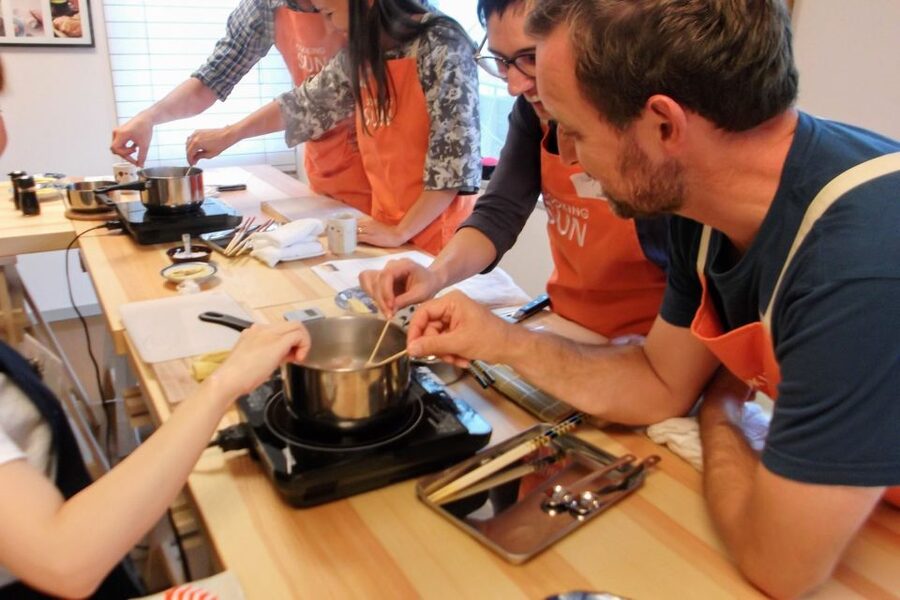
Next comes tamagoyaki, the softly layered Japanese rolled omelet. This is a good choice for a cooking lesson because the technique looks simple but takes some control.
You follow a demonstration, then try the process yourself. The instructor shows you how to handle the egg mixture and build the roll in stages. If you have never made tamagoyaki, your first attempt may not look perfectly square. That is part of the fun, and the step-by-step format keeps it manageable.
Including tamagoyaki also adds variety to the class. You are not spending three hours on one repetitive rolling exercise. The omelet becomes one of the fillings or side elements that help make the final meal feel complete.
Same base, a different sort of day:
- Mt Fuji and Hakone 1-Day Bus Tour Return by Bullet Train
★ 5.0 · 26,383 reviews - 1-Day Tokyo Bus Tour
★ 5.0 · 14,250 reviews - Tokyo: TOKYO SKYTREE® Admission ticket
★ 4.5 · 11,192 reviews - Tokyo: teamLab Planets TOKYO Digital Art Museum Entry Ticket
★ 4.6 · 9,779 reviews
The real lesson is sushi rice
The most useful skill in the class may be the rice. A sushi roll can have fresh toppings and still disappoint if the rice is too wet, too dry, too warm, or poorly seasoned.
You learn how to prepare sushi rice and how to work with it before adding toppings. This is the foundation for both nigiri and rolls, so the lesson carries through the rest of the afternoon.
The class uses pre-sliced fish. That keeps the session focused on rice, shaping, filling, and presentation rather than knife skills. It also means you should not book this expecting to learn how to break down a whole fish or cut sashimi at home.
That limitation is worth stating plainly. If your main goal is raw-fish preparation, seek a different course. If you want to learn the parts of sushi making most people can use in a home kitchen, the focus here makes sense.
Four sushi styles, four different techniques
Once the rice and toppings are ready, you move into the main hands-on section. The instructors demonstrate each style, then give you time to make it yourself.
Nigiri teaches you to shape rice by hand and place a topping neatly on top. It looks minimal, but the rice needs the right size and firmness. You learn why a small, even piece is easier to eat and why too much pressure can ruin its texture.
Inari uses a sweet tofu pouch filled with sushi rice. It is less intimidating than nigiri and gives you a different combination of texture and flavor. It also shows how Japanese sushi includes more than raw fish.
Hosomaki, or thin rolls, requires attention to rice quantity and filling placement. Too much rice makes the roll split; too much filling makes it difficult to close. The instructors demonstrate the rolling motion before you try it.
California rolls add another familiar style to the lesson. Making one yourself helps you understand how the rice, nori, fillings, and outer coating work together. It also gives you freedom to experiment with local ingredients once you understand the basic structure.
This mix is one of the class’s strongest features. You get a useful range of techniques rather than one recipe repeated several times.
Plenty of help, without taking over
The instruction style is hands-on but not overbearing. You watch a short demonstration, start working, and ask for help as needed. That arrangement suits mixed groups, where one person may cook often and another may be holding a bamboo mat for the first time.
The small group limit of nine matters here. It gives the instructors a realistic chance to look at your rice, correct your roll, or explain a step again. Larger classes can turn cooking into a follow-the-leader exercise, while this format leaves more room for individual attention.
The class also works for families. Children can take part with help, and the instructors have been praised for patience with younger cooks. Still, this is a three-hour session, so families should consider how long their children are comfortable staying focused at a work surface.
You also get a towel and apron for the lesson. All cooking tools and ingredients are supplied, so you do not need to bring equipment.
Sitting down to eat what you made
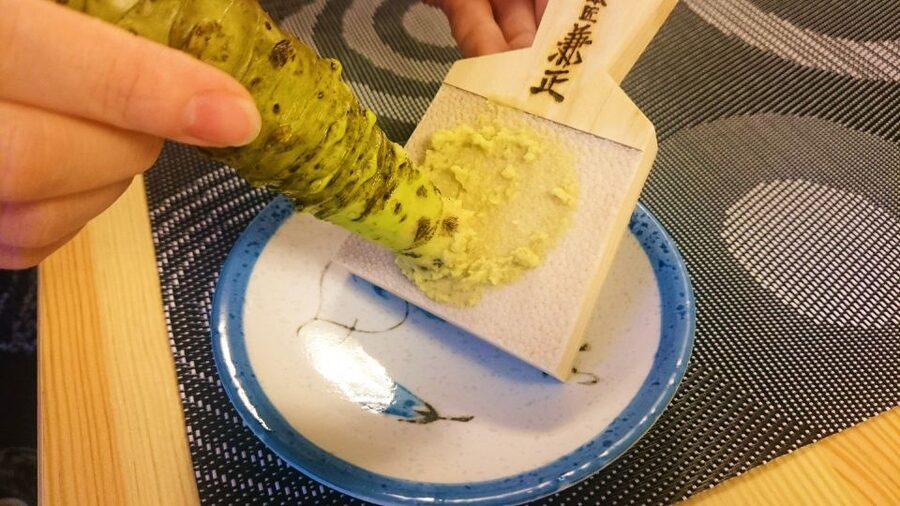
The reward comes at the end, when you sit down with the sushi and miso soup. Fresh wasabi and pickled ginger are served on the side.
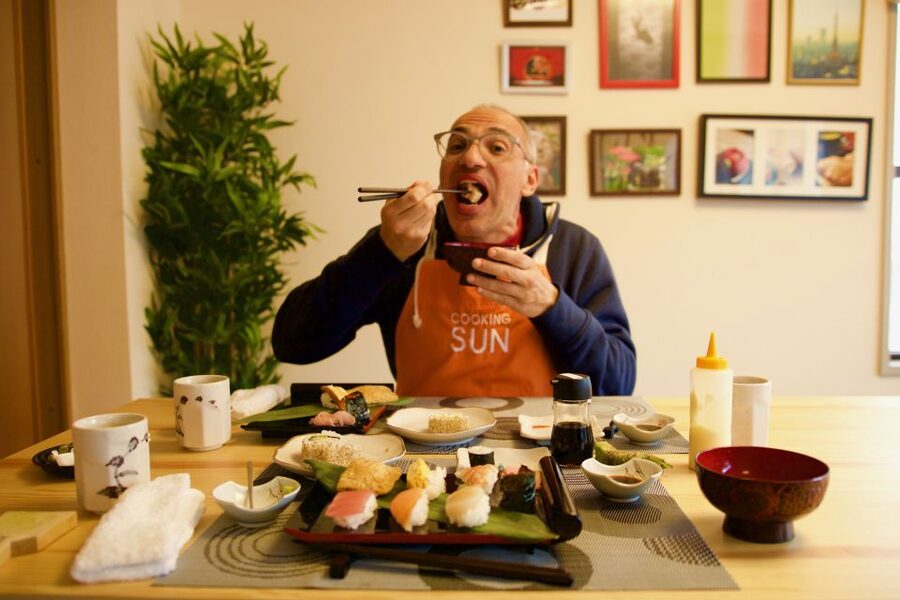
The meal is often described as filling, and you should plan your day accordingly. This is not a quick snack before dinner. For many people, the food you make will be enough for a full lunch or evening meal.
There is no stated tea or sake service, so do not book this expecting a drink pairing. The focus is on cooking and eating the food you prepared. If you want a polished restaurant meal with table service, choose a sushi restaurant instead.
The shared meal is also a social part of the afternoon. You cook beside other people, compare your rolls, and sit down together at the end. The setting is informal, which makes it a good break from Tokyo sightseeing.
Dietary requests and ingredient substitutions
Dietary needs can be handled, but you must state them when you book. The class can substitute ingredients for food allergies, gluten-free diets, religious restrictions, vegetarian preferences, and other requirements.
This is especially important for people with celiac disease or serious allergies. The teaching team has provided clear explanations about substitutions and which ingredients are safe, but you should still communicate your needs early and clearly.
Do not assume every substitution will happen automatically on the day. Tell the provider during booking so the ingredients can be prepared properly.
Is $67 good value for three hours?
For this particular format, yes. You receive a full three-hour class, a multi-dish meal, ingredients, utensils, apron and towel rental, English instruction, and recipes to take home.
The recipes add value after the class. You can remake the sushi and miso soup once you return home, which turns the experience into a practical souvenir rather than a one-time meal. The lesson also gives you a better sense of which ingredients and tools matter when you try again.
The price may feel high if you only want to taste sushi. It is not the right choice for that purpose. You are paying for instruction, cultural context, and plenty of food, so it makes the most sense if you want to cook rather than simply eat.
The class also offers free cancellation up to 24 hours before the start time, and you can reserve now and pay later. Those terms help if your Tokyo schedule is still changing.
Who should book this sushi class?
I would recommend it to first-time sushi makers, families with food-curious children, couples, and anyone who wants a relaxed indoor activity in Tokyo. It is also a good choice for people who have made sushi at home but want better control of rice, rolling, and presentation.
You should book it if you value personal instruction more than a quick tourist stop. The three-hour length gives the process room to breathe, though it may feel too long if you have little interest in cooking.
This class is less suitable if you want to learn how to slice raw fish, study advanced knife work, or take a formal professional chef course. Pre-sliced fish keeps the experience approachable, but it limits the lesson to sushi assembly and preparation.
Plan extra time to find the studio. The class itself is well organized and starts on time, but residential Tokyo streets can test your navigation skills. Arriving early is smarter than rushing through the intercom instructions.
Should you book Cooking Sun Tokyo?
Yes, if you want to make a substantial meal, learn several sushi styles, and spend an afternoon with English-speaking local instructors. The small group, patient teaching, recipe cards, and broad menu make the $67 price reasonable.
Book it with the right expectations. You will learn sushi rice, shaping, rolling, miso soup, and tamagoyaki, but not how to cut raw fish. Give the studio your dietary needs in advance, save the directions, and arrive hungry. For many Tokyo itineraries, this is a useful change of pace: less sightseeing, more doing, and a meal you can recreate later.
FAQ
How much does the Tokyo sushi-making class cost?
The class costs $67 per person.
How long does the sushi class last?
The experience lasts three hours.
Is the class taught in English?
Yes. The instructor language is English, and the class is designed for English-speaking participants.
How many people can join the class?
It is a small-group experience limited to nine participants.
What sushi will I learn to make?
You will learn nigiri, inari, thin rolls called hosomaki, and California rolls.
Does the class include miso soup and tamagoyaki?
Yes. The class includes an introduction to dashi and miso soup, plus instruction in making tamagoyaki, the Japanese rolled omelet.
Will I learn how to cut raw fish?
No. The fish is pre-sliced, and the class does not teach raw-fish cutting.
Are ingredients and cooking equipment included?
Yes. Ingredients and utensils are included, along with towel and apron rental. Recipes are also provided.
Can the class accommodate dietary restrictions?
Yes. Ingredient substitutions can be arranged for allergies, gluten-free diets, religious dietary restrictions, vegetarian preferences, and other needs. Tell the provider about your requirements when booking.
Just added in Tokyo
- Nikko: Edo Wonderland Edomura Cultural Theme Park Ticket★ 4.3 · 205 reviews
- 《MEMBERS-ONLY-BAR-HOPPING》Discover Your Special Whiskey in Tokyo!★ 5.0 · 29 reviews
- Japanese Whisky Hunting《HIGH-QUALITY-ONLY》Rare Tasting Class★ 5.0 · 20 reviews
- Luxury Tokyo Sake, Cocktail, Whisky and Pairing Tour★ 5.0 · 18 reviews
- Wagyu & Sake Pairing in Shinjuku – Steak, Shabu-Shabu & More★ 5.0 · 112 reviews
- Small-Group Wagyu Beef and 7 Japanese Dishes Tokyo Cooking Class★ 5.0 · 190 reviews
- From Tokyo: Private Tour to Fuji/Hakone – Onsen, Art, Nature★ 5.0 · 116 reviews
- Tokyo: KABUKI Show at Kabukiza Theatre Admission Ticket★ 4.8 · 152 reviews
Sushi-Making Classes, compared.
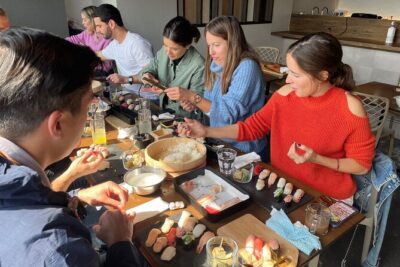
Sushi Making Tokyo Roll and Authentic Japanese Sushi Class
Read our review →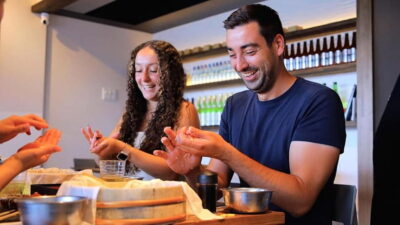
Roll and Authentic Sushi Making Class in Asakusa
Read our review →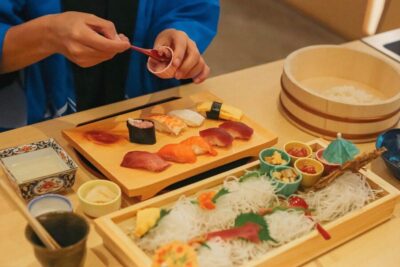
Sushi Making Class in a Happi Coat near a Famous Spot
Read our review →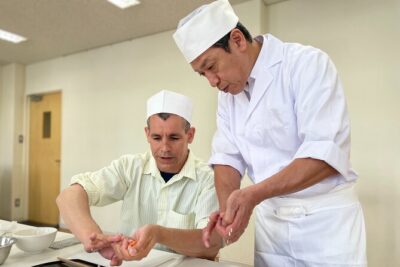
Tokyo Sushi Making Class in Tsukiji with Professional Chef
Read our review →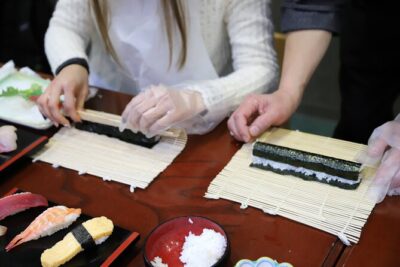
Tsukiji Fish Market Guided Tour and Sushi Making with Pro Chef
Read our review →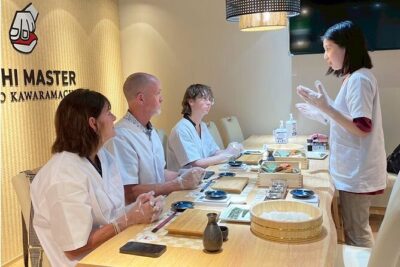
Sushi Making in Kyoto! Same-day bookings welcome!
Read our review →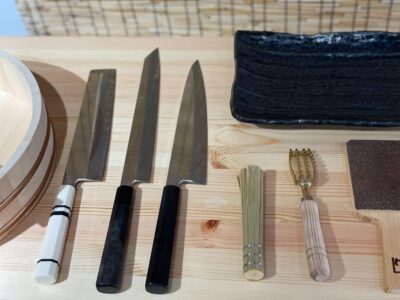
Tsukiji Fish Market Sushi Making Class with Pro Chef
Read our review →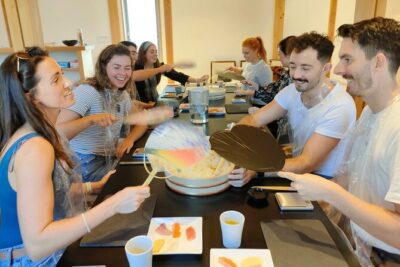
The Original Small-Group Sushi Making Class in Kyoto
Read our review →Browse the lists this tour appears in