
Reviewed · TEA CEREMONY EXPERIENCES
Traditional Tea Ceremony with Matcha and Sweets in Kyoto
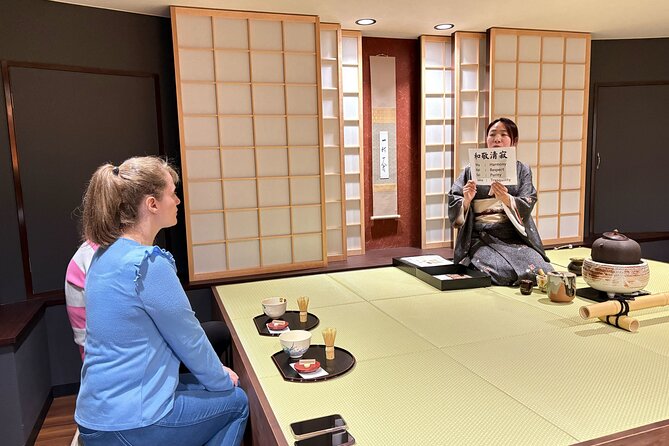
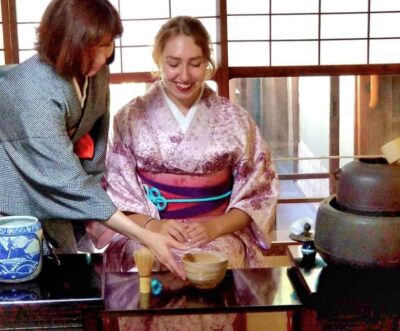
Kyoto’s tea ceremony can seem solemn and hard to enter. This one makes the art approachable: you sit on a chair, watch an experienced tea master work at close range, then prepare your own bowl of matcha. In about an hour, you get history, philosophy, sweets, tea, and a chance to ask questions.
I like the chair seating, which opens the experience to people who find floor seating uncomfortable. I also like the balance between watching and doing, especially the tasting of traditional sweets before you whisk your own matcha.
The main consideration is the short format. You’ll get a clear introduction rather than a full study of tea ceremony, and the group may include up to 13 people. That is a sensible trade-off for a compact activity, but serious students of chanoyu may want something longer.
Key points at a glance
- One-hour introduction in Gion: A compact way to learn about Japanese tea culture during a busy Kyoto day.
- Chair seating throughout: You can take part without sitting on the floor.
- Tea masters Mitsune and Yuki: The instruction focuses on history, Zen philosophy, technique, and hospitality.
- Watch, taste, then make: The session moves from demonstration to traditional sweets and hands-on matcha preparation.
- Premium tea from a family-run farm: Your bowl uses carefully selected matcha rather than a generic drink mix.
- Small maximum group of 13: The format is intimate enough for questions without promising a private lesson.
Entering Kyoto’s Gion district for a one-hour tea lesson
The meeting point is at 1 Gion Tanakaya Building, Yamatocho, Higashiyama Ward, Kyoto 605-0802. It is in Gion, one of the city’s best-known historic districts, and the activity ends at the same place.
That location matters. You can pair the ceremony with time in Gion, but the activity itself is not a walking tour. You are coming here to sit, watch, listen, and practice. If your day already includes temples and long walks, this gives you a quiet change of pace.
The session lasts about one hour. That makes it easy to fit before dinner, between sightseeing stops, or into a short Kyoto visit. At $22.86 per person, I see the price as fair for a guided cultural activity that includes instruction, sweets, and matcha preparation. You are not paying for a long performance or an elaborate meal. You are paying for a focused introduction with a hands-on part.
A mobile ticket keeps the arrival process simple. The exact meeting instructions should still be checked before you go, since a central Kyoto building can be easier to find when you already know the address and have your phone ready.
Other tea ceremonies in Kyoto people book:
- Kyoto: Tea Ceremony in a Traditional Tea House in Kiyomizu
★ 4.9 · 3,519 reviews - Kyoto: Tea Ceremony Ju-An at Jotokuji Temple
★ 4.9 · 3,207 reviews - Kyoto: 45-Minute Tea Ceremony Lesson Experience
★ 4.3 · 2,378 reviews
Why chair seating changes the tea ceremony experience
Traditional tea ceremony is often associated with kneeling or sitting on tatami. That can be beautiful, but it is not comfortable for everyone. Here, you sit on chairs, so you can concentrate on the gestures, objects, and ideas instead of worrying about your knees or balance.
This is a practical choice, not a watered-down version of the activity. You still see the careful movements of chanoyu, hear about its purpose, and prepare matcha yourself. The chair arrangement also makes the experience easier for people who are new to Japanese customs.
The setting is designed to feel calm and welcoming rather than stiff. That helps if you are unsure about the rules. You can pay attention to the sequence of actions without feeling that one small mistake will ruin the ceremony.
Still, the seating means the experience will not reproduce every detail of a formal tea gathering. If your main goal is to experience a highly traditional tatami-room ceremony, ask yourself how much that setting matters to you. If your goal is to understand the art and try it with less physical strain, the chairs are a real advantage.
The opening lesson: tea, Zen, and omotenashi
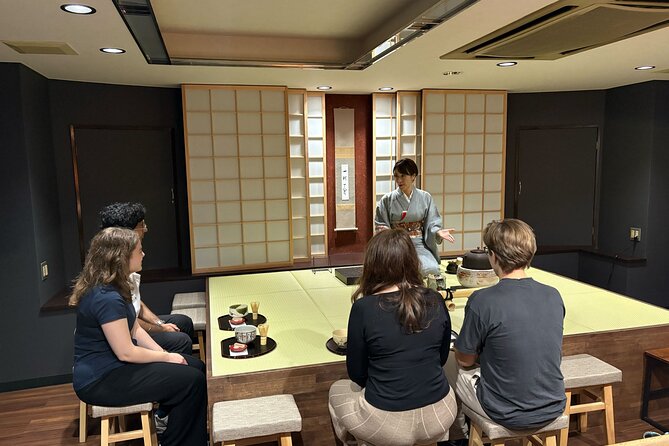
The first part explains where Japanese tea culture comes from and how Zen philosophy shaped the ceremony. You are not simply shown how to whisk a green drink. You are given the ideas behind the actions.
The spirit of omotenashi, or thoughtful hospitality, is part of that explanation. The ceremony asks you to notice preparation, respect, timing, and attention to the person sharing tea with you. Those details help explain why a quiet act can carry so much meaning.
The tea master also introduces the history of tea in Japan. This context is useful because the movements can otherwise seem mysterious. Once you understand that each action has a purpose, the ceremony becomes easier to follow.
The teaching style appears to be one of the strongest parts of the experience. Mitsune is associated with an informative and friendly presentation, while Yuki has been praised for explaining the philosophy behind the ceremony and showing a personal connection to it. Your instructor may differ, but the activity is built around a tea master rather than a recorded presentation.
You should expect explanation, demonstration, and time for questions. It is a good fit for first-time visitors who want enough background to understand what they are seeing without committing to a lengthy course.
Watching an authentic tea preparation up close
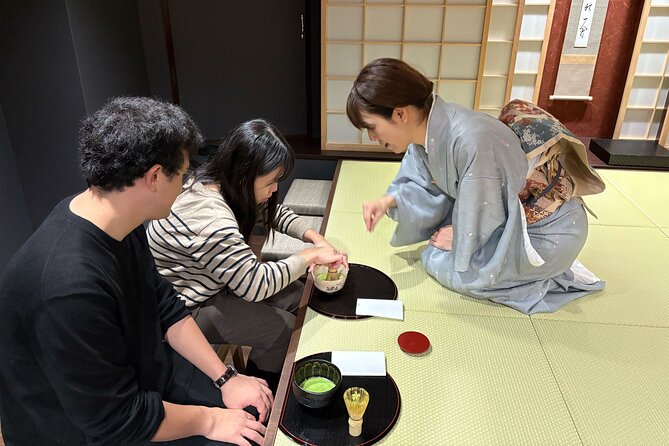
The tea master performs the ceremony before you try it. Watch the hand movements, the order of preparation, and the quiet attention given to each step. The value here is not speed. It is learning to see the small details.
A demonstration also gives you a model to follow. When it is your turn, you will already have seen how the tea is handled and whisked. You do not need previous knowledge of Japanese tea ceremony.
The experience aims to show authentic techniques while keeping the mood comfortable. That balance is important. A ceremony that is too formal can leave beginners afraid to participate, while a casual demonstration may lose the meaning of the tradition. This format tries to preserve the ritual while explaining it in plain terms.
Do not expect a theatrical show. The appeal is quieter. You are watching a traditional art practiced at close range, then gaining enough instruction to take part yourself.
Other tea rooms and ceremonies in Kyoto:
- Kyoto: Table-Style Tea Ceremony at a Kyo-Machiya
★ 4.9 · 1,211 reviews - Kimono Tea Ceremony at Kyoto Maikoya, NISHIKI
★ 5.0 · 911 reviews - Kyoto: Arashiyama Bamboo Forest, Monkeys, Matcha & Temple Tour
★ 5.0 · 759 reviews - Kyoto: Tea Museum Tickets and Matcha Grinding Experience
★ 4.9 · 739 reviews
Traditional sweets from long-established artisans
The second half includes carefully selected Japanese sweets from long-established makers. They are not just a snack on the side. In tea culture, sweets prepare your palate for the slightly bitter taste of matcha.
This part gives you another way to notice Japanese food traditions. The sweets offer sweetness and texture before the tea, making the flavor of the matcha easier to appreciate. You can also see how a small seasonal or traditional food item fits into the larger ceremony.
The exact sweets are not specified, so you should not book this expecting a particular confection. Their role is clear, though: they form part of the tea experience and help you understand the relationship between food and matcha.
For many people, this may be the most immediately enjoyable part of the session. It also makes the activity more than a lecture. You are listening, looking, tasting, and then working with the tea yourself.
Whisking your own bowl of premium matcha
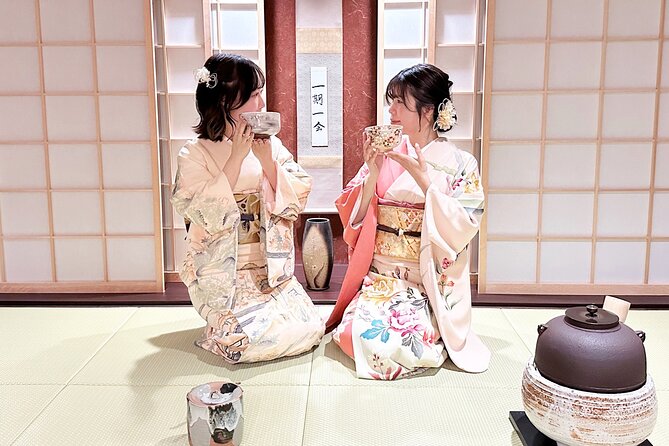
After the demonstration, you make your own bowl of matcha. The tea comes from a family-run farm and is described as premium, so the focus is on tasting quality tea rather than a mass-market powder.
You will learn the basic action of whisking the tea into a smooth drink. This is the hands-on moment that makes the lesson memorable. Watching someone else prepare matcha is useful, but holding the whisk yourself gives you a better sense of the care involved.
Do not worry about producing a perfect bowl on your first attempt. The point is to understand the method and participate in the ritual. Your tea master can explain the process and answer questions at the end.
Matcha has a distinct flavor that may surprise you if you normally drink sweetened tea. The sweets help balance it, and the preparation gives you a better appreciation for why matcha is treated with such care.
A short Q&A that makes the lesson more useful
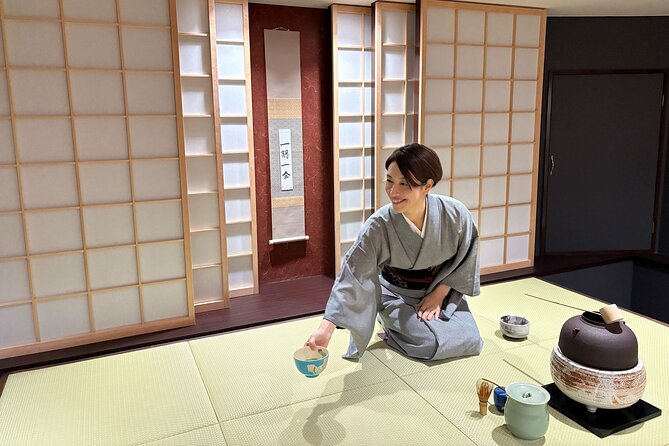
The activity finishes with questions and answers. This is a valuable feature because tea ceremony often raises practical questions that do not fit neatly into a prepared talk.
You can use this time to clarify the meaning of a gesture, ask about the tea, or better understand the philosophy behind the ceremony. If you are curious about Japanese customs, this may be the moment when general ideas become personal and clear.
Since the total activity lasts about one hour, the question period will not be unlimited. It is wise to think of one or two questions before you arrive. That way, you can make good use of the closing minutes.
The maximum group size is 13 people. That is not a private lesson, but it is small enough to keep the session focused. The format should suit people who want personal guidance without paying for a one-to-one experience.
How the $22.86 price compares with the experience
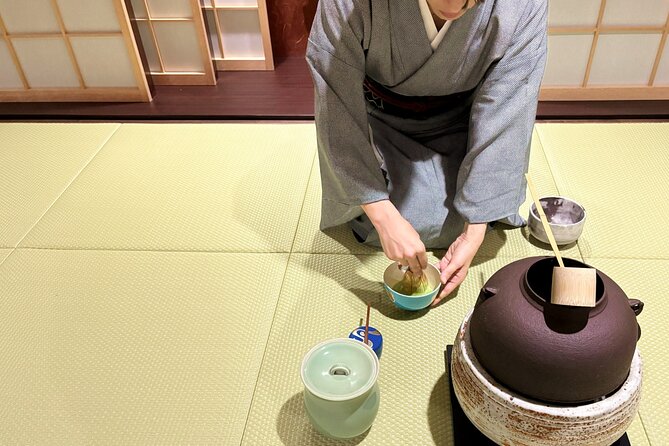
At $22.86, this is priced as an accessible cultural activity rather than a luxury ceremony. The cost includes the guided lesson, the demonstration, traditional sweets, and your own bowl of matcha.
I consider it good value if you want a clear introduction and a practical activity in central Kyoto. The one-hour length also limits your opportunity cost. You can fit it into a full sightseeing day without giving up half a day.
The value is less obvious if you only want to drink matcha. Kyoto has many places where you can buy tea, but that does not give you the same explanation, demonstration, or chance to prepare it yourself. Here, the instruction is the main product.
The format is also useful for families, couples, friends, and solo visitors who want a cultural activity without a high price. People looking for a formal, extended study of tea ceremony should treat this as a starting point, not a complete course.
The activity has a 4.9 rating from 13 reviews and a 100 percent recommendation rate. Those figures suggest a strong level of satisfaction, while the small number of ratings means you should treat them as encouraging rather than final proof for every type of visitor.
Who will enjoy this Kyoto tea ceremony most
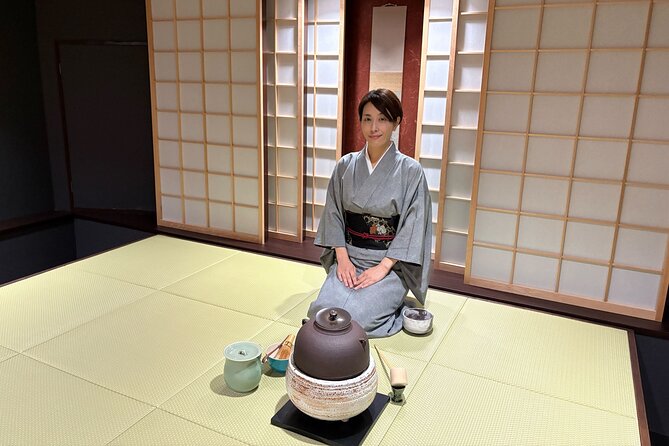
I would recommend this experience to first-time visitors who want to understand matcha beyond its appearance. The explanation of history, Zen philosophy, and hospitality gives you a useful frame for the rest of your time in Japan.
It also suits anyone who wants a low-pressure cultural activity. You do not need prior experience, and chair seating removes one common obstacle. People with limited mobility or discomfort sitting on the floor may find this arrangement especially helpful.
The short length works well for a packed Kyoto itinerary. You can attend, learn the basic ideas, taste sweets, and make matcha without committing to a long formal event.
You may want to choose another activity if you are seeking a private ceremony, a long lesson, or a fully traditional floor-seated setting. The group can reach 13 people, and the session is designed as an introduction.
Practical details to know before you go
Confirmation arrives at booking, and the experience accepts a mobile ticket. The meeting point is near public transportation, though you should allow enough time to locate the building in Gion.
Free cancellation is available if you cancel at least 24 hours before the start time. Cancellations made less than 24 hours in advance are not refunded, and changes inside that window are not accepted. The cut-off follows local Kyoto time.
The activity returns to the starting point, so you do not need to arrange a separate end location. That makes planning easier if you have another reservation afterward.
Because the session is short and the group may contain up to 13 people, arrive ready to listen and take part. This is not a place to rush in, take one photo, and leave. The pleasure comes from slowing down long enough to notice the process.
Should you book this tea ceremony in Kyoto?
Book it if you want an affordable, friendly introduction to Japanese tea culture with real participation. The strongest reasons are the chair seating, the close demonstration by a tea master, the sweets from established artisans, and the chance to whisk premium matcha yourself.
I would especially choose it for a first Kyoto visit, a short stay, or a day when you want something quieter than temple hopping. The instruction from hosts such as Mitsune and Yuki adds a human element, and the final Q&A gives you room to clear up what you have seen.
Skip it if you want a long, formal, highly ceremonial study. For most visitors, though, this one-hour session offers a sensible first step into chanoyu at a reasonable price, with enough context to make the tea taste better and the ritual make more sense.
FAQ
Where does the tea ceremony take place?
It takes place at 1 Gion Tanakaya Building, Yamatocho, Higashiyama Ward, Kyoto 605-0802, in Kyoto’s Gion district.
How long does the experience last?
The tea ceremony lasts approximately one hour.
Does the activity begin and end at the same location?
Yes. The experience ends back at the meeting point.
Is the experience suitable for someone who cannot sit on the floor comfortably?
Yes. Participants sit on chairs, making the activity more accessible to people who are unfamiliar with floor seating or have limited mobility.
Do I need previous tea ceremony experience?
No. The session is designed to be welcoming and approachable, including for people who are new to Japanese tea ceremony.
Will I make my own matcha?
Yes. In the second half, you prepare your own bowl of matcha using premium tea sourced from a family-run farm.
Are traditional Japanese sweets included?
Yes. You will taste carefully selected traditional sweets from long-established artisans.
Who leads the experience?
The activity is guided by an experienced tea master. In the available information, instructors named Mitsune and Yuki are specifically associated with the experience, though your instructor may vary.
How many people can join the activity?
The maximum group size is 13 travelers.
What is the cancellation policy?
You can cancel for a full refund up to 24 hours before the experience start time. Cancellations or changes made less than 24 hours before the start time are not accepted for a refund.
More sweet things to try in Kyoto
- Kyoto: Japanese Traditional Sweets Making and Tea Ceremony
★ 4.4 · 314 reviews - Kyoto Wagashi(Japanese sweets) Cooking Class near Fushimiinari
★ 5.0 · 60 reviews - Kyoto: Wagashi (Japanese sweets) Cooking near Fushimiinari
★ 5.0 · 40 reviews - Kyoto: Traditional Tea Ceremony with Matcha & Sweets in Gion
★ 4.9 · 27 reviews
Just added in Kyoto
- Private Cooking Class Udon in Kyoto Japan★ 5.0 · 23 reviews
- Your Private Vacation Photography Session In Kyoto★ 5.0 · 110 reviews
- Kyoto: Zen Meditation at a Private Temple with a Monk★ 5.0 · 25 reviews
- Private Pewter Sake Cup Experience with a Kyoto Artisan★ 5.0 · 31 reviews
- Kyoto Wagashi(Japanese sweets) Cooking Class near Fushimiinari★ 5.0 · 60 reviews
- Kyoto:Family-Friendly Kimono & Yukata Experience at WARGO★ 5.0 · 147 reviews
- Private Guided Traditional Buddhist Cooking in Japan★ 5.0 · 16 reviews
- Kyoto: Gion Geisha District & Sake-in-Hand Walking Tour★ 5.0 · 37 reviews
Tea Ceremony Experiences, compared.
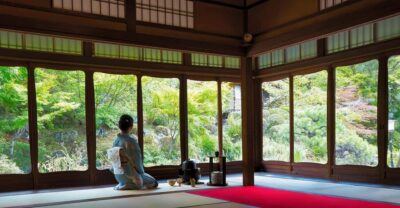
Tea Ceremony in a Traditional Tea House in Kiyomizu
Read our review →
World Heritage Kyoto & Nara Uji Authentic Matcha Experience
Read our review →
Arashiyama Bamboo Forest, Monkeys, Matcha & Temple Tour
Read our review →Browse the lists this tour appears in