
Reviewed · WALKING TOURS
Osaka: Deep Backstreets Walking Tour with Dinner Option
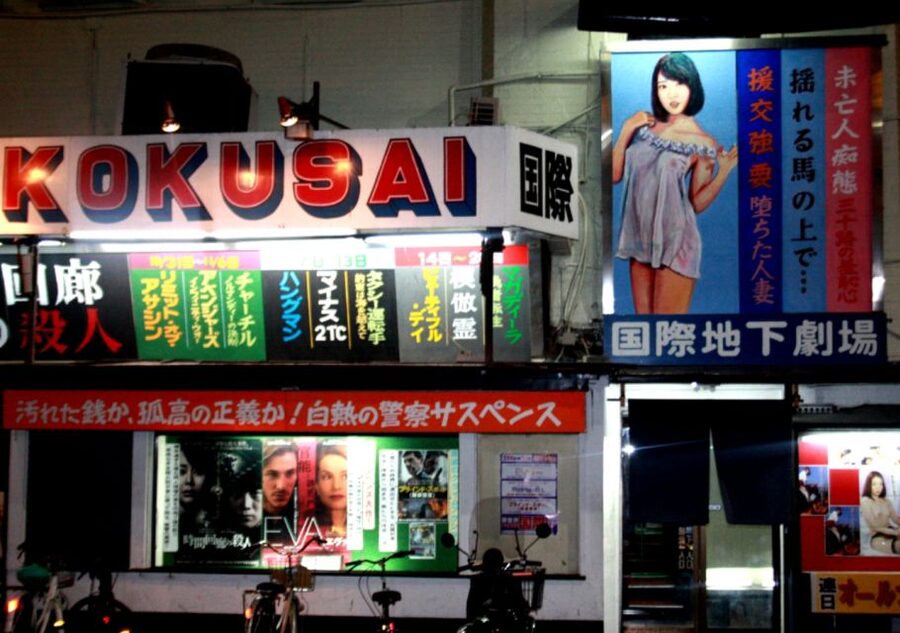
Osaka’s polished tourist face fades quickly on this walk. You’ll pass retro game parlors, old markets, curious entertainment spots, abandoned properties, and a preserved Taisho-Era red light district while your guide explains the city’s less-discussed past. I like the way the tour treats Osaka as a real place, not a tidy postcard. I also like the two local snacks, which give the evening a practical taste of neighborhood life. The drawback is clear: subjects include organized crime, sex work, illegal gambling, sexism, homelessness, welfare, and war, so this is not a light family outing.
I especially value the guides’ personal approach. Knox, Rudy, Mari, Bennett, Brian, Joseph, Tommy, and others have been praised for humor, candor, and their ability to answer difficult questions. The tour can feel like a walk and conversation with an informed local host, but you need comfortable shoes, a firm arrival time, and an open mind.
What makes this Osaka backstreets tour different
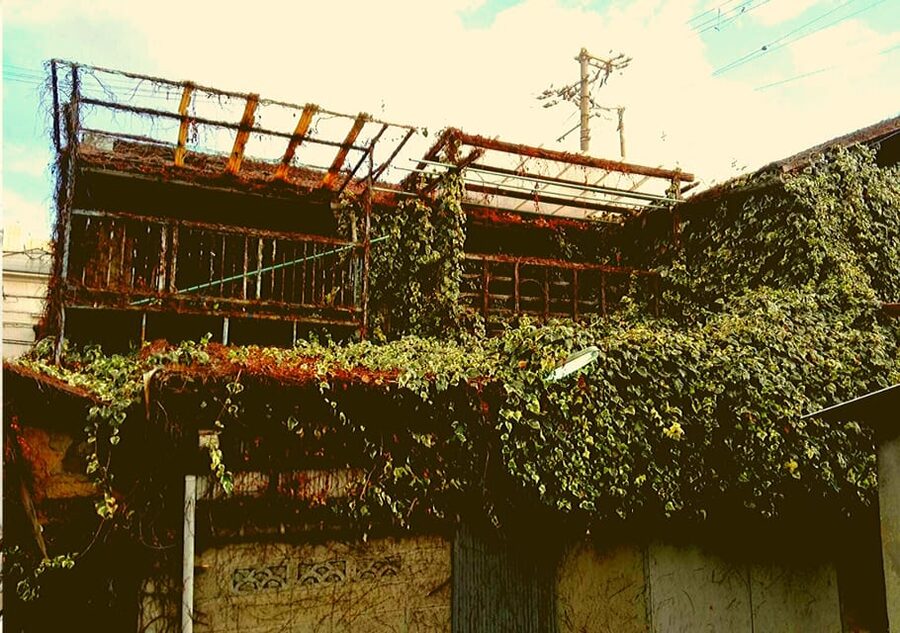
- Abandoned buildings in the city center: See vacant properties and hear why this area developed such a complicated reputation.
- A preserved Taisho-Era red light district: Walk past historic buildings connected to an important, controversial part of Osaka’s culture.
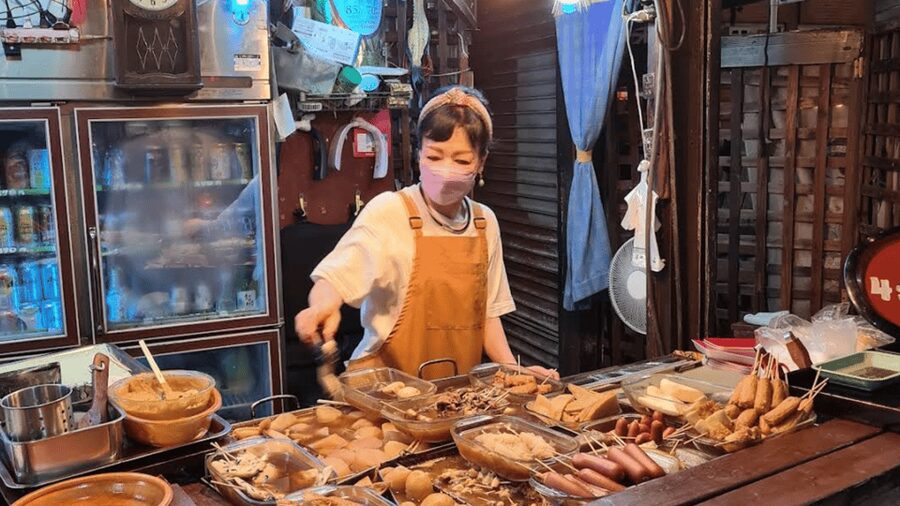
- Two food stops included: Try two side dishes from separate back-alley stalls during the walk.
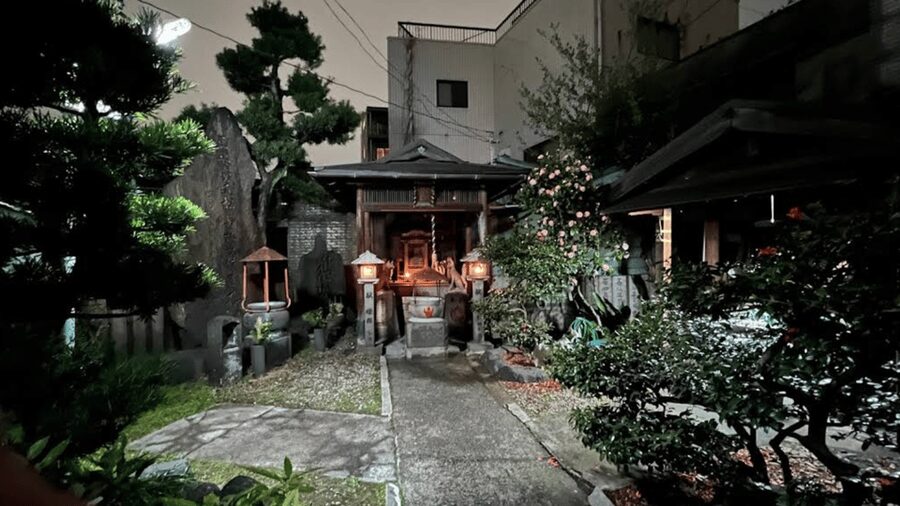
- Retro Osaka after dark: Expect old-fashioned markets, Japanese gaming, unusual restaurants, and a look at local evening entertainment.
- Frank discussion of taboo subjects: The guide connects places on the route with yakuza, pachinko, sex work, minority treatment, poverty, and social rules.
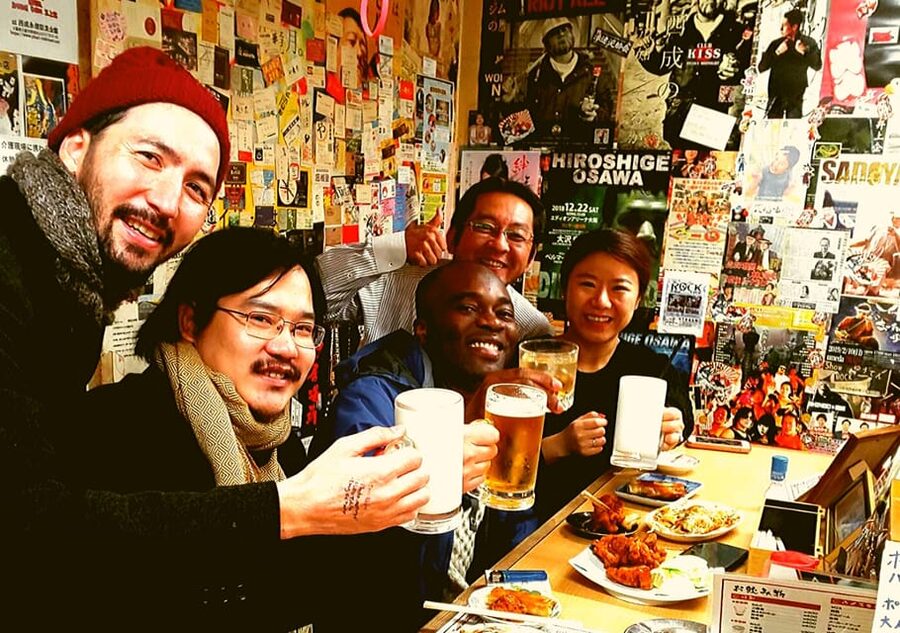
- Optional dinner finish: Add a full meal at a traditional restaurant, with drinks paid separately.
Osaka beyond the bright signs
The best reason to book this Osaka Deep Backstreets Walking Tour is that it changes the questions you ask about the city. Instead of simply admiring neon, food, and cheerful crowds, you’ll consider who built these districts, who was pushed aside, and how older forms of entertainment still shape Osaka.
The experience costs $40 per person and lasts 210 minutes. That is fair value for an English-language evening walk that includes two food tastings and a professional guide. You are paying less for major sights and more for access, interpretation, and the confidence to walk into places you would probably skip alone.
The optional dinner changes the value calculation. It adds a proper restaurant meal after the walk, but the additional price is not provided here, and drinks are not included. If you already have a favorite Osaka restaurant waiting, choose the walking tour alone. If you want to keep the conversation going and eat with the group, the dinner option makes sense.
The tone matters. This is not designed as a family-friendly introduction to Osaka. It is aimed at adults who want a candid look at subjects usually left out of standard sightseeing. The guide is expected to be respectful, but the material can still feel uncomfortable.
Other walking tours in Osaka people book:
- Osaka: Hotspots & Hidden Gems Walking Tour Private or Group
★ 4.9 · 1,300 reviews - Osaka Local Foodie Walking Tour in Dotonbori and Shinsekai
★ 5.0 · 985 reviews - Osaka Bar Hopping Night Walking Tour in Namba (3 bars, 6 tastes)
★ 5.0 · 958 reviews
Starting with retro Osaka
The opening section gives you a feel for an older Osaka before the tour moves toward more serious subjects. You may see retro video game parlors, old-fashioned markets, and entertainment venues that reflect how local people spend an evening.
The appeal here is contrast. Osaka is famous for its modern shopping streets and food districts, yet older amusements and neighborhood businesses still tell a different story. Japanese games, unusual fishing restaurants, and an Osakan theater all help show that entertainment in Japan is not limited to the big attractions printed in guidebooks.
Do not expect every stop to be a formal attraction with a ticket counter. Much of the value comes from looking at ordinary surroundings while the guide explains what you are seeing. Someone with a strong interest in modern architecture or famous temples may find this less visually grand. Someone curious about daily life will get more from it.
The guides add much of the personality. Knox has been singled out for storytelling and personal experience of living in Osaka. Rudy is described as funny and candid, while Mari, Bennett, Brian, Joseph, and Tommy have also led tours praised for clear explanations and easy conversation. Your guide depends on the date, but the format favors questions rather than a memorized speech.
Back alleys and two local side dishes
The route then turns into narrower, more characterful lanes. This is where you begin to see the contrast between Osaka’s public image and the places that sit just outside the main sightseeing path.
You stop at two different stalls and receive two side dishes. The supplied details do not specify the exact dishes, so you should treat the food as a local tasting rather than a fixed menu. Past examples mentioned by participants include fried chicken, local snacks, and drinks, but what you receive can vary.
I like this part because food gives the walk a useful anchor. You are not only hearing about the neighborhood. You are pausing in it, trying something, and noticing the small spaces where people eat and socialize. It also helps break up three hours of walking.
The food is not a full meal unless you add the dinner option. Drinks are not included, so budget for any beverages you want. If you have allergies or dietary restrictions, ask before booking or at the start of the tour, since no special meal information is provided.
The route can feel gritty, but several guides have made a point of treating local people and places with care. That distinction matters. The goal is not to turn poverty or unusual neighborhoods into a stage set. It is to explain how the area works and why it looks the way it does.
The abandoned properties and their difficult story
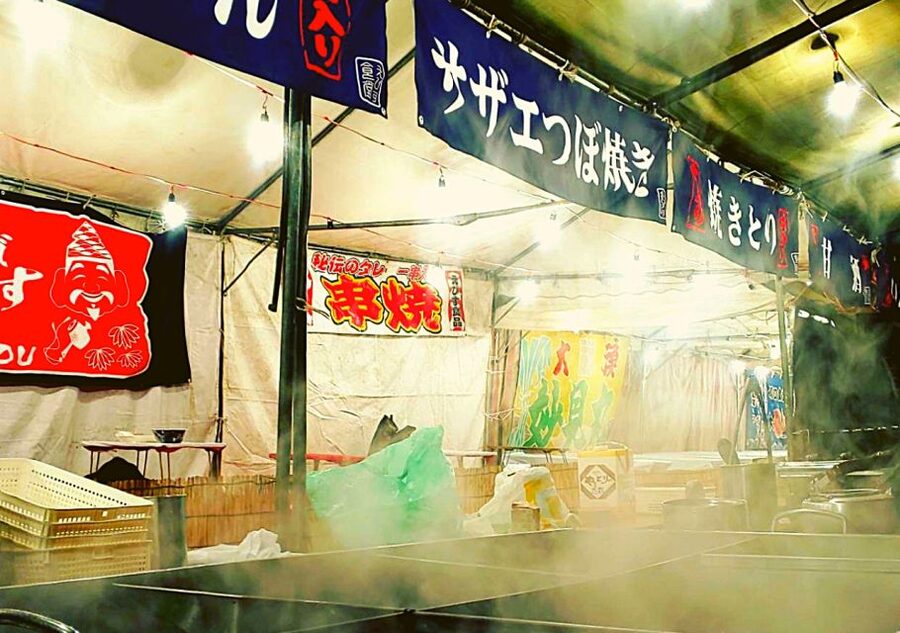
One of the tour’s most unusual sections takes you near abandoned properties. In the middle of Osaka, vacant and deteriorating buildings can feel surprisingly out of place. Their presence creates a sharp contrast with the city’s commercial energy.
Your guide explains the area’s controversial past and the social forces behind its decline. The information supplied does not provide a full historical timeline, so you should expect interpretation on the walk rather than a museum-style exhibit. The experience is strongest when you listen carefully and avoid treating the buildings as mere photo subjects.
This stop also brings up questions about forgotten communities, welfare, homelessness, and minority treatment. The tour does not go through the homeless district, and guides are instructed to remain respectful if people experiencing homelessness happen to be along the route. That is useful context before you arrive. You may see difficult conditions, but you are not being invited to gawk.
For me, this is where the tour earns its place beside a standard Osaka food or temple walk. It shows that Japan, like every country, has inequality, neglected places, and unresolved social issues. The polished image is real, but it is not the whole country.
Other guided walks in Osaka:
- Ultimate Osaka Walking Tour: Castle, Dotonbori & Hidden Gems
★ 5.0 · 862 reviews - Osaka: Main Sights and Hidden Spots Guided Walking Tour
★ 4.9 · 702 reviews - Private Osaka Walking Tour: Highlights & Hidden Gems
★ 5.0 · 569 reviews - Osaka Castle Walking Tour and Castle Tower Admission
★ 5.0 · 561 reviews
The preserved Taisho-Era red light district
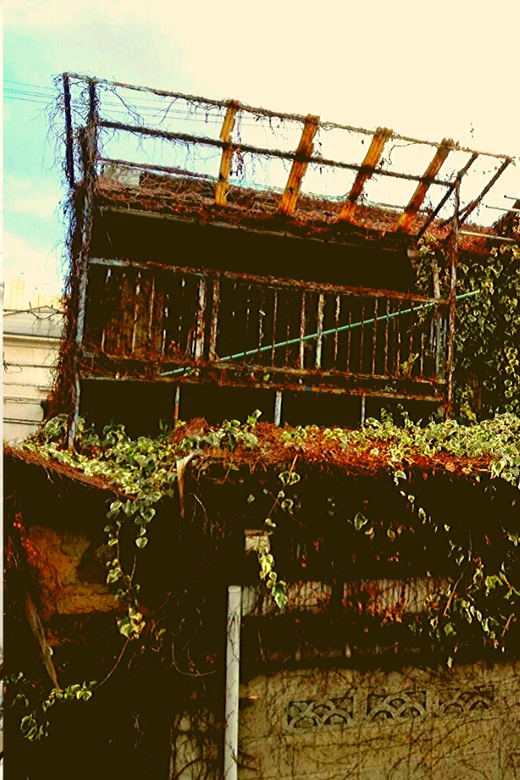
The red light district is the most sensitive part of the route. It retains buildings from the Taisho Era, and the area is described as containing UNESCO-listed buildings important to Osakan culture. Your guide explains how the district was organized and how sex work, business, class, and gender have shaped its identity.
The architecture may be more compelling than the activity associated with the district. Preserved façades and older buildings give you a direct link to an earlier Osaka, while the subject matter raises difficult questions about who gets remembered and who gets left out.
You have a choice here. You can walk through the red light district with the group, or take a separate path and skip it. That option is valuable because not everyone wants this material, and you should not feel pressured to participate.
Expect frank conversation. The tour may address sexism, illicit businesses, sexual commerce, and the ways society talks about or hides these subjects. It is not appropriate for children under 16, and pregnant people and those with mobility impairments are listed as unsuitable for the activity. People who dislike discussions of adult themes should choose another Osaka experience.
Hard subjects handled with care
The tour also discusses yakuza, pachinko, illegal gambling, war, welfare, and other taboo topics. These subjects are not added simply for shock. They help explain how power, money, entertainment, and social rules operate in Osaka.
A good guide can make this material understandable without turning it into gossip. The strongest guide reports describe people such as Knox, Rudy, Brian, Bennett, Joseph, and Mari using humor alongside seriousness. That balance can make the evening easier to follow, but humor will not remove the discomfort from every subject.
You should also expect different guides to have different styles. Some are energetic storytellers. Others are more measured and conversational. Names that have appeared on recent departures include Knox, Nox, Rudy, Rutti, Mari, Bennett, Brian, Joseph, Tommy, Tim, Taka, Bryan, Minori, and Maria. The guide is not guaranteed, so book for the route and subject matter rather than one particular person.
The tour is conducted in English. Several comments praise the guides for answering unusual questions and sharing personal experience of living in Osaka. That makes the walk feel less like a lecture and more like a discussion, though the quality of that discussion will depend partly on the group.
Adding the traditional restaurant dinner
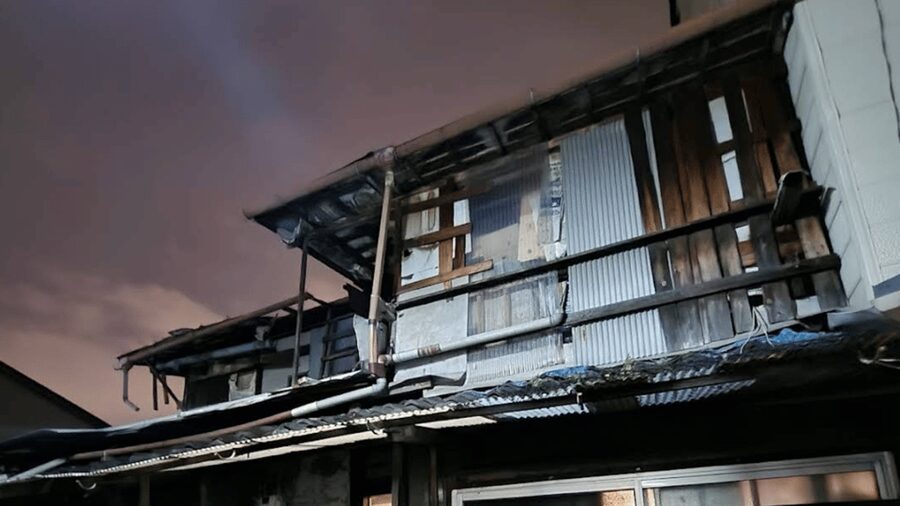
At the end of the walking portion, you can join the guide and other members of the group for a full dinner at a traditional restaurant. The meal is separate from the two side dishes sampled earlier, so this option works well if you want the food to become a larger part of the evening.
The meal has been described as good quality, with dishes such as fried chicken, beef soup, pasta, dessert, and a range of Japanese fare appearing on one dinner. Do not treat that as a guaranteed menu. The exact selection is not stated, and drinks remain separate.
I see the dinner as more than a meal. It gives you time to ask follow-up questions, compare what you saw, and finish the evening in a relaxed setting. It is also useful for solo visitors who want a social ending without arranging another restaurant reservation.
The drawback is timing. A three-hour walk already fills an evening, and dinner extends it. If you have a late train, an early morning departure, or another booking, the walking-only option is safer. If you want a shared meal and a final round of conversation, pay for the dinner add-on.
Practical details that matter
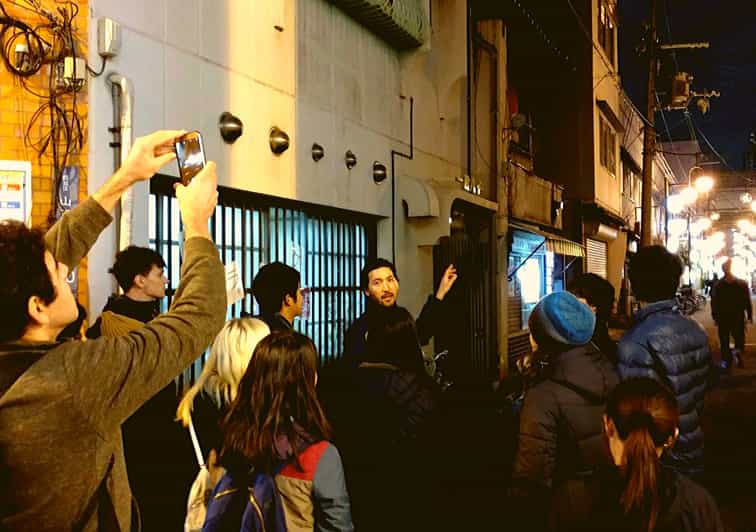
Arrive early. This is the single most important instruction. The route enters winding alleys, and there is no practical way for a late arrival to find the group after it moves on.
Wear comfortable shoes. High heels are not allowed, and the tour involves enough walking through backstreets that stable footwear will make the evening easier. The pace is generally described as easygoing and not overly taxing, but three hours on foot is still three hours.
The meeting point can change according to the option you book, so check the exact details before leaving your hotel. Hotel pickup is not included. The experience is listed as wheelchair accessible, but the same information says it is not suitable for people with mobility impairments. That apparent mismatch deserves a direct check with the provider before booking, especially because narrow alleys and older properties form part of the route.
Free cancellation is available up to 24 hours before the start time, and you can reserve now and pay later. Starting times vary, so check availability for your date.
Who should book this Osaka experience?
I would choose this tour if you have already seen Osaka’s major food streets and want to understand the city’s less polished side. It is also a strong choice for solo visitors, couples, and curious adults who enjoy asking questions and discussing complicated subjects.
You will get the most from it if you are comfortable with:
- Adult themes and direct language
- Walking through gritty or neglected areas
- Hearing about social problems without simple answers
- Trying small local dishes rather than expecting a formal food tour
- Following a guide through unfamiliar streets after dark
- Leaving room in your evening for an optional dinner
I would skip it if you want famous sights, a gentle introduction for children, or a purely cheerful food outing. I would also avoid booking it if you dislike discussing sex work, organized crime, poverty, discrimination, and illegal gambling.
Should you book the Deep Backstreets Walking Tour?
Book it if you want an honest, unusual evening in Osaka and understand that the city’s less visible side can be uncomfortable. The $40 price is reasonable for 210 minutes, two food tastings, and an English-speaking guide who can connect the places you see with larger social questions.
Choose the dinner option if you want a social finish and do not have a tight schedule. Choose the walking-only version if you prefer to control your evening meal.
This is not Osaka at its prettiest. That is exactly its purpose. Go on time, wear sensible shoes, listen respectfully, and you’ll see a side of the city that standard sightseeing rarely explains.
FAQ
How long does the Osaka Deep Backstreets Walking Tour last?
The tour lasts 3 hours, or 210 minutes.
How much does the tour cost?
The listed price is $40 per person. The price of the optional dinner is not specified in the supplied information.
Is dinner included?
Dinner is included only if you select the dinner option. Drinks are not included.
What food is included during the walking tour?
You visit two stalls and receive two local side dishes, one from each stall.
Is the tour conducted in English?
Yes. The experience includes a live English-speaking guide.
Which subjects are discussed?
Topics can include yakuza, sexism, war, illegal gambling, pachinko, sex work, illicit businesses, homelessness, welfare, and other difficult aspects of Japanese society.
Is the tour suitable for children?
No. Children under 16 are listed as unsuitable for this activity.
What should I wear?
Wear comfortable shoes. High-heeled shoes are not allowed.
Can I cancel the booking?
Yes. You can cancel up to 24 hours in advance for a full refund. Reserve now and pay later is also available.
Just added in Osaka
- Osaka Temple Cool Foot Bath & Matcha Experience〈45min〉★ 4.9 · 82 reviews
- Osaka: Mind & Spirit Balance Temple Reiki Healing★ 5.0 · 41 reviews
- Full Day Kyoto Tour : Bamboo Forest, Golden Temple, Fushimi Inari★ 5.0 · 84 reviews
- Osaka: Minoh, Katsuoji Temple, & Minoh Falls Full-day Tour★ 4.9 · 172 reviews
- OSAKA NIGHT FUSION Japanese Taiko Kabuki Samurai Dance Show★ 4.8 · 155 reviews
- Ramen and Gyoza Cooking Class in Osaka★ 5.0 · 202 reviews
- Osaka: A Modern Samurai, Kabuki, Taiko, & Dance Show★ 4.5 · 66 reviews
- Osaka: Samurai Training Experience KENDO in Osaka★ 5.0 · 111 reviews
Walking Tours, compared.
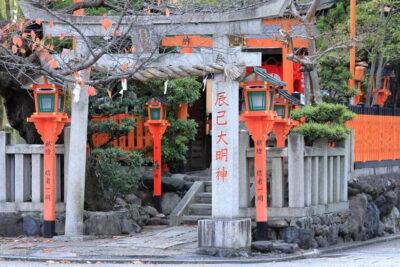
Kyoto Geisha Walking Tour: Gion District & Hidden Gems
Read our review →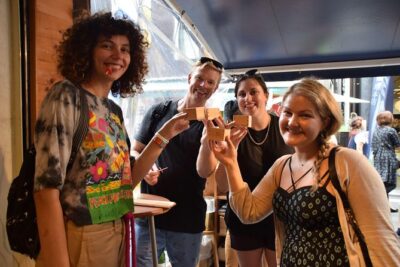
Tokyo Tsukiji Fish Market Food and Culture Walking Tour
Read our review →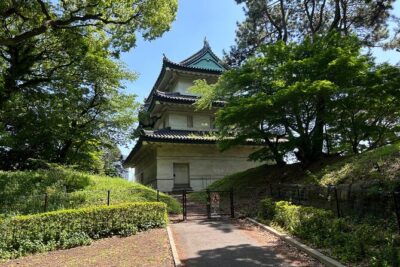
Imperial Palace and Shogun Historical Walking Tour
Read our review →
Gion Geisha District Walking Tour – Stories of Geisha
Read our review →
Shinjuku Local Bar and Izakaya Guided Walking Tour
Read our review →
Asakusa Walking Tour with Sensoji Temple Visit
Read our review →
Nishiki Market Brunch Walking Tour (7 Tastings + Brunch)
Read our review →Browse the lists this tour appears in