

Reviewed · TSUKIJI & TOYOSU FISH MARKET TOURS
Tokyo: Guided Walking Tour of Tsukiji Market with Breakfast
Tsukiji is best understood with your appetite switched on. This 150-minute walk takes you from the unusual Indian-inspired exterior of Tsukiji Hongwanji Temple into the narrow lanes of the Outer Market, where wholesalers work beside food stalls and small shops. You get seven tastings, not just a quick look.
I like the mix of food and culture, especially the chance to learn why Japanese cuisine is tied to religion and daily custom. I also like the small group size, capped at 10, since guides can translate, wait in food lines, and adjust tastings for picky eaters or dietary preferences. The main drawback is that $85 is a serious breakfast bill, and the market can feel crowded and hard to follow if you expect a slow, quiet walk.
Key points to know before booking
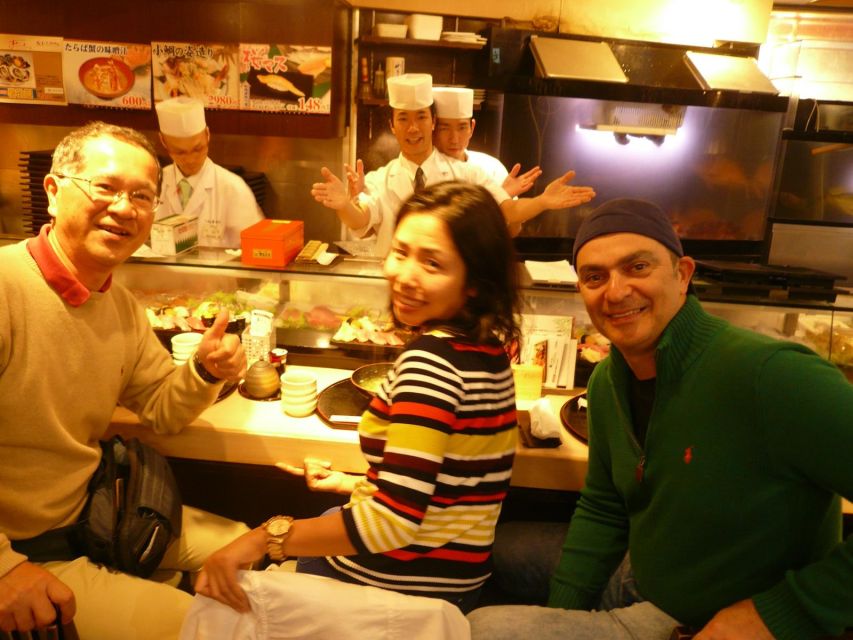
- Seven tastings make this a full breakfast: Expect grilled seafood or beef, Japanese omelette, tuna sandwiches, fried fish paste, a drink, Japanese tea, and dashi soup stock.
- Tsukiji Hongwanji Temple gives the tour a cultural start: You meet outside its striking Buddhist-style entrance, with an exterior influenced by Indian architecture.
- Guides handle the tricky parts: They translate with vendors, explain unfamiliar foods, and may suggest alternatives if you do not want to eat something.
- The 10-person limit matters: A small group is useful in narrow market lanes and makes it easier to ask questions.
- Come hungry: Several people found the amount of food generous, and the tastings can add up quickly.
- The tour ends with time left for the market: You can continue exploring Tsukiji Outer Market after the scheduled walk.
Starting at Tsukiji Hongwanji Temple
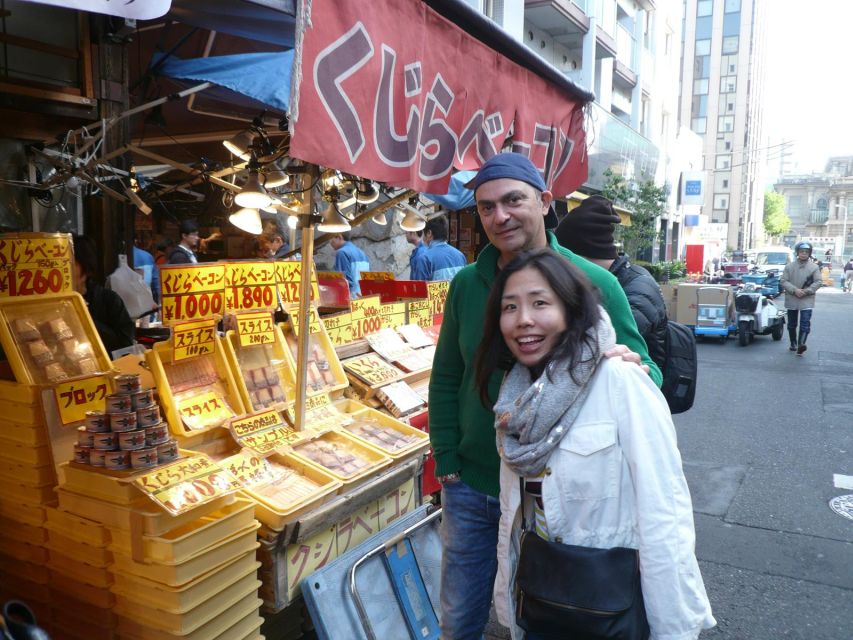
The meeting point is simple to find. From Tsukiji Station on the Hibiya Line, take Exit A1, turn left, and walk about 50 meters to the temple entrance. Meet your English-speaking guide in front of the temple, not inside it.
That location is more than a convenient landmark. Tsukiji Hongwanji Temple has a striking exterior unlike the wooden temple image many people carry in their heads. Its Buddhist design includes strong Indian-inspired features, giving the opening minutes of the tour a useful reminder that Japanese religious architecture has absorbed ideas from outside Japan.
You view the temple from the exterior on this activity. The visit is brief, so this is not a temple tour in the usual sense. Its value is as an introduction to the connection between faith, food, and the neighborhood around it.
The meeting point also helps you get your bearings before entering the market. Tsukiji’s lanes can be confusing, especially when shoppers, workers, delivery activity, and food lines all share limited space. A guide at the front saves you from spending your first 20 minutes simply trying to find the right entrance.
Other walking tours in Tokyo people book:
- Tokyo Tsukiji Fish Market Food and Culture Walking Tour
★ 5.0 · 3,184 reviews - Tokyo: Imperial Palace and Shogun Historical Walking Tour
★ 5.0 · 2,251 reviews - Tokyo: Shinjuku Local Bar and Izakaya Guided Walking Tour
★ 4.9 · 1,794 reviews
Walking into Tsukiji Outer Market
The tour then moves into Tsukiji Outer Market, the part of Tsukiji most food-focused visitors can explore. This is not the old inner wholesale market experience, so you should book it for the Outer Market streets, food shops, restaurants, and working vendors described here.
You will pass stalls selling unusual products, prepared foods, seafood, meat, and cooking ingredients. The point is not simply to photograph colorful displays. Your guide explains what you are seeing and helps you watch expert wholesalers and market workers as they handle their daily business.
That distinction matters. Tsukiji is a working food district, not a staged attraction built only for sightseeing. You need to stay aware of people carrying goods and of the group around you. Comfortable shoes are listed as essential, and I would take that advice seriously. The walk lasts two and a half hours, with plenty of standing and movement through crowded streets.
The guide adds real value here. Several guides have been praised for answering questions about Tokyo, the market, and Japanese food, while helping with purchases beyond the included tastings. Yumi has been singled out for guiding the group through busy lanes and arranging food stops. Nori has helped with translation and even assisted with getting back to a hotel after the tour. Minoko and Rico have also led tours that included cultural explanations and personal help.
Those names do not mean you can request a particular guide, but they show the sort of role the guide is expected to play. This is not a walk where you simply follow a flag from one stall to the next. The guide acts as translator, food interpreter, and traffic manager.
Seven tastings that work as breakfast
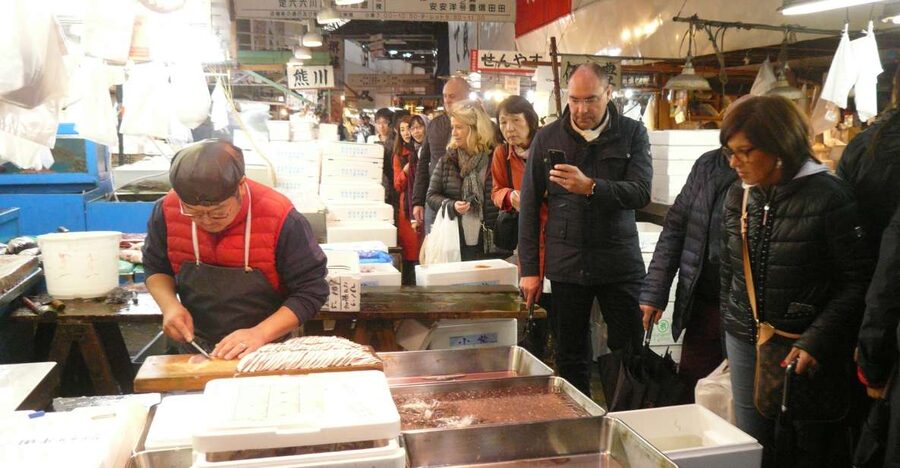
The central reason to book is the food. The tour includes seven local specialties, and the exact order depends on what is available and how the group moves through the market.
The listed tastings include:
- Grilled seafood or beef skewers
- Japanese-style omelette
- Tuna sandwiches
- Fried fish paste skewers
- A drink
- Japanese tea
- Dashi soup stock
You may also encounter other small tastes during the walk. Past groups have tried foods such as mochi and onigiri, but I would treat those as possible additions rather than guaranteed parts of the advertised seven.
The skewers are a useful introduction because they let you try food while walking, without committing to a full dish. Depending on the stop, you may receive grilled seafood or beef, including wagyu beef. The Japanese omelette offers a different texture and shows how a familiar ingredient can be prepared in a distinctly Japanese style.
The tuna sandwich may sound less traditional than grilled fish or dashi, but that is part of what makes the tasting list practical. You are not being offered seven versions of the same seafood dish. You get a range of flavors, textures, and everyday food styles.
Dashi is especially worthwhile for anyone interested in the base of Japanese cooking. A sample of soup stock is small, but it helps you notice the savory flavor used in many Japanese dishes. The tea tasting adds another everyday element, while the drink gives you a break from the food.
Come hungry. This is not a symbolic tasting tour where each person receives one bite at each stop. The portions can add up to a substantial breakfast, and some people have found they could not finish everything. Tell the guide early if you have limits, dislikes, or foods you do not want to try.
The strongest practical feature is flexibility. Guides have offered alternative tastings when someone did not want a particular food, and they have adjusted choices for picky eaters. That does not guarantee every dietary need can be met, but it is much better than being handed a fixed plate and left to manage it alone.
How the guide changes the market experience
A guide is most useful in Tsukiji when you want more than a snack crawl. You can walk through the market on your own, but you may not know what an ingredient is, how it is normally eaten, or which stall is best suited to a quick taste.
The English-speaking guide provides context about Japanese culture and the link between cuisine and religion. That broadens the experience beyond seafood. You begin with a temple, then move through a food district, so the tour connects the symbolic side of Japanese food with the practical work of selling, preparing, and eating it.
Translation is another major benefit. Guides have spoken with vendors on behalf of the group, helped people buy additional items, and made sure they received the food they intended to order. If you want to purchase something outside the included tastings, this assistance can save time and prevent confusion.
The small group limit of 10 is well judged. Ten people is still large enough to create a social outing, but small enough for questions and quick decisions. Some departures may have fewer people, and at least one past group found itself on a private tour. You should not count on that, but a smaller-than-maximum group is possible.
The guide style may vary. English ability has been described as easy to follow in some cases and harder to understand in another. The activity is conducted in English, but accents and market noise can make communication less clear at times. If cultural explanation is your top priority, stay near the guide and ask questions when the group pauses.
Other market mornings in Tokyo:
- Tokyo: Tsukiji Fish Market Food and Walking tour
★ 5.0 · 1,724 reviews - Tokyo: Tsukiji Fish Market Guided Walking Tour
★ 4.9 · 1,397 reviews - Tokyo Sushi Making Class in Tsukiji with Professional Chef
★ 5.0 · 1,177 reviews - Tsukiji Fish Market Guided Tour and Sushi Making with Pro Chef
★ 5.0 · 775 reviews
What makes the timing useful
The activity lasts 150 minutes. That is long enough to cover the temple exterior, explore several market areas, and complete seven tastings without turning the outing into an all-day commitment.
It is also scheduled as breakfast, which makes the timing practical. You can eat your way through the market, finish the tour, and still have much of the day available for another Tokyo sight. One useful feature is that the walk ends early enough for you to continue exploring Tsukiji on your own.
Do not expect a relaxed restaurant breakfast. You are moving between stalls and food counters, often eating small portions while standing. That is part of the market experience, but it may not suit you if you prefer a seated meal, a quiet pace, or a fixed menu.
The market can also be crowded. You will see lots of people, hear plenty of activity, and need to keep up with the group. The atmosphere is a strength if you want to see the area at work. It is a drawback if you want clean photographs without people or time to inspect every shop.
Is $85 a fair price?
At $85 per person, this tour costs more than simply buying breakfast in Tsukiji. The value comes from the combination of seven tastings, an English-speaking guide, translation, cultural explanation, and a small group capped at 10.
I would consider the price fair if you are new to Tokyo, uncertain about Japanese food, or want help navigating a busy market. The guide can save you from ordering blindly and can point out foods you might otherwise pass without noticing. The included tastings also cover enough variety to function as a full morning meal.
The value is weaker if you already know Tsukiji well, speak Japanese, or mainly want one or two inexpensive snacks. You can explore the Outer Market independently and choose your own purchases. In that case, you are paying mostly for interpretation, organization, and the social ease of having someone handle the details.
The flexible food choices improve the calculation for mixed groups. If one person loves seafood and another is cautious, the guide can adjust where possible. Families may find that especially helpful. A past family group appreciated having alternatives for a selective teenager, which made the market easier for everyone.
Who should book this Tsukiji walk?
I would recommend it to first-time Tokyo visitors who want a guided introduction to Japanese food without committing to a formal restaurant meal. It also suits curious eaters who want to try unfamiliar items but prefer help with ordering and translation.
Families, couples, and solo visitors can all fit the format. The small group makes it social without requiring a large coach-style outing. It is also useful for anyone who wants cultural background rather than a list of food names.
You should think twice if you have strict dietary restrictions. The tour can adjust tastings, but the supplied information does not promise a specific allergy-free or vegetarian menu. Contact the provider before booking if your needs are serious.
It may also be a poor match if you dislike crowds, standing, or eating on the move. The market is active and the food comes in several stops. Comfortable shoes are a must, and you should leave room in your morning for a substantial breakfast.
The tour is listed as wheelchair accessible, which is important for many visitors. Still, the market setting includes narrow, busy streets, so it is sensible to confirm any specific mobility needs before you reserve.
Final verdict on the Tsukiji breakfast tour
Book this experience if you want an easy, food-led introduction to Tsukiji and would rather have a local guide explain the market than work it out alone. The temple opening, seven tastings, translation help, and small group make it more useful than a simple walk through the stalls.
Skip it if you prefer complete independence, already know the market, or want a calm sit-down breakfast. At $85, the tour earns its price through guidance and variety, not through the raw cost of the food.
My practical advice is to reserve an early departure, arrive hungry, wear shoes you can walk in, and tell the guide what you will and will not eat at the start. After the 150-minute tour, keep exploring Tsukiji on your own. That final stretch is where you can browse at your own speed, buy souvenirs, or return to a stall that caught your eye.
FAQ

Where does the Tsukiji walking tour meet?
Meet in front of Tsukiji Hongwanji Temple. From Tsukiji Station on the Hibiya Line, take Exit A1, turn left, and walk about 50 meters to the temple entrance.
How long does the tour last?
The tour lasts 150 minutes, or two and a half hours.
What language is the tour conducted in?
The live tour guide speaks English.
How many people can join the tour?
The tour is a small-group experience limited to 10 participants.
What food is included?
The seven tastings include grilled seafood or beef skewers, a Japanese-style omelette, tuna sandwiches, fried fish paste skewers, a drink, Japanese tea, and dashi soup stock.
Is breakfast enough to fill you up?
The tasting portions can add up to a substantial breakfast, so you should arrive hungry.
Can the tastings be adjusted?
Guides have adjusted food choices when participants did not want particular items and have offered alternatives when possible. Specific dietary requirements are not guaranteed, so ask the provider before booking if you have strict restrictions.
Is the tour wheelchair accessible?
The activity is listed as wheelchair accessible. You should still confirm any specific mobility needs with the provider because the tour takes place in a busy market.
More walking tours elsewhere in Japan
- Tokyo: Asakusa Walking Tour with Sensoji Temple Visit
★ 4.8 · 1,583 reviews - Tokyo Castle & Imperial PalaceーShogun Walking Tour
★ 4.7 · 1,068 reviews - Tokyo: Imperial Palace Japanese History Walking Tour
★ 4.9 · 987 reviews - Tokyo: Imperial Palace and Shogun Walking Tour
★ 4.9 · 935 reviews
Just added in Tokyo
- The 10 Tastings of Tokyo With Locals: Private Street Food Tour★ 5.0 · 48 reviews
- Small Town in the Big City: Tasting Tokyo’s Kichijoji★ 5.0 · 195 reviews
- Small Town in the Big City: Tasting Tokyo’s Kichijoji★ 5.0 · 16 reviews
- EXCLUSIVE Tokyo Secret: Kichijoji Small-Group Food & Bar Hopping★ 5.0 · 29 reviews
- Explore Kichijoji: Walk Through One of Tokyo’s Beloved Districts★ 5.0 · 21 reviews
- :Tokyo,Shibuya/ Pro Photography in Kimono / English-Friendly★ 5.0 · 26 reviews
- 【R34】Tokyo:Private Daikoku tour in Modified R34★ 4.9 · 92 reviews
- Tokyo:Calligraphy &Make your original folding fan in Asakusa★ 5.0 · 62 reviews
Tsukiji & Toyosu Fish Market Tours, compared.
Tokyo Tsukiji Fish Market Food and Culture Walking Tour
Read our review →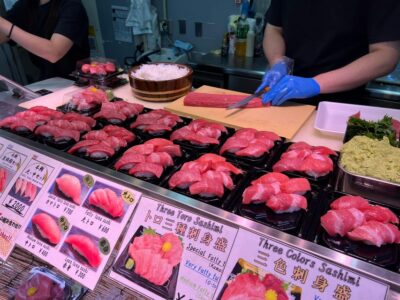
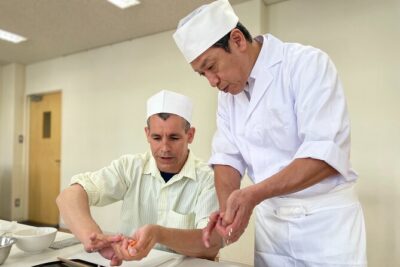
Tokyo Sushi Making Class in Tsukiji with Professional Chef
Read our review →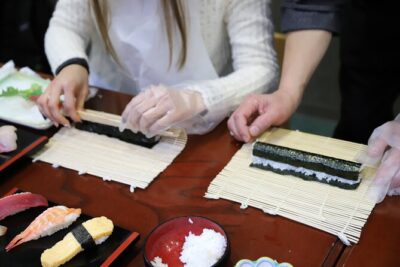
Tsukiji Fish Market Guided Tour and Sushi Making with Pro Chef
Read our review →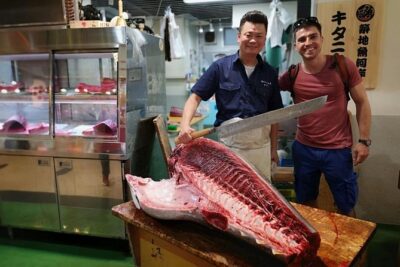
Tsukiji Fish Market Small-Group Food Walking Tour
Read our review →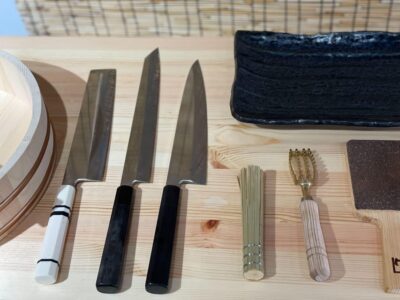
Tsukiji Fish Market Sushi Making Class with Pro Chef
Read our review →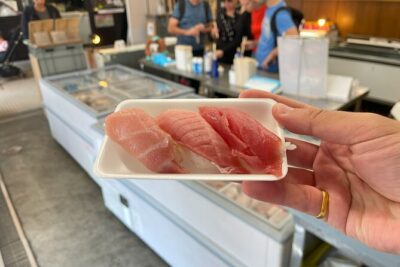
Tokyo Food Tour Taste Fresh Delights at Tsukiji Market
Read our review →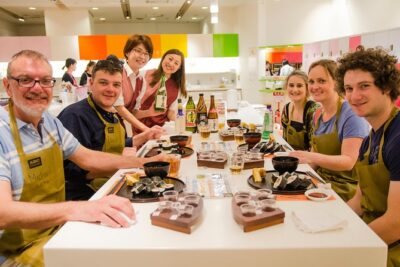
Tokyo Tsukiji Fish Market Tour and Sushi Making Lesson
Read our review →Browse the lists this tour appears in