
Reviewed · WALKING TOURS
Tokyo: Customizable Private Guided Walking Tour
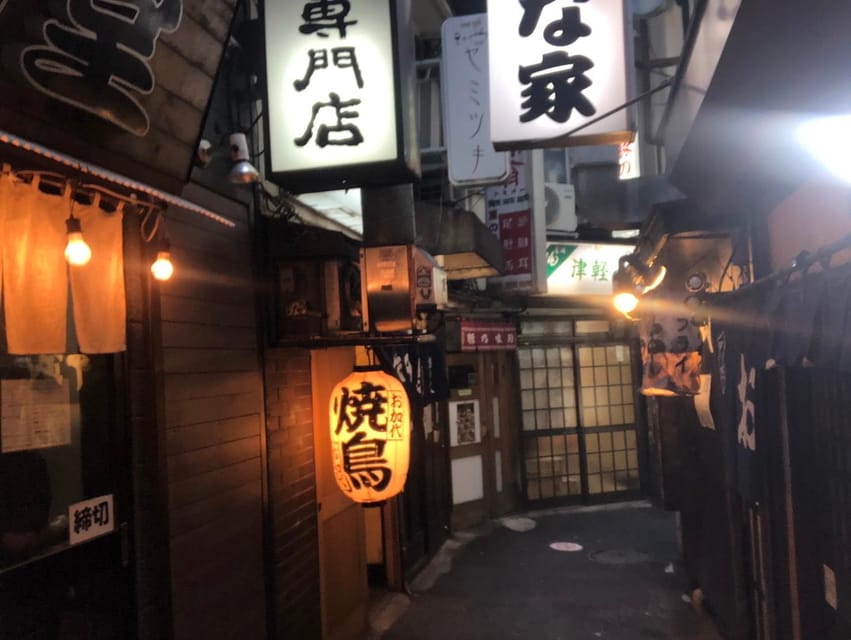
Tokyo is far easier to understand when someone shows you how its subway system works and explains what you are seeing along the way. This private four-hour tour lets you build the day around Tokyo Tower, the Imperial Palace, Shibuya Crossing, food, temples, shopping, or quieter streets. Guides such as Mika, Brian, Lauren, and Niza have shaped outings to fit very different interests.
I like the genuine flexibility and the useful subway coaching. I also like the hotel pickup on foot, especially when Tokyo is still a maze of train lines and station exits. The main drawback is distance: Tokyo’s sights are spread out, so a four-hour tour can include a lot of train time, and the price does not include transportation, food, or entry fees.
Key points at a glance
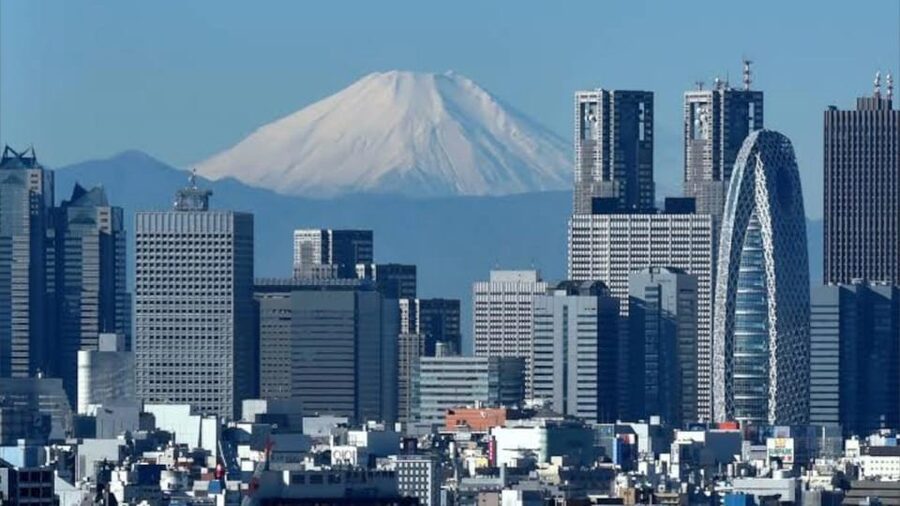
- A private route built around you: Choose major sights, food, temples, shopping, history, or less familiar neighborhoods.
- Subway help with real value: Guides including Jack, Brian, Mika, Shish, and Marco have taught visitors how to get around independently after the tour.
- A useful first-day introduction: You can meet at your hotel, get oriented, and learn how Tokyo works before exploring on your own.
- Personal attention from start to finish: The guide can adjust the pace, avoid crowded areas, or make room for physical limits.
- Food and local customs can shape the walk: Traditional restaurants, street food, kimono rental, and Japanese etiquette may all fit the plan.
- A brisk four hours: Expect plenty of walking, with train rides needed if you want to cover districts on opposite sides of the city.
A four-hour Tokyo plan that does not feel prepackaged
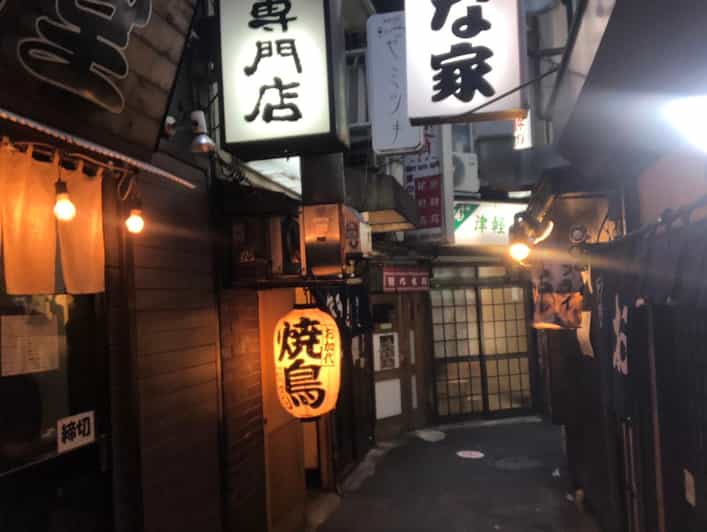
The best feature here is not a fixed route. It is the chance to tell your guide what matters most before setting out. You might ask for the Imperial Palace and Meiji Shrine, a lesson in Tokyo rail travel, a taste of local food, or a look at districts you would probably miss alone.
Your guide meets you at your hotel and begins on foot. That small detail matters. Instead of losing the first half hour finding a meeting point, you can start with a quick discussion of your interests and your comfort level. The guide then shapes the route around the time available.
Four hours is enough for a useful introduction, not enough for a grand tour of all Tokyo. If you want Tokyo Tower, the Imperial Palace, Shibuya Crossing, a temple, a meal, and a gallery in one outing, you may spend much of the time moving between areas. A focused plan works better.
Other walking tours in Tokyo people book:
- Tokyo Tsukiji Fish Market Food and Culture Walking Tour
★ 5.0 · 3,184 reviews - Tokyo: Imperial Palace and Shogun Historical Walking Tour
★ 5.0 · 2,251 reviews - Tokyo: Shinjuku Local Bar and Izakaya Guided Walking Tour
★ 4.9 · 1,794 reviews
Tokyo Tower, the Imperial Palace, and Shibuya Crossing
If you want the postcard version of Tokyo, your guide can build the outing around its most familiar sights. Tokyo Tower gives you a strong visual sense of the city, while the Imperial Palace offers a calmer setting and a link to Japan’s government and imperial past.
Shibuya Crossing supplies the jolt of modern Tokyo. It is a brief experience unless you add nearby streets, shops, or food, but it gives you a feel for the city’s scale and fast pace. Your guide can explain how to move through the area and point out places that are easy to miss amid the signs and crowds.
The important catch is admission. Any entrance costs are extra, as are trains, meals, and drinks. If you want to go up a tower or enter a paid attraction, say so early. That lets your guide judge whether the stop fits into four hours.
A guide can also help you choose between more sights and more time at fewer places. I would rather see two or three areas properly than spend the whole tour checking landmarks off a list. The private format makes that choice possible.
Temples, gardens, and streets with character
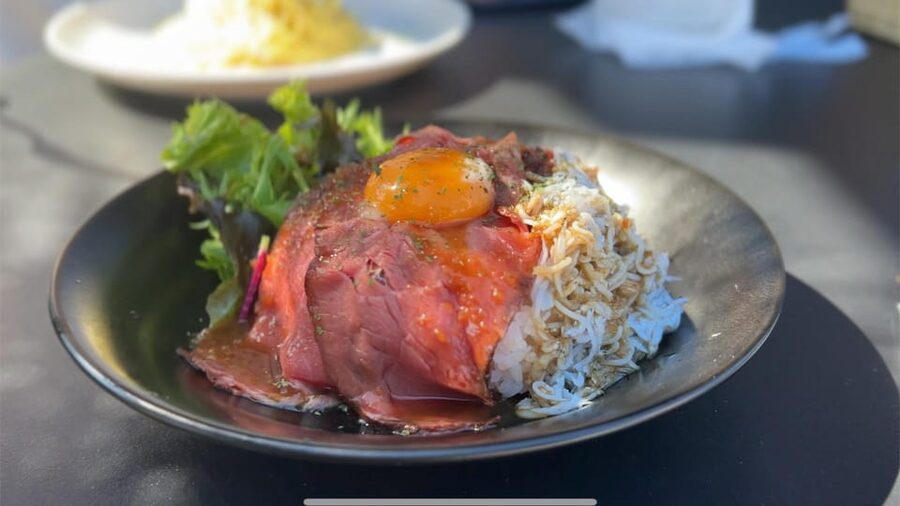
Tokyo’s appeal is the sharp change from noisy commercial streets to quiet religious sites and small lanes. You might include a Buddhist temple, a Shinto shrine, a garden, or an old neighborhood with traditional teahouses. These stops give context to the city beyond its towers and billboards.
Several guides have combined major areas with smaller cultural stops. One route included Tsukiji Fish Market, Ginza, Shinjuku Gyoen Park, a Buddhist temple, and a shrine. Another covered the Imperial Palace, Meiji Shrine, Takeshita Street in Harajuku, and Shibuya Crossing.
Those examples show how the tour can work, but they are not guaranteed stops. Your guide will work from your requests, time, and starting point. Tell the guide if you have already seen a famous district and want something different. The tour is most useful when you avoid spending four hours repeating places you have already visited.
The quieter locations also make better settings for questions. You can ask about religious customs, daily life, Japanese manners, or the history of the neighborhood without trying to keep up with a large group. Guides have explained both historical events and present-day social and economic life, which can help connect the places you see.
The subway lesson may be the real prize
Tokyo’s rail system can look intimidating, especially when several lines meet in a giant station. The tour includes no transportation, so you pay your own fares, but learning the system with a guide can be worth more than a single scenic stop.
Guides named Jack, Brian, Shish, Marco, Yohan, and Lucy have helped visitors read routes, board trains, change lines, and find their way back to their hotels. Some people finished the tour feeling ready to use public transportation alone. That is a practical gain you can use for the rest of your Japan trip.
Pay attention during transfers. One useful warning from a day with Lucy was to stay close to your guide in the subway. Tokyo stations can split a group quickly, especially when everyone is watching signs, gates, and platform numbers.
I would treat the rail lesson as part of the tour, not as dead time. If this is your first day in Tokyo, ask your guide to explain the route clearly and show you how to return to your hotel. You may not remember every station, but you will gain confidence.
Other guided walks in Tokyo:
- Tokyo: Tsukiji Fish Market Food and Walking tour
★ 5.0 · 1,724 reviews - Tokyo: Asakusa Walking Tour with Sensoji Temple Visit
★ 4.8 · 1,583 reviews - Tokyo: Tsukiji Fish Market Guided Walking Tour
★ 4.9 · 1,397 reviews - Tokyo Castle & Imperial PalaceーShogun Walking Tour
★ 4.7 · 1,068 reviews
Food, kimonos, and everyday Tokyo
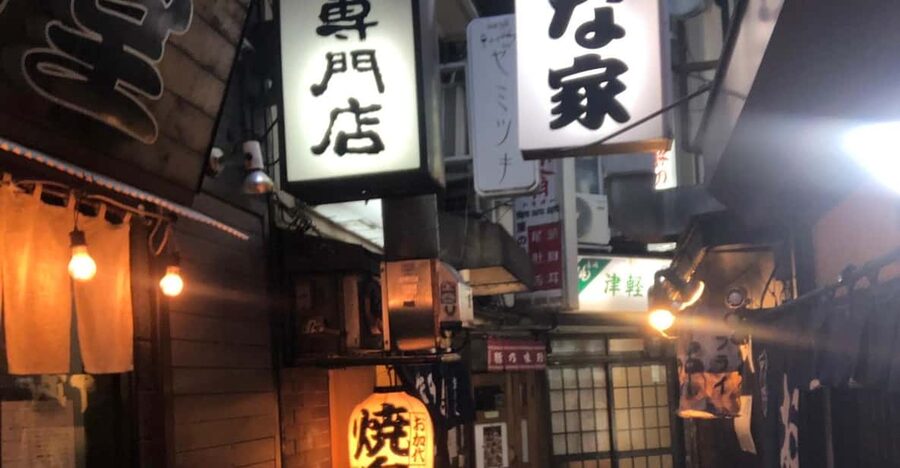
You can make the tour food-focused, but food and drinks are not included. Your guide can lead you toward street food, local shops, traditional restaurants, or a meal that matches your interests. One outing included okonomiyaki and karaage. Another took a visitor to a traditional Japanese restaurant.
This works best when you tell your guide what you already like, what you cannot eat, and how much time you want to spend at the table. A meal can easily take a large part of a four-hour tour, which may be exactly what you want or may mean dropping another district.
The food option is valuable because ordering and choosing a restaurant can be hard when you cannot read the menu or do not know local customs. Your guide can explain what you are trying and help the meal feel like part of the cultural experience rather than a rushed break.
You can also request a more visual cultural activity. Niza helped one visitor rent a kimono, visit parks and a shrine, and take photos during cherry blossom season. The kimono rental cost was separate, and this type of request needs to be discussed in advance, but it shows how personal the day can become.
Pop culture fits too. A guide took a visitor to the Pokémon Centre and then to playful Harajuku food stops, including panda ice cream parfaits and rainbow cheese. These choices will not suit everyone, but they are a good reminder that Tokyo is not only temples and imperial sites.
What the guides add to the experience
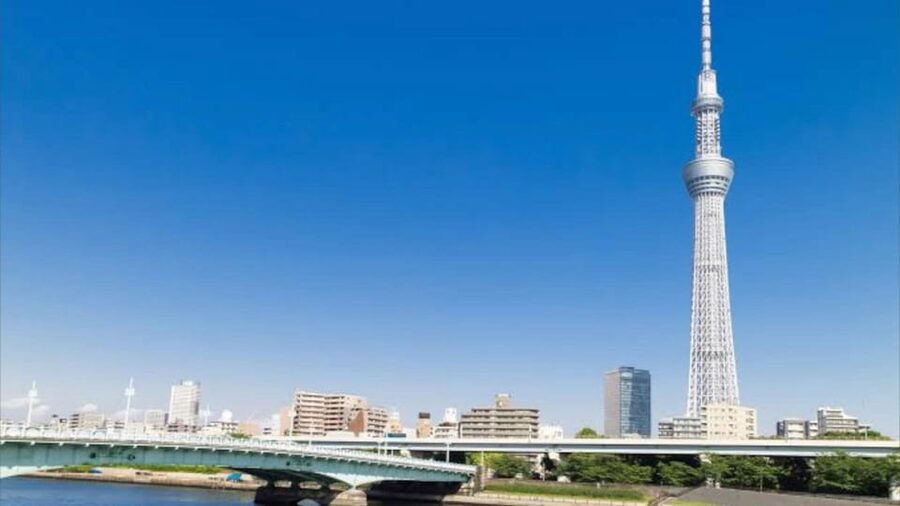
Because this is a private tour, the guide matters more than a standard script. The supplied guide names include Mika, Brian, Lauren, Niza, Trevor, Eduardo, Lucy, Juan, Matias, and others. You cannot assume a particular guide will be available, but you can state your interests clearly when booking or during pre-tour contact.
Mika helped arrange a reservation at a key location, adjusted the schedule, and took visitors to a traditional restaurant. Lauren contacted people before the tour to learn their interests and adjusted the pace during hot, humid weather. Eduardo shaped a route around an older visitor’s physical abilities and preference for less crowded places.
Those details point to the best use of the private format: be specific. Say if you want history, food, photography, shopping, rail practice, quiet streets, or famous sights. Also explain how fast you like to walk. A guide can adapt only when you give useful information.
The service can go beyond sightseeing. One guide, Bryan John Smith, helped find an English-speaking doctor when a companion became ill, accompanied the group to the appointment and pharmacy, then continued with Meiji Shrine and palace gardens. That was an unusual situation, not a promised medical service, but it shows why a responsive local guide can be valuable in a new city.
Walking pace, weather, and physical effort
This is called a walking tour, and you should take that seriously. You may walk through several neighborhoods, use stairs and stations, and spend time on your feet. One visitor described the pace as brisk, while another advised being ready to walk a lot.
The guide can adjust the pace. Lauren slowed the outing during very hot weather, and Eduardo designed a route around age and physical ability. The activity is wheelchair accessible, but Tokyo’s stations and streets can still make movement tiring, so explain your needs before the day begins.
Tokyo summers can be hot and humid. If you visit in that season, choose fewer stops and leave time for water and breaks. In cooler months, you may be able to cover more ground, but the four-hour limit still makes priorities important.
The activity is not suitable for people over 95 according to the booking information. For everyone else, the sensible approach is to plan an achievable route rather than ask for every major district in one morning.
What $87 buys you, and what it does not
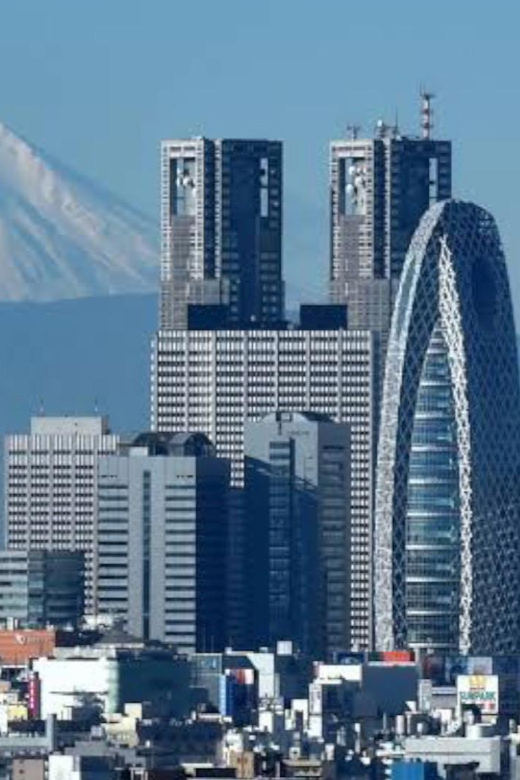
At $87 per person, this is not the cheapest way to see Tokyo. You still pay for trains, food, drinks, and admission fees. If you are happy using a map and public transit on your own, a private guide may feel expensive.
The value improves when two or more people share the experience and want the same kind of day. You are paying for a private guide’s time, hotel pickup on foot, personal planning, local explanations, and help with the rail system. You also avoid the fixed route and pace of a large group.
For a solo visitor, the price buys companionship and practical support as well as sightseeing. That can matter on a first day, especially if you want to eat somewhere local or feel uneasy handling Tokyo’s trains alone.
I would book it for a short stay, a first day, a special interest, or a group with different ages and walking speeds. I would skip it if your only goal is to visit one paid attraction, since the extra train rides and guide fee may not offer much advantage.
Booking details worth knowing before you go
The tour lasts four hours, with starting times based on availability. It is a private group experience, and live guiding is offered in English or Japanese. Hotel pickup and drop-off are on foot, so this is not a private car service.
Reserve now and pay later is available, which helps if your Tokyo schedule is still shifting. You can cancel up to 24 hours in advance for a full refund. These flexible terms are useful, but you should still decide your main interests early so the guide can prepare a sensible route.
At $87 per person, the price is easiest to justify when you use the guide as a local teacher, not just a person who points at monuments. Ask questions, practice the subway, request a food stop, and let the route change when a smaller street or local custom catches your attention.
Should you book this private Tokyo walk?
Book it if you want a personal introduction to Tokyo rather than a fixed checklist. It is especially useful for first-time visitors, solo travelers, families with teenagers, people who want food or culture, and anyone nervous about the train system.
Choose a focused plan. Ask for two or three priorities, not every famous sight. If you want Tokyo Tower and the Imperial Palace, add one nearby cultural or food stop rather than crossing the city several times.
Skip it if you already know Tokyo’s rail system, prefer independent wandering, or want a full day of paid attractions. For the right visitor, though, the strongest souvenir may be confidence: after four hours, you can leave with a better feel for Tokyo and a clearer idea of where to go next.
FAQ
How long is the Tokyo private walking tour?
The tour lasts four hours.
What sights can I request?
You can request places such as Tokyo Tower, the Imperial Palace, Shibuya Crossing, Meiji Shrine, Harajuku, temples, gardens, art galleries, food areas, and lesser-known neighborhoods. The route is adapted to your interests.
Is hotel pickup included?
Yes. Hotel pickup and drop-off are included on foot.
Are transportation costs included?
No. Transportation is not included, so you pay for train or other transport costs during the tour.
Are food, drinks, and entrance fees included?
No. Food, drinks, and entry costs are separate.
What languages are available?
The live tour guide is available in English or Japanese.
Is the tour private and wheelchair accessible?
Yes. It is a private group tour and is listed as wheelchair accessible.
Can I cancel the tour or pay later?
You can cancel up to 24 hours in advance for a full refund. Reserve now and pay later is also available.
Just added in Tokyo
- The 10 Tastings of Tokyo With Locals: Private Street Food Tour★ 5.0 · 48 reviews
- Small Town in the Big City: Tasting Tokyo’s Kichijoji★ 5.0 · 195 reviews
- Small Town in the Big City: Tasting Tokyo’s Kichijoji★ 5.0 · 16 reviews
- EXCLUSIVE Tokyo Secret: Kichijoji Small-Group Food & Bar Hopping★ 5.0 · 29 reviews
- Explore Kichijoji: Walk Through One of Tokyo’s Beloved Districts★ 5.0 · 21 reviews
- :Tokyo,Shibuya/ Pro Photography in Kimono / English-Friendly★ 5.0 · 26 reviews
- 【R34】Tokyo:Private Daikoku tour in Modified R34★ 4.9 · 92 reviews
- Tokyo:Calligraphy &Make your original folding fan in Asakusa★ 5.0 · 62 reviews
Walking Tours, compared.

Kyoto Geisha Walking Tour: Gion District & Hidden Gems
Read our review →
Tokyo Tsukiji Fish Market Food and Culture Walking Tour
Read our review →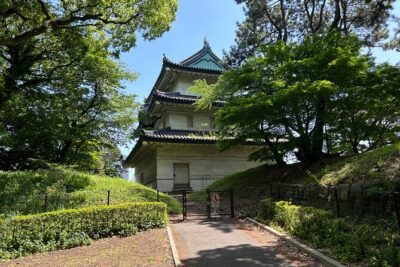
Imperial Palace and Shogun Historical Walking Tour
Read our review →
Gion Geisha District Walking Tour – Stories of Geisha
Read our review →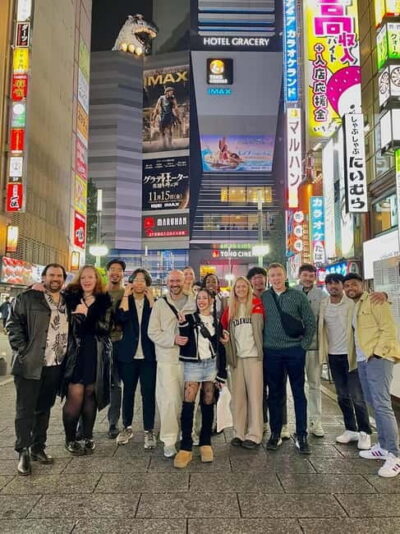
Shinjuku Local Bar and Izakaya Guided Walking Tour
Read our review →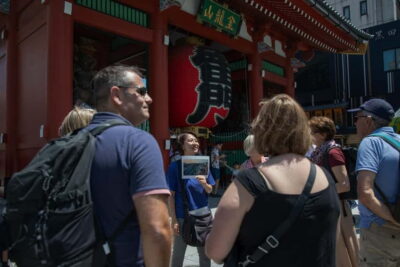
Asakusa Walking Tour with Sensoji Temple Visit
Read our review →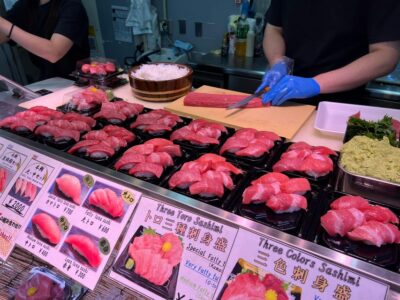
Nishiki Market Brunch Walking Tour (7 Tastings + Brunch)
Read our review →Browse the lists this tour appears in