
Reviewed · WALKING TOURS
Tokyo: Kichijoji Walking Tour with Local Guide
Kichijoji is one of the best places in Tokyo to trade neon and crowds for narrow food streets, leafy paths, and an easy local rhythm. The real prize is the combination of Inokashira Park and the Ghibli Museum, with a guide handling the tricky museum entry.
I like the small group size, capped at five, and the way the walk gives you context before you enter the museum. I also like that guides such as Mina, Daiske, Yuma, and Shinjo have helped guests find local food, answer culture questions, and handle the route with care.
The main drawback is price. At $88 per person, this costs much more than the museum admission alone, and lunch is not included. You are paying partly for access to a hard-to-book ticket, plus a guide and neighborhood walk.
Key points to know before booking
- Ghibli access is the main value: The tour includes museum admission and can be a practical option when buying a ticket independently proves difficult.
- Kichijoji feels different from central Tokyo: Sunroad, Harmonica Yokocho, and Inokashira Park show a calmer, more everyday side of the city.
- The group is genuinely small: A maximum of five people makes it easier to ask questions and keep up with the guide.
- Two hours inside the museum is self-guided: Your guide walks you there, then you explore at your own pace.
- Food can be part of the day, but lunch is not included: A snack is included, while lunch must be paid for separately. Some guides arrange local restaurant stops.
- Plan for walking: Comfortable shoes matter, and the tour runs rain or shine.
Why Kichijoji makes a smart Tokyo half-day
Tokyo can feel like a machine built for speed. Kichijoji gives you a useful change of pace without taking you far from the city. The neighborhood has shopping streets, tiny food spots, local restaurants, and a large park used by residents throughout the year.
That mix makes this tour more than a way to reach the Ghibli Museum. You get a short introduction to a part of Tokyo you might not choose on your own, followed by a major pop-culture attraction. I like that order. The neighborhood walk gives the museum a sense of place instead of making it an isolated stop reached by train and a quick taxi ride.
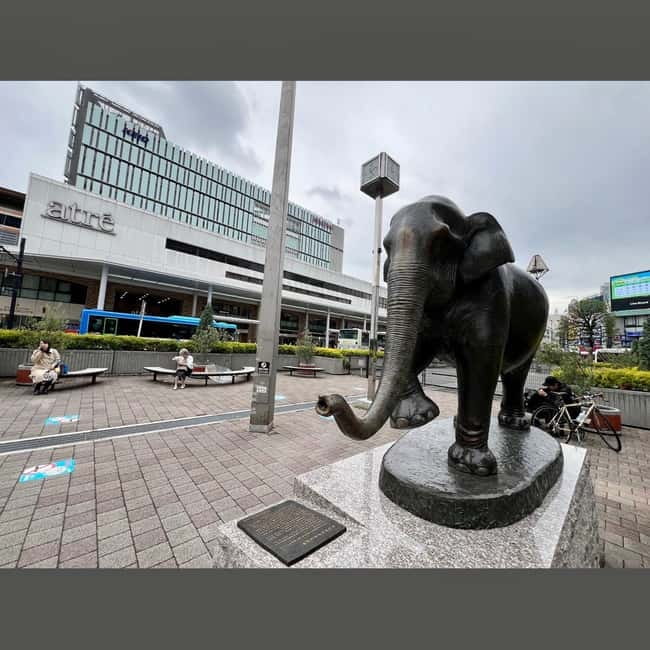
The tour begins at the Hanako Elephant Statue outside the north exit of Kichijoji Station. Look for a guide wearing a lanyard. Your guide should contact you through WhatsApp the day before, which is useful in a busy station where several meeting points can look alike.
The available guides vary. Mina has been praised for her friendly conversation and interest in local shops, restaurants, manga, and neighborhood life. Daiske has helped with meeting details, dietary needs, and group organization. Yuma, Shinjo, Miko, Chono, and others have also led departures, so the tone and language comfort may differ slightly from one date to another.
Other walking tours in Tokyo people book:
- Tokyo Tsukiji Fish Market Food and Culture Walking Tour
★ 5.0 · 3,184 reviews - Tokyo: Imperial Palace and Shogun Historical Walking Tour
★ 5.0 · 2,251 reviews - Tokyo: Shinjuku Local Bar and Izakaya Guided Walking Tour
★ 4.9 · 1,794 reviews
Kichijoji Sunroad, a gentle start among shops
From the meeting point, you walk for about 10 minutes before reaching Kichijoji Sunroad. The guided portion here lasts around 15 minutes.
Sunroad is a useful first stop because it gives you an immediate feel for Kichijoji as a shopping district. You can expect a covered street with shops and food options rather than a grand sightseeing monument. That is the point. Your guide can explain what you are seeing, point out places worth returning to, and help you understand how the neighborhood works.
This is also where a local guide adds the most value. You could walk through the street alone, but you would have to guess which places matter and how the area fits into daily life. Guides have shared suggestions for restaurants, manga, local customs, and small food stops.
Do not expect a long shopping session. The scheduled visit is short, and the tour has to reach the park and museum on time. If you see something you want to browse, note it for later rather than assuming you can stop for long.
Harmonica Yokocho and the appeal of narrow streets
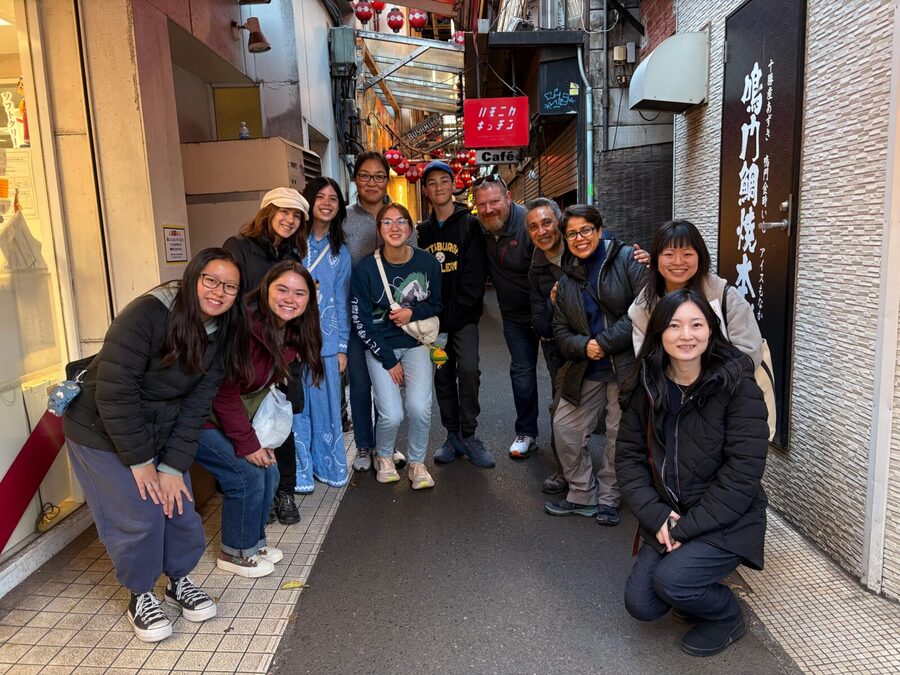
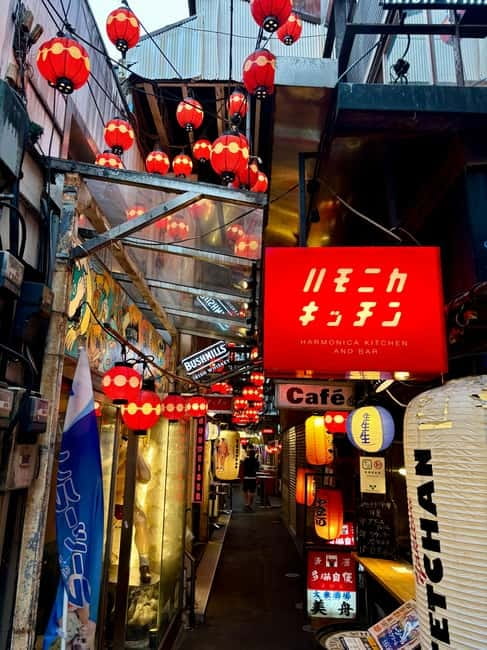
Next comes Harmonica Yokocho, another guided stop of roughly 15 minutes. The name fits the tight lanes, which resemble the rows of a harmonica. It is the kind of place that rewards a slow look: compact storefronts, food smells, and narrow passages that feel far removed from Tokyo’s wide station plazas.
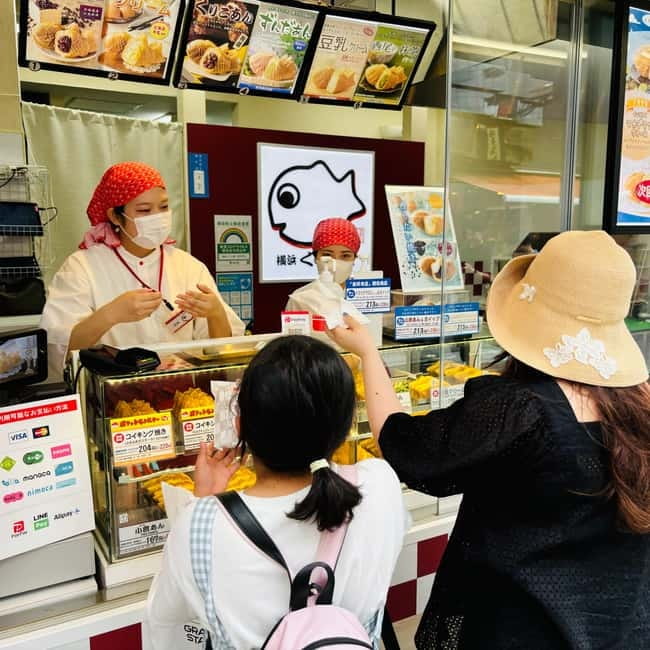
This section has a stronger food focus than Sunroad. Guides have introduced local snacks and restaurants, and several departures have included a fish restaurant, sushi, or other local dishes before the walk to the museum. A traditional snack such as taiyaki may also appear, and the advertised experience includes a snack.
Here is the practical catch: lunch is not included in the listed price. Some guests have had a substantial meal arranged during the tour, while the formal inclusions mention only a snack. Ask your guide what food is planned and what you will pay before ordering, especially if you have dietary restrictions. One guest specifically wished for clearer information before food was ordered, while another noted that vegetarian options were handled well.
I would treat any meal as a possible bonus, not as part of the guaranteed $88 package. Bring room in your budget and appetite, but do not book this solely as a food tour.
Inokashira Park, Tokyo’s breathing space
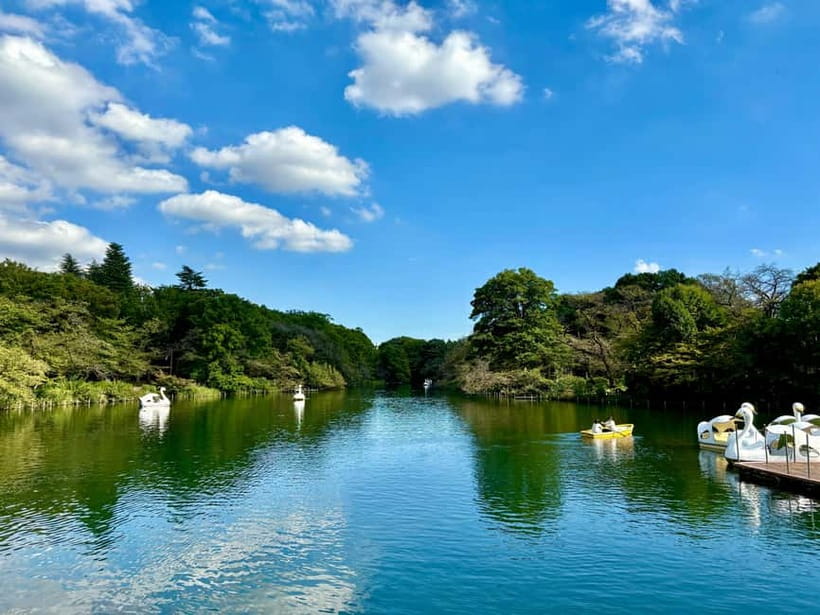
The walk then reaches Inokashira Park for about 30 minutes of guided time. This is the scenic heart of the route. The park gives you shade, open space, and a break from the station district before you enter the museum.
The park is popular with local residents throughout the year, and its lake adds a pleasant visual change after the narrow shopping lanes. One particularly useful detail from the route is the presence of swan boats on the water. You may also pass a shrine or other small cultural points, depending on the guide and exact path.
The park section is not a strenuous hike, but the route is still on foot. One guest described the walk to the museum as longer than expected for older parents, and the guide helped them find another way back to the station afterward. That is worth noting if someone in your group has limited walking stamina.
For most people, the walk is part of the attraction. You move from market streets to trees and water, then arrive at the museum with a better sense of the neighborhood. In hot, wet, or humid weather, though, comfortable shoes and water matter. The tour operates rain or shine, so bring appropriate clothing rather than hoping the forecast changes.
Other guided walks in Tokyo:
- Tokyo: Tsukiji Fish Market Food and Walking tour
★ 5.0 · 1,724 reviews - Tokyo: Asakusa Walking Tour with Sensoji Temple Visit
★ 4.8 · 1,583 reviews - Tokyo: Tsukiji Fish Market Guided Walking Tour
★ 4.9 · 1,397 reviews - Tokyo Castle & Imperial PalaceーShogun Walking Tour
★ 4.7 · 1,068 reviews
The Ghibli Museum, two hours at your own speed
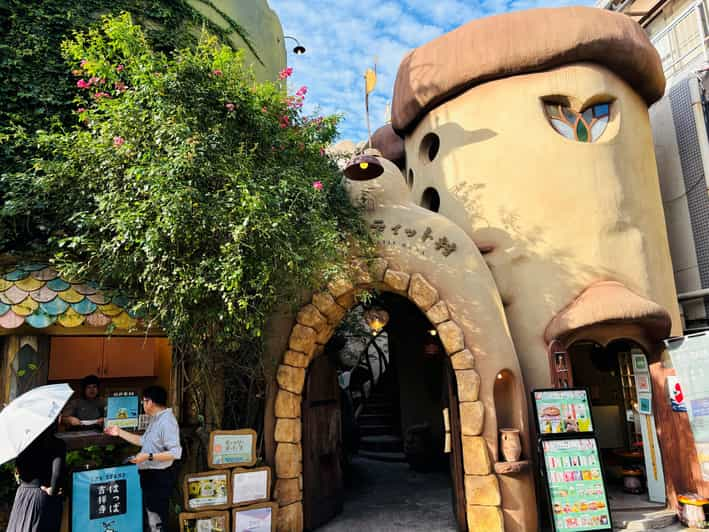
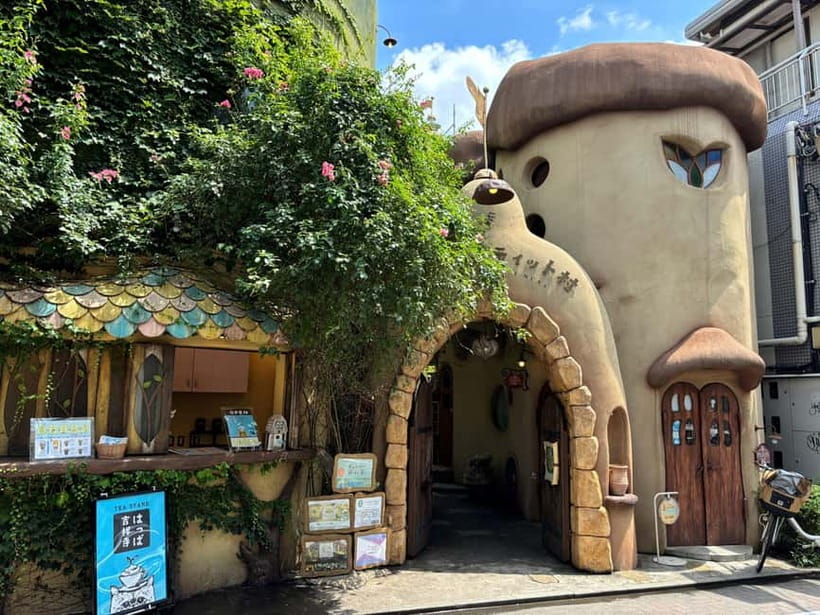
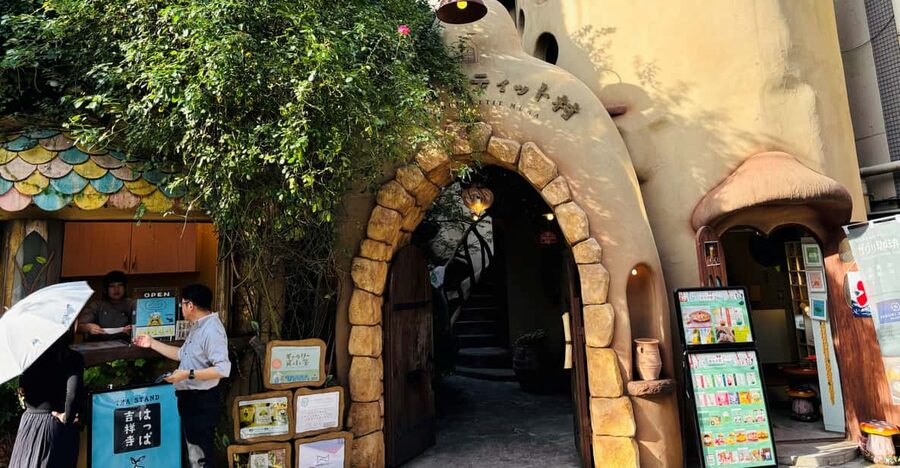
After another roughly 10-minute walk, you reach the Ghibli Museum. The planned visit lasts two hours, and you explore independently rather than following the guide through every room.
That arrangement works well. You can set your own pace, linger over exhibits, browse the shop, and decide how much time to spend outside. The museum is not huge, so two hours should be enough for many visitors to see the main areas without rushing. If you are a serious Studio Ghibli fan, you may still want every available minute.
Photography can be limited inside the museum, so do not expect to document the entire visit. Outdoor areas offer better photo opportunities. A useful tip is to leave time for the cafe and gift shop, though the exact route through the building is up to you.
The ticket is the biggest reason many people consider this tour. Ghibli Museum entry can be difficult to secure independently, and the tour provides admission as part of the booking. That does not make the museum large, and it does not turn the tour into a private museum visit. It simply removes one major planning problem.
If you are only mildly interested in Studio Ghibli, the museum may feel small for the price of the whole package. If films such as My Neighbor Totoro, Spirited Away, or Princess Mononoke are central to your Japan trip, the access alone may justify paying more.
What the $88 price really covers
At $88 per person, the experience is not a bargain if you compare it with a museum ticket alone. You are also paying for a four-hour walking tour, a live guide, a small group capped at five, a snack, and the convenience of having the museum entry arranged.
The price makes more sense for three types of people:
- You tried and failed to obtain a Ghibli ticket independently.
- You want a local introduction to Kichijoji rather than a direct museum visit.
- You prefer a guide to handle the station meeting point, neighborhood route, and museum arrival.
It makes less sense if you already have a Ghibli ticket or if you mainly want two hours inside the museum. In that case, you may prefer to explore Kichijoji independently and spend the savings on food.
The food situation deserves careful attention. Lunch is specifically excluded, but several tour departures have included restaurant visits or meals arranged by the guide. That difference may reflect the guide, date, or group plan. Confirm what is included before you sit down, and mention vegetarian needs or other dietary concerns early.
The guide makes or breaks the walking portion
The museum is fixed. The walking portion depends much more on the person leading it.
The strongest guide experiences described in the supplied material come from guides who are warm, flexible, and willing to answer questions beyond the formal route. Mina has been praised for feeling more like a friendly local companion than a stiff guide. Daiske has been careful with meeting instructions and dietary questions. Yuma has offered neighborhood history and local context, while Shinjo has used a translation app when needed and helped older participants adjust their plans.
The official languages are English and Japanese. Communication may be fully comfortable in English, or it may rely partly on translation tools, depending on your guide. That is not necessarily a problem, but if you need detailed historical commentary or polished English throughout, expectations should be realistic.
A small group helps. With only five participants, you can ask about restaurants, food customs, manga, shrines, or transport without shouting across a crowd. It also makes it easier for a guide to notice if someone is walking slowly or needs help with the route.
Who will enjoy this most
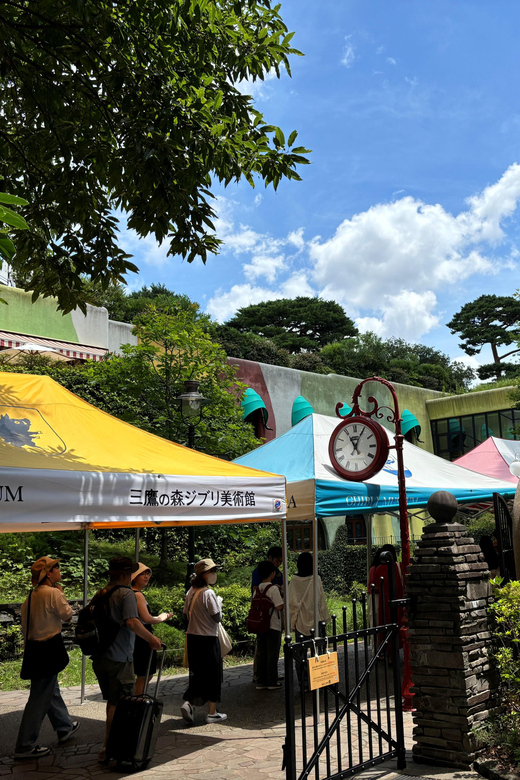
I would recommend this for Ghibli fans, families, couples, and first-time visitors who want a quieter Tokyo day. The route has enough variety to keep children interested: food streets, a park, a lake, and a museum with a strong visual style.
It also suits people who like local neighborhoods more than landmark checklists. Kichijoji is not presented as a formal historic district. Its appeal is everyday Tokyo, with shopping, snacks, restaurants, and a park that locals actually use.
You should think twice if you dislike walking, need a fully structured museum tour, or want a cheap way to see the Ghibli Museum. The four hours include several walks, the tour runs in all weather, and lunch costs extra.
The tour may also feel slow if you have already explored Kichijoji. In that case, the museum ticket remains useful, but you may not gain much from the guided shopping streets and park route.
Timing, comfort, and useful planning tips
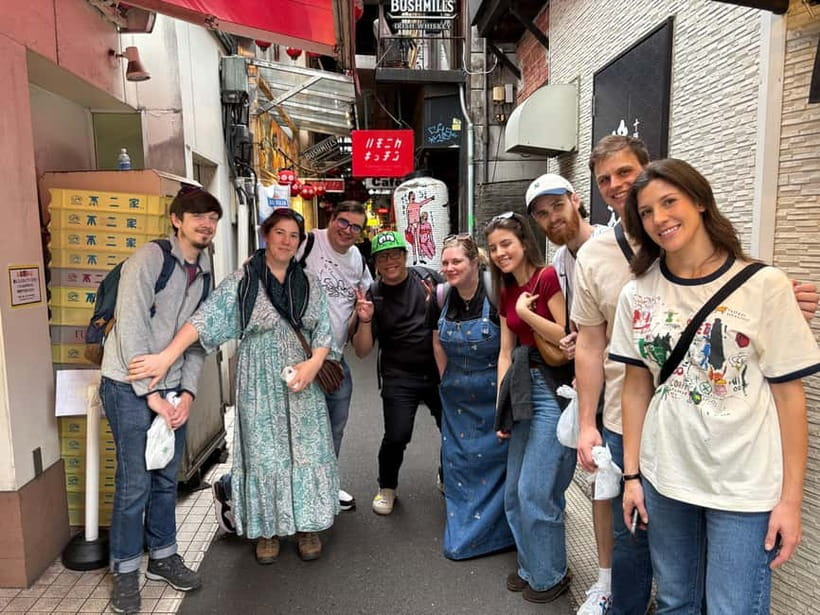
Wear comfortable shoes. That sounds basic, but this route includes the station area, shopping streets, park paths, and the walk to the museum. The advertised duration is four hours, with about two hours inside the museum and the rest spent walking and sightseeing.
Meet at the Hanako Elephant Statue near the north exit of Kichijoji Station. The guide should be wearing a lanyard and should contact you on WhatsApp the day before. Save the meeting information before leaving your hotel, and allow enough time to find the station exit.
The tour runs rain or shine. Bring an umbrella or rain jacket when needed, and expect warm conditions in summer. Smoking is not allowed during the activity.
Free cancellation is available up to 24 hours in advance for a full refund, and you can reserve now and pay later. Check the available start times for your chosen date, since the schedule can affect how the four-hour route fits with the rest of your day.
Should you book the Kichijoji Ghibli walk?
Book it if the Ghibli Museum is a priority and you want a little more than a ticket. The Kichijoji walk, Inokashira Park, small group, guide support, and snack give the museum visit a fuller shape. At $88, it is expensive compared with admission alone, but the price can feel fair when independent tickets are hard to obtain.
Skip it if you already have museum entry, want to explore at your own pace from the start, or are trying to keep costs low. For everyone else, this is a calm, well-paced way to pair a beloved Tokyo attraction with a neighborhood you might otherwise miss.
FAQ
How long does the Kichijoji walking tour last?
The experience lasts four hours. About two hours are reserved for exploring the Ghibli Museum independently, with the remaining time spent walking through Kichijoji, Harmonica Yokocho, and Inokashira Park.
Where does the tour meet?
Meet at the Hanako Elephant Statue outside the north exit of Kichijoji Station. Look for a guide wearing a lanyard.
Is admission to the Ghibli Museum included?
Yes. Ghibli Museum admission is included in the $88 per person price.
Can I explore the Ghibli Museum on my own?
Yes. After the guided walk to the museum, you have about two hours of free time to explore at your own pace.
Is lunch included?
No. Lunch is not included. A snack is included, and some departures may arrange a local restaurant stop, but you should confirm the food plan and budget separately for lunch.
What languages are available?
The tour is offered with live guides speaking English or Japanese. Communication may sometimes include a translation app, depending on the guide.
How many people are in the group?
The group is limited to five participants.
What should I bring?
Wear comfortable shoes because the experience includes several walking sections. The tour runs rain or shine, and photography may be limited inside the Ghibli Museum.
Just added in Tokyo
- The 10 Tastings of Tokyo With Locals: Private Street Food Tour★ 5.0 · 48 reviews
- Small Town in the Big City: Tasting Tokyo’s Kichijoji★ 5.0 · 195 reviews
- Small Town in the Big City: Tasting Tokyo’s Kichijoji★ 5.0 · 16 reviews
- EXCLUSIVE Tokyo Secret: Kichijoji Small-Group Food & Bar Hopping★ 5.0 · 29 reviews
- Explore Kichijoji: Walk Through One of Tokyo’s Beloved Districts★ 5.0 · 21 reviews
- :Tokyo,Shibuya/ Pro Photography in Kimono / English-Friendly★ 5.0 · 26 reviews
- 【R34】Tokyo:Private Daikoku tour in Modified R34★ 4.9 · 92 reviews
- Tokyo:Calligraphy &Make your original folding fan in Asakusa★ 5.0 · 62 reviews
Walking Tours, compared.

Kyoto Geisha Walking Tour: Gion District & Hidden Gems
Read our review →
Tokyo Tsukiji Fish Market Food and Culture Walking Tour
Read our review →
Imperial Palace and Shogun Historical Walking Tour
Read our review →
Gion Geisha District Walking Tour – Stories of Geisha
Read our review →
Shinjuku Local Bar and Izakaya Guided Walking Tour
Read our review →
Asakusa Walking Tour with Sensoji Temple Visit
Read our review →
Nishiki Market Brunch Walking Tour (7 Tastings + Brunch)
Read our review →Browse the lists this tour appears in