
Reviewed · CALLIGRAPHY & CRAFT WORKSHOPS
From Osaka: Sakai Knife Maker or Blacksmith Walking Tour
Sakai’s knife tradition feels most real when you leave Osaka’s busy center and walk into a working neighborhood. This 210-minute tour takes you from an old mochi shop to a craft museum, then behind the doors of Yamawaki Hamono or the De Sakai forge, depending on the day.
I like the mix of local food and working craft. The cinnamon and poppyseed mochi give the morning a friendly start, while the sharpening lesson and chance to order a custom knife make the experience useful, not just interesting. The main drawback is that the itinerary changes by weekday, and the museum can close on the third Tuesday of the month.
Key points to know before booking
- Wednesday is the blacksmith day: Visit Eric Chevallier’s old-style forge and, when conditions allow, try hammering glowing steel.
- Tuesday and Thursday focus on knife making: See blades become finished kitchen knives at Yamawaki Hamono.
- A mochi stop comes first: One traditional sweet is included, with extra food and drinks at your own cost.
- The sharpening lesson is hands-on: You learn the traditional Japanese method with guidance.
- Custom knives are optional: You can place an order and watch part of the making process.
- Plan for a three-and-a-half-hour walk: The route includes several short walks between Sakai Station, the sweet shop, museum, and workshop.
Why Sakai is the right place for a knife tour
Sakai sits south of Osaka and has long been linked with metalwork, tools, and kitchen knives. You do not come here for a grand factory show with polished floors and glass walls. The appeal is the chance to see craft in smaller, working settings where the guide can explain what the artisans are doing in front of you.
That setting also gives the tour a wider purpose. You learn how Sakai developed, how local trade shaped the city, and why Japanese kitchen knives are treated as serious tools rather than simple souvenirs. The walk helps connect the object in the shop window with the people and skills behind it.
The tour costs about $64 per person. I consider that fair if you care about Japanese food culture, handcraft, or buying a knife with a clear story behind it. The price covers the guide, museum visit, sweet, workshop access, shopping time, and sharpening lesson. It does not cover additional food, drinks, or your knife purchase.
Other walking tours in Osaka people book:
- Osaka: Hotspots & Hidden Gems Walking Tour Private or Group
★ 4.9 · 1,300 reviews - Osaka Local Foodie Walking Tour in Dotonbori and Shinsekai
★ 5.0 · 985 reviews - Osaka Bar Hopping Night Walking Tour in Namba (3 bars, 6 tastes)
★ 5.0 · 958 reviews
Starting at Nankai Sakai Station
The meeting point is Nankai Sakai Station, south of Osaka. The station is also the end point, so you can leave your purchases and return to the same general area after the tour. The exact meeting point can vary by booking option, so check the confirmation carefully.
Your guide leads you on foot. The first walk takes about 15 minutes, followed by short five-minute walks between the early stops. The final walk back to the station takes about 15 minutes. You should wear comfortable shoes, though this is not a strenuous hike.
Guides speak English and Japanese. Some, including Remy, Scott, and Jean-Yves, have led this route. French may be available, but it is not guaranteed on a shared tour. If French matters to you, contact the operator before booking rather than assuming the language will be provided.
The tour can run as a private or small-group experience. That matters here because the workshops are personal places, not large attractions. A smaller group usually makes it easier to hear the artisan, ask questions, and watch the work closely.
The sweet beginning at Yao Gen Raikodo
The first stop is Yao Gen Raikodo, an old-style Sakai sweet shop. You receive one sweet to eat during the tour, with the shop’s mochi among the memorable choices. Cinnamon mochi and poppyseed mochi have been especially popular with people taking this route.
This stop might sound unrelated to knives, but it works well. You meet a local maker, taste something tied to Sakai, and get a quick look at the city beyond its cutlery trade. The shop also gives your guide a natural way to explain local customs and the stories connected with the area.
Do not expect a full meal here. Extra food and drinks are not included, and the included sweet is a small snack. If you need a substantial breakfast, eat before meeting the group or plan lunch after returning to the station.
The sweet shop can also be useful at the end of the route. The tour team has helped sort out small shopping mix-ups there, and guides can point you toward food for afterward. One guide’s restaurant suggestion was praised as a particularly good way to finish the outing.
The Sakai Traditional Crafts Museum
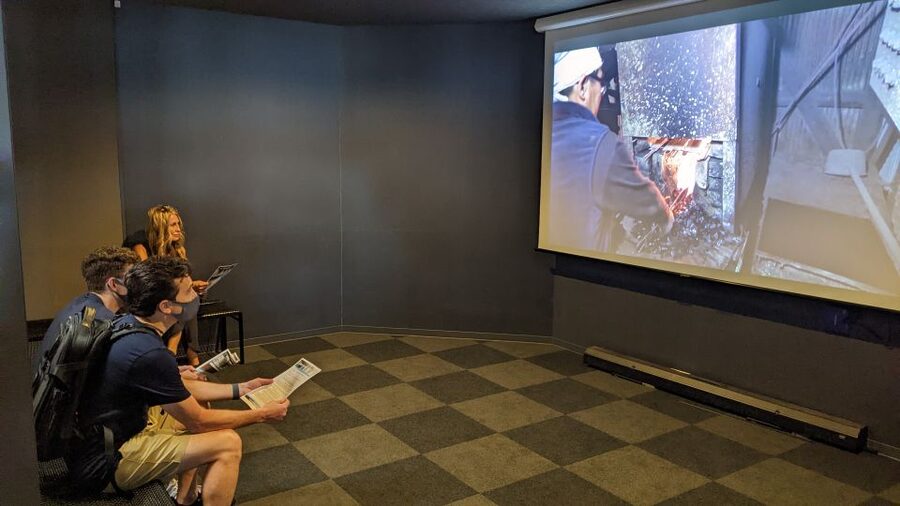
After a short walk, you reach the Sakai Traditional Crafts Museum and Knife Shop. You have about 30 minutes here for a visit and self-guided viewing. This is where the wider story of Sakai’s crafts comes into focus before you enter a working knife business.
The museum helps you understand terminology and production stages. That preparation makes the workshop visit more rewarding because you can recognize the difference between a forged blade, a sharpened edge, and a finished handle rather than watching a series of unfamiliar motions.
The museum may close for inventory on the third Tuesday of each month. If that happens, the guide takes you directly to the knife company and explains the cutlery background while walking and at the office. It is a practical backup, but if the museum is a major reason for booking, avoid that date when possible.
Other things to make with your hands in Osaka:
- Osaka Sushi Making Experience
★ 5.0 · 400 reviews - Osaka: Matcha Making Experience with Japanese Sweets
★ 5.0 · 146 reviews - Osaka Dotonbori: Sushi Making Experience
★ 4.9 · 122 reviews - Osaka: Private Japanese Calligraphy Experience
★ 5.0 · 66 reviews
Tuesday and Thursday at Yamawaki Hamono
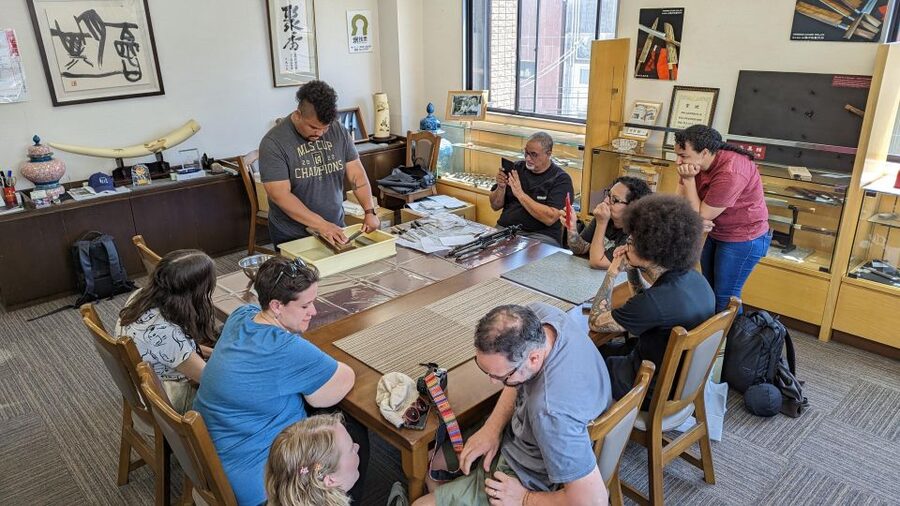
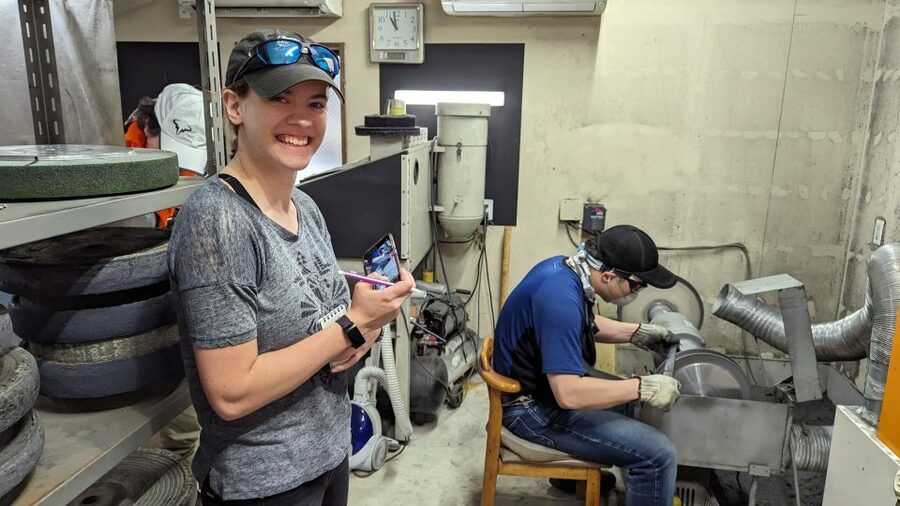
On Tuesdays and Thursdays, the tour visits Yamawaki Hamono, a knife-making company with more than 100 years of history. The shop receives raw blades directly from blacksmiths, then works on the stages that turn those blades into usable handmade cooking knives.
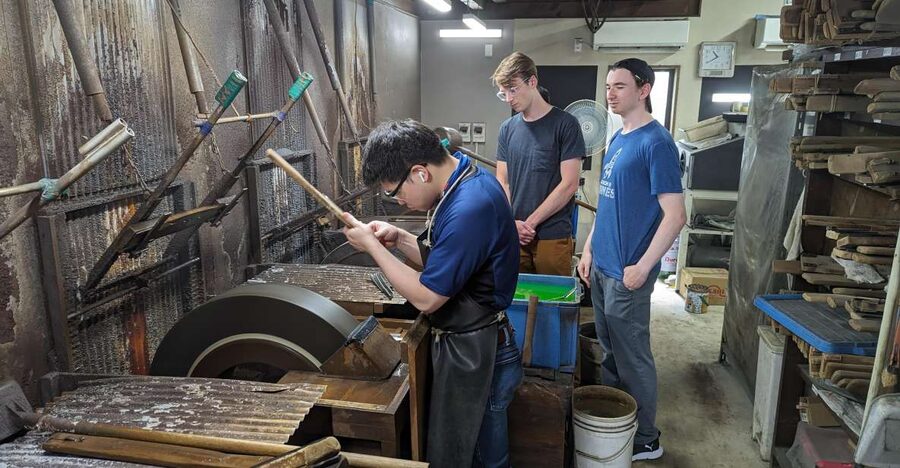
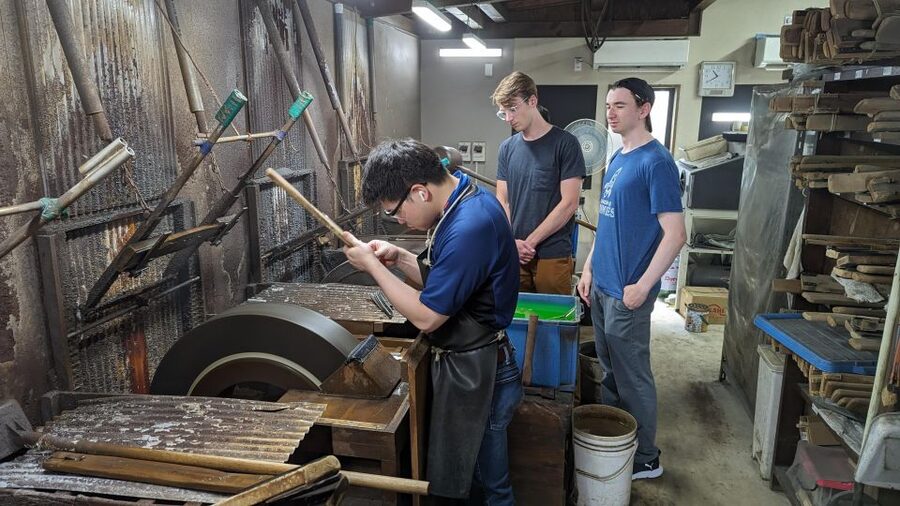
You see the sharpening station and main office, then watch how blades are shaped into kitchen tools. The scale is important. This is not simply a retail stop where you handle finished knives. The point is to see the work behind them and understand why a handmade Japanese knife costs more than an ordinary kitchen blade.
The guide helps translate the technical side into plain terms. You can ask about shapes, uses, sharpening, and the difference between a general kitchen knife and a specialist blade. One useful tip from the experience is to be clear about what you actually cook before buying. A beautiful knife is not automatically the right knife for your kitchen.
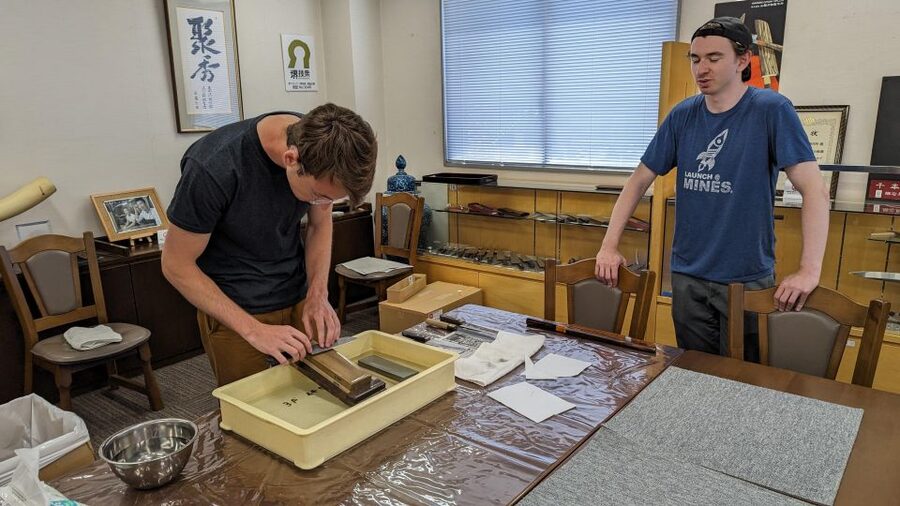
The sharpening lesson is one of the strongest parts of this option. You learn the traditional Japanese technique under supervision, rather than receiving a quick demonstration and being sent away. That makes the purchase more practical because you leave with some idea of how to care for the edge at home.
You can also order a customizable knife. Depending on your choices, this may include details such as the style of the knife or engraving, though the exact options should be confirmed at the workshop. The guide can help with the order and communication, which is useful when you are buying a specialist item in another language.
The factory visit is best for people interested in kitchen knives, not hunting or hobby knives. If you are hoping to see a broad range of outdoor blades, this is probably the wrong tour. The focus is Japanese cooking cutlery and the skills used to produce it.
Wednesday at the De Sakai blacksmith forge
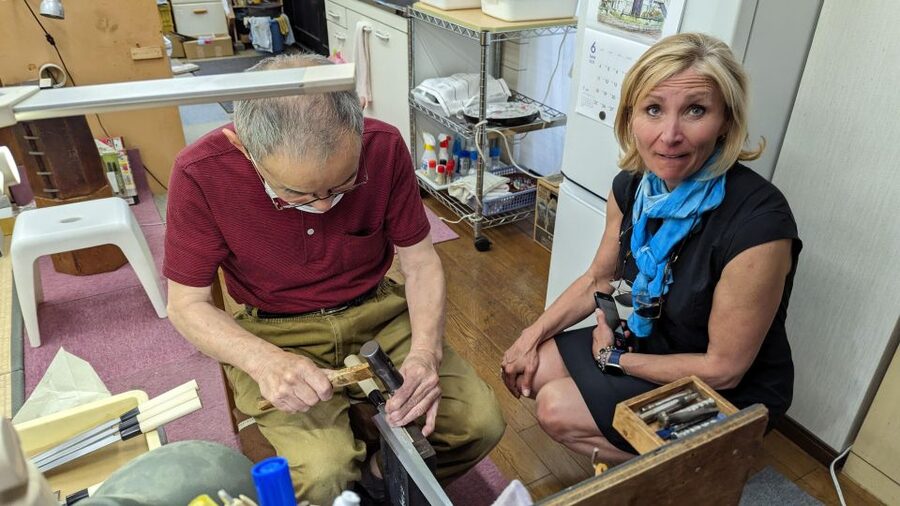
Wednesday follows a different path. You visit De Sakai, a blacksmith workshop, and learn about forging directly from the artisan. This is the more hands-on option, and it gives you a closer look at the earliest stage of knife production.
The blacksmith explains the process and techniques in English and French when the artisan is leading the explanation. The setting is described as a small, old-style workshop, which means the experience feels more intimate than a standard factory tour. You see how heated steel is worked and how the artisan controls force, timing, and shape.
The most memorable possibility is trying to hammer glowing steel yourself. This is not a full blacksmith course, and the activity depends on the workshop’s conditions and instructions. Still, even a short turn at the anvil helps you understand how much control and stamina the craft requires.
This option usually suits you best if you want a direct encounter with the making process. It is less about choosing from finished products and more about seeing the artisan at work. You still have shopping time, but the central experience is the forge rather than the sharpening station.
The calendar matters. From March 6 through April 6, 2026, only the blacksmith option is available. During that period, Tuesdays and Wednesdays are also offered for the blacksmith experience at the knife-maker rate, which can be a useful discount. Confirm the exact date and price before you book because the schedule changes by season and weekday.
The difference between the two workshop options
The knife-maker and blacksmith visits are not interchangeable. Choose the knife-maker day if you want to understand sharpening, compare kitchen knives, and possibly order a custom blade. Choose the blacksmith day if you want to see forging and perhaps take a turn hammering hot steel.
Here is the practical comparison:
- Yamawaki Hamono: More attention to finished kitchen knives, sharpening, shopping, and custom orders.
- De Sakai: More attention to forging, the blacksmith’s working method, and the experience of shaping hot metal.
- Both options: Include the sweet shop, craft museum plan, local history, walking, guide service, and access to a specialist workplace.
Some people book the tour thinking they will see both the factory and forge. That is not the normal schedule. Your weekday determines the workshop, so check the calendar before paying.
What the walking route adds
The walking is not filler between attractions. Sakai’s knife trade makes more sense when you see it as part of an ordinary city rather than an isolated tourist site. The route moves through a less showy part of town, with the guide adding stories about local trade, crafts, and the city’s place near Osaka.
The total route lasts about 210 minutes. You walk for roughly 40 minutes in separate sections, with most of the time spent at the sweet shop, museum, and workshop. The pace includes stops and explanations, but you should still expect to be on your feet for much of the morning or afternoon.
This is a good choice if you want a break from Osaka’s crowded sights. It is also a poor fit if you dislike walking, have only a short window between trains, or want a fast shopping trip. The tour is built around context and conversation, not a quick purchase.
Buying a Sakai knife
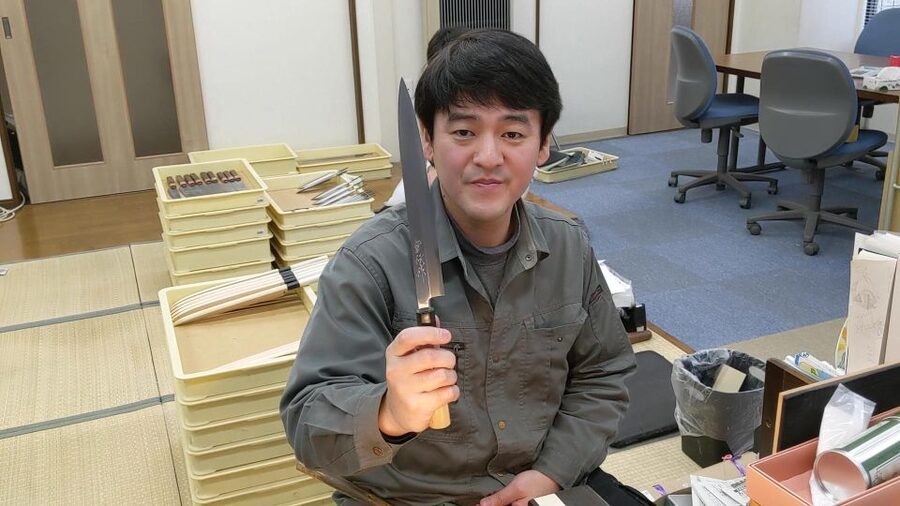
The chance to buy a knife is useful because you can ask questions before spending money. Your guide can help explain the choices, translate details, and make sure you understand the order. That support is worth more than simply finding a knife shop on your own.
Keep your expectations practical. A custom knife is an optional purchase, and shopping is not included in the tour price. You may find that the final cost varies by blade, finish, handle, or personalization. Do not feel pressured to buy. The tour still works if you only want to learn.
If you do buy one, ask how to care for it, what foods it suits, and how it should be sharpened. The sharpening lesson gives you a useful starting point, but you should still follow the maker’s instructions for the specific blade.
Bring your passport or another ID card. The activity information asks participants to carry identification, and you may need it for the purchase or related arrangements.
Guides, group size, and language
The guide is central to the experience because much of the value comes from interpretation. Remy has been praised for explaining Sakai’s past and knife making with enthusiasm. Scott is particularly good at keeping a mixed group involved and adding local suggestions. Jean-Yves has also led the tour with strong energy and clear explanations.
You may receive a different guide, so do not book solely around a particular name unless the operator confirms it. All guides can speak English. French-speaking guides are sometimes available, but shared tours cannot guarantee French, and the guide may need to switch between English and French.
A private or small-group booking is worth considering if you have detailed questions, need French confirmed, or are traveling with family. The tour is suitable for a teenager interested in craft, not only for serious cooks. A single person can book, but the tour needs at least two people to operate, so a solo booking can be canceled with a reschedule or refund if the minimum is not met.
The activity is listed as wheelchair accessible. Because the route includes several walks and workshop visits, confirm the exact arrangements with the operator if you need specific access support.
Who should book this Sakai experience?
I would choose this tour if you fit one or more of these descriptions:
- You cook often and want to understand Japanese kitchen knives.
- You enjoy watching skilled hands work with metal.
- You want a smaller local experience outside central Osaka.
- You like food history and traditional sweets as much as shopping.
- You want help choosing or ordering a Japanese knife.
- You are traveling with a partner or family member who likes craft.
I would skip it if your main goal is a broad knife market, outdoor blades, or a long hands-on blacksmith course. I would also avoid booking without checking the weekday, since the two workshop options offer very different experiences.
Should you book it?
Book this tour if you want the story behind a Japanese knife, not just the knife itself. The sweet shop, museum, walking route, and artisan visit create a well-shaped half-day, while the sharpening lesson or forge demonstration gives you something useful to remember and practice.
Choose Tuesday or Thursday for Yamawaki Hamono and the kitchen-knife focus. Choose Wednesday for De Sakai and the blacksmith experience. If you can only visit between March 6 and April 6, 2026, expect the blacksmith option only, and confirm the special weekday pricing before booking.
At $64, the experience offers good value for anyone who would otherwise spend time and money trying to find these workshops alone. The strongest reason to book is access: you enter working craft spaces and get translation, context, and buying help that would be difficult to arrange independently.
FAQ
Where does the tour start?
The tour starts at Nankai Sakai Station, south of Osaka. The exact meeting point can vary depending on the option booked.
How long does the experience last?
The tour lasts 210 minutes, or three and a half hours.
Which days visit the knife maker?
The Yamawaki Hamono knife-making visit is scheduled for Tuesdays and Thursdays.
Which day visits the blacksmith?
The De Sakai blacksmith visit is scheduled for Wednesdays. From March 6 through April 6, 2026, only the blacksmith option is available.
Is a sweet included?
Yes. One sweet is included at the traditional sweet shop. Extra food and drinks are not included.
Can I buy or customize a knife?
Yes. Shopping time is included, and you can optionally order a customizable knife. The knife purchase itself is not included in the tour price.
Is the tour available in French?
All guides speak English, and some guides also speak French. French cannot be guaranteed on a shared tour, so contact the operator before booking if you need a French-speaking guide.
Can I cancel the booking?
You can cancel up to 24 hours in advance for a full refund. The tour also offers a reserve-now, pay-later option.
More walking tours elsewhere in Japan
- Osaka: Deep Backstreets Walking Tour with Dinner Option
★ 4.9 · 902 reviews - Ultimate Osaka Walking Tour: Castle, Dotonbori & Hidden Gems
★ 5.0 · 862 reviews - Osaka: Main Sights and Hidden Spots Guided Walking Tour
★ 4.9 · 702 reviews - Private Osaka Walking Tour: Highlights & Hidden Gems
★ 5.0 · 569 reviews
Just added in Osaka
- Private arrival transfer from Kansai International airport to Kyoto City★ 5.0 · 32 reviews
- (Ticket Included) Explore Osaka Castle & Museum of History★ 4.8 · 21 reviews
- Hidden Osaka – Yukaku Red Light Tour & Culinary Adventure★ 4.8 · 96 reviews
- Osaka: Walking Tour and Top Highlights★ 4.8 · 104 reviews
- Pickleball in Osaka, Kobe & Kyoto with Locals!★ 4.7 · 80 reviews
- Osaka: Private Ceramic Painting Workshop★ 5.0 · 13 reviews
- Osaka:SUMO BEATS SHOWCASE: Taiko Drum and Wagyu burger!★ 4.2 · 37 reviews
- Eat Like a Local in Osaka – Private Custom Street Food Tour★ 4.3 · 33 reviews
Calligraphy & Craft Workshops, compared.
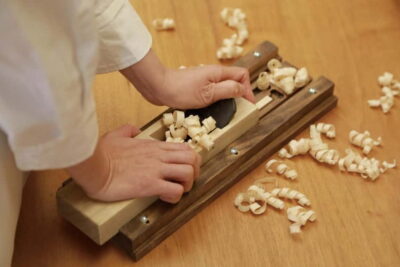
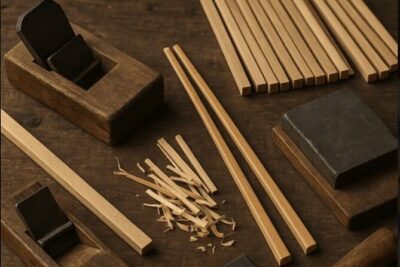
Chopsticks Making Workshop in Gion with Engraving Option
Read our review →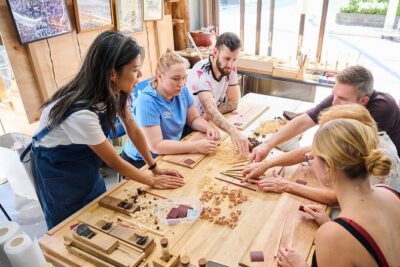


Matcha Making Experience with Mochi Sweets in Asakusa
Read our review →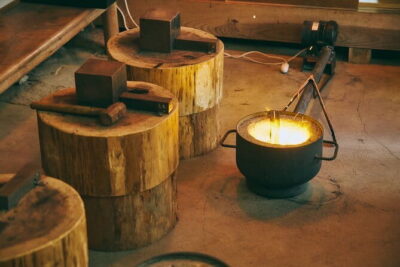
Authentic knife making experience at a blacksmith in Kyoto
Read our review →
Calligraphy class at Buddhist temple in city center
Read our review →Browse the lists this tour appears in