
Reviewed · WALKING TOURS
Tokyo: Secret Food Walking Tour
Tokyo’s food culture is best understood one small plate at a time. This three-hour Ueno food walk takes you from fresh sushi to gyoza, yakitori, sweets, matcha ice cream, and one secret dish, with a local guide explaining what you are eating and how it fits into Japanese life.
I like two things here. First, the stops are varied, so you are not eating six versions of the same meal. Second, the route leads you into local shops and a standing eat-and-drink spot that you might not choose on your own. The possible drawback is that the history and neighborhood commentary may be lighter than the food. This is mainly a tasting tour, not a full Ueno sightseeing walk.
Key points to know before booking
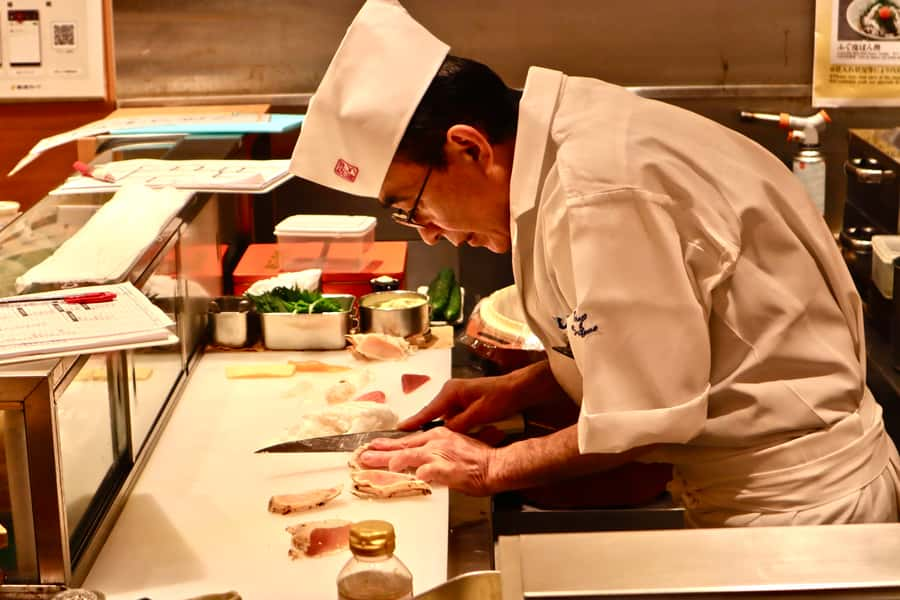
- Sushi starts the meal: Begin at a popular shop for freshly made sushi before walking away from the station.
- The menu keeps changing pace: Gyoza, yakitori, a drink, sweets, matcha ice cream, and a secret dish create a full meal rather than a few samples.
- The standing restaurant is part of the fun: Yakitori is served in a tachinomiya, where you eat and drink standing up.
- Come very hungry: The food is generous enough that even a young adult can feel full before the tour ends.
- Guides make the difference: English-speaking hosts have included Shonan, Natsumi, Kaho, and Kyoko.
- It begins and ends at Ueno Station: Meet outside the JR Central Gate near the Hard Rock Cafe and return to the same point.
Why this Ueno food walk works
At $150 per person, this is not a cheap way to grab lunch. It is a guided meal with several stops, drinks, local explanations, and the convenience of having someone lead you through places that may be hard to find or order at without Japanese.
I see the value in it if you are new to Japanese food or want a friendly first afternoon in Tokyo. You get a broad tasting menu and an introduction to several types of casual dining in one outing. You also avoid spending time guessing which shop is worth entering.
The value is less clear if you already know Tokyo’s food scene well and enjoy finding restaurants on your own. The tour does not include transportation, and the price does not cover a major attraction or formal cooking lesson. You are paying for access, guidance, food, and the social rhythm of the walk.
The overall rating is 4.7 from 38 reviews, with especially strong praise for the food variety, generous portions, friendly guides, and unusual local stops. Those are the parts I would use to judge the tour. The one recurring caution is that the area history and food background can be brief, so serious history buffs may want another walking tour as well.
Other walking tours in Tokyo people book:
- Tokyo Tsukiji Fish Market Food and Culture Walking Tour
★ 5.0 · 3,184 reviews - Tokyo: Imperial Palace and Shogun Historical Walking Tour
★ 5.0 · 2,251 reviews - Tokyo: Shinjuku Local Bar and Izakaya Guided Walking Tour
★ 4.9 · 1,794 reviews
Meeting at JR Ueno Station
The starting point is inside the JR Ueno Station building, outside the JR Central Gate. Look near the entrance to the Hard Rock Cafe, but take care: the cafe has several entrances.
The correct spot is near the entrance on the opposite side of the bakery called Andersen. Your guide carries a Secret Tours orange umbrella, which should make the meeting point easier to spot.
If the station feels confusing, show a local person this Japanese text:
JR上野駅 中央改札外のハードロックカフェ入口付近
That means the area near the Hard Rock Cafe outside the JR Ueno Station Central Gate. Build in a few extra minutes. Ueno Station is large, and a rushed start is no way to begin a food tour.
The route ends back at the same meeting point. That is useful if you have plans afterward, since you do not need to work out how to get back across Tokyo.
Fresh sushi as the opening course
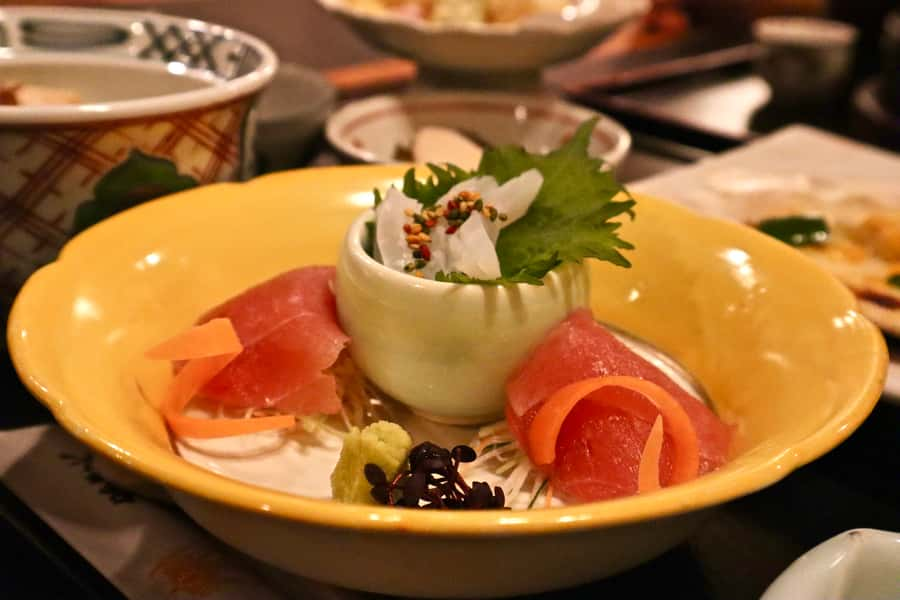
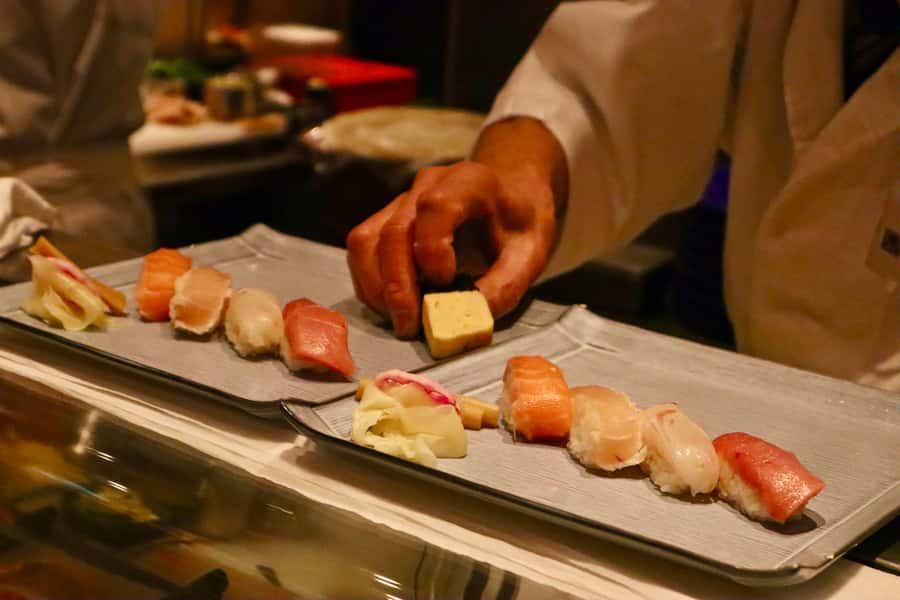
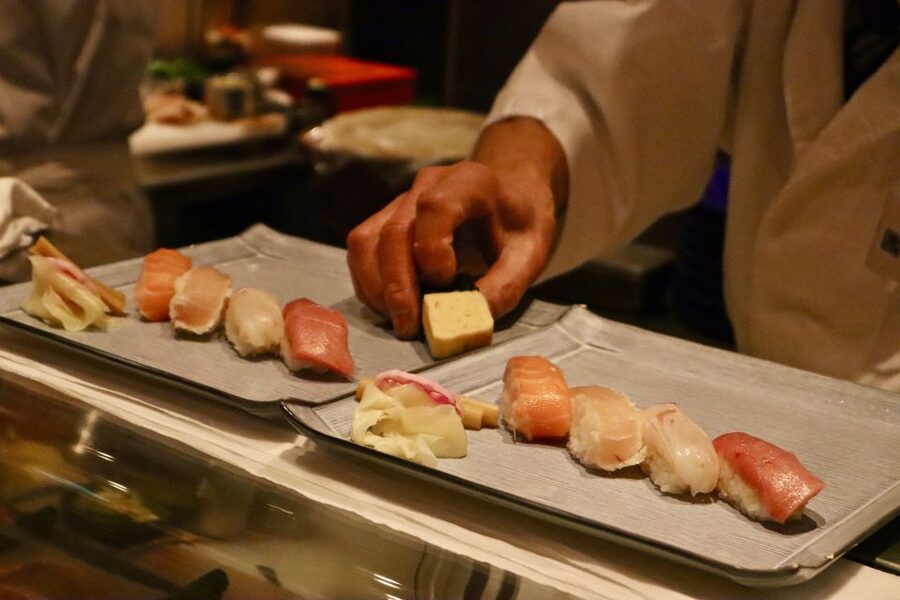
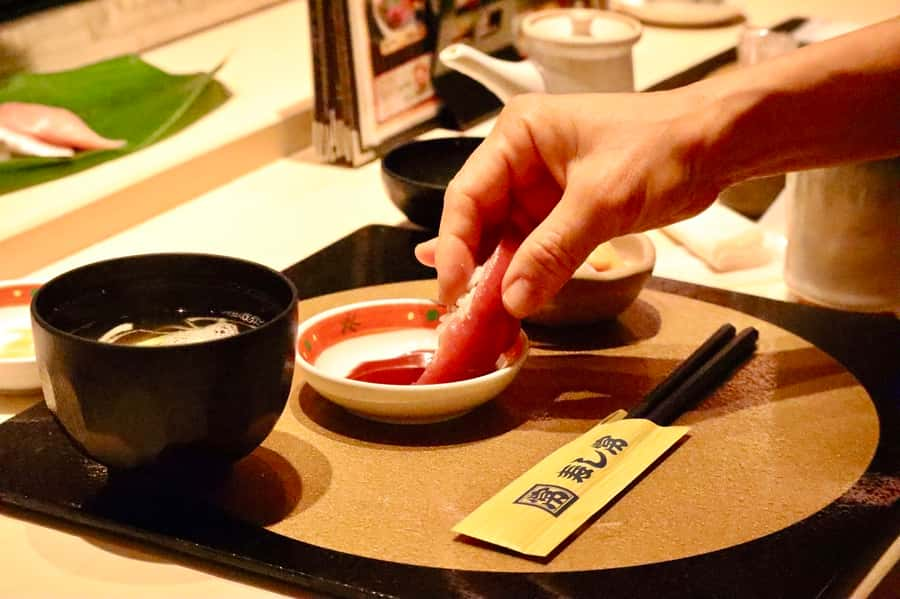
The first stop is a popular sushi shop for freshly made sushi. Starting with sushi gives you an immediate taste of a Japanese staple, but it also sets the pattern for the tour: small stops, different settings, and food selected for you rather than chosen from a long menu.
Your guide can explain the food scene and local customs as you begin walking. For a first visit to Japan, this opening course gives you a useful reference point for later meals. You can compare the clean, simple appeal of sushi with the stronger seasoning and crisp texture of the dishes that follow.
There is one timing point worth noting. One person suggested a later start because the first restaurant opens at 11:00 a.m. That means the exact meeting time can matter, although the listed experience does not provide a fixed start time. Check your booking details carefully and avoid arriving so early that you are waiting around hungry.
Gyoza in the downtown district
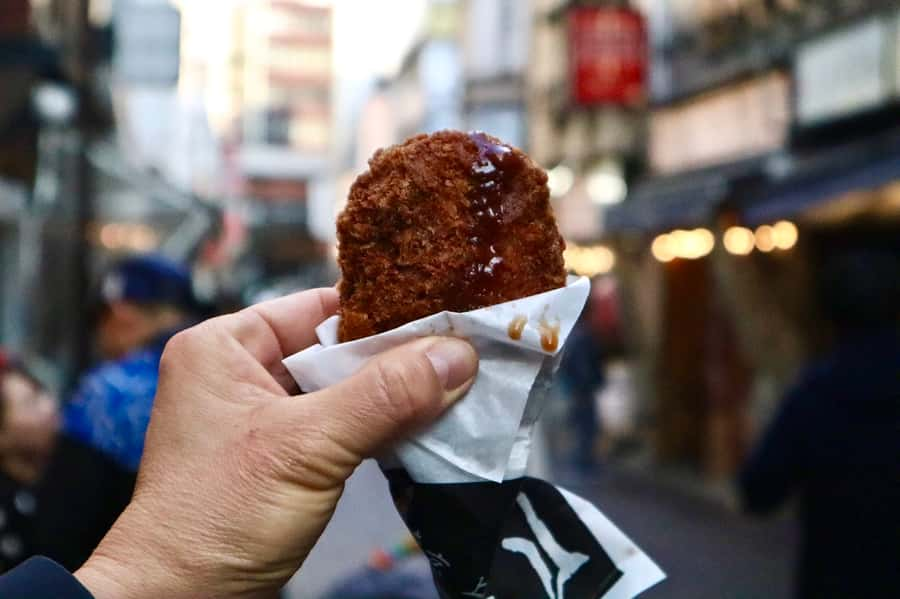
After leaving the station area, the group heads toward the downtown district for gyoza. These are fried or steamed dumplings filled with minced meat and vegetables.
Gyoza is a good second stop because it shows another side of everyday Japanese food. The dumplings are familiar enough for first-time visitors, but the cooking method and local shop setting make them different from the versions you may know at home.
I like this part of the route because it is practical. A guide can help explain what makes the dish Japanese, how it is prepared, and how it fits into casual dining. You are also moving through the neighborhood between bites, so the tour does not feel like sitting in one restaurant for three hours.
Still, do not expect a full neighborhood history lesson at every stop. The food comes first. If you want detailed facts about Ueno’s temples, markets, and historic streets, add separate sightseeing time before or after this experience.
Other guided walks in Tokyo:
- Tokyo: Tsukiji Fish Market Food and Walking tour
★ 5.0 · 1,724 reviews - Tokyo: Asakusa Walking Tour with Sensoji Temple Visit
★ 4.8 · 1,583 reviews - Tokyo: Tsukiji Fish Market Guided Walking Tour
★ 4.9 · 1,397 reviews - Tokyo Castle & Imperial PalaceーShogun Walking Tour
★ 4.7 · 1,068 reviews
Yakitori and a drink at a tachinomiya
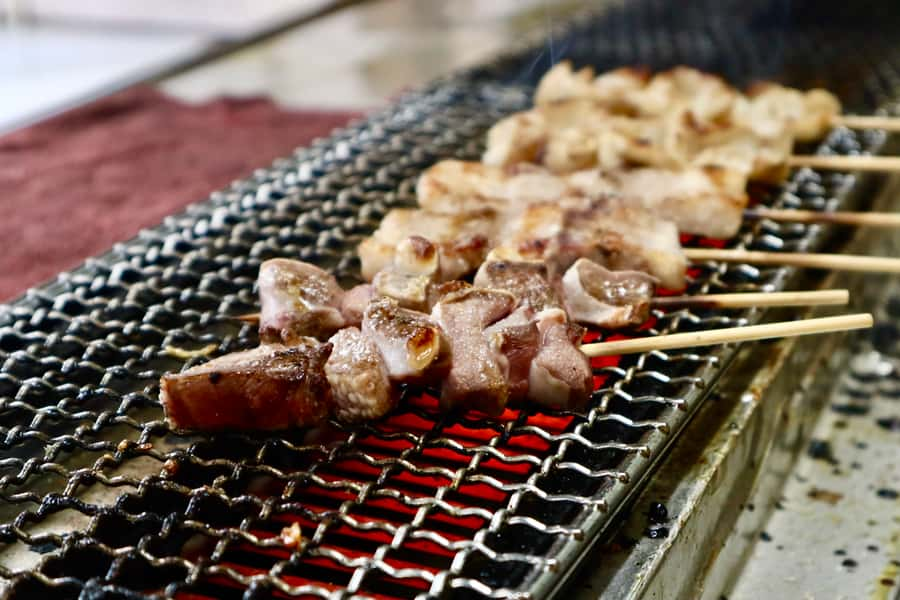
A short walk later, the tour reaches a tachinomiya, a standing eat-and-drink restaurant. Here you get yakitori, skewered chicken, with a draft beer or a flavored sawa.
This is one of the most distinctive parts of the outing. Yakitori is a classic Japanese casual food, and the standing format gives you a glimpse of a quick, social style of eating. You are not being ushered into a polished dining room. You are stopping for skewers and a drink in a place built around simple food and conversation.
The drink pairing matters. One person specifically found that the drink upgrade improved the flavor combinations. If the upgrade is available to you, it may be worth considering, especially if you enjoy beer or Japanese mixed drinks. Just confirm what the upgrade includes before paying, since the supplied details do not state its price.
This stop may be less comfortable for anyone who prefers to sit during every meal. The experience is also not ideal for someone who wants a quiet, formal dinner. Its appeal is the informal setting and the chance to try a type of restaurant you might otherwise pass by.
Sweets, seasonal fruit, and matcha ice cream
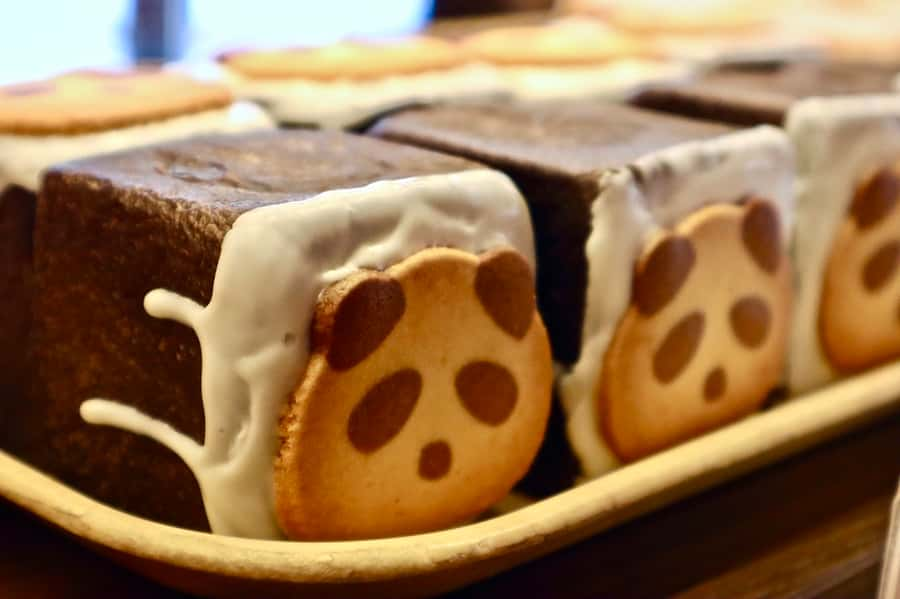
After the savory dishes, the tour turns sweet with a choice of manju or, depending on the season, freshly cut fruit. Manju is a Japanese confection that often surrounds a sweet filling with a soft outer layer. The seasonal fruit option keeps this part of the menu flexible.
Then comes matcha ice cream, a reliable favorite for anyone who likes green tea flavor. This gives the meal a clear change of pace after sushi, dumplings, and grilled chicken.
The sweet course also helps the tour feel like a full eating day rather than a quick sampling walk. You are not simply checking off famous foods. You are moving through a meal with a beginning, savory middle, and dessert finish.
Because the fruit depends on the season, the exact experience can vary. That is normal for a food tour, but keep it in mind if you are booking with one particular dish in mind. The itinerary promises a choice of manju or seasonal fruit, followed by matcha ice cream.
The secret dish and the value of surprise
The final food stop is a secret dish in a cozy setting. The precise dish is not disclosed in advance, which is the point. It gives the guide room to select something that suits the day, the season, or the group.
This is also where the tour’s name makes sense. The secret course adds a little surprise and may introduce you to a food you would not have ordered from a menu. If you like to know every detail before booking, it can feel less predictable. If you enjoy trying something new, it is a pleasant final note.
By the end, you should expect to be well fed. One diner advised arriving without eating first, and another noted that the amount of food was greater than expected. I would treat this as lunch or an early meal, not as a warm-up before a large dinner.
What the guides add
The tour is conducted in English by a local food enthusiast. Guides have included Shonan, Natsumi, Kaho, and Kyoko, and the strongest praise has focused on their friendliness, clear English, and ability to choose places visitors might not find alone.
Shonan was especially praised for giving an insider view and selecting strong restaurants and dishes. Natsumi was described as easy to talk with, while Kaho received praise for creating a generous food and drink experience. Kyoko led a pleasant food walk through Ueno.
Guide quality naturally varies from person to person, but the format gives you room to ask questions. You can ask about ingredients, ordering customs, the difference between fried and steamed gyoza, or why yakitori is such a common casual food.
The guide’s role is not only translation. It is also confidence. Entering a small Japanese restaurant can feel awkward when you do not know the menu or local manners. Having someone handle the flow lets you pay attention to the food.
Food context versus full sightseeing
The tour includes background about Tokyo’s food, culture, and history. One person also enjoyed visiting a shrine during the walk. That suggests the route can include more than restaurant doors, though a shrine visit is not listed as a guaranteed stop.
Set your expectations correctly. This is a food tour with cultural context, not a detailed history tour of Ueno. You will learn why certain dishes matter and how local eating places work, but the commentary may not go deeply into every street or landmark.
I would pair it with a separate visit to Ueno’s major sights if you want more historical detail. The food tour works well as a way to get oriented, hear local explanations, and discover the neighborhood through its eating habits.
Families, first-time visitors, and adventurous eaters
The tour can work for families. An eight-year-old enjoyed it, but you should consider your child’s appetite, patience, and comfort with unfamiliar foods. The route lasts three to three and a half hours, and the number of tastings can be substantial.
It is particularly useful for first-time visitors to Japan. You get an introduction to sushi, gyoza, yakitori, manju, matcha ice cream, and a secret dish without having to plan six separate food stops.
Experienced Japan visitors can still enjoy it if they want new local shops or a relaxed way to revisit familiar foods. The strongest reason for returning guests to book is discovery, not basic education. You may already know sushi and gyoza, but the standing restaurant and secret course can add variety.
This suits you best if you:
- Like trying many foods in one outing
- Want an English-speaking guide
- Prefer local casual restaurants to a formal tasting menu
- Are willing to eat a substantial amount
- Enjoy walking between food stops
- Want help ordering and choosing unfamiliar dishes
It may not suit you if you need a quiet seated meal, want a tightly structured history tour, or prefer to select every dish yourself.
Practical details that affect the day
Wear comfortable shoes. You will walk between stops, and the tour lasts several hours. Transportation is not included, so you must make your own way to JR Ueno Station.
The experience begins and ends at the same location. That makes it easy to connect with the rest of your day, but it also means you should plan your route to Ueno in advance.
The tour is offered in English. Reserve now and pay later if you want to keep your plans flexible. Cancellation is allowed up to 24 hours in advance for a full refund.
Food allergies, dietary restrictions, and dislikes are not explained in the supplied information. If those matter to you, contact the provider before booking rather than assuming substitutions are available.
Should you book the Tokyo Secret Food Walking Tour?
Book it if you want a generous, varied introduction to Japanese food and like the idea of eating in casual places with a local guide. The sushi, gyoza, yakitori, sweets, ice cream, and secret dish make this feel like a full food outing, not a token sample tour.
At $150, the price makes the most sense when you value guidance, drinks, several restaurant stops, and the chance to enter places you might skip on your own. It makes less sense if you are focused only on getting the cheapest possible meal.
Come hungry, wear good shoes, and expect food to receive more attention than detailed sightseeing. For a first day in Tokyo, or for anyone who wants an easy and filling way to get acquainted with Ueno’s eating culture, this is a strong choice.
FAQ
How long does the Tokyo Secret Food Walking Tour last?
The guided food tour lasts about three to three and a half hours.
How much does the tour cost?
The listed price is $150 per person.
Where does the tour meet?
Meet inside JR Ueno Station, outside the JR Central Gate, near the Hard Rock Cafe entrance on the opposite side of the Andersen bakery.
How can I identify the guide?
The guide will be standing near the meeting point with a Secret Tours orange umbrella.
What if I cannot find the meeting point?
Show a local person this text: JR上野駅 中央改札外のハードロックカフェ入口付近.
Where does the tour finish?
The tour ends back at the meeting point at JR Ueno Station.
What food is included?
The tour includes sushi, gyoza, yakitori, a drink, manju or seasonal fruit, matcha ice cream, and a secret dish.
Is transportation included?
No. Transportation, hotel pickup, and hotel drop-off are not included.
What language is the tour offered in?
The tour is offered in English.
What should I bring?
Wear comfortable shoes. You should also arrive hungry because the tour includes a substantial amount of food.
Just added in Tokyo
- The 10 Tastings of Tokyo With Locals: Private Street Food Tour★ 5.0 · 48 reviews
- Small Town in the Big City: Tasting Tokyo’s Kichijoji★ 5.0 · 195 reviews
- Small Town in the Big City: Tasting Tokyo’s Kichijoji★ 5.0 · 16 reviews
- EXCLUSIVE Tokyo Secret: Kichijoji Small-Group Food & Bar Hopping★ 5.0 · 29 reviews
- Explore Kichijoji: Walk Through One of Tokyo’s Beloved Districts★ 5.0 · 21 reviews
- :Tokyo,Shibuya/ Pro Photography in Kimono / English-Friendly★ 5.0 · 26 reviews
- 【R34】Tokyo:Private Daikoku tour in Modified R34★ 4.9 · 92 reviews
- Tokyo:Calligraphy &Make your original folding fan in Asakusa★ 5.0 · 62 reviews
Walking Tours, compared.

Kyoto Geisha Walking Tour: Gion District & Hidden Gems
Read our review →
Tokyo Tsukiji Fish Market Food and Culture Walking Tour
Read our review →
Imperial Palace and Shogun Historical Walking Tour
Read our review →
Gion Geisha District Walking Tour – Stories of Geisha
Read our review →
Shinjuku Local Bar and Izakaya Guided Walking Tour
Read our review →
Asakusa Walking Tour with Sensoji Temple Visit
Read our review →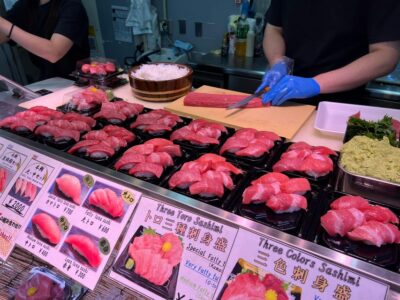
Nishiki Market Brunch Walking Tour (7 Tastings + Brunch)
Read our review →Browse the lists this tour appears in