
Reviewed · COOKING CLASSES
Private Home-Style Cooking Class in Osaka with Local Mom Yoshiko
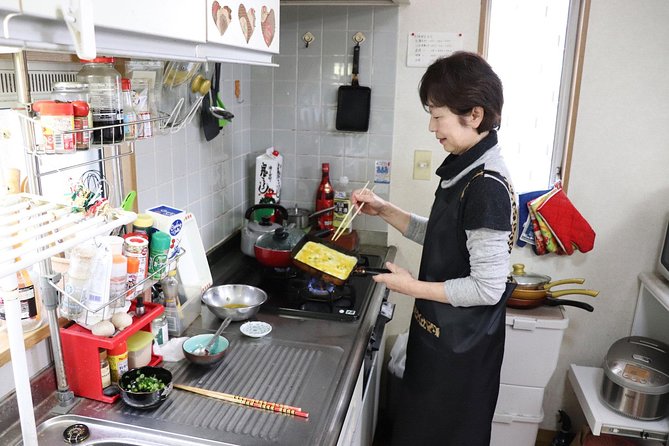
The best part of this experience happens in Yoshiko’s own kitchen, not in a polished cooking studio. You meet her at Kawanishi-Ikeda Station, ride about 10 minutes to her home, learn the basics of dashi, and then sit down together over the meal you helped prepare.
I like the personal setting and the practical focus on everyday Japanese food. I also like getting printed recipes, since you can repeat the dishes at home instead of leaving with only a few holiday photos.
The main catch is location. Yoshiko’s home is outside central Osaka, and the trip from Osaka Station can take about an hour. The class also ends at her home, so you must arrange your own ride back to the station.
Key details before you book
- Dashi is the lesson’s foundation: You learn how Japanese stock brings out umami and why it is used instead of plain water in many dishes.
- Yoshiko hosts in her home: This feels more like being welcomed into a local household than attending a commercial class.
- You prepare four to five dishes: The exact menu changes with the season, with options such as okonomiyaki and bento-style food.
- The meal is part of the class: After about an hour of cooking, you eat what you made with Yoshiko.
- The class is private: Only your own party takes part, which makes it a good fit for couples, families, and small groups.
- Plan the return trip: Pickup is included at Kawanishi-Ikeda Station, but the ride back is not.
Why this home kitchen feels different
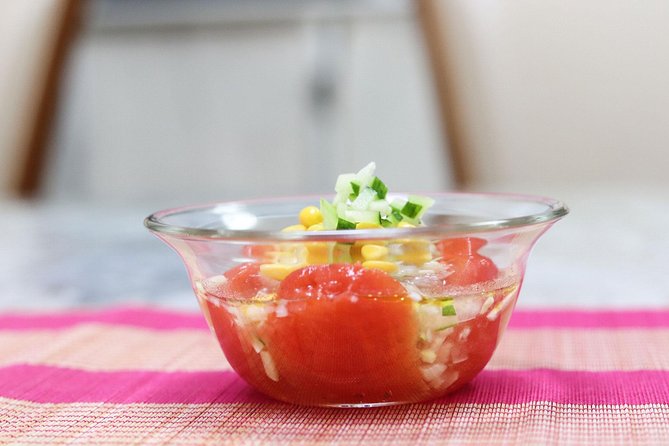
Osaka is famous for eating well, but restaurant meals only show you the finished result. Here, you see how a local home cook builds flavor from the beginning. Yoshiko starts with dashi, a simple stock often made from ingredients such as kombu and bonito flakes, and uses it to explain one of the quiet tricks behind Japanese cooking.
That lesson matters. Japanese food can look plain on the plate, yet the flavor often depends on careful stock, seasoning, and balance. Learning to use dashi instead of water gives you something useful to take home. You are not just copying a dish. You are learning a basic method that can improve soups, simmered food, and other Japanese recipes.
I also like the scale of the class. This is a private activity, so Yoshiko can adjust her explanations to your group. Small groups have room for questions and conversation. One important detail is that the experience may be more demonstration than hands-on instruction for some parties. If you want every person cooking every step, tell Yoshiko what you hope to do when you book.
More cooking in Kobe:
- Ramen Cooking Class at Ramen Factory in Kyoto
★ 5.0 · 1,937 reviews - Ramen & Gyoza Cooking Class in Tokyo with Local Supermarket Visit
★ 5.0 · 823 reviews - Kyoto: Ramen Cooking Class at a Ramen Factory with Souvenir
★ 4.9 · 532 reviews
Meeting Yoshiko at Kawanishi-Ikeda Station
Your meeting point is Kawanishi-Ikeda Station on the JR Takarazuka Line. Yoshiko picks you up there and drives you roughly 10 minutes to her home. This is convenient once you arrive, but it is not a central Osaka meeting point.
Give yourself plenty of time for the train ride. From Osaka Station, the journey can take about an hour, depending on your connection and waiting time. That extra travel is the price of visiting a real home outside the main tourist zone. I would not book this class between two tightly timed Osaka attractions.
If your group has more than four people, Yoshiko asks the extra members to take a taxi and follow her car to the house. That is an added cost and a small logistical wrinkle, so larger groups should plan ahead.
The experience ends at Yoshiko’s home, despite the station being the starting point. Yoshiko can help arrange a taxi to the nearest station, at an estimated cost of about ¥2,000 paid directly to the driver. Confirm your return plan before the meal ends, especially if you have a train reservation or evening plans.
What happens during the three-hour visit
The full experience lasts about three hours, with the cooking portion taking roughly one hour. The pace leaves time for the meal and for conversation, which is a big part of the appeal.
You begin with an introduction to Japanese pantry basics and the preparation of dashi. Yoshiko then guides you through four or five home-style dishes. The menu is not fixed year-round, so seasonal ingredients may shape what you cook.
The food can include okonomiyaki, Osaka’s famous savory pancake. One menu may also involve assembling your own bento boxes. These details make the class feel connected to ordinary Japanese meals rather than restaurant showpieces.
After the cooking, you sit down and eat together. Plum wine is included, or you can request a local beer in advance. You may also bring your own alcohol to enjoy with the meal.
This is where the class becomes more than a recipe lesson. You have time to ask Yoshiko about daily life, food habits, and the role of different seasonings. The relaxed meal gives you a chance to talk with her as a person, not just follow instructions across a counter.
Choosing your menu three days ahead
Yoshiko offers four menu choices, though only one sample option is specifically identified as the Mother’s Taste menu. You need to send your preference at least three days in advance so she has time to shop. If you do not choose, she prepares option one.
That deadline matters for food planning. Tell her about allergies, dietary restrictions, or other requirements in the booking form. The menu may change with the season, so you should treat the choices as a guide rather than a fixed restaurant menu.
If you have your heart set on okonomiyaki, ask about it when arranging the class. It appears often in the experience’s food descriptions, but the exact menu depends on your selection and the season. The same goes for bento-style dishes.
I appreciate this approach because it gives Yoshiko room to shop for good ingredients and prepare a meal suited to the time of year. The tradeoff is less certainty than you get at a standard cooking school. You are visiting a home, not selecting every dish from a restaurant menu.
Same base, a different sort of day:
- KOBE Sake Tasting Tour at Breweries (tasting fee included)
★ 5.0 · 154 reviews - Kobe Highlights & Hidden Gems: Private & Custom Tour with a Guide
★ 4.5 · 70 reviews - Kobe 4hr Private Tour with Government-Licensed Guide
★ 5.0 · 59 reviews - Kobe: Guided Sake Breweries Tour with Tastings
★ 5.0 · 55 reviews
The meal is the real payoff
The cooking lasts only about an hour, so this is not an intensive chef-training course. The reward is the full arc of the visit: entering a local home, seeing how food is prepared, eating the finished meal, and talking over the table.
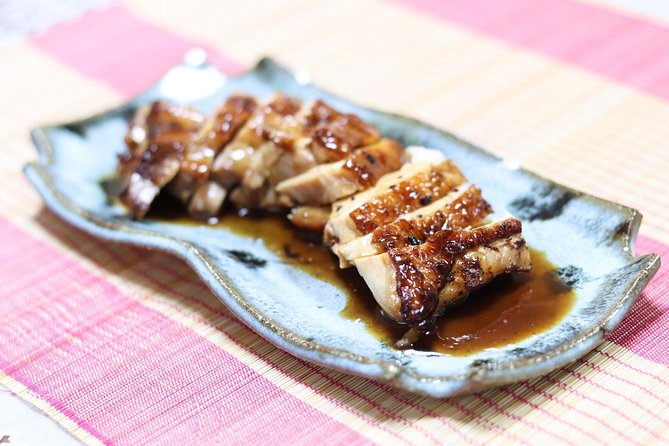
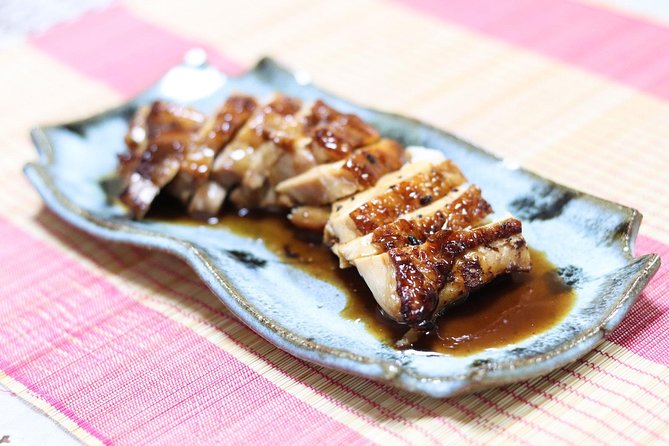
Many people find the food itself a highlight, especially the fresh flavors created with dashi and basic Japanese seasonings. The meal can feel generous and special, even though the cooking is based on everyday food. One particularly appealing detail is assembling a bento box yourself. It turns lunch into a practical lesson in arranging and serving food as well as cooking it.
You may also find that Yoshiko does more demonstrating than handing over every task. That can be useful if you want a clear view of each step, but less satisfying if you want a fully active class. I would describe it as a home cooking visit with instruction, rather than a formal culinary workshop.
The conversation after the meal is another strong point. You have a natural reason to talk, and the private format makes it easier to ask personal questions. For couples or families, this can become one of the more memorable meals of a Japan trip because the setting is so different from a restaurant.
What the $86 price includes
At about $86 per person, the cost is higher than simply ordering lunch in Osaka. You are paying for a private class, a home meal, station pickup, a drink, and Yoshiko’s time. Printed recipes add practical value because they let you recreate the food later.
For a couple, the price makes sense if you value contact with a local resident and want a meal you help prepare. It is less compelling if your main goal is to eat as much Osaka food as possible or to master advanced cooking techniques.
The private format also matters. You do not share the class with strangers, and Yoshiko can focus on your group. That makes the price easier to justify for a special occasion, a birthday gift, or a family activity. Two people also avoid the coordination problems that come with a large party.
Remember to budget for your return taxi, especially if you do not want to navigate local transport after dinner. Hotel pickup and drop-off are not included. A local beer requires advance notice, while plum wine is included.
Who will enjoy this most
I would choose this class for people who want to see a more ordinary side of Japan. It suits you if you like food, enjoy conversation, and are happy to spend part of a day away from central Osaka.
It is particularly good for:
- Couples looking for a private meal with a local host
- Families who want a cultural activity with food at its center
- Small groups interested in Japanese home cooking
- Cooks who want recipes they can use after returning home
- Visitors who prefer a personal experience to a large group tour
You should think twice if you want a central Osaka location, a fast-paced class, or a fully hands-on lesson from start to finish. The travel time and return arrangements require more planning than a cooking school near Dotonbori or Osaka Station.
The activity is also a better fit for people willing to accept a changing menu. Seasonal cooking is part of the charm, but it means your meal may not match a sample photograph or a particular dish you had in mind.
Practical planning for lunch or dinner
You can choose a lunch or dinner departure. Lunch gives you more flexibility for the rest of the day, while dinner creates a slower, more social meal. If you choose dinner, make sure you are comfortable arranging a taxi or other transport after leaving Yoshiko’s home.
Book early if your schedule is fixed. The experience is often reserved well in advance, with an average booking lead time of about 88 days. Confirmation arrives within 48 hours, subject to availability.
Wear comfortable clothing suitable for a home kitchen. The provided information does not specify equipment, accessibility details, or a dress code, so contact Yoshiko ahead of time if you have mobility concerns or special needs.
You can cancel for a full refund up to two full days before the start time. Changes or cancellations inside that period are not accepted for a refund. This is worth noting before you commit to a dinner that depends on a tight Osaka itinerary.
Is Yoshiko’s cooking class worth booking?
I would book this if you want a warm, personal look at Japanese home food and do not mind traveling beyond central Osaka. The strongest reasons are Yoshiko’s welcoming approach, the dashi lesson, the shared meal, and the recipes you can use at home.
I would skip it if you only have a short stay, need a central meeting point, or want a technical, hands-on cooking course. The class can lean toward demonstration, and you are responsible for getting back to the station.
For most food-minded visitors, the $86 price is fair because it covers more than cooking. It buys time in a local home, a private conversation, a prepared meal, a drink, and a useful understanding of how everyday Japanese dishes get their flavor. Just build the travel time and return taxi into your plan.
FAQ
Where does the cooking class meet?
Meet Yoshiko at Kawanishi-Ikeda Station, 2 Chome-7 Sakane, Kawanishi, Hyogo, on the JR Takarazuka Line.
How do I reach Yoshiko’s home?
Yoshiko picks you up at Kawanishi-Ikeda Station and drives you about 10 minutes to her home. From Osaka Station, the total train journey can take about an hour.
How long does the experience last?
The experience lasts approximately three hours. The cooking portion takes about one hour, followed by the meal and conversation.
What food will I cook?
You will prepare four to five Japanese home-style dishes. The menu varies by season and may include okonomiyaki or bento-style food. Yoshiko offers four menu choices, and you should give her your preference at least three days ahead.
Is a drink included?
Plum wine is included. You can request local beer in advance, and you may bring your own alcohol to enjoy with the meal.
How do I return to the station afterward?
The experience ends at Yoshiko’s home. You arrange your own return, and Yoshiko can help organize a taxi to the nearest station for about ¥2,000, paid directly to the driver.
Just added in Kobe
- Exploring Nada Sake Breweries Kobe Private Tour with Government-Licensed Guide★ 5.0 · 17 reviews
- Cruise Stop-Over: Private Custom Day trip to Kyoto from Kobe Port★ 4.5 · 12 reviews
- Next-Generation Local Guide: Private Kobe Tour★ 5.0 · 39 reviews
- Shore excursion: Full Day Private Kyoto Tour From Osaka/Kobe Port★ 4.5 · 36 reviews
- Private Shore Excursion Kobe Port – Best of Kobe with a local★ 5.0 · 19 reviews
- Sake Brewery and Japanese Life Experience Tour in Kobe★ 5.0 · 39 reviews
- Kobe : Private Custom Tour (Excursion to Osaka / Kyoto possible)★ 4.5 · 12 reviews
- Kyoto Full Day Tour from Kobe with Licensed Guide and Vehicle★ 4.5 · 19 reviews
Cooking Classes, compared.
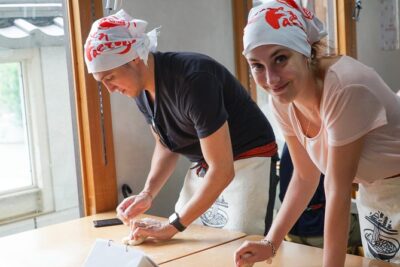
Ramen Cooking Class at Ramen Factory in Kyoto
Read our review →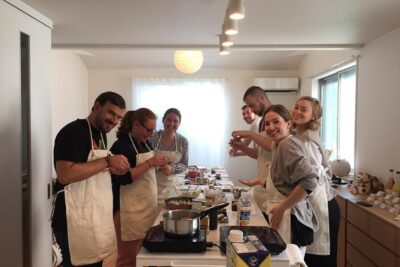
Ramen & Gyoza Cooking Class in Tokyo with Local Supermarket Visit
Read our review →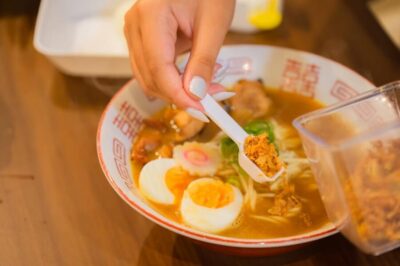
Ramen Cooking Class at a Ramen Factory with Souvenir
Read our review →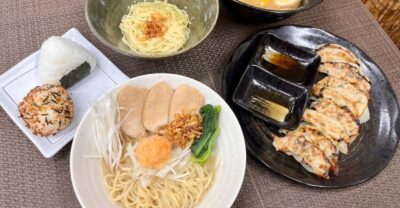
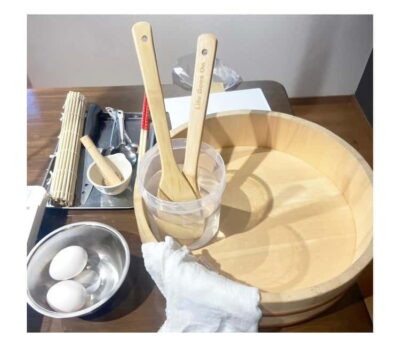
Japanese Washoku Bento Small Group Cooking Class
Read our review →
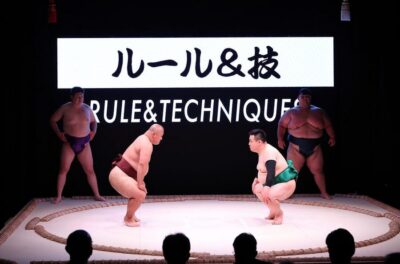
Sumo Stage Show with Bento or Snack + Fight & Photo
Read our review →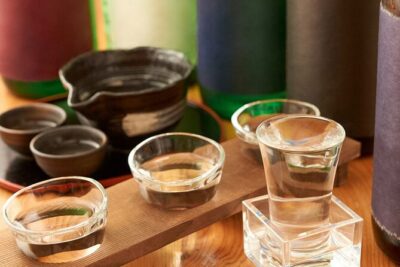
Ramen and Sushi Cooking Class with Sake Pairing Set in Tokyo
Read our review →Browse the lists this tour appears in