
Reviewed · IMPERIAL PALACE & HISTORIC SITES
Kyoto Imperial Palace & Nijo Castle Guided Walking Tour – 3 Hours
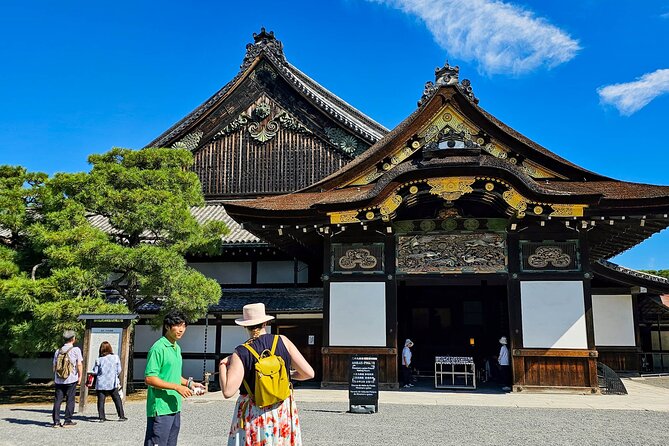
Kyoto’s past becomes easier to understand when you see its two power centers in one morning or afternoon. Nijo Castle reveals the world of the shoguns through painted rooms, gardens, and famous creaking floors, while the Kyoto Imperial Palace shows the setting of Japan’s imperial court.
I like the small maximum of nine, which gives you a fair chance to ask questions, and I like that entrance fees are included. Guides such as Jasmine, Taku, Atsushi, and Raphael have been praised for clear English, useful historical details, and help with family photographs. The main catch is the gap between the sites: transportation is not included, and the transfer can take a sizable part of the three hours.
Key points to know before booking
- Two major sights in three hours: Spend about 90 minutes at Nijo Castle and 90 minutes at Kyoto Imperial Palace.
- Small group size: The tour accepts no more than nine people, making questions and conversation easier.
- English-speaking guidance: Guides including Jasmine, Taku, Atsushi, and Raphael have been praised for history, architecture, and cultural explanations.
- You arrange the transfer: The tour begins at Nijojo-mae Station and ends at Imadegawa Station, with no hotel pickup or drop-off.
- Admission is included: You do not need to buy entrance tickets separately at the two sights.
- Good value at $55: The price makes sense if you want context, direction, and tickets handled, but less so if you prefer exploring at your own pace.
Why these two Kyoto landmarks belong together
This tour works because the two stops show different sides of the same political story. Nijo Castle is tied to the shoguns, the military rulers who held practical power for centuries. The Kyoto Imperial Palace represents the emperor and court, whose residence remained in Kyoto for more than a thousand years.
Seeing both in one outing gives you a useful framework for Kyoto. You are not simply looking at old buildings. You are comparing military authority with imperial ceremony, private rooms with formal courtyards, and decorative interiors with broad garden spaces.
A guide helps with details that are easy to miss. At Nijo Castle, the architecture and painted panels make more sense when someone explains who used each room and why certain features mattered. At the palace, the scale and layout can seem quiet at first, but a good explanation gives meaning to the courtyards, buildings, and ceremonial spaces.
The strongest praise has gone to guides who explain without rushing. Jasmine is repeatedly singled out for clear English, cultural symbolism, architecture, and her ability to answer questions. Taku is described as a local certified guide with extensive experience at both sites. Atsushi is praised for special historical stories, while Raphael is remembered for patience with many questions.
Guide assignments can change, so you should not assume a particular person will lead your departure. Still, the pattern is useful: the tour depends heavily on the guide, and the better guides add far more than basic directions.
Other walking tours in Kyoto people book:
- Kyoto Geisha Walking Tour: Gion District & Hidden Gems
★ 4.7 · 3,273 reviews - Kyoto: Gion Magical Night Walking Tour with Geisha Trivia
★ 4.9 · 2,393 reviews - Kyoto: Gion Geisha District Walking Tour – Stories of Geisha
★ 4.7 · 2,187 reviews
Starting at Nijojo-mae Station
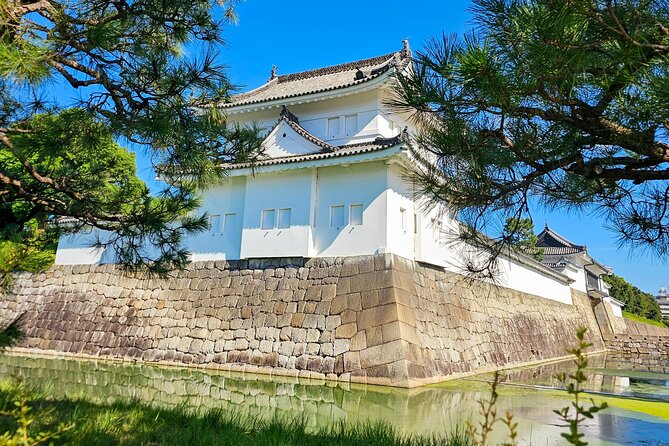
The meeting point is Nijojo-mae Station beside Nijo Castle in Nakagyo Ward. This is a practical start because you can reach the area by public transportation, and the castle is the first major stop.
Arrive with comfortable shoes and enough time to find the meeting point. This is a walking tour, not a bus tour, and the route includes castle grounds, palace grounds, and the transfer between them. Kyoto can also be very hot, as one group discovered, so water and light clothing matter during warmer months.
The group limit of nine is one of the best features here. A large group can turn an indoor historical site into a hearing exercise, especially when other visitors are nearby. With fewer people, you have a better chance of hearing the guide, asking about a detail, or pausing briefly for a photograph.
The tour includes a mobile ticket, and confirmation is provided when you book. You will not receive hotel pickup, so plan your route to the station yourself.
Nijo Castle: shogun power in rooms and gardens
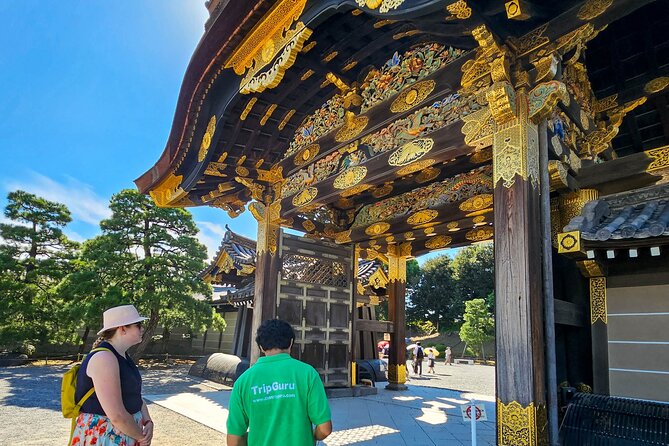
Plan on roughly 90 minutes at Nijo Castle. This is the more visually concentrated part of the tour, with impressive architecture, gardens, and detailed interiors.
The castle offers a look at the world of Japan’s shoguns. The rooms are not simply attractive spaces. Their arrangement, decoration, and formal use help explain how authority was displayed. A guide can point out cultural symbolism and connect the interiors to the shogun era, which several of the strongest accounts identify as the highlight.
The famous nightingale floors are an especially memorable detail. They are designed to chirp underfoot, creating a warning system against unwanted visitors. The sound is easy to enjoy as a curiosity, but it also shows how the building combined ceremony with security.
Inside, take your time with the painted screens and wall panels. You may find that a guide’s explanation changes how you look at them. Instead of seeing only attractive artwork, you can consider what the images communicated to people entering each room and how decoration helped express rank.
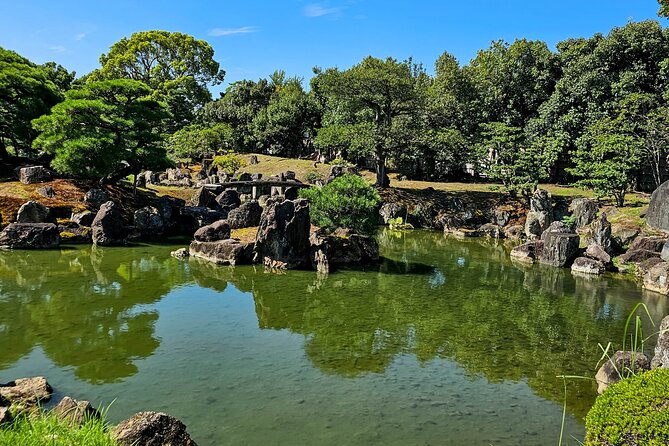
The gardens provide a useful change of pace after the interior rooms. You will have time for photographs, and the open paths make this section less cramped than the castle interiors. Guides have also been praised for keeping the group moving while allowing enough time to take pictures.
Nijo Castle is a strong fit if you enjoy architecture, political history, or visual details. It may feel fast if you want to stop at every display or study every garden feature at length. Ninety minutes is enough for a guided introduction, but not for an exhaustive visit.
The transfer to Kyoto Imperial Palace
The two sites are not next door to each other. The tour information does not include transportation, and direct accounts indicate that you should arrange your own way from the castle to the palace. Walking can take about 30 minutes, and public transportation is another option.
This detail matters more than it first appears. If the tour itself lasts three hours and the transfer takes part of that time, your sightseeing time can feel compressed. At busy times, finding a taxi or navigating public transportation may also take longer than expected.
One account describes a serious transfer problem involving two taxis, an incorrect palace gate, waiting, and confusion about how to contact the guide. That appears to have been an exception rather than the normal pattern, but it exposes a real weakness: the handoff between the two sites needs clear instructions.
Before the tour begins, ask exactly where you should meet at the palace and how the group will travel there. If the guide does not accompany the group between sites, confirm the best station or gate for the next meeting. A little clarity here can protect your limited time.
I would not book this experience assuming that a private vehicle or coordinated taxi transfer is included. It is not. If you are comfortable navigating Kyoto on your own, the arrangement is manageable. If you want a fully escorted door-to-door tour, this is not that product.
Other historic grounds in Kyoto:
- Kyoto: Imperial Palace & Nijo Castle Guided Walking Tour
★ 4.7 · 453 reviews - Kyoto: Nijo Castle and Kyoto Imperial Palace Guided Tour
★ 4.6 · 98 reviews - Nijo Castle and Imperial Palace Visit with Guide
★ 5.0 · 53 reviews - Kyoto: Discover Every Bit of Kyoto Imperial Palace
★ 4.4 · 21 reviews
Kyoto Imperial Palace: ceremony on a larger scale
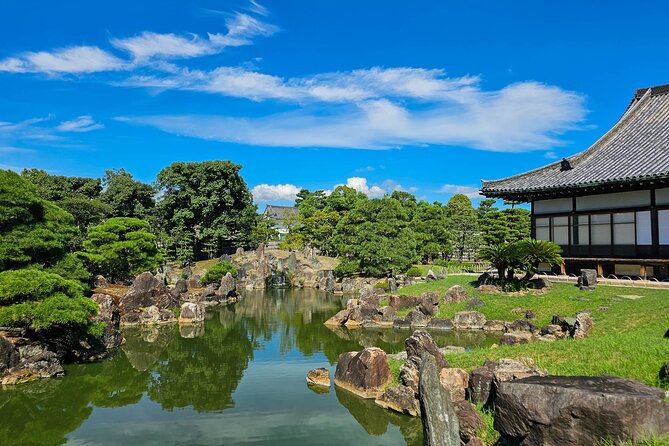
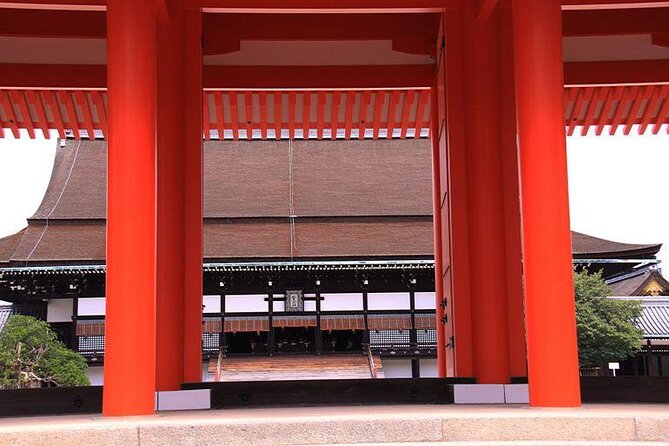
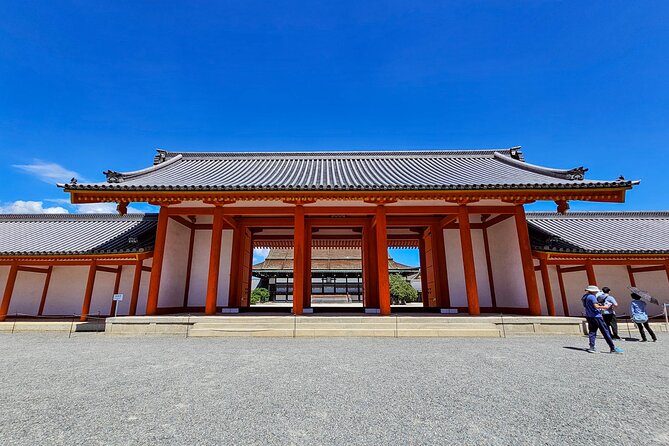
The second half lasts about 90 minutes at Kyoto Imperial Palace. The palace was once the residence of Japan’s imperial family, and the grounds offer a different mood from Nijo Castle.
Here, the appeal is scale and formality. The palace buildings and gardens create space for understanding the imperial court rather than the shogun government. A guide can explain how the palace functioned and help you read the relationship between the structures, courtyards, and gardens.
The palace can seem less immediately dramatic than Nijo Castle because much of the experience is outdoors and spread across a larger area. That is not a flaw, but it means the guide’s explanations matter. Without context, you may admire the buildings and gardens without grasping their place in Japanese history.
The open grounds also make this portion more exposed to the weather. On a hot day, frequent water and air-conditioning breaks may not always be possible in the same way as at other sites. One group praised a guide for making regular stops and helping everyone cope with the heat, but you should still bring water and plan sensibly.
This is also a good part of the tour for photographs. You will have time to take pictures at selected points, and guides have helped families and groups with photos during the walk. Do not expect a photography tour, though. The guide’s main job is interpretation and pacing.
The tour ends at Imadegawa Station in Kamigyo Ward. That gives you a useful public transportation point for continuing around Kyoto, though hotel drop-off is not provided.
What the $55 price really buys you
At $55 per person, this is not the cheapest way to enter two historic sites. You are paying for more than admission, though. The price includes both entrance fees, an English-speaking guide, and three hours of organized sightseeing.
I see the value most clearly if you are visiting Kyoto for the first time, want the broad story, and prefer not to work out the meaning of every building alone. A good guide can explain the shogun period, imperial customs, architecture, artwork, and links to present-day Japanese culture while you walk.
The value is less obvious if you already know Japanese history or like to read every sign at your own pace. You may want longer than 90 minutes at each stop, and the transfer is your responsibility. In that case, buying admission and visiting independently could give you more control.
The small group improves the calculation. A private tour would cost much more, while a large group can make questions difficult. Nine people is a sensible middle ground, provided the guide uses the time well.
The 4.7 rating from 106 ratings and 92 percent recommendation rate suggest a strong overall experience, but they do not erase the practical risks. The most important variable is the guide. Most feedback praises clear explanations, kindness, flexibility, and good pacing. The less positive accounts focus on rushing, poor transfer coordination, and weak support when something went wrong.
The guides and the style of the experience
Expect a walking tour shaped by the individual guide rather than a fixed performance. Jasmine has been praised for explaining history, architecture, art, cultural symbolism, and the shogun era in easy-to-follow English. She also helped with photographs and, in one case, pointed the group toward a local lunch spot.
Taku is described as a local certified guide with extensive experience at both Nijo Castle and the palace. Atsushi is praised for historical stories, while Raphael is remembered as patient and friendly with questions. Other guides, including Vincent, Cecilia, Alex, Kata, and Katsuhiko, have also received positive comments for clear explanations, good pacing, and attention to the group.
That range tells you what to look for. The best version of this tour is conversational. You can ask why a room was used, how the shogun system worked, what a garden feature means, or how the imperial residence changed over time.
The weaker version simply moves you from gate to gate. One account says the guide seemed focused on finishing on time and did not provide the extra cultural insight expected from a guided visit. That is a fair warning. If your guide is moving too quickly, ask questions early rather than waiting until the end.
Who should book this Kyoto walk?
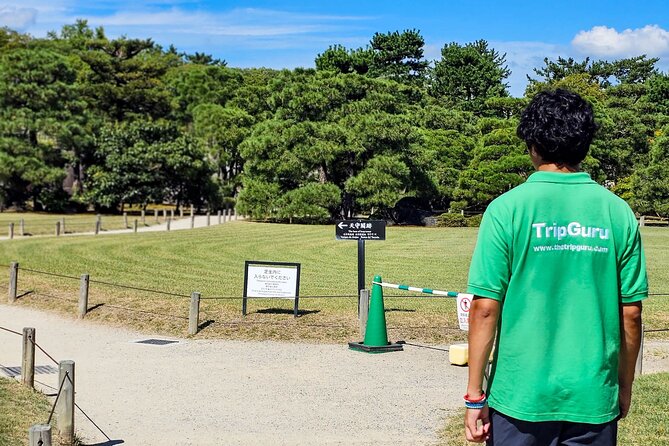
I would recommend it to first-time Kyoto visitors, families, and anyone who wants a clear introduction to two major historic sites. Children can benefit from the stories and visual details, especially when the guide is willing to answer questions in a friendly way.
It also suits you if you want admission handled for you and prefer a small group over a large coach tour. The three-hour length fits well into a day that includes other Kyoto sights.
You should think twice if you have limited mobility, dislike walking in heat, or need a fully coordinated transfer. The provided information says most people can participate, but it does not describe special accessibility arrangements. Ask the operator before booking if you have specific mobility needs.
This is not the right choice if you want a deep, slow study of either site. The schedule gives you a well-shaped introduction, not a full day at the castle and palace.
Booking, cancellation, and practical timing
You can cancel for a full refund up to 24 hours before the start time. Changes or cancellations made less than 24 hours before the start are not accepted for a refund, and cut-off times use Kyoto local time.
Choose the departure that best fits your day, but leave room before the start to reach Nijojo-mae Station. Afterward, you finish at Imadegawa Station, not back at your hotel.
Bring water, comfortable shoes, sun protection in warm weather, and a phone with the mobile ticket available. Most importantly, clarify the transfer plan between Nijo Castle and Kyoto Imperial Palace before leaving the first site.
Should you book the Kyoto Imperial Palace and Nijo Castle tour?
Book it if you want a friendly, compact introduction to Kyoto’s shogun and imperial past, especially if you value a small group and an English-speaking guide. The strongest guides add cultural meaning that you would likely miss by simply walking through the buildings.
I would book with two conditions in mind: confirm how you will get from the castle to the palace, and accept that the guide quality can vary. At $55, the tour offers solid value when the guide is engaged and the transfer runs smoothly. If you want total freedom, more time at each site, or door-to-door transportation, visit independently or choose a different format.
FAQ
How long does the tour last?
The tour lasts approximately three hours, with about 90 minutes at Nijo Castle and 90 minutes at Kyoto Imperial Palace.
Where does the tour begin?
It begins at Nijojo-mae Station beside Nijo Castle in Nakagyo Ward, Kyoto.
Where does the tour end?
The tour ends at Imadegawa Station in Kamigyo Ward. Hotel drop-off is not provided.
Is transportation between the two sites included?
No. Hotel pickup, hotel drop-off, meals, drinks, and personal expenses are not included. You should arrange transportation between Nijo Castle and Kyoto Imperial Palace.
Are entrance fees included?
Yes. Admission fees for Nijo Castle and Kyoto Imperial Palace are included.
What is the maximum group size?
The group is limited to a maximum of nine people.
Is the tour conducted in English?
Yes. An English-speaking guide leads the walking tour.
Can I cancel for a full refund?
Yes, if you cancel at least 24 hours before the experience start time. Cancellations or changes made less than 24 hours before the start are not accepted for a refund.
More walking tours elsewhere in Japan
- Kyoto Gion Geisha District Walking Tour – The Stories of Geisha
★ 5.0 · 1,441 reviews - Nishiki Market Brunch Walking Tour (7 Tastings + Brunch)
★ 5.0 · 1,355 reviews - Kyoto Arashiyama Walking Tour: Bamboo, Monkeys, Gardens & Secrets
★ 5.0 · 1,216 reviews - Kyoto Gion: 2-Hour Geisha Culture & History Walking Tour
★ 5.0 · 1,186 reviews
More castle tours elsewhere in Japan
- Kyoto: Nijo-jo Castle and Ninomaru Palace Guided Tour
★ 4.7 · 1,020 reviews - Kyoto: Nijo Castle, Kiyomizu & Fushimi Inari Guided Tour
★ 4.7 · 700 reviews - Kyoto: Nijo, Kinkaku-ji, Arashiyama, Kiyomizu & Fushimi Inari
★ 5.0 · 699 reviews - Kyoto: Nijo Castle World Heritage Guided Tour with Admission
★ 5.0 · 128 reviews
Just added in Kyoto
- Private Cooking Class Udon in Kyoto Japan★ 5.0 · 23 reviews
- Your Private Vacation Photography Session In Kyoto★ 5.0 · 110 reviews
- Kyoto: Zen Meditation at a Private Temple with a Monk★ 5.0 · 25 reviews
- Private Pewter Sake Cup Experience with a Kyoto Artisan★ 5.0 · 31 reviews
- Kyoto Wagashi(Japanese sweets) Cooking Class near Fushimiinari★ 5.0 · 60 reviews
- Kyoto:Family-Friendly Kimono & Yukata Experience at WARGO★ 5.0 · 147 reviews
- Private Guided Traditional Buddhist Cooking in Japan★ 5.0 · 16 reviews
- Kyoto: Gion Geisha District & Sake-in-Hand Walking Tour★ 5.0 · 37 reviews
Imperial Palace & Historic Sites, compared.
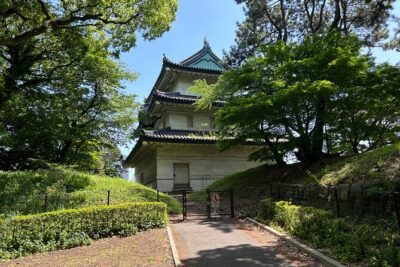
Imperial Palace and Shogun Historical Walking Tour
Read our review →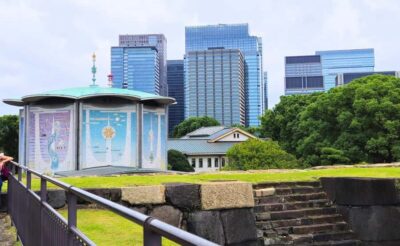
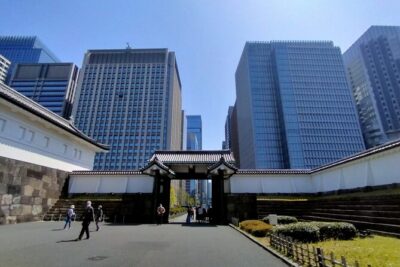
Imperial Palace East Garden and Edo Castle Walking Tour in Tokyo
Read our review →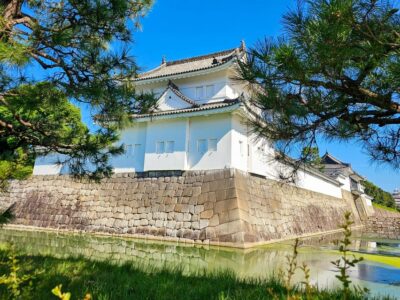
Imperial Palace & Nijo Castle Guided Walking Tour
Read our review →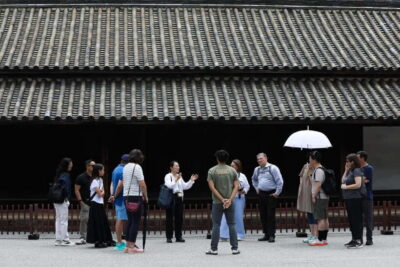
Imperial Palace, Sensō-ji Temple, & Tokyo Tower Tour
Read our review →
Tokyo Castle, Imperial Palace, Shogun & Garden Walking Tour
Read our review →
Imperial Palace, the history of Japan (ENGLISH GUIDE)
Read our review →Browse the lists this tour appears in