
Reviewed · IMPERIAL PALACE & HISTORIC SITES
Tokyo: Imperial Palace and Shogun Historical Walking Tour
Tokyo’s Imperial Palace grounds are free to enter, but a guide can turn a pleasant garden walk into a clear story about shoguns, emperors, castle power, and modern Japan. This tour takes you past Edo Castle ruins, massive stone walls, formal gates, and the quiet ponds of Ninomaru Garden.
I like the small group size, capped at 15, and the relaxed pace. I also like that guides such as Jim, Miguel, Tony, and Izzy bring different angles to the walk, from the Edo period and the shogunate to present-day Japanese customs. The main consideration is that the experience depends heavily on your guide. Some sessions are lively and well paced, while others may feel too long at individual stops or light on historical setup.
Key points at a glance
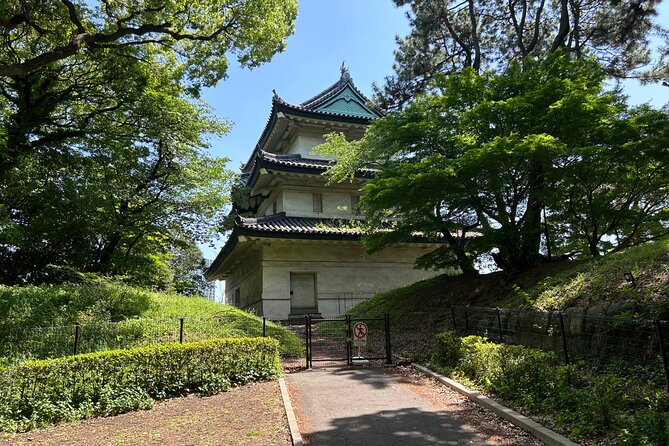
- Edo Castle’s former keep: Stand on the stone foundation of a castle tower that once symbolized shogun power.
- Ninomaru Garden: See ponds, seasonal flowers, and carefully arranged garden scenery tied to Edo-period aesthetics.
- Small-group walking: Groups of up to 15 make it easier to hear the guide and ask questions.
- Guide-led context: Jim, Miguel, Tony, Izzy, and other guides explain the Imperial family, shogunate, Japanese culture, and the old castle grounds.
- Simple central meeting point: Begin at Starbucks Coffee near the Wadakura Fountain in Kokyogaien.
- Good value at $22: You are paying for interpretation rather than admission, since the gardens themselves can be visited free of charge.
Why these gardens matter in Tokyo
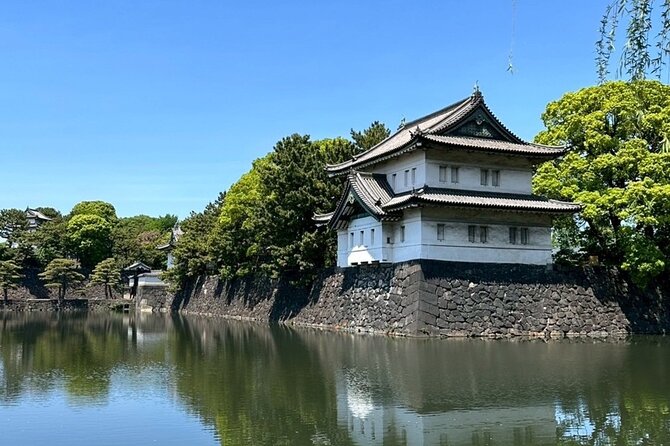
The Imperial Palace East Gardens give you a rare chance to see Tokyo’s political history in one compact walk. You are not entering the private residential heart of the Imperial Palace. Instead, you explore former Edo Castle grounds, where the Tokugawa shoguns ruled Japan for centuries.
That distinction matters. The site is not a grand palace interior tour, and you should not expect rooms filled with royal furniture. The appeal is outdoors: stone gates, defensive walls, garden design, castle foundations, and the contrast between military power and quiet greenery.
A guide helps connect those pieces. Without context, a broad stone base can look like an old wall. With an explanation, it becomes the foundation of a once-enormous castle keep. A garden pond becomes more than a pretty photo stop. It reflects the controlled, refined style of the Edo period, when gardens served both aesthetic and social purposes.
I find this kind of outing useful early in a Tokyo visit because it gives you a framework for the city. The shogunate, the Emperor, the imperial family, and the opening of Japan to the wider world can seem like separate subjects. A good guide links them in a way that makes later visits to temples, shrines, museums, and historic districts easier to understand.
Other walking tours in Tokyo people book:
- Tokyo Tsukiji Fish Market Food and Culture Walking Tour
★ 5.0 · 3,184 reviews - Tokyo: Shinjuku Local Bar and Izakaya Guided Walking Tour
★ 4.9 · 1,794 reviews - Tokyo: Tsukiji Fish Market Food and Walking tour
★ 5.0 · 1,724 reviews
Meeting at Wadakura Fountain Park
The tour begins at Starbucks Coffee, 3-1 Kōkyogaien, Chiyoda City, near the Wadakura Fountain Park. This is a practical meeting point in the broad open area around the palace grounds, and the location is near public transportation.
Give yourself time to find the exact Starbucks and gather before the scheduled start. One poor experience came from a communication problem involving a changed meeting location and a group that departed before the person arrived. That appears to be an exception to the generally positive experience, but it is still useful advice: check the meeting instructions carefully, arrive early, and keep your phone available.
The tour is sold as approximately two hours. The main garden portion is described as about one hour and 30 minutes, so the full timing may include meeting, walking between points, and the return to the starting area. The activity ends back at the meeting point, which is convenient if you have a lunch reservation, museum visit, or train connection afterward.
From stone gates to Edo Castle ruins
The walk begins with the physical remains of Edo Castle. You pass through imposing stone gates and along walls built to control movement into the castle compound. These stones are not just decoration. Their size and careful construction show how much authority the shogunate wanted to project.
The guide’s storytelling is especially useful here. Jim is praised for explaining the history patiently and answering questions. Tony has been described as strong on the Edo period, the shogunate, the Emperor, and the imperial family. Other guides, including Miguel, Lasse, Dylan, and Mitchi, have also led sessions centered on Japanese history and culture.
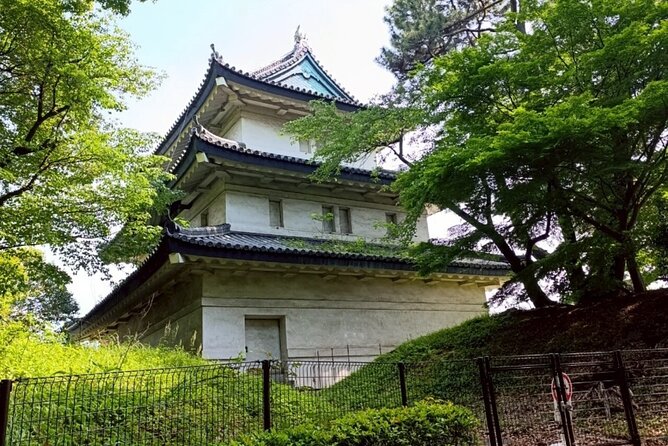
At the castle ruins, you reach the foundation of the former keep. This is one of the strongest parts of the walk because the site lets you picture the scale of the lost structure without pretending that the original tower survives. Your guide can explain what the foundation meant and how the castle grounds functioned during the era of feudal lords.
This is also where expectations matter. The tour does not take you inside a preserved castle keep. You see foundations, walls, gates, and open grounds. If you want furnished rooms and reconstructed interiors, this will not provide them. If you enjoy reading a site through its remains, the stop is far more rewarding.
Ninomaru Garden and the art of restraint
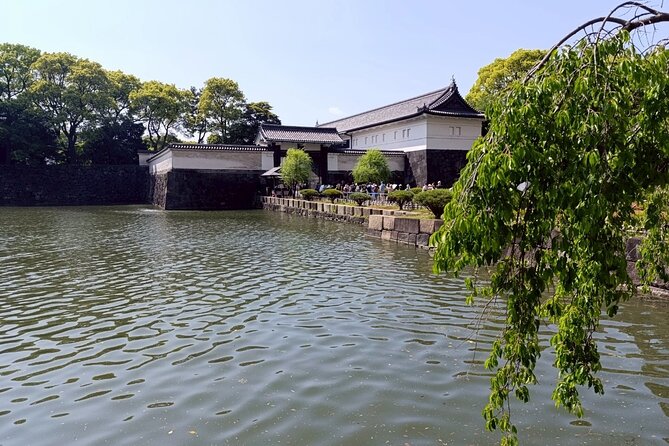
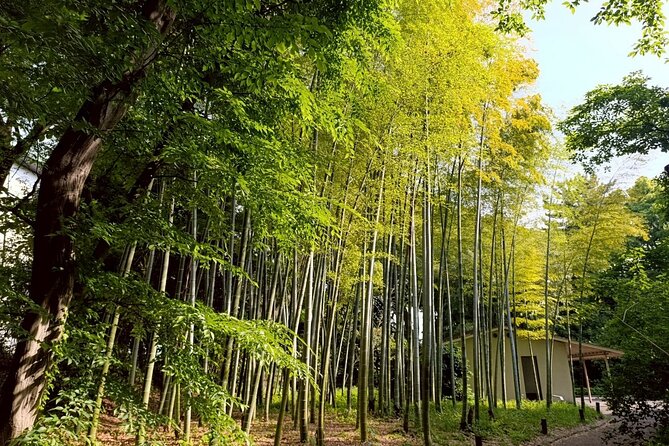
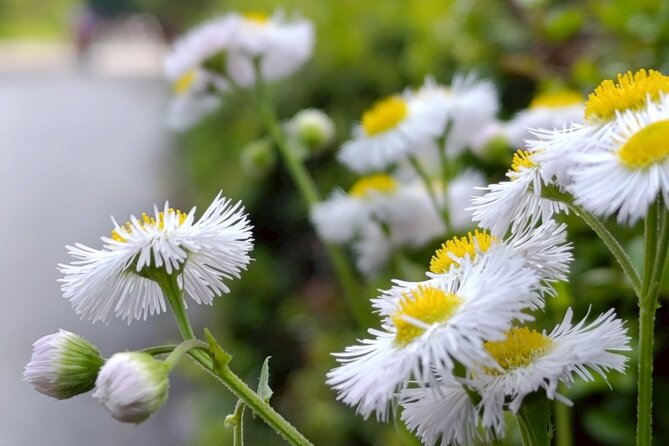
Ninomaru Garden changes the mood. After the hard stone of the castle defenses, you move into a quieter setting with ponds, seasonal flowers, and carefully arranged plantings. The garden reflects the refined side of the Edo period, when beauty, order, and controlled views mattered.
The setting gives the guide room to explain Japanese garden design and cultural ideas without turning the entire walk into a list of dates. A strong guide may point out how water, rocks, paths, and plantings direct your attention. You might also learn how the former castle grounds were adapted into an imperial garden.
This is a good place to slow down and take photographs, but it can also be where the tour feels less dramatic. The gardens are peaceful rather than packed with monuments. If you prefer a fast schedule with constant landmarks, some stops may seem long. One session was criticized for overexplaining and repeating points, while another visitor wanted more historical background before entering the main area.
Your experience will depend partly on the guide’s rhythm. Guides such as Miguel and Michi are praised for combining history with stories and practical cultural insight. Jim is noted for making the architecture, history, and Japanese culture feel like one connected story. That personal delivery is a major reason to choose a guided walk instead of simply strolling through the gardens alone.
Other historic grounds in Tokyo:
- Tokyo: Imperial Palace Japanese History Walking Tour
★ 4.9 · 987 reviews - Tokyo: Imperial Palace and Shogun Walking Tour
★ 4.9 · 935 reviews - Imperial Palace East Garden and Edo Castle Walking Tour in Tokyo
★ 5.0 · 510 reviews - Tokyo: Imperial Palace East Gardens Walking Tour
★ 4.8 · 353 reviews
What the guides add
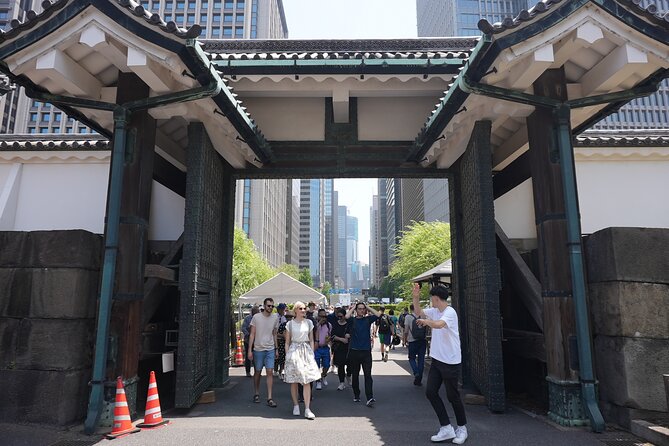
The strongest part of this experience is not admission. It is interpretation.
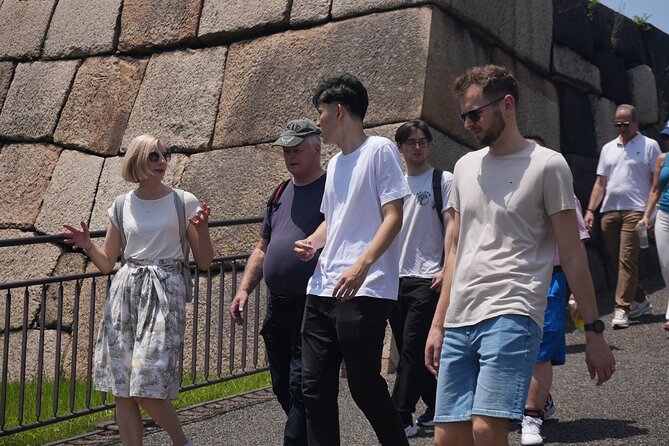
A guide can explain why the Imperial Palace occupies the old Edo Castle site, how the shogunate shaped Japanese government, and how the imperial family fits into modern Japan. You can ask questions as ideas come up instead of trying to sort out the timeline from a plaque or guidebook.
The guides do not all teach in the same way. Jim is described as patient and strong on historical detail. Miguel is praised for fun facts, modern Tokyo, and broader cultural context. Tony is noted for making sure the group stays together and for explaining the importance of the castle grounds. Izzy is described as clear and informative. Lasse brings strong enthusiasm for Japanese history, while Mitchi is valued for storytelling.
That variety can be a strength, but it creates some unevenness. One guide was said to be new to the work and needed help from a supervising guide. Another session offered too little historical setup. I would book this as a guide-led introduction, not as a guaranteed academic lecture. The best sessions provide a thoughtful overview. The weaker ones may feel less focused.
The tour can also serve as a useful orientation to local manners and modern life. Some guides explain how to behave in Japan and how to fit in respectfully as a visitor. That is a welcome bonus, especially if this is your first trip.
Walking conditions and group size
This is an outdoor walking tour, not a drive-by sightseeing loop. You should be ready to walk for close to two hours, with slopes along parts of the route. The gardens can be busy, and the route includes open ground, stone features, and uneven changes in level.
Most people can participate, and the group is limited to 15. That is a practical size for this setting. A group of 15 can still move together through popular areas, but it is small enough for questions and direct contact with the guide. Tony, for example, is noted for checking that everyone was together before moving on.
Wear comfortable shoes and plan for the weather. The activity has no indoor palace visit to provide shelter or a change of pace. The experience is at its best when you can listen, walk, pause, and look closely rather than rush from one point to the next.
The meeting point and end point are the same, making the outing easy to fit into a day in central Tokyo. Since it is near public transportation, you can combine it with other Chiyoda sights, but the supplied details do not specify a particular station or train route. Use the address in your booking confirmation rather than guessing from the name of the park.
Is $22 a fair price?
At $22 per person, this is a modest cost for a two-hour guided walk in one of Tokyo’s most important historic areas. The gardens themselves can be visited without paying an admission fee, so the price is entirely about the guide, organization, and added explanation.
That makes the value easy to judge. If you want only photographs and greenery, you can visit independently and keep the $22. If you want to understand the old castle foundations, the shogunate, the imperial connection, and the garden design, the fee is reasonable.
I would especially consider it good value at the start of a Tokyo trip. A short guided overview can save you from treating every gate and wall as an isolated object. It can also help you decide which later historical sites deserve more of your time.
The cost is less compelling if you already have a strong grasp of Japanese political history or prefer to explore at your own speed. Some guides give long explanations, and the walk may feel slow if you want only a quick look at the grounds. The value rises sharply when the guide is engaging and keeps the history tied to what you are seeing.
Who should book this walk?
I would recommend it to first-time Tokyo visitors who want a manageable introduction to Japan’s political and imperial past. It also suits couples, solo visitors, and small groups who like to ask questions without joining a large bus tour.
History-minded visitors will get the most from the Edo Castle ruins and the explanations of the shogunate. Garden lovers will appreciate Ninomaru Garden, especially when a guide explains why the ponds, paths, and seasonal planting were arranged as they are.
Families and mixed-interest groups may find the outdoor format easier than a museum, but the history can be detailed. Prepare younger participants for a walking lesson rather than a hands-on attraction. Anyone who dislikes long stops should tell the guide if the group allows it, or choose an independent visit.
This is not the right choice if your main goal is to enter the Imperial Palace buildings. It is also not ideal for visitors who cannot manage a two-hour walk with some slopes, although the tour information says most people can participate.
Booking advice and cancellation terms
You receive confirmation at booking, and the ticket is mobile, so you do not need to print anything. Arrive early at the Starbucks near Wadakura Fountain Park, confirm the meeting point, and keep the guide’s contact information accessible.
Free cancellation is available if you cancel at least 24 hours before the start time. Cancellations or changes made less than 24 hours before the tour are not accepted for a refund, and the cut-off uses Tokyo local time.
Should you book the Imperial Palace walking tour?
Book it if you want the Imperial Palace East Gardens to make sense, not just look attractive. For $22, you get a small-group walk through castle remains, gates, walls, and Ninomaru Garden, plus a useful introduction to the shogunate, the Emperor, and Japanese culture.
Go in expecting outdoor ruins and gardens, not palace interiors. Also remember that guide quality can vary, and the pace may feel slow if explanations run long. With a strong guide such as Jim, Miguel, Tony, or Izzy, the tour can give your Tokyo visit a clear historical starting point. If that sounds useful, it is a sensible booking.
FAQ
How long does the Imperial Palace walking tour last?
The experience lasts approximately two hours. The main East Gardens and Edo Castle section is listed as about one hour and 30 minutes, with the activity ending back at the starting point.
What does the tour visit?
You walk through the Imperial Palace East Gardens, see Edo Castle ruins, pass stone gates and castle walls, visit the former castle keep foundation, and explore Ninomaru Garden.
Where does the tour begin and end?
The tour begins at Starbucks Coffee near the Wadakura Fountain in Kokyogaien, at 3-1 Kōkyogaien, Chiyoda City, Tokyo 100-0002. It ends back at the meeting point.
How many people can join the tour?
The group has a maximum of 15 travelers, making it smaller than a typical large sightseeing group.
Is admission to the gardens included?
The activity includes admission for the guided visit. The gardens can also be visited free of charge independently, so the $22 price mainly pays for the guide and organized historical explanation.
Can I cancel for a full refund?
Yes. You can cancel at least 24 hours before the experience start time for a full refund. Cancellations or changes made less than 24 hours before the start time are not accepted for a refund.
More walking tours elsewhere in Japan
- Tokyo: Asakusa Walking Tour with Sensoji Temple Visit
★ 4.8 · 1,583 reviews - Tokyo: Tsukiji Fish Market Guided Walking Tour
★ 4.9 · 1,397 reviews - Tokyo Castle & Imperial PalaceーShogun Walking Tour
★ 4.7 · 1,068 reviews - Tokyo: Dark Side of Tokyo Shinjuku Red Light Walking Tour
★ 4.7 · 862 reviews
Just added in Tokyo
- Luxury Tokyo Sake, Cocktail, Whisky and Pairing Tour★ 5.0 · 18 reviews
- Wagyu & Sake Pairing in Shinjuku – Steak, Shabu-Shabu & More★ 5.0 · 112 reviews
- Small-Group Wagyu Beef and 7 Japanese Dishes Tokyo Cooking Class★ 5.0 · 190 reviews
- Nikko: Edo Wonderland Edomura Cultural Theme Park Ticket★ 4.3 · 205 reviews
- 《MEMBERS-ONLY-BAR-HOPPING》Discover Your Special Whiskey in Tokyo!★ 5.0 · 29 reviews
- Japanese Whisky Hunting《HIGH-QUALITY-ONLY》Rare Tasting Class★ 5.0 · 20 reviews
- From Tokyo: Private Tour to Fuji/Hakone – Onsen, Art, Nature★ 5.0 · 116 reviews
- Tokyo: KABUKI Show at Kabukiza Theatre Admission Ticket★ 4.8 · 152 reviews
Imperial Palace & Historic Sites, compared.
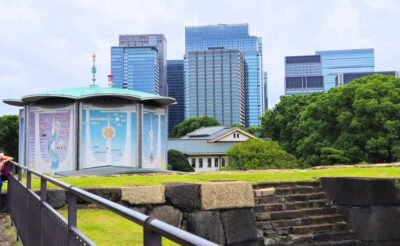

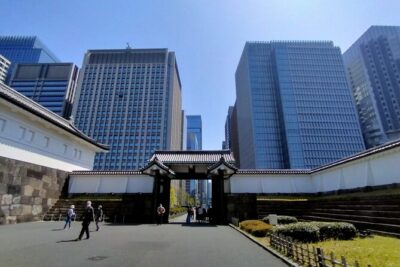
Imperial Palace East Garden and Edo Castle Walking Tour in Tokyo
Read our review →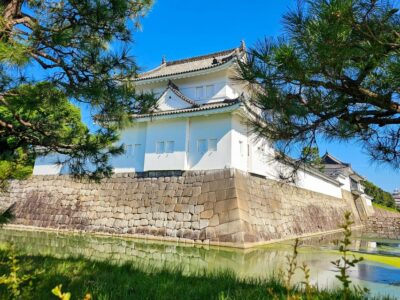
Imperial Palace & Nijo Castle Guided Walking Tour
Read our review →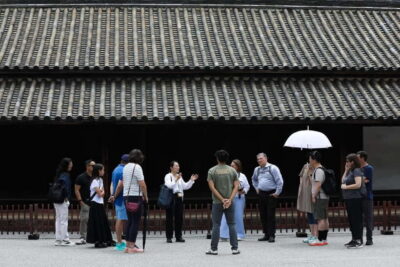
Imperial Palace, Sensō-ji Temple, & Tokyo Tower Tour
Read our review →
Tokyo Castle, Imperial Palace, Shogun & Garden Walking Tour
Read our review →Browse the lists this tour appears in