
Reviewed · WALKING TOURS
Tokyo: Dark Side of Tokyo Shinjuku Red Light Walking Tour
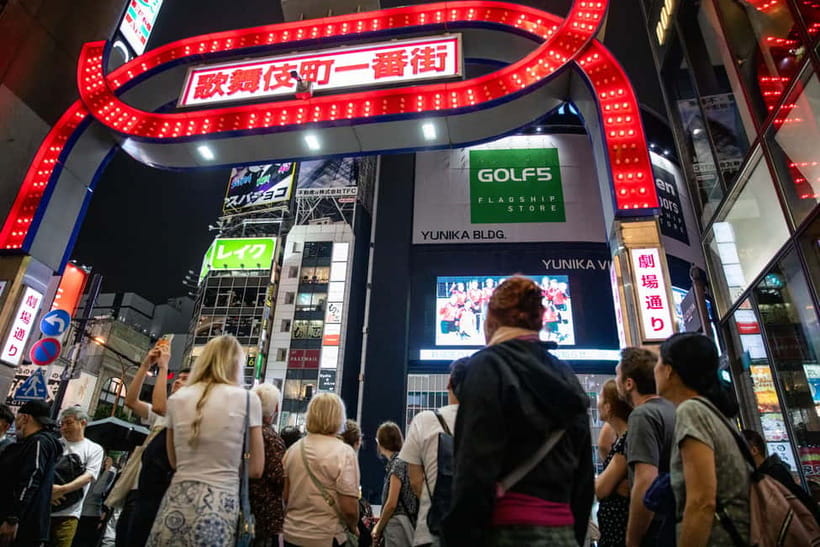
Tokyo’s neon heart is not found in a single lookout or museum. It is found in Shinjuku after sunset, when narrow lanes, tiny bars, izakayas, signs, and skyscrapers all compete for your attention. This two-hour walk takes you through Kabukicho, Golden Gai, Hanazono Shrine, and the LGBTQ district of Ni-chome, giving you a useful map of the city’s nightlife.
I like two things here. First, the tour explains how Shinjuku changed from a red-light district into a much broader entertainment center. Second, guides such as Dani, Gray, Loc, Polina, Huy, and Daniel have been praised for humor, local tips, and clear answers to awkward questions. The main drawback is the meeting point: Shinjuku Station is enormous, crowded, and easy to misread when you have just arrived in Japan.
At a glance: what this Shinjuku night walk delivers
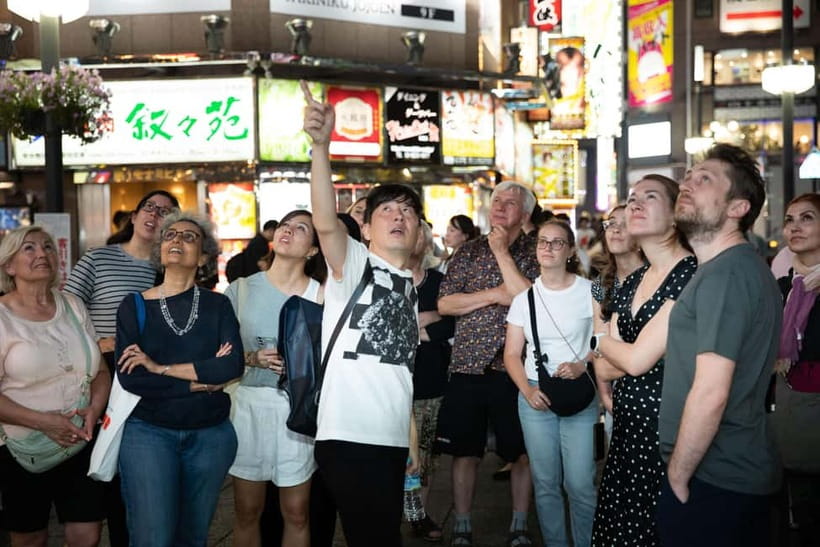
- A guided route through five distinct areas: Omoide Yokocho, Kabukicho, Golden Gai, Hanazono Shrine, and Ni-chome each show a different side of Shinjuku.
- A useful first-night orientation: You finish with food and drink suggestions and a better sense of which streets deserve a return visit.
- Nightlife context, not just neon photos: The guide explains the district’s past, its entertainment culture, and the customs that can puzzle first-time visitors.
- A safe way to see unfamiliar streets: You walk with a local guide through alleys and nightlife zones that can feel confusing on your own.
- Good value at $29: Two hours of guiding, local explanation, and restaurant advice costs less than many paid Tokyo attractions.
- Adults only: The tour is not suitable for anyone under 18, and alcohol and drugs are not allowed during the activity.
Why Shinjuku works best after dark
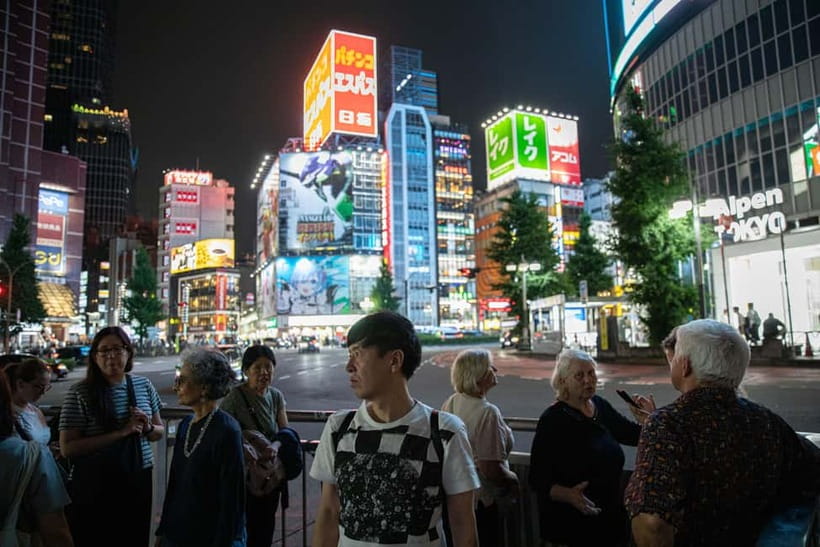
Shinjuku is easy to describe as a giant station area, but that misses the point. Around the east exit, the city changes block by block. One street is lined with tall buildings and bright signs. The next becomes a narrow alley of small eateries. A few minutes later, you are near a shrine or a compact bar district with its own rules.
The tour gives you a way to read these changes. Instead of simply photographing neon, you hear how entertainment, dining, nightlife, and older traditions share the same small area. That context matters because Kabukicho can look intimidating or confusing if you only see the signs and crowds.
The experience lasts two hours and costs $29 per person. I consider that a fair price for a walking tour in central Tokyo, especially if you use the food recommendations afterward. You are not paying for admission to a major attraction. You are paying for a local route, explanations, and a head start on exploring Shinjuku without wasting your first evening.
The guides speak English or Spanish. Names reported for this tour include Dani, Daniel, Gray, Loc, Polina, Huy, Shota, Daichi, and others, so the exact personality and focus can vary. The strongest pattern is clear communication, humor, and practical advice about restaurants and bars.
Other walking tours in Tokyo people book:
- Tokyo Tsukiji Fish Market Food and Culture Walking Tour
★ 5.0 · 3,184 reviews - Tokyo: Imperial Palace and Shogun Historical Walking Tour
★ 5.0 · 2,251 reviews - Tokyo: Shinjuku Local Bar and Izakaya Guided Walking Tour
★ 4.9 · 1,794 reviews
Finding the group at Shinjuku Station
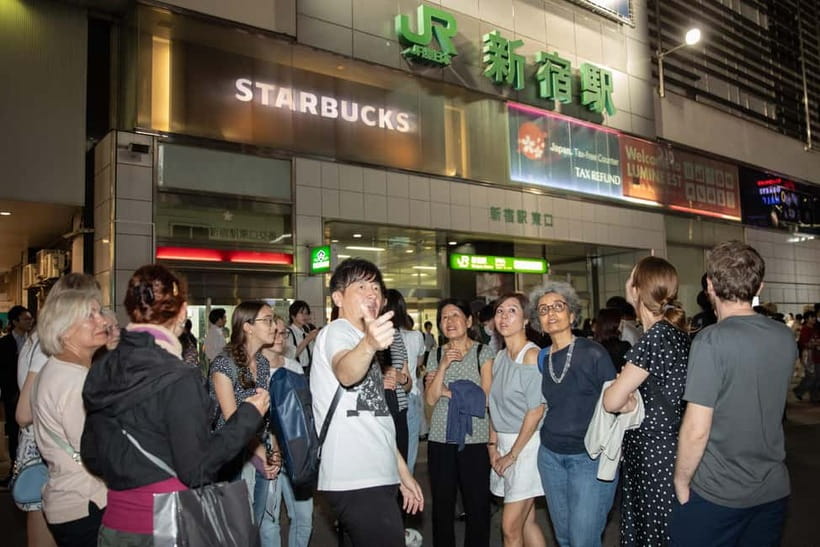
There are two possible meeting points: the Shinjuku Tourist Information Center or the police box at the East Exit of Shinjuku Station. Your booking choice determines which one applies.
Take this seriously: Shinjuku Station is one of the largest and most complicated stations in the world. The east exit area can be packed, with several tour groups and companies gathering nearby. One guide may be holding a sign, but you should still allow extra time to find the correct spot.
A few past participants found the meeting area confusing because different groups gather in the same busy zone. I would not schedule this walk immediately after landing or place a tight dinner reservation before it. The tour does not wait for late arrivals, so arriving early is one of the most important practical tips.
You should also wear comfortable shoes. Two hours on busy pavements and narrow lanes is not a major physical challenge, but you will be walking continuously and stopping often. The tour ends at one of two locations, near Shinjuku Golden Gai or in 3-Chome, which makes it easy to continue your evening in the same part of town.
Omoide Yokocho: a small start with a big contrast
The first main stop is Omoide Yokocho, a compact lane area close to Shinjuku Station. Its appeal is scale. After the huge station and surrounding towers, you suddenly face a tight cluster of small restaurants and food stalls.
The guide uses this stop to explain the older side of Shinjuku and the role of casual dining in Japanese nightlife. You will see the kind of close-packed setting that is easy to miss if you stay on the main avenues.
This is also where food advice becomes useful. The tour does not include a meal, but guides regularly point people toward places to eat after the walk. Several guides, including Dani, Loc, Gray, and Daniel, have been praised for restaurant suggestions, with ramen and okonomiyaki among the recommendations mentioned.
Do not expect an extended food tasting here. The value is learning how the area works and getting ideas for your own meal. If you want to eat in Omoide Yokocho afterward, ask the guide for current suggestions rather than assuming every small place will suit your budget or comfort level.
Kabukicho: the district behind the bright signs
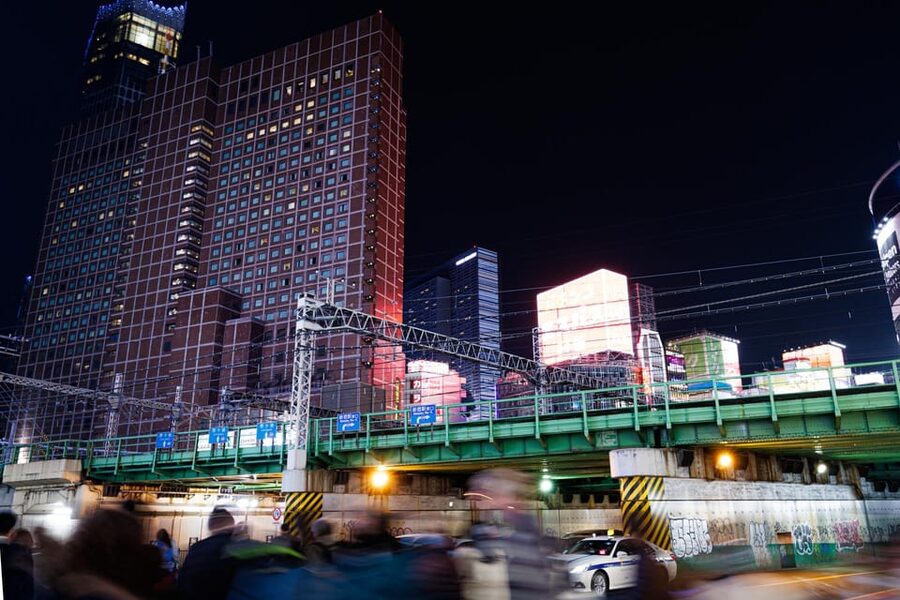
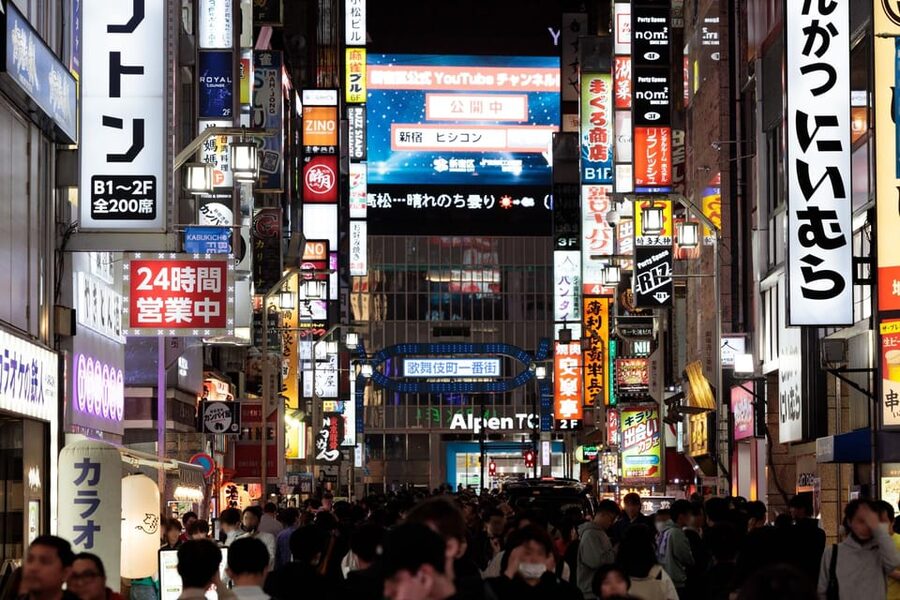
Kabukicho receives the longest portion of the walk, about 40 minutes. That makes sense. This is the center of Shinjuku’s entertainment activity, and it is where the tour’s title becomes most relevant.
You pass bars, izakayas, entertainment venues, large signs, and towering buildings. The guide explains how the area developed from a red-light district into a broader nightlife zone. That change is important because Kabukicho is not one simple thing. It includes restaurants and ordinary evening activity alongside venues aimed at adult entertainment.
This is the part of the tour that benefits most from a guide. The streets are crowded, the signs can be hard to interpret, and the boundary between a normal restaurant and a place aimed at a particular nightlife market is not always obvious to a first-time visitor. A guide can give you the larger picture without asking you to wander into places you do not understand.
The tour does not permit alcohol or drugs, and it is only for people 18 and older. That makes the activity more of a cultural walking tour than a pub crawl. You see the nightlife district, learn how it functions, and receive suggestions for places to return to later.
Guides have also explained local customs, Japanese social habits, and the less visible side of the district. The best part is the chance to ask direct questions. Some subjects can feel difficult to raise in a formal sightseeing setting, but this tour is designed to discuss the area’s darker and more unusual features in a clear way.
Other guided walks in Tokyo:
- Tokyo: Tsukiji Fish Market Food and Walking tour
★ 5.0 · 1,724 reviews - Tokyo: Asakusa Walking Tour with Sensoji Temple Visit
★ 4.8 · 1,583 reviews - Tokyo: Tsukiji Fish Market Guided Walking Tour
★ 4.9 · 1,397 reviews - Tokyo Castle & Imperial PalaceーShogun Walking Tour
★ 4.7 · 1,068 reviews
Golden Gai: tiny bars in a maze of alleys
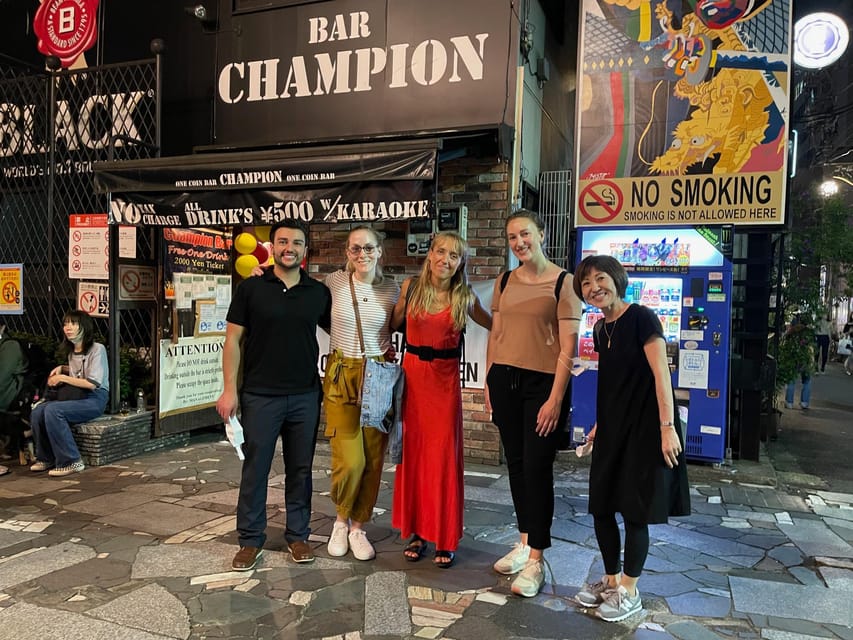
Golden Gai receives about 20 minutes. This is one of Shinjuku’s most recognizable nightlife areas, made up of narrow lanes and very small bars packed close together.
The charm is visual and social. The lanes feel very different from the broad streets outside. Each bar may have its own character, but you are mainly seeing the area from the street rather than joining a drinking session as part of the tour.
That distinction matters. If you expect a bar-hopping experience with included drinks, this is not it. If you want to understand where Golden Gai fits into Shinjuku’s after-dark culture, the stop works well.
The guide can explain how to approach the area and what to consider before entering a small bar. This is especially useful because tiny venues may have limited seating, special expectations, or an atmosphere that is not obvious from the doorway. You will be better prepared to return independently, if you find a place that suits you.
Golden Gai is also the end point for some versions of the tour. If your walk finishes there, you can stay nearby for dinner or drinks, but the tour itself remains a guided walk rather than a drinking event.
Hanazono Shrine: a quiet pause in the city
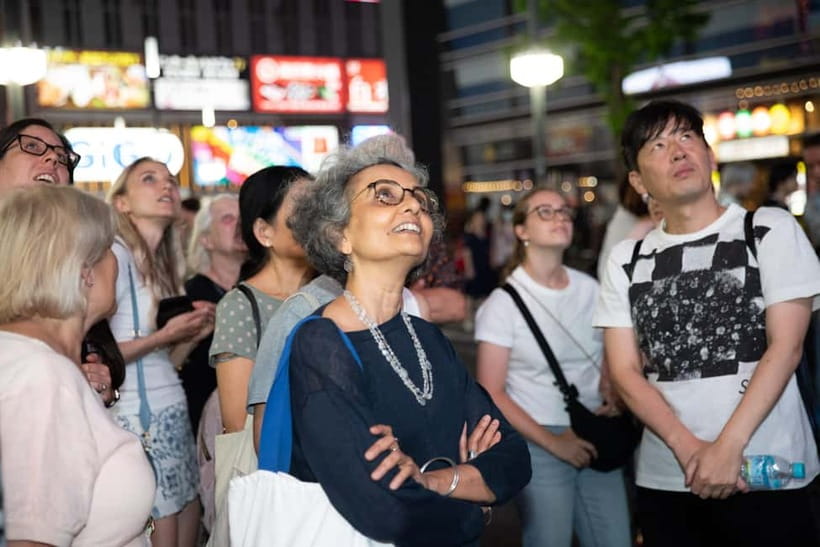
Hanazono Shrine gives the route a welcome change of pace. After the signs, music, and tight entertainment lanes, the shrine offers a traditional setting within the same central district.
The stop helps show why a simple modern-versus-old description of Tokyo does not work. Traditional religious spaces and contemporary entertainment districts can sit close together, with only a short walk between them.
You spend about 20 minutes here with the guide. The value is not just taking a few photographs. It is seeing how the shrine fits into the surrounding neighborhood and how Japanese customs remain part of ordinary city life.
Because the rest of the walk focuses on nightlife, this stop also keeps the tour from becoming a one-note look at adult entertainment. You get a more rounded view of Shinjuku, where food, religion, business, pop culture, and nightlife all overlap.
Ni-chome: Shinjuku’s LGBTQ district
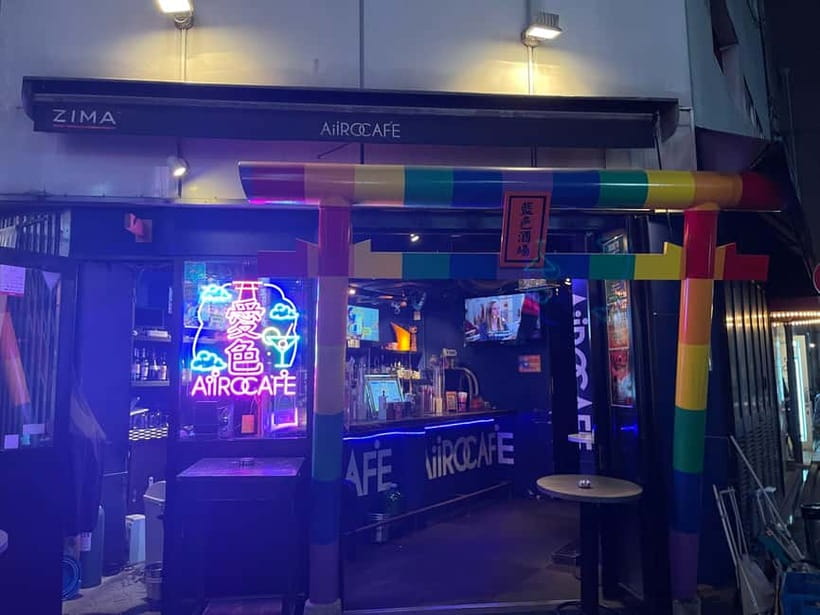
The final listed area is 2 Chome, commonly called Ni-chome. This is known as Shinjuku’s LGBTQ district and is another important part of the neighborhood’s nightlife identity.
The tour points out the bright signs and entertainment options here while explaining how this district fits into the larger Shinjuku scene. You should expect an area overview and cultural context, not entry into a club or a private venue.
Ni-chome makes the route more complete. Kabukicho is the most famous name, but Shinjuku’s nightlife is not limited to one red-light district. Different streets serve different communities and interests, and the walk helps you see that variety in a short distance.
The tour ends near Golden Gai or in 3-Chome. That is practical because you are already in a part of Shinjuku with many options for dinner. Ask your guide for a recommendation suited to what you want, whether that means ramen, okonomiyaki, an izakaya, or simply a place that feels easy for a first meal in the area.
What the guides add to the experience
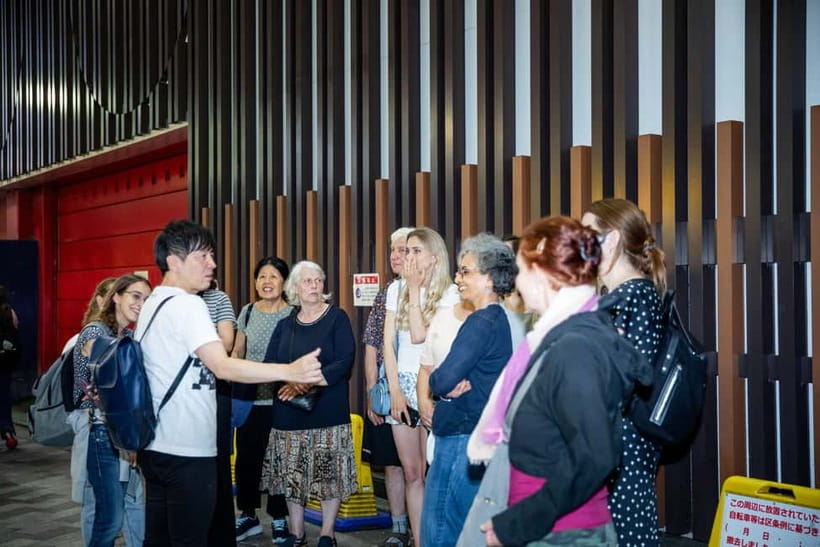
The route is fixed enough to give you a clear introduction, but the guide’s style can shape the evening. Dani and Daniel have been described as friendly and engaging. Gray has been praised for cultural explanations, humor, and patience with questions. Loc is known for storytelling and food suggestions, while Polina has been noted for organization and clear answers.
Those differences matter. A two-hour walk can feel rushed if the guide only points at buildings. Here, the most useful version of the experience includes stories about Shinjuku’s past, explanations of modern Japanese nightlife, and time for questions.
The guides also appear to come from varied backgrounds. One guide, Gray, has been described as American, raised in Japan, and studying at a local university. That kind of perspective can help you connect everyday Japanese customs with what you are seeing on the street.
You should not assume one specific guide will lead every departure. Instead, book this tour for the format and subject, then treat the guide’s personality as part of the variable. The repeated praise for humor, friendliness, and practical recommendations suggests that the human element is a major part of the value.
Is $29 a good price for two hours?
At $29, this is inexpensive compared with many organized Tokyo activities. The fee covers the guide, not food, drinks, or admission to nightlife venues. That keeps the price low, but it also means you should judge the tour by the explanation and route rather than by included extras.
I think the best value comes on your first evening in Shinjuku. You gain a working map of the area, learn which districts are different from one another, and collect suggestions for the rest of your stay. A good ramen recommendation alone can make the walk more useful than a generic photo stop.
The price is less compelling if you already know Shinjuku well or only want to visit a particular bar. Independent walking costs nothing, and the major streets are easy enough to see on your own. The guide earns the fee by explaining what you are looking at and helping you avoid a confusing first pass through the area.
Free cancellation is available up to 24 hours before the start time, and you can reserve now and pay later. Those terms help if your Tokyo plans are still shifting, but the late-arrival rule remains important.
Who should book this walk?
I would choose this tour if you are visiting Tokyo for the first time, staying near Shinjuku, or curious about nightlife but unsure how to approach it. It also suits solo visitors who want company for an evening orientation and couples who prefer explanation over simply walking around with a camera.
The walk is especially useful for people interested in Japanese modern culture, local customs, and the less polished side of Tokyo. It is not a substitute for a food tour, a club night, or a private nightlife experience.
You should skip it if you are under 18, uncomfortable around red-light districts, or looking for a quiet historical tour. The subject is adult nightlife, and some streets may feel crowded or visually intense.
Should you book the Shinjuku Red Light Walking Tour?
Book it if you want a clear, affordable introduction to Shinjuku after dark. The strongest reasons are the range of stops, the honest look at Kabukicho, the contrast with Hanazono Shrine, and the practical restaurant advice offered by guides such as Dani, Gray, Loc, Polina, Huy, and Daniel.
Plan carefully for the meeting point. Arrive early, confirm the exact starting location, and do not expect the group to wait. If you do that, this tour gives you a useful first read of a complicated district, plus plenty of ideas for where to spend the rest of your evening.
FAQ
How long does the Shinjuku Red Light Walking Tour last?
The scheduled duration is two hours. Some individual walks may run a little longer, but you should plan around the stated two-hour duration.
How much does the tour cost?
The price is $29 per person.
Where does the tour start?
There are two possible starting points: the Shinjuku Tourist Information Center or the police box at Shinjuku Station’s East Exit. The meeting point depends on the option booked.
Where does the tour finish?
The walk has two possible drop-off locations: Shinjuku Golden Gai or 3-Chome.
Which languages are available?
The tour is offered with a live guide in English or Spanish.
Is the tour suitable for children?
No. The activity is not suitable for anyone under 18.
Are food and drinks included?
No food or drinks are listed as included. Guides can provide recommendations for restaurants, bars, ramen, and other places to eat after the tour.
Can I drink alcohol during the tour?
No. Alcohol and drugs are not allowed during the activity.
What happens if I need to cancel?
You can cancel up to 24 hours in advance for a full refund. You can also reserve now and pay later.
Just added in Tokyo
- Nikko: Edo Wonderland Edomura Cultural Theme Park Ticket★ 4.3 · 205 reviews
- 《MEMBERS-ONLY-BAR-HOPPING》Discover Your Special Whiskey in Tokyo!★ 5.0 · 29 reviews
- Japanese Whisky Hunting《HIGH-QUALITY-ONLY》Rare Tasting Class★ 5.0 · 20 reviews
- Luxury Tokyo Sake, Cocktail, Whisky and Pairing Tour★ 5.0 · 18 reviews
- Wagyu & Sake Pairing in Shinjuku – Steak, Shabu-Shabu & More★ 5.0 · 112 reviews
- Small-Group Wagyu Beef and 7 Japanese Dishes Tokyo Cooking Class★ 5.0 · 190 reviews
- From Tokyo: Private Tour to Fuji/Hakone – Onsen, Art, Nature★ 5.0 · 116 reviews
- Tokyo: KABUKI Show at Kabukiza Theatre Admission Ticket★ 4.8 · 152 reviews
Walking Tours, compared.
Kyoto Geisha Walking Tour: Gion District & Hidden Gems
Read our review →
Tokyo Tsukiji Fish Market Food and Culture Walking Tour
Read our review →
Imperial Palace and Shogun Historical Walking Tour
Read our review →
Gion Geisha District Walking Tour – Stories of Geisha
Read our review →
Shinjuku Local Bar and Izakaya Guided Walking Tour
Read our review →
Asakusa Walking Tour with Sensoji Temple Visit
Read our review →
Nishiki Market Brunch Walking Tour (7 Tastings + Brunch)
Read our review →Browse the lists this tour appears in