
Reviewed · COOKING CLASSES
Tokyo Washoku 4-hour Cooking Class: From Market to Table
The best part of this Tokyo cooking class happens before you reach the kitchen. You shop at a local supermarket with your guide, learning how Japanese shoppers choose vegetables, meat, seasonings, and other ingredients. Then you turn those finds into makisushi, miso soup, rolled omelet, and grilled eggplant in a small studio near Iriya Station.
I like the hands-on format, since you do the cutting, rolling, mixing, and cooking rather than watching a chef work. I also like the practical follow-through: you receive recipes, and the dishes are simple enough to attempt at home. The main consideration is timing. The class starts at 10:00 am sharp, and arriving more than five minutes late without contact counts as a cancellation.
Key points to know before booking
- Supermarket first: Learn how to select Japanese ingredients before cooking with them.
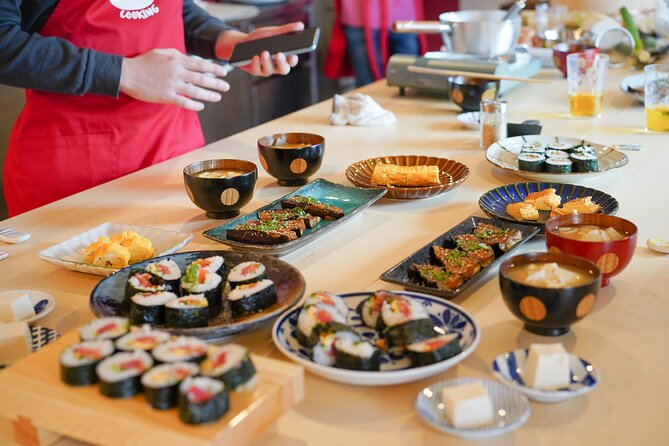
- Four traditional dishes: Prepare makisushi, miso soup, dashimaki tamago, and nasu dengaku.
- Small class size: The maximum is seven people, so you should get plenty of direct instruction.
- Friendly teaching style: Guides including April, Yuri, Alice, Mihori, Taka, and Suzy are praised for patience and clear explanations.
- Food and drink together: Eat the meal you prepare, with sake or beer tasting available during the class.
- Useful take-home value: Recipes let you repeat the dishes after returning home.
A Tokyo cooking class that begins at the supermarket
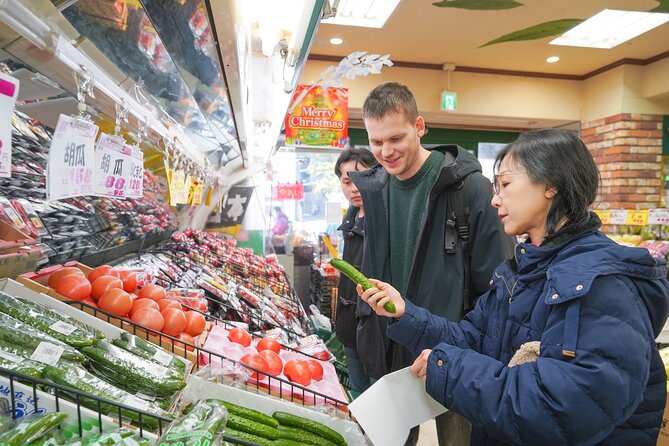
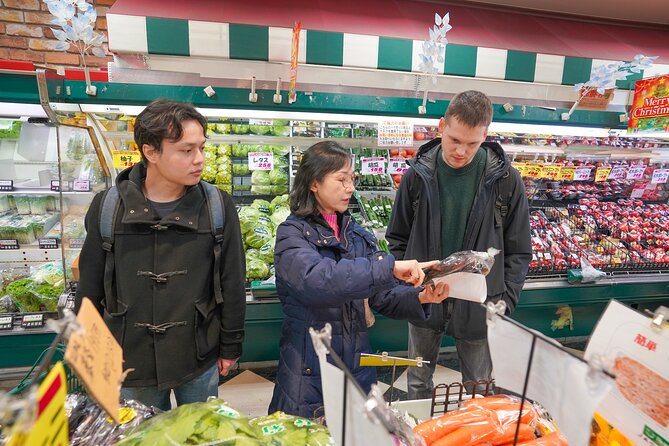
Many cooking classes take you straight to a prepared kitchen. This one begins at a FamilyMart meeting point near Iriya Station, then moves to a nearby supermarket with your guide. That first stop gives the class a useful sense of place. You are not simply handed premeasured ingredients. You learn what Japanese food shopping looks like and how ordinary products are labeled and sold.
Your guide explains how to choose ingredients and points out Japanese vegetables, meat, seasonings, and other items you may have passed over in a store. The supermarket visit is also a good chance to ask questions about daily food in Japan. You can ask about products you have seen in convenience stores or about ingredients used in Japanese home cooking.
I especially like this part for first-time visitors. It connects the meal to everyday Tokyo instead of treating Japanese cuisine as a set of restaurant specialties. The drawback is that shopping takes time from the cooking itself, but that is the point of this experience. You are paying for the full path from ingredient selection to finished meal.
After shopping, you walk to the cooking studio. The class ends there, and you may choose to continue on your own to Kappabashi Dougu Street, Tokyo’s famous kitchenware area. That extra stop is not part of the guided class, but it can fit nicely after a morning spent thinking about knives, pans, and Japanese cooking tools.
More cooking in Tokyo:
- Ramen & Gyoza Cooking Class in Tokyo with Local Supermarket Visit
★ 5.0 · 823 reviews - Ramen and Sushi Cooking Class with Sake Pairing Set in Tokyo
★ 5.0 · 291 reviews - Tokyo: Wagyu and 7 Japanese Dishes Cooking Class
★ 4.9 · 273 reviews
What you cook during the four-hour class
The menu covers several basic Japanese techniques rather than focusing on a single dish. You prepare makisushi, miso soup, dashimaki tamago, and nasu dengaku from scratch.
Makisushi gives you practice with seasoning, arranging fillings, and rolling sushi neatly. It is a good dish for a group because everyone can take part, and it is also one of the easier Japanese foods to recreate at home once you understand the method.
Miso soup looks simple, but the class gives you a chance to understand the building blocks behind it. You work with Japanese ingredients and learn how the soup fits into a home-style meal. One participant described the finished soup as the best miso soup they had eaten, which says something about the appeal of making it fresh rather than relying on an instant packet.
Dashimaki tamago, the Japanese rolled omelet, requires patience and a little control. You learn how to cook and roll the egg into layers. If you cannot eat eggs, the food selection is reduced from four dishes to three, so this is worth considering before you reserve.
Nasu dengaku introduces you to grilled eggplant with a savory miso-based flavor. It adds a vegetable dish to the menu and shows how Japanese cooking can make a few ingredients taste full and satisfying without complicated equipment.
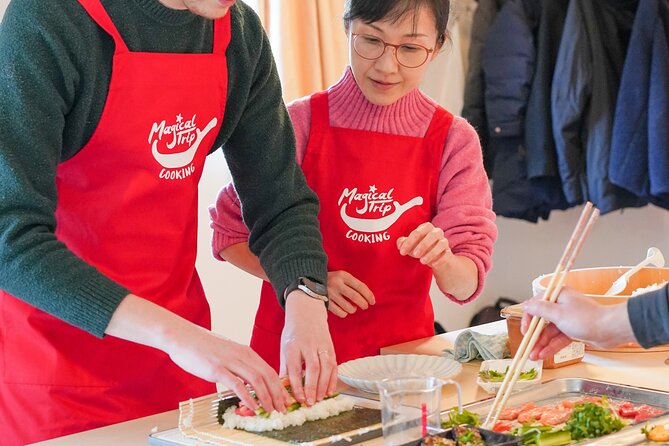
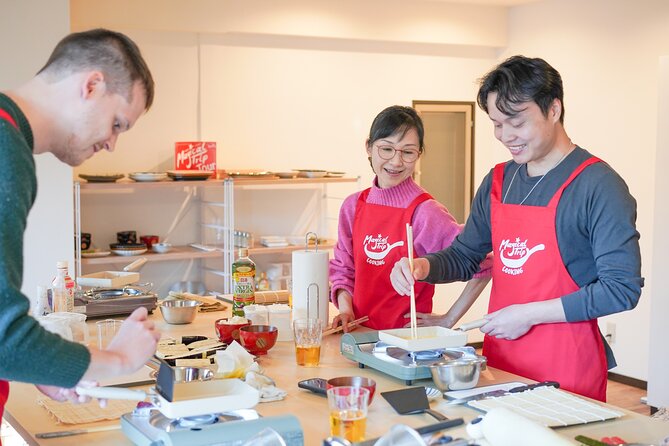
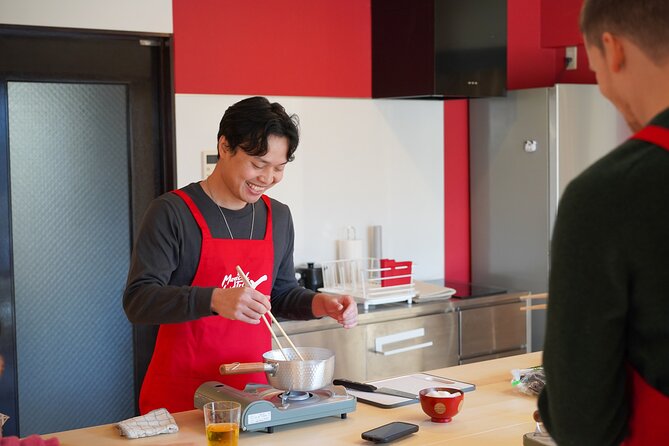
The class also covers knife work and cooking methods. You should expect to chop and prepare food yourself, with the guide showing you how to handle the ingredients. This is not a demonstration where you sit at the counter and take notes. You take part throughout the meal.
Why the small group matters
The maximum group size is seven. That is not a private class, and other participants may join you, but it is small enough for direct help at the cutting board and stove.
I like this size for a cooking lesson because mistakes can be corrected before they become part of the meal. You can ask about knife angles, rolling sushi, seasoning soup, or choosing ingredients without waiting for a large group to move along.
The social side is part of the appeal, too. The class brings together people from different countries, and the shared meal gives you a natural way to talk while eating. Families with teenagers have enjoyed the mix of activity, food, and conversation. It works well for couples and solo visitors as well, especially if you like meeting people through a practical activity.
The group format does mean the pace is shared. If you already cook Japanese food often, some steps may feel basic. If you are new to the cuisine, the slower instruction should be welcome.
The guides make the class personal
The individual guide matters a lot here. The named instructors include April, Yuri, Masai, Alice, Minnie, Mihori, Taka, Nigiri, and Suzy. The teaching style described across the experience is warm, patient, and conversational, with plenty of time for questions.
April is praised for encouraging participants through each step and for adding beer and sake tasting to the lesson. Yuri is noted for explaining the dishes in detail and providing recipes that are easy to use at home. Masai has helped visitors compare Japanese customs with life in the West, which can make the class feel like a food lesson and a conversation about Japan.
Alice is described as cheerful and generous with stories while cooking and eating. Mihori is associated with clear shopping guidance and light conversation, while Suzy is praised for patience, personable instruction, and strong English. These details matter because a good cooking class depends as much on communication as on the menu.
You can ask questions during the class, so bring the things you genuinely want to know. Ask about substitutions, supermarket products, knife skills, or how to prepare the dishes in your own kitchen. The more specific your questions, the more useful the session becomes.
Same base, a different sort of day:
- Mt Fuji and Hakone 1-Day Bus Tour Return by Bullet Train
★ 5.0 · 26,383 reviews - 1-Day Tokyo Bus Tour
★ 5.0 · 14,250 reviews - Tokyo: TOKYO SKYTREE® Admission ticket
★ 4.5 · 11,192 reviews - Tokyo: teamLab Planets TOKYO Digital Art Museum Entry Ticket
★ 4.6 · 9,779 reviews
Eating the meal you made
Once the cooking is finished, you sit down and eat together at the studio. This is a satisfying payoff because you have followed the ingredients from the supermarket to the plate.
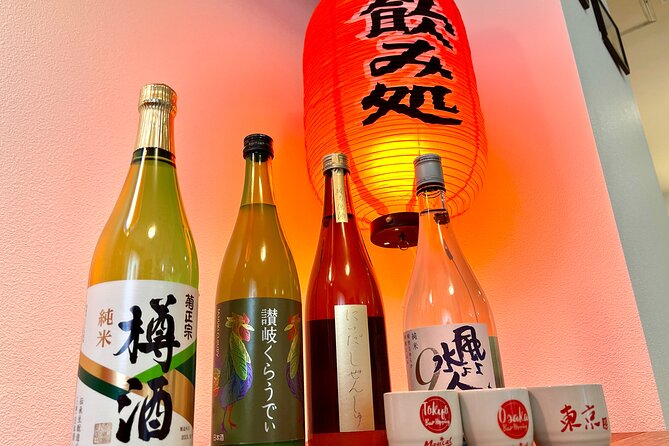
Sake or other drink pairings can be part of the meal, and beer and sake tasting has been included during the cooking lesson. The drink element adds a relaxed touch, but it is not the sole reason to book. The real value is the combination of shopping, cooking, and dining in one four-hour session.
A full four-course meal has been prepared during the class, though the precise serving format may depend on the group and dietary arrangements. You should expect traditional Japanese dishes rather than restaurant-style tasting portions. The experience is designed to show you how the food is prepared and eaten together.
The studio is described as spacious and well set up. That matters when several people are chopping, rolling, and cooking at once. A cramped kitchen can make a hands-on class awkward, while a larger workspace gives everyone room to participate.
Price and practical value at $79.59
At $79.59 per person, this is not the cheapest way to eat lunch in Tokyo. It is also more than the cost of buying the same basic ingredients at a supermarket. But the price includes roughly four hours of instruction, a guided shopping visit, the meal, recipes, and a small-group setting.
I see the value in the complete format. A short cooking demonstration might teach you one dish, but this class covers shopping decisions, knife work, several cooking methods, dining, and questions about Japanese food. If you plan to cook Japanese food after your trip, the recipes and ingredient guidance make the price easier to justify.
The class also saves you from arranging several separate activities. You do not need to find a supermarket, plan a menu, buy ingredients, and locate a cooking studio yourself. For a first visit to Tokyo, that convenience has real worth.
The value is weaker if you only want to eat and have little interest in cooking. In that case, a market tour or food-focused evening may suit you better. This experience asks you to participate, and that is where much of the price goes.
Dietary requests and weather planning
Vegetarian and vegan participants are welcome, and the organizers can arrange ingredients and cooking processes for those diets. You must provide dietary requests or allergy information at least one day before the class. Requests made on the day cannot be accommodated.
There is an important limitation for anyone with a serious allergy. The food is prepared in kitchens that do not belong to MagicalTrip, so an allergy-free environment cannot be guaranteed. Substitutions may not always be possible. Contact the provider before booking if your safety depends on strict avoidance.
People who do not eat eggs will have three food types instead of four. That does not cancel the experience, but it does change the menu because dashimaki tamago is one of the planned dishes.
Tokyo weather can also affect your comfort. The tour includes walking between the meeting point, supermarket, and studio, and the city can be very hot in summer or cold in winter. Prepare for the season, especially during periods when temperatures may reach about 40 degrees Celsius in summer or fall as low as minus 5 degrees Celsius in winter.
Meeting point, timing, and cancellation rules
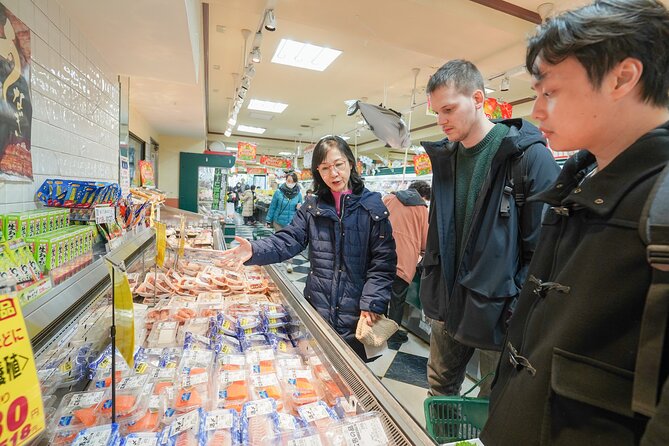
The meeting point is the FamilyMart at 2-chome-1-10 Shitaya, Taito City, Tokyo 110-0004. The start time is 10:00 am, and the activity ends back at the cooking studio, which is also the stated end point.
Allow extra time to find the FamilyMart. The tour does not wait for late arrivals. If you are more than five minutes late without contacting the provider, the booking is treated as a cancellation, with no refund or rescheduling.
You can change the date or time free of charge up to 24 hours before the start. You can also cancel at least 24 hours in advance for a full refund. Changes or cancellations within 24 hours are not accepted, and a no-show is not refundable.
The activity requires good weather. If poor weather causes cancellation, you will be offered another date or a full refund. Bring your mobile ticket and plan your morning around arriving early, not exactly at 10:00.
Who should book this experience
I would choose this class for you if you want more than a meal and prefer learning by doing. It is a particularly good fit for:
- First-time visitors who want an introduction to everyday Japanese ingredients
- Home cooks who want recipes they can repeat
- Couples, families, and teenagers who enjoy a shared activity
- Solo visitors who like small-group conversation
- Vegetarians and vegans who provide their needs in advance
- Anyone curious about sake, beer, and Japanese food pairings
It may not suit you if you dislike group activities, have strict allergies that cannot tolerate a shared kitchen, or want a quiet restaurant meal. It also requires a firm morning schedule. The class is not a drop-in activity, and missing the meeting time can cost you the full booking.
Should you book the Tokyo Washoku cooking class?
I recommend it if you want a practical introduction to Japanese home cooking, not just another food stop. The supermarket visit is the feature that gives the experience its character, while the small group and patient guides make the cooking accessible.
The strongest reasons to book are the full four-hour format, the chance to prepare four familiar Japanese dishes, the recipes for home use, and the direct contact with guides such as April, Yuri, Alice, and Mihori. You also get a meal at the end, with sake or beer tasting available.
Before booking, check your allergies, tell the provider about dietary needs at least one day ahead, and plan to arrive early at the FamilyMart near Iriya Station. If those details work for you, $79.59 buys a useful and social lesson in how Japanese food moves from supermarket shelf to table.
FAQ
Where does the Tokyo cooking class meet?
The class meets at the FamilyMart at 2-chome-1-10 Shitaya, Taito City, Tokyo 110-0004, near Iriya Station.
What time does the class start?
The class starts at 10:00 am.
How long does the cooking experience last?
The experience lasts approximately four hours.
What dishes will I prepare?
You will prepare makisushi, miso soup, dashimaki tamago, and nasu dengaku.
Are vegetarian and vegan participants welcome?
Yes. Vegetarian and vegan participants are welcome, but you must provide dietary information at least one day before the tour.
Can the class accommodate allergies?
You must report allergies at least one day before the class. An allergy-free environment cannot be guaranteed because the food is prepared in kitchens that do not belong to MagicalTrip.
What happens if I cannot eat eggs?
Your food selection will be reduced from four types to three.
Can I cancel for a full refund?
Yes, if you cancel at least 24 hours before the experience start time. Cancellations within 24 hours and no-shows are not eligible for a refund.
Just added in Tokyo
- Nikko: Edo Wonderland Edomura Cultural Theme Park Ticket★ 4.3 · 205 reviews
- 《MEMBERS-ONLY-BAR-HOPPING》Discover Your Special Whiskey in Tokyo!★ 5.0 · 29 reviews
- Japanese Whisky Hunting《HIGH-QUALITY-ONLY》Rare Tasting Class★ 5.0 · 20 reviews
- Luxury Tokyo Sake, Cocktail, Whisky and Pairing Tour★ 5.0 · 18 reviews
- Wagyu & Sake Pairing in Shinjuku – Steak, Shabu-Shabu & More★ 5.0 · 112 reviews
- Small-Group Wagyu Beef and 7 Japanese Dishes Tokyo Cooking Class★ 5.0 · 190 reviews
- Mt. Fuji & Hakone Cherry Blossom private One Day Tour★ 4.5 · 35 reviews
- Mt. Fuji, Hakone Private Tour from Tokyo – Onsen, Arts and Nature★ 5.0 · 79 reviews
Cooking Classes, compared.
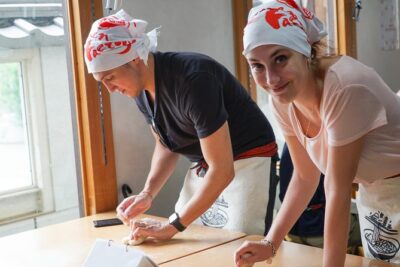
Ramen Cooking Class at Ramen Factory in Kyoto
Read our review →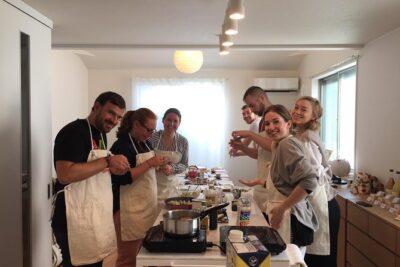
Ramen & Gyoza Cooking Class in Tokyo with Local Supermarket Visit
Read our review →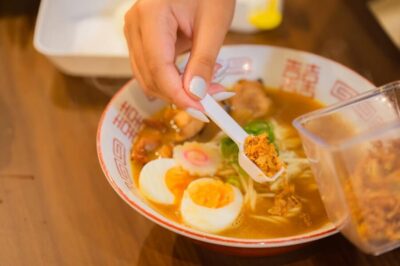
Ramen Cooking Class at a Ramen Factory with Souvenir
Read our review →
Japanese Washoku Bento Small Group Cooking Class
Read our review →
Sumo Stage Show with Bento or Snack + Fight & Photo
Read our review →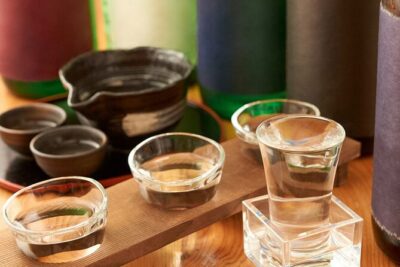
Ramen and Sushi Cooking Class with Sake Pairing Set in Tokyo
Read our review →Browse the lists this tour appears in