
Reviewed · FUSHIMI INARI TOURS
Kyoto: Fushimi Inari Taisha Shrine Walking Tour with Guide
Fushimi Inari Taisha is famous for its endless-looking tunnel of orange torii gates, but this tour adds something many quick visits miss: a walk through the quieter local area and a stop at Sekiho-ji Temple. I like the use of public transport, and I like that the guide explains Kyoto customs rather than simply pointing at buildings.
Guides such as Junko bring a personal touch, answering questions and sharing details that are easy to miss alone. The main drawback is the walking: this is a roughly two-hour tour, and you pay your own train fare. It also runs only on weekdays from October 6 through 31, 2025.
Key points to know before booking
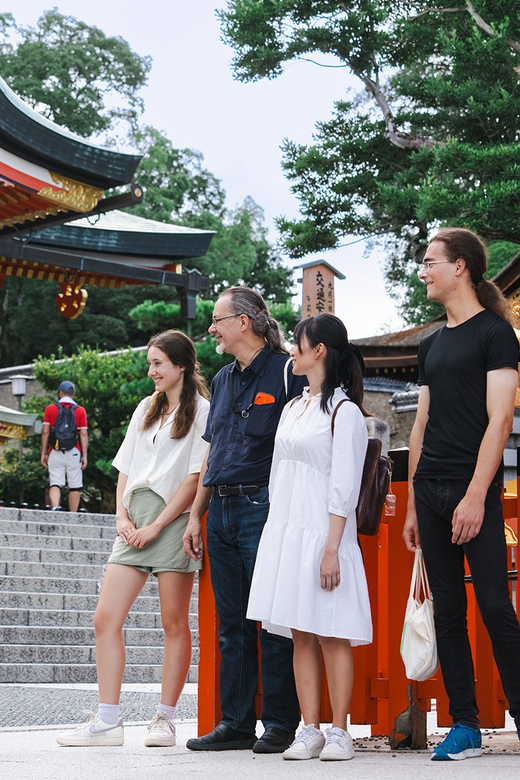
- Fushimi Inari’s Senbon Torii: Walk beneath the shrine’s famous orange gates and learn how the site fits into Kyoto’s spiritual life.
- Sekiho-ji Temple: Visit a quieter temple with distinctive Jizo statues and a Zen garden.
- Kyoto-certified guides: Guides explain etiquette, customs, and local traditions in English.
- Public transportation: Meet at Kyoto Station and travel by train instead of using a private vehicle.
- Two-hour walking route: Expect steady walking, shrine grounds, neighborhood streets, and temple paths.
- $34 price point: Temple admission is included, while train fare, food, and drinks are extra.
Why this Fushimi Inari tour offers more than a photo stop
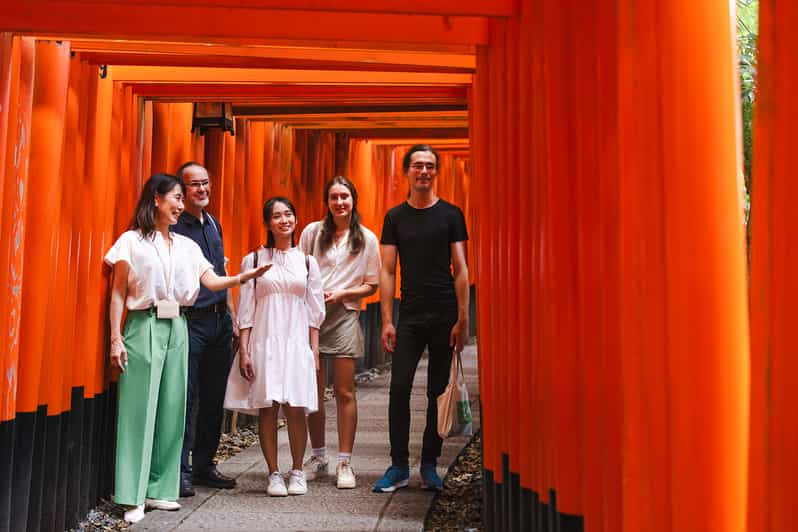
Fushimi Inari Taisha can be visited independently with little planning. You can take a train, follow the crowds, walk through the first torii gates, and leave with a fine collection of photographs.
The value of this tour lies in the explanation and the second stop. A certified Kyoto guide helps you understand the customs that shape a shrine visit, points out the meaning behind what you see, and connects the major attraction with a smaller temple. That gives the outing more shape than a simple walk under the gates.
I especially like the balance between a famous sight and a quieter place. Fushimi Inari supplies the visual drama. Sekiho-ji supplies the calm. The contrast helps you see two sides of Kyoto in a short time.
The tour costs $34 per person. That is a fair price if you want an English-speaking guide and a structured introduction to Fushimi Inari. You still need to pay for the train, but public transport should keep that extra cost modest. Since the temple entry is included, the price is easier to justify than it might first appear.
You should not book this expecting a private tour or an extensive mountain hike. The stated duration is about two hours, and no group size is provided. If you want a long climb up Mount Inari, this is not the right product. If you want context, a guided walk, and one extra temple, it makes more sense.
Other temples and shrines in Kyoto people book:
- Kyoto: Tea Ceremony Ju-An at Jotokuji Temple
★ 4.9 · 3,207 reviews - Arashiyama Bamboo, Temple, Monkeys, or Secret Sake Brewery
★ 4.8 · 886 reviews - Kyoto: Arashiyama Bamboo Forest, Monkeys, Matcha & Temple Tour
★ 5.0 · 759 reviews
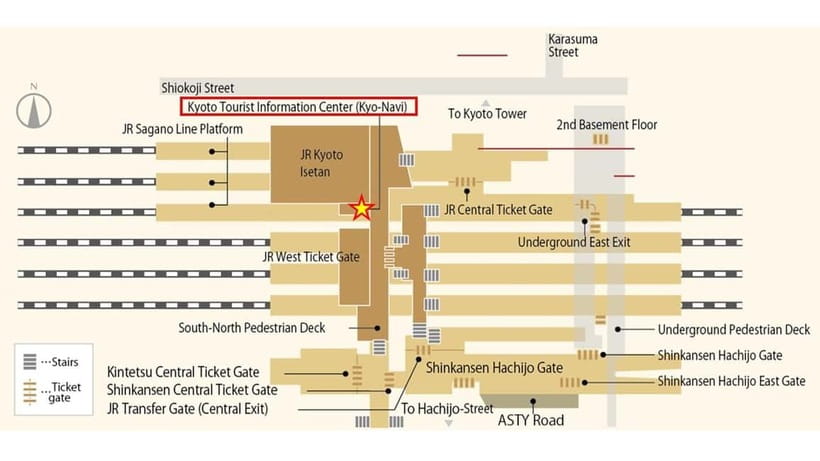
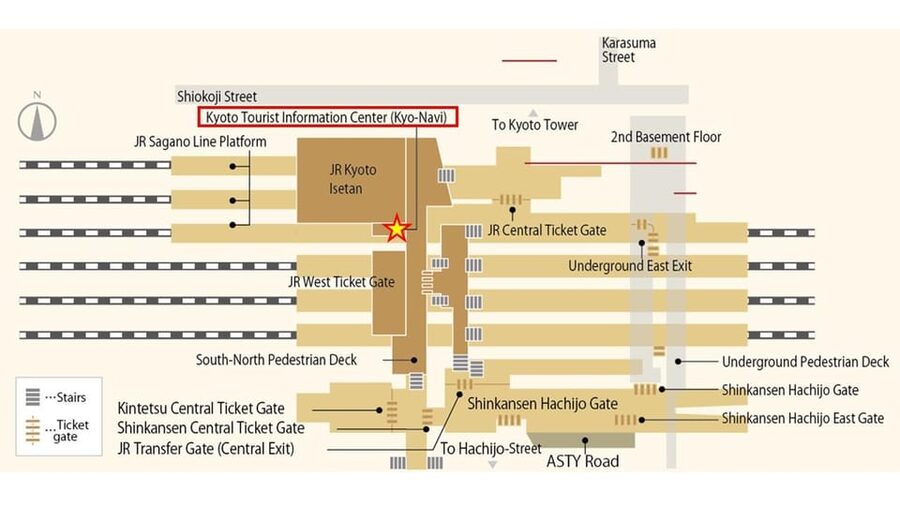
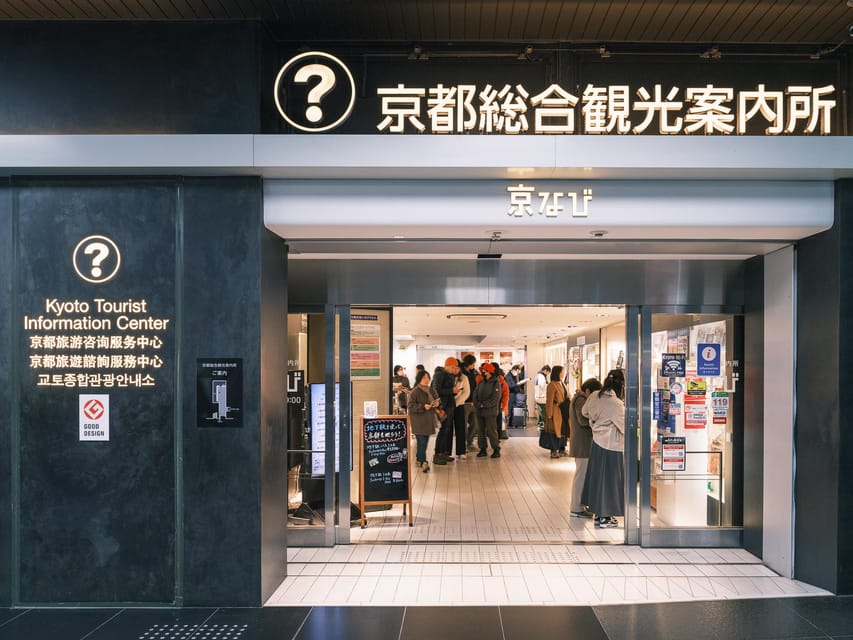
Starting at Kyoto Station’s Kyo-Navi center
The meeting point is Kyo-Navi, the Kyoto Tourist Information Center, on the second floor of Kyoto Station. Look for the pedestrian walkway on the north side, beside the south side of the large Kyoto JR Isetan department store.
Kyoto Station is large and can feel confusing, especially if you are carrying luggage or arriving close to the start time. I would arrive early rather than trying to find the center at the last minute. If you need help, ask for Kyo-Navi, the local name used for the information center.
This start is practical because Kyoto Station is a major transport hub. It also gives the guide a chance to explain the route before you leave. The train ride is part of the experience, not just a transfer. You use the same kind of public transportation that residents rely on, and the guide can introduce local customs along the way.
The tour is conducted only in English. That makes the experience straightforward for English-speaking visitors, but you should keep the language limit in mind if someone in your party needs another language.
Arrive well before the starting time. The tour does not wait for late arrivals, and missing the departure means you cannot join later. This is particularly important at Kyoto Station, where a few extra minutes can disappear while you search for the correct level.
Riding the train to Fushimi Inari
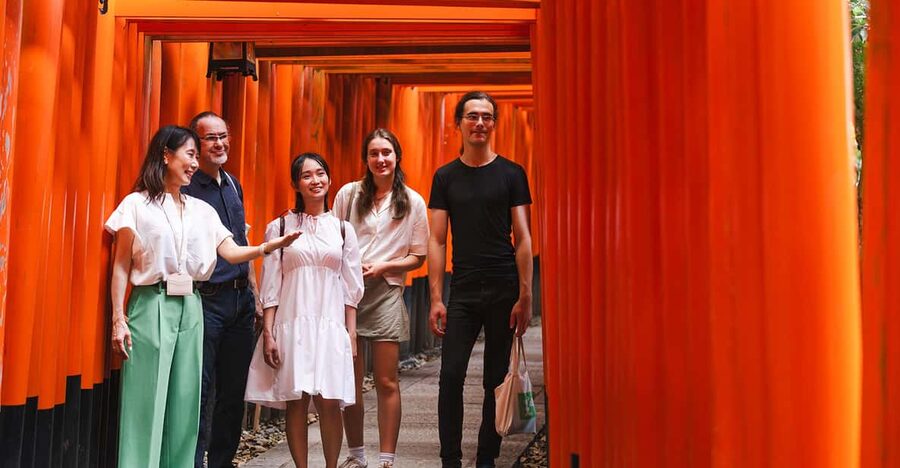
The journey to Fushimi Inari uses public transportation, with the train fare not included in the $34 price. I see this as a small inconvenience rather than a serious flaw. A private vehicle might be easier, but it would miss the everyday side of Kyoto and would not fit the tour’s environmental aim.
Your guide leads the trip and explains local customs during the ride and walk. This is where a certified local guide can make a real difference. Instead of arriving at the shrine with only a camera in hand, you get a basic introduction to how people approach sacred places in Kyoto.
The exact train fare is not provided, so keep some money available for transport. Food and drinks are also not included, and the tour is short enough that many people may not need a meal during the activity. Still, eat beforehand if you prefer starting a walking tour with plenty of energy.
The public transport element also makes the tour a good fit for visitors who want to reduce unnecessary vehicle use. It is a modest choice, but it matches the outing’s focus on a greener way to see the city.
Walking through Fushimi Inari’s orange gates
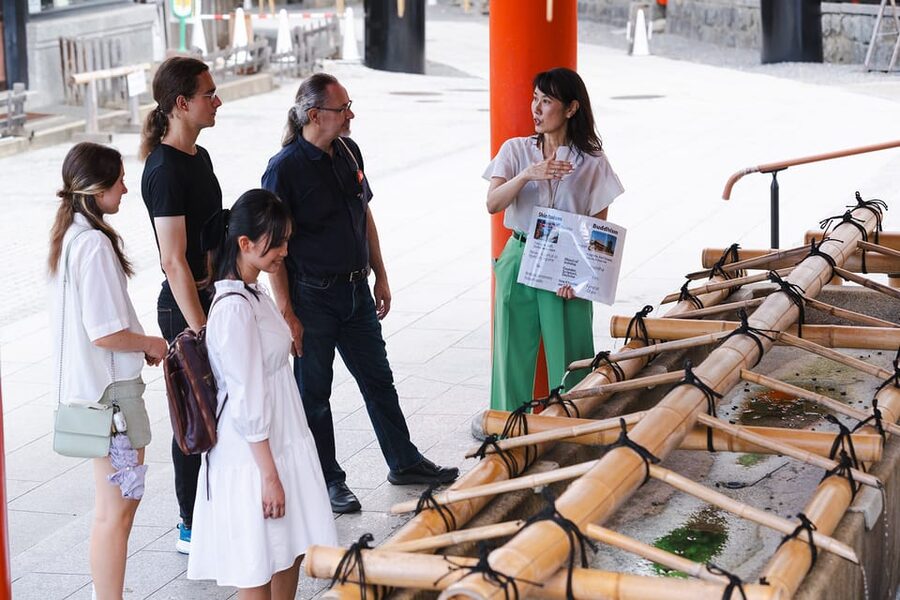
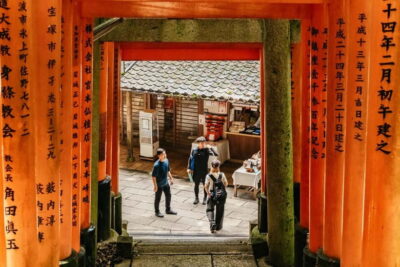
Fushimi Inari Taisha is one of Kyoto’s most recognizable sights. Its rows of orange torii gates create a striking passage through the wooded shrine grounds. The famous section is known as the Senbon Torii, or thousand torii gates, and walking beneath them is the visual center of the tour.
A guide helps you look beyond the color and repetition. You can learn about shrine customs, appropriate behavior, and the traditions that give the site meaning. Those details matter because Fushimi Inari is not simply an outdoor corridor for photographs. It remains a working religious site.
You should expect other people at this major attraction, especially around the best-known gate sections. The tour does not promise empty paths or a private viewing. Its advantage is that you have someone with you who can explain what you are seeing and help place the shrine in Kyoto’s wider culture.
The outing is described as a walking tour of about two hours. That does not mean you will spend two hours climbing to the highest point of Mount Inari. The available information describes a visit to the shrine followed by a temple stop, but it does not give a detailed elevation profile or a complete route map.
For that reason, wear comfortable shoes and be ready for uneven temple and shrine paths. If you enjoy walking, this should be manageable. If standing and walking for two hours is difficult for you, check the route details before paying.
Other walking tours in Kyoto people book:
- Kyoto Geisha Walking Tour: Gion District & Hidden Gems
★ 4.7 · 3,273 reviews - Kyoto: Gion Magical Night Walking Tour with Geisha Trivia
★ 4.9 · 2,393 reviews - Kyoto: Gion Geisha District Walking Tour – Stories of Geisha
★ 4.7 · 2,187 reviews - Kyoto Gion Geisha District Walking Tour – The Stories of Geisha
★ 5.0 · 1,441 reviews
Sekiho-ji Temple and its Jizo statues
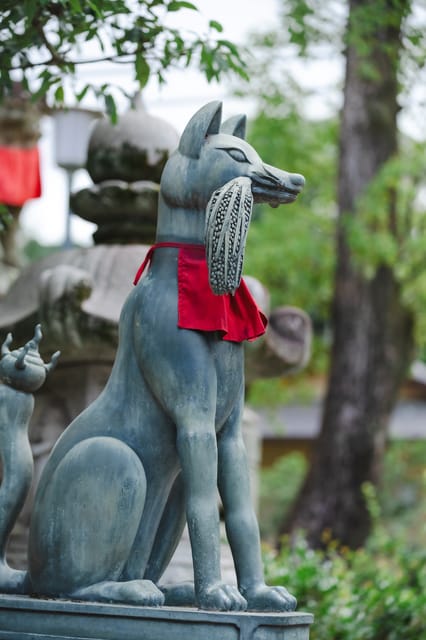
The visit to Sekiho-ji Temple is the part that gives this experience its own identity. Many visitors know Fushimi Inari, but fewer have the same clear picture of a smaller temple nearby. The tour calls attention to Jizo statues and a Zen garden, both of which offer a quieter mood after the bold torii gates.
Jizo statues are associated with care and protection in Japanese Buddhist tradition. Here, they are described as a notable feature of the temple, and the guide can help you understand why they matter. You get a better sense of place when a local guide explains what makes a modest temple worth your time.
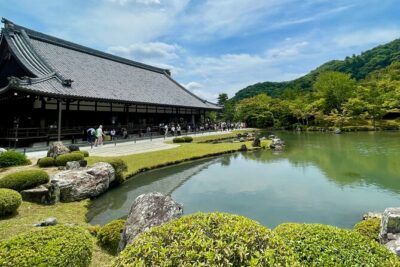
The Zen garden adds another change of pace. At Fushimi Inari, your eyes follow the gates and the path ahead. At the garden, you are encouraged to pause and notice arrangement, space, and stillness. I like this shift because it prevents the tour from feeling like a single attraction viewed from beginning to end.
Admission to Sekiho-ji Temple is included. That is an important detail when judging the $34 cost. You are not paying only for a walk around a free public shrine. Part of the fee covers access to a temple that you might otherwise skip or find difficult to place in your own itinerary.
The temple stop is also useful for visitors who want a more reflective side of Kyoto. It is not presented as a large landmark with a long list of facilities. Its appeal is the atmosphere, the Jizo statues, and the garden.
What the guide adds to the walk
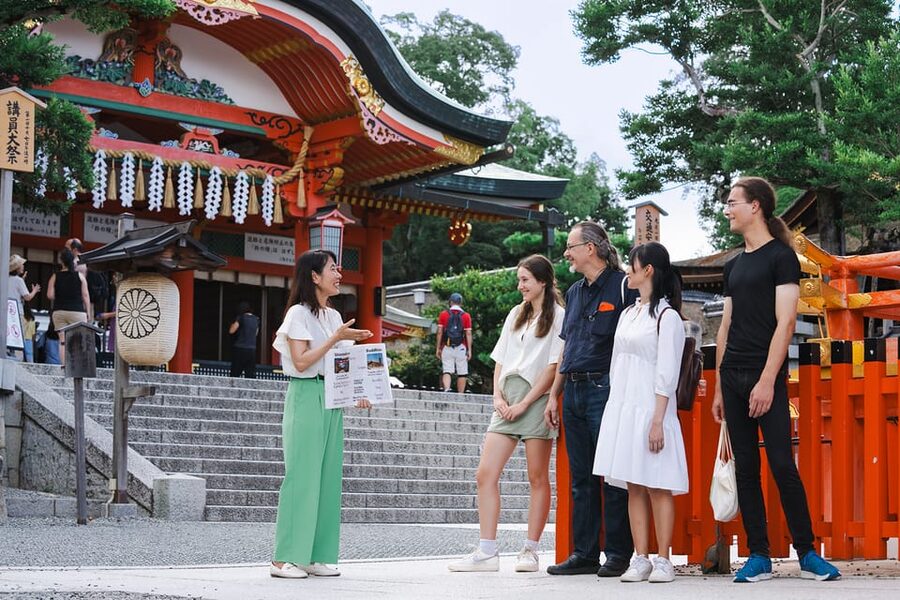
The guide is the main reason to choose this tour instead of visiting independently. Kyoto’s official certified guides are expected to know the city’s customs and traditions, and the tour is built around that local explanation.
Junko is one guide named in the available information. She is described as engaging, helpful, and ready to answer questions. You cannot assume Junko will lead every departure, but the mention gives you a useful idea of the personal approach offered by the guiding team.
A good guide can help with small but important moments: how to behave at a shrine, what details deserve attention, and why a temple feature matters. These explanations are hard to get from a sign or a quick internet search because they connect what you see with how people use the place.
I also value the chance to ask questions in real time. If you are curious about Kyoto customs, public transport, shrine architecture, or the Jizo statues, this format gives you room to ask rather than saving every question for later.
The tour is not designed as a lecture. It is a moving walk with explanations along the way. That suits people who learn best by seeing a place while someone explains it, rather than reading a long history before arrival.
Timing, dates, and the walking level
This experience runs from October 6 through October 31, 2025, excluding Saturdays and Sundays. That is a narrow operating period, so check your dates carefully before building it into your Kyoto plans.
The two-hour length makes the tour easy to fit into a larger day. You could use it as a morning activity and continue exploring Kyoto afterward, or schedule it before another plan near the station. The final location needs attention, though. The tour information says the route may finish in the Fushimi Inari area or at JR Tofukuji Station, while the meeting details say the activity ends back at the meeting point.
Because those details do not match perfectly, confirm the exact finish with the reservation information or guide. This matters if you have a timed lunch, train, or museum booking afterward.
The walking requirement is clear. You should be comfortable walking through shrine grounds, neighborhood streets, and temple areas for around two hours. Bring suitable footwear and plan around the weather, although no specific weather policy is provided.
Families can bring one child aged 0 to 6 free with each paid participant. The child must stay with an adult. If you bring more than one free-age child, each additional child requires an adult ticket. An unaccompanied minor cannot join the tour.
Is $34 good value for Kyoto?
At $34, I see this as a mid-range guided outing rather than a bargain basement walk. The shrine itself does not require a special tour ticket, so the price mainly pays for the guide, the organized route, and entry to Sekiho-ji Temple.
That can be good value if you want cultural context. A self-guided visit costs less, but you would need to arrange the transport, find the temple, work out the etiquette, and supply your own explanations. You may also walk past details that a guide would point out.
The price is less attractive if you already know Kyoto well or prefer to move at your own speed. Independent visitors can spend longer at Fushimi Inari, climb farther, stop for food, or leave whenever they wish.
The included temple admission helps balance the cost. So does the chance to ask questions. I would book this for a first Kyoto visit, a short stay, or anyone who wants a clear introduction without committing to a full-day tour.
Cancellation is flexible up to 24 hours before the activity for a full refund, and you can reserve now and pay later. Those terms help if your Kyoto schedule is still changing.
Who should book this walk?
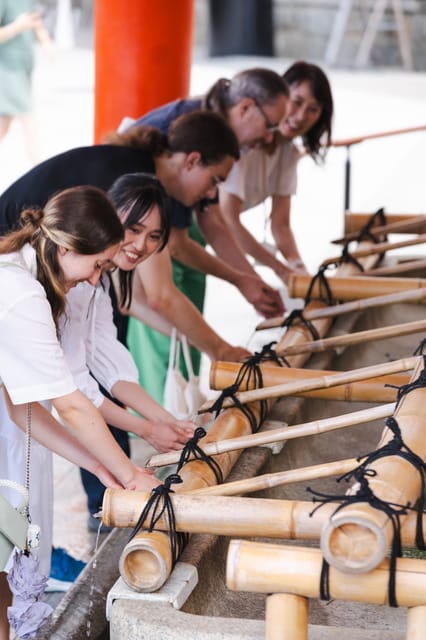
I would choose this tour if you want the main Fushimi Inari experience with useful cultural explanation and a quieter temple afterward. It suits first-time visitors, couples, families with one young child, and people who prefer public transport to a private vehicle.
It also suits anyone who enjoys walking but does not need a strenuous mountain trek. The combination of torii gates, a neighborhood route, Jizo statues, and a Zen garden gives you several kinds of Kyoto in a short block of time.
I would skip it if you want a private guide, a long hike, a non-English tour, or a completely open schedule. The weekday-only dates in October 2025 also make it unsuitable for weekend plans.
Book it if the guide’s explanations are worth $34 to you. If that sounds right, this is a thoughtful way to see Fushimi Inari without treating it as just another photograph stop.
FAQ
Where does the tour start?
It starts at Kyo-Navi, the Kyoto Tourist Information Center, on the second floor of Kyoto Station.
How do I find Kyo-Navi?
Use the pedestrian walkway on the north side of the second floor. The center is beside the south side of Kyoto JR Isetan department store. Ask for Kyo-Navi if you need directions.
What language is the tour conducted in?
The tour is conducted only in English.
How long does the tour last?
It takes approximately two hours.
Is train transportation included?
No. You pay the train fare to Fushimi Inari Taisha Shrine separately.
Is entry to Sekiho-ji Temple included?
Yes. Admission to Sekiho-ji Temple is included in the tour price.
Are food and drinks included?
No. Food and drinks are not included.
Can young children join for free?
Each paid participant can bring one child aged 0 to 6 free of charge. The child must be accompanied by an adult.
Can more than one young child join for free?
No. Each additional child beyond the one free child must purchase an adult ticket.
When does the tour operate?
It operates from October 6 through October 31, 2025, except Saturdays and Sundays.
More temples and shrines elsewhere in Japan
- Kyoto: Ninnaji Temple Entry Ticket
★ 4.2 · 650 reviews - Kyoto Zen Meditation & Garden Tour at a Zen Temple with Lunch
★ 5.0 · 441 reviews - Kyoto: Zen Experience in a Hidden Temple
★ 5.0 · 437 reviews - KYOTO Tea Ceremony with kimono near by Imamiya Jinjya Shrine
★ 5.0 · 343 reviews
More Fushimi Inari tours from Kyoto
- Kyoto: Fushimi Inari, Kinkakuji, Bamboo Grove 1 Day Bus Tour
★ 4.8 · 4,316 reviews - Fushimi Inari Hidden Hiking Tour (Private Option Available)
★ 5.0 · 1,750 reviews - Kyoto/Osaka: Nara, Fushimi Inari Taisha, Arashiyama Bus Tour
★ 4.7 · 1,275 reviews - Osaka/Kyoto: Arashiyama, Nara & Fushimi Inari Shrine w/Lunch
★ 4.4 · 754 reviews
Just added in Kyoto
- Private Cooking Class Udon in Kyoto Japan★ 5.0 · 23 reviews
- Your Private Vacation Photography Session In Kyoto★ 5.0 · 110 reviews
- Kyoto: Zen Meditation at a Private Temple with a Monk★ 5.0 · 25 reviews
- Private Pewter Sake Cup Experience with a Kyoto Artisan★ 5.0 · 31 reviews
- Kyoto Wagashi(Japanese sweets) Cooking Class near Fushimiinari★ 5.0 · 60 reviews
- Kyoto:Family-Friendly Kimono & Yukata Experience at WARGO★ 5.0 · 147 reviews
- Private Guided Traditional Buddhist Cooking in Japan★ 5.0 · 16 reviews
- Kyoto: Gion Geisha District & Sake-in-Hand Walking Tour★ 5.0 · 37 reviews
Fushimi Inari Tours, compared.
Fushimi Inari Hidden Hiking Tour (Private Option Available)
Read our review →
Kyoto/Osaka: Nara, Fushimi Inari Taisha, Arashiyama Bus Tour
Read our review →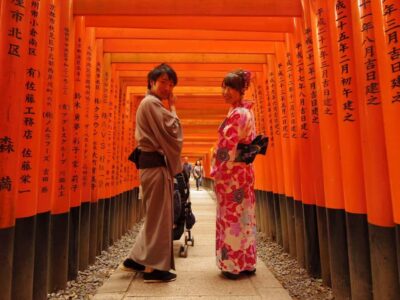
Osaka/Kyoto: Arashiyama, Nara & Fushimi Inari Shrine w/Lunch
Read our review →
Nijo Castle, Kiyomizu & Fushimi Inari Guided Tour
Read our review →
Nijo, Kinkaku-ji, Arashiyama, Kiyomizu & Fushimi Inari
Read our review →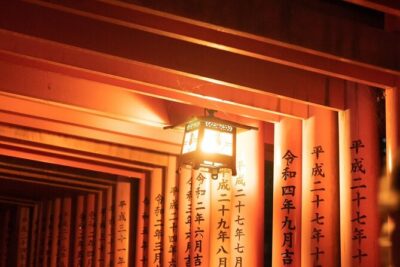
Kyoto Early Bird English Tour: Fushimi-Inari and Arashiyama
Read our review →Browse the lists this tour appears in