
Reviewed · TEA CEREMONY EXPERIENCES
Kyoto: Tea Ceremony Ju-An at Jotokuji Temple
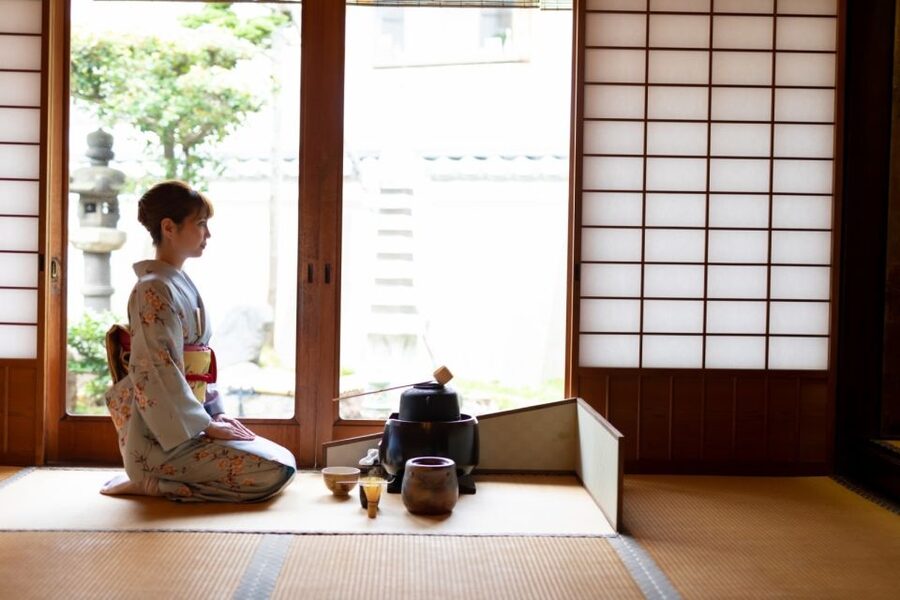
The best part of this Kyoto experience is that you do not simply watch a tea ceremony from the sidelines. You enter through Jotokuji Temple, take part in a purification ritual, then learn to prepare matcha yourself under the tea master’s guidance. I like the quiet setting and the small group size, which gives you room to ask questions and follow each movement closely.
I also like the clear English explanations from hosts such as Kate and Taka, along with the chance to sample matcha and a Japanese sweet. The main consideration is the traditional tearoom itself: you must remove your shoes, and three steps make it unsuitable for wheelchair users, though stools and seats can be provided for anyone who cannot sit on the floor.
Key points at a glance
- A 70-minute introduction to chanoyu: Learn the purpose and meaning behind the Japanese tea ceremony, not just the mechanics of whisking tea.
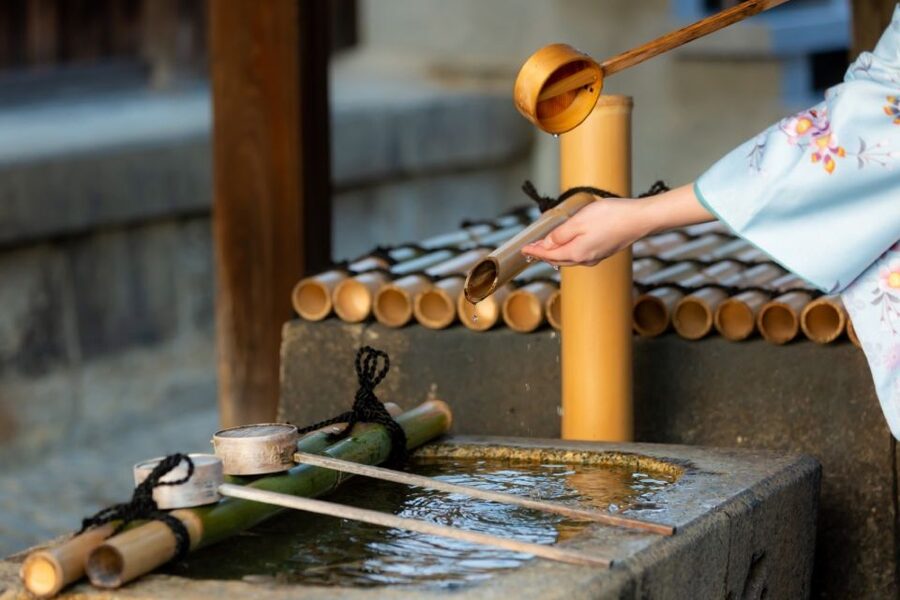
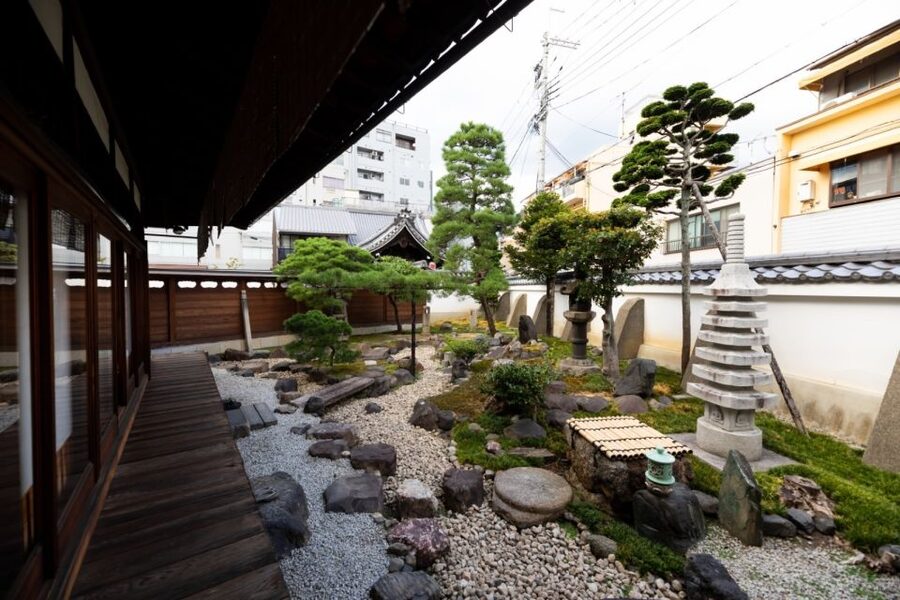
- A temple setting before the tea: Walk through Jotokuji, pause at the purification fountain, and take in the architecture before entering the tearoom.
- Hands-on matcha preparation: After watching the tea master, you can prepare your own bowl with guidance.
- English-speaking instruction: Hosts explain the ritual, cultural background, and small details in clear English.
- Small groups of up to 10: The limited size makes it easier to see the tea tools and ask questions.
- Good value at $29: The price covers the guide and chanoyu workshop, with matcha and sweets included during the session.
Why this tea ceremony feels different from a staged demonstration
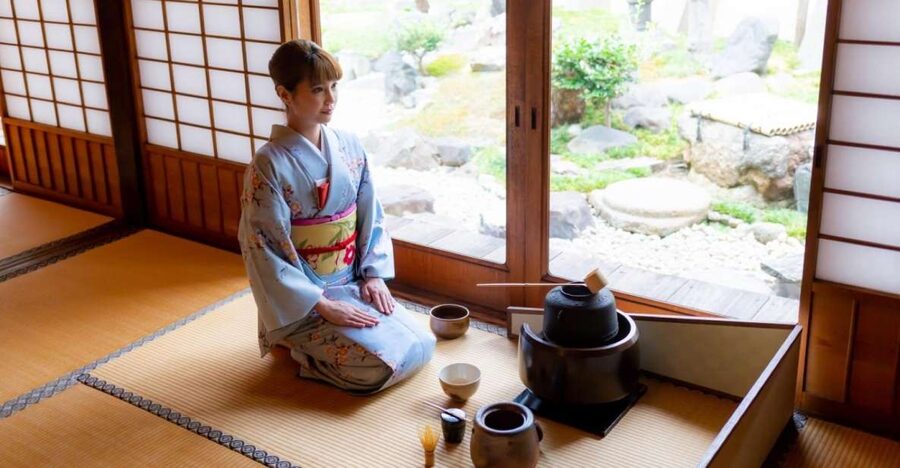
Kyoto offers plenty of polished cultural activities, but this one works because it gives you a role. You are not only shown how the tea is made. You learn why the host moves slowly, why the utensils are handled with care, and how the ceremony creates a focused moment between host and guest.
That distinction matters. A full formal tea ceremony can last several hours, while this workshop lasts 70 minutes. The shorter format makes it easier to fit into a busy Kyoto day, yet it still leaves time for explanation, demonstration, participation, and questions.
I see this as an introduction rather than a complete study of chanoyu. You will not master every rule in one sitting, and the session is designed for international visitors rather than for students of a particular tea school. That is not a fault. It means you can appreciate the ritual without feeling nervous about making a mistake.
The mood is also part of the appeal. The temple and tearoom offer a quiet break from Kyoto’s crowded sightseeing spots. The setting helps the ceremony feel less like a performance and more like a shared cultural practice.
Other tea ceremonies in Kyoto people book:
- Kyoto: Tea Ceremony in a Traditional Tea House in Kiyomizu
★ 4.9 · 3,519 reviews - Kyoto: 45-Minute Tea Ceremony Lesson Experience
★ 4.3 · 2,378 reviews - Kyoto: Table-Style Tea Ceremony at a Kyo-Machiya
★ 4.9 · 1,211 reviews
Entering Jotokuji Temple and finding the tearoom
The experience begins at the main gates of Jotokuji Temple. Once inside, you face the Main Hall. Look to the left for a few steps leading toward the tea room. The meeting point is near the red benches, where your guide waits.
The instructions also identify the address as Tea Ceremony Ju-An, 556 Gojo-sagaru, Tominokoji Dori, Shimogyo-Ku, Kyoto. Give yourself enough time to find the entrance, especially if you are coming from another part of the city. The temple entrance, Grand Tearoom, and nearby parish shop are the key landmarks once you arrive.
Before the ceremony, you can look around the temple grounds. You may pause at the purification fountain and admire the architecture. In good weather, the red benches provide a pleasant place to wait or collect yourself before the formal part begins.
Rain does not ruin the plan, but it changes the waiting arrangement. You can stand beneath the shop’s gable or wait inside the Grand Tearoom. The temple visit before the tea is fairly brief, so do not expect a long guided tour of the entire site. Its purpose is to set the scene and introduce the place where the ceremony will happen.
The purification ritual gives the visit a clear beginning
One of the most valuable parts for a first-time visitor is the traditional purification ritual. In Japan, cleansing before entering a sacred or formal space is not just a practical act. It marks a change in attention. You leave the noise of the street behind and prepare to enter a place where small actions matter.
Your guide explains what to do, so you do not need prior knowledge. This is especially helpful if you have never visited a Japanese temple or taken part in a ritual before. The instructions make the moment feel accessible without stripping away its meaning.
I like this opening because it gives the experience a proper rhythm. You do not rush straight from a city street into a bowl of tea. First comes the temple, then purification, then the tearoom. Each step helps you understand why the ceremony is built around calm, care, and respect.
Inside the Grand Tearoom
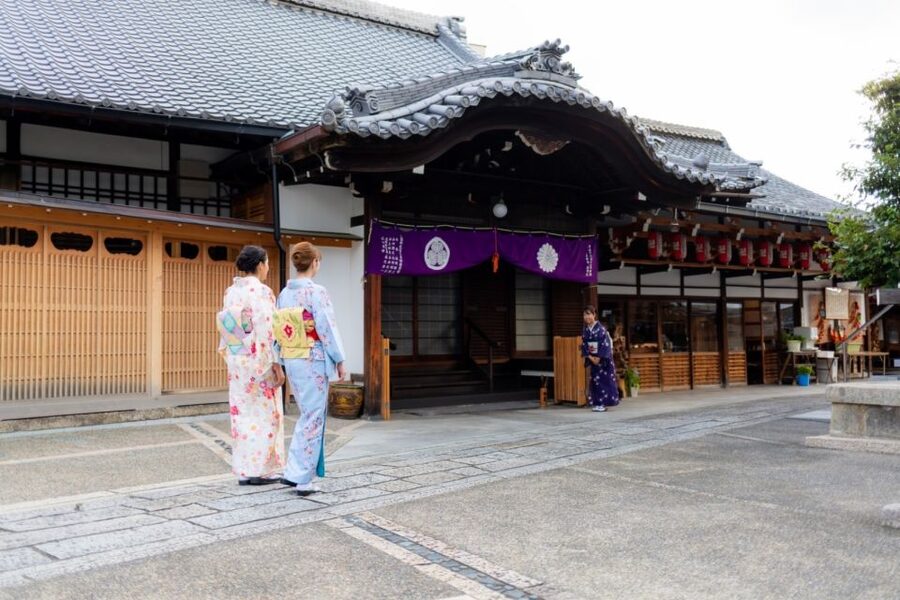
Before entering the Grand Tearoom, you remove your shoes. The room has a traditional feel, and the seating is arranged for the workshop rather than for casual drop-in sightseeing. You then take your place with the rest of the group while the instructor introduces the ceremony.
Traditional floor seating is part of the experience, but it can be a challenge for some people. If you are not comfortable sitting in the usual position, seats and stools can be provided. It is worth asking for one rather than struggling quietly through the session.
The tearoom is not wheelchair accessible because of three steps, even though the temple itself is wheelchair accessible. The activity is listed as unsuitable for wheelchair users, so anyone with mobility concerns should check carefully before booking.
The group size is limited to 10 people. That number is small enough for you to see the tea tools and follow the tea master’s hands. It also leaves room for questions. In a larger group, the demonstration could become a distant display. Here, the workshop format keeps it more personal.
Other temples and shrines in Kyoto people book:
- Arashiyama Bamboo, Temple, Monkeys, or Secret Sake Brewery
★ 4.8 · 886 reviews - Kyoto: Arashiyama Bamboo Forest, Monkeys, Matcha & Temple Tour
★ 5.0 · 759 reviews - Osaka/Kyoto: Arashiyama, Nara & Fushimi Inari Shrine w/Lunch
★ 4.4 · 754 reviews - Kyoto: Ninnaji Temple Entry Ticket
★ 4.2 · 650 reviews
Watching the tea master prepare matcha
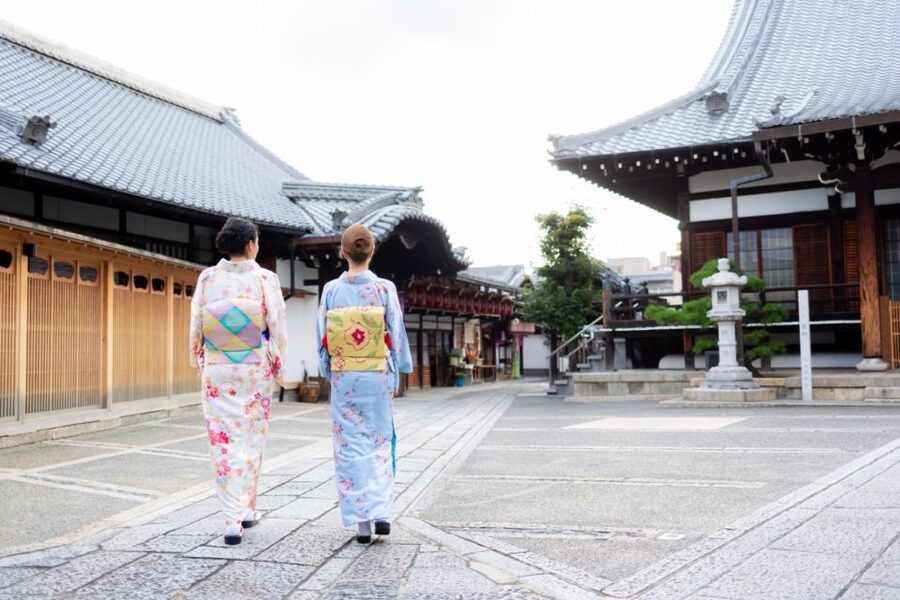
The tea master demonstrates how matcha is prepared and explains the purpose of each stage. You see the measured tea, the hot water, the whisk, and the careful movements used to create the drink.
The ceremony is not about speed. Every gesture is deliberate, and the pauses are part of the lesson. The tea master’s movements show how Japanese aesthetics can be expressed through ordinary objects and actions. A bowl, whisk, scoop, and cloth each have a place and a purpose.
The English-speaking host helps explain what you are seeing. Sessions have included guides such as Kate and Taka, with the tea master handling the preparation and the host translating cultural points into plain English. This division works well because you can watch the demonstration without missing the explanation.
You will learn how to drink the tea in the traditional manner, including the etiquette around receiving the bowl. Do not worry about remembering every detail. The point is to understand the attitude behind the actions: attention to the host, appreciation of the bowl and tea, and respect for the moment you share.
Making your own bowl of matcha
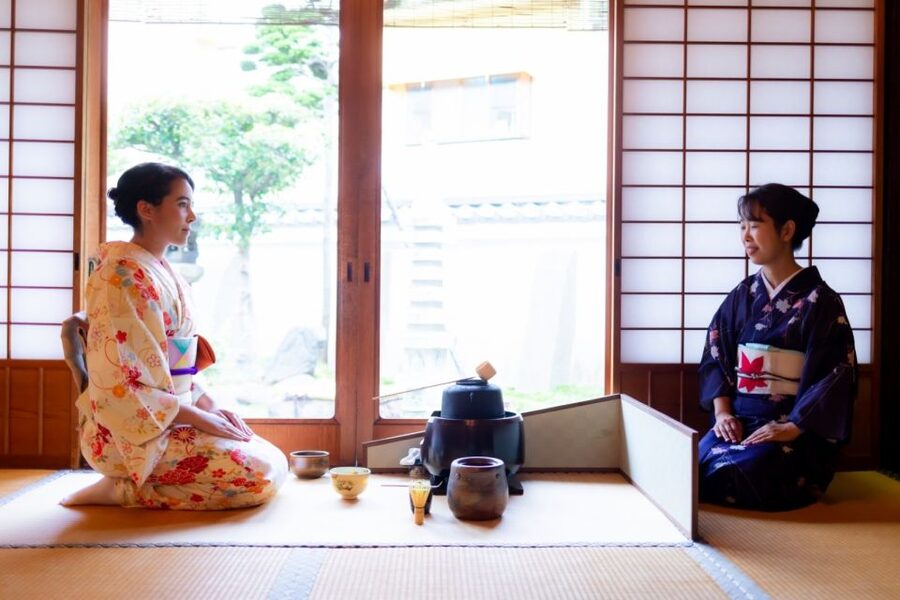
After the demonstration, you get the chance to prepare your own matcha. This is where the experience becomes more than a show. The tea master guides you through the process, and the hosts help if you are unsure about the sequence.
Whisking matcha looks simple until you try it. The texture, speed, and angle of the whisk all affect the final drink. You may not produce a perfect bowl on your first attempt, but that is part of the fun. The instructors are there to make the activity welcoming, not intimidating.
The hands-on element also helps you remember the ceremony. You will likely recall the sound of the whisk and the feel of the bamboo tools more clearly than a lecture about tea history. The activity gives you a small, practical link to the tradition.
The matcha is served with a Japanese sweet. The sweet balances the tea’s bitter edge and gives you another part of the ceremony to notice. It is not a meal, so arrive having eaten if you need something substantial. The package includes the workshop, but not meals.
What the English instruction adds
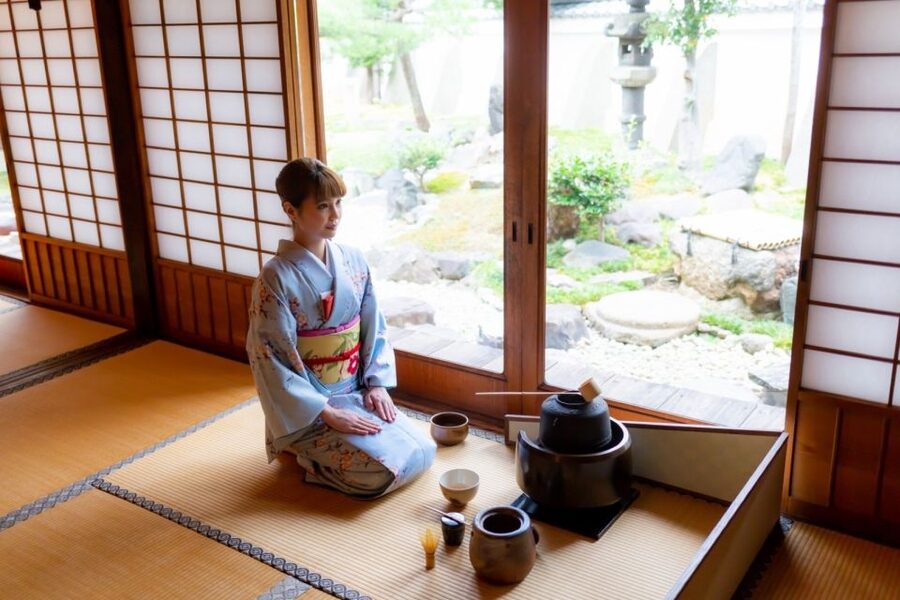
The English instruction is a major reason this works well for international visitors. A tea ceremony can be beautiful to watch, but without context you may miss the meaning of the gestures. The host explains the background, etiquette, and purpose in a way that helps you participate with confidence.
The teaching also appears to be interactive. You have time to ask questions, and the hosts make an effort to include everyone. That is useful for couples, families, and solo visitors who may arrive with very different levels of knowledge about Japanese culture.
The best sessions balance information with calm. Too much explanation would interrupt the atmosphere. Too little would leave you guessing. Here, the format aims to give you both: a peaceful ritual and enough background to understand what you are seeing.
If you are already a serious tea practitioner, you may find the workshop basic. It is aimed at beginners and curious visitors. For most people on a first trip to Kyoto, that is exactly the right level.
Is $29 good value for 70 minutes?
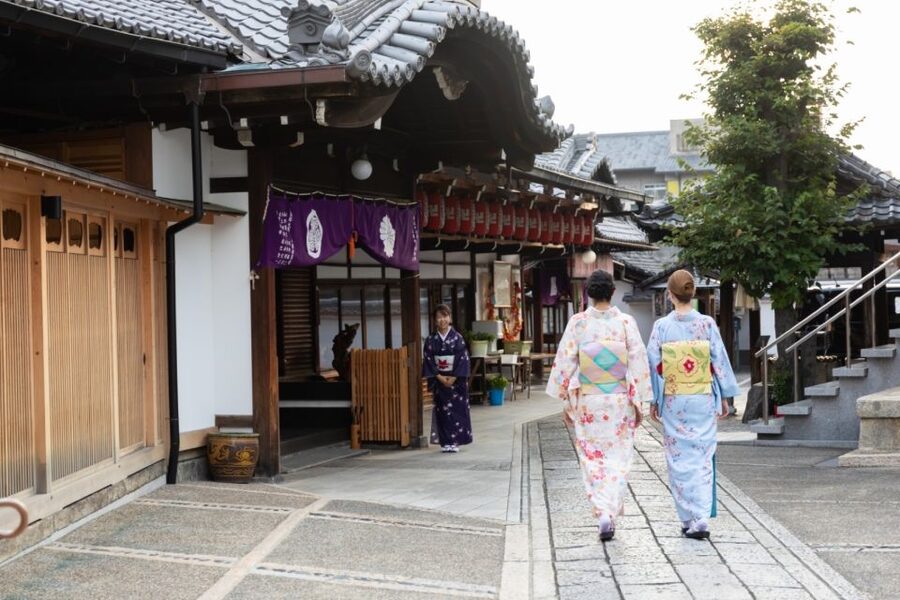
At $29 per person, this is a reasonable price for a small-group cultural activity in Kyoto. You receive English guidance, a chanoyu workshop, matcha, a sweet, use of the traditional setting, and the chance to prepare tea yourself.
The value is strongest if you want more than a quick tasting. You are paying for instruction and access to a ritual that would be difficult to experience properly on your own. The guide gives meaning to the tools and movements, while the temple setting adds atmosphere without requiring a separate major sightseeing commitment.
The experience is less suitable if you are looking for a full meal, a long temple tour, or a kimono photo session. Meals are not included, and kimono rental costs extra. The activity also does not claim to be a four-hour formal tea ceremony. Think of it as a well-paced introduction.
Free cancellation up to 24 hours before the activity and the option to reserve now and pay later also make it easier to fit into a changing Kyoto schedule. Check the available start times before booking, since the duration is fixed at 70 minutes.
Who should book this experience?
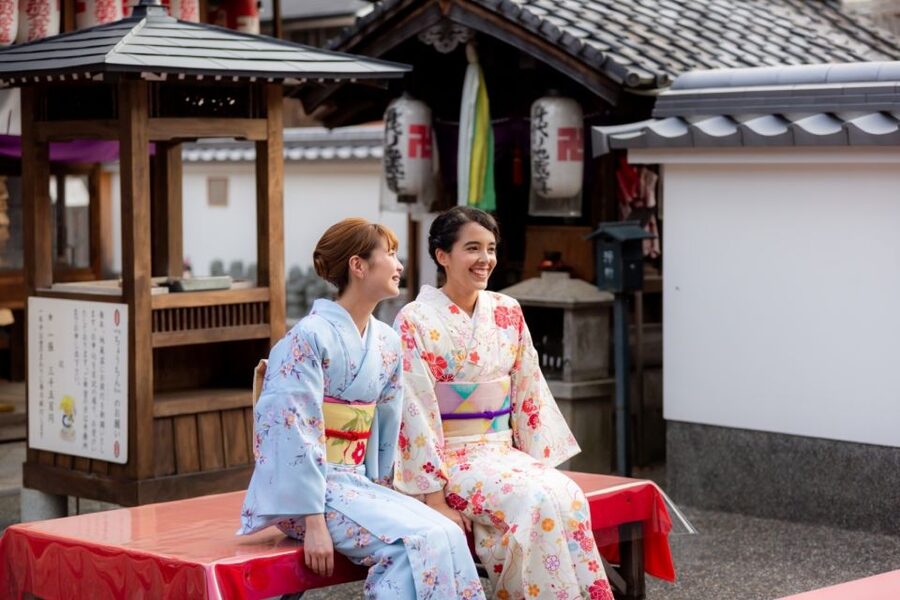
I would recommend it to first-time visitors who want a cultural activity with real participation. It suits couples, families with older children, solo visitors, and anyone who wants a quiet pause between larger Kyoto sights.
It is especially good for you if:
- You have never taken part in a Japanese tea ceremony.
- You want clear English explanations.
- You prefer small groups to large guided tours.
- You like learning by doing.
- You want a calm indoor activity that still includes a temple setting.
- You are curious about Japanese etiquette and daily philosophy.
You may want another option if you cannot manage three steps, do not want to remove your shoes, or strongly dislike sitting on the floor. Seats and stools help, but the tearoom itself is not wheelchair accessible.
Those seeking a formal, highly specialized tea-school lesson should also set their expectations correctly. This is a welcoming workshop for visitors, not an advanced course. Its strength is that it makes an old tradition understandable and enjoyable in a short visit.
Practical tips for a smoother visit
Arrive ready to remove your shoes and wear socks you are comfortable showing. The activity takes place in a traditional tearoom, so footwear that is quick to remove is useful.
Keep the temple entrance and Main Hall in mind when you arrive. Face the Main Hall and look left for the steps toward the tea room. If you are early, use the red benches in good weather. In rain, wait under the shop’s gable or inside the Grand Tearoom as instructed.
Do not rush through the temple approach. The walk from the gate to the tea room is short, but the purification fountain and architecture are part of the experience. A few quiet minutes here will help you arrive in the right frame of mind.
If you need a stool or chair, request it at the start. There is no benefit in trying to copy a floor posture that causes discomfort. The instructors can help you take part without turning the seating issue into a distraction.
Finally, leave room in your schedule for the ceremony to settle. It is easy to book this between major attractions, but the peaceful mood is one of its main rewards. Pairing it with another busy activity immediately afterward may make the contrast feel sharper than necessary.
Should you book Tea Ceremony Ju-An?
Book it if you want an affordable, hands-on introduction to matcha in a real temple setting. The small group, English instruction, purification ritual, and chance to make your own tea give the 70-minute session more substance than a simple demonstration.
I would be cautious only if accessibility or floor seating is a concern, or if you expect a full formal ceremony lasting several hours. For everyone else, the $29 price buys a thoughtful cultural experience, a taste of Kyoto’s quieter side, and enough explanation to make the ritual meaningful rather than mysterious.
FAQ
How long does the Kyoto tea ceremony last?
The experience lasts 70 minutes.
How much does the tea ceremony cost?
The listed price is $29 per person.
Where does the tea ceremony take place?
It takes place at Jotokuji Temple. The meeting address is Tea Ceremony Ju-An, 556 Gojo-sagaru, Tominokoji Dori, Shimogyo-Ku, Kyoto. Once inside the temple, face the Main Hall and look left for the steps leading to the tearoom.
Is the activity conducted in English?
Yes. The instructor and guides provide English instruction.
Can I prepare my own matcha?
Yes. The tea master first demonstrates the process, then guides you as you prepare your own tea.
Is the tearoom wheelchair accessible?
No. The temple is wheelchair accessible, but the tearoom has three steps and is not wheelchair accessible. Seats and stools can be provided for people who are not comfortable sitting on the floor.
More temples and shrines elsewhere in Japan
- Kyoto Zen Meditation & Garden Tour at a Zen Temple with Lunch
★ 5.0 · 441 reviews - Kyoto: Zen Experience in a Hidden Temple
★ 5.0 · 437 reviews - KYOTO Tea Ceremony with kimono near by Imamiya Jinjya Shrine
★ 5.0 · 343 reviews - Kyoto: 3-Hour Fushimi Inari Shrine Hidden Hiking Tour
★ 4.9 · 270 reviews
More tea ceremonies elsewhere in Japan
- Kimono Tea Ceremony at Kyoto Maikoya, NISHIKI
★ 5.0 · 911 reviews - Kyoto: Tea Museum Tickets and Matcha Grinding Experience
★ 4.9 · 739 reviews - Kyoto: Kimono Tea Ceremony at Orizuruya Gion
★ 4.9 · 618 reviews - Kyoto: Tea Ceremony in 100-year-old Kyo-Machiya Townhouse
★ 4.8 · 546 reviews
Just added in Kyoto
- Kyoto: Private Photoshoot Service★ 5.0 · 158 reviews
- Kyoto Rickshaw Tour★ 5.0 · 210 reviews
- Izakaya Style Cooking Class★ 5.0 · 219 reviews
- Kyoto: Traditional Concert at Townhouse or Bathhouse★ 4.9 · 224 reviews
- Ninja 2-hour Hands-on Lesson by Japanese master in Kyoto -Medium★ 5.0 · 218 reviews
- Kyoto: Arashiyama Bamboo, Temple, Matcha, Monkeys & secret spots★ 5.0 · 219 reviews
- Kyoto Geisha District Walking Tour in Gion★ 5.0 · 232 reviews
- The right way to know Kyoto★ 5.0 · 257 reviews
Tea Ceremony Experiences, compared.
Tea Ceremony in a Traditional Tea House in Kiyomizu
Read our review →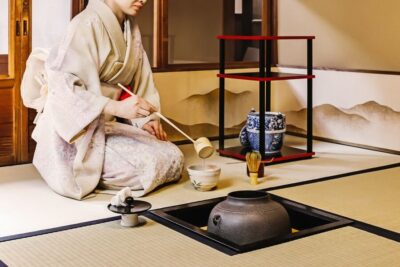
World Heritage Kyoto & Nara Uji Authentic Matcha Experience
Read our review →
Arashiyama Bamboo Forest, Monkeys, Matcha & Temple Tour
Read our review →
Browse the lists this tour appears in