
Reviewed · ZEN & MEDITATION EXPERIENCES
Kyoto: Zen Meditation at a Private Temple with a Monk
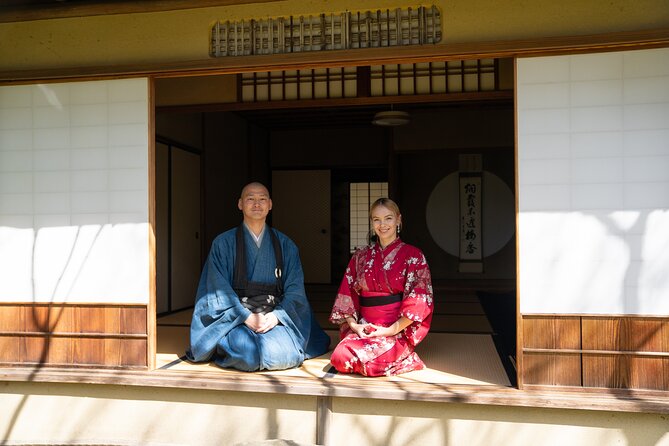
Kyoto’s famous temples can feel crowded, but this private Zen session takes you behind a quieter door. At Korin-in, a monk explains Zazen, helps you settle into the right posture, and leads a period of seated meditation before tea and conversation in the garden.
I like two things here: you get direct time with a monk, not just a speech from a guide, and the English interpretation makes the experience easy to follow. The matcha, sweets, moss garden, and chance to ask personal questions add warmth. The main drawback is the price: at $91 per person for 90 minutes, this is not a budget attraction, and sitting still may not suit everyone.
At a glance: what makes this Kyoto experience different
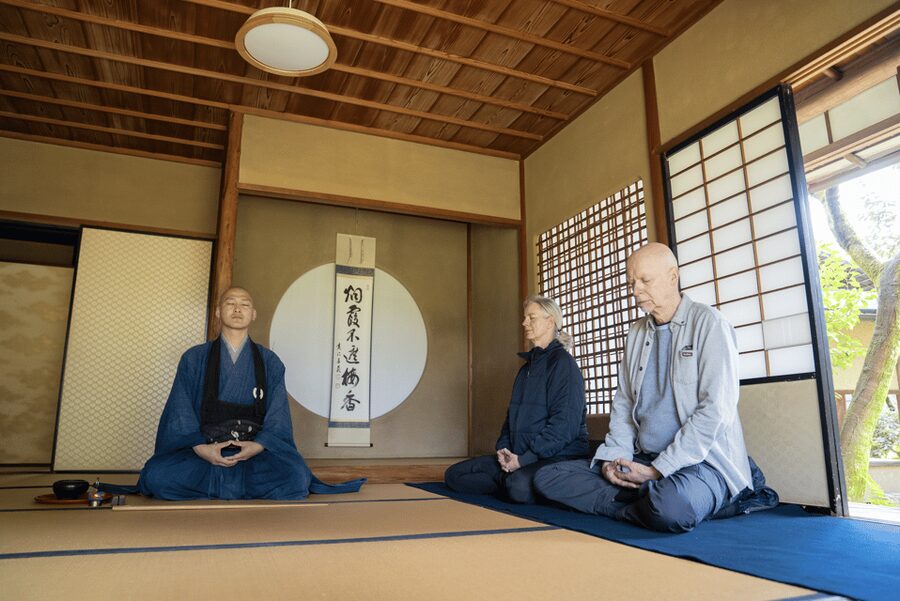
- A temple closed to the general public: You enter a private setting near Nene no Michi rather than another busy sightseeing hall.
- A monk teaches the practice: You learn Zazen principles, breathing, posture, and technique before sitting in meditation.
- English support throughout: The monk may teach in Japanese, with an English-speaking guide interpreting clearly.
- Tea and garden time are included: Matcha, sweets, conversation, and a walk through the garden round out the formal meditation.
- A small-group feel: Private and small-group bookings are available, making questions easier than at a large cultural demonstration.
Walking from Kodaiji Park to a private temple
Your meeting point is the toilet on the northern side of Kodaiji Park. That wording matters. The park itself is broad enough to cause confusion, and map directions have occasionally placed people in the middle of the park rather than at the actual meeting point.
I would arrive early and check the guide’s day-of message carefully. The guide waits on the northern side of the toilet, then leads you on foot for about 10 minutes. Transportation is not included, but you do not need a taxi for the stated route.
The walk moves you away from the main flow around Kodaiji and into a more residential, local-feeling corner of Kyoto. You are still close to well-known sights, but the appointment gives you a reason to pause instead of rushing from one major temple to the next.
Guides have included Satoru, Soma, Saturo, Kohtaro, and Ruko. Names and assignments can vary, but the guide’s role is important. The monk may speak Japanese, while the guide explains the teaching in English and helps you ask questions.
Other temples and shrines in Kyoto people book:
- Kyoto: Tea Ceremony Ju-An at Jotokuji Temple
★ 4.9 · 3,207 reviews - Arashiyama Bamboo, Temple, Monkeys, or Secret Sake Brewery
★ 4.8 · 886 reviews - Kyoto: Arashiyama Bamboo Forest, Monkeys, Matcha & Temple Tour
★ 5.0 · 759 reviews
Entering Korin-in and meeting the monk
The temple is presented as Korin-in, a private place that is not open to ordinary public visits. That is the central appeal. You are not simply looking at a Zen hall from a marked visitor route. You are being welcomed into a working religious setting for a short lesson and conversation.
The visit begins with a brief introduction to Japanese culture and Zen. This gives first-time visitors some footing before the sitting begins. You do not need previous meditation experience, and the tone is intended to make the practice approachable rather than mysterious.
The monk then explains Zazen, the seated meditation practice at the heart of Zen. Expect attention to posture, breathing, and the way you handle wandering thoughts. The purpose is not to perform meditation perfectly. It is to sit, notice what the mind is doing, and return to the practice.
That distinction is useful if you are new to meditation. You are not expected to arrive calm, flexible, or spiritually prepared. A first session can be valuable precisely because you are learning what it feels like to sit with your own thoughts without immediately reaching for your phone or another distraction.
What the Zazen session feels like
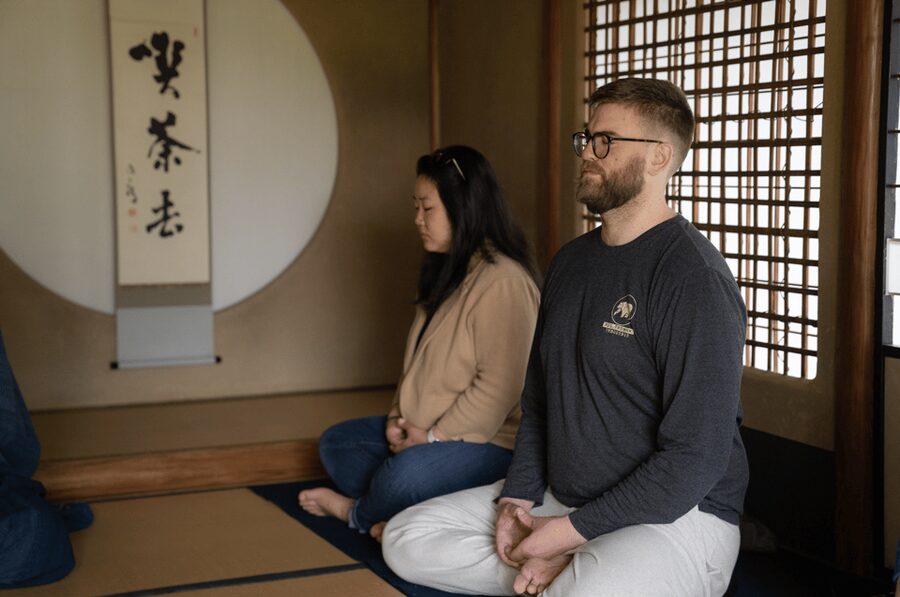
The formal sitting is the quiet center of the experience. You follow the monk’s instructions, arrange your posture, and breathe in a steady rhythm. One account describes a 20-minute period of complete silence, though the exact balance of teaching and practice may vary with the group.
For someone who already meditates, this offers structure. You can ask about a technique you normally practice alone, then try it with a teacher in a temple setting. For a beginner, the monk’s correction and calm presence can make the first attempt less awkward.
The language support also helps. When the monk teaches in Japanese, your guide interprets into English. Guides such as Satoru and Soma have been praised for clear, respectful translation, while Ruko has also helped visitors follow the session and take photographs afterward.
Do not expect a dramatic spiritual event on demand. Zazen can feel peaceful, but it can also feel physically uncomfortable or mentally busy. That is part of the lesson. The useful result may be a calmer mind, a better understanding of the practice, or simply a clearer sense of how difficult it is to sit without constant stimulation.
The experience is not suitable for children under 12, people with mobility impairments, people with claustrophobia, or people afraid of heights. The last two restrictions may seem unusual for a temple visit, so if any of those concerns apply to you, confirm suitability before booking.
Matcha, sweets, and questions after meditation
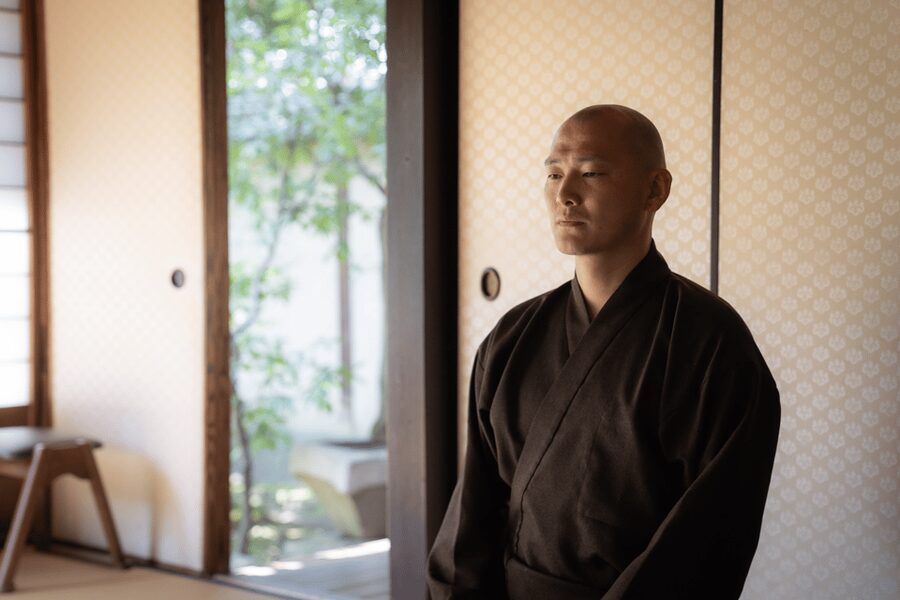
After the sitting, the pace becomes more social. You share tea, often matcha, with sweets or snacks, then talk with the monk. This is where the activity moves beyond a basic meditation class.
You can ask about Zen, Buddhism, the monk’s daily life, or the meaning behind the practice. The conversation is especially useful because it places meditation in a human setting. You are not left with a list of techniques detached from Japanese culture.
Several guides have helped visitors bridge the language gap so the discussion feels natural. The strongest part of the format is that questions are welcomed rather than saved for a rushed ending. In some cases, the monk has continued talking with a participant after the scheduled session, though you should not count on extra time.
The visit can also feel personal without becoming solemn. The monk is described as friendly and open, and one session even included a brief hello from his young daughter. That sort of ordinary moment can make the temple feel like a lived-in place rather than a stage set for tourists.
Other quiet hours in Kyoto:
- Kyoto Zen Meditation & Garden Tour at a Zen Temple with Lunch
★ 5.0 · 441 reviews - Kyoto: Zen Experience in a Hidden Temple
★ 5.0 · 437 reviews - Kyoto: Tea Ceremony Meditation – Make Matcha with Tea Master
★ 4.8 · 406 reviews - Kyoto: Zen Garden, Zen Mind (Private)
★ 5.0 · 126 reviews
A quiet garden near Kyoto’s busiest sights
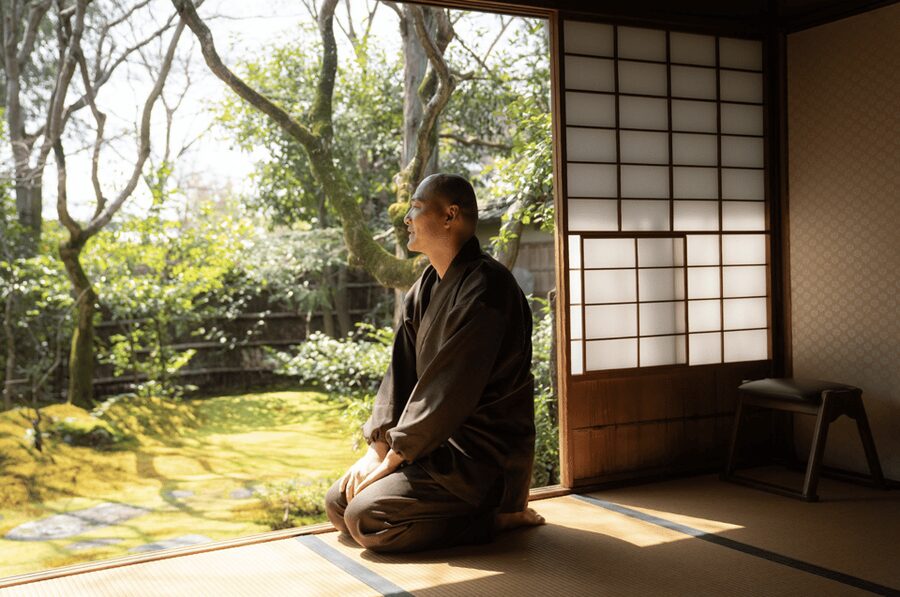
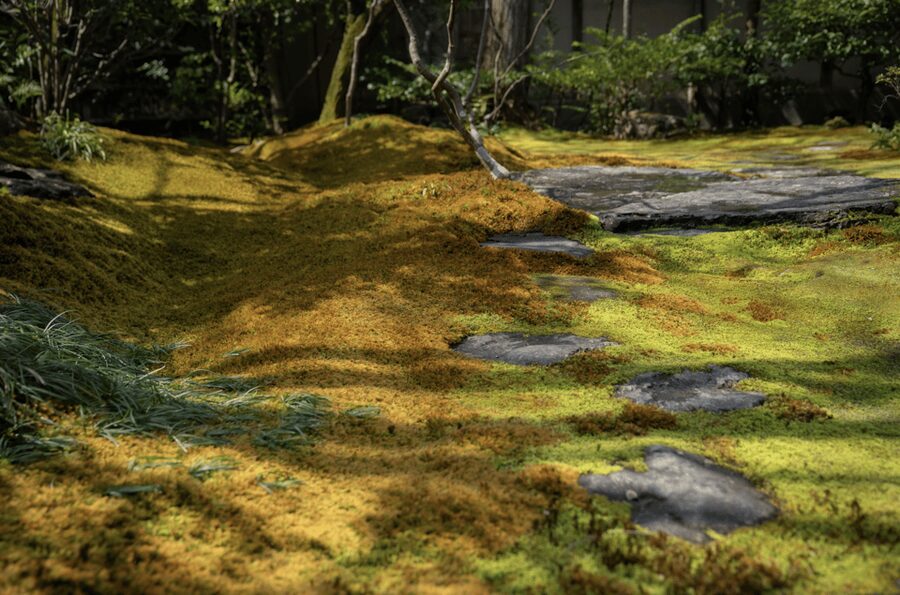
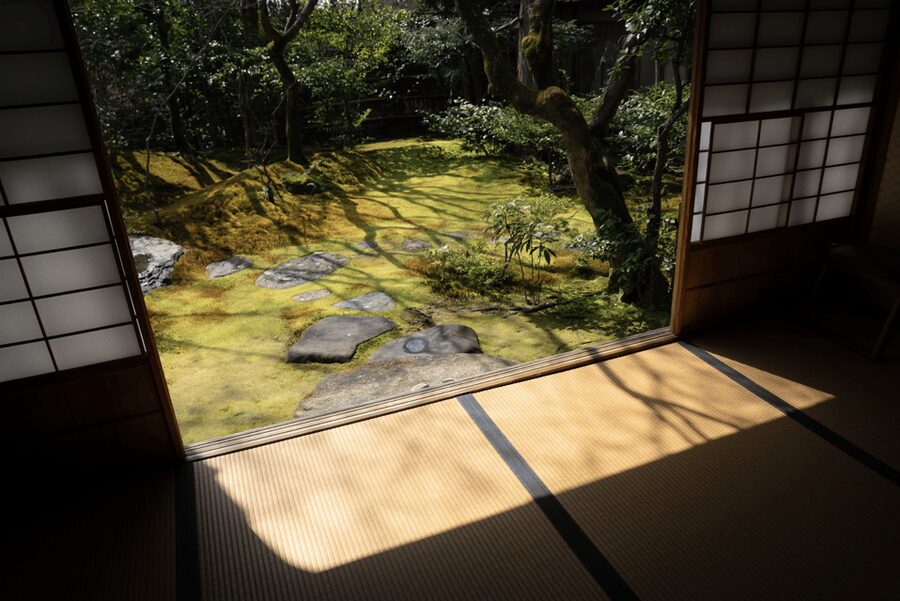
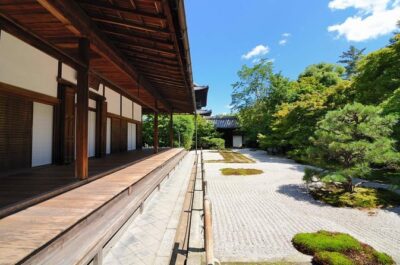
The garden is a major reason to choose this experience. It has moss, quiet paths, and the kind of careful greenery associated with Kyoto temple grounds. You can stroll through it after meditation and take photographs, subject to the guide and monk’s instructions.
The setting gives the lesson a strong sense of place. You could learn breathing exercises in a hotel room anywhere in the world. Here, the practice is connected to a temple, a garden, tea, and a monk whose life is tied to the tradition being discussed.
Photography is allowed during the visit, including photographs with the monk and around the temple. Be respectful: this is a religious home and private space, not a photo studio. Let the guide manage the timing, especially if other participants are present.
Early morning appears to be a particularly quiet choice. One group found the surrounding lane nearly empty at that hour, while another preferred an evening start. Starting times vary, so check availability and choose the session that fits your energy level and Kyoto plans.
How the 90 minutes are likely to unfold
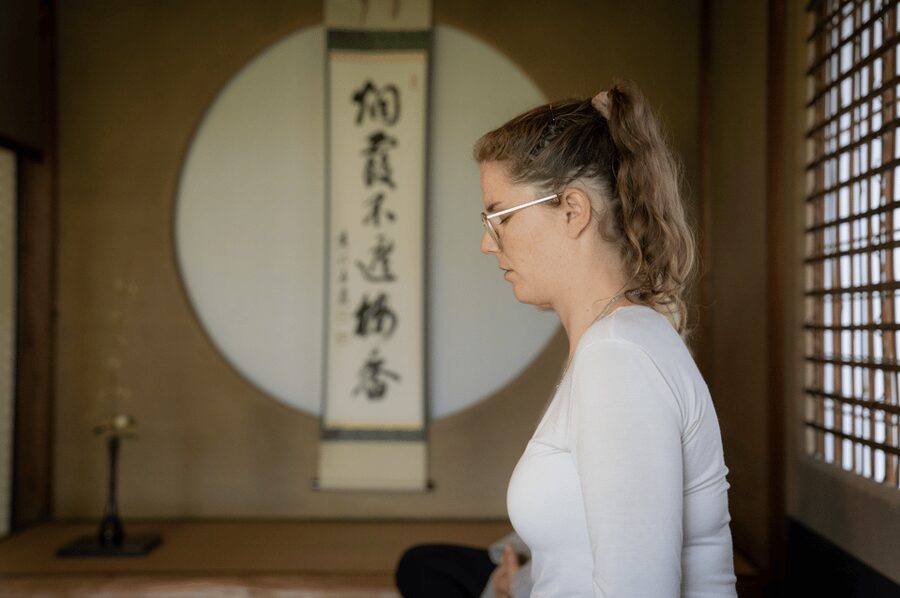
The advertised duration is 90 minutes, including the walk from Kodaiji Park and the temple program. The detailed route is simple:
- Meet at the northern side of the toilet in Kodaiji Park.
- Walk with the guide for about 10 minutes.
- Receive an introduction to Japanese culture and Zen.
- Listen to the monk explain Zazen principles and techniques.
- Practice seated meditation.
- Drink tea, enjoy sweets or snacks, ask questions, and see the garden.
- Return on foot to Kodaiji Park.
The exact order may shift. Tea may appear early or after meditation, and the amount of discussion can depend on group size and the questions people bring.
That flexibility is a strength, but it also means you should not treat the session like a tightly timed museum tour. If you have a train, restaurant booking, or another appointment immediately afterward, leave a buffer.
Is $91 a fair price?
At $91 per person, this costs more than a standard temple admission or a short group meditation class. You are paying for access to a private temple, a monk-led lesson, English interpretation, guided practice, tea, and a small-group or private format.
The value depends on what you want from Kyoto. If your priority is seeing as many famous sites as possible, the price may feel steep for 90 minutes. If you want a personal cultural encounter, the cost becomes easier to justify because the temple is not generally open to the public and the monk is available for direct questions.
I see this as a special-interest experience rather than a general sightseeing bargain. It works best when you value time, quiet, and conversation more than the number of sights checked off your list.
The very positive response is consistent across different types of participants. First-time meditators have found it accessible, while experienced meditators have used it to refine their practice. Families with teenagers have also found it worthwhile, though children under 12 cannot join.
Private or small group: which format should you choose?
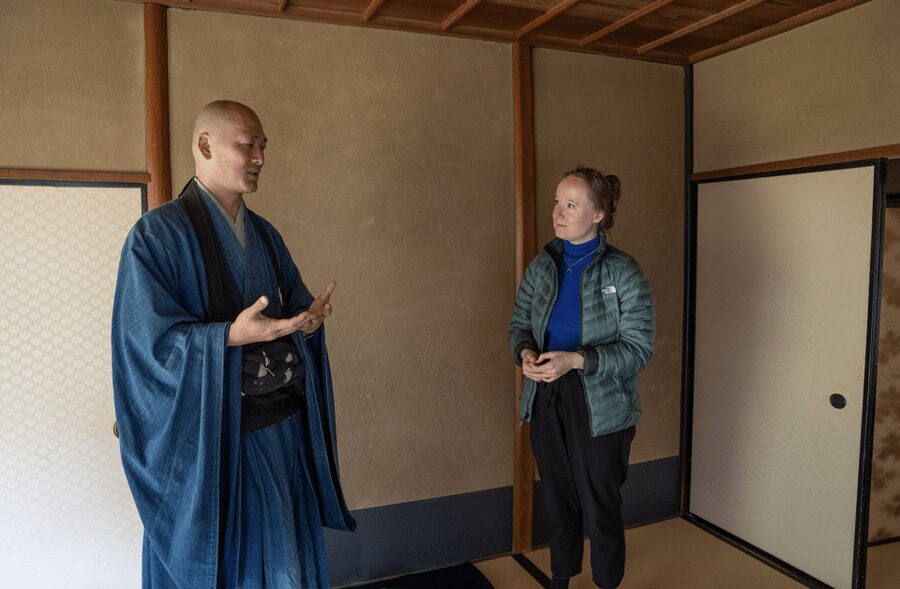
Private and small-group options are available. A private booking gives you more control over the questions and the pace, but it may not offer the shared feeling of sitting with people from different countries.
A small group can be a nice middle ground. Everyone arrives with a common interest, and the shared silence gives the session a quiet sense of connection. You may have less time for individual questions, but the guide and monk still create room for discussion.
If you have a specific reason for booking, such as asking about a personal meditation routine or understanding monastic life, private time may be worth the extra cost if that option is priced differently at booking. If you simply want an introduction to Zen, a small group should work well.
Practical advice before you book
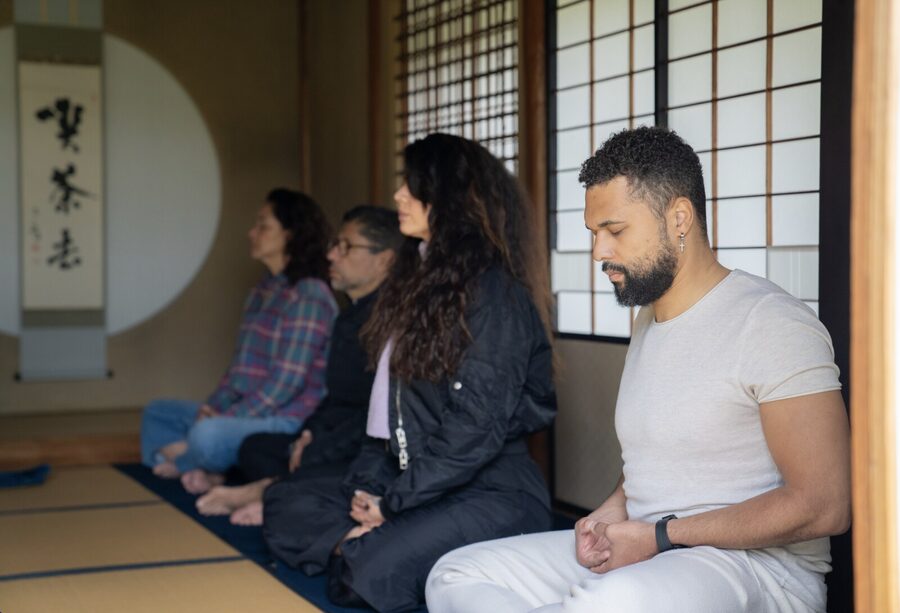
Wear something that lets you sit comfortably. The supplied information does not specify a dress code, so avoid assuming that casual sightseeing clothes are always ideal for a formal temple setting. A calm, respectful approach matters more than dressing for a performance.
Plan for the 10-minute walk from Kodaiji Park. Since transportation is not included, you are responsible for reaching the meeting point. The most common practical snag is not the walk but finding the exact meeting location, so use the northern side of the park toilet and read the guide’s message on the day.
Book this after you have had a chance to think about your Kyoto schedule. It can be a fine first activity after a long journey, since the slower pace helps you reset, but you should not arrive so rushed that you spend the first 10 minutes worrying about directions.
Free cancellation is available up to 24 hours before the start time for a full refund. You can also reserve and pay later, which helps if your itinerary is still changing. Starting times depend on availability.
The experience currently carries a 5.0 rating from 202 bookings. That does not mean every person will enjoy sitting in silence, but it does point to a consistent strength: the monk and guides are central to the experience, and the translation makes the teaching available to English speakers.
Should you book this Zen meditation experience?
Book it if you want access to a private temple, direct contact with a monk, and a quiet cultural experience that goes beyond taking photographs. It is especially well suited to first-time meditators, people already curious about Zazen, couples, and anyone who needs a slower morning or evening in Kyoto.
Skip it if $91 feels too high for a 90-minute activity, if you dislike seated meditation, or if you want a large historical temple tour with lots of movement. The value is in the stillness, the questions, the garden, and the welcome into a place most visitors cannot enter.
For the right person, this can become one of the most memorable parts of a Kyoto stay. Not because it promises instant enlightenment, but because it gives you a rare chance to stop, listen, and see a living side of Japanese Buddhist culture.
FAQ
Where does the Zen meditation experience meet?
Meet at the toilet in Kodaiji Park. The guide waits on the northern side of the toilet.
How long does the activity last?
The experience lasts 90 minutes, including the walk to the temple and the temple program.
How far is the temple from Kodaiji Park?
The group walks about 10 minutes from Kodaiji Park to the private temple.
Is transportation included?
No. Transportation is not included, and the stated route to the temple is on foot.
Is the experience conducted in English?
Yes. The live tour guide speaks English. The monk may teach in Japanese, with the guide interpreting into English.
Do I need meditation experience?
No. The monk explains Zazen principles, posture, breathing, and techniques before you practice, so beginners can take part.
Is tea included?
Yes. The experience ends with tea, and several sessions also include matcha and sweets or snacks.
Can I take photographs?
Yes. You can take photographs at the temple and in the garden, and photographs with the monk are also possible.
Who cannot take part?
The activity is not suitable for children under 12, people with mobility impairments, people with claustrophobia, or people afraid of heights.
More temples and shrines elsewhere in Japan
- Osaka/Kyoto: Arashiyama, Nara & Fushimi Inari Shrine w/Lunch
★ 4.4 · 754 reviews - Kyoto: Ninnaji Temple Entry Ticket
★ 4.2 · 650 reviews - KYOTO Tea Ceremony with kimono near by Imamiya Jinjya Shrine
★ 5.0 · 343 reviews - Kyoto: 3-Hour Fushimi Inari Shrine Hidden Hiking Tour
★ 4.9 · 270 reviews
Just added in Kyoto
- Kyoto: Zen Meditation at a Private Temple with a Monk★ 5.0 · 25 reviews
- Private Cooking Class Udon in Kyoto Japan★ 5.0 · 23 reviews
- Your Private Vacation Photography Session In Kyoto★ 5.0 · 110 reviews
- Private Pewter Sake Cup Experience with a Kyoto Artisan★ 5.0 · 31 reviews
- Kyoto Wagashi(Japanese sweets) Cooking Class near Fushimiinari★ 5.0 · 60 reviews
- Kyoto:Family-Friendly Kimono & Yukata Experience at WARGO★ 5.0 · 147 reviews
- Private Guided Traditional Buddhist Cooking in Japan★ 5.0 · 16 reviews
- Kyoto: Gion Geisha District & Sake-in-Hand Walking Tour★ 5.0 · 37 reviews
Zen & Meditation Experiences, compared.
Kyoto Zen Meditation & Garden Tour at a Zen Temple with Lunch
Read our review →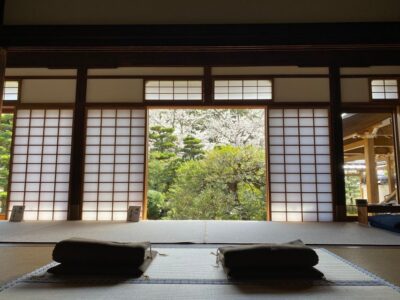

Tea Ceremony Meditation – Make Matcha with Tea Master
Read our review →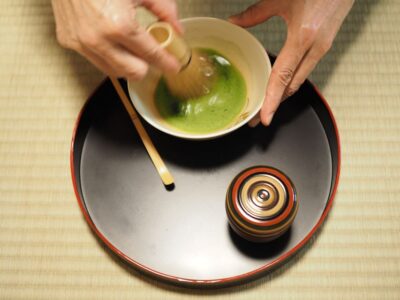
4.5-Hour Kyoto Bike Tour with Lunch and UNESCO Zen Temples
Read our review →
Browse the lists this tour appears in