
Reviewed · WALKING TOURS
Osaka: Kuromon Market Food Walking Tour (6 stops, 6 tastes)
Kuromon Market is where this tour earns its keep. You move through Osaka’s food center with a local guide who knows which stalls are worth your appetite, then continue to kitchenware shops, a small shrine area, and Dotonbori. Takoyaki, scallops, yakitori, sashimi, sweets, and seasonal produce may all appear, though the exact choices can change.
I like two things especially: the tastings are substantial enough to replace a light lunch, and the tour connects food with Osaka’s culture rather than treating the market as a string of snack stalls. Guides such as Nina, Niko, Aiko, and Noz have also been praised for fluent English, good pacing, and taking photos for the group.
The main drawback is that Kuromon can feel tight and crowded, and some stops are not suitable for wheelchairs or strollers. Food restrictions require planning, too. Vegetarian and vegan requests must be sent at least a day ahead, while gluten-free meals and allergy-safe substitutions cannot be guaranteed.
Key points to know before you book
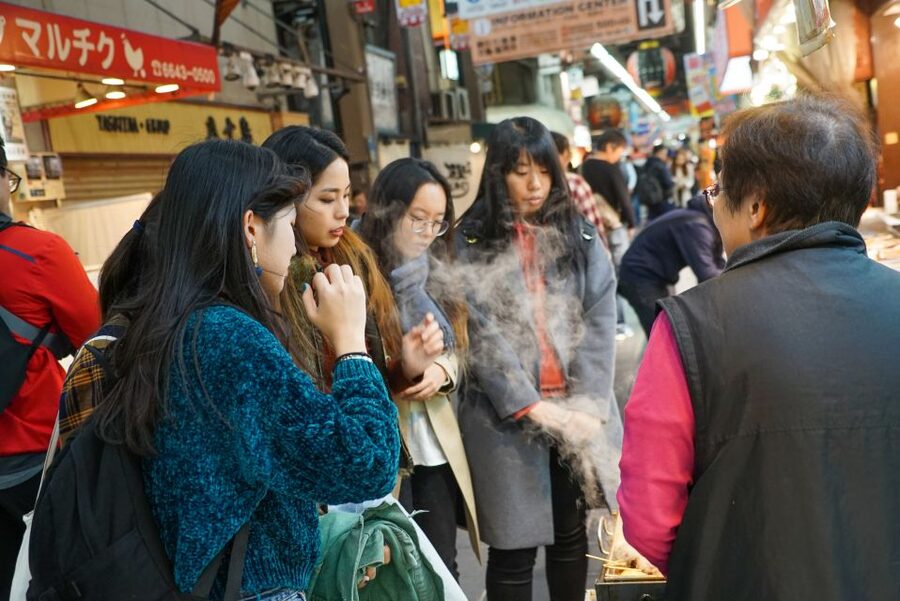
- Five to six tastings are included: Expect enough food to feel satisfied, with examples such as takoyaki, grilled scallops, yakitori, fruit, sweets, tempura, or sashimi depending on the day.
- The route covers more than Kuromon Market: You also visit Sennichimae Doguyasuji, Hozenji Yokocho, a local restaurant, and Dotonbori.
- Guides make the difference: Nina, Niko, Aiko, Noz, and other MagicalTrip guides are praised for clear English, friendly conversation, local food advice, and flexible pacing.
- Kitchenware shopping is a real highlight: Doguyasuji is a good place to look for knives, cookware, tableware, and other practical Japanese souvenirs.
- Plan for a two-hour walking meal: Wear comfortable shoes, arrive early, and bring cash for extra food or drinks.
- The tour suits first-time Osaka visitors best: It gives you a quick orientation to Namba, Kuromon, and Dotonbori while showing you where to return later on your own.
Why Kuromon Market makes a good first Osaka food stop
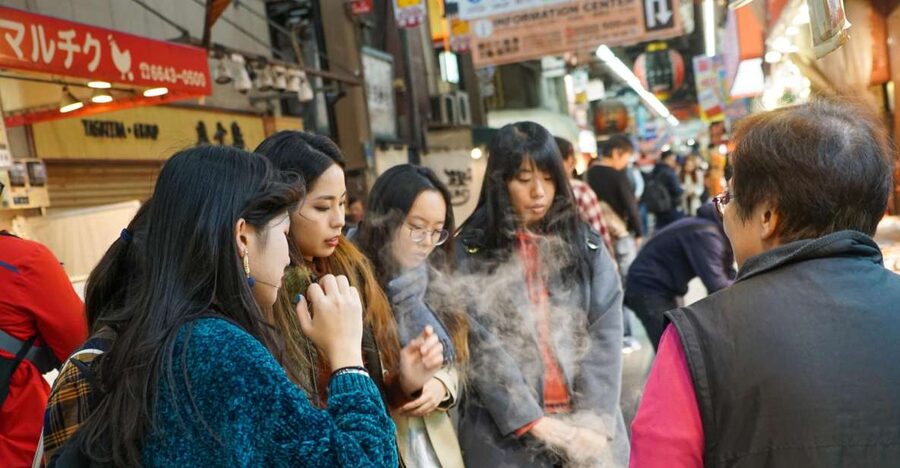
Osaka is often called Japan’s kitchen, and Kuromon Market explains why. Family-run shops have served food here for decades, creating a long covered market where seafood, produce, prepared foods, sweets, and cooking supplies sit close together.
You do not simply walk past the stalls with a guide pointing out names. The point is to taste your way through the market. Your guide helps you choose food, explains what you are eating, and finds places where you can pause without blocking the flow of shoppers.
That matters because Kuromon can be confusing on your first visit. There is plenty to look at, but not every stall will suit your taste, budget, or appetite. A local guide gives you a starting point and helps you avoid spending your first hour trying to decode menus and displays.
I also like the way this tour links eating with daily life. You learn about the market’s place in Osaka, then see how food connects with neighborhood shops, shrines, restaurants, and the city’s famous nightlife district.
Other walking tours in Osaka people book:
- Osaka: Hotspots & Hidden Gems Walking Tour Private or Group
★ 4.9 · 1,300 reviews - Osaka Local Foodie Walking Tour in Dotonbori and Shinsekai
★ 5.0 · 985 reviews - Osaka Bar Hopping Night Walking Tour in Namba (3 bars, 6 tastes)
★ 5.0 · 958 reviews
The route starts near Nippon-bashi Station
The meeting point is in front of the SMBC ATM at Nippon-bashi 1chome, near Kintetsu Nippon-bashi Station. Use Exit 10 from Kintetsu Nippon-bashi Station and look for a MagicalTrip guide holding a board.
Give yourself extra time to find the meeting point. One person specifically found it a little difficult to locate, and this is not the kind of tour where arriving late works well. The tour starts on time, and late arrivals cannot join, reschedule, or receive a refund.
Once the group is together, you begin with a short guided visit listed as a hidden-gem stop. The supplied details do not name this place, so I would treat it as a brief local introduction rather than expect a major sightseeing attraction. It helps set the tone before the food stops begin.
Kuromon Ichiba Market: the main eating session

You spend about 30 minutes at Kuromon Ichiba Market, though food purchases and group pace can affect the exact rhythm. This is the heart of the experience and where most of the tasting takes place.
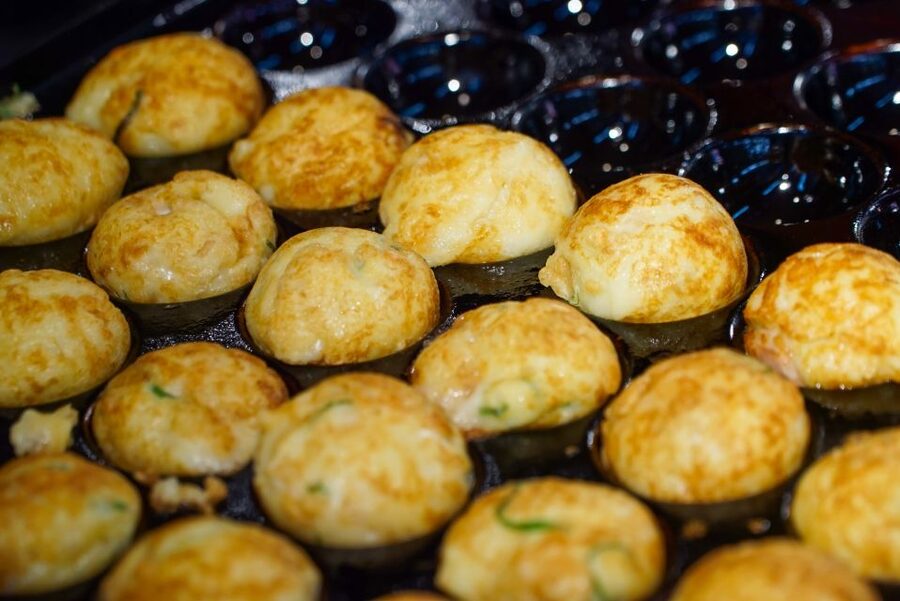
The advertised examples include takoyaki, grilled scallops, and grilled yakitori skewers. Past food combinations have also included tuna belly sashimi, roast chestnuts, dried fruit, watermelon, tempura, gyoza, strawberry mochi, sakura mochi, wasabi, and taiyaki filled with red bean paste.
Do not treat that list as a fixed menu. Market food changes, and your guide may adjust choices according to availability and group preferences. That flexibility is useful. You might prefer savory foods, want to try something unfamiliar, or need to avoid particular ingredients. The guide can help you make choices, but the tour cannot promise allergy-free meals or substitutions.
The tastings are included in the $49 price, and the quantity is one of the tour’s strongest points. Several food-focused outings leave you hungry enough to buy a second meal. This one is designed to fill you up, so arrive ready to eat. Bring cash if you want extra food or drinks beyond the included samples.
Kuromon is also a place where manners and movement matter. You may be eating near busy stalls, and there may not always be an obvious place to stand. Guides sometimes buy the food and lead the group to a quieter spot before eating, which makes the experience more comfortable.
Sennichimae Doguyasuji: Osaka’s kitchen-supply street
The next major stop is Sennichimae Doguyasuji Shotengai, visited for about 20 minutes. This shopping street is devoted to cooking supplies and restaurant equipment, making it a useful change of pace after the market tastings.
This is the part of the tour I would value even if I were not especially interested in food. You can browse Japanese knives, cookware, tableware, restaurant signs, and other kitchen goods. The guide can point out places suitable for souvenirs and help explain what you are seeing.
Knife shopping deserves care. If you are considering a purchase, ask the shop and your guide about packing and transport rules before buying. The tour information does not promise help with shipping, so you should not assume every shop will arrange delivery.
Twenty minutes is enough for an introduction, but not enough for a serious shopping expedition. If you find a knife, bowl, or cooking tool you like, note the shop and return later. This is one reason the tour works well early in your Osaka stay: you can come back when you have more time and a clearer idea of what you want.
Other guided walks in Osaka:
- Osaka: Deep Backstreets Walking Tour with Dinner Option
★ 4.9 · 902 reviews - Ultimate Osaka Walking Tour: Castle, Dotonbori & Hidden Gems
★ 5.0 · 862 reviews - Osaka: Main Sights and Hidden Spots Guided Walking Tour
★ 4.9 · 702 reviews - Private Osaka Walking Tour: Highlights & Hidden Gems
★ 5.0 · 569 reviews
A local restaurant and the quieter side of the route
The itinerary includes a short 10-minute visit to a local restaurant. The exact restaurant and tasting are not specified, so think of this as part of the food route rather than a full sit-down meal.
That brief stop helps show the difference between market food and the small restaurants that serve Osaka residents. Your guide may also use the pause to explain ordering customs, local dishes, or where to eat later. Several guides have offered evening meal suggestions, which can be useful when you are still learning your way around Namba.
The tour is not designed as a long restaurant meal. If you want table service, multiple courses, or time to linger over a drink, plan a separate meal afterward.
Hozenji Yokocho and its neighborhood atmosphere
Hozenji Yokocho receives about 10 minutes, usually as a short walk and cultural stop. The route gives you a break from the food stalls and brings in a traditional-looking lane and shrine setting near the modern center of Osaka.
The time is brief, but that is part of the appeal. You get a glimpse of a different side of the neighborhood without losing the focus of the tour. Guides have also been praised for explaining the area’s culture and past, which gives this stop more meaning than a quick photo break.
If you enjoy temples and shrines, you may wish you had longer here. The tour’s purpose is not extended sightseeing, though. It uses Hozenji Yokocho to connect the food districts with Osaka’s older local character.
Dotonbori finishes the two-hour walk
The final major stop is Dotonbori, with about 25 minutes set aside for the area. This is one of Osaka’s best-known entertainment districts, filled with signs, restaurants, shopping, and the canal-side atmosphere that many first-time visitors expect from central Osaka.
Ending here makes practical sense. You finish near one of the city’s easiest areas for an independent evening, and your guide can suggest where to continue eating or what else to see. You are already close to places you may want to revisit after you know which dishes and neighborhoods suit you.
Do not expect a full Dotonbori tour. Twenty-five minutes gives you an orientation, not a detailed visit to every lane. It is enough to understand the layout and get ideas for later.
What the guides add to the experience
The guide is the most important variable on a small food walk. The named guides in the supplied feedback include Nina, Niko, Aiko, Noz, Ai, Mari, Yusuke, Eri, Mich, Rhi, and others. The repeated strengths are clear English, warm conversation, useful explanations, and a willingness to adjust the route or tastings within the tour’s limits.
Nina has been singled out for local insight, thoughtful organization, and helping visitors cope with very hot weather. Niko has been praised for a relaxed pace and for letting people make their own food choices. Aiko and Noz have been noted for taking plenty of photos, which is handy when you want pictures without constantly asking strangers.
Small groups help here. A few people said their booking became a private tour, while others had groups small enough to move through the market with ease. The booking allows private or small-group options, but you should check the available choice and price when selecting your date.
The photos are included, which adds value. They are not a reason to book the tour by themselves, but they make it easier to remember the foods and neighborhoods without spending the whole walk holding up your phone.
Is $49 a fair price?
At $49 per person, the tour is not the cheapest way to eat at Kuromon. You could buy individual snacks on your own for less, especially if you choose small portions and skip the guide.
The value comes from the combination of five to six included tastings, local explanations, navigation, photos, and a wider route through Nippon-bashi, Doguyasuji, Hozenji Yokocho, and Dotonbori. If the tastings replace lunch, the price becomes easier to justify.
I would book it if you are new to Osaka, unsure what to order, or interested in trying foods you would not choose alone. I would skip it if you already know Kuromon well, prefer to eat slowly at your own pace, or want a dedicated shopping tour.
The tour also works well for families and teenagers, with all ages welcome. One guide adjusted well to a baby, and other guides offered suggestions for young people on very hot days. Still, children need to be comfortable walking and eating in crowded areas for two hours.
Food restrictions, weather, and comfort
Vegetarian and vegan requests can be accommodated in some cases, but options may be limited because many Japanese restaurants are not fully prepared for these diets. Tell the operator at least one day ahead. Same-day requests cannot be accepted.
Gluten-free requests cannot be accommodated. Allergy-free meals and substitutions are not guaranteed because food is prepared in outside kitchens. If you have a serious allergy, this is a poor fit.
Some locations are not wheelchair or stroller accessible, and the tour is not recommended for people with mobility issues. The market can be crowded, and standing space may be limited while you eat.
Osaka’s weather also deserves attention. Summer temperatures can reach about 40°C, while winter lows can fall to about -5°C. Wear suitable clothing, carry water, and arrive prepared for the season. In hot weather, an early or later start may feel easier, but you must check the available starting times when booking.
Free cancellation is available up to 24 hours before the tour, and you can reserve now and pay later. Those terms are helpful, but they do not soften the strict late-arrival rule.
Who should book this Osaka food walk?
I would recommend it to first-time visitors who want a quick introduction to Osaka food and the Namba area. It is also a good choice if you want a guide to make the first ordering decisions, explain unfamiliar dishes, and show you where to return later.
Food lovers will appreciate the variety, but you do not need to be adventurous to enjoy it. You can tell the guide what appeals to you, and the route includes familiar choices alongside more unusual possibilities. Some tastings may be raw seafood, strongly flavored foods, or ingredients you have never tried, so speak up before anything is purchased.
The tour suits couples, families with older children, and small groups of friends. It is less suitable for anyone needing step-free access, strict gluten-free food, guaranteed allergy controls, or a slow restaurant-based meal.
Should you book it?
Book this tour if you want a filling food introduction and neighborhood orientation in one compact outing. The strongest reasons are the included tastings, the useful Doguyasuji kitchenware stop, and the guides’ repeated ability to explain Osaka in clear English while keeping the mood relaxed.
I would schedule it near the beginning of your Osaka visit. You can return to your favorite Kuromon stalls, shop for kitchenware with more time, and use your guide’s dinner suggestions during the rest of your stay.
Skip it if you prefer complete independence or already have a detailed food plan. For most first-time visitors, though, $49 buys more than snacks. It buys a practical start in a city where knowing what to eat is half the fun.
FAQ
How long does the Kuromon Market food tour last?
The tour lasts two hours.
How much does the tour cost?
The listed price is $49 per person.
How many food tastings are included?
The tour includes five to six food samplings.
Are drinks included?
Additional food and drinks are not included, but you can purchase them during the tour. Bring cash for these extras.
What foods might I try?
Possible foods include takoyaki, grilled scallops, yakitori skewers, sashimi, tempura, gyoza, fruit, mochi, taiyaki, roast chestnuts, and dried fruit. The exact selection can vary.
Where is the meeting point?
Meet in front of the SMBC ATM at Nippon-bashi 1chome near Kintetsu Nippon-bashi Station. Use Exit 10 and look for a guide holding a MagicalTrip board.
Is the tour offered in English?
Yes. The tour has a live English-speaking guide.
Can I request vegetarian or vegan food?
Vegetarian and vegan requests may be accommodated, but options can be limited. You must inform the operator at least one day in advance. Same-day requests cannot be accepted.
Can the tour accommodate gluten-free diets or food allergies?
Gluten-free requests cannot be accommodated. Allergy-free meals and substitutions cannot be guaranteed because food is prepared in external kitchens.
Is the tour wheelchair accessible?
No. Some locations are not wheelchair or stroller accessible, and the tour is not recommended for people with mobility issues.
Just added in Osaka
- Osaka: Mind & Spirit Balance Temple Reiki Healing★ 5.0 · 41 reviews
- Osaka Temple Cool Foot Bath & Matcha Experience〈45min〉★ 4.9 · 82 reviews
- Full Day Kyoto Tour : Bamboo Forest, Golden Temple, Fushimi Inari★ 5.0 · 84 reviews
- Osaka: Minoh, Katsuoji Temple, & Minoh Falls Full-day Tour★ 4.9 · 172 reviews
- OSAKA NIGHT FUSION Japanese Taiko Kabuki Samurai Dance Show★ 4.8 · 155 reviews
- Ramen and Gyoza Cooking Class in Osaka★ 5.0 · 202 reviews
- Osaka: A Modern Samurai, Kabuki, Taiko, & Dance Show★ 4.5 · 66 reviews
- Osaka: Samurai Training Experience KENDO in Osaka★ 5.0 · 111 reviews
Walking Tours, compared.
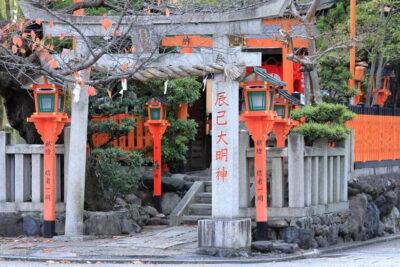
Kyoto Geisha Walking Tour: Gion District & Hidden Gems
Read our review →
Tokyo Tsukiji Fish Market Food and Culture Walking Tour
Read our review →
Imperial Palace and Shogun Historical Walking Tour
Read our review →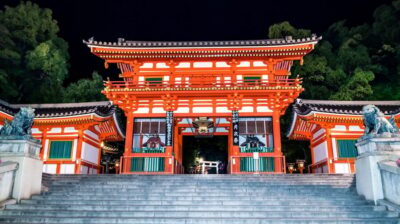
Gion Geisha District Walking Tour – Stories of Geisha
Read our review →
Shinjuku Local Bar and Izakaya Guided Walking Tour
Read our review →
Asakusa Walking Tour with Sensoji Temple Visit
Read our review →
Nishiki Market Brunch Walking Tour (7 Tastings + Brunch)
Read our review →Browse the lists this tour appears in